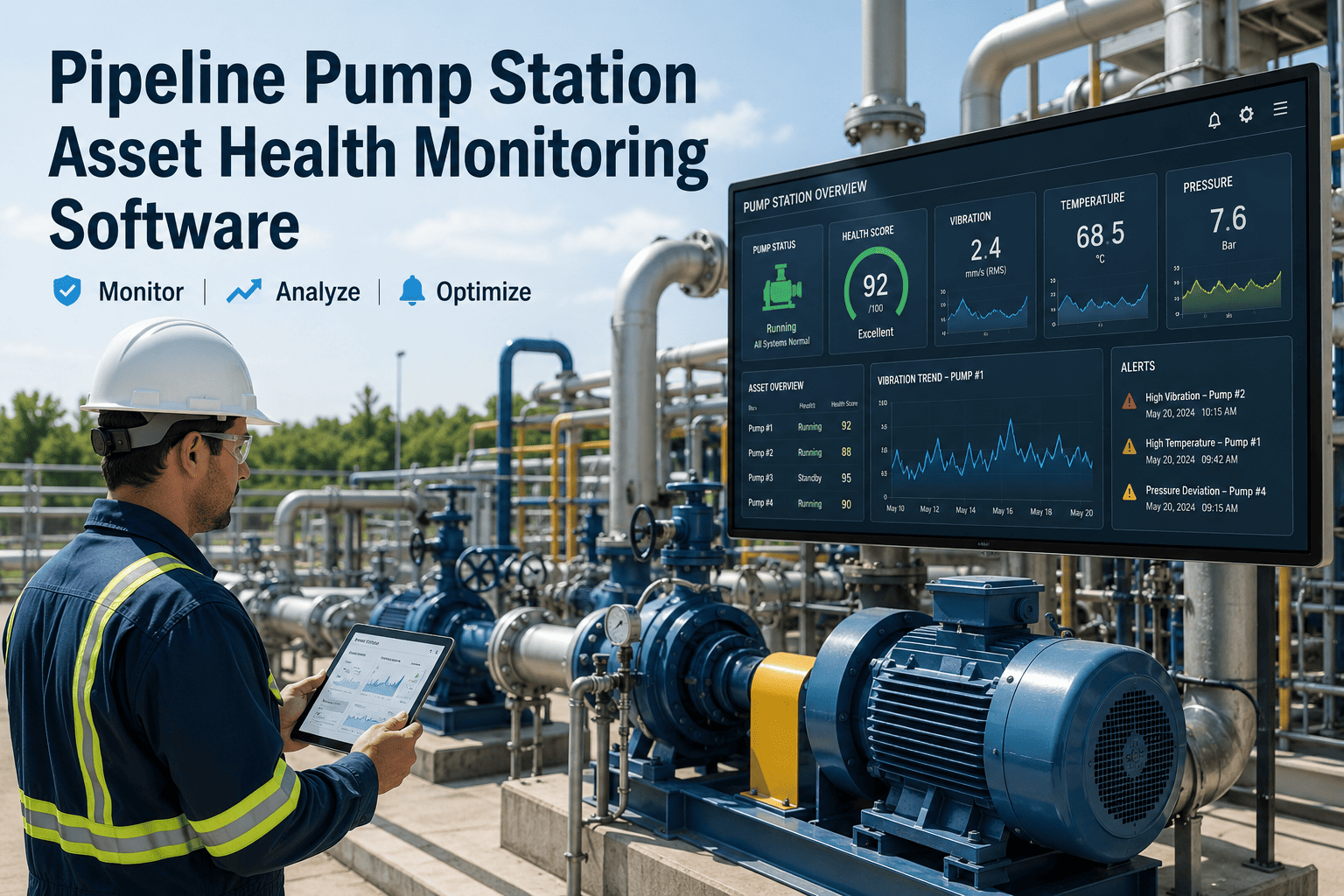
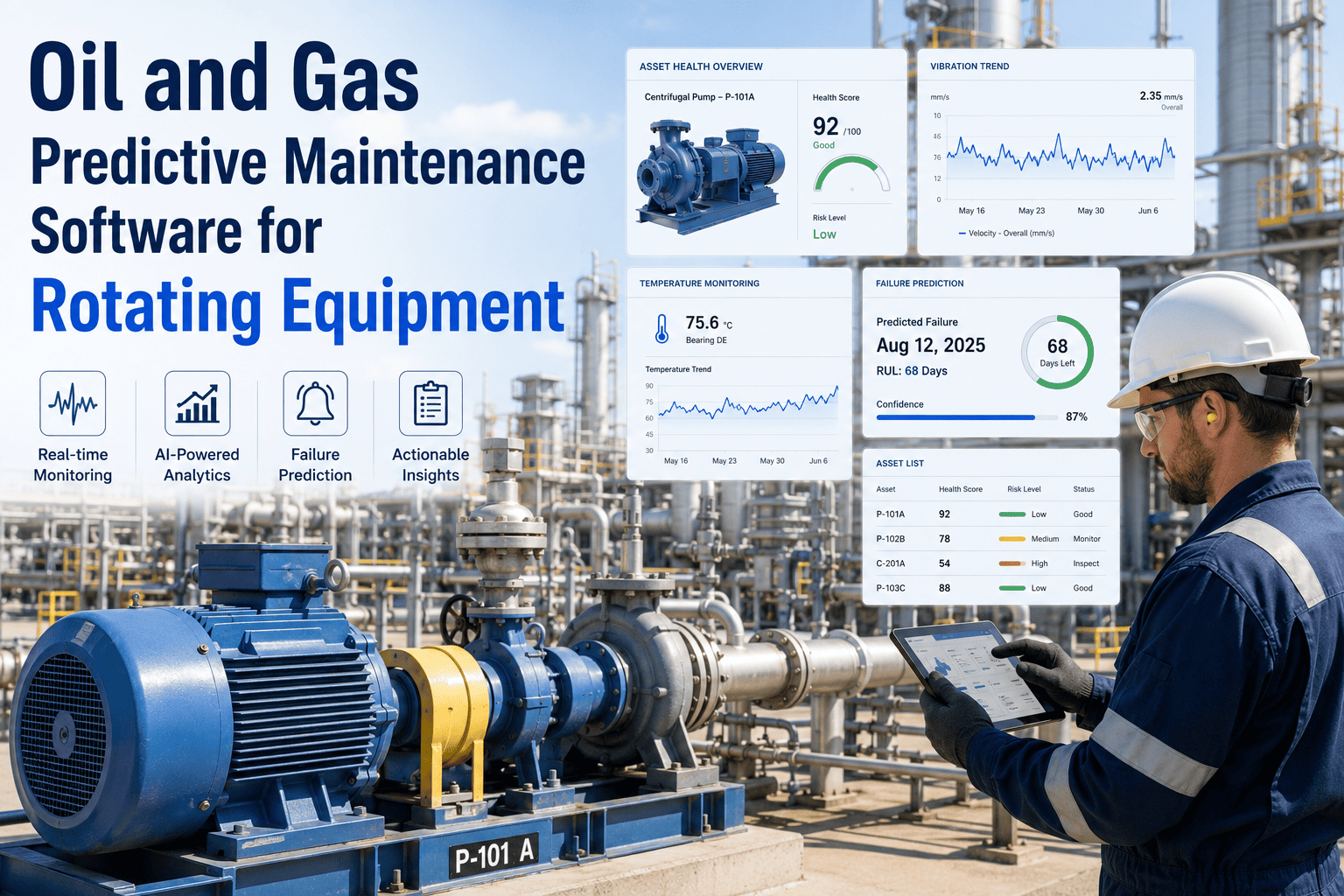
A cement kiln does not fail all at once. A refractory hot spot builds for days before it becomes a shell scan alarm, a kiln drive current creeps upward as the tire rides out of position, and a preheater cyclone plugs gradually as coating builds up unnoticed on the cone. Most plants only catch these problems once they trigger a control room alarm, at which point the kiln is already at risk of an unplanned stop that can cost a full day of clinker production to recover from. iFactory's predictive maintenance and process monitoring software reads kiln shell temperature, drive current, and preheater differential pressure continuously, and you can book a demo to see it watching your own kiln's process data in real time.
An Unplanned Kiln Stop Costs a Full Day of Clinker. Most of Them Give Weeks of Warning First.
iFactory continuously monitors kiln shell temperature, drive load, refractory condition, and preheater performance to flag developing failures before they force an emergency stop.
Where iFactory Watches the Clinker Process, Stage by Stage
A cement kiln line is really five connected systems, and a failure anywhere in the chain can force the entire line down. iFactory monitors each stage with the specific signals that matter for that equipment, rather than one generic alarm threshold applied everywhere.
Crusher & Raw Materials
Vibration and load monitoring on crusher bearings and hammers flags wear before a jam stops raw material feed.
Raw Mill
Mill motor current and vibration trends catch roller and table liner wear before it affects grinding fineness.
Preheater & Kiln
Shell temperature scanning, drive current, and cyclone differential pressure are tracked continuously for hot spots and buildup.
Cooler
Grate plate temperature and clinker bed depth are monitored to catch cooler fan and drive issues early.
Cement Mill
Separator performance and mill bearing condition are tracked to flag grinding efficiency loss before it compounds.
The Real Cost of an Unplanned Kiln Stop, in Numbers
An unplanned kiln stop is one of the most expensive events in a cement plant's operating calendar, because relighting and reheating the kiln consumes fuel and time without producing clinker. The figures below reflect typical industry costs of an unplanned stop against a planned maintenance window.
The Refractory Hot Spot That Stops Your Kiln Next Month Is Already Visible in Today's Shell Scan Data
iFactory continuously analyzes kiln shell temperature, drive current, and preheater differential pressure to flag developing failures weeks ahead of an emergency stop. Book a demo and see it running on your own kiln data.
Four Kiln Failure Risks iFactory Tracks Continuously
Select each risk area below to see how iFactory's predictive model isolates it from normal kiln operating variation.
Refractory brick wear exposes the kiln shell to direct heat, creating a localized hot spot that shows up in shell scanning data days before it becomes visible to the naked eye during a walk-around. iFactory trends shell temperature against the kiln's own baseline profile to catch this drift early enough for a planned refractory repair instead of an emergency stop.
A kiln tire riding out of its correct position on the riding ring increases drive current and accelerates wear on both components, but the drift is gradual enough that it rarely triggers a standard alarm. The AI tracks drive current and tire position data together to flag this drift before it forces a drive replacement.
Material buildup on preheater cyclone cones restricts gas flow gradually, showing up first as a slow rise in differential pressure across the affected stage. iFactory flags this trend well before the buildup becomes severe enough to force a manual cleaning shutdown.
Induced draft fans and cooler drives operate continuously under high thermal and dust loading, and bearing wear on these assets follows the same vibration signature patterns seen across other rotating equipment. The AI applies the same early-warning vibration analysis used elsewhere in the plant to this critical equipment.
Manual Inspection Rounds vs Continuous AI Process Monitoring
The table below compares how kiln condition monitoring typically happens today against what changes with a continuously running predictive model.
| Capability | Manual Inspection Rounds | iFactory Predictive Monitoring |
|---|---|---|
| Shell Temperature Checks | Periodic scans or thermal camera walks | Continuous automated scanning analysis |
| Cyclone Blockage Detection | Noticed after draft or output drops | Flagged from differential pressure drift |
| Drive Current Trending | Reviewed during scheduled reports | Tracked continuously against baseline |
| Warning Lead Time | Hours before a forced stop, at best | Days to weeks ahead of failure |
| Unplanned Stop Frequency | Higher, driven by late detection | Reduced 15 to 20 percent typically |
From Process Data Access to Live Kiln Risk Scoring
iFactory's deployment on a kiln line is structured so that reliability engineers see the first meaningful risk flag within the first month of onboarding.
Process Data Connection
Shell scanner, drive current, cyclone differential pressure, and cooler data are connected from your existing DCS and PLC infrastructure.
Baseline Modeling
Each monitored system gets a baseline built from the kiln's own operating history across different production rates and fuel mixes.
Risk Model Validation
Reliability engineers review the first cycle of flagged risks against known maintenance events to confirm classification accuracy.
Live Rollout
Continuous risk scoring goes live for the full kiln line, with alerts routed to maintenance planners and control room operators.
Common Questions About Predictive Maintenance for Cement Kilns
Your Kiln Is Already Warning You. The Question Is Whether Anyone Is Watching Continuously.
A cement kiln rarely fails without leaving a trail of evidence first, whether that trail shows up in shell temperature, drive current, or preheater differential pressure. The problem most plants face is not a lack of data but a lack of continuous analysis connecting that data into a clear, early warning before the kiln forces an emergency stop.
iFactory's predictive maintenance and process monitoring software reads that trail continuously across every stage of the clinker process, from crusher to cement mill, and delivers a prioritized risk alert your maintenance team can act on weeks ahead of failure. Book a demo to see it running against your own kiln's process data.
Stop Losing a Full Day of Clinker to a Failure You Could Have Seen Coming
iFactory continuously monitors your kiln, preheater, and cooler for the earliest signs of refractory wear, drive stress, and cyclone buildup. Book a demo and see the risk model running on your own kiln line.