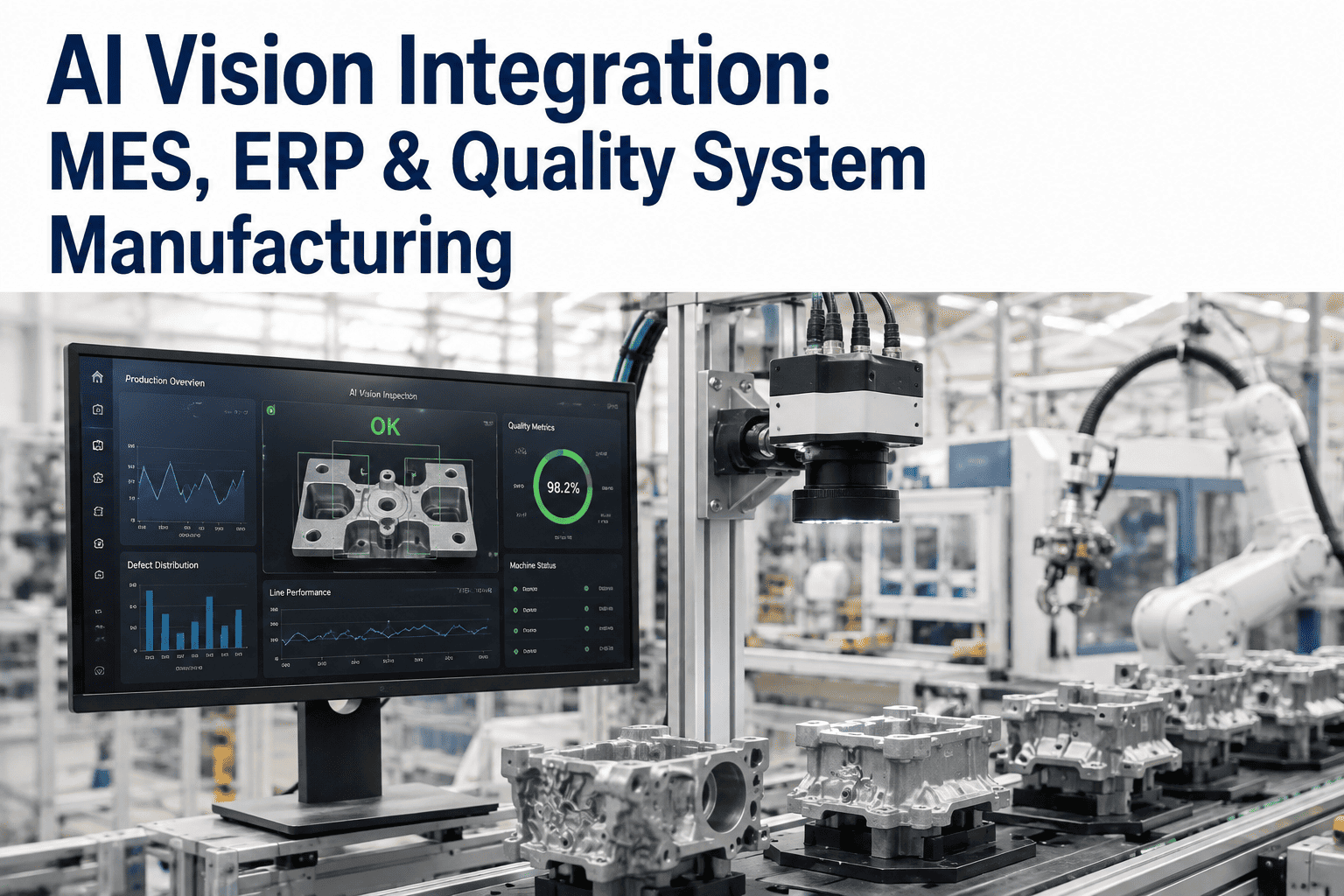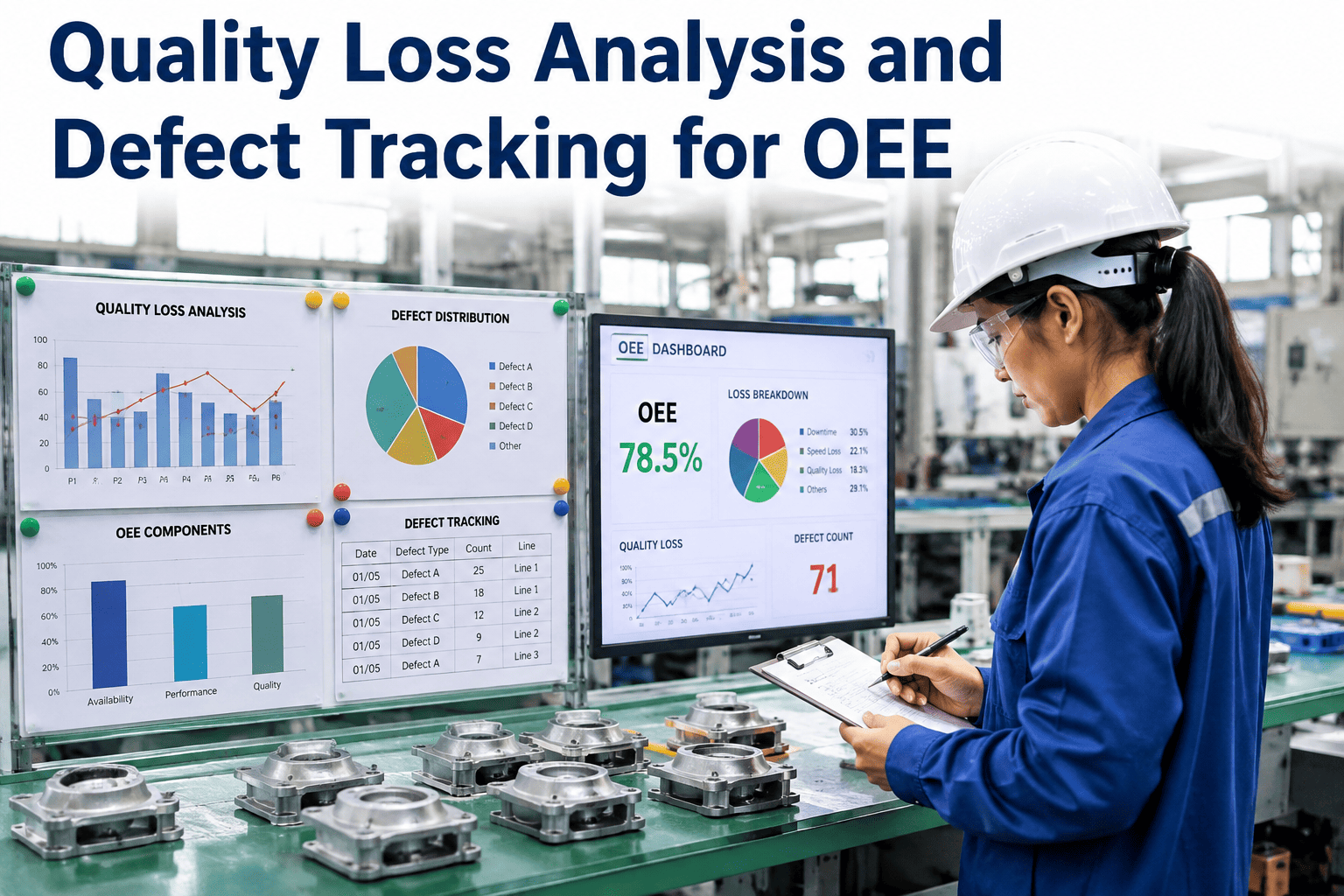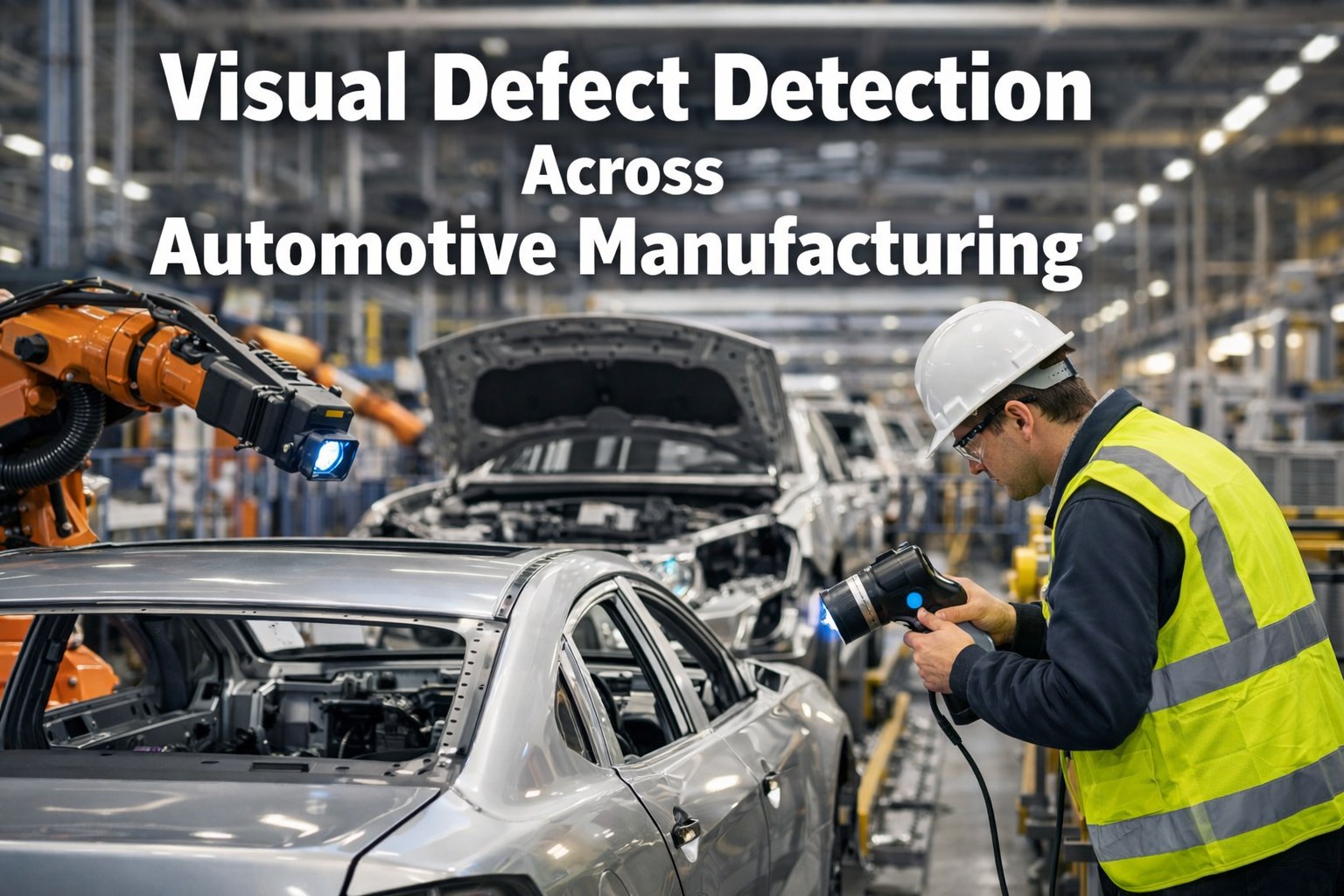
A single undetected weld defect can snowball into a billion-dollar recall affecting millions of vehicles. In 2025 alone over 30 million vehicles were recalled in the United States yet most of these failures originated on the production floor where they could have been caught and contained. End-to-end traceability transforms automotive quality from reactive firefighting into precision prevention linking every part and processand parameter to the vehicle it built. Book a free consultation to explore traceability for your plant.
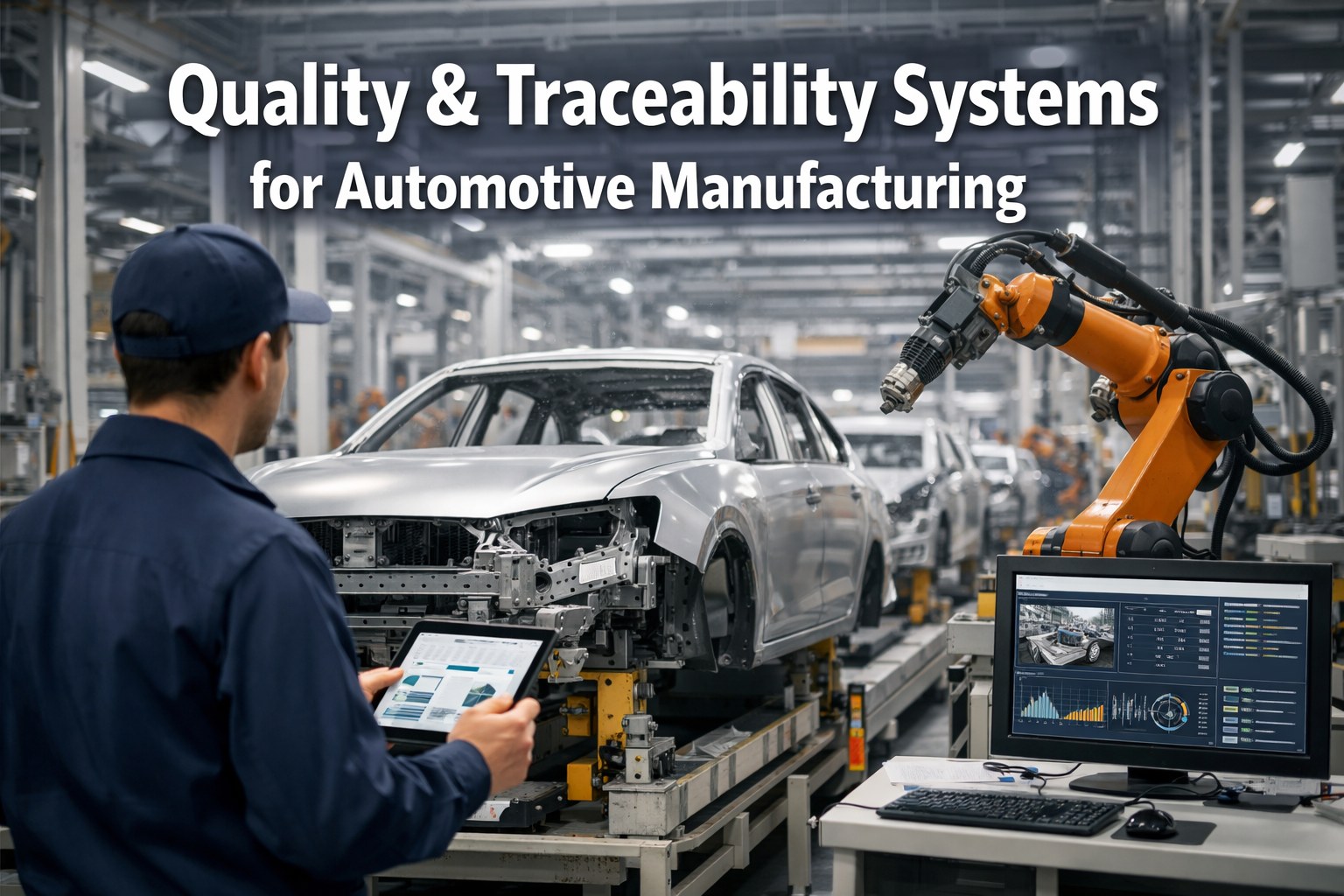
Quality & Traceability Systems for Automotive Manufacturing
Maintain End-to-End Traceability to Reduce Defects, Rework, and Recall Risk Across Your Entire Production Line
The 1–10–100 Rule: Why Early Detection Matters
Every stage a defect travels undetected multiplies its cost by 10×. Traceability stops the escalation.
Prevention
Catch the flaw in raw material or incoming inspection. Fix it before it enters the line.
Internal Correction
Defect found after welding, painting, or assembly. Requires rework, scrap, or line stoppage.
External Failure
Defective vehicle reaches the customer. Warranty claims, dealer repairs, recalls, lawsuits, brand damage.
What End-to-End Traceability Actually Tracks
Every vehicle gets a digital birth certificate — linking every part, process, and person to its VIN.
Component Origin
Supplier, lot number, batch ID, material certifications, incoming inspection results — for every part that enters the plant.
Station & Process
Which machine, which station, which program version, which tooling was used. Torque values, weld parameters, paint thickness — all logged.
Operator & Shift
Who performed the operation, which shift, what training certifications they held. Ties human factors to quality outcomes.
Quality Checks
In-line inspection results, SPC measurements, vision system pass/fail, dimensional data — all linked to the specific VIN.
Timestamps
Exact time each operation was performed, dwell times between stations, and cycle time deviations — creating a complete timeline per vehicle.
Compliance Records
Auto-generated audit trails for IATF 16949, ISO 26262, TREAD Act, and OSHA. Every data point is exportable for regulators.
How iFactory Delivers Full Production Traceability
From incoming materials to finished vehicle — every data point flows through one platform.
Incoming Material Tracking
Log supplier lots, scan barcodes or RFID tags, attach Certificates of Analysis (COAs), and flag non-conforming batches — all before parts touch the line.
In-Process Quality Gates
Digital checklists at every station capture torque values, weld parameters, paint thickness, and dimensional data. Fail a gate — the line stops, the defect is contained.
VIN-Level Data Binding
Every inspection result, process parameter, and component lot is linked to the vehicle's VIN — creating complete manufacturing genealogy for each unit produced.
Defect Analytics & Recall Containment
When a defect surfaces — even years later — iFactory traces back to the exact lot, shift, machine, and operator. Isolate affected VINs in minutes, not weeks.
Could You Trace a Defect Back to Its Source in 5 Minutes?
iFactory gives your quality team instant traceability — from the finished vehicle all the way back to the raw material lot, supplier, machine, and operator that built it.
Mass Recall vs. Surgical Containment
How Top Automakers Handle Traceability
The best in the industry treat traceability as core infrastructure — not a compliance checkbox.
Comprehensive VIN-level tracking allowed GM to limit a brake valve defect recall to just 4 vehicles — while competitors without traceability would have recalled entire model years.
Uses AI vision systems and digital traceability across body-in-white, paint, and final assembly to detect micro-defects at line speed, with full parameter logging per VIN.
Only 16 recall campaigns in 2024 — among the fewest for any major manufacturer. Built on decades of quality culture backed by rigorous process traceability and supplier management.
Launched blockchain-based traceability for raw materials like cobalt in EV production — ensuring ethical sourcing and full supply chain transparency from mine to vehicle.
Join the Leaders. Build Traceability That Actually Works.
iFactory connects your quality gates, inspection data, supplier records, and VIN genealogy into one intelligent platform — so you find defects before your customers do.
Standards That Demand Traceability
Automotive traceability isn't optional — it's a regulatory requirement across multiple frameworks.
The global quality management standard for automotive suppliers. Requires documented traceability for all components, process controls, and corrective actions throughout the supply chain.
Functional safety standard for automotive electrical and electronic systems. Mandates end-to-end requirements traceability from design through validation — critical for ADAS and EV systems.
Enacted after the Firestone tire failures. Requires manufacturers to report safety-related defects, maintain detailed recall records, and provide VIN-level traceability for all affected vehicles.
Industry-standard traceability framework from the Automotive Industry Action Group. Includes self-assessment tools and "fire drill" exercises to verify your system works when it's needed most.
Frequently Asked Questions
What is manufacturing genealogy?
It's the complete digital birth record of a vehicle — linking every component lot, process parameter, operator, machine, and inspection result to a specific VIN. When a defect surfaces, you trace the entire history in seconds.
How does traceability reduce recall costs?
Instead of recalling an entire model year, traceability lets you isolate the exact VINs affected by a specific supplier lot or process anomaly. This "surgical recall" approach has saved manufacturers millions by containing scope to only affected units.
Can iFactory integrate with our existing MES and ERP?
Yes. iFactory connects to SAP, Oracle, and major MES platforms via REST APIs, OPC-UA, and standard data connectors. Quality data flows both ways — no double entry, no data silos.
What about tracking 30,000+ parts per vehicle?
iFactory supports barcode, QR code, and RFID scanning at every station. Serialized components are individually tracked; batch-level parts are traced by lot. The system scales from single-line operations to multi-plant deployments.
How quickly can we see ROI?
Most manufacturers see measurable results within 3–6 months: fewer escape defects, faster root cause analysis, and reduced rework hours. Plants with active recall risk often see payback within the first contained incident.
Is digital traceability really better than paper?
Paper logs get lost, arrive late, and can't be searched. Digital traceability records data at the workstation in real time, ties it to machines and batches automatically, and makes it instantly available for audits and root cause analysis.
Every Defect You Catch Early Is a Recall You'll Never Face.
See how iFactory gives your quality team VIN-level traceability, real-time defect analytics, and automated compliance reporting — purpose-built for automotive manufacturing.