Automotive manufacturers operating global supply networks with 180-450 Tier 1 suppliers and 2,200-5,500 Tier 2 and 3 component suppliers face $4.2 to $18 million annual supply chain disruption costs from visibility gaps creating demand forecast errors of 18-32%, supplier delivery failures, and inventory mismanagement cascading through multi-tier networks. Legacy supply chain planning relies on disconnected spreadsheets, manual supplier communication, and reactive inventory management invisible to supply network participants until failures occur. iFactory AI Multi-Tier Supplier Visibility Platform eliminates these constraints through integrated demand sensing predicting 12-18 weeks forward, real-time supplier risk monitoring detecting failures 7-21 days in advance, and collaborative inventory optimization visible to all supply chain tiers enabling coordinated planning reducing inventory 18-32%, improving on-time delivery from 82% to 97%, and capturing $2.8 to $8.4 million annual value per manufacturing facility. Book a demo to see how iFactory connects your entire multi-tier supply chain with real-time AI visibility.
The Challenge: Multi-Tier Supply Chain Blindness
Global automotive supply chains operate across 3-4 tiers of suppliers with information delays at every level. Tier 1 suppliers see OEM demand forecasts but lack visibility into Tier 2 and 3 capacity constraints. Tier 2/3 suppliers operate on purchase orders without understanding end-customer demand patterns. This creates the bullwhip effect: small demand fluctuations at the OEM level magnify into massive swings upstream, causing Tier 3 suppliers to over-invest in inventory while critical components become scarce. Demand forecast inaccuracy of 18-32% forces safety stock buffers consuming $3-6 million per facility in working capital. Supply disruptions at any tier cascade within 24-48 hours: a Tier 3 material shortage causes Tier 2 line stoppage, forcing Tier 1 assembly halt and OEM production loss at $22,000 per minute.
iFactory AI connects demand planners at OEM through Tier 1, 2 and 3 suppliers with synchronized forecasts, shared risk intelligence, and collaborative inventory optimization visible to all participants.
How iFactory AI Solves Multi-Tier Supply Chain Visibility
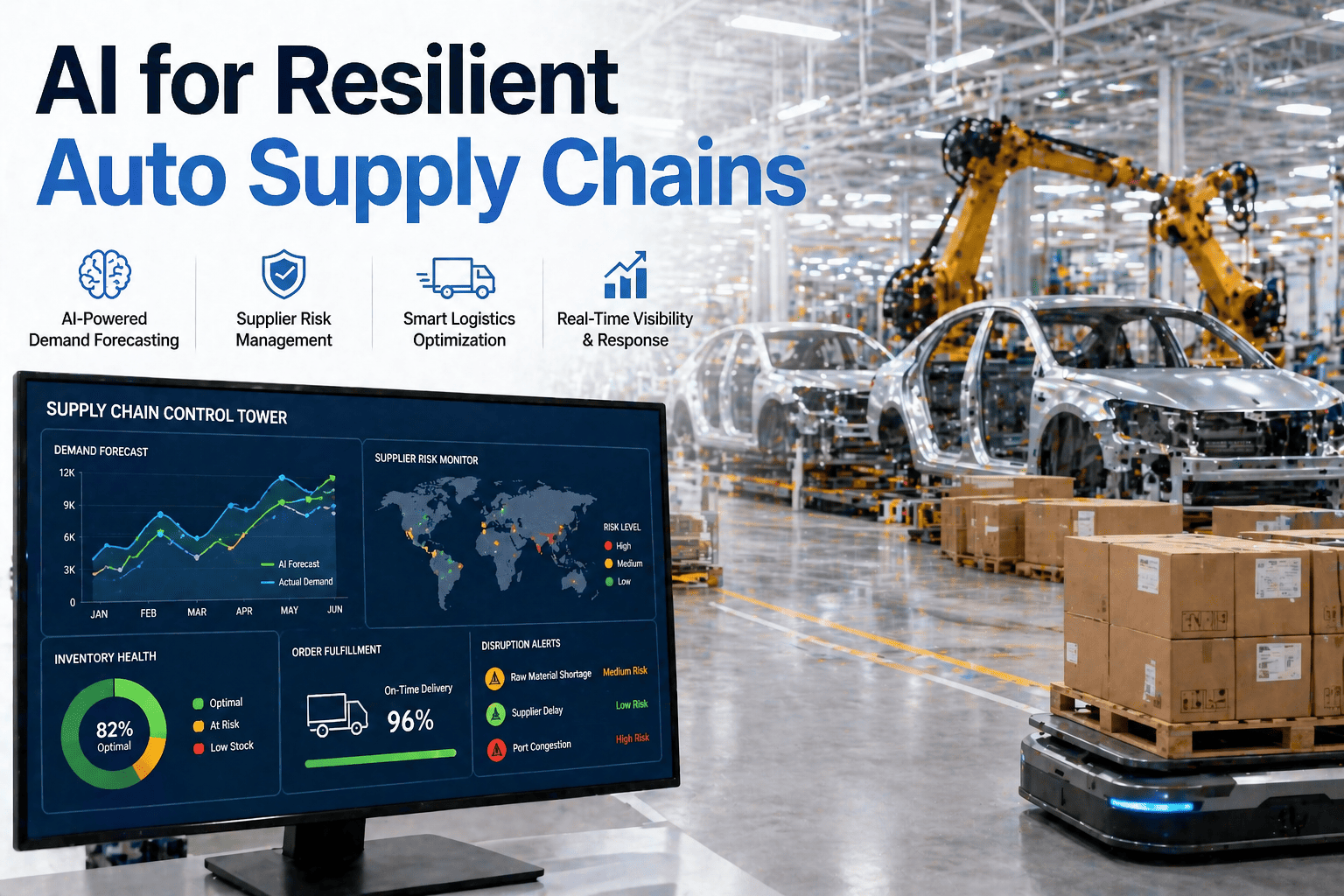
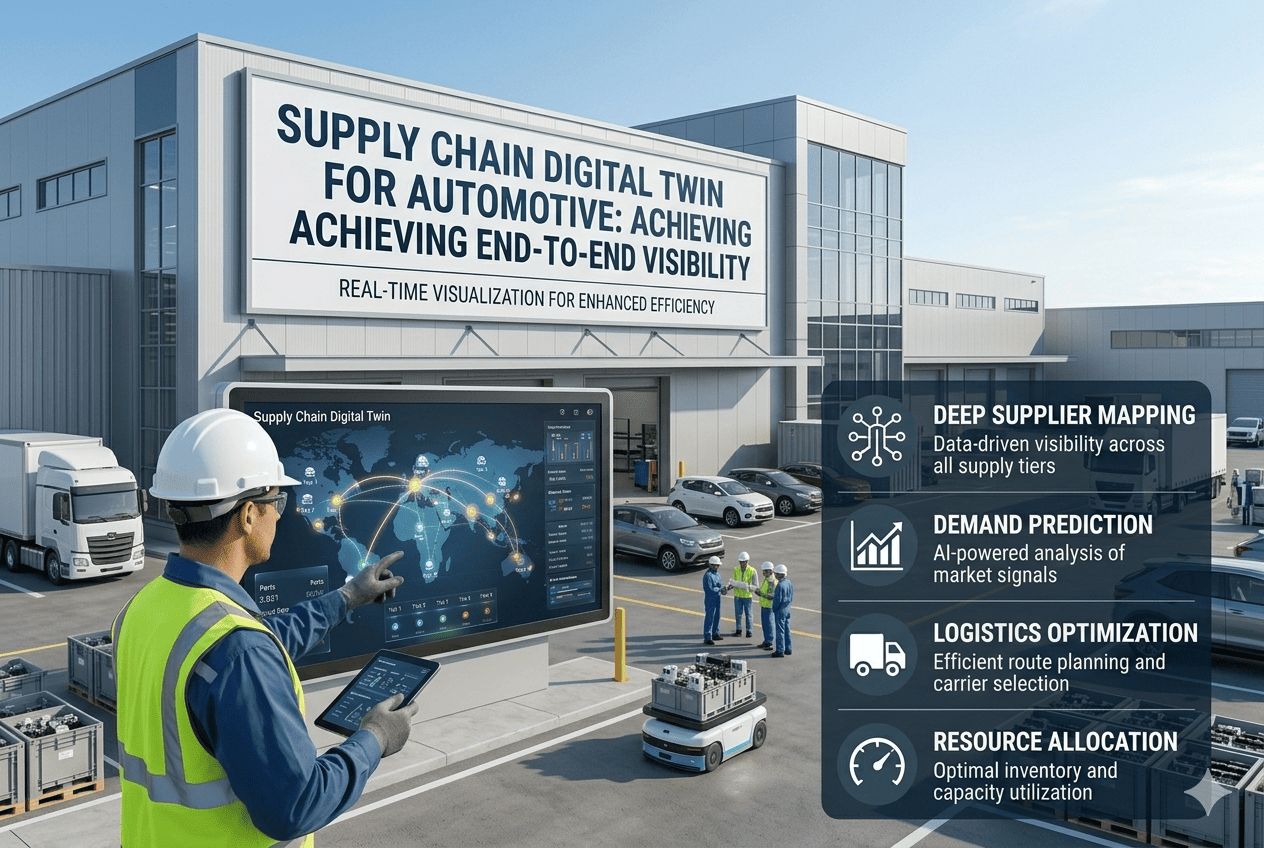
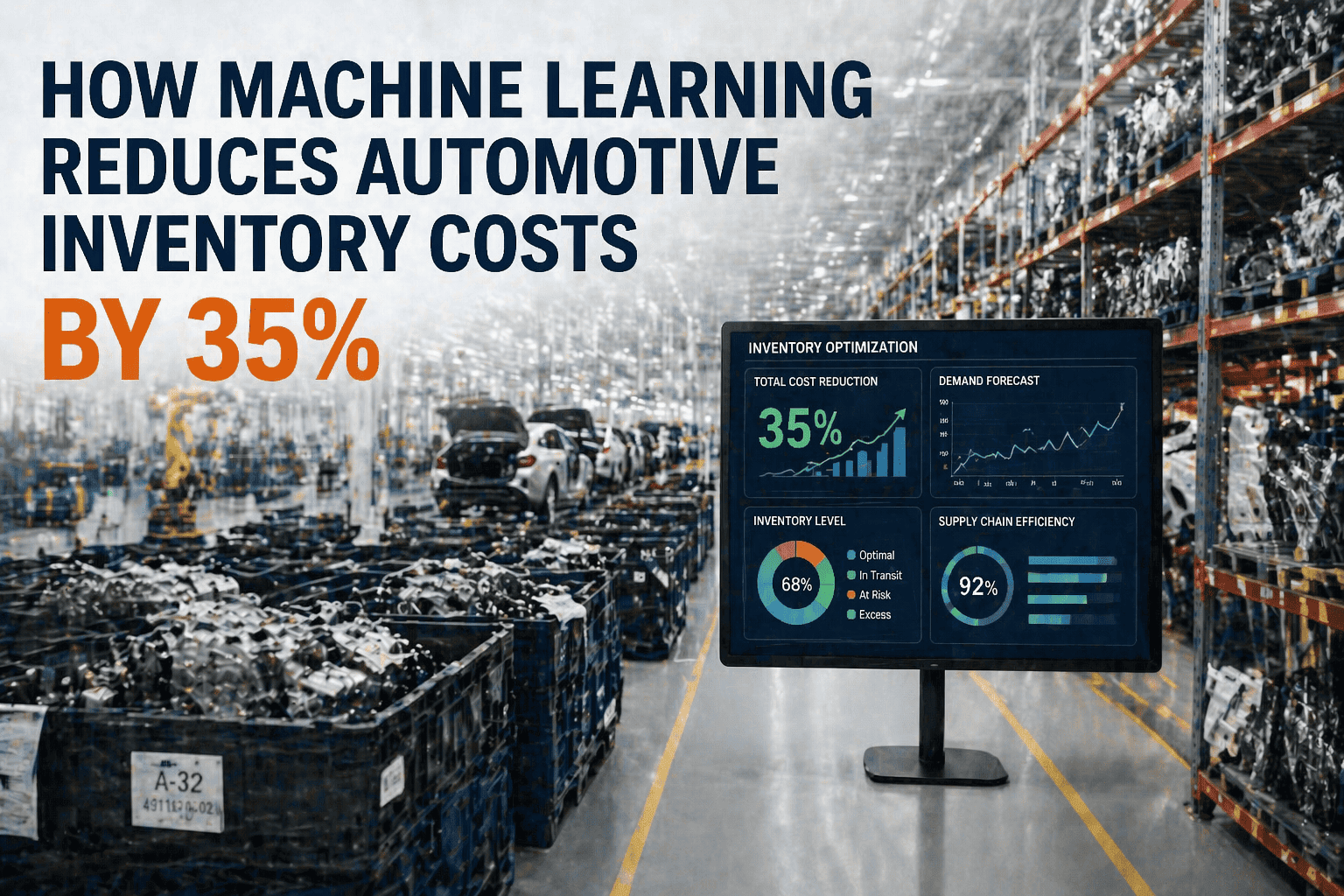
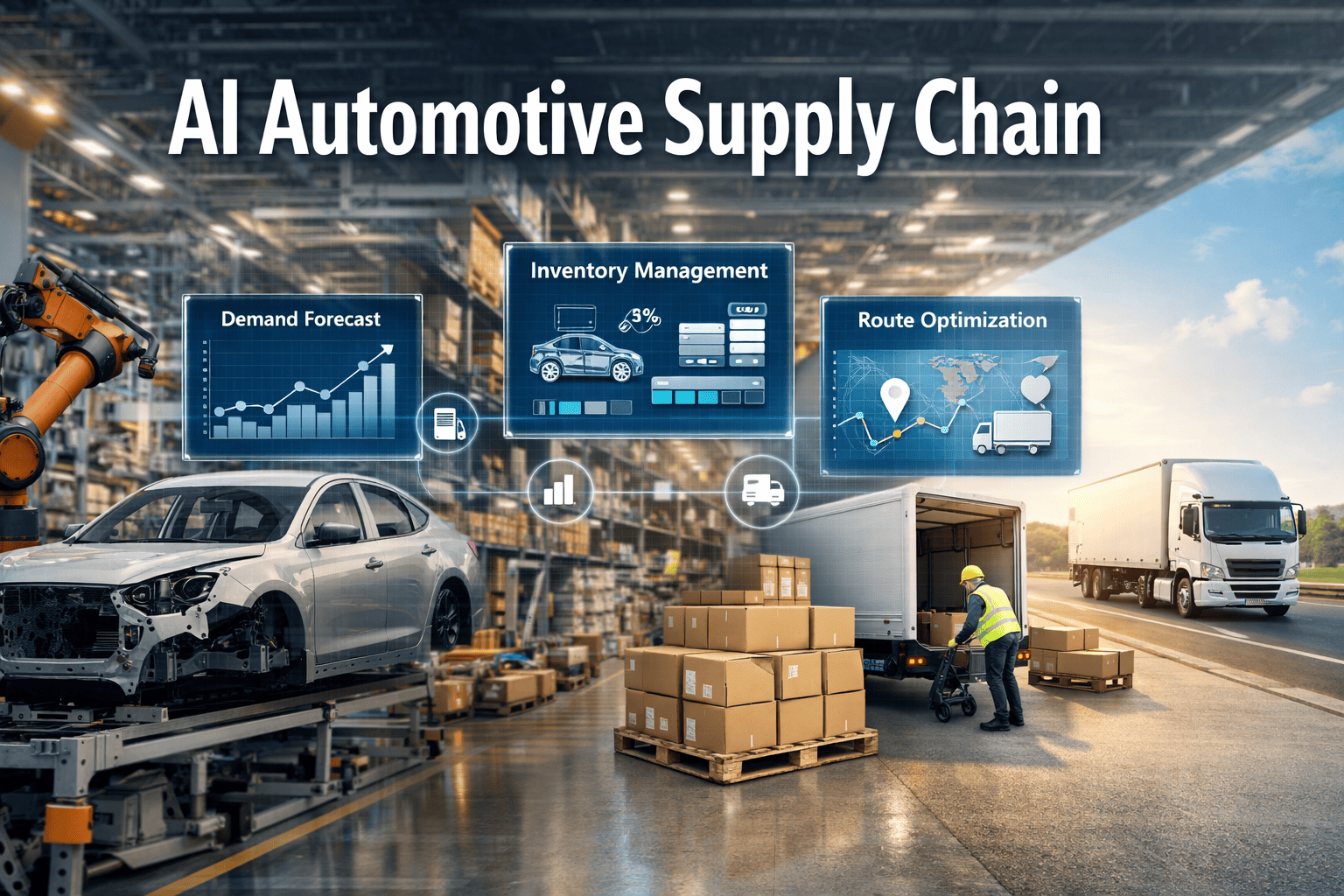
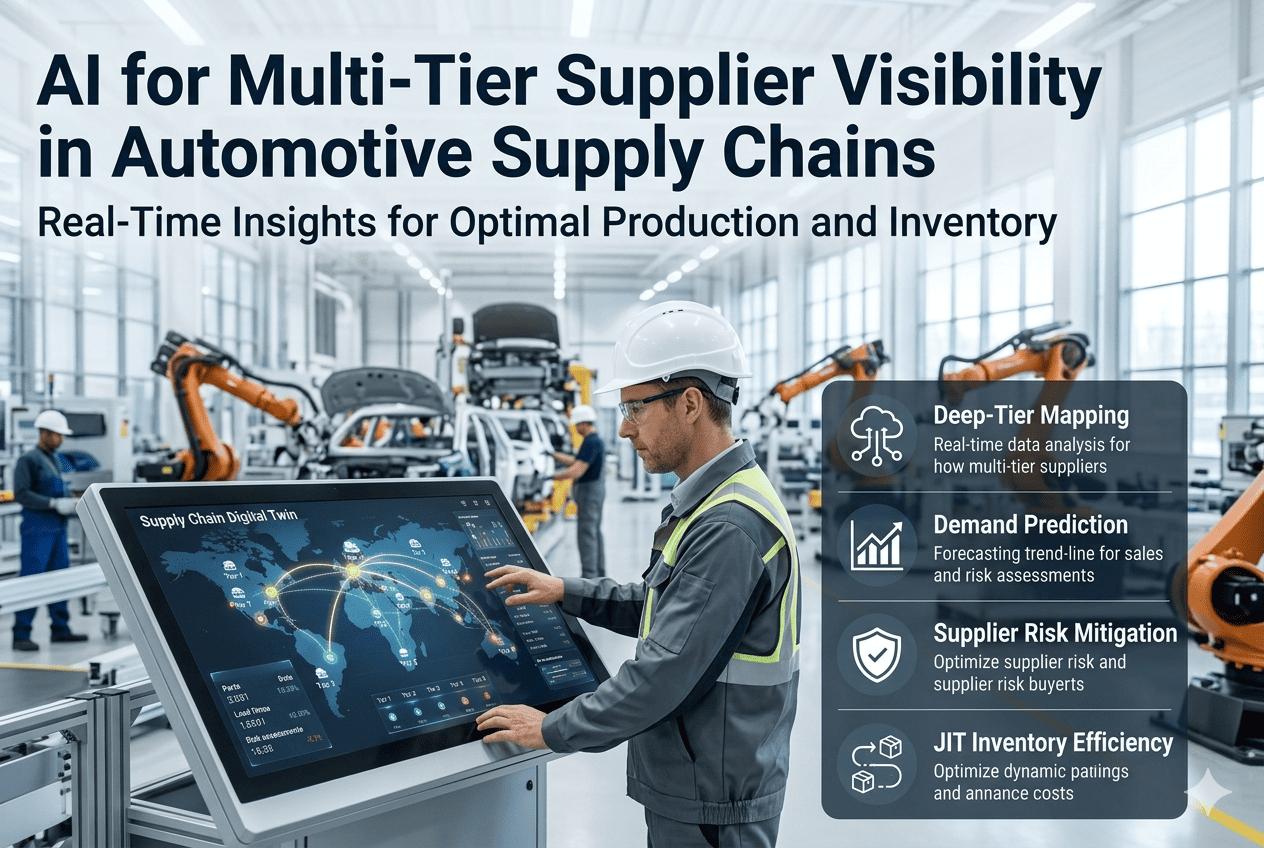
iFactory AI eliminates supply chain fragmentation through integrated platform connecting demand sensing, supplier risk management, inventory optimization, and logistics coordination visible across all tiers. Demand planning AI analyzes end-customer consumption patterns, promotional calendars, and supply constraints to generate synchronized 12-18 week forecasts accessible to Tier 1, 2, and 3 suppliers enabling proactive capacity planning. Supplier risk monitoring tracks on-time delivery, quality performance, and financial health 7-21 days in advance detecting failures before they cascade. Inventory optimization algorithms calculate ideal stock levels at each tier accounting for demand variability, supplier reliability, and transportation lead times reducing safety stock by 18-32%. Collaborative planning dashboard provides shared visibility enabling suppliers to coordinate orders, align production schedules, and flag capacity constraints preventing bullwhip amplification.
Tier 1 Supplier Benefits
- ›See OEM 12-18 week demand forecasts for proactive planning
- ›Real-time visibility into Tier 2/3 supplier status
- ›Alerts 7-21 days before upstream failures impact you
- ›Reduce safety stock 18-25%, free $500K-1.2M working capital
Tier 2/3 Supplier Benefits
- ›Understand end-customer demand via tiered visibility
- ›Plan capacity and inventory based on actual trends
- ›Reduce demand forecast errors from 28% to under 8%
- ›Avoid over-investment in excess capacity
Why iFactory AI Is Different from Traditional Supply Chain Platforms
Traditional supply chain software (SAP, Oracle, JDA) treats supply chain planning as a back-office function disconnected from operational reality. These systems require 6-12 months implementation, $500K-2M investment, and manual demand planning relying on sales forecasts that miss market volatility by 25-35%. iFactory AI deploys in 8 weeks at 1/10th the cost, connects to existing ERP systems through REST APIs without replacing them, and uses machine learning to predict 12-18 weeks forward analyzing end-customer signals, promotional calendars, and supply constraints. Faster deployment means results in 6-8 weeks instead of 9-15 months. Better AI accuracy (94% vs 65-75%) means confidence in forecasts across tiers. Easier integration (plug-and-play connectors to SAP, Oracle, Infor) means no system rip-and-replace.
| Capability | iFactory AI | SAP/Oracle EAM | JDA/Blue Yonder |
|---|---|---|---|
| AI Demand Forecasting | 94% accuracy, 12-18 weeks | Add-on module, 70-75% accuracy | Spreadsheet + statistical models |
| Multi-Tier Visibility | Native, all tiers | Limited, enterprise-only | Tier 1 focus, add-on for upstream |
| Deployment Time | 8 weeks | 12-18 months | 9-15 months |
| Implementation Cost | $120K-180K year 1 | $500K-2M+ | $300K-1.2M+ |
| ERP Integration | Plug-and-play APIs | Module, limited external | Requires custom development |
AI Implementation Roadmap: 8-Week Multi-Tier Supply Chain Deployment
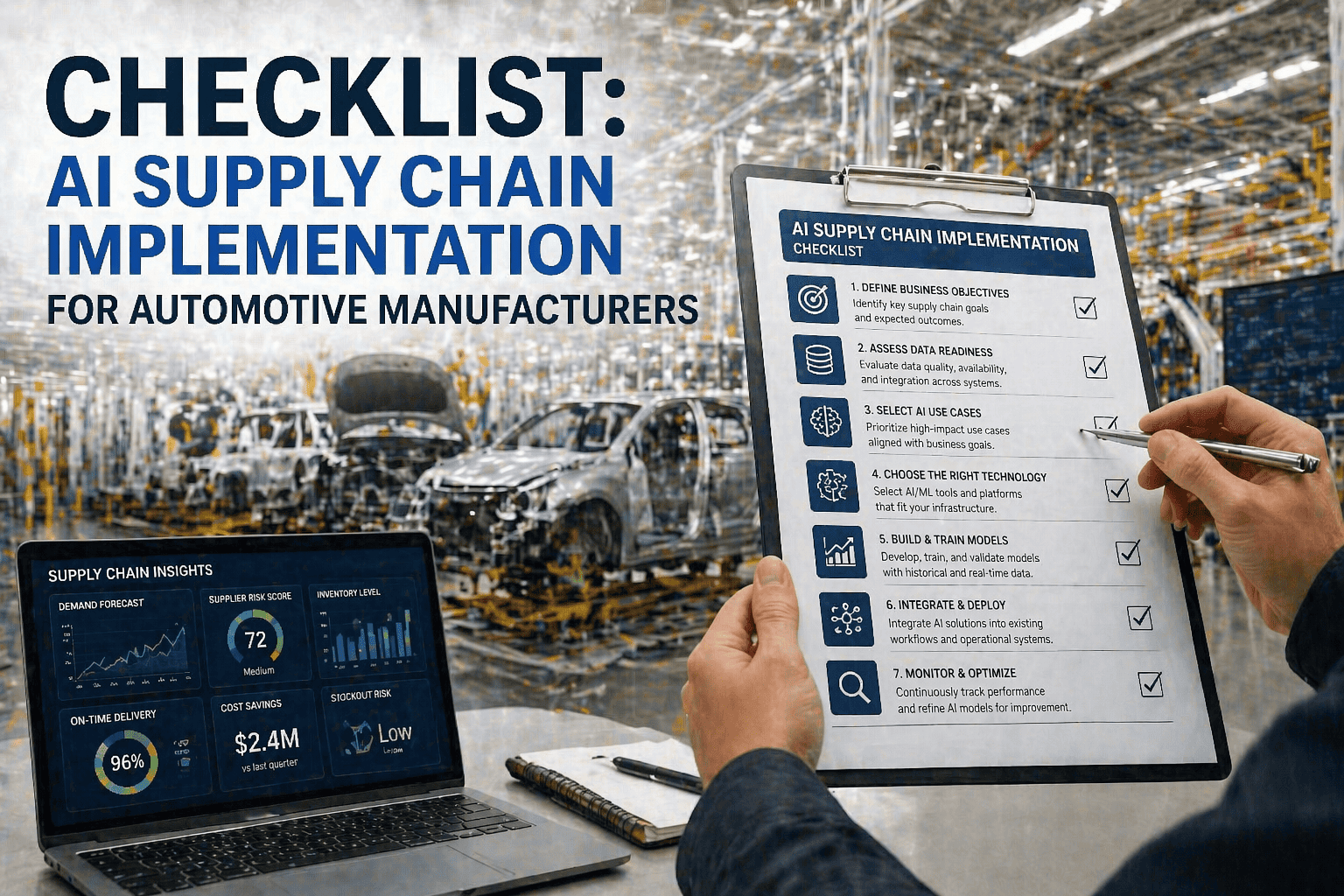
iFactory AI delivers multi-tier supply chain visibility through structured 8-week implementation connecting OEM demand planning, Tier 1 execution, and Tier 2/3 supplier integration. Week 1-2: Assessment and baseline defining current forecast accuracy, supplier performance, inventory levels, and network topology. Week 2-3: Data integration connecting ERP, supplier portals, and historical demand. Week 3-4: AI model training predicting 12-18 week demand and supplier risk. Week 4-5: Dashboard configuration for OEM, Tier 1, and Tier 2/3 users. Week 5-6: Pilot validation comparing AI forecasts to actual shipments. Week 6-8: Live deployment with change management and continuous improvement. Results visible by week 6 with 18-25% inventory reduction, 7-15 percentage point on-time delivery improvement, and forecast accuracy above 90%.
Regional Compliance and Multi-Tier Challenges by Geography
Multi-tier supply chain visibility requirements vary significantly by region. North American automotive (US/Canada) requires IATF 16949 compliance on supplier quality documentation and USMCA visibility on critical components. European networks emphasize GDPR compliance on supplier data and supply chain transparency regulations. Middle East (UAE) networks focus on supply stability and local sourcing requirements. iFactory AI addresses regional compliance through role-based access control (OEM planners see full visibility, Tier 2/3 see only relevant data), automated audit trails for regulatory reporting, and regional data residency options meeting local data protection laws.
| Region | Supply Chain Challenges | Compliance Requirements | iFactory AI Solution |
|---|---|---|---|
| US Automotive | Complex Tier 2/3 network, 45% forecast error, USMCA sourcing | IATF 16949, USMCA supplier tracking, regulatory audits | Tier-aware visibility, USMCA compliance dashboard, audit-ready documentation |
| European | Smaller suppliers, supply diversification mandates, 38% forecast error | GDPR data protection, EU supply chain transparency regulations | EU data centers, role-based access, supplier transparency reporting |
| UAE/Middle East | Limited Tier 2/3 suppliers, supply stability risk, 42% forecast error | Local content requirements, supplier risk monitoring | Supply risk alerts, local supplier network mapping, contingency planning |
Real-World Results: Multi-Tier Supplier Visibility in Action
Global automotive manufacturers implementing iFactory AI multi-tier supply chain visibility achieve measurable improvements across OEM and supplier operations within 8-12 weeks.
Tier 1 Automotive Supplier Case Study Results
A Tier 1 powertrain supplier serving 3 OEMs implemented iFactory AI multi-tier visibility connecting to 42 Tier 2/3 suppliers. Within 8 weeks: demand forecast accuracy improved 28% to 8% error, enabling confident 16-week purchase planning. Safety stock at 8 supplier categories reduced from 35 days to 18 days, freeing $1.2M working capital. On-time delivery to OEMs improved from 84% to 96% through early supplier failure alerts. Supplier collaboration improved as Tier 2/3 suppliers gained visibility into actual demand instead of reactive purchase orders, enabling coordinated planning preventing bullwhip amplification.
"Before iFactory, we planned Tier 2 production based on Tier 1 purchase orders with no visibility into end-customer demand. We carried 35-45 days of safety stock because demand was so unpredictable. iFactory gave us real demand signals through OEM forecasts shared by Tier 1. Now we plan with 8% forecast error instead of 28%, carry 18 days stock, and freed $1.2M that was sitting in inventory. The supplier collaboration dashboard helps us communicate with Tier 2 about what's coming so they plan ahead instead of scrambling."
Frequently Asked Questions
iFactory AI brings demand planning, supplier risk management, and inventory optimization to all tiers of your supply chain — eliminating blind spots, reducing inventory 18-32%, improving on-time delivery to 97%, and capturing $2.8 to $8.4 million annual value within 8 weeks. Schedule your free assessment to see how your specific supply network benefits.