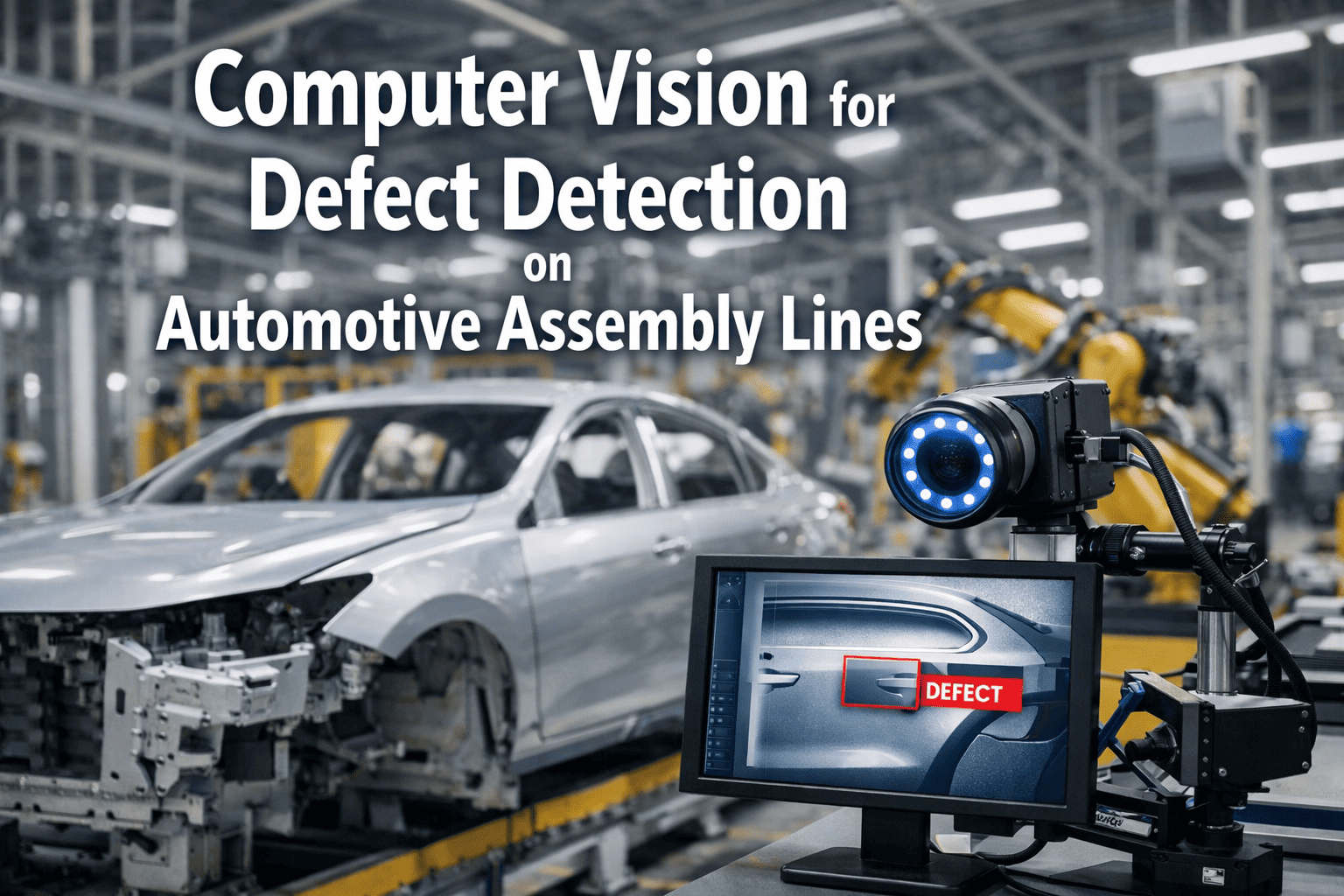
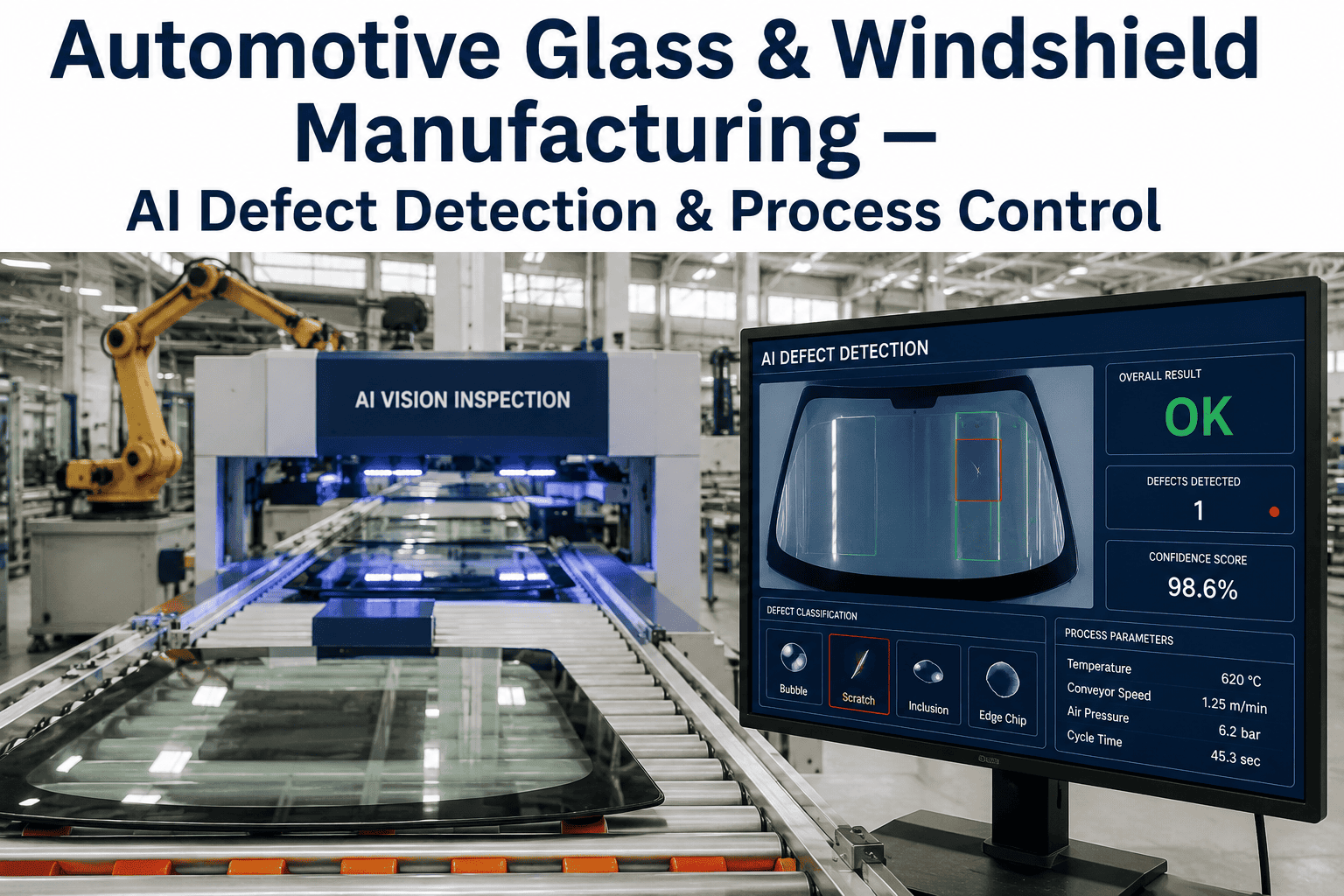
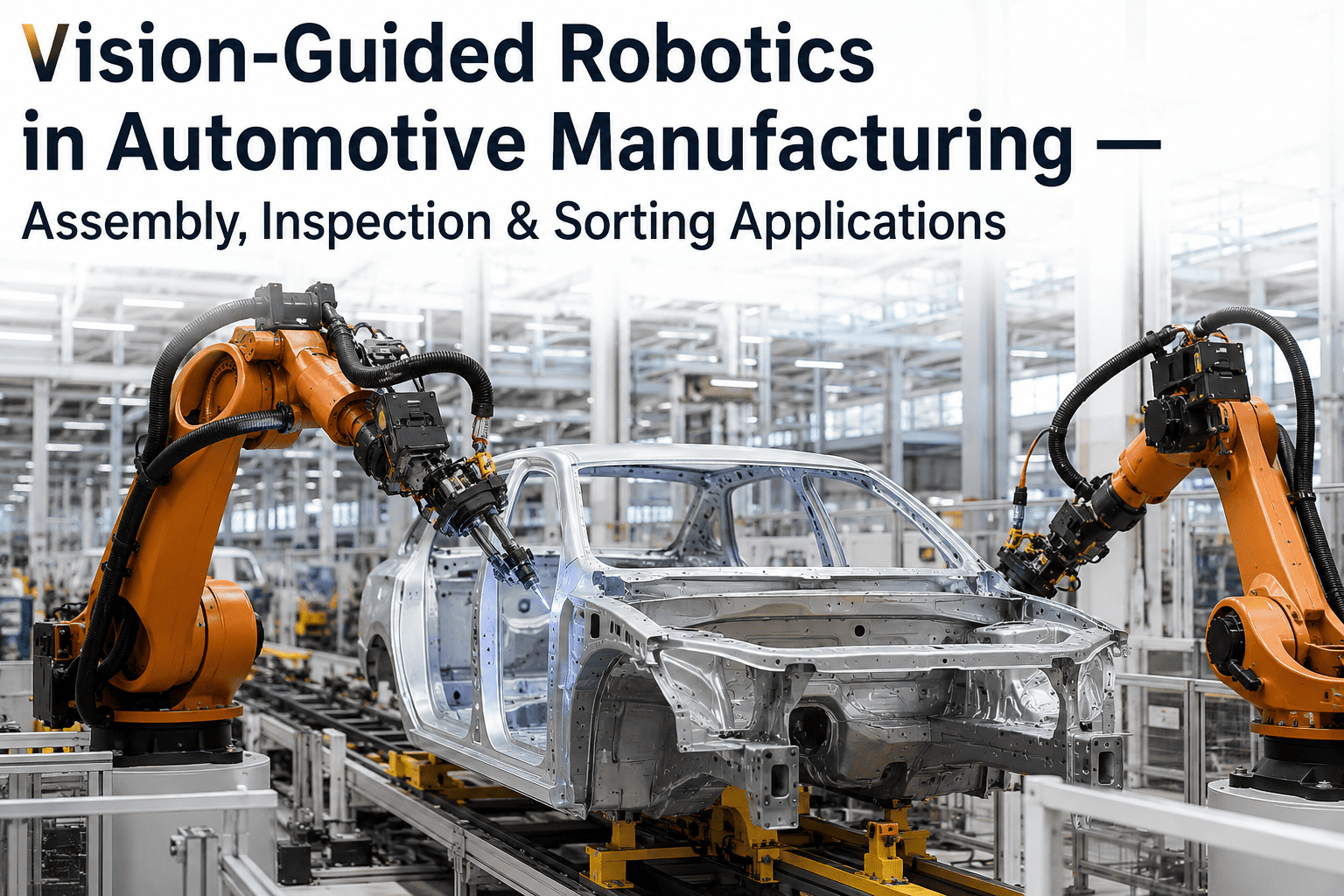
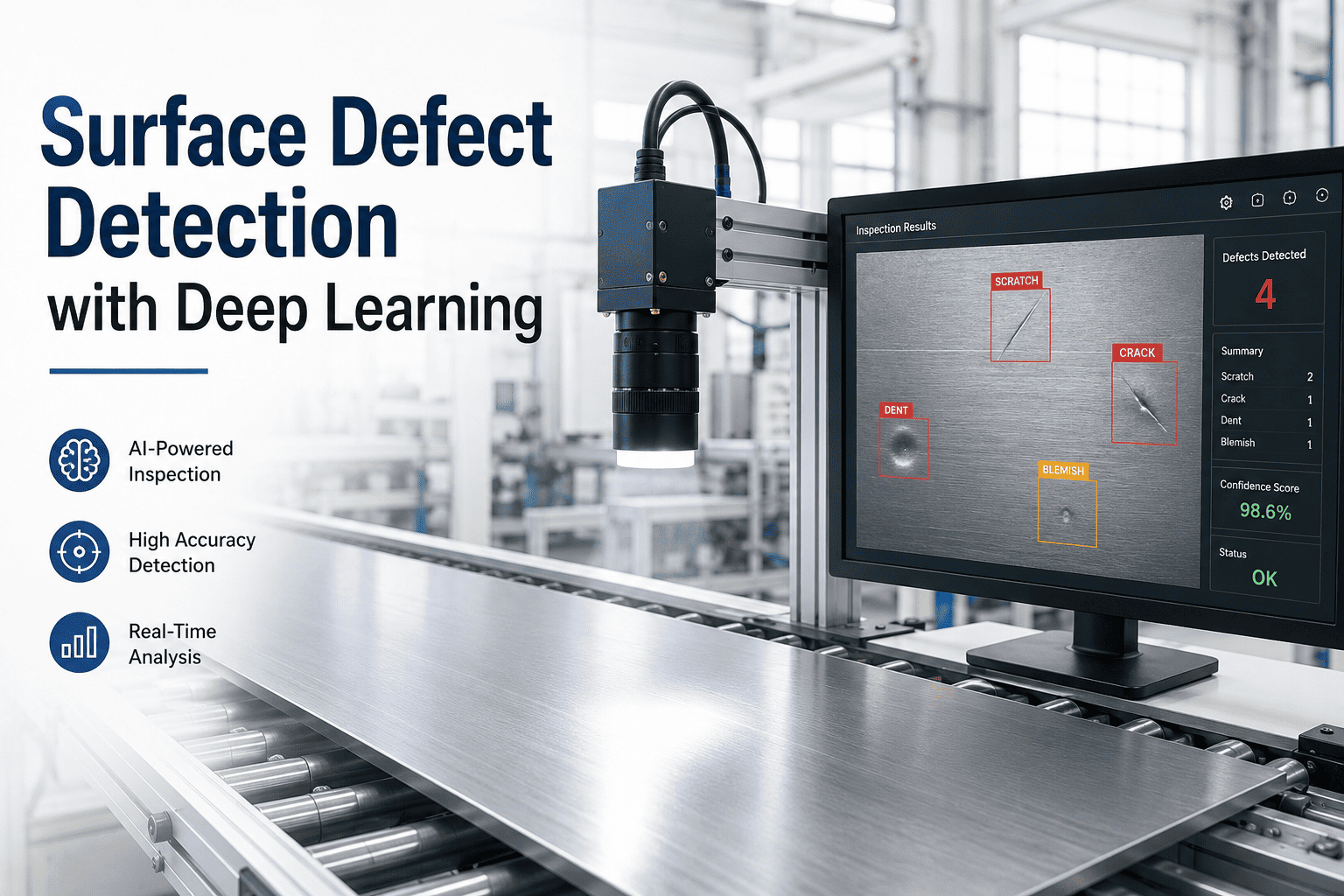
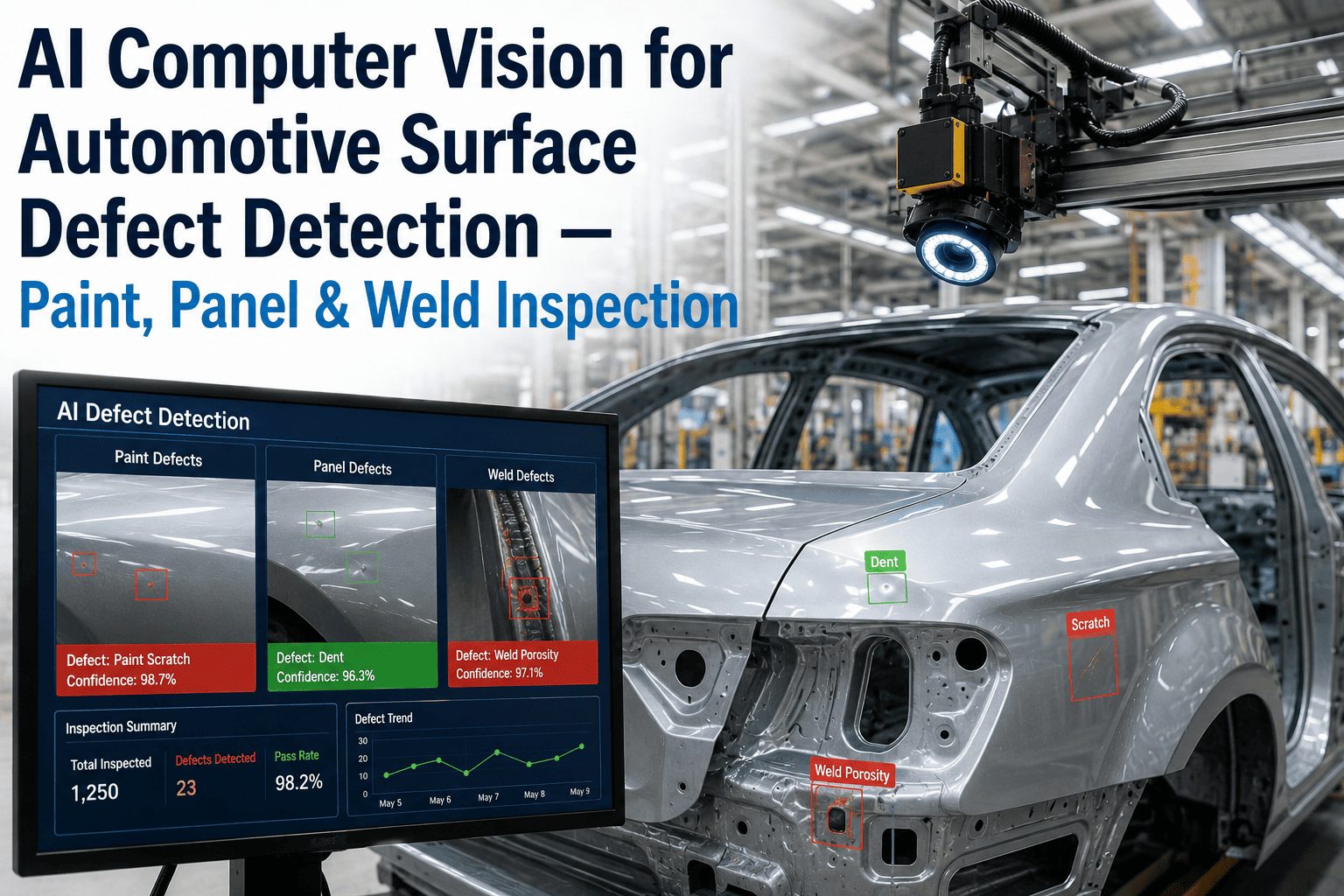
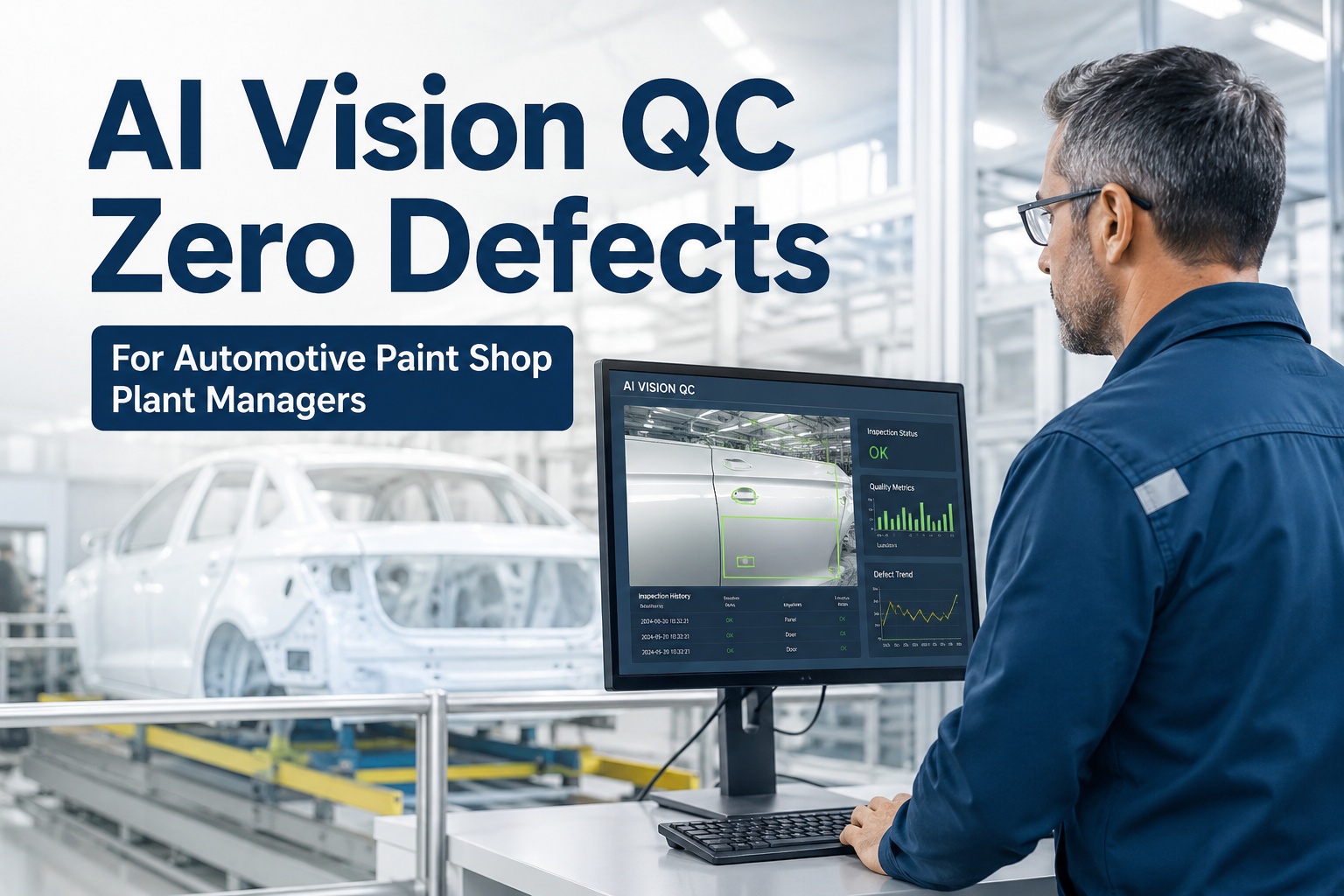
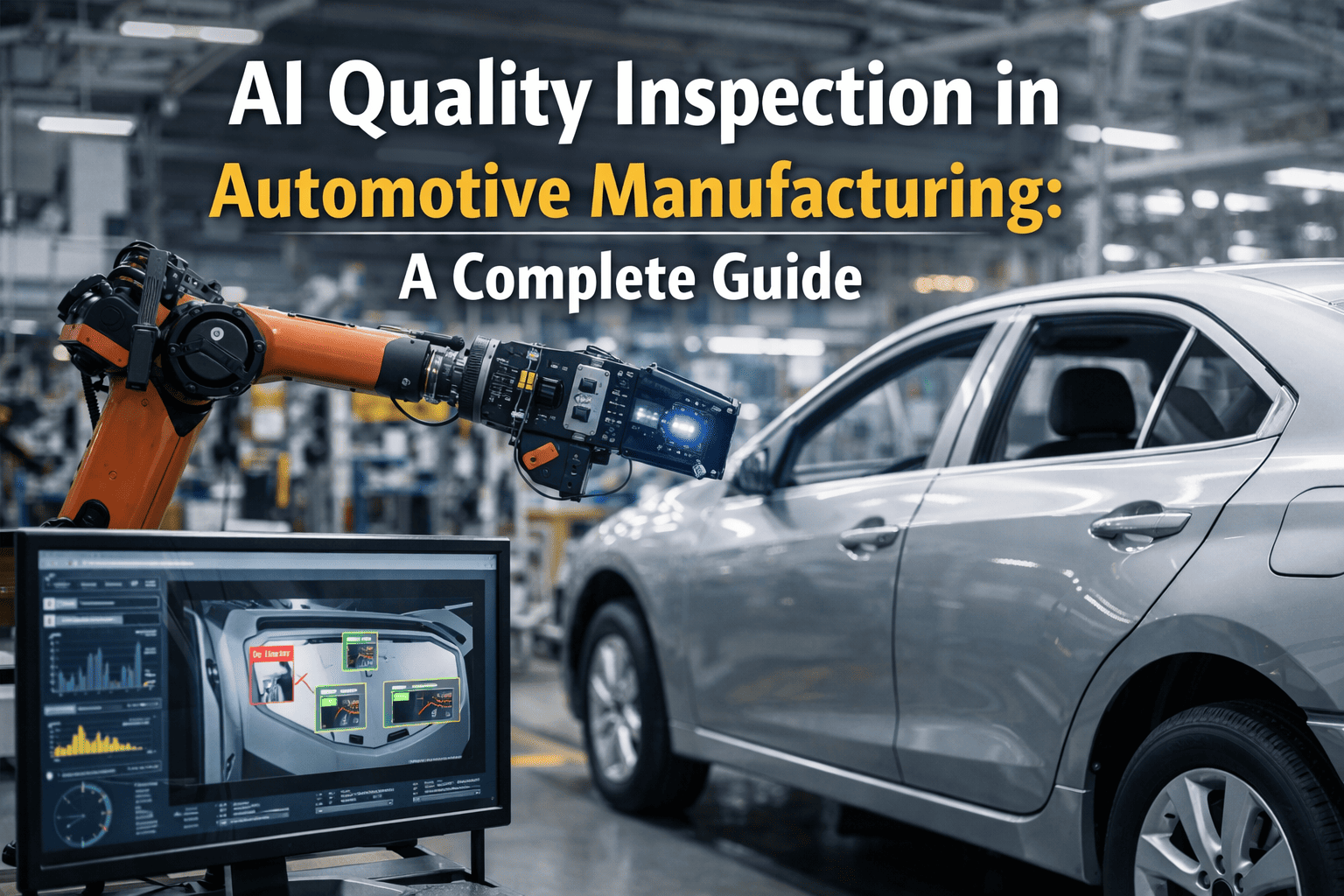
Automotive assembly lines operating at 60-90 units per hour depend on manual visual inspection stations where trained quality inspectors examine paint surfaces, weld integrity, and component alignment across 200+ checkpoints per vehicle, yet human visual limitations miss 12-18% of defects that escape to downstream operations or final customer delivery causing warranty claims averaging $850-$1,200 per defect remediation. iFactory's computer vision defect detection platform deploys AI-powered cameras at critical assembly stations capturing high-resolution images of paint finishes, body panel gaps, weld seams, and component installations, analyzing each image against trained defect libraries detecting scratches, dents, color mismatches, missing fasteners, and dimensional variations with 98.7% accuracy in under 0.3 seconds per inspection. Book a demo to see computer vision defect detection for your assembly line configuration.
Quick Answer
Computer vision defect detection for automotive assembly lines uses deep learning algorithms analyzing high-resolution camera images to identify surface defects (scratches, dents, paint imperfections), dimensional variations (panel gaps, alignment errors), component defects (missing parts, incorrect installation), and weld quality issues in real-time during production. iFactory's platform achieves 98.7% defect detection accuracy at line speeds up to 90 units per hour, eliminating human inspection variability, providing instant defect classification with root cause attribution, and generating quality analytics enabling continuous process improvement across paint, body, and final assembly operations.
AI Visual Inspection Platform
Detect Assembly Defects in Real-Time with 98.7% Accuracy
Deploy computer vision inspection stations across paint, body shop, and final assembly operations, detecting defects instantly while maintaining production flow and eliminating manual inspection bottlenecks.
Critical Defect Categories Detected by Computer Vision
Automotive assembly defects span multiple categories requiring different inspection approaches. Computer vision systems train specialized models for each defect type, combining surface analysis, dimensional measurement, and component recognition into unified quality verification workflows.
01
Paint Surface Defects
Paint finish inspection detects scratches, orange peel texture, dirt contamination (nibs), color mismatches, overspray boundaries, and clear coat defects invisible to untrained inspectors or missed during manual inspection under suboptimal lighting. High-resolution cameras capture paint surfaces at 4K-8K resolution with controlled LED lighting eliminating shadows and reflections. Convolutional neural networks analyze pixel-level variations identifying defects as small as 0.5mm scratches or 0.2mm paint thickness variations. System differentiates cosmetic defects requiring rework from acceptable surface texture variations within OEM specifications, reducing false rejection rates from 15-22% (manual inspection) to under 2.5% (AI classification).
02
Body Panel Dimensional Variations
Panel gap measurement verifies door-to-fender gaps, hood-to-fender alignment, trunk lid flush fit, and body panel surface continuity against OEM tolerance specifications (typically 3-5mm gap targets with ±0.5mm tolerance). Stereo vision cameras create 3D point clouds of assembled body structures measuring gap distances at 50-100 points per panel interface. Machine learning models detect out-of-specification gaps, panel height misalignment (flush fit errors), and asymmetric gaps indicating upstream stamping or welding fixture problems. Real-time feedback to body shop robots enables immediate fixture adjustments preventing defect propagation across production batches.
03
Weld Quality and Joint Integrity
Weld inspection validates spot weld nugget formation, seam weld continuity, and weld spatter cleanup on body-in-white structures before paint application. Thermal cameras capture weld zone heat signatures during welding cycles detecting incomplete fusion, porosity, or missing welds from robot programming errors. Post-weld visual inspection identifies weld spatter requiring grinding, seam weld gaps indicating incomplete penetration, and surface oxidation from inadequate shielding gas coverage. AI models trained on metallurgical cross-section data correlate surface weld appearance with subsurface quality, predicting structural integrity from visual inspection without destructive testing on every unit.
04
Component Presence and Correct Installation
Component verification confirms all parts installed at each assembly station: missing fasteners (bolts, clips, rivets), incorrect component variants (wrong color interior trim, incorrect wheel designs), reversed part orientation (asymmetric components installed backwards), and missing protective films or shipping plugs requiring removal before delivery. Object detection models recognize 500+ unique components per vehicle platform, comparing actual installation against bill of materials specifications. System flags component substitutions (different supplier parts with subtle appearance differences), detects damaged components installed from defective incoming parts, and verifies torque-striped fasteners confirming proper tightening sequence completion.
05
Surface Damage and Contamination
Surface damage detection identifies dents from handling impacts, scratches from assembly tooling contact, plastic component scuffing, glass chips or cracks, and fabric seat stains or tears introduced during production. Multi-angle lighting reveals surface deformation invisible under uniform illumination: shallow dents 1-2mm deep, tool marks on painted surfaces, and polymer component stress whitening from excessive force during installation. Semantic segmentation algorithms classify damage severity (minor cosmetic vs structural requiring replacement), locate damage precisely for repair technician guidance (coordinates relative to vehicle reference points), and correlate damage location with assembly station activities identifying root causes (specific robots, tooling, or material handling equipment causing repeated defects).
06
Label, Badge, and Marking Verification
Label inspection validates VIN plate installation and readability, emission certification labels, tire pressure placards, safety warning decals, and brand badges confirming correct placement, orientation, and absence of bubbles or wrinkles under adhesive labels. Optical character recognition reads VIN codes, build specification labels, and regulatory markings verifying match with production schedule and validating human-readable text against barcode data preventing mislabeling errors. System detects missing labels requiring application, crooked label placement outside position tolerances, and label damage (torn edges, ink smearing, protective liner not removed) requiring replacement before final quality gate.
Computer Vision Inspection Workflow
The workflow below shows how iFactory integrates computer vision cameras, deep learning inference, defect classification, and production system feedback into continuous inline quality verification operating at full production speed without manual intervention.
1
Image Capture at Inspection Station
Vehicle arrives at inspection station triggering camera array activation via photoelectric sensor or conveyor position encoder. Multi-camera system captures 12-24 high-resolution images from multiple angles: paint surface close-ups (macro inspection), full body panel views (dimensional analysis), component detail shots (presence verification). Structured LED lighting provides consistent illumination eliminating ambient light variations affecting image quality. Typical image resolution: 12-24 megapixels per camera, exposure time under 20 milliseconds preventing motion blur at conveyor speeds up to 0.5 meters per second, total image capture time under 2 seconds for complete vehicle documentation.
2
Deep Learning Inference and Defect Detection
Edge computing servers run trained neural networks on captured images executing real-time defect detection. Convolutional neural networks scan images at pixel level identifying defect signatures: scratch edge detection, dent curvature analysis, gap measurement from 3D reconstruction, missing component recognition from object detection models. Inference time under 0.3 seconds per image using GPU acceleration (NVIDIA Tesla T4 or similar), parallel processing across multiple images enabling complete vehicle inspection in under 4 seconds total. Models trained on 50,000-200,000 labeled defect examples per category achieving 98.7% detection accuracy with 2.3% false positive rate (alerts requiring human verification but not actual defects).
3
Defect Classification and Severity Scoring
Detected defects classified by type (scratch, dent, gap, missing component), location (body panel coordinates, assembly station attribution), and severity (cosmetic minor, rework required, scrap critical). Machine learning classifiers assign severity scores from trained decision rules: scratch length and depth determine repair vs replace decisions, panel gap deviations scored against OEM tolerance bands, component installation errors flagged as critical safety issues vs cosmetic concerns. Classification outputs: defect category tag, severity level (1-5 scale), repair recommendation (polish, repaint, panel replacement, component reinstallation), estimated repair time and cost for production planning.
4
Production System Integration and Routing
Inspection results transmitted to manufacturing execution system (MES) and quality management system via OPC UA or Ethernet/IP protocols. Defect-free vehicles routed to next assembly station automatically, defective units diverted to rework loop with work orders auto-generated describing defect location and repair instructions. Severe defects trigger line stop notifications alerting supervisors to systemic issues requiring immediate corrective action (robot programming errors, paint booth contamination, tooling damage). Integration with traceability systems links defect data to vehicle VIN, production shift, assembly station operators, and material lot numbers enabling root cause analysis and supplier quality feedback.
5
Continuous Model Improvement and Analytics
Quality engineers review flagged defects confirming AI classifications, correcting false positives (system flagged defect but human inspector verified acceptable), and identifying false negatives (defects missed by AI discovered at final audit gate). Corrected classifications feed back to model training pipeline: weekly model retraining incorporates previous week's production data improving accuracy on new defect types, seasonal appearance variations (lighting changes, paint temperature effects), and model-specific features (new vehicle platforms, design changes). Analytics dashboard shows defect trends by station, shift, and root cause enabling targeted process improvements: specific robots requiring calibration, paint booth temperature optimization, fixture wear requiring replacement.
Inline Quality Verification
Eliminate Manual Inspection Bottlenecks with Real-Time AI Detection
iFactory's computer vision platform operates at full production speed, detecting defects instantly while maintaining assembly line flow, eliminating manual inspection delays, and providing 100% vehicle coverage versus sample-based human inspection.
Platform Capability Comparison
Traditional machine vision systems require extensive programming for each defect type and struggle with appearance variations across vehicle colors and models. Manual inspection achieves high accuracy but cannot maintain consistency across shifts and inspectors. iFactory differentiates on deep learning models adapting to new defect types from training data, multi-defect category detection in single inspection pass, and continuous accuracy improvement from production feedback loops. Book a comparison demo.
| Capability |
iFactory |
Traditional Machine Vision |
Manual Inspection |
QAD Redzone |
| Detection Performance |
| Defect detection accuracy |
98.7% across all categories |
85-92% limited defect types |
88-95% with variability |
Not available |
| Inspection speed per unit |
Under 4 seconds full vehicle |
8-15 seconds per station |
45-90 seconds per vehicle |
Not applicable |
| Coverage consistency |
100% every unit inspected |
100% programmed areas |
Sample-based or shift-variable |
Not applicable |
| Defect Categories |
| Paint surface defects |
Scratches, orange peel, nibs |
Limited to obvious defects |
High accuracy with training |
Not available |
| Dimensional measurement |
3D gap analysis ±0.3mm |
Laser-based ±0.5mm |
Visual estimation only |
Not available |
| Component verification |
500+ parts recognized |
Requires specific programming |
Comprehensive but slow |
Not available |
| Adaptability & Learning |
| New defect type learning |
Model retraining from examples |
Requires reprogramming |
Inspector retraining required |
Not applicable |
| Multi-model platform support |
Single system all variants |
Separate programs per model |
Inspector adapts naturally |
Not applicable |
| Continuous accuracy improvement |
Weekly model updates |
Static after programming |
Depends on training cadence |
Not applicable |
Based on publicly available specifications and typical system performance in automotive assembly applications.
Regional Automotive Quality Standards Compliance
iFactory's computer vision platform helps automotive manufacturers meet quality documentation, traceability, and defect recording requirements across global automotive manufacturing jurisdictions, automatically generating compliance-ready inspection records.
| Region |
Quality Standards |
Compliance Requirements |
iFactory Implementation |
| United States |
IATF 16949 automotive quality, AIAG quality core tools, FMVSS safety standards, OEM-specific quality requirements (Ford Q1, GM BIQS) |
100% inspection documentation with defect traceability to VIN, statistical process control data for quality metrics, PPAP documentation for new vehicle launches, warranty claim root cause analysis with defect image evidence |
IATF 16949-compliant inspection records with timestamped defect images, automated SPC charting from defect rate data, PPAP package generation with inspection capability studies, warranty defect correlation analysis linking field failures to production defect patterns |
| United Arab Emirates |
UAE Industrial Safety Regulations, Emirates Authority for Standardization quality requirements, ISO 9001 quality management, automotive import quality standards |
Quality inspection documentation for locally-assembled vehicles, defect tracking and corrective action records, supplier quality management with defect attribution, traceability systems for safety-critical components |
UAE-compliant quality documentation with Arabic language support, automated defect tracking with supplier notification workflows, component traceability integration with computer vision part verification, safety-critical defect flagging with mandatory management escalation |
| United Kingdom |
IATF 16949, VDA automotive standards, British Standards automotive quality, WLTP emissions testing quality requirements |
Quality gate documentation with inspector attribution and timestamp, defect root cause analysis supporting continuous improvement programs, traceability for safety recalls and warranty campaigns, emissions testing equipment quality verification |
IATF and VDA-compliant inspection documentation, automated root cause analysis from defect location and frequency patterns, full vehicle traceability with defect history accessible via VIN lookup, quality verification for emissions testing components with image evidence |
| Canada |
IATF 16949, Canadian Motor Vehicle Safety Standards (CMVSS), OEM quality requirements, provincial manufacturing regulations |
Inspection records supporting CMVSS compliance certification, defect documentation for Transport Canada reporting, quality metrics for OEM supplier scorecards, traceability for component sourcing verification |
CMVSS-aligned inspection workflows with safety-critical defect classification, automated Transport Canada reporting formats, OEM scorecard metrics auto-calculated from defect rates and first-pass yield, component verification with supplier traceability data integration |
| Germany |
VDA Quality Management System, IATF 16949, German automotive industry standards, Industry 4.0 data integration requirements |
VDA process audit documentation with quality gate records, zero-defect manufacturing metrics and tracking, statistical capability studies (Cpk calculations), Industry 4.0 integration with MES and ERP systems for quality data flow |
VDA-compliant process documentation with defect classification per VDA standards, zero-defect tracking with trend analysis and predictive alerts, automated Cpk calculations from inspection data with process capability reporting, Industry 4.0 integration via OPC UA and standardized data models for seamless MES/ERP connectivity |
| Europe (EU) |
EU Type Approval regulations, IATF 16949, GDPR data protection for quality images, Machinery Directive safety requirements |
Type approval documentation with quality verification records, GDPR-compliant image data storage and retention policies, safety-critical component inspection documentation, cross-border traceability for EU-wide production networks |
EU Type Approval-ready inspection documentation packages, GDPR-compliant image storage with automatic retention policy enforcement and anonymization options, Machinery Directive safety verification workflows with mandatory inspection checkpoints, multi-plant traceability supporting EU production networks with centralized quality databases |
iFactory maintains compliance with evolving regional standards through regular software updates and regulatory monitoring services.
Measured Results from Automotive Plants Using iFactory
98.7%
Defect Detection Accuracy Achievement
76%
Reduction in Escaped Defects to Customer
0.3s
Average Inspection Time Per Image
$640K
Annual Warranty Cost Reduction
100%
Vehicle Inspection Coverage vs Sample-Based
85%
Reduction in Manual Inspection Labor
Frequently Asked Questions
QHow does computer vision defect detection achieve 98.7% accuracy across different vehicle colors and models?
Deep learning models train on 50,000-200,000 labeled defect examples across all vehicle colors, lighting conditions, and model variations in production environment. Models learn defect signatures (scratch edge characteristics, dent curvature patterns) independent of background color or surface texture, with separate classification networks trained per defect category optimizing accuracy. Continuous retraining from weekly production data improves model performance on new vehicle platforms and seasonal appearance variations.
Book a demo to see accuracy validation reports.
QCan iFactory computer vision system detect defects on complex curved surfaces like hood and fender panels?
Yes. Multi-angle camera arrays capture curved surfaces from 6-12 viewpoints with structured lighting compensating for surface curvature and reflections. 3D reconstruction algorithms build complete surface models from multiple 2D images enabling defect detection on curved, angled, or partially-occluded surfaces. System detects dents, scratches, and paint defects on all body panel geometries including compound curves, character lines, and high-gloss surfaces requiring specialized lighting techniques to reveal shallow defects.
QWhat is the typical ROI timeline for computer vision defect detection deployment in automotive assembly?
Typical ROI achievement: 12-18 months from deployment for 500-1,000 unit per day production volume. Cost savings sources: reduced manual inspection labor (3-5 inspectors per shift eliminated), decreased warranty claims from escaped defects (65-80% reduction in field defects), lower rework costs from earlier defect detection (defects caught before downstream operations), improved first-pass yield increasing production throughput. Investment includes cameras, edge computing servers, software licensing, and 8-week deployment services.
Book a demo for ROI analysis specific to your production volume.
QHow does the system integrate with existing MES and quality management systems?
iFactory provides API integration with major MES platforms (Siemens Opcenter, Dassault DELMIA, Rockwell FactoryTalk) and quality systems (SAP QM, Minitab) via OPC UA, REST APIs, or database connections. Defect detection results, classification data, and inspection images transmitted to MES triggering work order generation for rework, quality hold flags, and automated routing decisions. Integration typically configured during Week 4-5 of deployment requiring IT coordination for system access credentials and data mapping specifications.
QCan the computer vision system be deployed on existing assembly lines without production disruption?
Yes. Camera installation occurs during planned downtime windows (weekend shifts, holiday shutdowns) with modular mounting hardware requiring minimal conveyor modifications. System operates in parallel monitoring mode initially, comparing AI detections against existing manual inspection for 2-4 week validation period confirming accuracy before replacing manual gates. Phased deployment across assembly stations (paint first, then body shop, then final assembly) minimizes risk and allows operator training on one station before expanding coverage. Zero production disruption during installation and validation phases.
Deploy AI-Powered Defect Detection Across Your Assembly Lines
iFactory's computer vision platform delivers 98.7% defect detection accuracy at production speeds up to 90 units per hour, eliminating manual inspection bottlenecks, reducing escaped defects by 76%, and providing complete quality traceability across paint, body shop, and final assembly operations in automotive manufacturing facilities globally.
98.7% Detection Accuracy
Real-Time Inspection
Multi-Defect Categories
MES Integration
Continuous Model Improvement