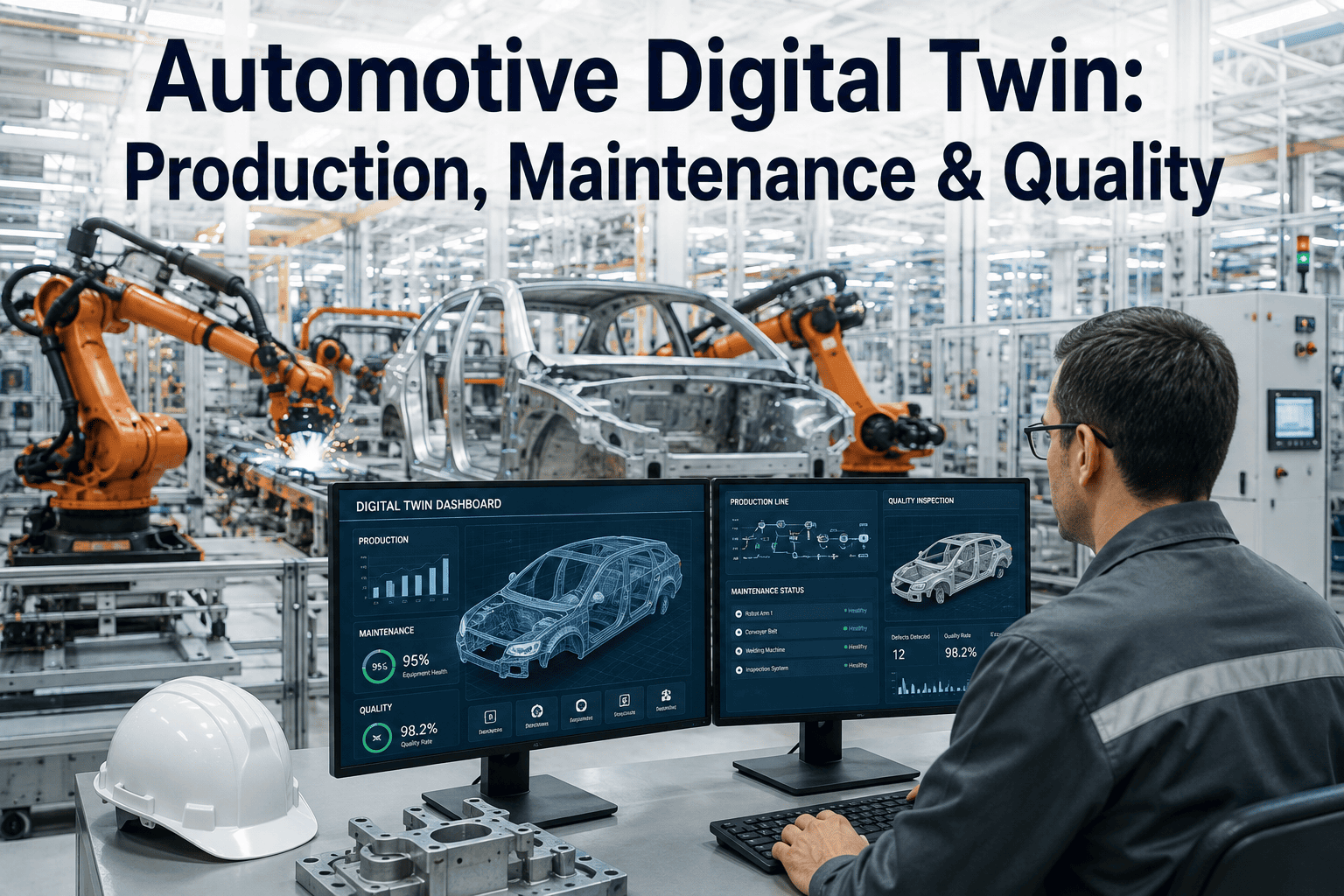
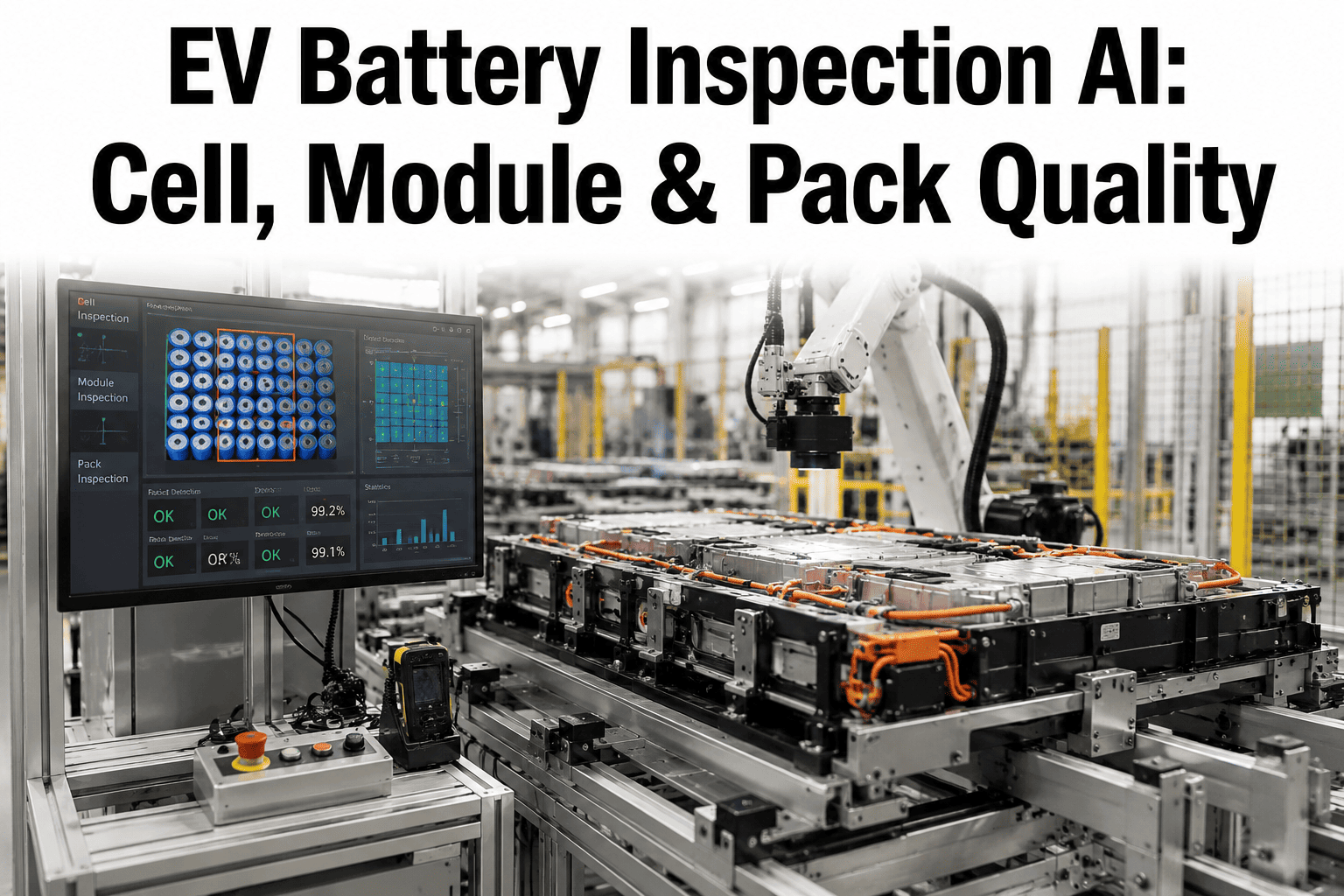
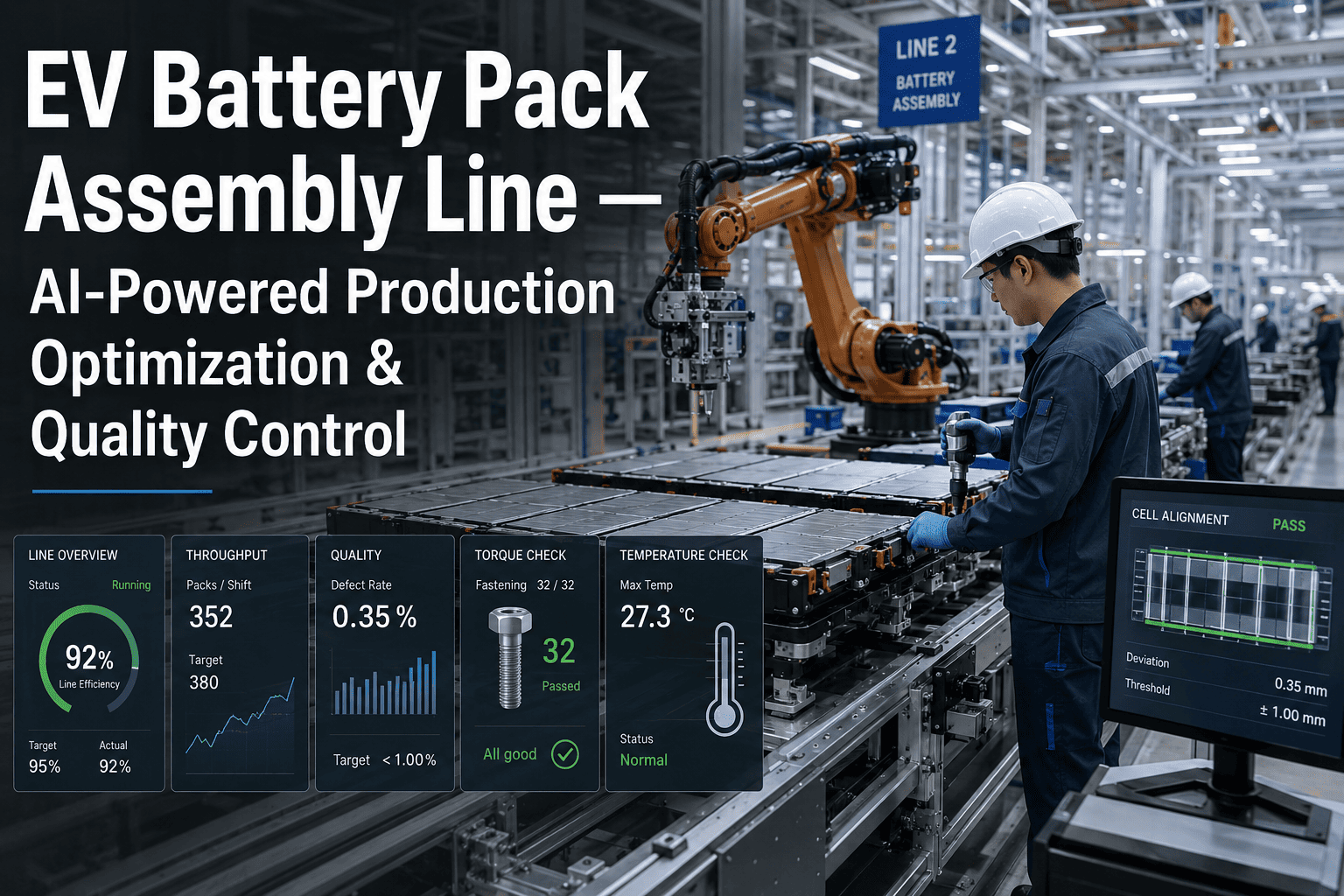
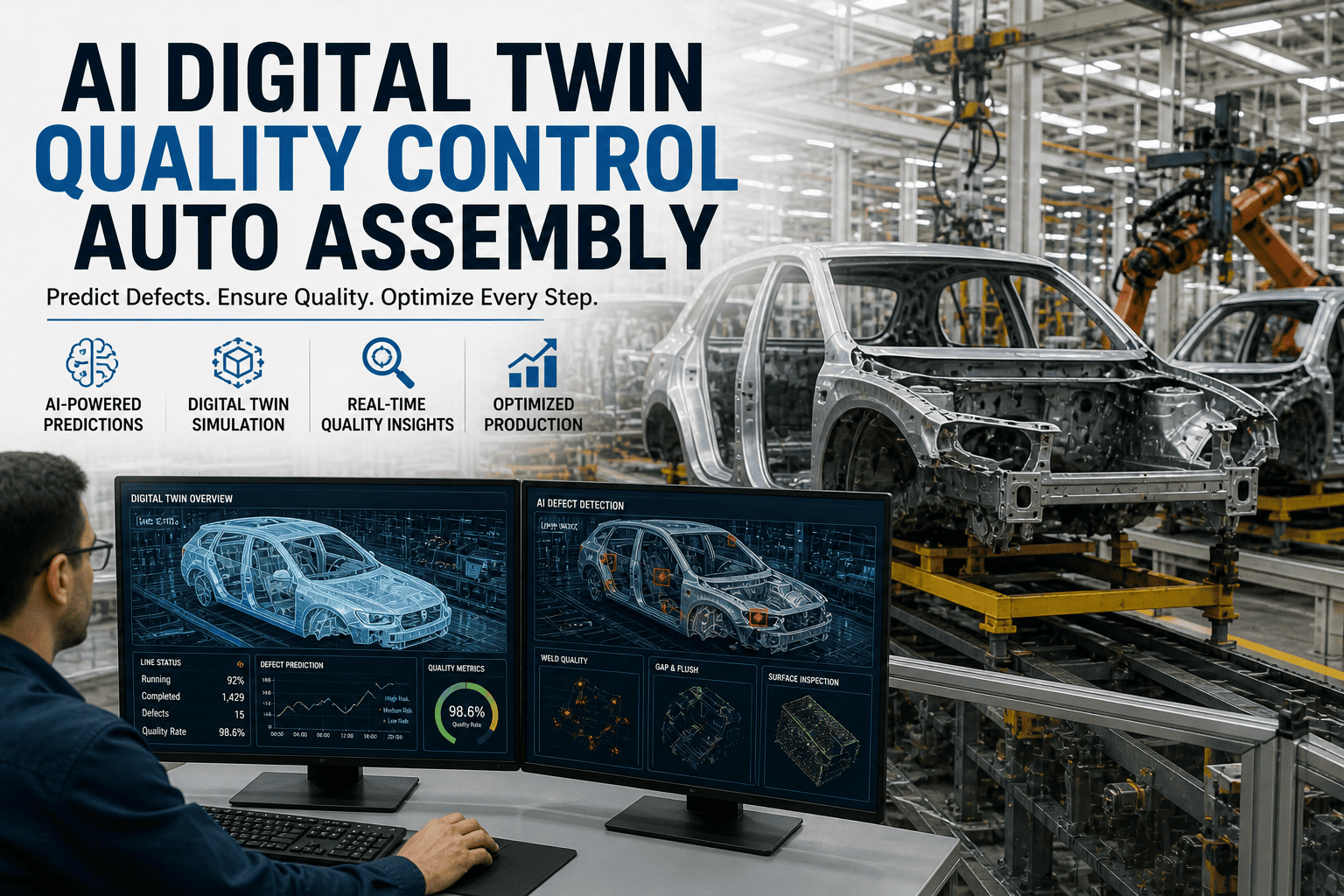
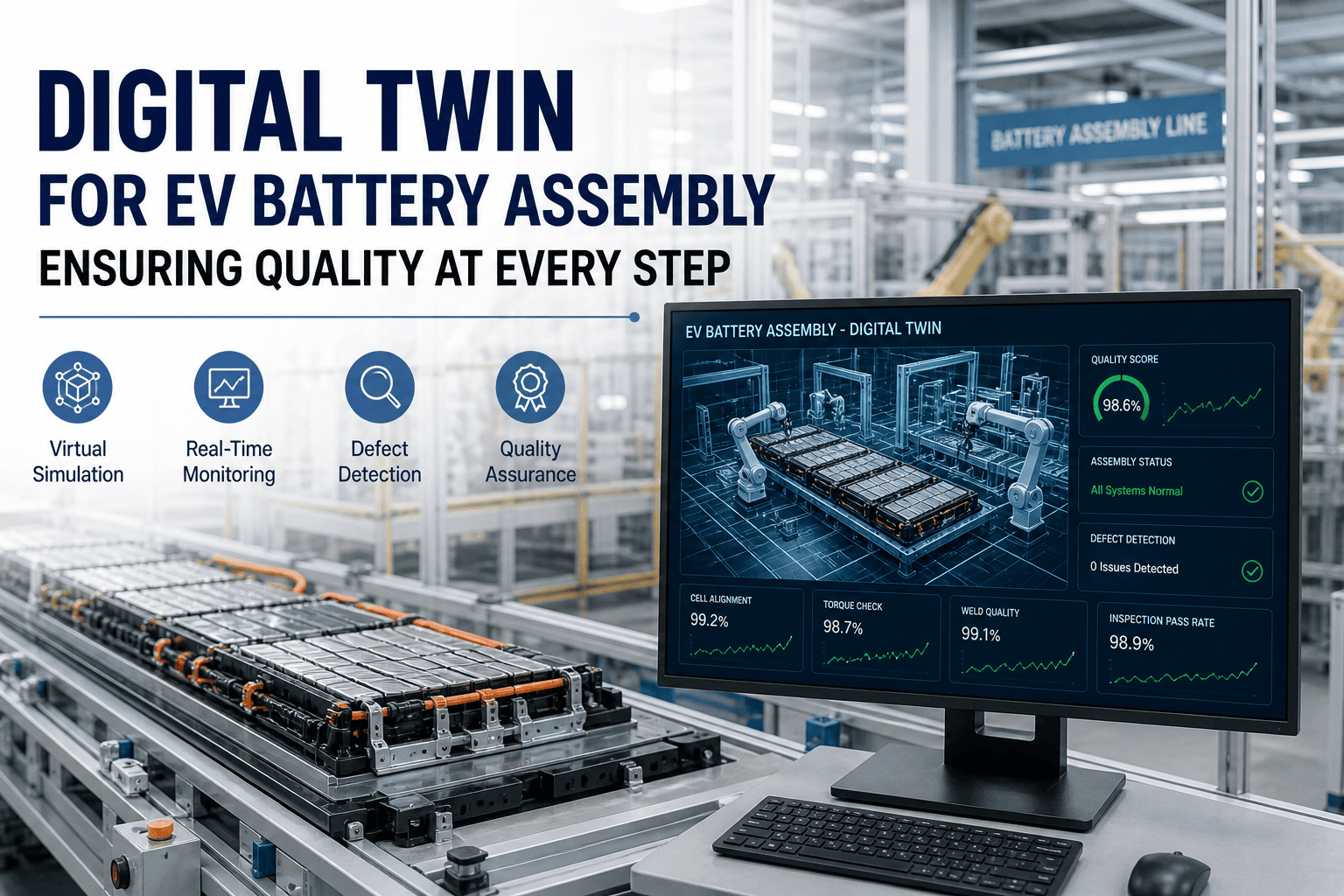
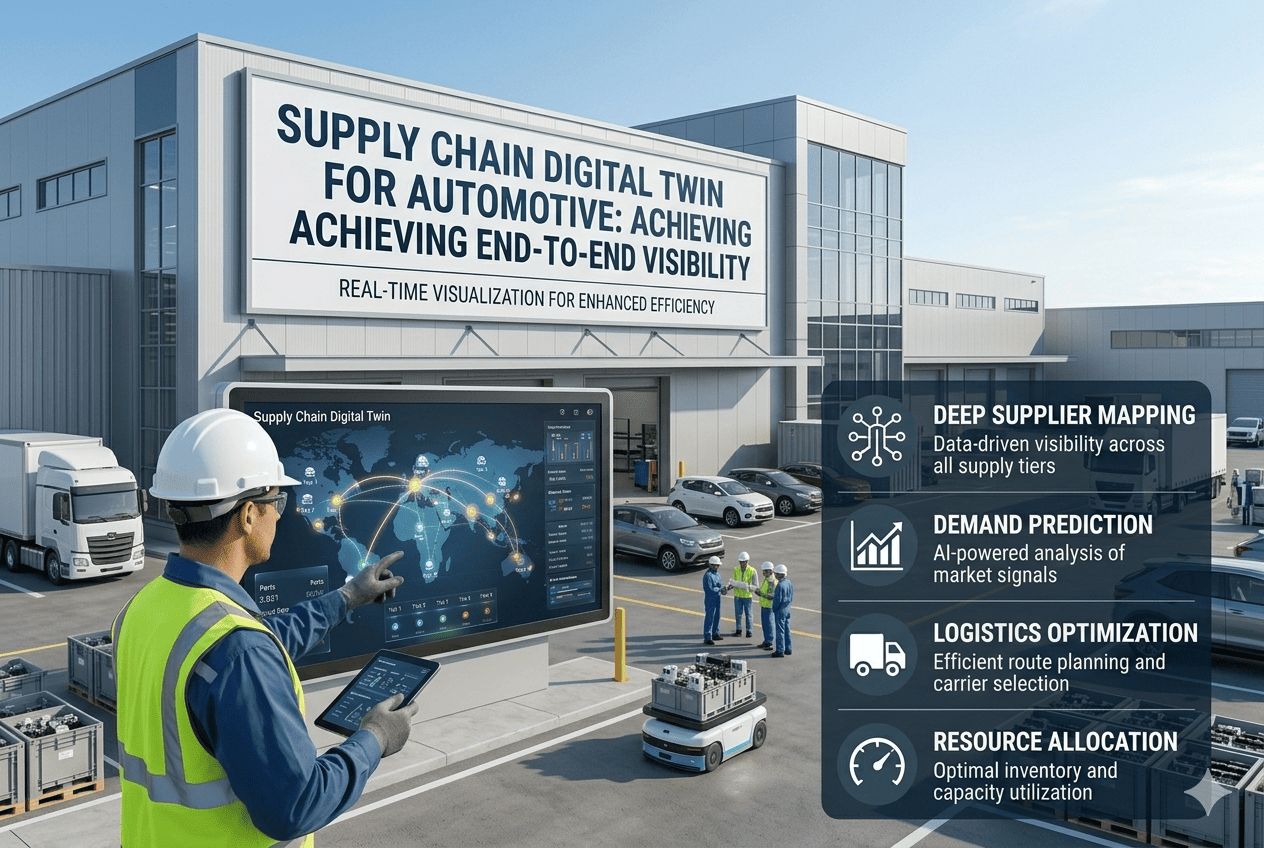
Electric vehicles are sold as the solution to carbon emissions — but the factory that builds them tells a different story. A single EV battery pack requires more energy to manufacture than a conventional car engine. Electrode coating, formation cycling, cell assembly, and thermal management collectively consume enormous amounts of electricity, water, and raw materials. When the production process itself is inefficient, the EV's lifetime carbon advantage shrinks before the car leaves the factory gate. AI sustainable EV manufacturing is now the lever that closes this gap — cutting energy consumption, reducing material waste, and enabling the kind of production efficiency that makes the environmental promise of EVs real, not just marketed. See how iFactory AI builds sustainability into EV production — book a demo.
From the Inside Out.
The Manufacturing Carbon Problem No One Talks About
Studies consistently show EVs produce 20–30% fewer lifecycle CO2 emissions than petrol vehicles in regions with mixed energy grids — and far more in renewable-powered markets. But that advantage is calculated assuming the manufacturing process itself is optimized. In reality, EV battery manufacturing plants are among the most energy-intensive facilities on earth. Formation cycling alone — the first charge/discharge process that activates battery cells — can account for 30–40% of a gigafactory's total energy consumption. Scrap rates at many battery plants still run 5–15%, meaning millions of cells are manufactured and destroyed each year, taking all their embedded carbon with them.
How AI Reduces Carbon Footprint Across 5 Manufacturing Levers
Formation cycling is the single largest energy consumer in battery manufacturing. Conventional formation runs cells through fixed charge/discharge protocols regardless of individual cell chemistry variation. AI monitors electrochemical signatures in real time and dynamically adjusts formation protocols per cell — shortening cycle times by 10–20% for healthy cells while catching anomalies early, before energy is wasted completing a cycle on a defective unit.
Every scrapped cell or battery pack carries the full carbon cost of lithium, cobalt, nickel, and manganese mining; electrode processing; formation energy; and assembly. AI quality inspection catches defects at the earliest possible stage — electrode coating, not end-of-line — preventing energy from being expended on units that will be scrapped anyway. The IEA's Global EV Outlook confirms that AI image analysis enables early defect detection and root cause identification, directly improving production yields and reducing scrap rates — which is critical as gigafactories scale to millions of cells per day.
Dry rooms — the ultra-low-humidity environments required for battery cell assembly — consume enormous energy maintaining precise climate conditions around the clock regardless of production volume or shift patterns. AI-driven HVAC optimization uses real-time occupancy, production rate, and ambient condition data to dynamically right-size energy delivery. Research on AI-driven manufacturing frameworks shows that smart HVAC optimization alone reduced energy waste by 18%, while waste heat recovery efficiency improved by 25% in industrial environments.
Unplanned equipment downtime is a hidden carbon emitter: facilities continue consuming energy — HVAC, lighting, climate control, auxiliary systems — while production is stopped. AI predictive maintenance detects equipment degradation before failure, scheduling interventions during planned windows. Studies from 2024–2025 show AI predictive analytics can reduce unplanned downtime by up to 70% — eliminating the energy waste of idle-but-powered production environments and reducing the carbon cost of emergency maintenance cycles.
Material waste begins before the factory floor. Excess inventory, over-ordering to buffer against quality uncertainty, and emergency shipments all carry carbon costs — transport emissions, packaging waste, and material that expires or degrades in storage. AI supply chain optimization aligns material delivery with actual production demand, reduces safety stock requirements through better quality prediction, and eliminates the carbon cost of emergency logistics triggered by last-minute quality failures.
The Numbers: AI Sustainability Impact in EV Manufacturing
Beyond the Factory: AI Enables Circular Battery Lifecycle
Sustainable EV manufacturing does not end when a battery pack ships. The carbon embedded in lithium, cobalt, and nickel is only fully recovered when those materials re-enter the supply chain through recycling. AI is now the critical technology making closed-loop battery manufacturing economically viable.
Sourcing
Manufacturing
Operation
Assessment
Recovery
Regulatory Tailwinds: Sustainability Is No Longer Optional
Manufacturers who treat sustainability as a future concern are already behind. The EU Battery Regulation mandates recycling efficiency thresholds of 65% by end of 2025 and 70% by 2030, with specific material recovery minimums for lithium, cobalt, and nickel. Battery passports — digital records of carbon footprint and material origin — are becoming a procurement requirement for major OEM supply agreements. AI provides the continuous production data, quality traceability, and material flow records that battery passport compliance demands, automatically, at the scale of millions of cells per day.
FAQ: AI and Sustainable EV Manufacturing
How does AI actually reduce energy use in EV manufacturing — not just improve quality?
What is the carbon cost of a scrapped battery cell and why does reducing scrap matter for sustainability?
Can AI help with battery passport and carbon reporting compliance?
Does AI-based second-life battery assessment actually work at commercial scale?
How does iFactory AI measure and report sustainability impact from its deployments?
What is the ROI timeline for AI sustainability initiatives in EV manufacturing?
Make Sustainability a Factory Outcome, Not a Promise
iFactory AI reduces energy use, cuts scrap, and generates the production data that powers battery passport compliance — turning EV manufacturing sustainability into something you can measure, report, and improve.