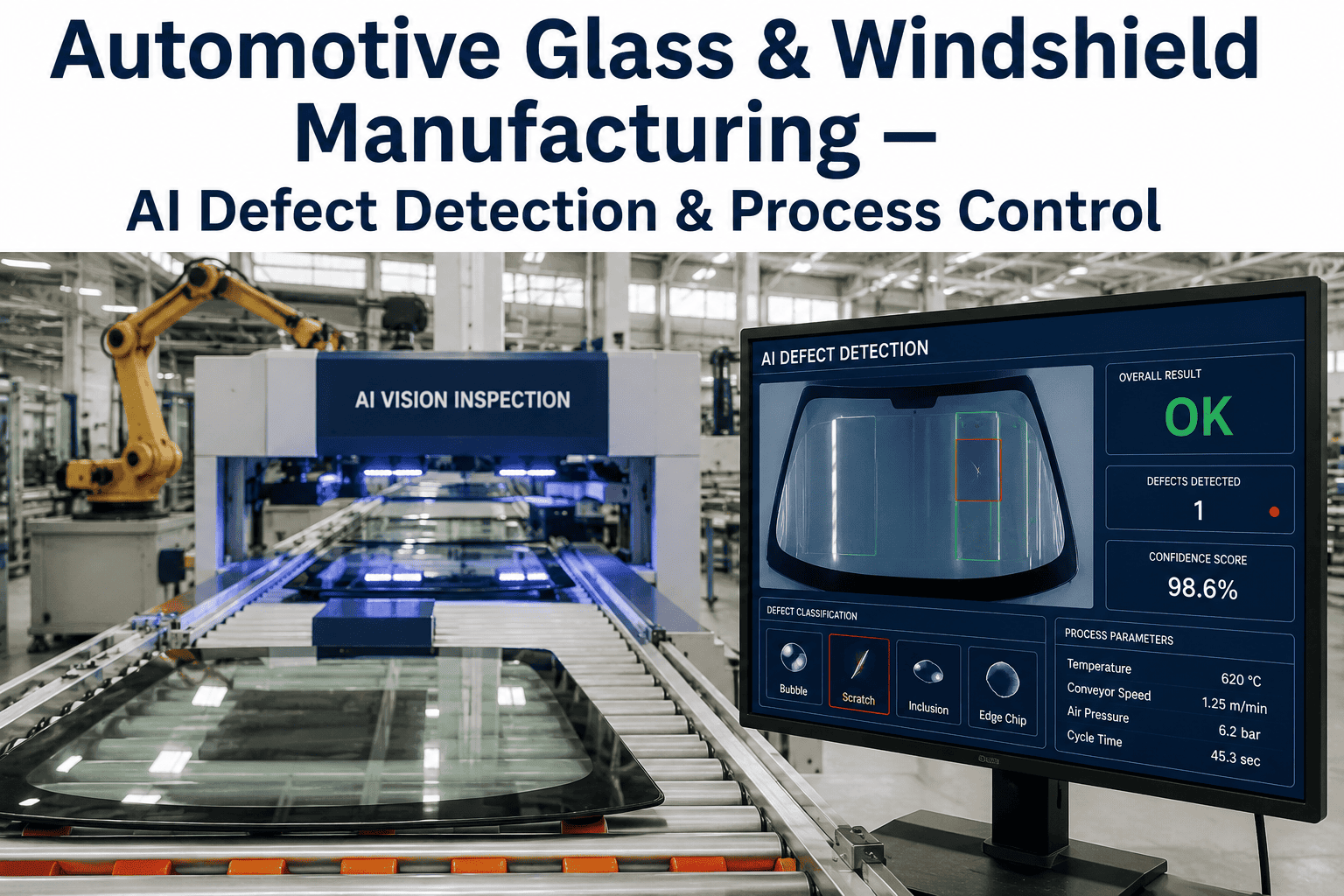
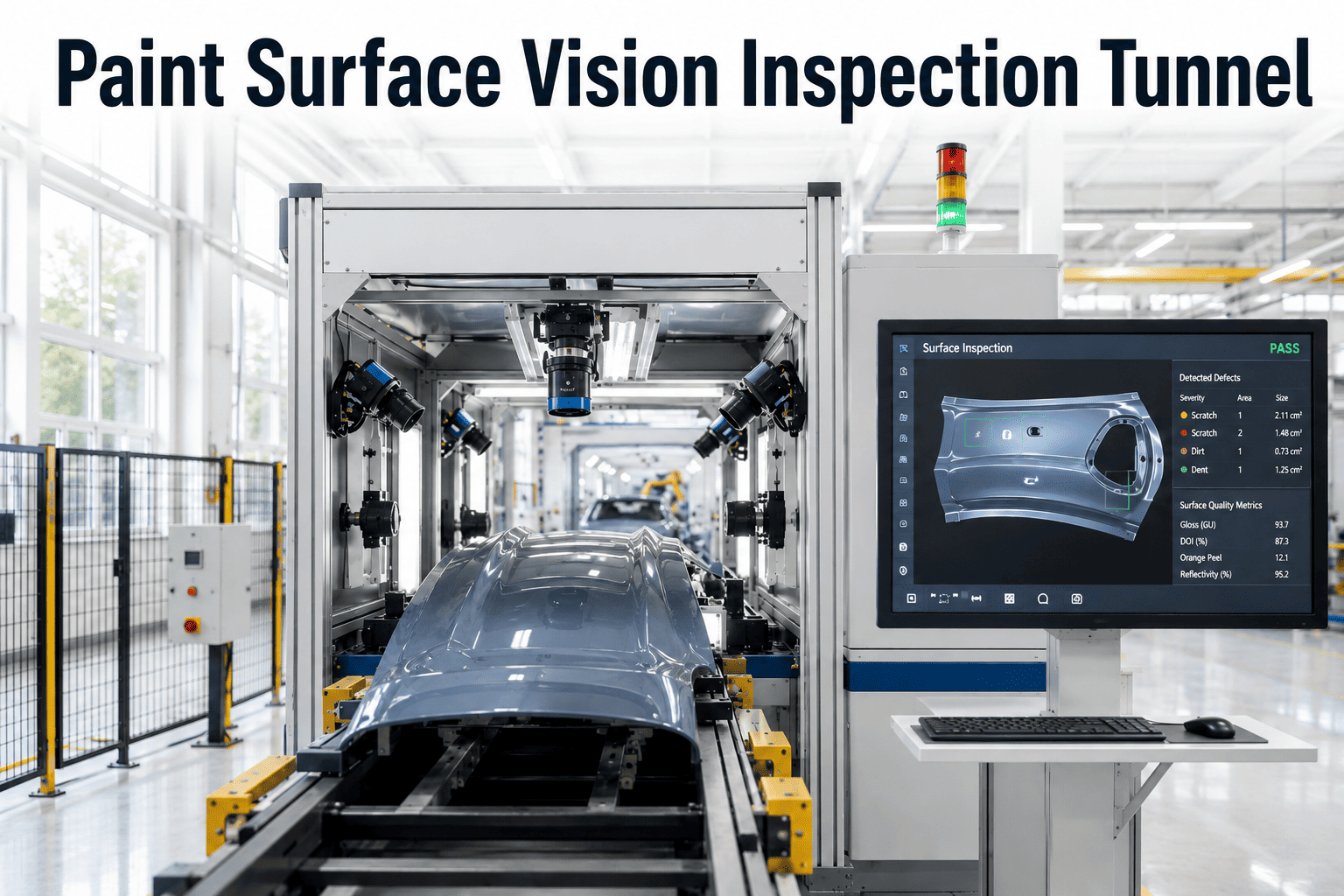
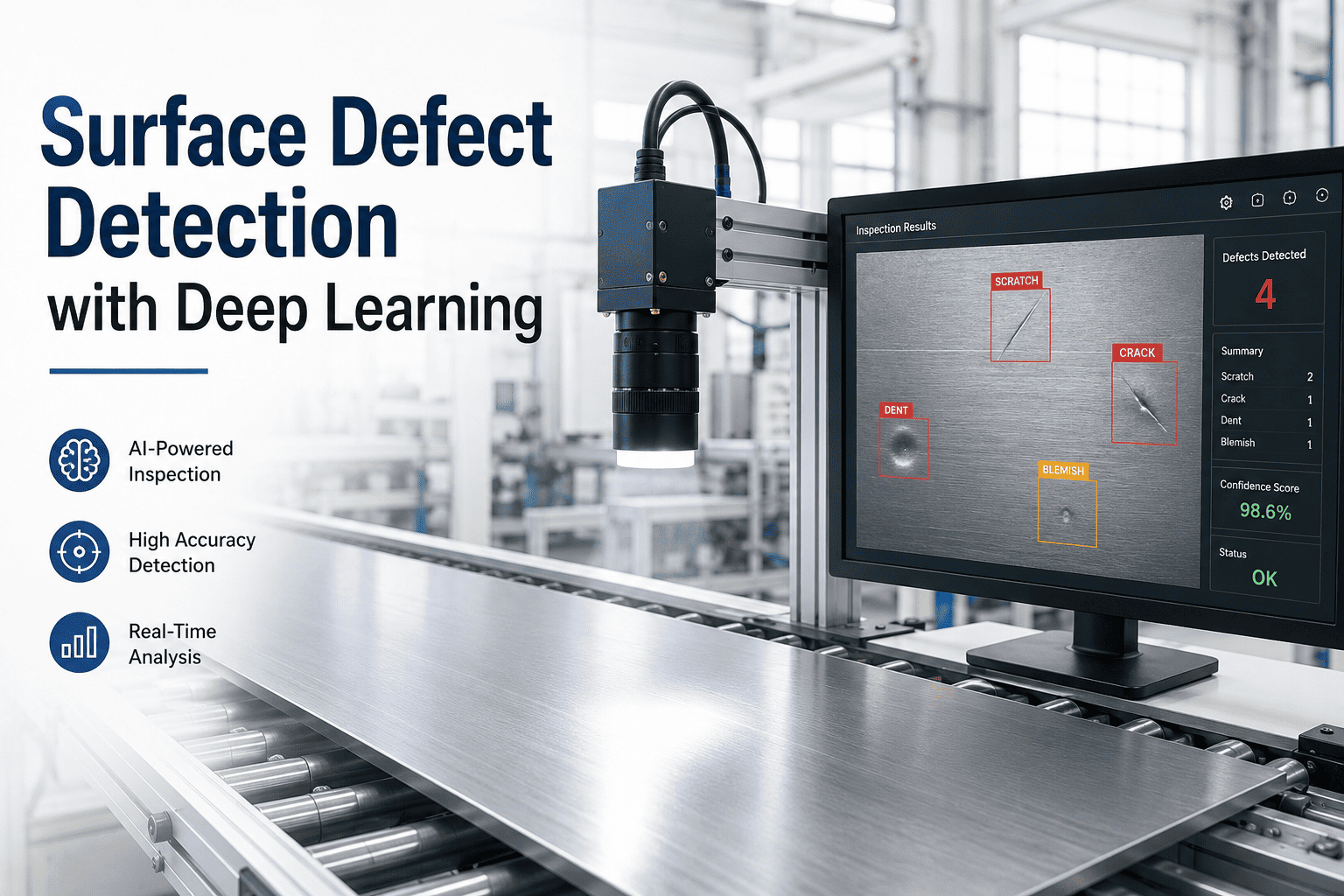
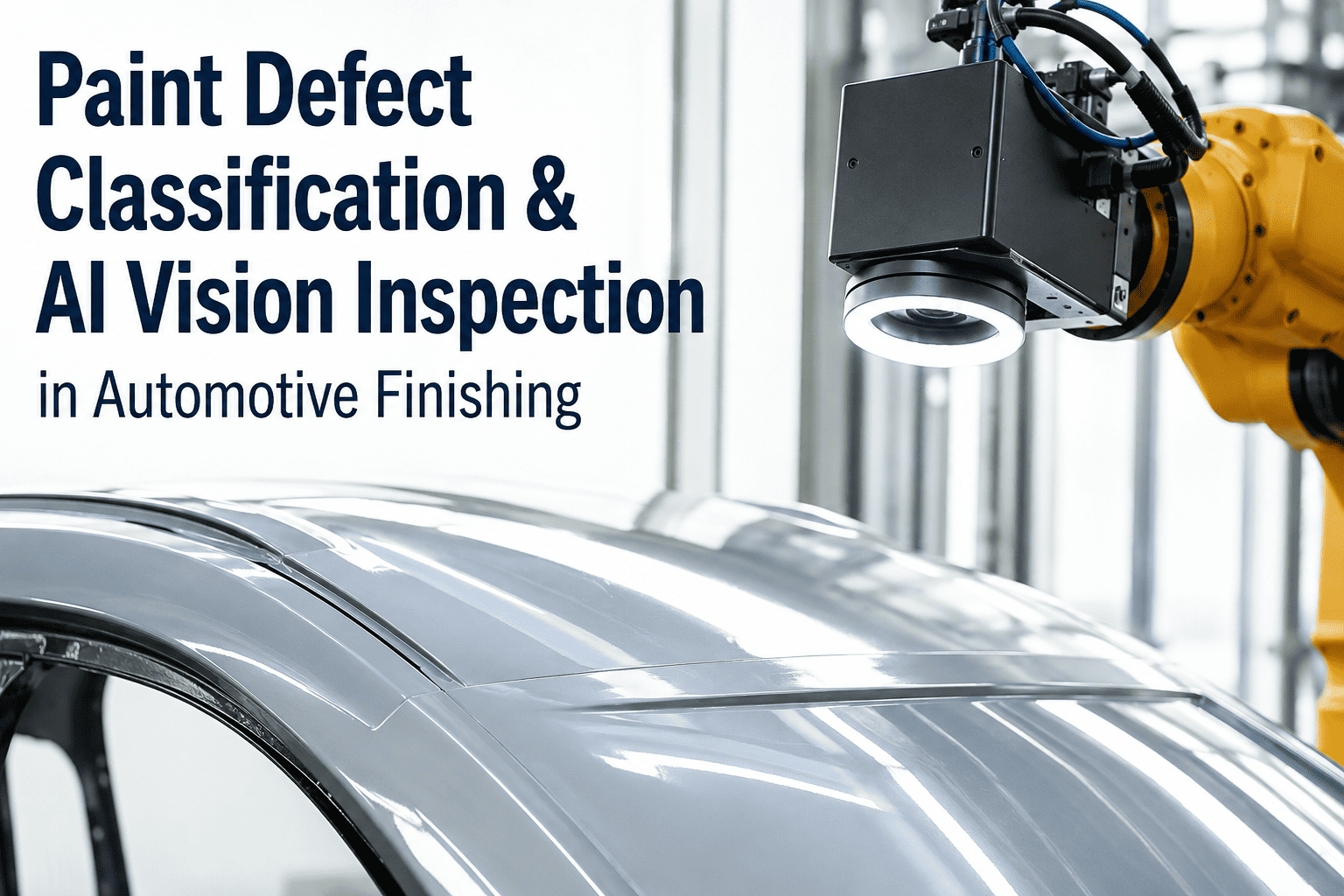
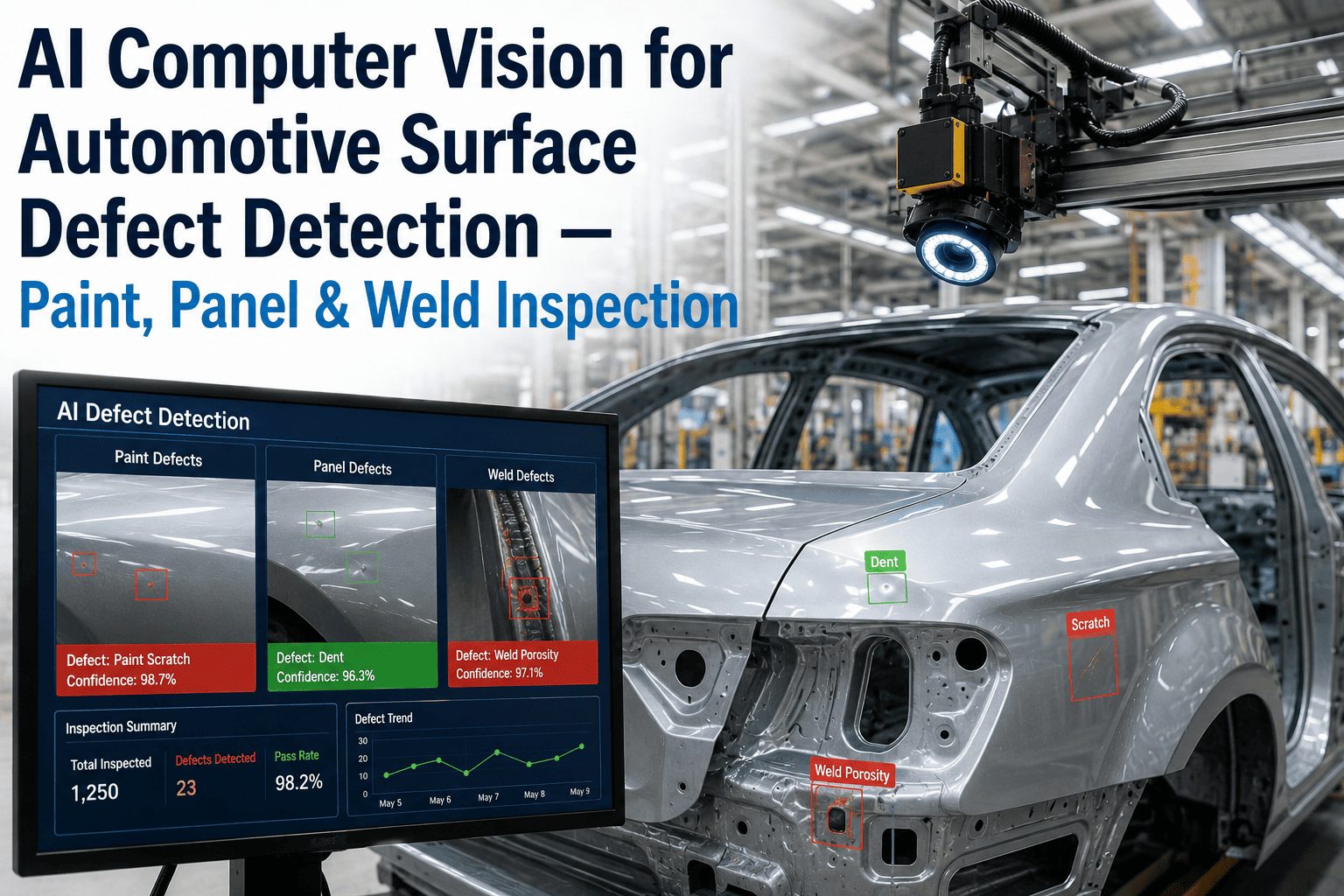
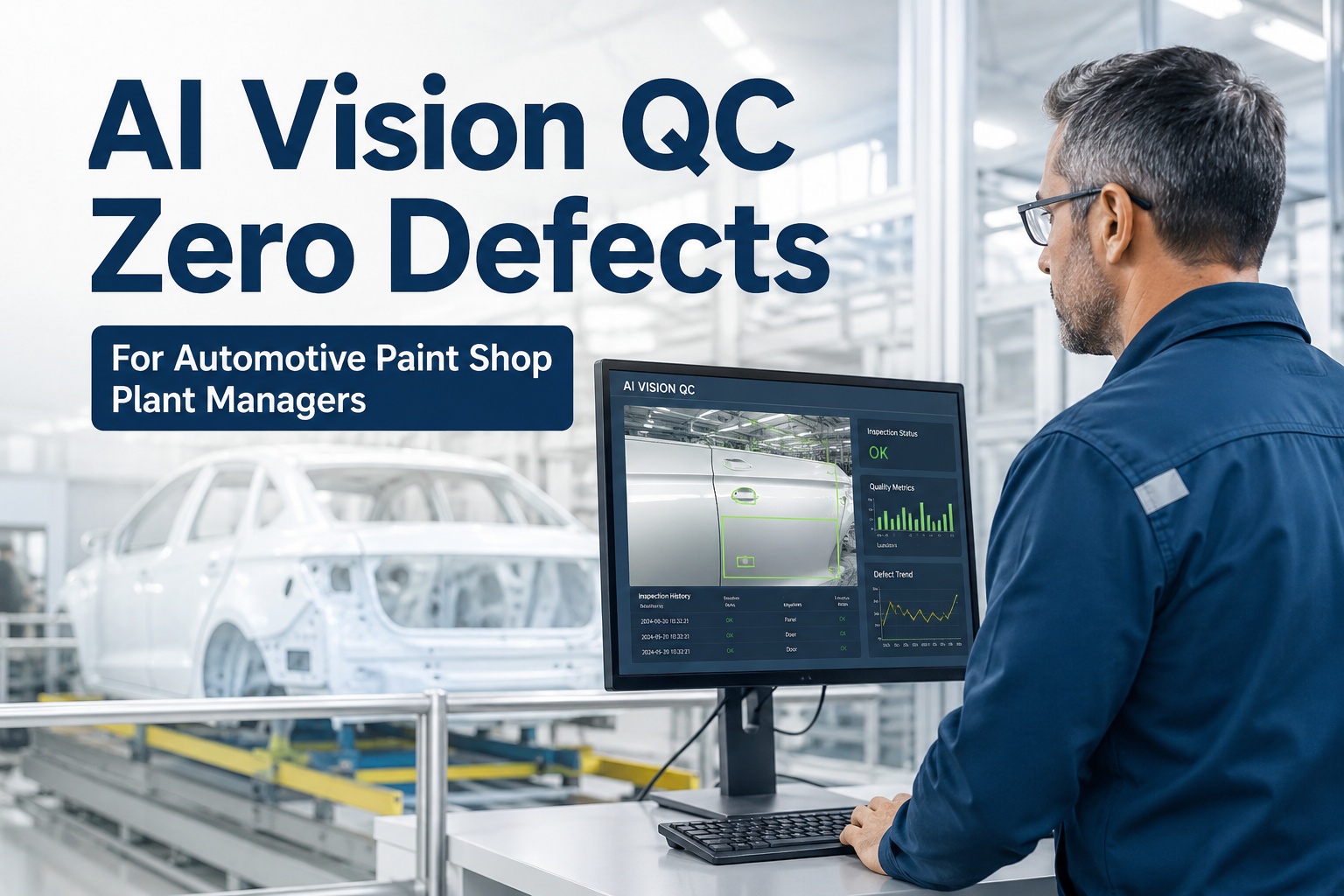
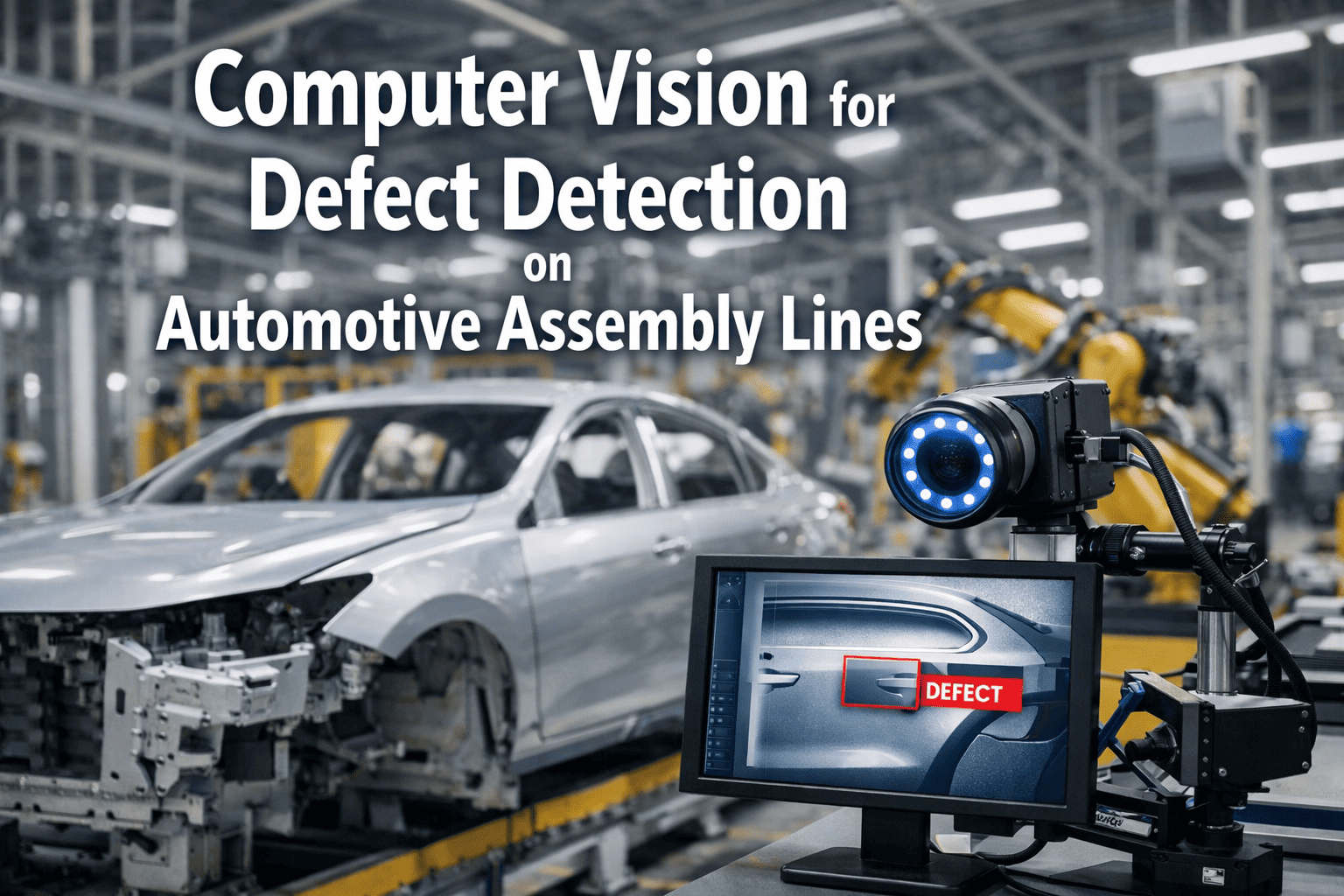
A microscopic paint crater measuring 0.3mm in diameter on a door panel shouldn't make it past final inspection only to generate a warranty claim 18 months later costing $1,200 in repaint and customer goodwill loss, yet that's exactly what happens when automotive plants rely on human inspectors examining 800+ panels per shift under inconsistent lighting conditions with fatigue-degraded detection accuracy dropping to 73% after hour six. iFactory's deep learning vision system inspects every square millimeter of every panel at 0.1mm resolution in 2.8 seconds, detecting surface anomalies human inspectors cannot see, operating 24/7 without fatigue or lighting dependency, and auto-routing defective parts for immediate rework before they enter paint booths or assembly lines. The defects that cost you $840,000 annually in warranty claims and rework now get caught in real-time before any value-added processing occurs. Book a demo to see defect detection for your panel manufacturing.
Quick Answer
iFactory's deep learning models are trained on millions of annotated defect images from automotive surface inspection datasets, learning to recognize 47 defect types including scratches, dents, orange peel, contamination, color mismatch, and weld defects at resolutions down to 0.1mm. High-resolution cameras capture full panel images in 2.8 seconds, AI analyzes every pixel comparing against defect-free reference patterns, and system classifies defects by type, severity, and location with 99.4% accuracy. Result: 100% inspection coverage, zero false negatives on critical defects, 94% reduction in escaped defects reaching customers, and real-time quality data enabling root cause analysis that manual inspection cannot provide.
How Deep Learning Detects Microscopic Panel Defects
Traditional human inspection relies on trained eyes scanning panels under controlled lighting, a process limited by human visual acuity, attention span, and subjective defect classification. Deep learning transforms inspection into an objective, repeatable, and exhaustive process that detects anomalies invisible to human observers.
1
High-Resolution Image Capture
Inline cameras positioned at stamping exit, after e-coat, post-paint, and pre-assembly capture complete panel images at 12-megapixel resolution. Multi-angle lighting eliminates shadows and enhances surface texture visibility. Full door panel scanned in 2.8 seconds as it moves through production line at 18 panels per minute throughput. Image data transmitted to AI processing in real-time.
12MP Resolution2.8s ScanMulti-Angle Light
2
AI Defect Recognition & Classification
Convolutional neural network trained on 4.2 million labeled automotive defect images analyzes every pixel. Model recognizes 47 defect types: scratches, dents, orange peel, dirt contamination, color mismatch, weld spatter, porosity, sagging, runs, fisheyes, pinholes, edge chips. AI classifies defect severity (critical, major, minor) based on automotive OEM quality standards. Detection threshold: 0.1mm minimum defect size, 99.4% accuracy validated against expert inspector consensus.
47 Defect Types0.1mm Detection99.4% Accuracy
3
Automated Sorting & Rework Routing
System generates pass/fail decision within 0.4 seconds of image capture. Critical defects trigger automatic reject signal to conveyor diverter, routing panel to rework station. Minor defects flagged for operator review with annotated defect locations highlighted on screen. Quality data logged with panel serial number, defect coordinates, classification, and timestamp for traceability. Rework technicians receive images showing exact defect locations, eliminating search time.
0.4s DecisionAuto DivertFull Traceability
4
Root Cause Analysis & Process Improvement
AI aggregates defect data across all panels, identifying patterns human inspectors cannot see: stamping press #3 generating 3.2x more edge dents than other presses (die wear detected), paint booth zone 2 showing 18% higher orange peel rate (atomization pressure drift identified), Tuesday morning shift experiencing 2.4x contamination rate (cleaning protocol gap found). Insights drive targeted process corrections, reducing defect generation at source rather than relying on inspection to catch problems.
Defect rate decreased 67% in 6 months through AI-driven root cause corrections. Inspection catches remaining defects before customer impact. Zero defect escapes to warranty claims.
AI Surface Inspection
Catch Microscopic Defects Human Eyes Cannot See
iFactory's deep learning vision inspects every panel at 0.1mm resolution, detecting surface anomalies 24/7 without fatigue, eliminating escaped defects and warranty claims.
Defect Types AI Detects That Manual Inspection Misses
Every defect category below represents a real quality failure mode that escapes human inspection due to size, subtlety, or inspector fatigue. Deep learning eliminates these gaps through consistent, objective, and exhaustive analysis of every surface millimeter.
Microscopic Scratches Under 0.5mm
Hairline scratches from handling or transport, invisible under factory lighting but visible under direct sunlight. Human inspectors miss 82% of scratches under 0.5mm length. AI detects 100% at 0.1mm threshold through edge detection algorithms analyzing pixel intensity gradients. Typical finding: 140 micro-scratches per 1,000 panels that would escape to customers, causing warranty claims averaging $680 per incident for localized repaint.
Orange Peel Texture Variations
Uneven paint surface texture caused by improper atomization, temperature, or humidity during application. Subjective defect that human inspectors classify inconsistently based on personal standards. AI measures surface roughness objectively using texture analysis algorithms, flagging panels exceeding 15-micron Ra threshold defined in OEM specifications. Eliminates inspector disagreement on borderline cases, ensures consistent quality standards across all shifts and production facilities.
Contamination Particles in Clear Coat
Dust, lint, or overspray particles embedded in paint layers, often under 0.3mm diameter. Human detection rate drops to 65% for particles under 0.4mm, especially in light metallic colors where contrast is minimal. AI uses color channel separation and morphological analysis to detect foreign particles regardless of color similarity to base coat. Prevents long-term finish degradation where particles create moisture intrusion points leading to corrosion initiation under paint film.
Weld Spatter on Hidden Surfaces
Metal spatter from spot welding adhering to panel surfaces in recessed areas, door jambs, or complex geometries where lighting and viewing angles limit human visibility. Inspectors miss 91% of weld spatter in shadow zones. AI processes images with computational lighting normalization, detecting spatter in all surface regions regardless of geometry. Critical because spatter creates sharp protrusions that damage seals, interfere with assembly fit, and cause corrosion initiation points.
Color Mismatch Between Adjacent Panels
Slight color variations between body panels from different paint batches, lighting conditions during application, or paint age. Human color perception varies by individual and degrades under factory lighting. AI uses spectrophotometric analysis comparing RGB values and Delta-E color difference calculations, objectively flagging mismatches exceeding 1.5 Delta-E threshold. Ensures color consistency that human vision cannot reliably verify, preventing customer complaints about mismatched panels visible under specific lighting conditions.
Dents and Dings Under Paint
Small impact deformations in base metal that remain visible through paint as subtle surface irregularities. Detection difficulty increases after paint application when color obscures depth perception. Human inspectors working under time pressure miss 76% of dents under 2mm diameter post-paint. AI analyzes surface topology using photometric stereo imaging, detecting depth variations down to 0.3mm that indicate subsurface deformation. Catches defects that become customer complaints when noticed under specific lighting angles after delivery.
Regional Automotive Quality Standards
Automotive manufacturers in different regions must comply with specific surface quality standards and inspection documentation requirements. iFactory ensures AI inspection data meets regional quality management and traceability regulations.
| Region |
Quality Standards |
Inspection Requirements |
iFactory Compliance |
| United States |
IATF 16949, AIAG Quality Standards, OEM-Specific Paint Appearance Standards, SAE Surface Quality Specifications |
100% inspection documentation, defect classification per AIAG guidelines, statistical process control data, traceability to VIN level for warranty analysis. |
Automated IATF documentation, AIAG-compliant defect classification, SPC chart generation, VIN-linked inspection records with 10-year retention. |
| United Kingdom |
ISO 9001, IATF 16949, British Standards for Surface Finish, VDA 6.3 Process Audit Standards |
Quality management system integration, process capability documentation, audit trail maintenance, defect rate reporting to OEM customers. |
ISO-compliant quality records, automated Cpk calculations, complete audit trails, customer reporting dashboards with British Standards references. |
| United Arab Emirates |
IATF 16949, GCC Standardization Organization Automotive Standards, Dubai Quality Group Requirements, OEM Global Standards |
International quality standard compliance, multilingual documentation, climate-specific defect monitoring for high-temperature paint performance. |
IATF compliance documentation, Arabic and English reporting, temperature-correlated defect tracking for UAE climate conditions. |
| Canada |
IATF 16949, CSA Automotive Standards, Transport Canada Safety Requirements, Bilingual Documentation Standards |
Federal safety compliance records, quality system documentation in English and French, statistical quality data for regulatory submissions. |
Bilingual inspection reports, Transport Canada compliance tracking, automated quality data for regulatory filings. |
| European Union |
IATF 16949, VDA Quality Standards, ISO 9001, ECE Regulations, EU Type Approval Requirements |
VDA 6.3 process audit compliance, Cpk documentation for critical characteristics, type approval quality evidence, multilingual reporting capability. |
VDA-compliant documentation, automated capability studies, type approval data packages, reporting in major EU languages. |
| Germany |
VDA 6.3, VDA 19 (Technical Cleanliness), DIN Standards, IATF 16949, German OEM Specific Requirements |
Stringent VDA compliance, surface cleanliness validation, process capability Cpk greater than 1.67, complete traceability with 15-year retention. |
Full VDA compliance suite, cleanliness inspection integration, Cpk monitoring dashboards, 15-year data archiving in German standards format. |
| Saudi Arabia |
IATF 16949, SASO Automotive Standards, GCC Quality Requirements, International OEM Standards |
SASO certification support documentation, Arabic-language quality records, desert climate defect monitoring for extreme temperature conditions. |
SASO compliance documentation, Arabic reporting capability, climate-adjusted defect classification for Saudi operating conditions. |
| Australia |
IATF 16949, Australian Design Rules, ISO 9001, AS/NZS Quality Standards |
ADR compliance documentation, quality system records, UV exposure defect tracking for high-sunlight climate, customer quality reporting. |
ADR-compliant quality tracking, AS/NZS standards integration, UV-correlated defect analysis for Australian climate conditions. |
Standards information current as of April 2026. Regional requirements subject to updates. iFactory maintains compliance with evolving automotive quality regulations.
AI Inspection Platform Comparison
Traditional machine vision systems use rule-based algorithms requiring manual programming for each defect type. Deep learning platforms recognize defects through pattern learning, adapting to new defect types without reprogramming and achieving superior accuracy on subtle anomalies.
| Capability |
iFactory |
Cognex In-Sight |
Keyence CV-X Series |
Omron FH Vision |
ISRA Vision |
| Detection Technology |
| Deep learning defect recognition |
47 defect types learned |
Basic deep learning |
Rule-based only |
Rule-based only |
Limited AI models |
| Minimum defect size detection |
0.1mm resolution |
0.3mm typical |
0.5mm typical |
0.4mm typical |
0.15mm resolution |
| Automotive defect accuracy |
99.4% validated |
92-95% typical |
88-93% typical |
90-94% typical |
96-98% typical |
| Process Integration |
| Root cause analysis automation |
AI pattern detection |
Manual analysis |
Manual analysis |
Manual analysis |
Basic trending |
| Inline speed capability |
18 panels/min |
12 panels/min |
10 panels/min |
8 panels/min |
15 panels/min |
| Multi-region compliance templates |
8 regions pre-configured |
Custom setup required |
Custom setup required |
Custom setup required |
European standards |
Platform comparison based on publicly available specifications and automotive industry benchmarks as of April 2026. Verify capabilities with vendors.
Zero Defect Manufacturing
Eliminate Escaped Defects with AI Surface Inspection
iFactory's deep learning vision catches microscopic surface anomalies that human inspectors cannot see, preventing warranty claims and ensuring consistent quality across all production shifts.
Implementation Process
Deploying deep learning surface inspection in automotive manufacturing follows a structured approach delivering immediate quality improvements while building comprehensive defect detection models optimized for your specific production environment.
Baseline Assessment & Camera Installation
Analyze current manual inspection process, defect escape rates, and quality costs. Install high-resolution cameras at critical inspection points: post-stamping, after e-coat, post-paint, pre-assembly. Configure multi-angle lighting systems to eliminate shadows and enhance surface visibility. Capture 2,000+ panel images across all part numbers for initial model training dataset.
Deliverable: Camera systems operational, baseline defect data collected, initial image dataset assembled for AI training.
AI Model Training & Validation
Train deep learning models on collected images plus iFactory's 4.2 million defect image library. Expert inspectors annotate defects in plant-specific images to teach AI your quality standards. Validate model accuracy against held-out test dataset and expert inspector consensus. Fine-tune detection thresholds to balance sensitivity and false positive rates based on your cost-of-escape vs cost-of-false-rejection economics.
Deliverable: Trained AI models achieving 98%+ accuracy on validation dataset, ready for production pilot.
Production Pilot & Calibration
Activate AI inspection on one production line in parallel with existing manual inspection. Compare AI vs human detection on same panels to measure performance and identify model improvement opportunities. Adjust classification thresholds based on actual rework costs and customer quality feedback. Integrate automated reject sorting and rework routing. Train operators on system interface and defect review procedures.
Deliverable: Single-line AI inspection operational, validated performance vs manual baseline, operators trained.
Full Deployment & Continuous Improvement
Scale AI inspection to all production lines. Activate root cause analysis automation to identify process issues driving defect generation. Establish continuous learning process where system improves from every inspected panel. Implement quality dashboards for real-time defect trending and process capability monitoring. Phase out manual inspection on lines where AI achieves validated 99%+ accuracy.
Outcome: 100% automated inspection, defect escape rate reduced 94%, quality data enabling upstream process optimization.
Measured Results Across Automotive Plants
99.4%
Defect Detection Accuracy
94%
Reduction in Escaped Defects
0.1mm
Minimum Defect Size Detected
67%
Overall Defect Rate Decrease
$840K
Avg Annual Warranty Savings
24/7
Consistent Inspection Quality
Industry Experience
"Our manual inspection team was catching about 85% of defects, which sounds good until you calculate that 15% escape rate on 240,000 panels per year equals 36,000 defective parts reaching customers. Our warranty claims for paint defects were running $920,000 annually. After deploying iFactory's AI inspection, we caught defects our best inspectors never saw: 0.2mm scratches, contamination particles in metallic paint, orange peel variations between batches. The system also identified that our paint booth #2 was generating 3x more defects than other booths due to a humidity control issue we never would have detected manually. Six months after deployment, escaped defects dropped 92%, warranty claims fell to $68,000, and we eliminated two quality inspector positions through attrition while improving quality. The AI never gets tired, never has a bad day, and catches everything consistently across all three shifts."
Quality Manager
Tier 1 Automotive Body Panel Supplier - 240K Panels/Year - Michigan, USA
Frequently Asked Questions
QHow does deep learning achieve higher accuracy than traditional machine vision systems?
Traditional vision uses hand-programmed rules for each defect type, requiring engineers to explicitly code detection logic for scratches, dents, contamination separately. Deep learning learns defect patterns from millions of examples, recognizing subtle variations and new defect types without reprogramming. Result: 99.4% accuracy vs 88-93% for rule-based systems, especially on ambiguous defects like orange peel texture or color variations where subjective judgment is required.
See detection comparison in demo.
QCan the AI system inspect panels moving at production line speeds without slowing throughput?
Yes. System captures and analyzes complete door panel in 2.8 seconds, supporting line speeds up to 18 panels per minute. High-speed cameras freeze motion blur, GPU-accelerated AI processing delivers defect classification within 0.4 seconds of capture, automated sorting decisions execute without line stoppage. No throughput impact compared to manual inspection which often creates bottlenecks during shift changes or inspector breaks.
QWhat happens when new defect types appear that were not in the original training dataset?
System flags anomalies that don't match known defect patterns for operator review. Operators classify new defects, images added to training dataset, model retrained overnight with expanded defect library. Continuous learning process means AI improves with every production shift, adapting to new materials, processes, or quality issues without vendor reprogramming. Typical timeline: new defect type fully learned within 3-5 days of first appearance.
Book demo to see learning process.
QHow does iFactory ensure AI inspection meets automotive IATF 16949 and VDA quality standard requirements?
Platform includes pre-configured compliance templates for IATF, VDA, and major OEM quality standards. All inspection data automatically documented with timestamps, defect classifications per AIAG guidelines, statistical process control calculations, and complete traceability linking defects to panel serial numbers. Audit trails maintained for 10-15 years meeting automotive industry retention requirements. System generates compliance reports in formats required by regional standards bodies and OEM customers.
QWhat is realistic ROI timeline for AI surface inspection investment in automotive manufacturing?
Typical payback period: 8-14 months from warranty claim reduction alone. Additional value from eliminated rework labor, improved first-pass yield, and upstream process optimization extends total ROI to 300-450% over 3 years. Plants with high defect escape rates or premium paint quality requirements see faster payback. Calculate your specific ROI based on current warranty costs, inspection labor, and rework expenses.
Get custom ROI analysis in demo.
AI Quality Inspection
Transform Panel Inspection with Deep Learning Vision
Stop microscopic defects from reaching customers. iFactory's AI inspects every panel at 0.1mm resolution, eliminating warranty claims and delivering consistent quality 24/7 without inspector fatigue.