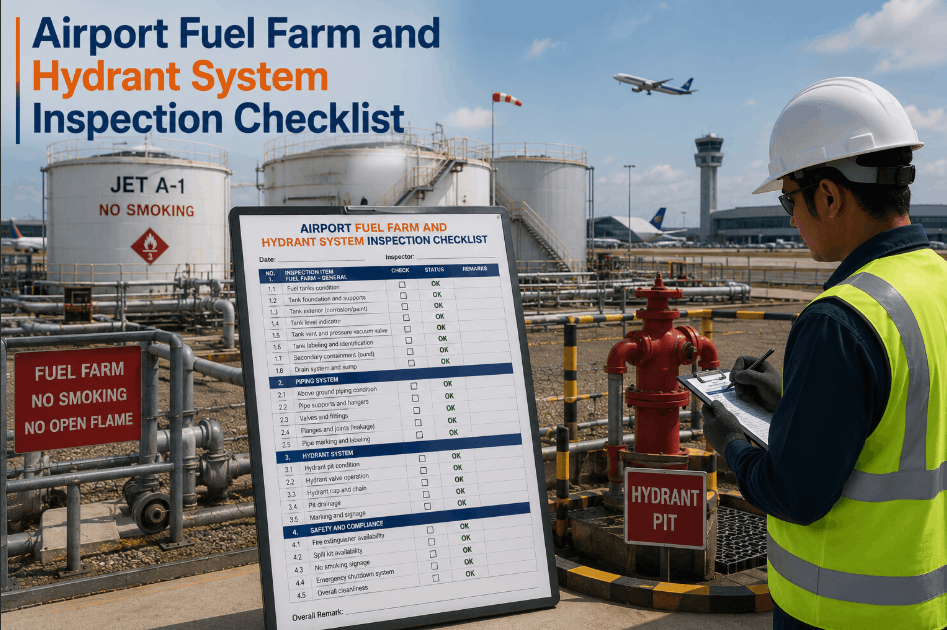
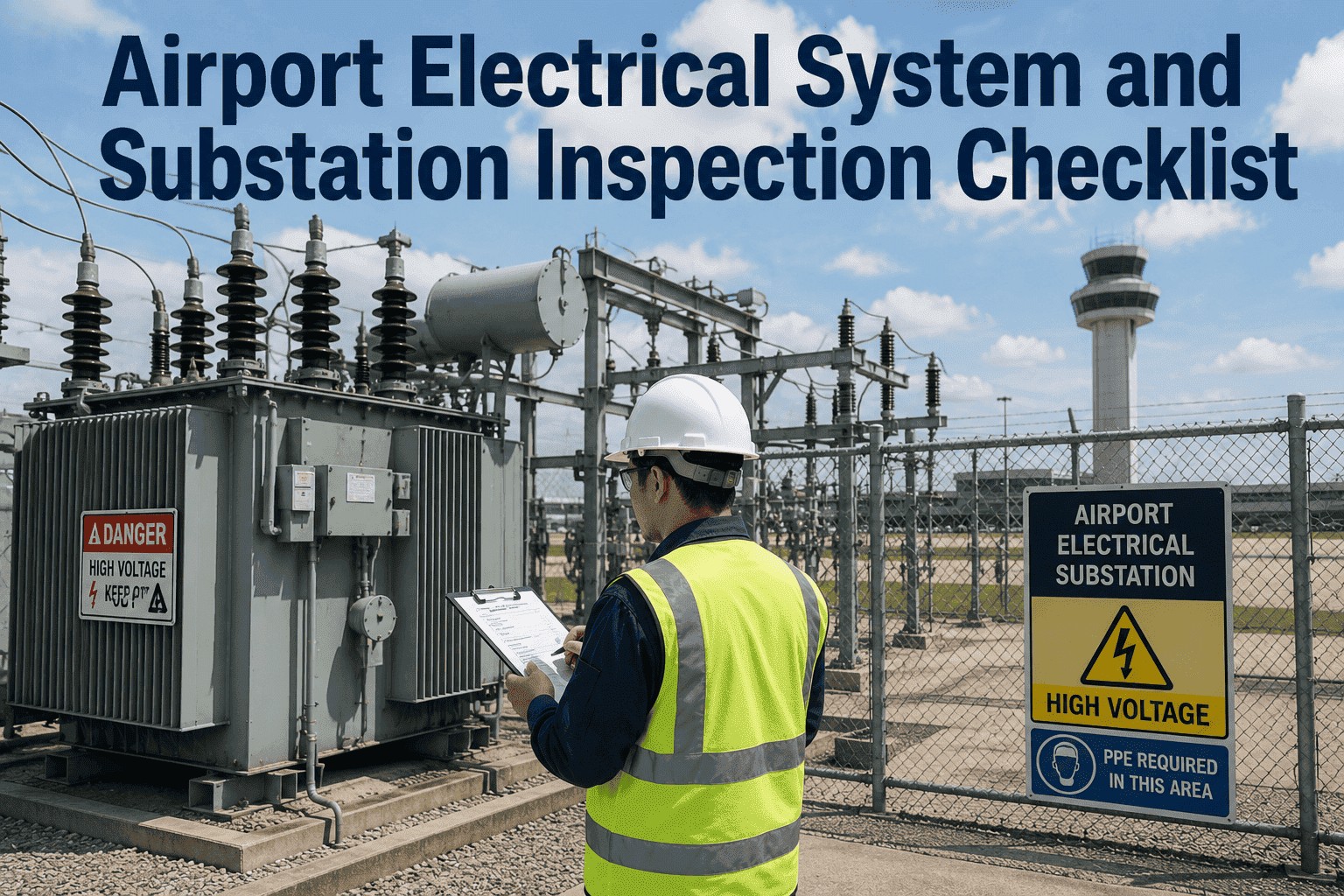
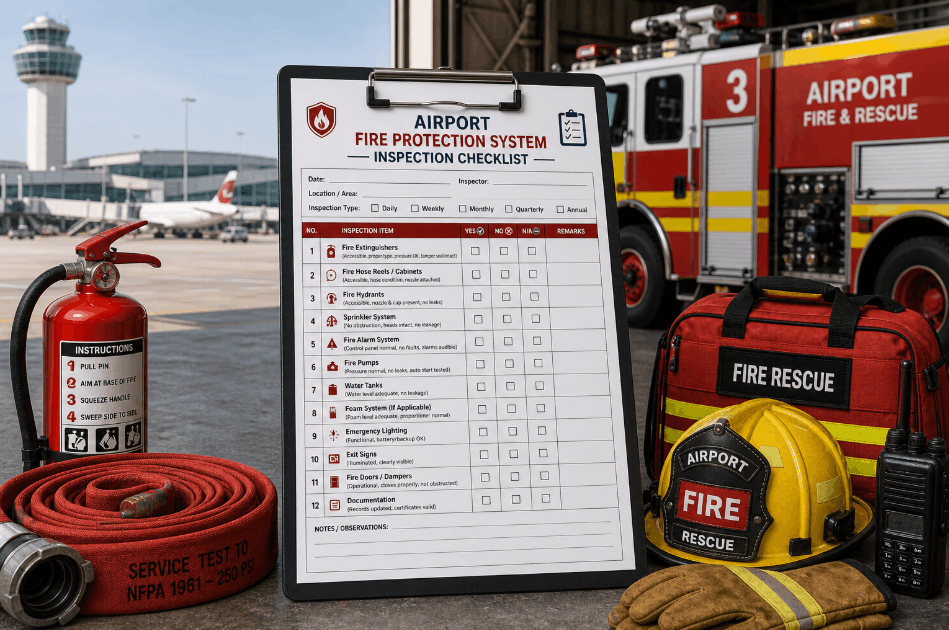
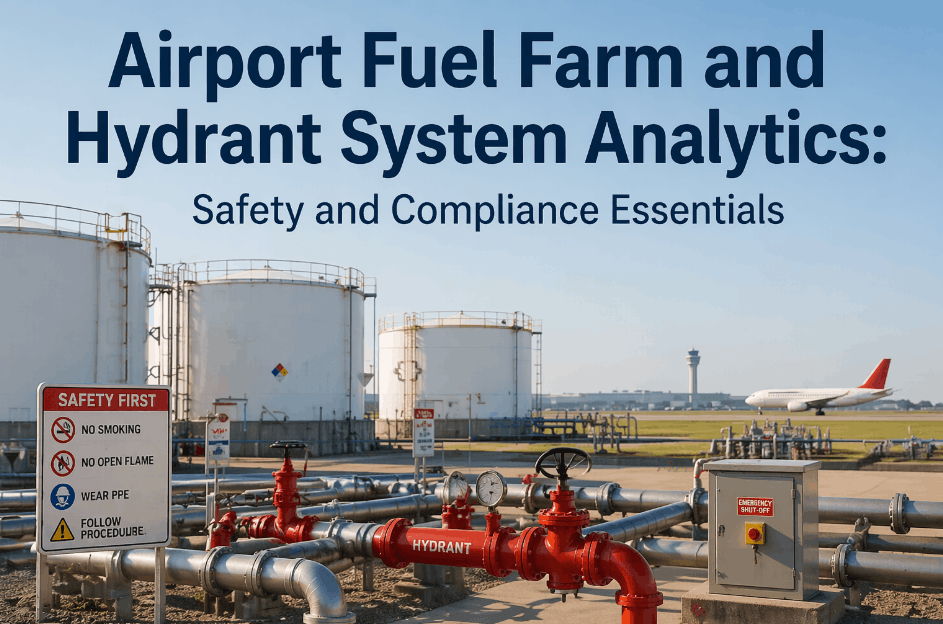
Airport Fuel Farm and Hydrant System Inspection Checklist
By Josh Turley on May 13, 2026
Airport fuel farms and hydrant fueling systems handle millions of gallons of Jet-A and aviation gasoline annually under regulatory frameworks that treat any inspection failure as a potential catastrophic fire, environmental, or airworthiness event. A comprehensive airport fuel farm and hydrant system inspection checklist covering storage tank integrity, filtration performance, hydrant pit condition, leak detection systems, fire suppression readiness, and NFPA 407 compliance verification is the documented foundation of a safe, compliant aviation fuel quality program. Book a Demo to see how digital compliance tracking platforms replace paper-based fuel system inspection logs with automated inspection scheduling, real-time deficiency management, and audit-ready documentation across every fuel storage and dispensing zone in your airport facility.
Digitize Fuel Farm and Hydrant System Inspections — Automate NFPA 407 Compliance Records
Track fuel tank condition checks, filtration performance tests, hydrant pit inspections, leak detection verification, and fire suppression readiness with audit-ready documentation across every fuel storage and dispensing point in your airport.
Aviation fuel contamination events — water ingress, cross-product mixing, microbial growth, or particulate from degraded filter elements — that reach aircraft fuel systems cause engine anomalies ranging from power reduction to complete engine failure. A structured fuel quality inspection program with documented filtration checks, water detection procedures, and quality sampling intervals is the only systematic defense against contaminated fuel entering an aircraft that can carry hundreds of passengers.
EPA, NFPA, and FAA Requirements Mandate Documented Fuel System Inspection Intervals
Airport fuel operations are subject to NFPA 407 for aircraft fuel servicing safety, EPA 40 CFR Part 112 for spill prevention control and countermeasure (SPCC) plans, EPA Underground Storage Tank regulations, FAA Advisory Circulars governing aviation fuel quality, and state environmental agency requirements. Facilities with incomplete inspection records face regulatory fines, storage permit revocations, and mandatory corrective action orders that can suspend fueling operations.
1. Fuel Storage Tank Inspection
2. Fuel Filtration System Inspection
3. Hydrant Pit and Coupler Inspection
4. Leak Detection and Environmental Monitoring
5. Pipeline and Transfer System Inspection
6. Fuel Quality Control and Sampling Inspection
7. Spill Prevention and Secondary Containment Inspection
8. Fueling Vehicle and Hydrant Dispenser Inspection
COMPLIANCE TRACKINGDIGITAL INSPECTION
Ready to Digitize Airport Fuel Farm Inspections and Automate NFPA 407 Compliance Records?
Automate fuel tank condition surveys, filtration performance tracking, hydrant pit inspections, leak detection verification, and SPCC documentation — with real-time deficiency dashboards and instant corrective action workflows across every fuel storage and dispensing zone.
Airport Fuel Farm and Hydrant System Inspection FAQs
1. Which regulations govern airport fuel farm inspection requirements?
Airport fuel operations are subject to NFPA 407 (Aircraft Fuel Servicing), EPA 40 CFR Part 112 (SPCC), EPA UST regulations (40 CFR Part 280), EI/JIG aviation fuel quality standards, FAA Advisory Circulars, state environmental agency underground storage tank programs, and local fire code requirements. Each standard covers different aspects of fuel system safety and environmental protection, and compliance with all applicable regulations is simultaneously required.
2. How frequently must aviation fuel filter elements be changed?
Filter change intervals are governed by differential pressure readings rather than time alone. Filter/water separator elements must be changed when differential pressure reaches the manufacturer's specified maximum, when annual fuel throughput reaches the rated capacity, or at annual intervals — whichever occurs first. Elements must also be changed immediately following any product contamination event regardless of elapsed time or throughput volume.
3. What is the required response when water is found in aviation fuel storage tanks?
Free water found in aviation fuel storage tanks requires immediate drainage to remove all accumulated water, source investigation to identify the ingress pathway, and a post-drainage quality sample to confirm water removal before resuming product transfers. Fuel that cannot be confirmed free and bright following drainage and filtration must be quarantined and off-specification fuel testing conducted before product is cleared for aircraft dispensing.
4. Are digital fuel quality and inspection records compliant with EPA and FAA documentation requirements?
Yes — EPA UST regulations, SPCC plan requirements, and FAA fuel quality program guidance accept digital records provided the system maintains data integrity, prevents unauthorized modification, includes timestamped entries, and preserves records for the required retention period (typically three to five years for most fuel quality and environmental compliance records). Digital platforms with mandatory field completion before record submission satisfy all applicable requirements.
GET STARTEDDIGITIZE TODAY
Digitize Your Airport Fuel Farm Inspection Program Today
Join aviation fuel operations that have automated NFPA 407, SPCC, and EPA-compliant fuel system inspection documentation, eliminated quality control gaps, and improved fuel system safety with structured digital inspection workflows across every tank, filter station, and hydrant zone.