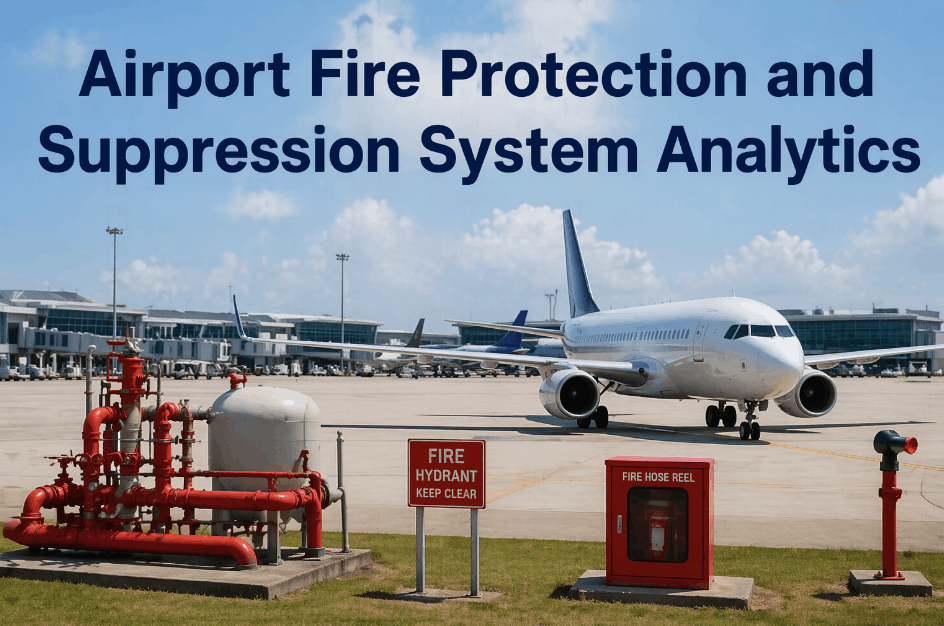
Airport fire protection and suppression system analytics have become mission-critical for aviation facility managers navigating increasingly complex NFPA compliance requirements, multi-zone asset monitoring demands, and the constant pressure to maintain audit-ready documentation across terminals, hangars, and fuel storage areas. Traditional manual inspection workflows are no longer sufficient — and Book a Demo to see how AI-driven compliance tracking is transforming airport fire safety management in real time.
AI-DRIVEN COMPLIANCE
·
NFPA AUDIT READY
·
AVIATION FIRE SAFETY
Achieve Zero Compliance Gaps Across All Airport Fire Protection Systems
iFactory monitors every fire suppression asset, sprinkler inspection event, and CCP compliance trigger across your entire aviation facility — delivering real-time alerts, predictive maintenance scheduling, and complete NFPA audit documentation before your next certification review.
The Growing Complexity of Airport Fire Protection System Compliance
Airport fire protection analytics sits at the intersection of aviation safety regulation, NFPA code compliance, and operational asset management. Across terminal buildings, aircraft hangars, fuel storage zones, and ground support equipment areas, fire suppression systems must perform flawlessly — and documentation proving that performance must be continuously available for FAA, NFPA, and ICAO compliance reviews. The challenge facing aviation facility managers in 2026 is not simply maintaining fire protection equipment — it is maintaining auditable, real-time proof that every system component is performing within specification across an environment of extraordinary operational complexity.
Airport fire detection systems span thousands of individual assets: smoke detectors, heat sensors, manual pull stations, suppression agents, foam deluge valves, sprinkler heads, fire pumps, and emergency notification systems. Without an integrated analytics platform, tracking the inspection status, calibration history, and compliance documentation for each asset becomes an administratively overwhelming task — and any documentation gap can trigger a regulatory finding during a NFPA airport compliance audit.
42%
Of airport fire system compliance gaps stem from missed or undocumented inspections
NFPA 409
Primary code governing hangar fire suppression systems and foam system analytics requirements
95%
Reduction in audit preparation time with AI-driven compliance documentation platforms
3x
Faster regulatory response time for facilities using real-time fire system monitoring dashboards
Compliance Risk Analysis
Why Airport Fire Safety Analytics Is No Longer Optional
NFPA standards governing aviation fire protection — including NFPA 409 for hangars, NFPA 30 for fuel storage fire protection, and NFPA 72 for fire alarm systems — require structured, documented inspection cycles that cannot be managed effectively through paper-based systems or disconnected spreadsheet logs. When a terminal fire alarm system, hangar foam suppression network, or fuel storage fire pump fails to produce complete inspection documentation on demand, the compliance exposure extends beyond a single finding — it signals a systemic monitoring failure to auditors.
Airport fire protection analytics platforms change this equation entirely. AI-driven compliance tracking automatically captures inspection events, generates calibration records, triggers corrective action workflows, and maintains a tamper-evident audit trail across every fire safety asset in the facility. Aviation fire safety teams can Book a Demo to see exactly how automated compliance documentation eliminates the documentation gaps that create regulatory risk.
01
Multi-Zone Complexity Across Aviation Facilities
Modern airports operate fire protection systems across radically different risk environments simultaneously — pressurized terminal buildings, wide-body aircraft hangars, aviation fuel farms, ground support equipment facilities, and cargo handling areas. Each zone operates under distinct NFPA code requirements, inspection frequencies, and suppression agent specifications. Without analytics integration, compliance tracking across all zones becomes fragmented and error-prone.
02
NFPA Inspection Cycle Management at Scale
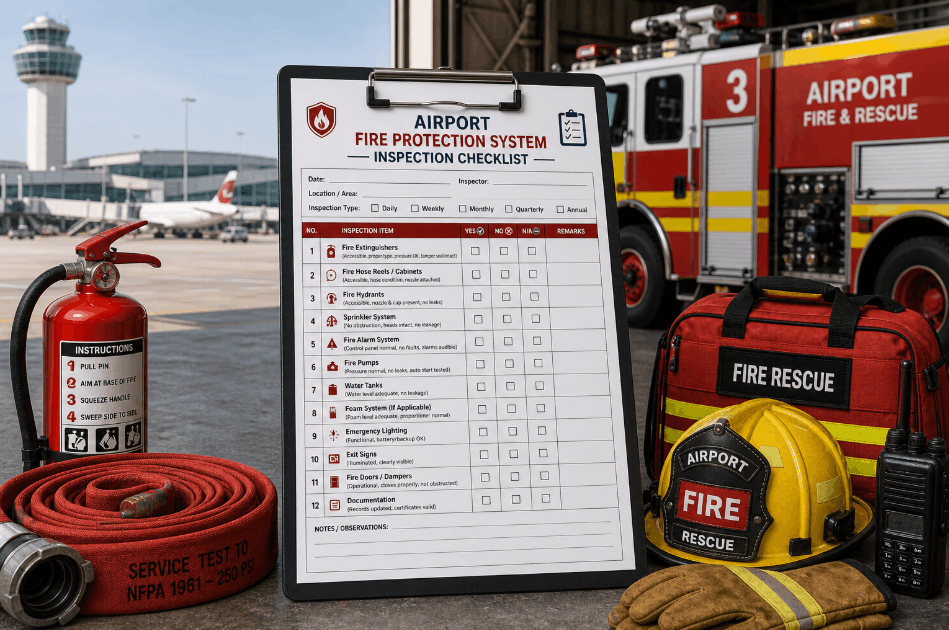
Airport fire suppression systems require inspection cycles ranging from weekly visual checks to annual full-system tests. Managing hundreds of overlapping inspection schedules across terminal fire suppression networks, hangar foam systems, and fuel storage fire protection infrastructure without digital tracking creates inevitable scheduling gaps — each of which represents a potential compliance finding during regulatory review.
03
Hangar Foam System Documentation Demands
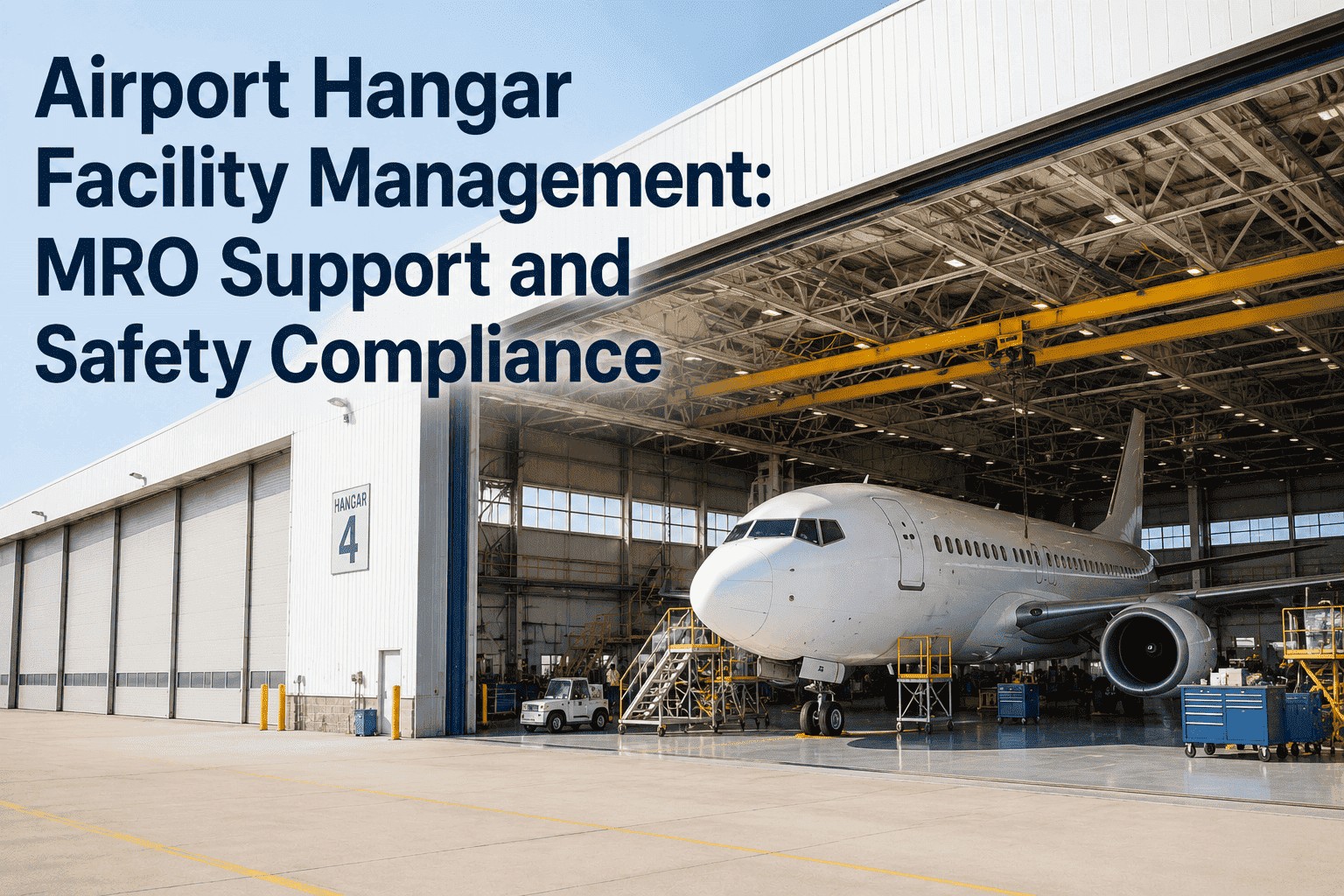
NFPA 409-compliant hangar fire suppression systems — including low-expansion foam deluge, high-expansion foam, and overhead sprinkler systems — carry some of the most stringent documentation requirements in aviation fire safety. Foam concentrate quality records, flow test results, discharge system readiness verification, and quarterly agent replenishment logs must all be maintained and producible on demand during NFPA airport compliance audits.
04
Fire Pump Performance Monitoring Gaps
Airport fire pump systems — diesel-driven, electric, and jockey pumps — require scheduled performance testing under NFPA 25 to verify that flow rate, pressure output, and automatic start functionality meet specification. Without real-time airport fire pump analytics, performance degradation between test cycles goes undetected, and test result documentation is often incomplete or difficult to retrieve during inspections.
05
Fuel Storage Fire Protection Regulatory Exposure
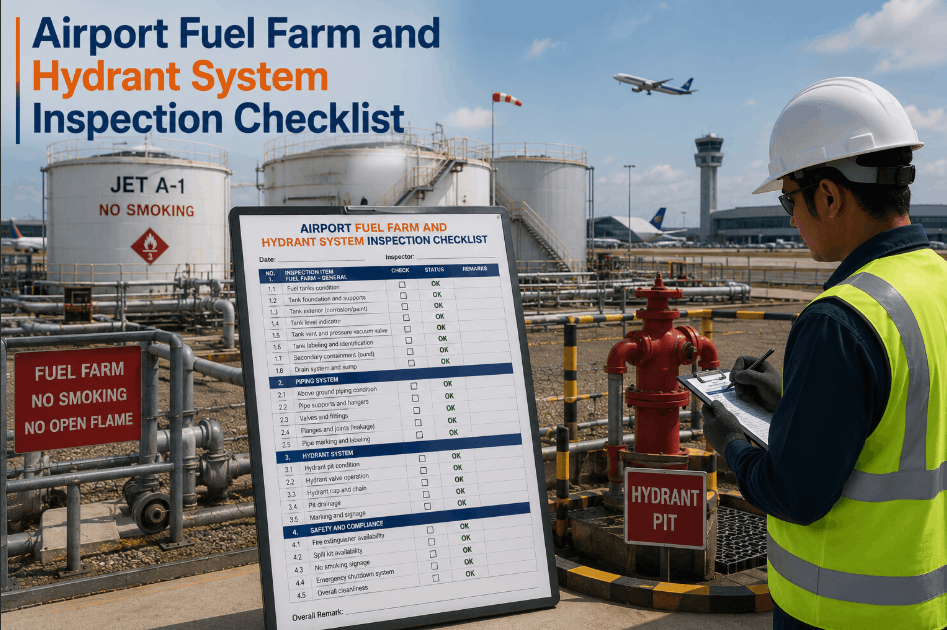
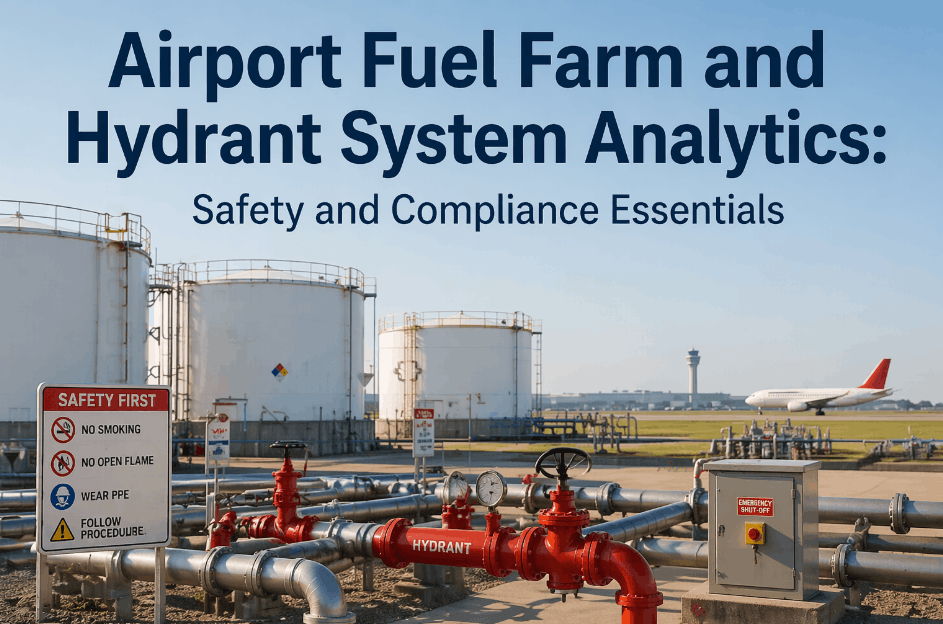
Aviation fuel storage areas represent the highest fire risk environment in any airport facility. NFPA 30 and aviation fuel handling regulations impose stringent requirements on fuel storage fire protection systems — including foam suppression readiness, heat detection sensitivity calibration, and emergency isolation valve testing. Any compliance gap in this zone carries significant regulatory and operational consequences.
06
Workforce Transition and Institutional Knowledge Loss
High turnover among airport fire safety technicians and compliance officers creates institutional knowledge gaps that increase the risk of missed inspections, incorrect maintenance procedures, and incomplete documentation. Without a digital compliance tracking platform capturing inspection history, calibration records, and corrective action trails, every personnel change creates a documentation continuity risk that compounds over time.
AI-Driven Analytics Platform
How AI-Driven Analytics Transforms Airport Fire Detection System Compliance
The application of AI-driven analytics to airport fire protection compliance fundamentally changes what facility managers can achieve. Rather than relying on manual inspection logs and reactive documentation practices, modern analytics intelligence platforms deliver continuous real-time monitoring of fire detection system performance, automated inspection schedule management, predictive maintenance alerts for at-risk assets, and audit-ready compliance documentation generated automatically — without manual data assembly. Airport fire safety teams that want to see this capability in action can Book a Demo with the iFactory engineering team.
01
Real-Time Terminal Fire Alarm System Monitoring
AI-driven continuous monitoring of terminal fire alarm networks captures device health status, battery condition, communication signal integrity, and fault event history across every detector, notification appliance, and control panel in the facility. Live status dashboards give facility managers instant visibility into the operational health of the entire terminal fire detection system — and automated alerts trigger immediately when any device falls outside specification, enabling corrective action before compliance status is affected.
02
Hangar Fire Suppression System Analytics and Inspection Tracking
Hangar foam system analytics platforms integrate directly with suppression system control panels and foam concentrate storage monitoring to track agent levels, system pressure readiness, and discharge valve status in real time. Automated inspection schedule management ensures that NFPA 409-mandated inspection cycles — weekly visual checks, quarterly functional tests, and annual flow tests — are tracked, documented, and escalated when approaching or overdue. Complete inspection history is maintained in a searchable, audit-ready format.
03
Airport Sprinkler Inspection and NFPA 25 Compliance Automation
Airport sprinkler inspection compliance under NFPA 25 requires documented visual inspections, obstruction investigations, and operational tests across every wet, dry, deluge, and pre-action sprinkler system in the facility. AI-driven compliance tracking automates inspection schedule generation, captures technician completion records through digital forms, flags missed or overdue inspections in real time, and generates complete NFPA-formatted documentation packages for audit submission — eliminating the administrative burden that manual compliance management creates for airport facility teams.
04
Airport Fire Pump Analytics and Performance Verification
Continuous airport fire pump analytics platforms monitor diesel and electric fire pump performance parameters — suction pressure, discharge pressure, flow rate, engine operating temperature, battery readiness, and automatic controller status — against NFPA 25 performance benchmarks in real time. Predictive alerts identify developing performance degradation days before it affects system reliability, enabling scheduled intervention rather than emergency repair. All pump test results, performance trending data, and corrective action records are captured automatically in compliance-ready format.
05
Fuel Storage Fire Protection Compliance Documentation
AI-driven compliance tracking platforms purpose-built for aviation environments capture fuel storage fire protection inspection events, foam suppression readiness verification records, heat detector calibration histories, and emergency isolation system test results continuously — maintaining a complete, tamper-evident audit trail for NFPA 30 and aviation authority compliance reviews. Facility teams no longer need to manually assemble documentation packages before inspections — the compliance record is always current and immediately accessible. Fuel storage fire safety managers can
Book a Demo to see exactly how this documentation automation works in practice.
Airport Fire Code Compliance: Manual Tracking vs. AI-Driven Analytics
Aviation fire safety teams that have deployed AI-driven compliance tracking platforms report measurable improvements across every dimension of NFPA airport compliance management compared to facilities relying on paper-based and manual tracking approaches.
Airport Fire Protection Compliance: Traditional vs. AI-Driven Analytics Intelligence
Implementation Roadmap
Building a Complete Airport Fire Safety Compliance Analytics Program
Deploying an AI-driven airport fire protection analytics platform is a structured, phased process that delivers measurable compliance value within the first weeks of operation. Aviation facility managers can Book a Demo and begin generating real-time compliance intelligence across their highest-risk fire protection assets within 30 days. The implementation sequence below reflects the approach used by the most compliance-mature airport facilities currently operating AI-driven fire safety analytics programs.
1
Fire Protection Asset Inventory and Risk Classification
Begin with a comprehensive inventory of all fire protection assets across the airport facility — terminal fire alarm systems, hangar foam suppression networks, fuel storage fire protection infrastructure, airport fire pumps, and emergency notification systems. Classify each asset by its NFPA compliance requirements, inspection frequency, and regulatory risk priority. This risk-ranked asset register forms the foundation of the analytics platform deployment sequence, ensuring that the highest-risk compliance gaps are addressed first.
Outcome: Risk-prioritized compliance deployment roadmap
2
IoT Integration and Real-Time Data Capture Configuration
Connect fire protection system control panels, pump controllers, foam agent level sensors, and fire alarm network management systems to the analytics platform through standard integration protocols. For assets without direct digital interfaces, configure technician-facing digital inspection forms that enforce complete data capture and timestamp every inspection event. The platform begins building the compliance data baseline needed for accurate NFPA documentation from the first day of operation.
Outcome: Live fire system compliance monitoring from day one
3
NFPA Inspection Schedule Automation and Alert Configuration
Configure automated inspection schedules aligned with NFPA 25, NFPA 72, NFPA 409, and NFPA 30 requirements across all fire protection asset categories. Set compliance alert thresholds that notify responsible teams when inspections are approaching, overdue, or when equipment health parameters cross into elevated risk territory. Automated escalation workflows ensure that nothing falls through the cracks — and that corrective actions are tracked to verified closure with complete documentation.
Outcome: Zero missed NFPA inspection cycles
4
Audit Documentation Package Automation
Configure the platform to automatically generate NFPA-formatted compliance documentation packages — including inspection histories, test result records, calibration logs, corrective action trails, and equipment performance trending reports — on demand or on scheduled generation cycles. When a FAA compliance review, NFPA airport compliance audit, or internal safety assessment is scheduled, the complete documentation package is already assembled and immediately accessible, eliminating weeks of manual preparation work.
Outcome: Always audit-ready compliance documentation
Best Practices
What Compliance-Leading Airport Facilities Are Doing Differently
The aviation facilities achieving the strongest NFPA airport compliance outcomes share a common set of operational practices that distinguish them from facilities still managing fire safety documentation through manual processes. These are not theoretical recommendations — they are the documented behaviors of the airport facilities with the cleanest compliance records, the fastest audit response times, and the most complete fire protection system documentation packages.
They Monitor Fire System Performance Continuously, Not Periodically
Leading airport facilities have moved beyond periodic manual inspections as the primary method of fire system performance verification. They deploy continuous real-time monitoring across terminal fire alarm systems, hangar foam suppression networks, and fuel storage fire protection infrastructure — generating a live operational picture of fire safety system health at all times, not just during scheduled inspection windows.
They Treat Compliance Documentation as a Real-Time Process
High-performing aviation facilities do not assemble compliance documentation before audits — they capture it continuously as a natural output of every inspection, test, and maintenance event. AI-driven compliance tracking platforms make this possible by automatically timestamping and recording every compliance event as it occurs, creating an always-current audit-ready documentation repository that requires no pre-audit assembly effort.
They Apply Predictive Analytics to Fire Pump and Suppression Asset Health
Rather than waiting for scheduled performance tests to identify fire pump degradation or suppression system component wear, leading aviation facilities use predictive analytics platforms to continuously trend asset performance data against baseline specifications. Developing performance deviations are identified and addressed weeks before they affect system reliability — maintaining suppression system readiness without the reactive emergency maintenance cycles that compromise both compliance and safety.
They Integrate Fire Safety Compliance Into Facility-Wide Risk Management
The most sophisticated airport fire safety programs have integrated terminal fire suppression, hangar foam system analytics, and fuel storage fire protection compliance tracking into a single facility-wide operational risk dashboard. This unified visibility gives operations leadership the ability to assess fire safety compliance status across all zones simultaneously — identifying the highest-priority compliance gaps and directing resources with strategic precision rather than reacting to individual audit findings in isolation.
Frequently Asked Questions: Airport Fire Protection Analytics
Which NFPA standards govern airport fire protection compliance?
Key standards include NFPA 409 (aircraft hangars), NFPA 25 (water-based suppression inspection), NFPA 72 (fire alarm systems), and NFPA 30 (flammable liquid storage). AI-driven compliance platforms track inspection requirements across all applicable standards simultaneously.
How does real-time monitoring improve hangar foam system compliance?
Continuous foam agent level monitoring, system pressure tracking, and automated inspection scheduling ensure that NFPA 409 documentation requirements are met without reliance on manual checks. Every compliance event is captured, timestamped, and stored in audit-ready format.
Can the platform track fuel storage fire protection compliance?
Yes. AI-driven compliance tracking platforms capture heat detector calibration records, foam suppression readiness verification, emergency isolation valve test results, and corrective action documentation continuously across all fuel storage fire protection infrastructure under NFPA 30 requirements.
How quickly can fire system compliance gaps be identified?
Real-time monitoring and automated inspection schedule tracking enable compliance gaps to be identified the moment they develop — not weeks later during a manual audit review. Automated alerts notify responsible teams immediately when inspection cycles are overdue or equipment parameters fall outside specification.
Does the platform integrate with existing airport facility management systems?
iFactory integrates with existing CMMS, EAM, and facility management platforms through standard API connectivity — layering real-time fire safety analytics and compliance tracking on top of current infrastructure without replacing existing technology investments.
What is the typical ROI for airport fire protection analytics deployment?
Aviation facilities typically achieve positive ROI within 6–9 months through reductions in compliance-related audit findings, emergency repair costs, and audit preparation labor — with ongoing value generated by the elimination of reactive fire system maintenance cycles.
Build Your Compliance-Ready Airport Fire Safety Program
iFactory — AI-Driven Analytics for Airport Fire Protection and NFPA Compliance
Airport fire protection compliance requirements are not becoming simpler — they are becoming more demanding, more documentation-intensive, and more consequential when gaps emerge. The aviation facilities that will lead on fire safety compliance in the years ahead are those investing now in AI-driven analytics platforms that deliver real-time fire system monitoring, automated NFPA inspection tracking, predictive suppression asset health management, and complete audit-ready documentation as a single integrated capability.
Real-time terminal fire alarm and detection system monitoring
NFPA 409 hangar foam system analytics and inspection tracking
Airport fire pump performance analytics and NFPA 25 compliance
Fuel storage fire protection documentation under NFPA 30
Automated airport sprinkler inspection scheduling and records
Audit-ready NFPA compliance documentation — always current