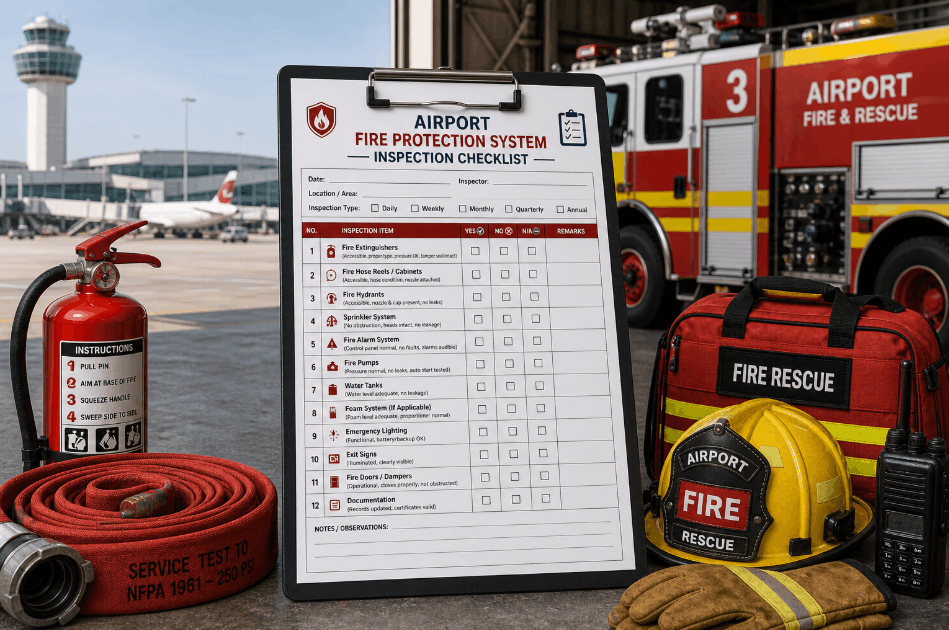
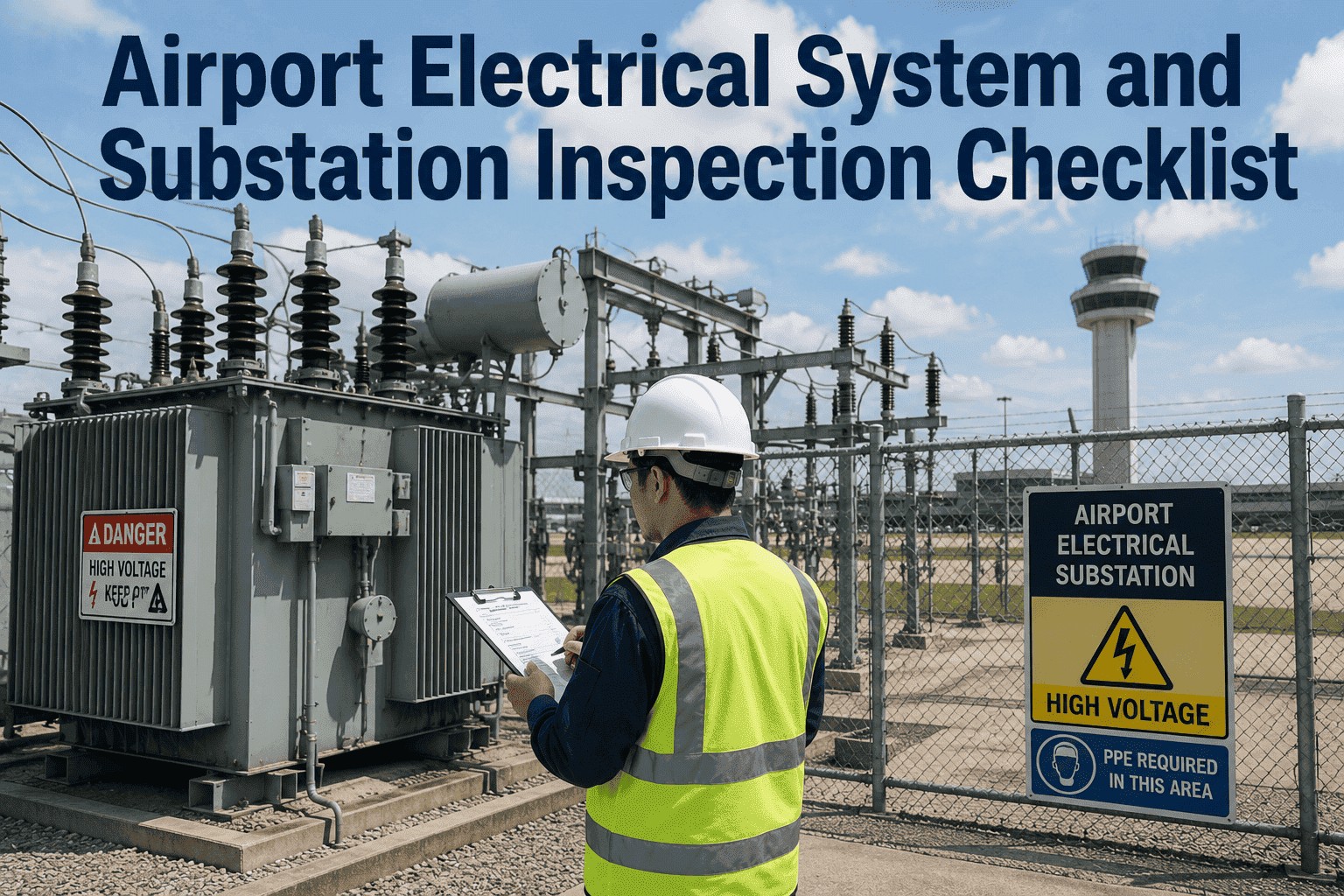
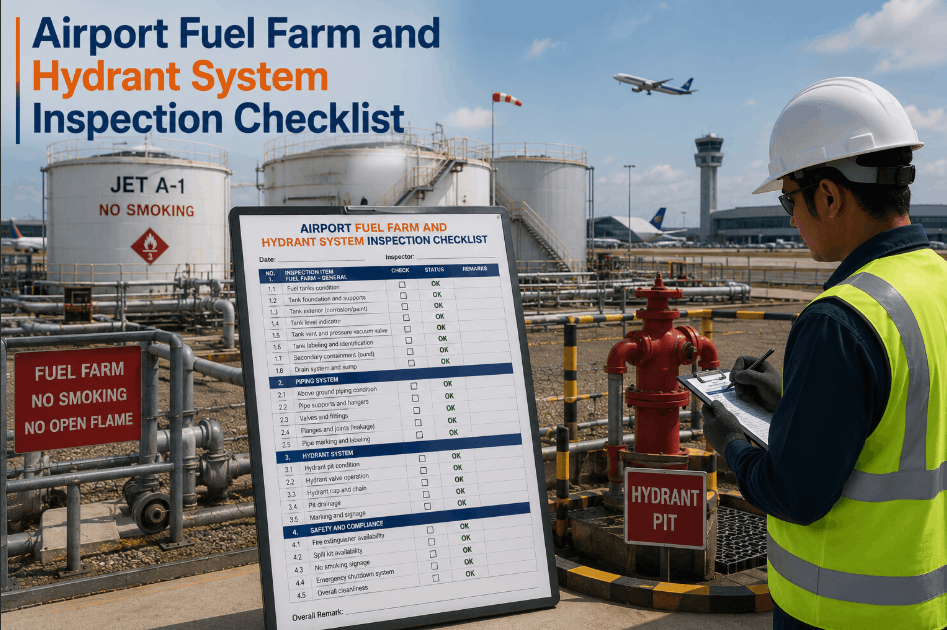
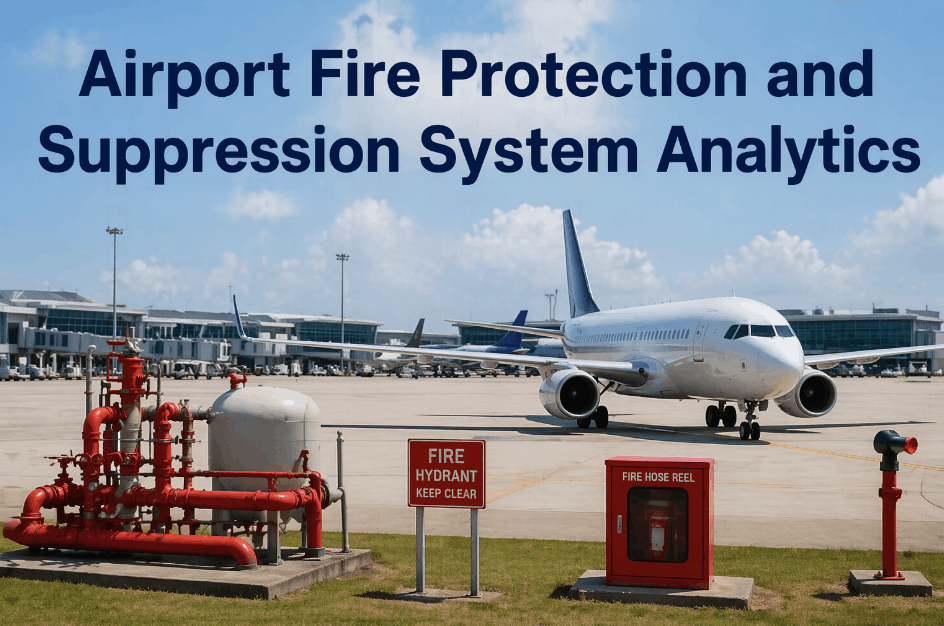
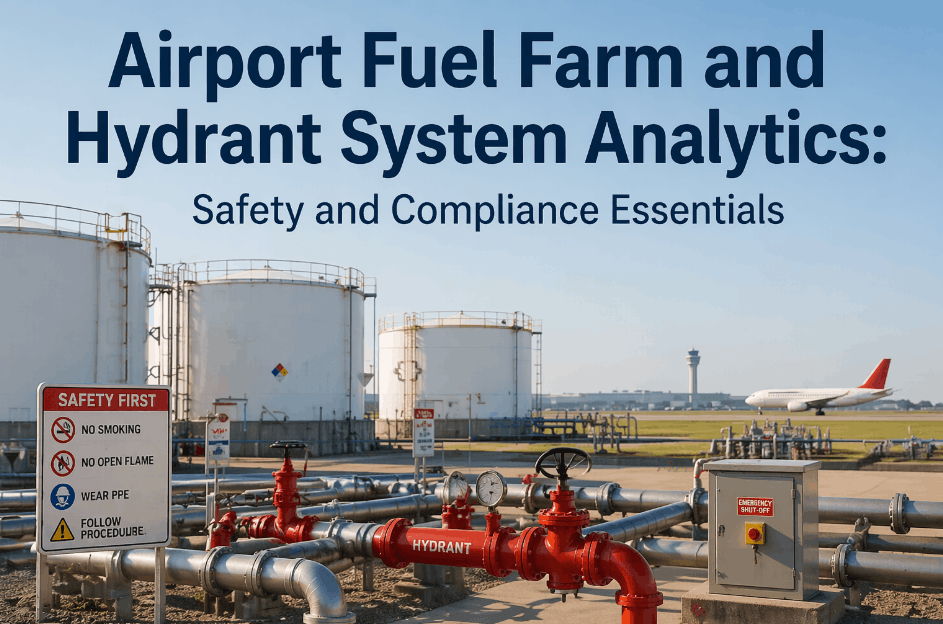
Airport fire protection systems operate in some of the most complex, high-risk environments in the world — where simultaneous management of terminal occupancy, hangar fuel loads, runway operations, and emergency response corridors demands a structured, regulation-backed inspection program. A comprehensive airport fire protection system inspection checklist is the foundation of FAA Advisory Circular and NFPA-compliant facility safety — covering terminal sprinkler verification, hangar foam suppression testing, fuel farm fire detection, fire pump performance, and emergency communication readiness at every inspection interval. Book a Demo to see how digital compliance tracking platforms replace manual fire protection inspection logs with real-time system status monitoring, automated FAA documentation, and instant corrective action workflows across all airport fire safety zones.
FIRE PROTECTION INSPECTION
FAA COMPLIANCE
AVIATION FIRE SAFETY
Digitize Airport Fire Protection Inspections Across All Zones and Systems
Track terminal sprinkler tests, hangar foam suppression readiness, fuel farm fire detection, fire pump performance, and NFPA-compliant inspection records — with audit-ready documentation for your next FAA compliance review.
Why Structured Fire Protection Inspections Are Critical at Airports
Aviation Fire Hazards Require Multi-System Coordination and Zero Inspection Gaps
Airport fire protection encompasses terminal buildings with high occupant loads, hangars storing aircraft and jet fuel, fuel farms with massive flammable liquid inventories, and airside infrastructure requiring dedicated suppression systems. A single uninspected system component — a clogged foam proportioner, a tripped fire pump circuit, or a disabled detector — creates a chain-failure vulnerability that overwhelms emergency response capacity during an actual aviation fire incident. Routine structured inspections with documented findings prevent the silent degradation that transforms compliant systems into non-functional assets.
FAA, NFPA, and Local AHJ Requirements Mandate Documented Inspection Intervals
FAA Advisory Circular 150/5210-6, NFPA 409 for hangars, NFPA 407 for aircraft fueling, and NFPA 72 for fire alarm systems each carry specific inspection, testing, and maintenance intervals enforced during FAA safety inspections and Certificate of Occupancy renewals. Facilities lacking timestamped inspection records, corrective action documentation, and system test certifications face operating certificate suspension, mandatory system shutdowns, and potential liability exposure following any fire incident where inspection gaps contributed to response failure.
COMPLIANCE TRACKING
DIGITAL INSPECTION
Ready to Digitize Airport Fire Protection Inspections and Automate FAA Compliance Records?
Automate hangar foam system checks, terminal sprinkler testing, fire pump performance records, and NFPA-compliant inspection documentation — and eliminate audit gaps with real-time compliance tracking dashboards across every airport fire protection zone.
Airport Fire Protection Inspection FAQs
1. Which NFPA standards govern fire protection system inspections at airports?
Airport fire protection is governed by NFPA 13 (sprinklers), NFPA 25 (water-based systems and fire pumps), NFPA 409 (hangars), NFPA 407 (fuel servicing), NFPA 72 (fire alarms), and FAA Advisory Circular 150/5210-6. Facilities must maintain simultaneous compliance with all applicable standards, as each covers a different system type within the complete airport fire protection program.
2. How frequently must airport hangar foam suppression systems be inspected?
NFPA 409 requires quarterly visual inspection of foam tanks, proportioners, and discharge devices, with annual foam concentrate sampling and proportioner flow testing. Full discharge tests across the hangar floor area are typically required every three to five years depending on the authority having jurisdiction.
3. What fire pump testing is required at airports under NFPA 25?
Electric fire pumps require weekly no-flow churn tests; diesel pumps require weekly automatic start tests running at least 30 minutes. Annual testing must include full flow performance at 100% and 150% rated capacity, with results compared against original acceptance curve data to detect performance degradation.
4. Are digital inspection records compliant with FAA and NFPA documentation requirements?
Yes — NFPA 25 explicitly permits electronic records, and FAA guidance accepts digital documentation provided the system maintains data integrity, prevents unauthorized alterations, and includes audit trail functionality equivalent to handwritten signatures. Digital platforms with mandatory field completion and tamper-evident storage fully satisfy all applicable requirements.
5. What corrective action timeline applies when airport fire protection system deficiencies are identified?
Critical deficiencies — such as a fire pump that fails to start or foam concentrate below minimum reserve — require immediate corrective action with the system taken out of service until repairs are complete. Non-critical deficiencies like minor detector drift typically allow a 30-day correction window with interim compensating measures documented.
GET STARTED
DIGITIZE TODAY
Digitize Your Airport Fire Protection Inspection Program Today
Join aviation facilities that have automated FAA-compliant fire protection inspection documentation, eliminated compliance gaps, and improved fire system readiness with structured digital inspection workflows across every terminal, hangar, and fuel farm zone.