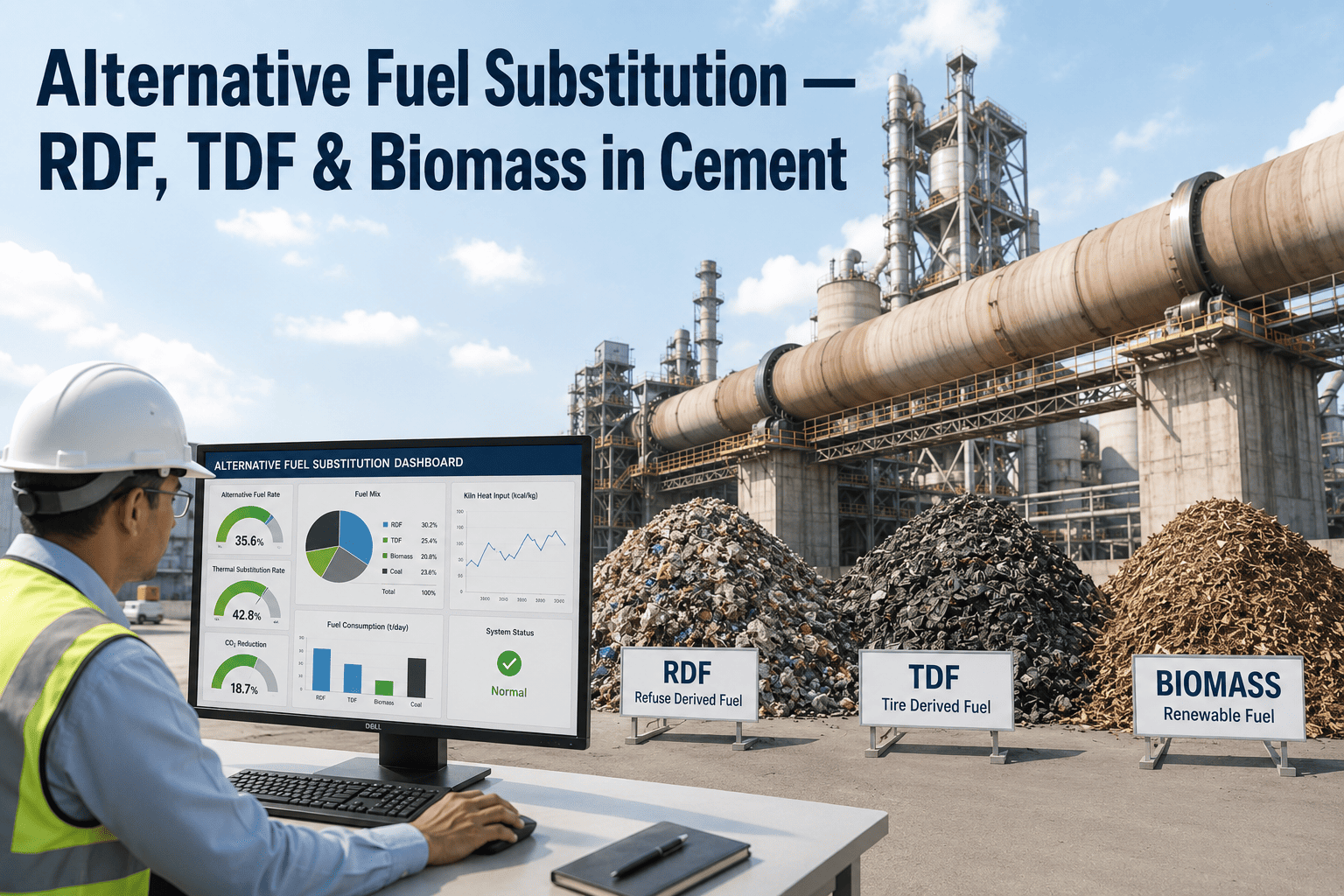
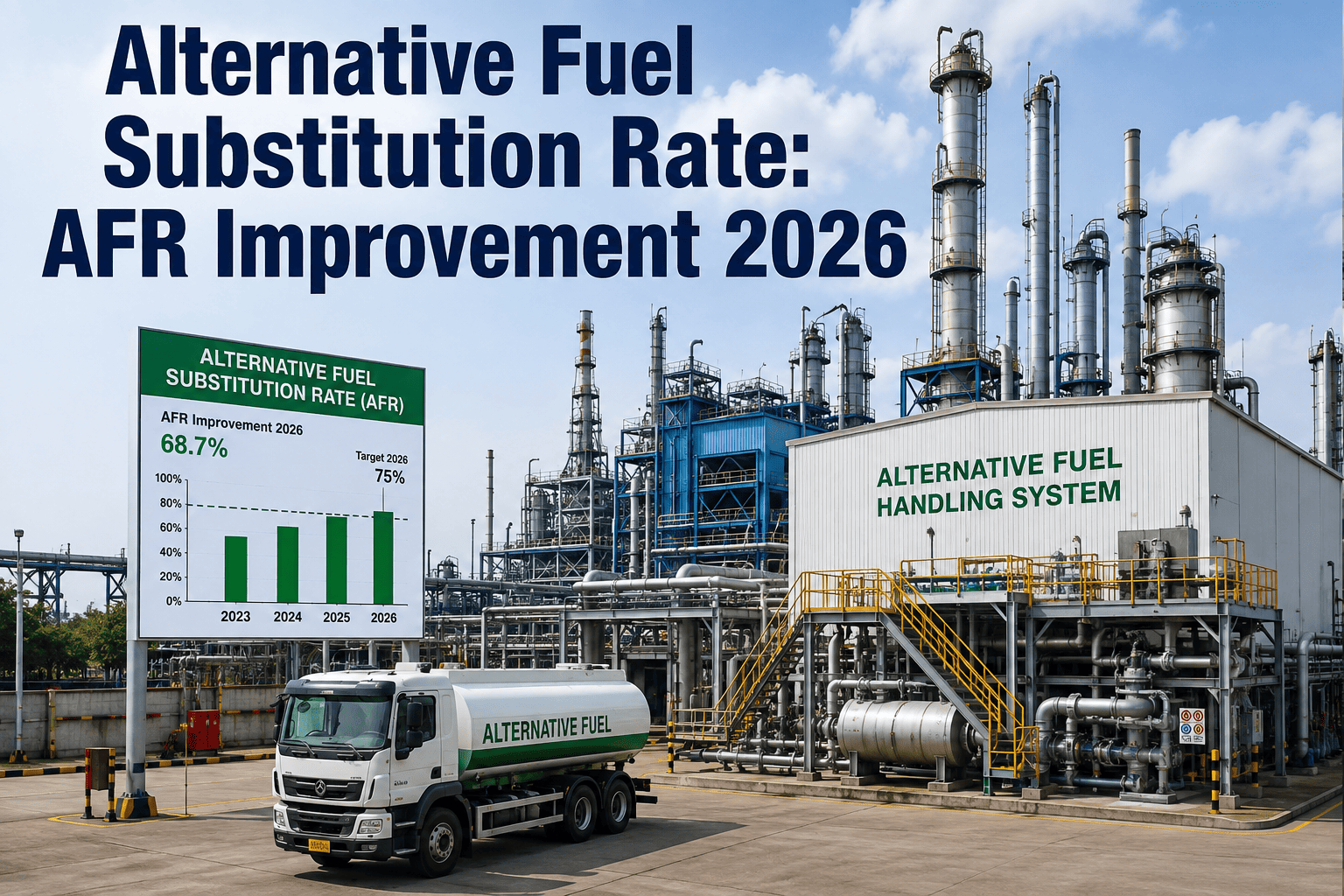
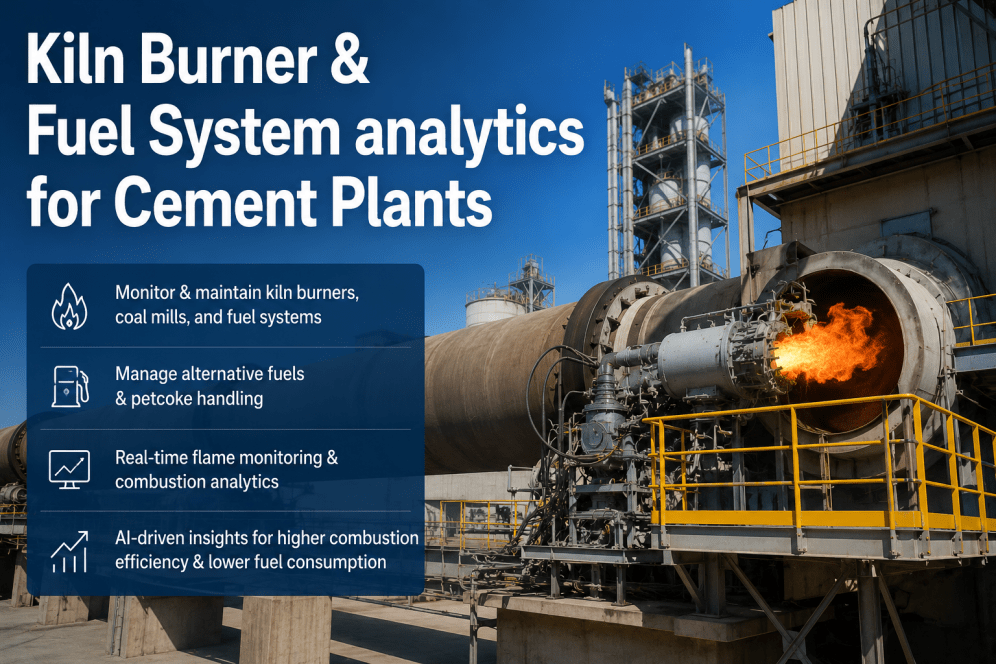
Ten percent thermal substitution feels manageable on any kiln. Fifty percent is a different operation entirely, because the fuels that cut cost and carbon the most — RDF, TDF, biomass — are also the hardest to burn consistently. European cement plants now average a substitution rate above 50%, with several countries running above 70%, which shows the ceiling is far higher than most plants operating at 10–15% assume. The difference between those two groups is rarely fuel availability — it is feed system design, quality control, and how tightly the kiln can react to fuel variability. Book a demo to see what your kiln's real substitution ceiling looks like.
Cement · Alternative Fuels
From 10% to 50%+ Thermal Substitution — What Actually Has to Change
RDF, TDF, and biomass can replace half a kiln's fossil fuel input or more, but only when feed systems, quality control, and combustion response are built for fuel streams that vary truck to truck instead of one that doesn't.
The Substitution Journey
Four Milestones on the Road From 10% to 50%+ TSR
Thermal substitution rate rarely climbs in a straight line. Each milestone below unlocks a new fuel mix but also introduces a new variability problem that has to be solved before moving further.
10%
Single Consistent Stream
Most plants start with TDF or waste oil because both burn predictably, giving operators a low-risk introduction to alternative fuel handling.
20–30%
Instrumentation Becomes the Bottleneck
Beyond this range, plants typically find that fuel supply is no longer the limiting factor — the robustness of feed metering, moisture sensing, and combustion control is.
40–50%
Multi-Stream Blending Required
Leading producers reach this range by blending RDF, biomass, and TDF together rather than relying on any single waste stream, spreading supply and quality risk.
50%+
Real-Time Combustion Response
At this level, fuel variability stops being an occasional upset and becomes the normal operating condition, requiring continuous setpoint adjustment rather than periodic operator correction.
Fuel Type Comparison
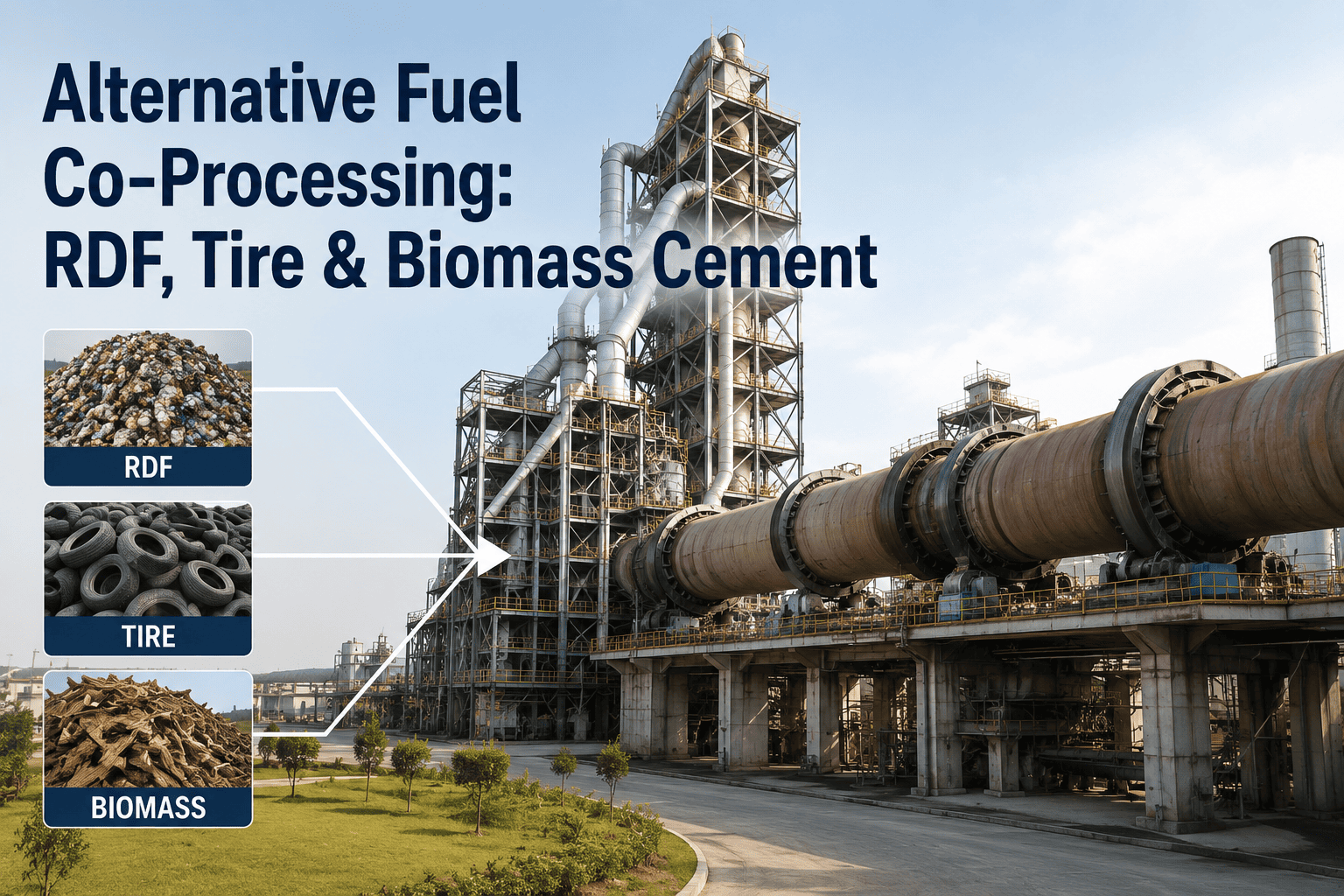
RDF, TDF, and Biomass Behave Very Differently in the Kiln
Treating all alternative fuels as one category is the fastest way to underestimate the control complexity of a substitution program.
RDF
Moisture can exceed 20–30% seasonally, cooling the flame and pushing the burning zone downstream when not compensated for.
TDF
Burns predictably and at high calorific value, but introduces steel wire iron into the raw mix, requiring iron modulus recalculation.
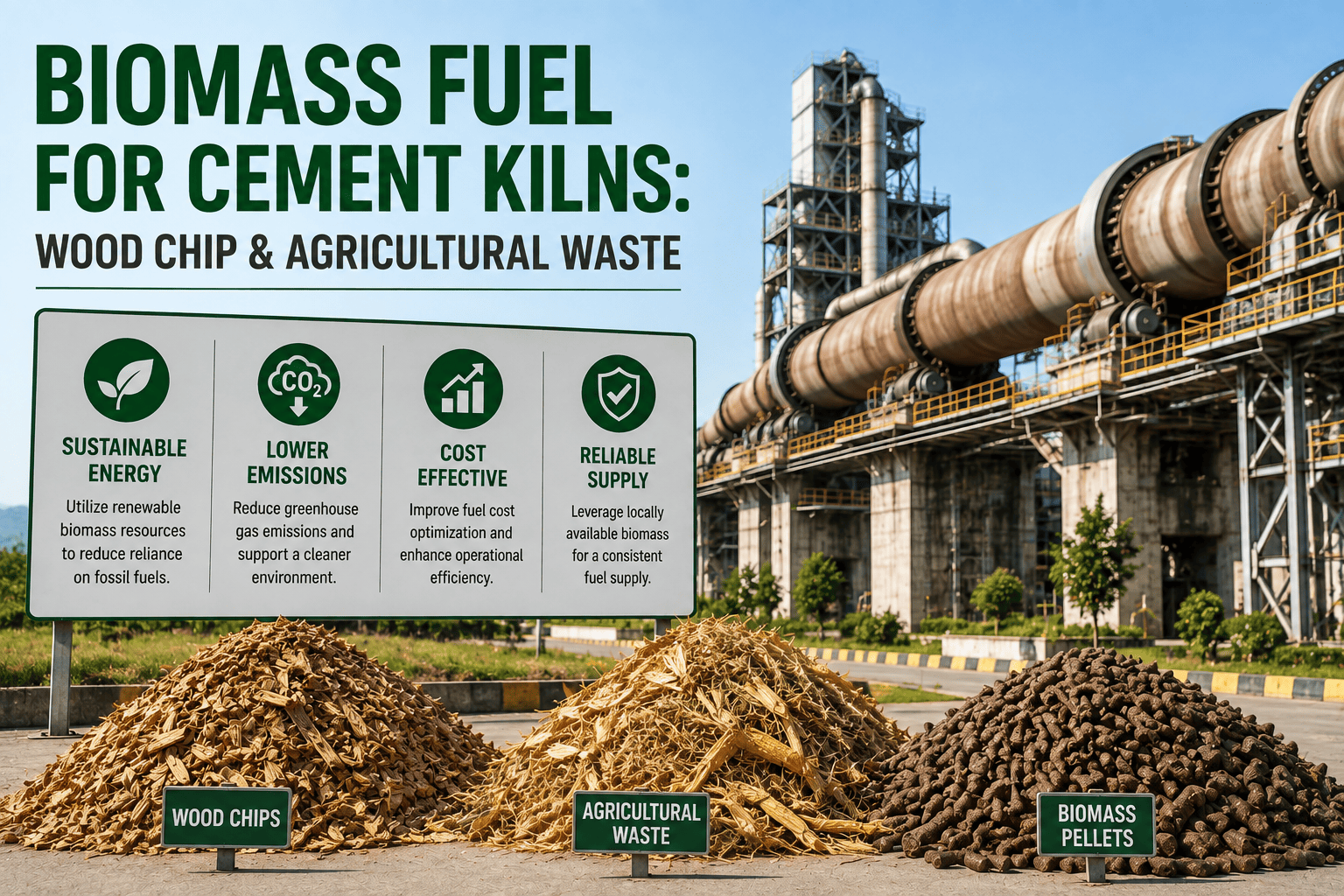
Biomass
Calorific value shifts with the season and moisture content, and high alkali ash content raises the risk of preheater blockages.
iFactory Holds Kiln Stability Steady as Fuel Variability Rises.
Real-time monitoring of feed rate, moisture, and kiln thermal response lets the system recommend fuel mix and setpoint adjustments before variability turns into a stability event.
Regional Benchmark
How Far Ahead European Plants Already Are
Regional differences in thermal substitution rate reflect regulation, waste infrastructure, and years of operating experience more than any fundamental technology limit.
Region / Country
Typical TSR
Primary Fuel Mix
European Union Average
~53%
RDF, biomass, TDF blend
Germany
~72%
RDF-dominant, multi-stream
Austria, Poland, Czech Republic
Up to 76%
RDF, biomass, TDF blend
Global Leading Producers
40–60%
MSW, industrial waste, biomass, TDF, RDF
From the Field
What Broke First When Substitution Passed 30%
Below 20% substitution, our operators could handle RDF variability by feel — a moisture swing here, a manual fuel rate correction there. Past 30%, that same manual approach started producing kiln torque swings we couldn't explain until we tracked them back to RDF batches arriving with moisture nearly double the prior week's average. The fix wasn't more testing, it was real-time feed adjustment tied to kiln thermal response instead of periodic lab results that were already a day old by the time they reached the control room.
— Kiln Operations Manager, Precalciner Cement Plant
Frequently Asked Questions
Alternative Fuel Substitution — Common Questions
What thermal substitution rate is realistic for a plant just starting out?
Most operational guides recommend beginning at 5–10% TSR using the most consistent available stream, typically TDF or waste oil, then running structured trials with stack testing at set intervals before increasing in small increments. This staged approach protects clinker quality and kiln stability while the plant builds operating experience with alternative fuel handling.
Book a demo to map a substitution ramp-up plan for your kiln.
Does higher alternative fuel use hurt clinker quality?
It can if fuel variability is not actively managed, since lower calorific, higher moisture fuels produce longer, less intense flames that shift the burning zone and risk under-burned clinker. With real-time monitoring of kiln shell temperature, torque, and free-lime content, plants sustain high substitution rates without a quality penalty, but the monitoring has to be continuous rather than periodic.
How does alternative fuel ash content affect the raw mix?
Each fuel type introduces a different ash chemistry challenge: TDF adds iron through steel wire content requiring iron modulus recalculation, biomass ash carries high alkali content that increases volatile circulation and preheater blockage risk, and chlorine from municipal solid waste or RDF can create bypass dust issues. Raw mix parameters need continuous validation as the fuel blend changes.
What emissions considerations come with higher substitution rates?
Emissions effects vary significantly by fuel type: waste oil delivers the strongest NOx reduction while biomass delivers the least, and scrap tires or municipal solid waste can produce a small increase in SO2. These effects are generally manageable within existing emissions control systems, but they need to be tracked per fuel stream rather than assumed constant across the whole alternative fuel mix.
How many alternative fuel sources should a plant maintain at scale?
Operational guidance for plants at target substitution rates typically recommends maintaining a minimum of three different alternative fuel sources, since relying on a single stream creates supply disruption risk once that fuel represents a large share of total thermal input.
Contact support for help structuring a multi-stream fuel supply strategy.
Push Past the Substitution Rate Where Manual Control Stops Working.
Real-time fuel variability tracking and combustion response, built to keep kiln stability and clinker quality steady as RDF, TDF, and biomass take a larger share of thermal input.