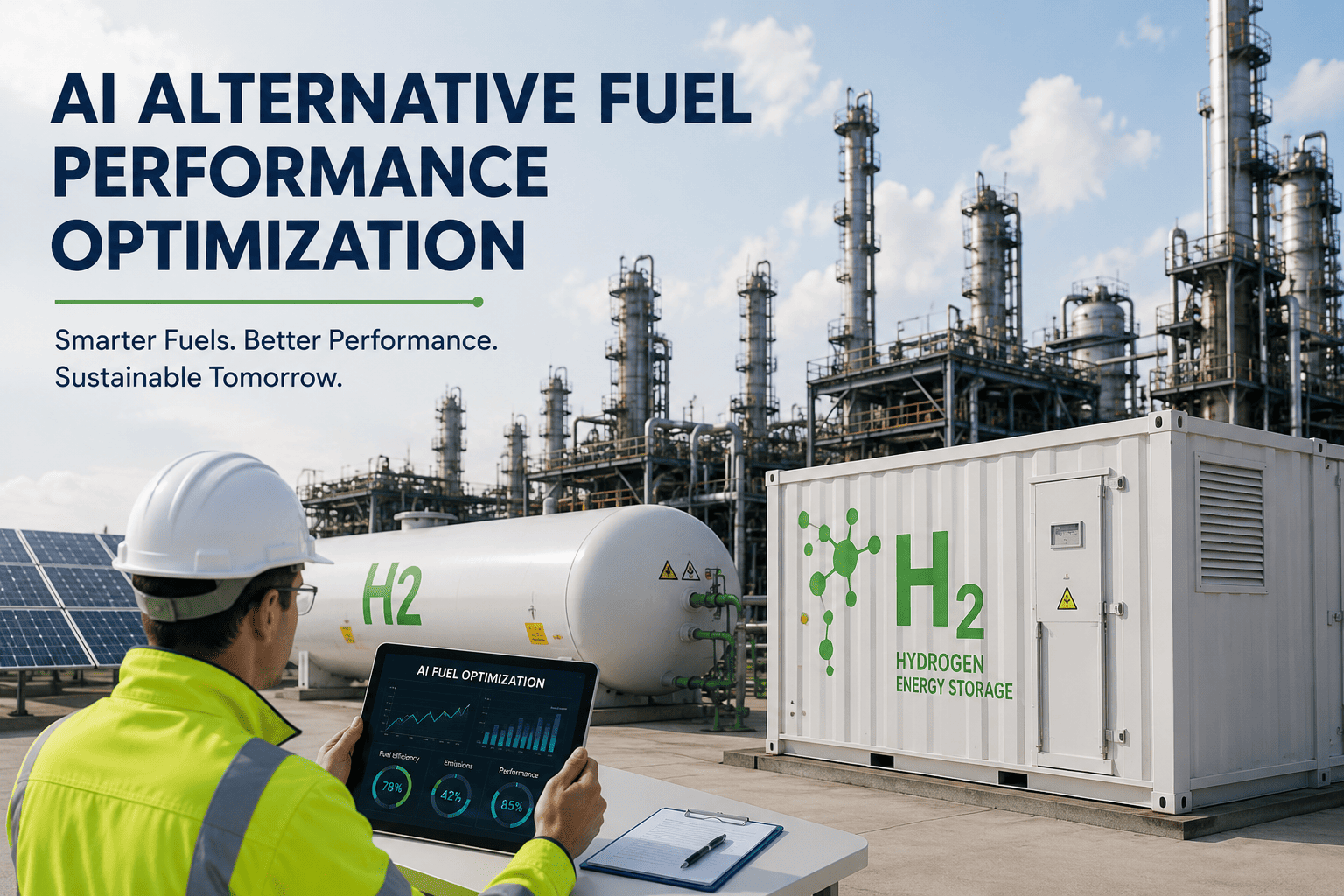
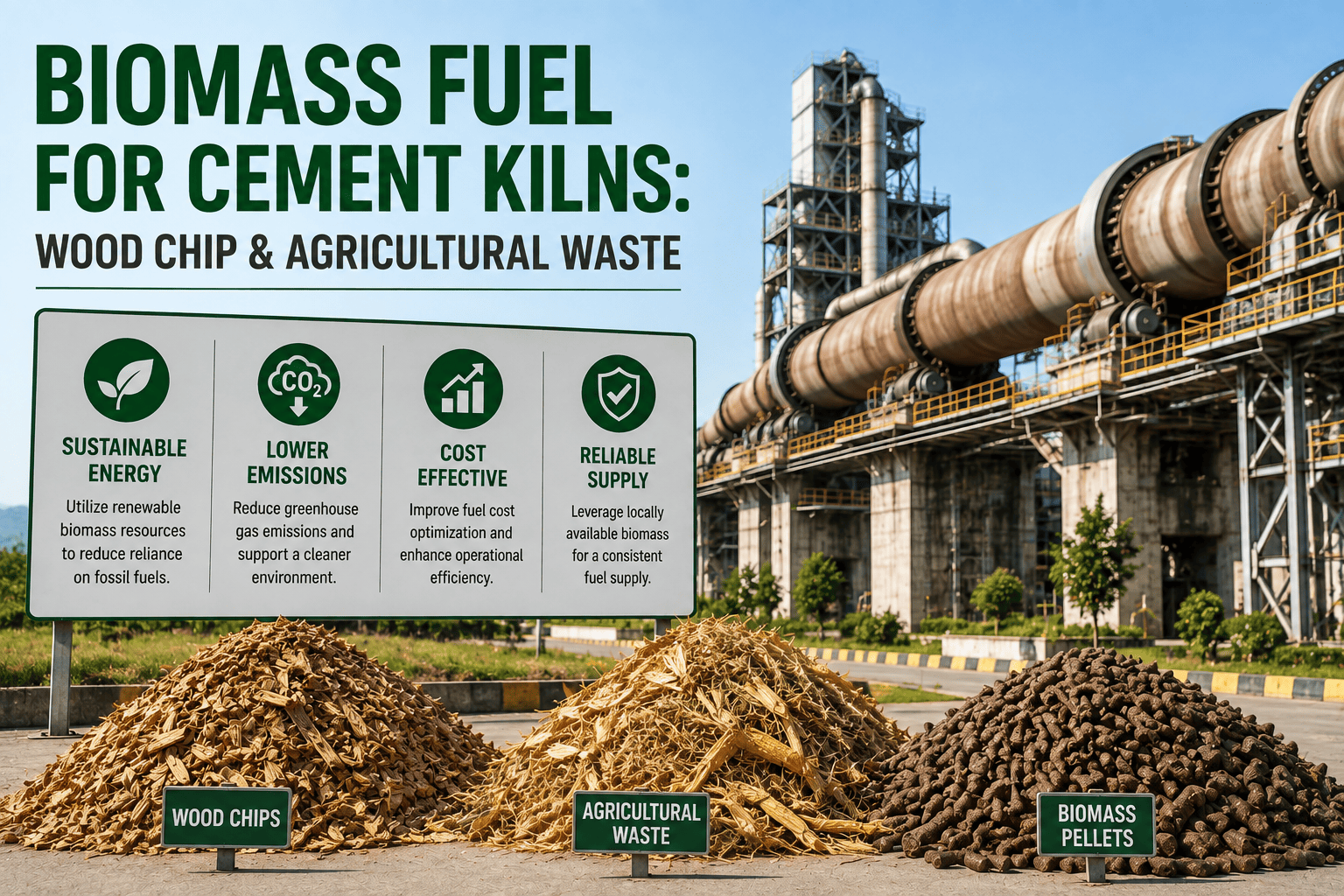
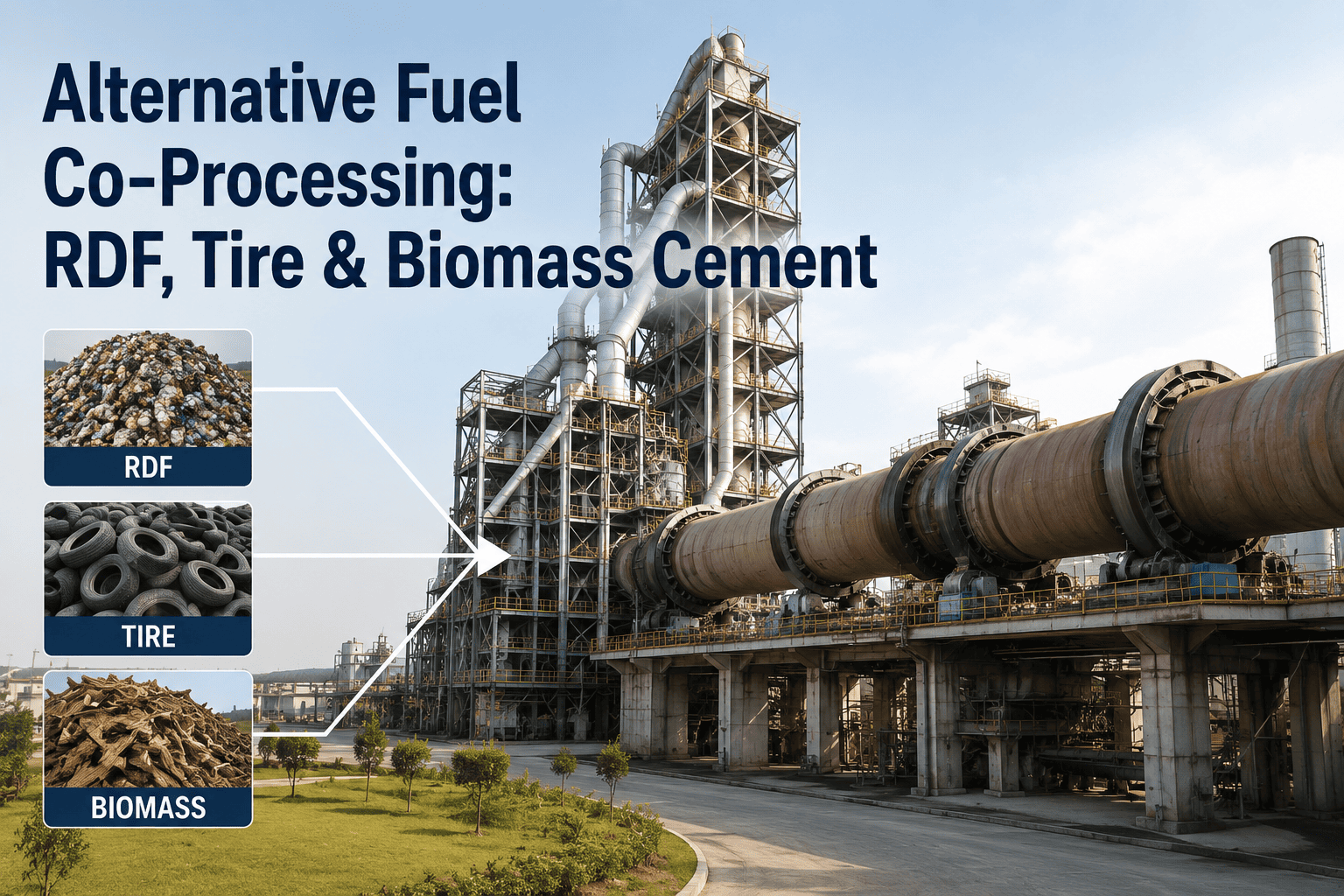
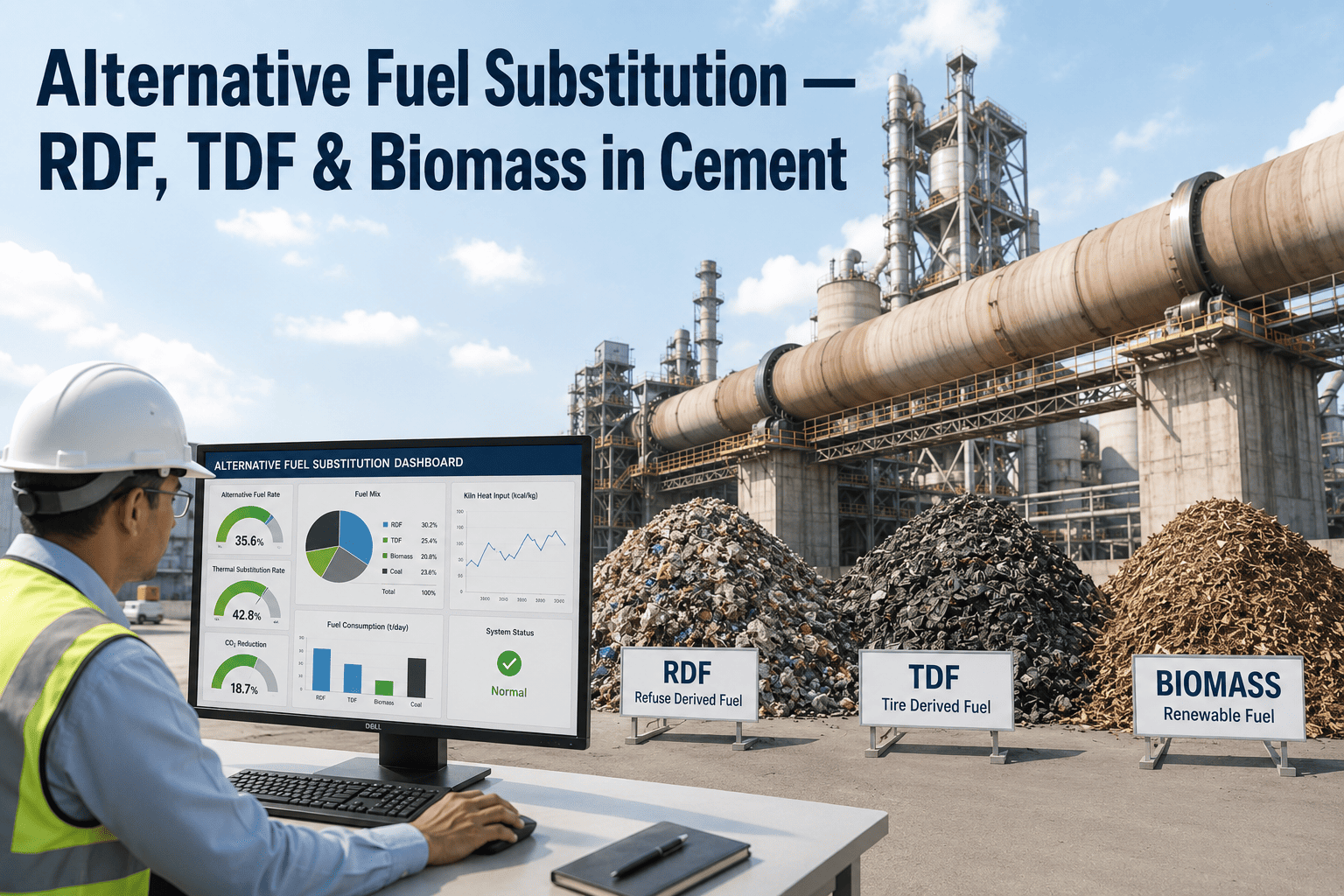
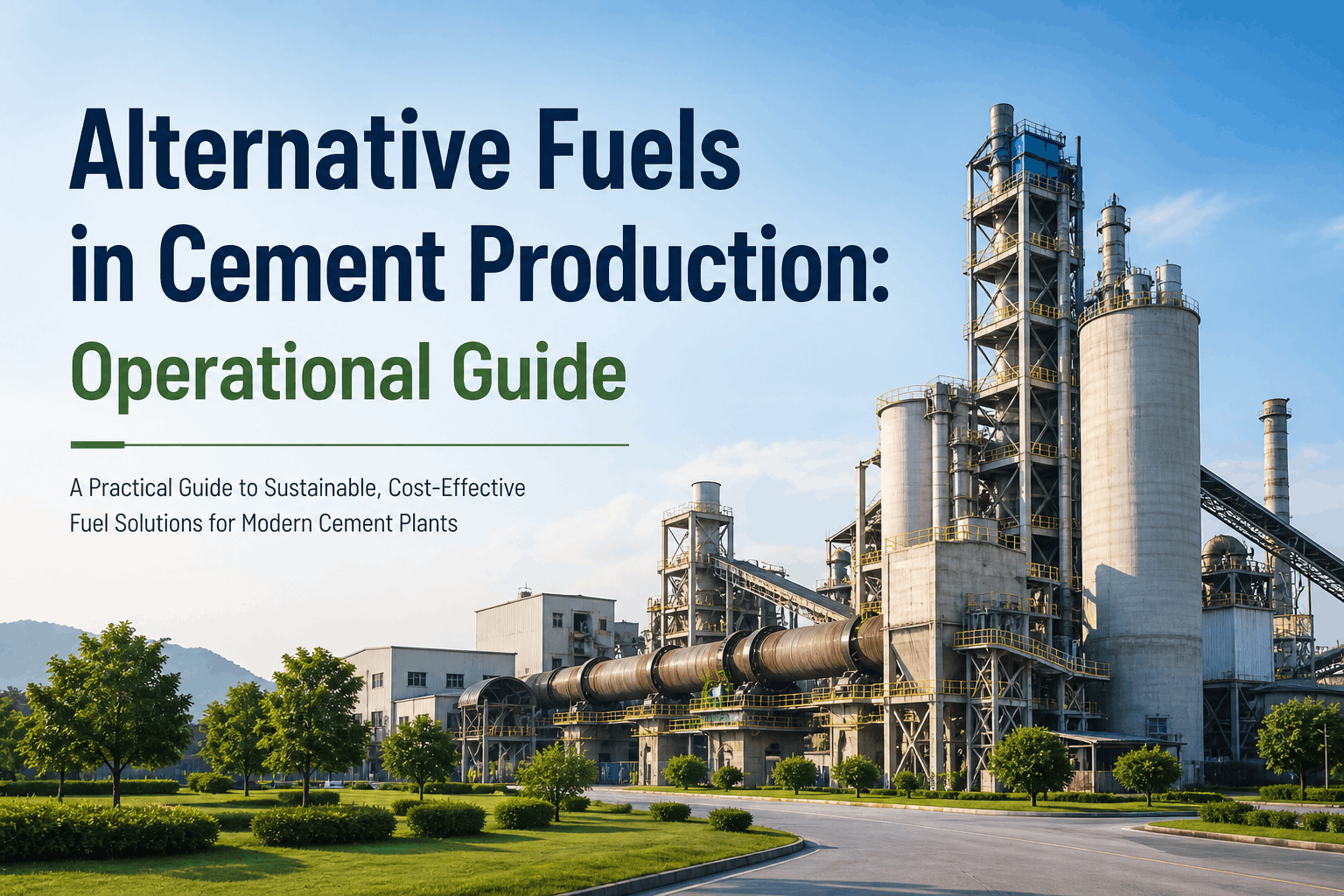
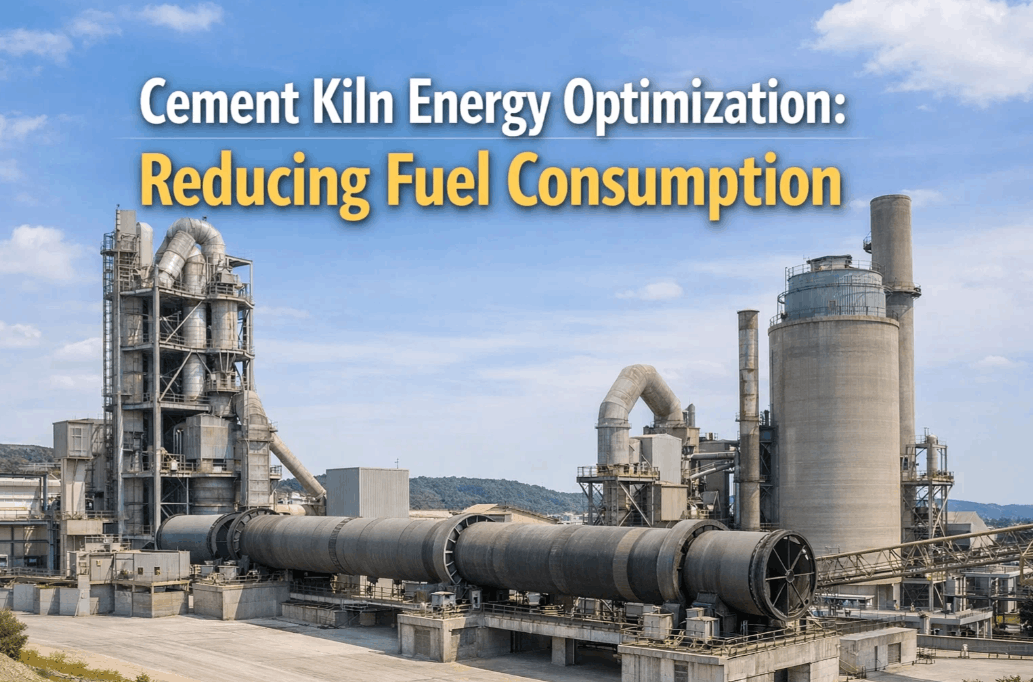
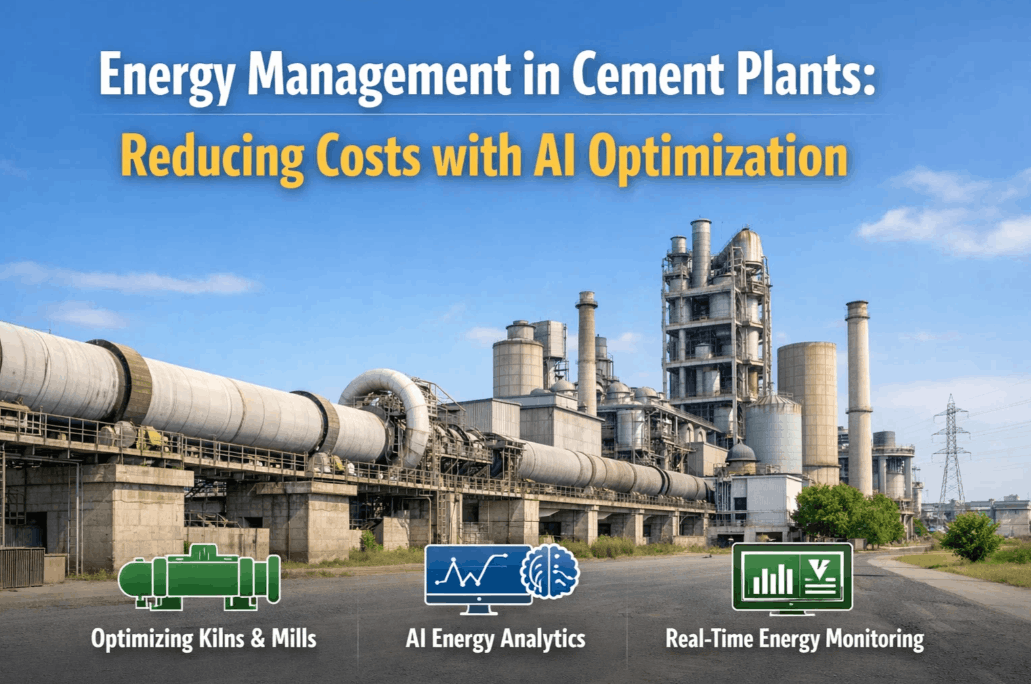
Raising the thermal substitution rate of RDF, biomass, and other alternative fuels is one of the fastest paths to lowering a cement plant's fuel bill and carbon footprint, but pushing substitution rates higher without disrupting kiln stability requires managing fuel heating value variability, moisture content swings, and combustion characteristics that change from one delivery to the next. Plants that increase alternative fuel rates too aggressively on fixed feed settings often see kiln temperature instability, clinker quality drift, and increased NOx or CO excursions, which forces operators to pull back substitution rates and lose the cost benefit they were chasing. iFactory's Energy Monitoring module uses AI to continuously adjust alternative fuel feed rates and blend ratios based on real-time fuel characterization and kiln condition, allowing plants to sustain higher substitution rates without the instability that normally comes with it. Book a Demo to see your current substitution rate benchmarked against AI-optimized potential.
ALTERNATIVE FUEL AI · RDF · BIOMASS · KILN STABILITY
Push Alternative Fuel Rates Higher Without Losing Kiln Stability
AI-driven alternative fuel optimization continuously adjusts feed rate and blend composition based on real-time fuel characterization, kiln thermal condition, and emissions data — sustaining higher thermal substitution rates while protecting clinker quality.
→
2
Kiln Condition Analysis
→
3
AI Feed Rate Adjustment
→
4
Stable Combustion + Higher TSR
Why Higher Substitution Rates Are Hard to Sustain Manually
Alternative fuel streams like RDF and biomass carry far more variability in heating value, moisture, and particle size than the fossil fuels they replace, and that variability arrives shipment by shipment rather than on a predictable schedule. Operators managing feed rates manually must react to combustion instability after it appears in kiln temperature or emissions readings, which means the response is inherently reactive rather than preventive — and the safe response is almost always to pull the substitution rate back down.
Heating Value Variability Between Deliveries
RDF heating value can vary by 15-25% between shipments depending on waste stream composition, but fixed feed rate settings assume a constant heating value, causing under-firing or over-firing as fuel quality shifts.
Moisture Content Swings Affect Combustion
Biomass and RDF moisture content fluctuates with storage conditions and source material, directly affecting ignition delay and flame stability in ways that manual feed control cannot anticipate.
Clinker Quality Risk Discourages Aggressive Rates
Operators who have experienced clinker quality drift from alternative fuel instability tend to run conservative substitution rates permanently, leaving cost savings on the table even when higher rates would be achievable with better control.
Emissions Compliance Adds Another Constraint
NOx and CO excursions triggered by combustion instability from alternative fuel variability create compliance risk that further pushes operators toward conservative, sub-optimal substitution rates.
Find Out How Much Higher Your TSR Could Safely Go
A review of your kiln's current alternative fuel performance against AI-optimized feed control shows the achievable substitution rate increase without compromising clinker quality or emissions compliance.
How AI-Driven Alternative Fuel Optimization Works
Stage 1
Real-Time Fuel Characterization
Near-infrared and calorimetric sensors on the alternative fuel feed line continuously estimate heating value, moisture content, and particle size distribution before the fuel reaches the kiln, feeding this data into the AI control model.
Stage 2
Kiln Thermal and Emissions Correlation
The model correlates incoming fuel characteristics with current kiln temperature profile, burning zone conditions, and emissions data to predict how a given feed rate and blend ratio will affect combustion stability before the fuel is fed.
Stage 3
Dynamic Feed Rate and Blend Adjustment
AI recommendations adjust alternative fuel feed rate and the ratio between fuel types in real time, compensating for heating value and moisture variability before it manifests as kiln instability.
Stage 4
Clinker Quality and Emissions Safeguards
Predictive limits prevent feed rate increases that would risk clinker free lime targets or emissions thresholds, allowing the system to push substitution rates aggressively within safe, continuously monitored boundaries.
Manual Feed Control vs. AI-Optimized Alternative Fuel Management
Documented Performance Impact
12-18%
Higher Sustained Thermal Substitution Rate
45%
Fewer Clinker Quality Excursions During Fuel Transitions
30%
Reduction in Emissions Excursions Tied to Fuel Variability
$1-3/ton
Fuel Cost Savings From Higher Substitution
Getting Started
01
Fuel Line Sensor Installation and Data Integration
Install or connect existing fuel characterization sensors and integrate kiln DCS data feeds. Typically 4 to 6 weeks depending on existing instrumentation.
02
Model Training on Historical Fuel and Kiln Data
Train the AI control model using historical fuel quality records, feed rates, and kiln performance data to establish safe operating boundaries specific to your kiln.
03
Advisory Mode and Supervised Rollout
Operators receive AI feed rate recommendations on the control console during a supervised period before recommendations move toward more autonomous adjustment.
04
Continuous Substitution Rate Optimization
The model continuously refines safe substitution rate ceilings as more operating data accumulates, gradually unlocking higher sustained rates.
Raise Your Thermal Substitution Rate Safely
iFactory's Energy Monitoring module works with your existing alternative fuel handling and feed systems, requiring no changes to fuel receiving or storage infrastructure. Book a demo to see it modeled against your kiln's fuel and quality history.
Alternative Fuel Streams the Platform Manages
Each alternative fuel stream has distinct combustion characteristics, and the AI model maintains separate calibration profiles for the fuel mix your plant actually receives.
Refuse-Derived Fuel (RDF)
The most heating-value-variable stream in most plants, where real-time characterization delivers the largest stability improvement over fixed feed settings.
Biomass and Agricultural Residue
Moisture content swings seasonally with storage and harvest conditions, which the model tracks separately from RDF moisture patterns.
Tire-Derived Fuel
Higher and more consistent heating value than RDF, but the model still manages feed rate coordination when blended with other alternative fuel streams.
Used Oil and Solvent Blends
Injected typically at the main burner, where the model coordinates blend ratio with solid alternative fuel feed to maintain overall combustion stability.
Frequently Asked Questions
How does the AI model predict combustion instability before it happens?
The model combines real-time fuel characterization data — heating value, moisture, and particle size estimated from sensors on the feed line — with the kiln's current thermal profile and recent combustion history to forecast how a proposed feed rate or blend change would affect burning zone temperature and emissions. Because this prediction happens before the fuel is actually fed, the system can adjust the feed rate proactively rather than waiting for an operator to notice instability in temperature or emissions readings after the fact.
Book a demo to see the prediction model explained in detail.
What increase in thermal substitution rate is realistic for our kiln?
Documented outcomes from comparable deployments show sustained thermal substitution rate increases in the range of 12 to 18 percent above baseline manual control, though the achievable increase depends on your kiln's current TSR, alternative fuel handling system capacity, and the variability of your specific fuel supply streams. An initial data review of your kiln's historical fuel and quality performance is used to set a realistic, plant-specific target before deployment begins.
Do we need new fuel handling or feed equipment to use this platform?
No new fuel receiving, storage, or feed equipment is required in most deployments. The platform works with your existing alternative fuel feed system, adjusting feed rate and blend ratio setpoints through the existing control interface rather than requiring mechanical modifications. Fuel characterization sensors may need to be added to the feed line if equivalent instrumentation isn't already installed, which is assessed during the initial site review.
Contact support to review your current fuel handling setup.
How does this affect clinker quality compared to manual fuel management?
The platform includes predictive safeguards that prevent feed rate or blend adjustments from exceeding limits that would risk clinker free lime or other quality targets, meaning the AI is optimizing for higher substitution rate within quality-safe boundaries rather than pursuing substitution rate at the expense of clinker quality. Plants typically see fewer clinker quality excursions during fuel transitions compared to manual control, since the predictive approach catches destabilizing conditions before they affect the burning zone.
Will higher alternative fuel rates increase our emissions compliance risk?
The platform is designed to reduce emissions excursion frequency rather than increase it, because the predictive feed control specifically targets the combustion instability that typically causes NOx and CO excursions during alternative fuel transitions. By smoothing out the combustion response to fuel quality variability, plants generally see fewer emissions excursions even while operating at a higher average substitution rate than their previous manual baseline.