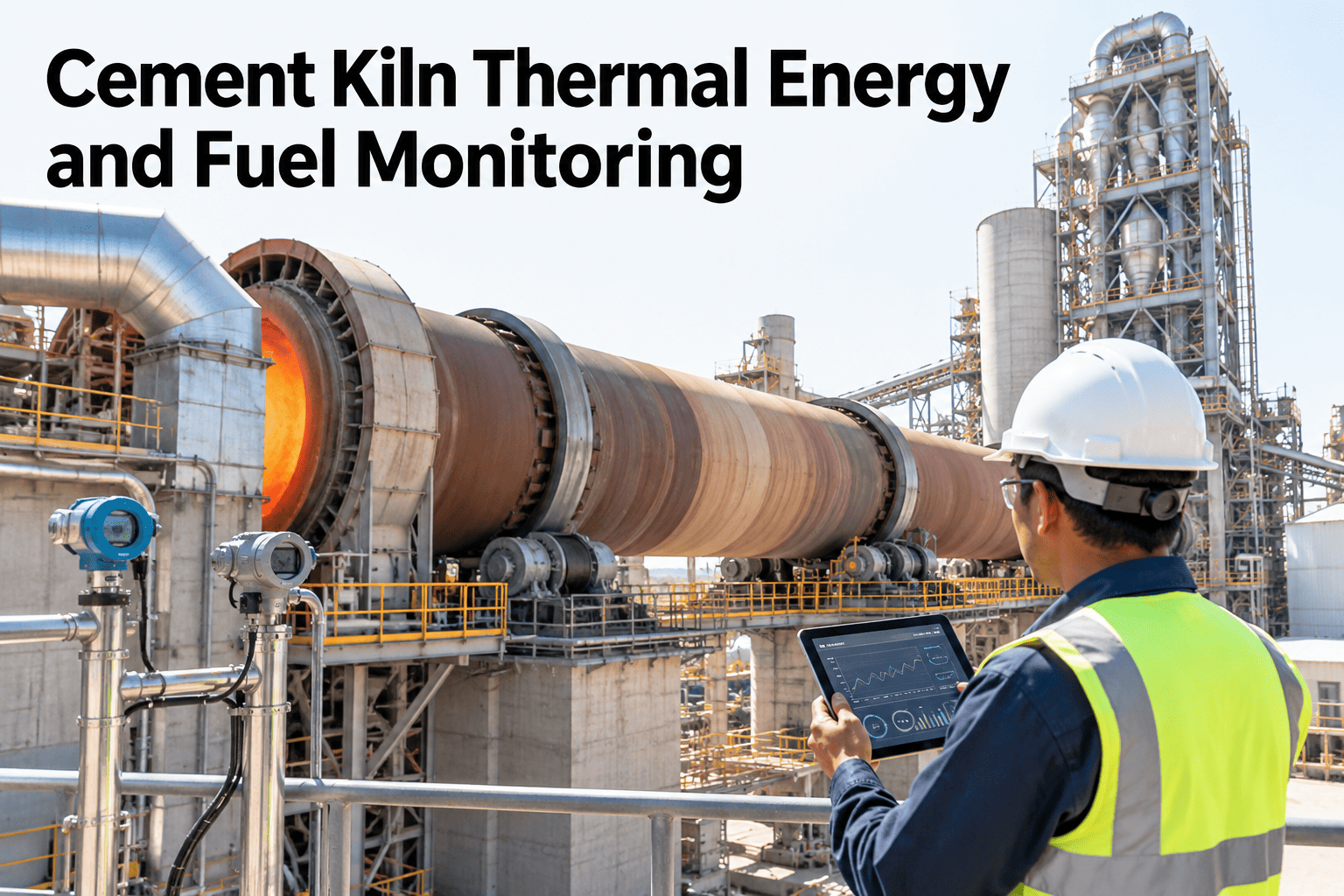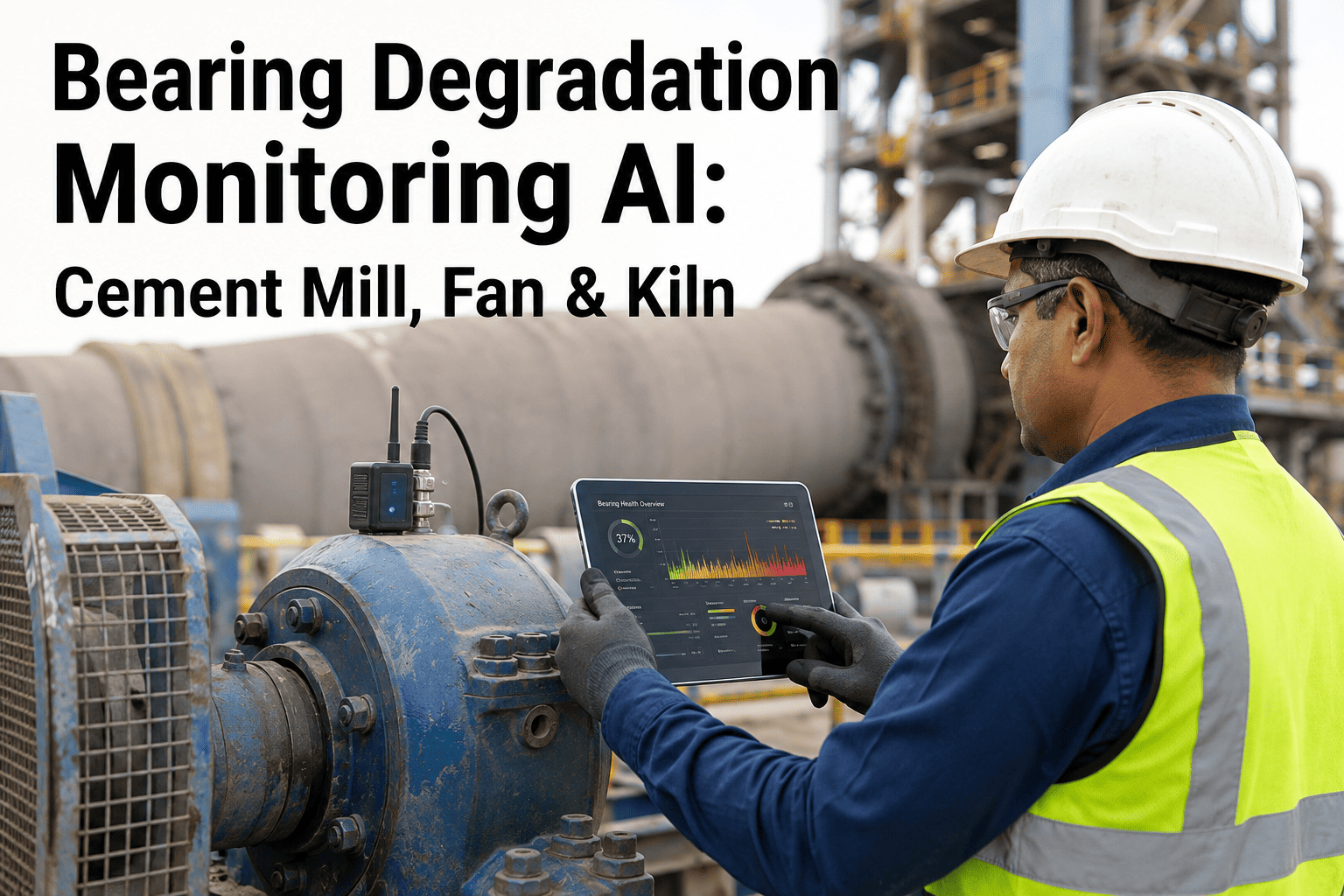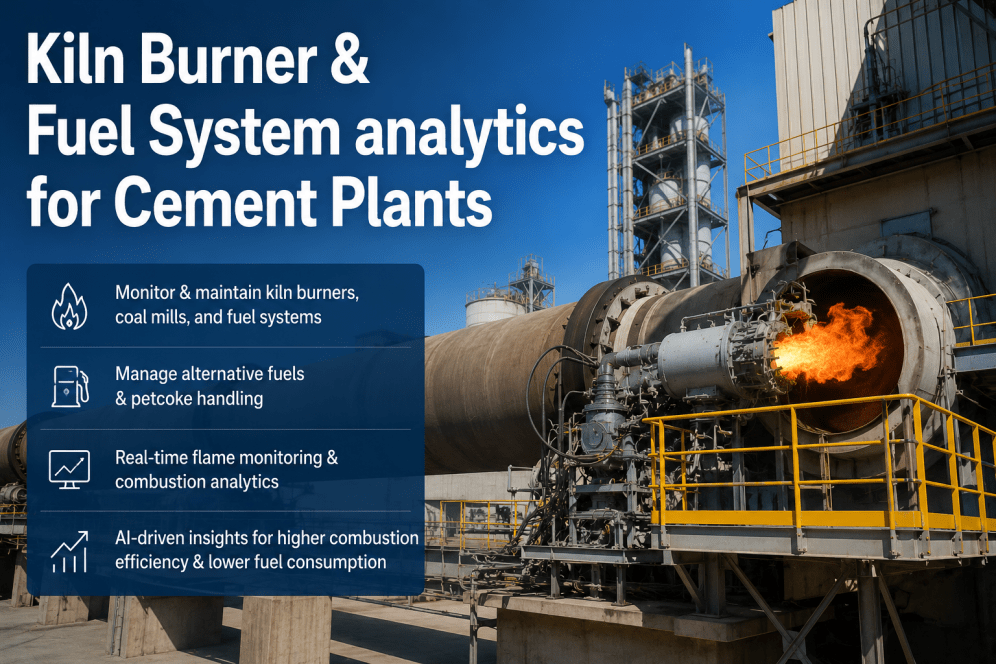
The kiln burner and fuel delivery system is the thermal heart of every cement plant — responsible for delivering precisely controlled flame conditions that sustain clinkering reactions at 1,400-plus degrees Celsius while consuming 30 to 40 percent of total plant operating cost in fuel. Coal mills, petcoke handling systems, alternative fuel feeders, burner pipes, and flame monitoring equipment must operate in precise coordination to maintain combustion efficiency, clinker quality and emissions compliance. Traditional maintenance approaches relying on fixed-interval burner inspections, manual coal mill vibration monitoring, and periodic flame imaging capture a snapshot of condition at a single point in time — leaving weeks or months between checks when fuel system degradation can silently increase specific fuel consumption, elevate NOx emissions, or create combustion instability that damages refractory. iFactory AI's kiln burner and fuel system analytics platform provides continuous AI-driven monitoring of coal mills, burner pipes, fuel feeders, and flame conditions — enabling maintenance and production teams to optimize combustion efficiency, predict equipment failures, and reduce fuel costs. Book a Demo to see the platform configured for your specific kiln configuration and fuel system layout.
Transform Your Kiln Burner and Fuel System Performance with AI-Driven Analytics
iFactory's AI platform ingests continuous sensor data from coal mills, burner pipes, fuel feeders, and flame monitoring systems to detect combustion degradation, predict equipment failures, and optimize fuel consumption — all from a single unified dashboard.
Why Kiln Burner and Fuel Systems Demand AI Analytics
Fuel represents the single largest variable operating cost in cement production, yet fuel system condition monitoring remains largely manual and periodic. A typical cement plant operates multiple coal mills processing 20 to 50 tons of coal per hour per mill, an alternative fuel system feeding tires, RDF, or biomass, and a primary burner pipe delivering pulverized fuel to the kiln flame. Each of these subsystems can degrade in ways that increase fuel consumption by 3 to 8 percent before any operator or maintenance team notices the change — translating to $500,000 to $1.5 million in excess annual fuel cost for a mid-size cement plant. Traditional inspection schedules cannot capture the continuous evolution of fuel system condition between checks, leaving plants exposed to preventable fuel waste, unplanned stops, and compliance risk. Book a Demo to learn how continuous AI monitoring closes this visibility gap and delivers measurable fuel savings.
Core AI Application Areas for Burner and Fuel System Analytics
AI-driven fuel system analytics integrates sensor data from multiple subsystems into machine learning models that continuously assess combustion efficiency, equipment condition, and degradation trends. Each application area targets a specific source of fuel waste or reliability risk, creating a comprehensive fuel system intelligence platform that improves combustion performance, reduces unplanned stops, and extends equipment life across the entire fuel handling and delivery chain.
| Optimization Area | Primary Asset | AI Mechanism | Data Inputs | Documented Outcome |
|---|---|---|---|---|
| Coal Mill Condition | Vertical roller mill / ball mill | Vibration signature analysis + temperature trending | Mill vibration, motor power, outlet temp, differential pressure | 50-65% reduction in unplanned mill stops |
| Burner Pipe Integrity | Burner pipe, tip, and nozzle assembly | Thermal imaging + flow pattern AI | Shell temperature, flame shape, fuel flow distribution | Burner tip life extended 30-40% |
| Alternative Fuel Feed | Shredder, conveyor, rotary feeder | Feed rate consistency AI + blockage prediction | Motor current, feed rate, material property logs | Alternative fuel substitution rate improved 15-25% |
| Flame Condition | Kiln burner flame | AI vision flame analysis + combustion modeling | Flame image, O2/CO/NOx, fuel flow, primary air | Combustion efficiency improved 3-5% |
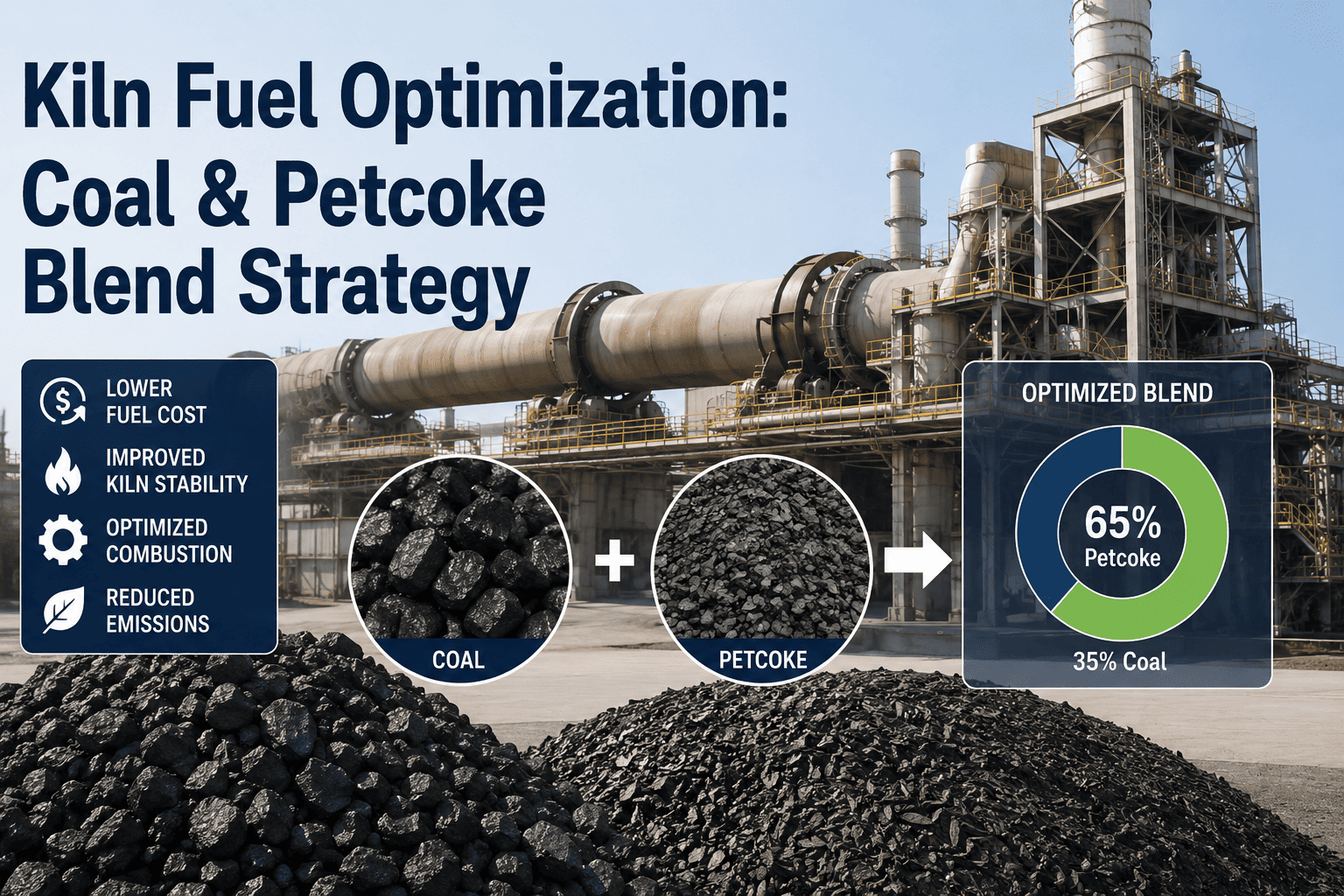
| Fuel Blending | Coal / petcoke blending system | Blend optimization AI from calorific value tracking | Fuel analysis, mill performance, kiln conditions | Fuel cost reduced $0.15-0.30 per ton clinker |
Upgrade your fuel system monitoring from periodic inspections to continuous AI-driven analytics — Book a Demo to see the platform configured for your fuel system equipment lineup.
AI Optimization Across Fuel System Components
iFactory's fuel system analytics platform covers every critical subsystem in the kiln fuel delivery chain — from raw fuel storage and grinding through pneumatic conveying, burner injection, and flame monitoring. Each component module delivers targeted AI insights that help maintenance and operations teams optimize performance, predict failures, and reduce fuel costs.
Burner Pipe and Tip Analytics
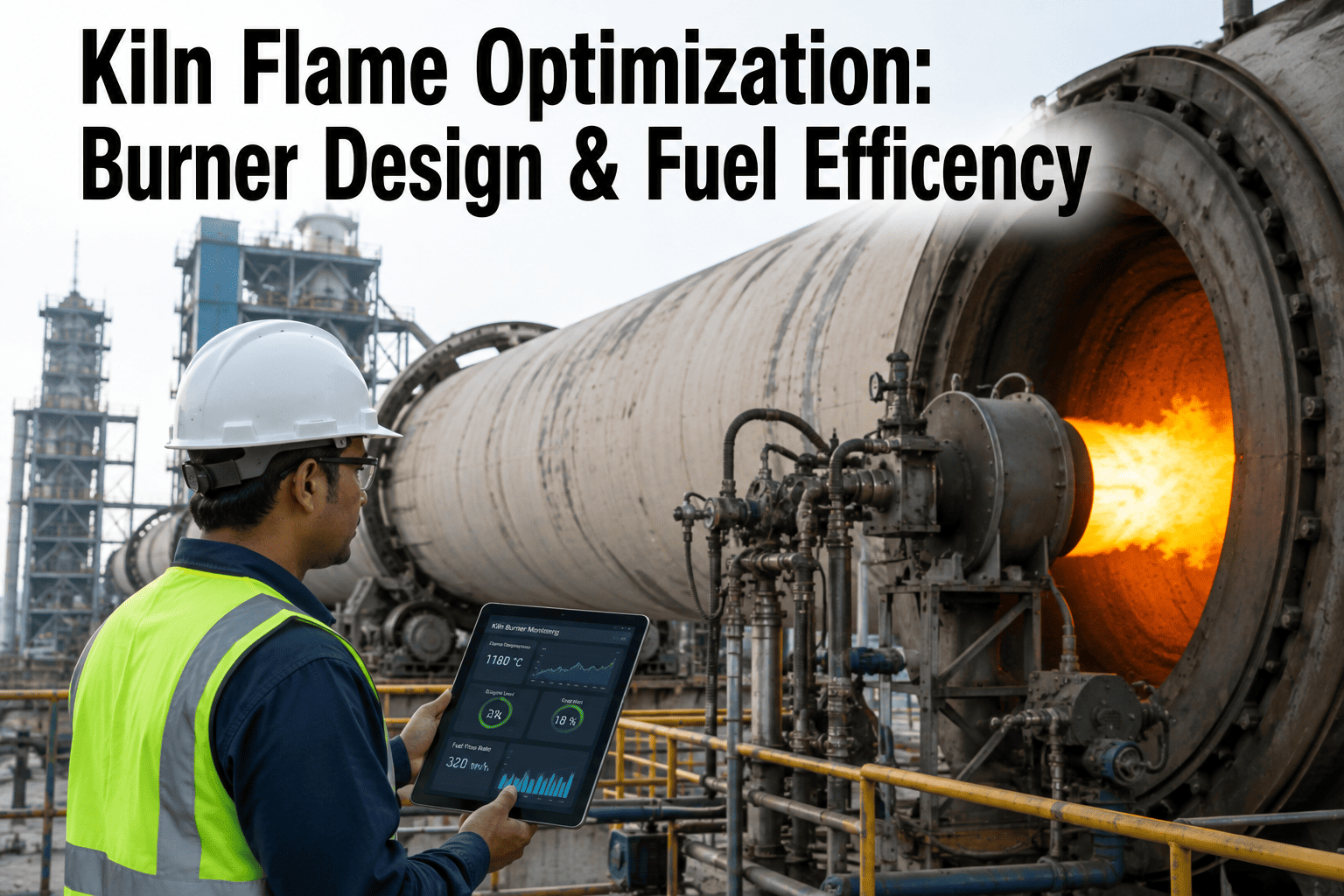
Continuous thermal monitoring of burner pipe shell temperature profiles detects refractory wear, tip erosion, and fuel flow asymmetry before they degrade combustion efficiency. AI models analyze flame shape from kiln camera feeds to identify burner misalignment, nozzle wear, and primary air imbalance that increase specific fuel consumption and elevate NOx formation.
Coal Mill Condition Monitoring
Vibration signature analysis across all mill zones — grinding table, rollers, classifier, and gearbox — combined with temperature, motor power, and differential pressure trending enables AI models to detect wear progression, bearing degradation, coal blockage, and combustion risk (mill fire or explosion) days or weeks before traditional alarm thresholds are triggered.
Alternative Fuel System Analytics
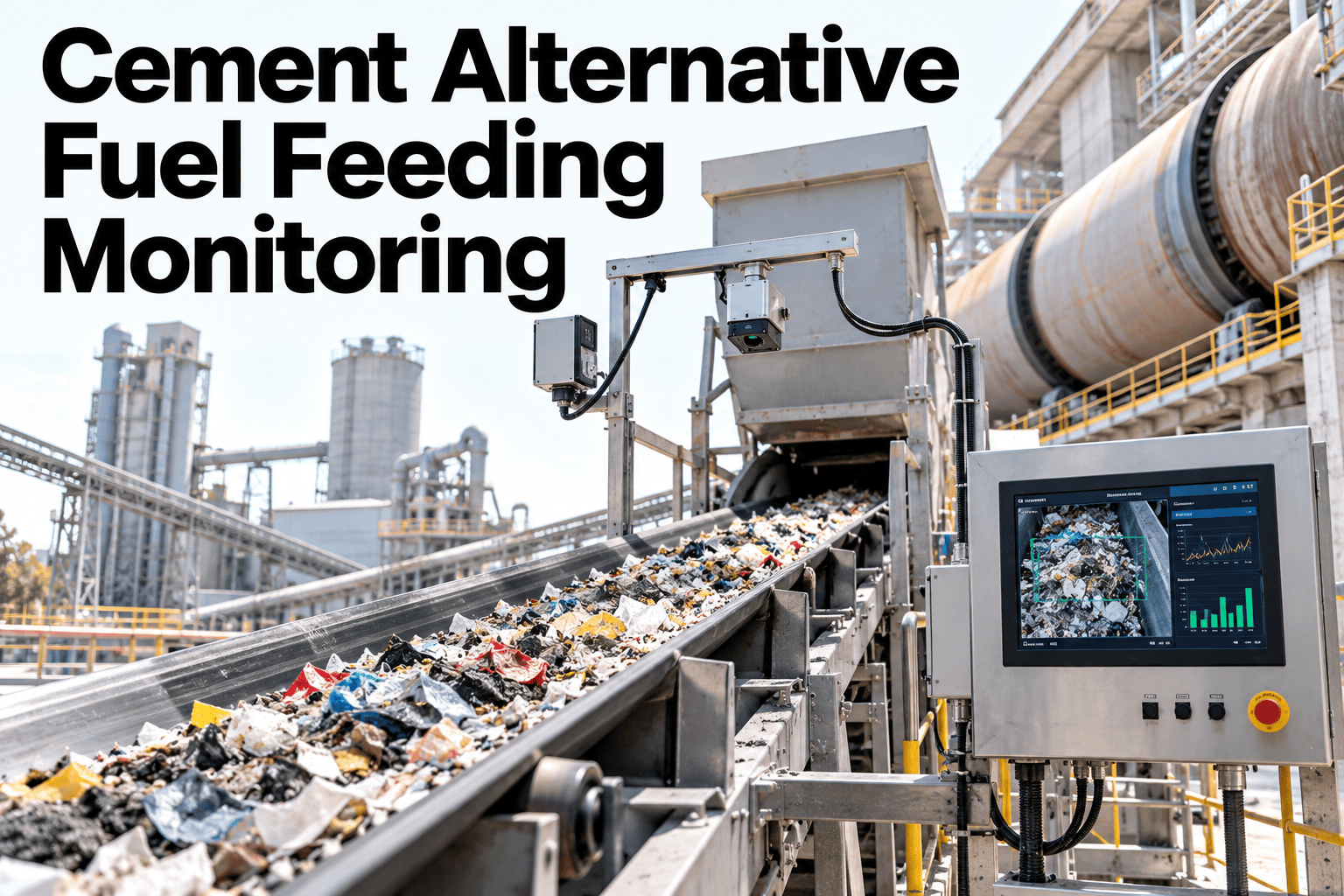
Real-time monitoring of alternative fuel feed rate consistency, conveyor health, shredder condition, and blockage risk enables maximum substitution rates without compromising kiln stability. AI models correlate alternative fuel properties — calorific value, moisture content, particle size — with kiln combustion conditions to optimize the fuel mix in real time.
Conventional vs AI-Driven Fuel System Management
The table below illustrates how AI-driven continuous monitoring transforms every aspect of fuel system management — from detection speed and cost profile to maintenance planning and operational outcomes.
- Fixed-interval burner inspections every 3-6 months
- Visual coal mill checks during weekly rounds
- Manual flame viewing through observation port
- Reactive repairs after equipment failure stops production
- Fuel consumption trends reviewed monthly from production reports
- Alternative fuel feed issues detected during operator rounds
- Continuous burner pipe thermal monitoring with degradation alerts
- AI vibration and temperature analytics for all mill components
- AI flame analysis with real-time combustion quality scores
- Predictive alerts 2-6 weeks before failure enables planned intervention
- Real-time specific fuel consumption tracking calibrated to clinker production
- Feed rate consistency AI detects upstream issues before they affect kiln
Implementation Timeline — From Assessment to Optimization
Deploying AI-driven fuel system analytics follows a structured four-phase methodology that delivers measurable improvements at each stage. The timeline below represents a typical deployment for a single-kiln cement plant with 2-3 coal mills and an alternative fuel system.
Baseline Assessment and Sensor Installation
Comprehensive audit of existing fuel system instrumentation — mill vibration sensors, burner pipe thermocouples, flame cameras, and fuel flow meters. Install supplemental sensors to close coverage gaps: additional mill vibration transducers, burner pipe surface temperature probes, flame camera upgrades, and fuel feeder motor current monitors. Establish baseline fuel consumption per ton of clinker for each fuel type and burner configuration.
Data Integration and Model Training
Connect all sensor data streams into iFactory's ingestion layer alongside kiln production parameters — clinker production rate, kiln speed, burning zone temperature, O2/CO/NOx emissions, and fuel consumption by type. Train baseline AI models on 4-6 weeks of continuous data to establish normal operating envelopes for each monitored parameter — mill vibration profiles, burner pipe temperature gradients, flame shape indicators, and fuel feed rate consistency metrics.
Dashboard Configuration and Alert Validation
Deploy iFactory's fuel system analytics dashboard showing real-time condition status for each subsystem — coal mill health score, burner pipe integrity, flame quality index, and alternative fuel feed consistency. Configure tiered alert thresholds — caution, warning, critical — for each monitored parameter and validate against historical failure events to minimize false positives while ensuring no degradation goes undetected.
Full Optimization and Continuous Improvement
AI models continuously learn from new operating data, improving prediction accuracy for fuel system degradation and combustion optimization recommendations. Monthly fuel consumption reviews track savings against baseline, and model retraining incorporates new failure modes and operating conditions. Dashboard customization for different user roles — shift operators, maintenance planners, production managers — ensures actionable insights reach the right team at the right time.
Ready to Implement AI-Driven Fuel System Analytics at Your Plant?
Cement plants across North America and Europe are using iFactory's AI platform to reduce fuel consumption by 5-10%, eliminate unplanned fuel system stops, and extend equipment life with continuous condition monitoring.
Measurable ROI — What AI-Driven Fuel System Analytics Delivers
The financial case for AI-driven fuel system analytics is built from measurable operational improvements that directly impact the plant's bottom line: reduced fuel consumption, fewer unplanned stops, extended equipment life, and optimized maintenance spending. The impact metrics below represent results from cement plants that have deployed continuous fuel system monitoring using iFactory's platform.
Fuel Cost Reduction
- Specific fuel consumption reduced by 5-10% through AI-optimized combustion
- Alternative fuel substitution rate increased by 15-25% with feed consistency monitoring
- Fuel blend optimized for cost based on real-time calorific value tracking
- Annual fuel cost savings of $500,000 to $1.5 million for mid-size plants
Operational Reliability
- Unplanned coal mill stops reduced by 50-65% with predictive vibration analytics
- Burner pipe and tip failures eliminated through continuous thermal monitoring
- Alternative fuel feeder blockages detected 2-4 hours before they cause kiln disruption
- Emergency outage cost avoidance of $100,000 to $250,000 per prevented event
Maintenance Optimization
- Coal mill component replacements scheduled based on actual wear trends, not calendar intervals
- Burner pipe refractory repairs planned 4-8 weeks before failure would occur
- Flame monitoring camera cleaning and calibration scheduled based on image quality degradation
- Total fuel system maintenance cost reduced by 20-30% annually through predictive maintenance
Industry Expert Perspective — AI's Role in Fuel System Reliability
"The cement industry has treated burner and fuel system management as an operator art for decades — relying on experienced kiln operators to 'read the flame' through a dark observation port and make manual adjustments to mill settings and fuel ratios. But the reality is that fuel system degradation happens gradually, and even the best operators cannot see a 3% increase in specific fuel consumption developing over six weeks. We had a situation at our plant where a burner pipe refractory lining eroded asymmetrically over a four-month period following a maintenance outage. The hot spot on the pipe shell grew from 50 degrees above baseline to nearly 200 degrees above baseline before a routine thermal scan caught it. By that point, the flame shape distortion had increased our specific fuel consumption by an estimated 6%, elevated NOx by 15%, and damaged the refractory in the burning zone — costing us over $400,000 in excess fuel costs and unplanned refractory repairs. With continuous AI-driven thermal monitoring, that burner pipe degradation would have been detected within days of onset, and the repair could have been scheduled during a regular weekly maintenance window. The technology exists — what the industry needs now is the discipline to deploy it."
Integration Architecture — How the Fuel System Analytics Platform Works
The iFactory fuel system analytics platform is designed for rapid integration with existing plant control systems, sensors, and data infrastructure — avoiding the need for rip-and-replace of existing instrumentation while adding AI-driven intelligence on top of current investments.
PLC and Sensor Data
Coal mill vibration and temperature, burner pipe thermocouples, flame cameras, fuel feeder motor currents, O2/CO/NOx analyzers, kiln drive power, and production data are ingested from existing PLCs, DCS systems, and standalone sensor networks using industry-standard protocols (OPC-UA, Modbus, MQTT).
iFactory Data Layer
Ingested data is normalized, time-stamped, and stored in a time-series database optimized for industrial sensor data. The data layer handles data quality validation, missing data imputation, and alignment of multi-rate sensor streams for consistent AI model input.
AI Analytics Engine
Machine learning models process sensor data to generate condition scores, degradation trends, and remaining useful life predictions for each fuel system asset. Models are continuously retrained as new operating data accumulates, improving prediction accuracy over time without manual intervention.
Operations Dashboard
Role-based dashboards present real-time fuel system condition, trend charts, and predictive alerts to shift operators, maintenance planners, and production managers. Integration with plant CMMS enables automatic work order generation when predictive alerts indicate imminent failure risk requiring intervention.
The Future of Kiln Burner and Fuel System Management Is Intelligent and Continuous
Kiln burner and fuel system analytics represents the next frontier in cement plant optimization — transforming the industry's largest variable operating cost from a periodic inspection discipline into a continuous intelligence-driven operation. Cement plants that deploy AI-driven monitoring across their coal mills, burner pipes, alternative fuel systems, and flame monitoring infrastructure achieve measurable and repeatable improvements: 5-10% reduction in specific fuel consumption, 50-65% fewer unplanned coal mill stops, 30-40% longer burner tip life, and 15-25% higher alternative fuel substitution rates.
The technology to deliver these improvements is proven and deployable today. The key differentiator between plants that will lead on fuel efficiency and those that will struggle with rising energy costs is the decision to invest in continuous monitoring intelligence that transforms fuel system data into actionable insights. Book a Demo to start your fuel system analytics journey with iFactory.
The Business Case for AI-Driven Fuel System Analytics
Kiln Burner and Fuel System Analytics — Frequently Asked Questions
Kiln burner and fuel system analytics is the continuous AI-driven monitoring and optimization of all subsystems involved in fuel preparation, delivery, and combustion in a cement plant — including coal mills, petcoke handling systems, alternative fuel feeders, burner pipes, and the kiln flame itself. It is critically important because fuel represents 30-40% of total plant operating cost, and traditional manual inspection methods leave extended periods between checks during which fuel system degradation can silently increase consumption, raise emissions, and create combustion instability that damages refractory.
Traditional coal mill vibration monitoring uses single-axis vibration sensors with fixed alarm thresholds that trigger only when vibration exceeds a predetermined absolute level — typically indicating that damage has already occurred. AI-driven monitoring uses multi-axis vibration sensors combined with motor power, temperature, differential pressure, and classifier speed data to create a baseline operating envelope for each mill under varying load and coal quality conditions. Machine learning models detect subtle changes in the vibration signature that indicate wear progression in grinding rollers, table segments.
AI optimizes burner pipe and tip condition monitoring by analyzing continuous thermal profiles along the burner pipe surface and correlating them with flame shape data from kiln cameras. Normal burner pipe operation produces a predictable temperature gradient from the kiln inlet to the burner tip, with gradual changes reflecting normal refractory aging. When the AI detects localized hot spots, asymmetric temperature profiles, or rapid temperature escalation at specific pipe sections, it alerts the maintenance team to refractory erosion, tip damage, or fuel flow imbalance that will degrade combustion efficiency if not addressed.
AI-driven analytics improves alternative fuel system performance by monitoring the key parameters that determine feed consistency and combustion stability: shredder motor current trends that indicate blade wear or material jams, conveyor belt speed and load distribution that detect upstream feed disruptions, rotary feeder rotation consistency that signals blockage formation, and fuel moisture content inferred from process parameters. By detecting feed rate irregularities and blockage precursors 2-4 hours before they would cause kiln disruption, the AI enables operators to take corrective action — adjusting the alternative fuel mix ratio, clearing incipient blockages, or shifting to backup fuel sources — without kiln production impact.
Cement plants deploying continuous fuel system analytics with iFactory's platform typically achieve payback within 8-12 months, driven by three primary value sources: reduced specific fuel consumption of 5-10% delivering $500,000 to $1.5 million in annual fuel cost savings for mid-size plants, avoided unplanned outage costs from predictive detection of coal mill and burner pipe failures saving $100,000 to $250,000 per prevented event, and optimized maintenance spending on mill components and burner pipe repairs reducing annual fuel system maintenance costs by 20-30%. Additionally, increased alternative fuel substitution rates of 15-25% further reduce fuel costs by enabling greater use of lower-cost waste-derived fuels.