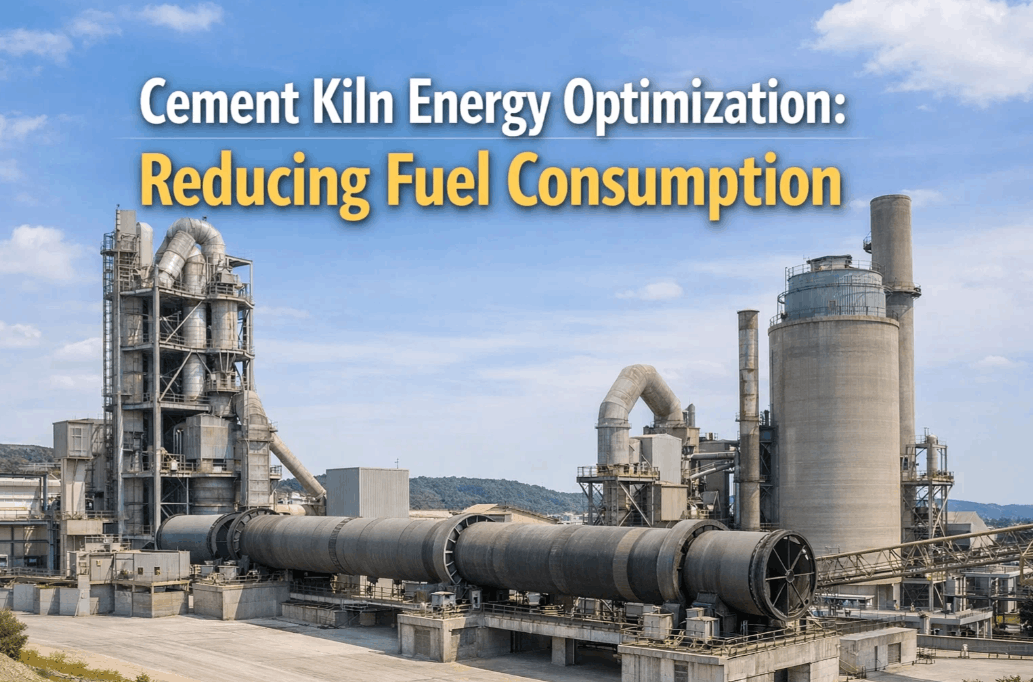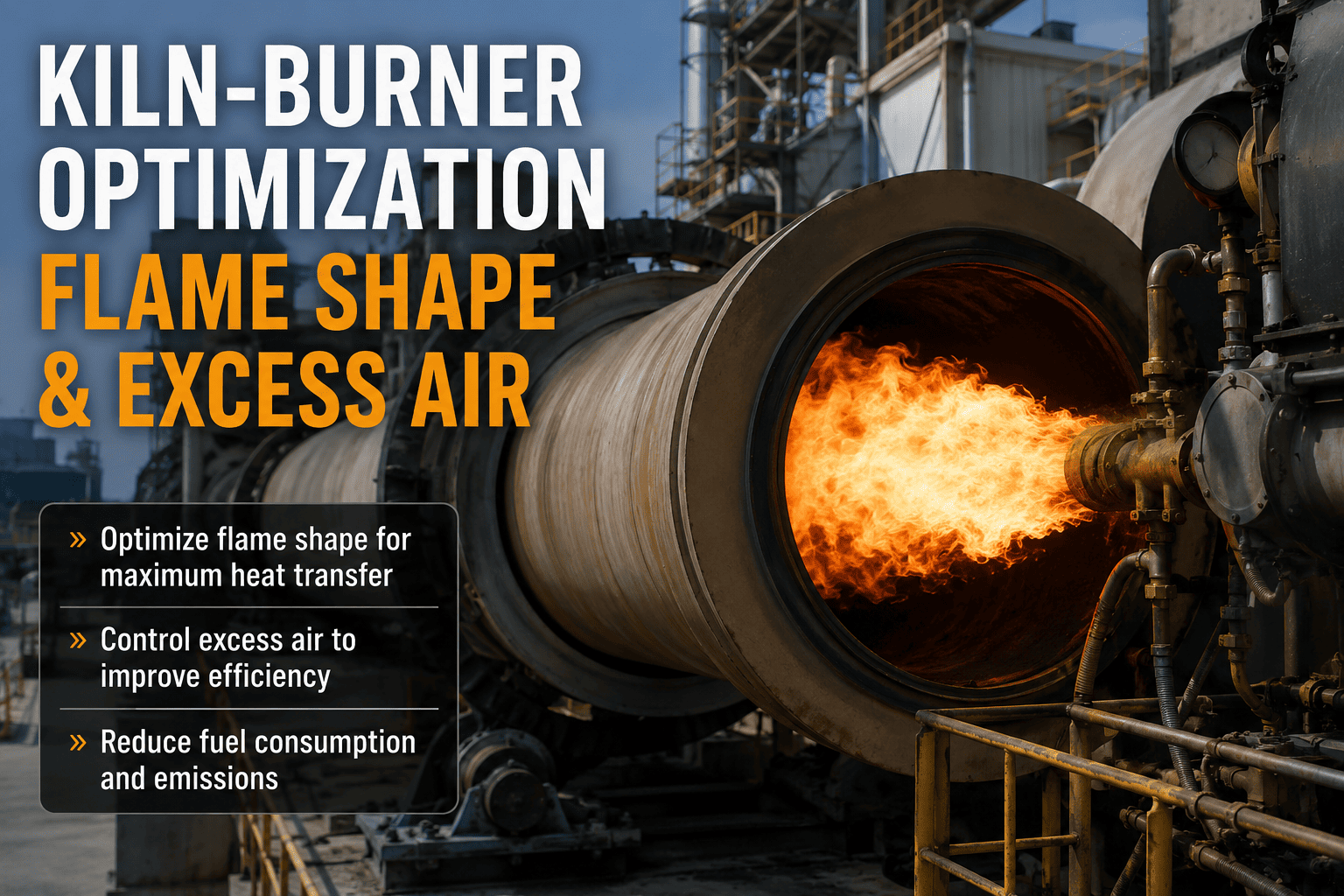
Kiln burner optimization is a cornerstone of modern cement manufacturing, directly influencing fuel consumption, clinker quality, and environmental compliance. The burner system in a rotary kiln is responsible for delivering the precise thermal energy needed to drive the endothermic reactions of clinker formation. However, many cement plants operate burners with suboptimal flame shapes and excess air levels, leading to avoidable heat losses, higher specific fuel consumption, and increased NOx emissions. This comprehensive guide explores the critical interplay between flame geometry, primary air momentum, and excess oxygen control. By understanding and adjusting these parameters, plant engineers can achieve 3-5% fuel savings while improving clinker quality and reducing emissions. We delve into practical tuning methodologies, data-driven combustion analysis, and real-world case studies that demonstrate measurable gains. Whether you manage a wet or dry process kiln, the principles outlined here are universally applicable. For a deeper dive into tailored burner optimization strategies for your specific kiln configuration, Book a Demo with our combustion specialists.
Maximize Kiln Efficiency Through Precision Burner Tuning
Achieve 3-5% fuel reduction, enhanced clinker quality, and lower NOx emissions with data-driven flame shape and excess air optimization. Our proven methodology delivers measurable results.
The Science of Kiln Combustion: Why Flame Shape Matters
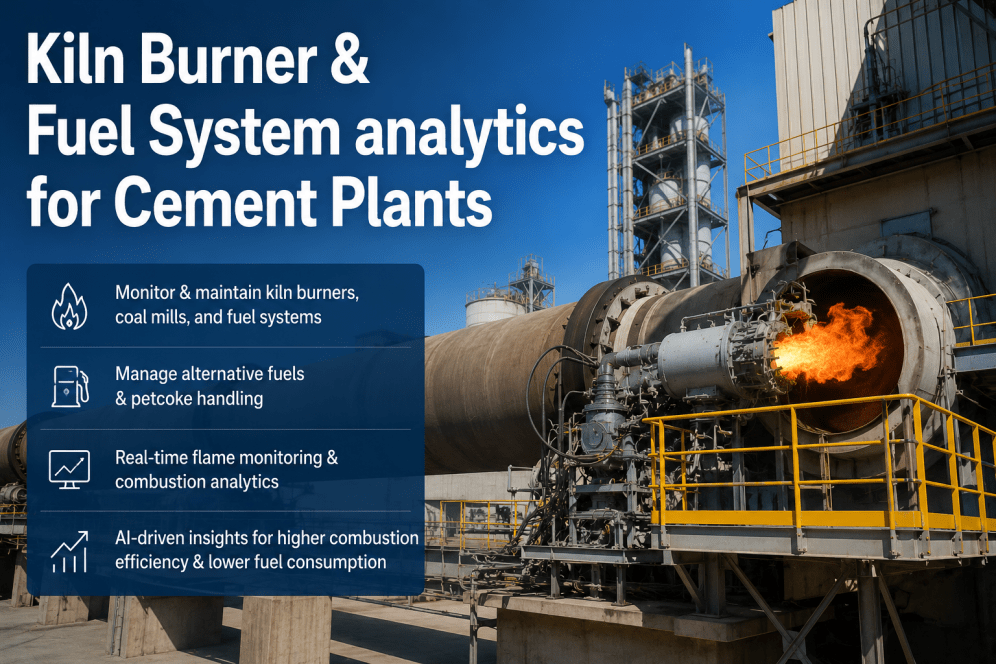
The flame in a cement kiln is not just a source of heat; it is a sophisticated tool for controlling temperature profiles, heat transfer rates, and chemical reactions. An ideal flame shape is compact, with a well-defined core that ensures complete combustion of fuel within the burning zone. If the flame is too long, it can cause overheating of the kiln shell and refractory damage, while a short, bushy flame may lead to incomplete combustion and high CO levels. The key parameters influencing flame shape include primary air velocity, swirl angle, and the momentum ratio between primary and secondary air. By adjusting these variables, operators can tailor the flame to match the specific fuel type (coal, petcoke, natural gas, or alternative fuels) and kiln geometry. Modern multi-channel burners offer independent control of axial and radial air flows, enabling precise flame shaping. For instance, increasing axial air momentum elongates the flame, while higher swirl intensity shortens and widens it. The optimal flame shape typically has a length-to-diameter ratio of 10-15:1, depending on kiln diameter and production rate. Achieving this requires systematic burner tuning based on real-time flame imaging and gas analysis.
Excess Air Control: Balancing Efficiency and Emissions
Excess air is essential for ensuring complete combustion, but too much leads to significant heat losses as the excess oxygen carries heat out of the kiln. Typically, cement kilns operate with 2-4% excess oxygen at the kiln inlet, but many plants run higher due to safety margins or poor control. Each percentage point of excess oxygen above the optimum can increase fuel consumption by 0.5-1%. The challenge is to maintain sufficient oxygen for complete combustion while minimizing the thermal penalty. This requires precise control of primary air, secondary air from the cooler, and false air ingress. Advanced oxygen trim control systems use lambda sensors at the kiln inlet to dynamically adjust primary air flow, maintaining the target excess oxygen level. Additionally, flame shape directly affects the mixing of fuel and air; a well-shaped flame promotes rapid mixing, allowing lower excess air levels without increasing CO emissions. For example, a plant using a multi-channel burner reduced excess oxygen from 5% to 2.5% by optimizing swirl and axial air, achieving 3.2% fuel savings. It is also crucial to monitor CO levels as a proxy for incomplete combustion; a CO concentration below 500 ppm typically indicates good combustion with minimal excess air.
Ready to Cut Fuel Costs and Improve Clinker Quality?
Our burner optimization service includes on-site combustion analysis, flame imaging, and real-time adjustments to reduce excess air and enhance flame shape. Achieve measurable savings within weeks.
Step-by-Step Burner Tuning Methodology
Effective burner tuning follows a structured process that combines theoretical understanding with practical adjustment. The first step is to establish a baseline by measuring current operating parameters: primary air flow and pressure, secondary air temperature and flow, fuel flow rate, kiln inlet oxygen, CO, NOx, and flame length. Next, perform a visual flame inspection using a high-temperature camera to assess flame shape, stability, and impingement. Based on these data, adjust the primary air distribution between axial and swirl channels. Typically, start by reducing axial air by 5-10% and observe the flame response. If the flame becomes too short, increase swirl; if too long, reduce swirl. After each adjustment, allow the kiln to stabilize for 15-30 minutes before taking new measurements. The goal is to achieve a flame that is stable, compact, and centered, with a luminous intensity that indicates complete combustion. Once the flame shape is optimized, fine-tune the excess air by gradually reducing primary air while monitoring O2 and CO levels. The target is to operate at the lowest excess oxygen that maintains CO below 500 ppm. Document all changes and results for future reference. For complex kilns with multiple fuel types, consider using computational fluid dynamics (CFD) modeling to predict burner behavior before making physical adjustments.
Baseline Measurement
Record all key parameters: air flows, pressures, gas composition, flame length, and shell temperatures.
Flame Imaging Analysis
Use a high-temperature camera to capture flame shape, stability, and impingement points.
Primary Air Adjustment
Modify axial/swirl air distribution incrementally and observe flame response.
Excess Air Optimization
Reduce primary air gradually while monitoring O2 and CO to find the optimal balance.
Validation and Documentation
Confirm improvements in fuel consumption, clinker quality, and emissions. Document final settings.
Real-World Case Study: 3.8% Fuel Reduction at ABC Cement
ABC Cement operates a 5-stage preheater kiln with a capacity of 5000 tpd, using a multi-channel burner firing a blend of petcoke and coal. Before optimization, the kiln operated with 4.8% excess oxygen at the inlet, a long flame (L/D ratio of 18:1), and NOx levels of 900 mg/Nm3. Our team conducted a comprehensive combustion audit, including flame imaging and gas profiling. The baseline data revealed that the primary air axial momentum was too high, causing the flame to stretch and impinge on the kiln shell. By reducing axial air by 12% and increasing swirl air by 8%, the flame shortened to an L/D ratio of 13:1, becoming more compact and centered. Subsequently, excess oxygen was reduced to 2.6% by trimming primary air flow, while CO remained below 450 ppm. The results were a 3.8% reduction in specific fuel consumption, NOx emissions dropping to 720 mg/Nm3 (a 20% reduction), and a noticeable improvement in clinker free lime variability. The payback period for the optimization service was less than three months, driven by fuel savings alone. This case demonstrates that systematic burner tuning, grounded in data and expert analysis, delivers tangible economic and environmental benefits.
| Parameter | Before Optimization | After Optimization | Improvement |
|---|---|---|---|
| Excess Oxygen (%) | 4.8 | 2.6 | -45.8% |
| Flame L/D Ratio | 18:1 | 13:1 | -27.8% |
| Specific Fuel Consumption (kcal/kg clinker) | 810 | 779 | -3.8% |
| NOx Emissions (mg/Nm3) | 900 | 720 | -20% |
| CO Level (ppm) | 600 | 450 | -25% |
| Free Lime Variability (std dev) | 0.45 | 0.28 | -37.8% |
Advanced Techniques: CFD Modeling and Real-Time Monitoring
While manual tuning is effective, the complexity of modern kilns often benefits from advanced computational tools. Computational fluid dynamics (CFD) modeling allows engineers to simulate the combustion process under various operating conditions without disrupting production. By creating a digital twin of the kiln, CFD can predict flame shape, temperature distribution, and emissions for different burner settings, accelerating the optimization process. Additionally, real-time monitoring systems equipped with flame cameras, gas analyzers, and shell temperature scanners provide continuous feedback, enabling dynamic adjustments. For example, an integrated system can automatically adjust primary air dampers to maintain target excess oxygen levels based on kiln inlet O2 and CO readings. These systems often include machine learning algorithms that learn from historical data to predict optimal settings for varying fuel qualities and production rates. The combination of CFD modeling and real-time monitoring represents the cutting edge of kiln burner optimization, offering the potential for 5-7% fuel savings in some cases. However, even without advanced tools, the fundamental principles of flame shape and excess air control can yield significant improvements. The key is to adopt a systematic, data-driven approach and to invest in training for operators and engineers.
CFD Modeling
Simulate flame behavior and emissions for different burner settings without production disruption. Optimize before physical changes.
Real-Time Monitoring
Continuous feedback from flame cameras, gas analyzers, and temperature scanners for dynamic adjustment of burner parameters.
Machine Learning
Predictive algorithms that learn from historical data to recommend optimal settings for varying fuel types and production rates.
Transform Your Kiln Performance with Expert Optimization
Our combustion specialists combine field experience with advanced modeling to deliver tailored burner tuning solutions. Achieve 3-5% fuel savings and lower emissions. Contact us today.
Frequently Asked Questions
What is the ideal excess oxygen level for a cement kiln burner?
The ideal excess oxygen level typically ranges between 2% and 4% at the kiln inlet, depending on fuel type, burner design, and kiln configuration. For most modern multi-channel burners firing coal or petcoke, a target of 2.5-3% is achievable with proper tuning. Operating below 2% risks incomplete combustion, indicated by rising CO levels, while above 4% wastes energy as heated nitrogen and oxygen are expelled. The optimal level is determined by balancing fuel efficiency with combustion completeness. Advanced oxygen trim systems can dynamically adjust primary air to maintain the setpoint. For a detailed assessment of your kiln's ideal excess oxygen, Book a Demo with our combustion experts.
How does flame shape affect clinker quality?
Flame shape directly influences the temperature profile along the kiln, which in turn affects clinker mineralogy and free lime content. A compact, stable flame with an L/D ratio of 10-15:1 ensures that the burning zone reaches temperatures of 1400-1500°C, necessary for complete formation of alite (C3S). If the flame is too long, the burning zone temperature drops, leading to underburned clinker with high free lime. A short, bushy flame can cause localized overheating, resulting in excessive liquid phase and ring formation. Proper flame shaping also improves heat transfer to the material bed, reducing the specific heat consumption. By optimizing the flame, you can achieve more consistent clinker quality, lower free lime variability, and improved grindability. For personalized guidance on flame shape adjustment for your kiln, contact our support team.
What is the role of primary air in burner optimization?
Primary air is the air that is introduced through the burner itself, typically accounting for 5-15% of the total combustion air. Its primary role is to provide the initial oxygen for fuel ignition and to control flame shape through momentum and swirl. The axial air component provides forward momentum, elongating the flame, while the radial or swirl air creates turbulence, shortening and widening it. The ratio of axial to swirl air is a critical tuning parameter. Too much axial air results in a long, lazy flame that can damage the kiln shell; too much swirl creates a short, intense flame that may cause refractory wear. Additionally, primary air velocity affects the entrainment of secondary air from the cooler, which provides the remaining oxygen for combustion. Optimizing primary air distribution is therefore essential for achieving the desired flame shape and excess air control. For expert assistance in primary air tuning, Book a Demo.
Can burner optimization reduce NOx emissions significantly?
Yes, burner optimization can reduce NOx emissions by 15-30% without the need for expensive post-combustion controls. The primary mechanism is through flame temperature control and staging. A well-optimized flame with proper excess air and shape avoids high peak temperatures that promote thermal NOx formation. Using a multi-channel burner, operators can create a staged combustion effect by adjusting the axial and swirl air to create a fuel-rich core followed by a fuel-lean outer zone, which reduces NOx. Additionally, reducing excess oxygen lowers the availability of oxygen for NOx formation. In the case study above, NOx dropped from 900 to 720 mg/Nm3 after optimization. For plants facing stringent emission limits, combining burner tuning with other measures like selective non-catalytic reduction (SNCR) can achieve even greater reductions. To explore NOx reduction strategies for your kiln, get support from our team.
How often should burner tuning be performed?
Burner tuning should be performed at least once per year as part of routine maintenance, and more frequently if there are significant changes in fuel quality, kiln operating conditions, or after refractory repairs. Many plants benefit from a quarterly review of combustion parameters, especially if they use alternative fuels with varying calorific values. Additionally, any time the burner is disassembled for maintenance, it should be re-tuned upon reassembly. Continuous monitoring systems can alert operators when parameters drift outside optimal ranges, prompting immediate adjustments. Proactive tuning not only maintains efficiency but also extends refractory life and reduces maintenance costs. For a scheduled burner optimization audit, Book a Demo with our specialists.
Start Your Kiln Optimization Journey Today
Our proven methodology delivers 3-5% fuel savings, improved clinker quality, and lower emissions. Partner with iFactory for expert combustion tuning and real-time monitoring solutions.