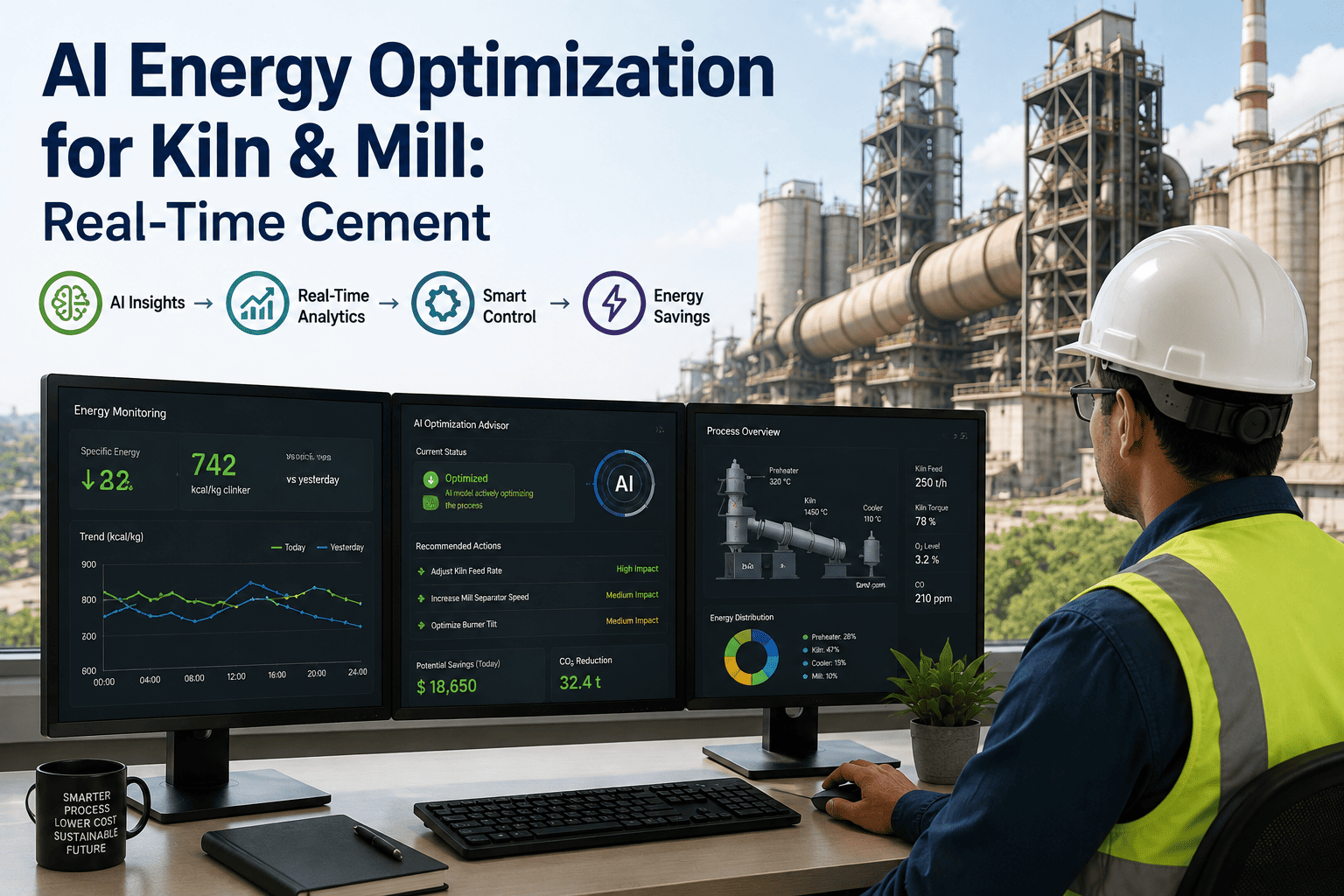
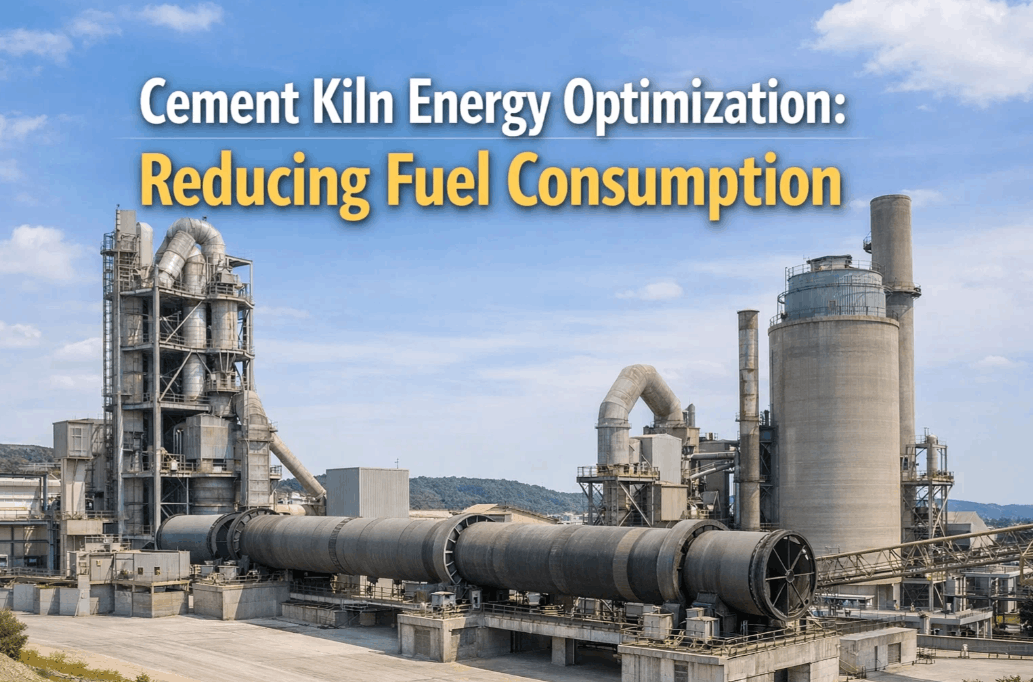
Cement kilns devour 30-40% of a plant's total production cost in fuel alone. With global cement output exceeding 4.3 billion tons annually and energy prices climbing, even a 3% improvement in kiln thermal efficiency can save a mid-size plant $1.2-1.8 million per year. Traditional kiln control relies on operator experience and fixed setpoints tuned for worst-case conditions, but AI-driven optimization is rewriting the rules—delivering 6-15% fuel savings by adapting to real-time process conditions that human operators simply cannot track at scale.
iFactory AI for Cement
Your Kiln Is Burning Money. AI Knows Exactly How Much.
AI-driven kiln optimization reduces fuel consumption by 6-15% while stabilizing clinker quality—without replacing a single piece of equipment.
$384B+
Global cement market size in 2025
30-40%
Of production cost goes to energy
6-15%
Fuel savings with AI kiln control
Sources: Fortune Business Insights, IEA, McKinsey Research
Why Your Kiln Runs Hotter Than It Needs To
Walk into most cement plant control rooms and you will find operators managing kilns with setpoints established years ago. These parameters were tuned for worst-case conditions—the hardest raw materials, the most variable fuel, the coldest ambient temperatures. The reasoning was sound: building in safety margins protects product quality and prevents the costly shutdowns that come from pushing equipment too hard.
But those margins have a price. When raw meal composition shifts toward easier-to-burn material, the kiln continues at the same intensity. When fuel quality improves, excess heat goes into overburning rather than savings. When ambient conditions favor efficient combustion, the conservative settings prevent the plant from capturing that advantage. The result is millions of dollars in wasted fuel every year.
The Hidden Cost of Conservative Kiln Control
Setpoints tuned for worst-case raw material variability
Lab results arrive 2-6 hours after sampling
Operators react to deviations after they happen
Overburning wastes fuel to protect quality margins
Shift-to-shift inconsistency in kiln operation
VS
Real-time adaptation to actual process conditions
Clinker quality predicted 15-30 minutes ahead
Proactive adjustments before deviations occur
Fuel input matched precisely to thermal demand
Consistent optimization across all shifts 24/7
How AI Actually Optimizes a Cement Kiln
AI kiln optimization is not a black box replacing your operators. It is a system that amplifies operator capabilities by processing thousands of sensor readings per second and identifying non-linear patterns that no human can track in real time. Here is what happens inside the AI engine at each stage of the pyroprocessing line.
Preheater Zone
AI monitors cyclone stage temperatures, pressure drops, and raw meal feed composition to optimize material preheating before it enters the calciner.
AI Action
Adjusts feed rate and gas flow distribution to minimize false air infiltration and recover maximum thermal energy from exhaust gases.
Calciner
The calciner handles 20-30% of total coal consumption. AI balances fuel split between calciner and rotary kiln based on real-time calcination progress.
AI Action
Dynamically adjusts fuel distribution and air volume to maintain optimal calcination temperature while minimizing excess fuel burn.
Rotary Kiln (Burning Zone)
The heart of clinker production at 1,450°C+. AI simultaneously evaluates fuel feed rate, kiln speed, ID fan draft, and secondary air damper positions in a closed loop.
AI Action
Micro-adjusts combustion parameters every few seconds. Predicts free lime content 15-30 minutes ahead to prevent overburning and underburning.
Clinker Cooler
Rapid clinker cooling stabilizes mineral composition. AI optimizes grate speed and airflow to maximize heat recovery back into the system.
AI Action
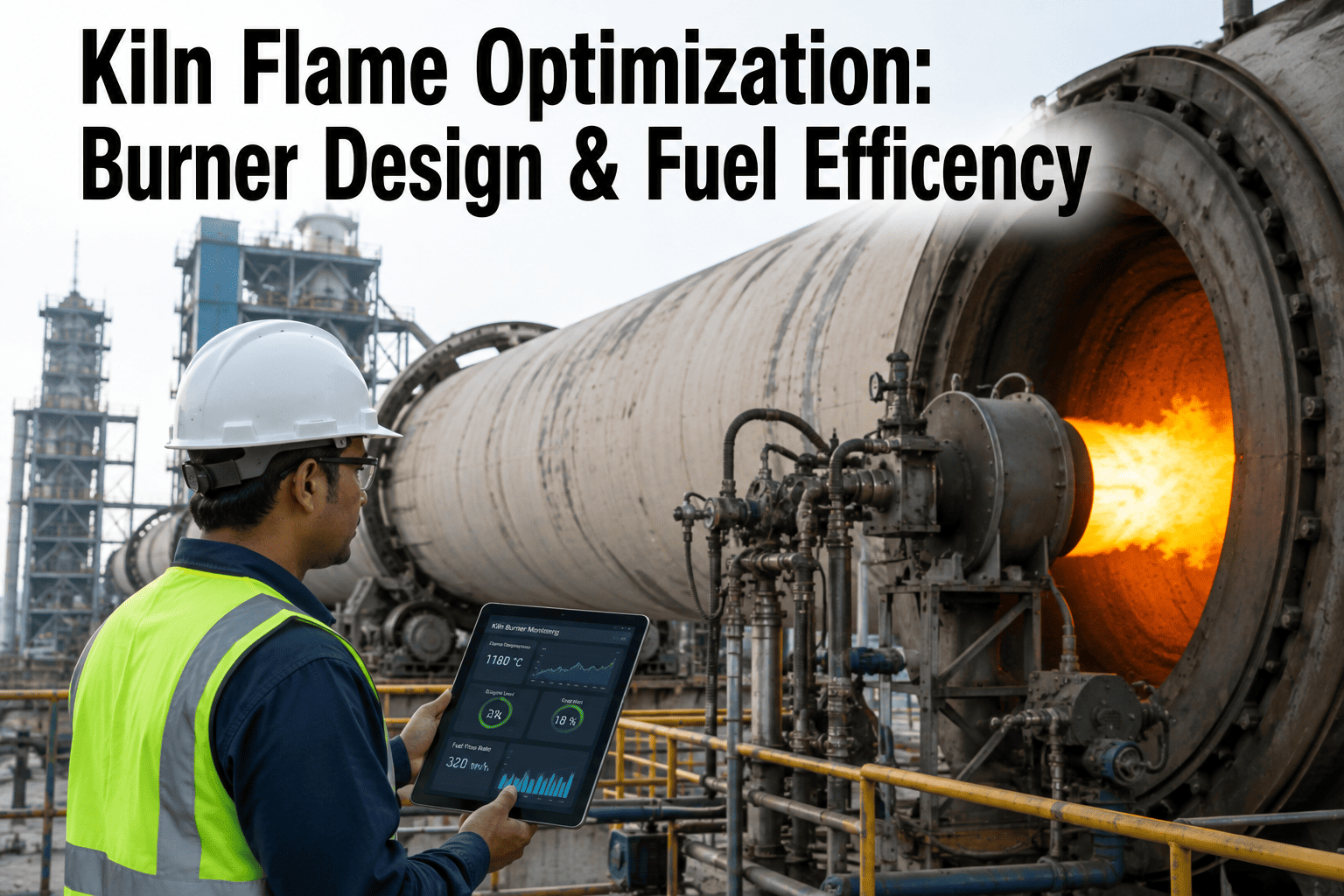
Maintains uniform clinker bed depth across cooler width, eliminates red rivers, and routes recovered heat back to preheater for fuel savings.
Want to see how AI optimization maps to your specific kiln configuration? Book a free kiln efficiency assessment.
The Numbers That Make Plant Managers Pay Attention
Across the global cement industry, early adopters of AI kiln optimization are reporting consistent, measurable improvements. These are not theoretical projections—they are verified results from operating plants that have deployed AI-driven process control on their pyroprocessing lines.
Energy Savings
AI-Controlled Kiln Operations
6.2%
Fuel consumption drop in 3 months
10%
Throughput & energy efficiency gain
Closed-loop AI adjusting fuel feed based on real-time clinker quality predictions
Quality & Stability
AI-Powered Process Control
62%
Reduction in cement strength variance
18 days
Early bearing failure detection
ML models analyzing vibration patterns and raw material composition automatically
Cost Reduction
Industry-Wide AI Deployments
20-40%
Higher alternative fuel substitution
6-9 mo
Typical payback period
AI dynamically adjusting parameters as alternative fuel quality varies batch to batch
Where Exactly Does the Fuel Go? Understanding Kiln Energy Flow
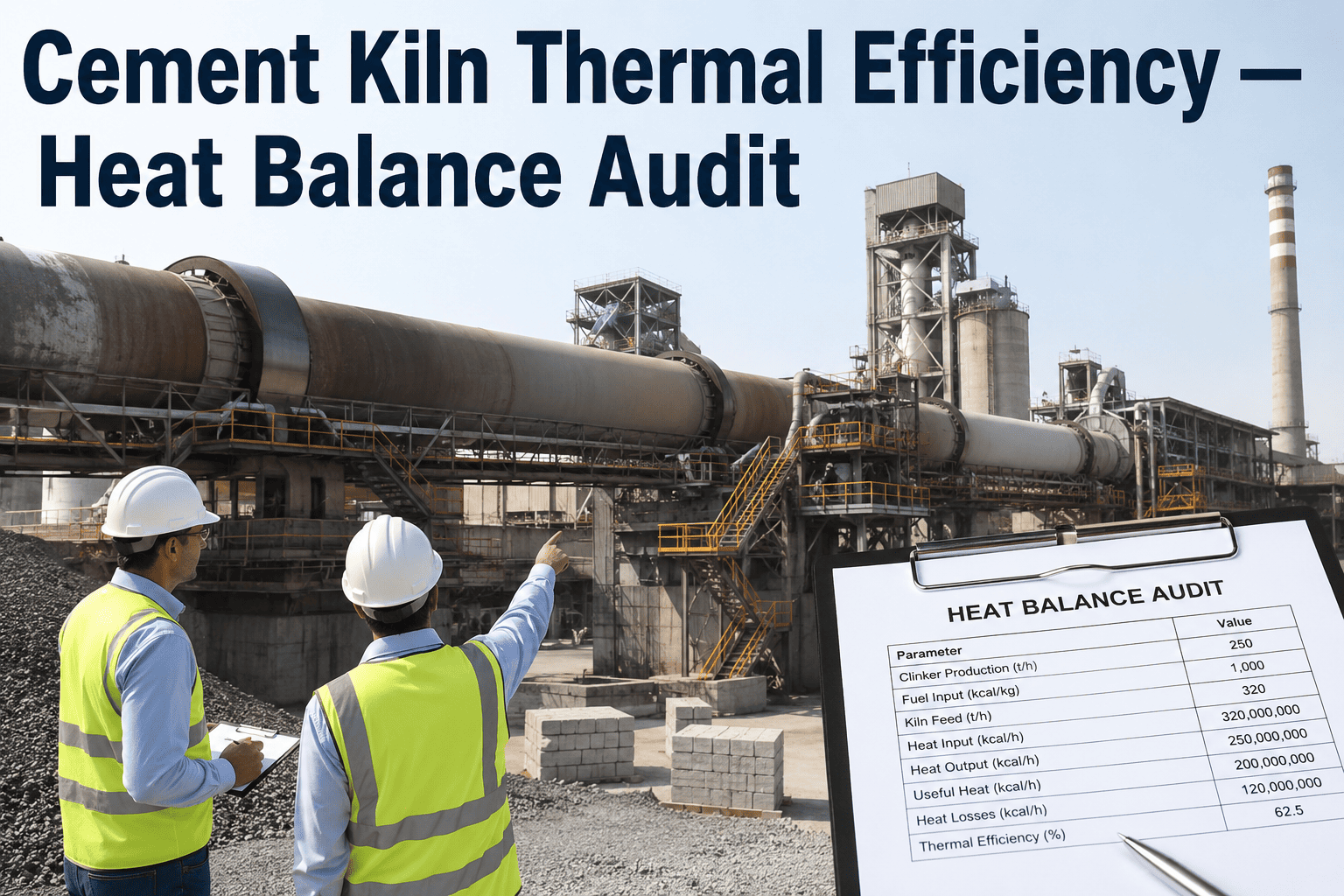
To optimize fuel consumption, you need to understand where thermal energy is consumed and lost across the pyroprocessing line. Modern dry-process plants typically consume 3.0-3.5 GJ per ton of clinker, but most plants operate 10-15% above their theoretical minimum. Here is where AI finds the savings.
Thermal Energy Distribution in a Typical Cement Kiln
Clinker Formation (Useful Heat)
Chemical reactions at 1,450°C — this is the productive energy
Exhaust Gas Losses
AI optimizes preheater efficiency to minimize stack heat loss
Cooler Exhaust Losses
AI maximizes heat recovery from clinker cooler back to kiln
Shell Radiation & Convection
AI triggers maintenance alerts when shell temperatures exceed baselines
Moisture & Other Losses
AI adapts to raw meal moisture in real time to reduce wasted evaporation energy
The AI Technology Stack for Kiln Optimization
Deploying AI on a cement kiln does not require ripping out your existing control systems. The technology layers on top of your current DCS/SCADA infrastructure, connecting data from existing sensors to a new intelligence layer that drives smarter decisions.
Layer 4
Closed-Loop AI Control
Predictive Clinker Quality
Auto Fuel-Air Optimization
Prescriptive Kiln Speed
Layer 3
ML Models & Digital Twin
Free Lime Prediction
Thermal Efficiency Models
Anomaly Detection
Layer 2
Data Integration & Edge Computing
DCS / SCADA
MES / ERP
CMMS
Historian
Layer 1
Kiln Sensors & Instruments
Pyrometers
Shell Scanners
Gas Analyzers
Vibration Sensors
See Your Kiln Through AI Eyes
iFactory's AI platform connects to your existing sensors and DCS to deliver real-time kiln optimization, predictive clinker quality, and fuel savings—typically within 90 days of deployment.
4 Stages to AI-Powered Kiln Efficiency
You do not need to leap to full autonomous kiln control on day one. The most successful AI deployments follow a phased approach that builds confidence and delivers ROI at every stage.
Connect & Baseline
Connect IoT sensors to unified cloud platform
Establish energy benchmarks per ton of clinker
Map data flows from DCS, SCADA, and lab systems
Identify baseline thermal efficiency gaps
Predict & Visualize
Dashboards flag efficiency drift in real time
Models forecast free lime excursions
Detect early refractory wear patterns
Operators receive AI-powered recommendations
Closed-Loop AI Control
AI actively adjusts fuel feed and kiln speed
Automatic air-fuel ratio optimization
Continuous setpoint tuning without operator input
Measurable 6-10% energy efficiency gain
Enterprise Integration
AI connected to ERP for real-time cost tracking
Automated procurement triggers for fuel
Maintenance scheduling from equipment health scores
Multi-plant optimization and benchmarking
Quick Wins: 5 Maintenance Fixes That AI Catches First
AI does not just optimize process parameters—it catches equipment degradation that silently increases fuel consumption long before it causes a breakdown. These are the maintenance issues that show up on the energy bill before they appear on a work order.
01
False Air Infiltration
Worn expansion joints, unsealed doors, and cracked cyclone walls allow false air in-leakage. Each 1% increase in false air raises exhaust heat loss by approximately 3 kcal/kg clinker. Plants typically accumulate 5-8% false air between shutdowns.
3 kcal/kg
loss per 1% false air increase
02
Refractory Lining Degradation
Thinner refractory means higher shell radiation losses. A 50% reduction in lining thickness can increase shell heat loss by 30-40% in that zone, bleeding energy that should stay in the clinker bed.
30-40%
more heat loss in thinned zones
03
Worn Burner Tips
Damaged or worn burner tips distort flame shape, lengthening the flame and reducing heat transfer efficiency. The kiln compensates by burning more fuel to achieve target clinker quality—a silent fuel drain.
5-8 kcal/kg
saved immediately after burner swap
04
Cooler Grate Plate Damage
Damaged or missing grate plates allow clinker to fall through and create uneven air distribution, forming "red rivers" that waste cooling capacity and reduce heat recovery back to the kiln system.
85%
minimum grate coverage for optimal cooling
05
Kiln Drive Bearing Degradation
AI vibration analysis detects subtle pattern changes weeks before catastrophic failure. A single kiln failure can cost $50,000-$100,000 per hour in lost production—AI catches it 18+ days in advance.
$50-100K
per hour cost of unplanned kiln failure
Frequently Asked Questions
Do we need to replace our existing DCS or SCADA system?
No. AI kiln optimization layers on top of your existing control infrastructure. The system connects to your current DCS, SCADA, and historian via standard OPC-UA protocols without requiring any hardware replacement. At minimum, you need access to kiln temperature and feed data, energy consumption readings, and basic equipment sensor data.
How quickly can we see measurable fuel savings?
Most plants see measurable improvements within 60-90 days of deployment. The initial phase involves connecting data sources and establishing baselines. Once the AI models are trained on your specific kiln behavior (typically 4-6 weeks of operational data), the system begins delivering optimization recommendations, progressing to closed-loop control as confidence builds. Full payback is typically achieved within 6-9 months.
Will AI make our kiln operators redundant?
AI amplifies operator capabilities rather than replacing them. For critical equipment adjustments, AI provides recommendations that operators can approve. For lower-risk optimizations like micro-adjustments to fuel-air ratios, the system can operate autonomously within operator-defined boundaries. Experienced operators remain essential for handling non-routine situations, shutdowns, and strategic decisions.
Can AI help us increase alternative fuel usage?
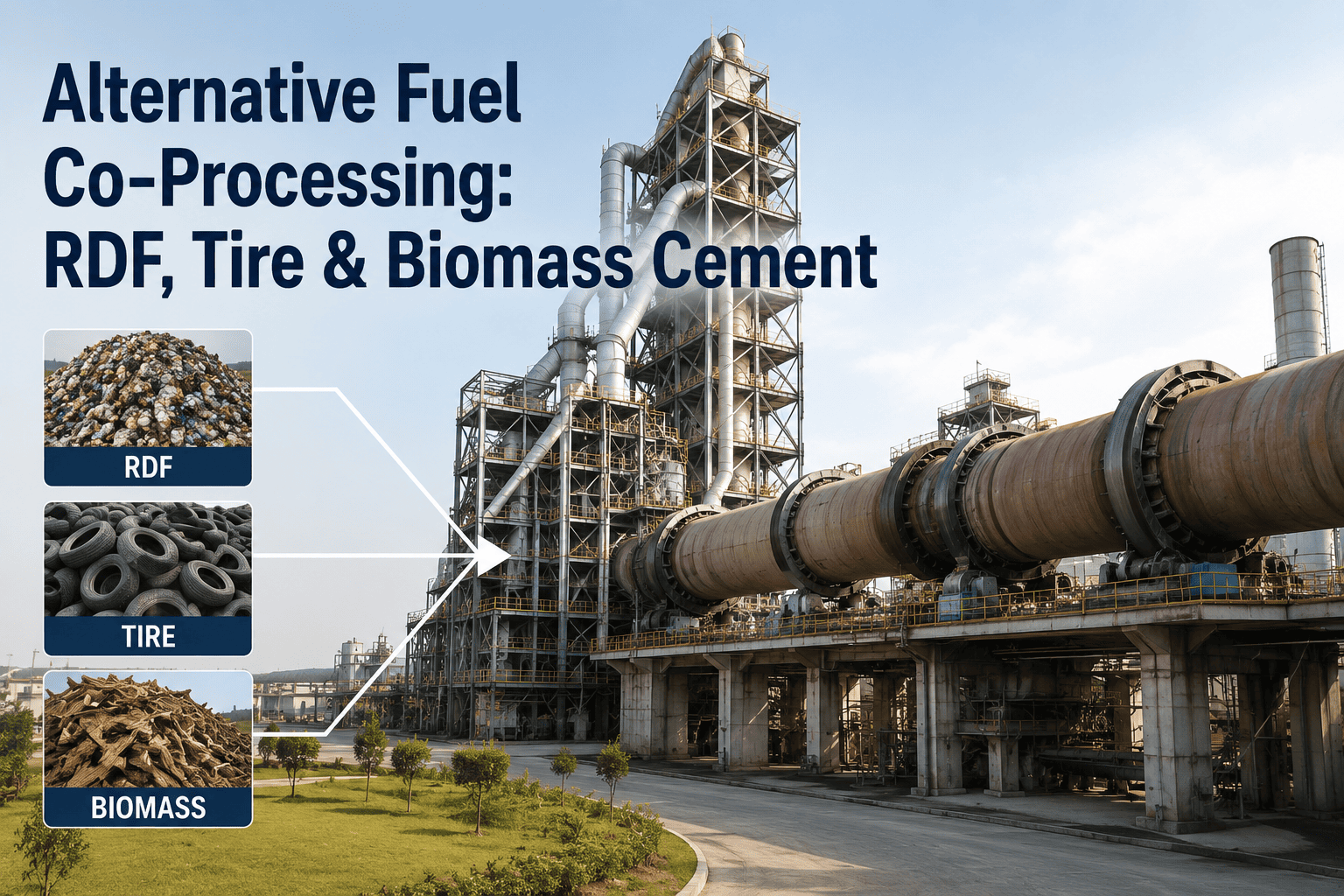
This is one of AI's strongest advantages. Alternative fuels like RDF, biomass, and waste solvents have variable calorific values that make manual control difficult. AI calculates optimal blending ratios in real time and dynamically adjusts kiln parameters as fuel quality varies. Plants using AI-driven control typically achieve 20-40% higher alternative fuel substitution rates than manual control, displacing expensive fossil fuels while maintaining consistent clinker quality.
What is the ROI for a mid-size cement plant?
For a plant producing 1.5 million tonnes of clinker annually, even a 3% improvement in kiln thermal efficiency translates to $1.2-1.8 million in annual fuel savings. With typical deployment costs significantly lower than that, most plants achieve full payback within the first year. Additional savings come from reduced unplanned downtime, lower clinker factor through better quality control, and decreased maintenance costs.
Stop Burning Profit. Start Optimizing.
iFactory's AI platform integrates with your existing kiln infrastructure to deliver real-time fuel optimization, predictive quality control, and maintenance intelligence—from day one.