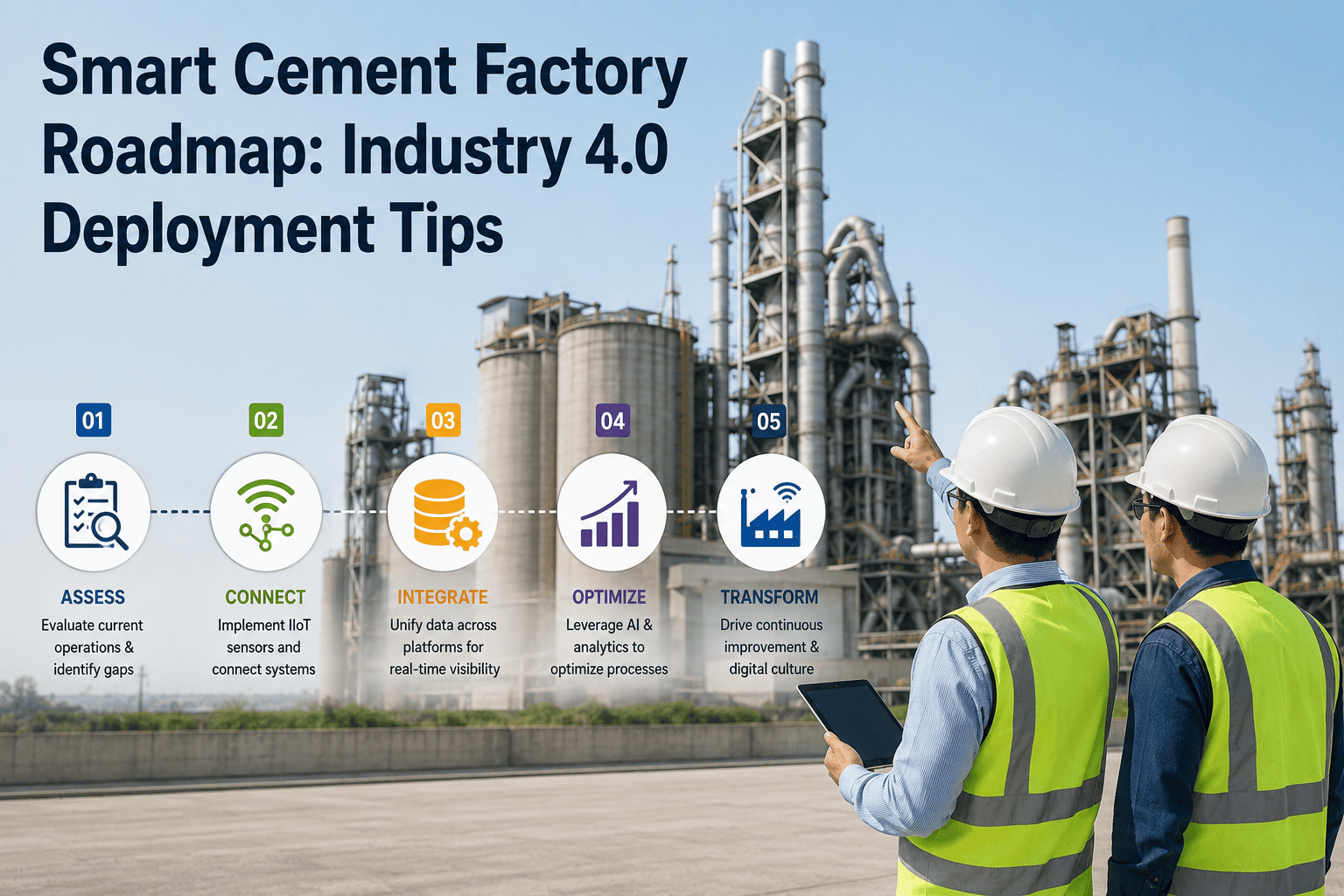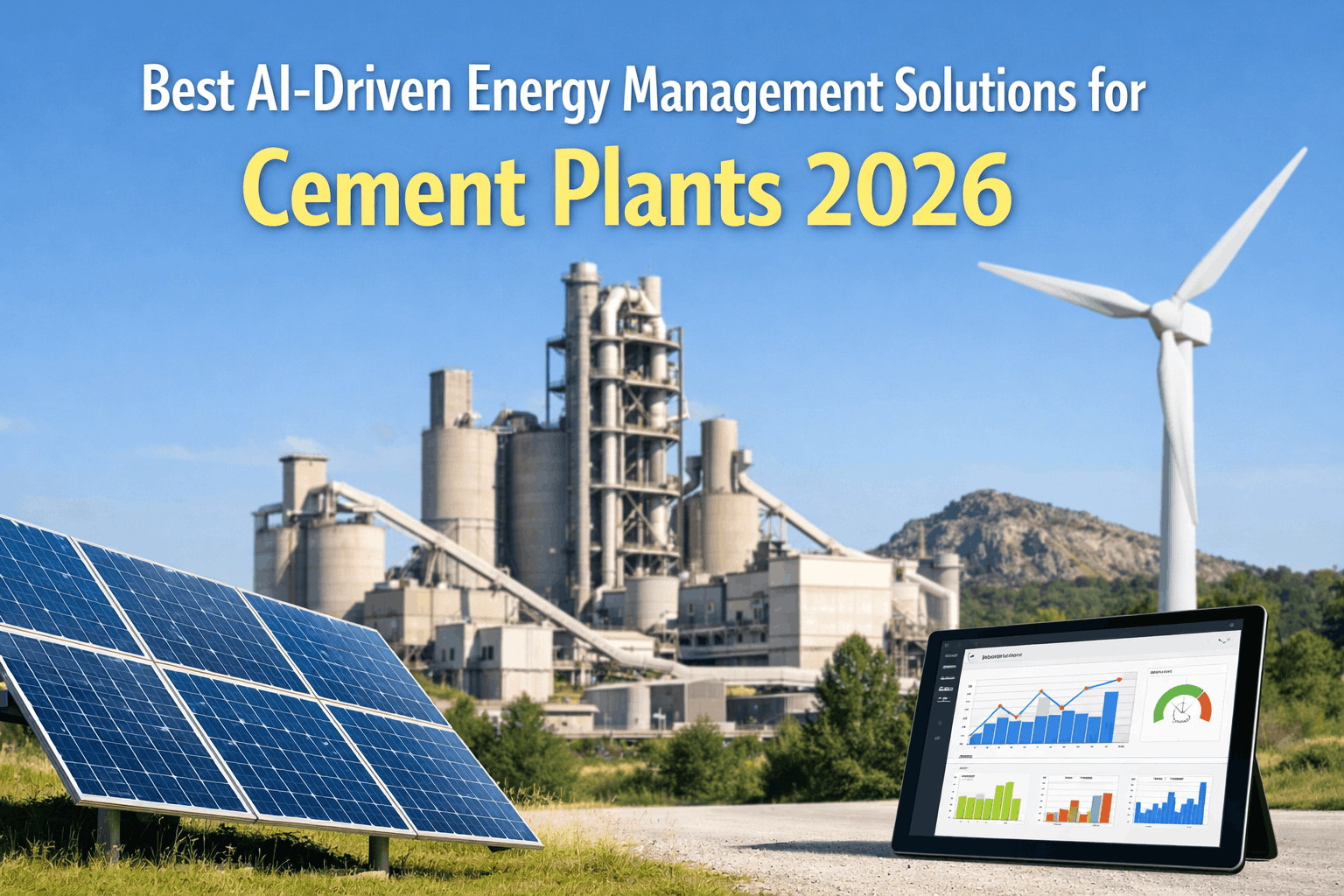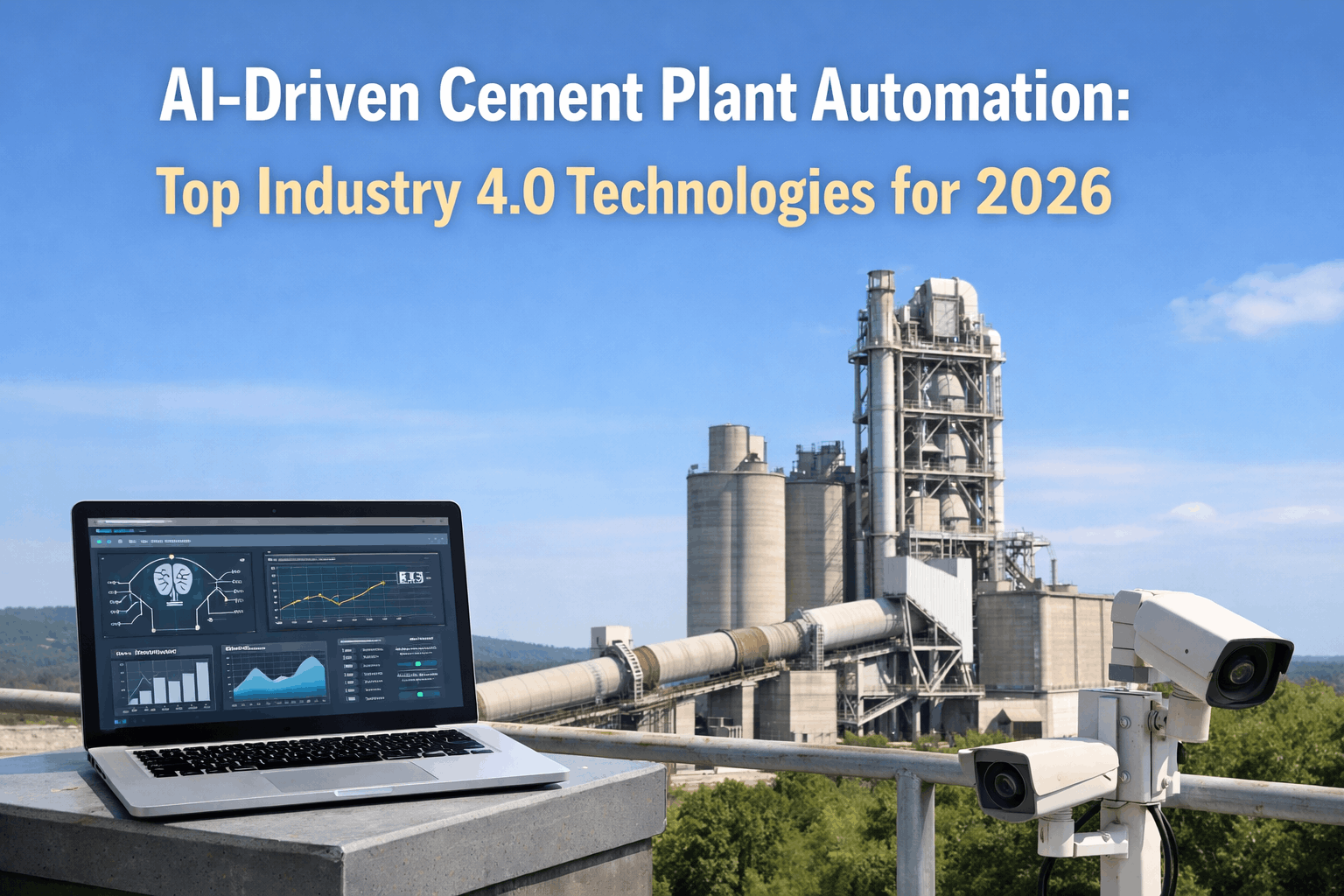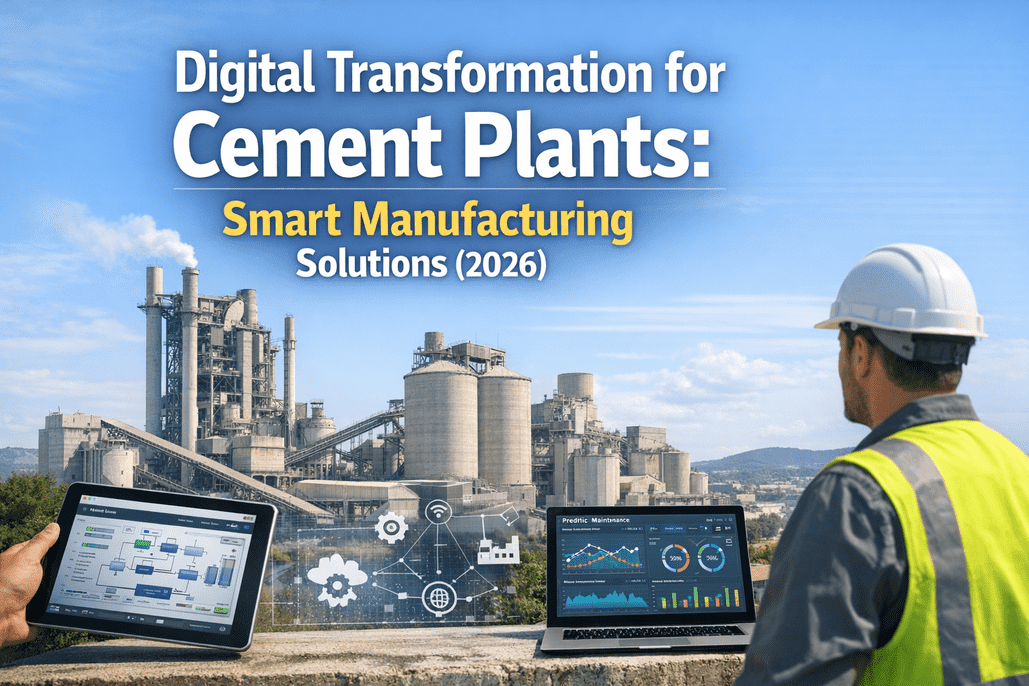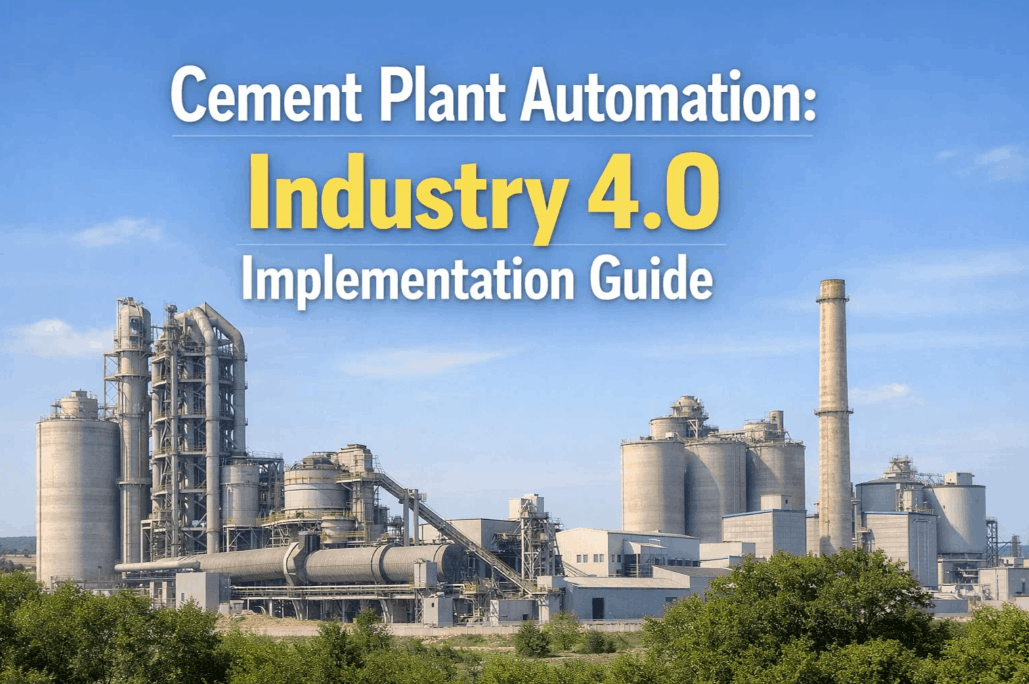
In the global race toward Net Zero carbon emissions, cement plant automation is undergoing a foundational transformation—moving beyond simple PID loops and PLC logic into a high-density Industry 4.0 ecosystem. For decades, automation in clinker production was relegated to safety interlocks and basic setpoint tracking. Today, the "Smart Cement Factory" integrates physics-based digital twins, predictive process loops, and edge-native AI to stabilize the rotary kiln, maximize alternative fuel usage, and eliminate the "invisible" downtime that erodes annual margins. iFactory's modular automation framework doesn't just monitor your plant; it intelligentizes it, allowing your operators to move from reactive troubleshooting to prescriptive process orchestration. Book a Digitalization Audit to see how Industry 4.0 stabilizes your output across all cement grades.
Accelerate Your Plant's Leap to Industry 4.0 Autonomy
Wrap your existing DCS with a unified AI-driven intelligence layer. Stabilize the kiln, optimize mill energy, and unlock latent tonnage without a full rip-and-replace of your control hardware.
The Economic Engine of Cement Manufacturing 4.0
Advanced automation is no longer a luxury; it is the primary driver of operational survival in high-energy markets. iFactory's Industry 4.0 deployments focus on the three pillars of modern cement ROI: Energy, Reliability, and Throughput.
The Components of a Modern Smart Cement Ecosystem
A true Industry 4.0 cement implementation requires a seamless vertical thread—from the physical sensor on the kiln trunnion to the AI model in the control room.
Transformation in Action: Cement Industry 4.0 Success
See how smart cement factory technology solves complex multi-variable problems that baffle human operators and traditional control systems. Book a Walkthrough.
Case 1: Global Multi-Site OEE Harmonization
A global cement producer used iFactory to unify SCADA data across 12 facilities. By normalizing KPI tracking across different DCS vendors, they identified a persistent 15% efficiency gap in the preheater tower performance, leading to a centralized optimization strategy that leveled the entire fleet's output.
Case 2: Kiln Resilience During Fuel Volatility
During a rapid transition to 50%+ RDF fuel mix, the AI-driven APC stabilized the clinker cooling zone in milliseconds. Where operators previously struggled with "snow-man" build-ups and unstable coatings, the AI maintained thermal equilibrium, ensuring 24/7 production continuity.
Case 3: Finish Mill Grinding Energy Recovery
By integrating real-time particle size analysis with separator speed control, iFactory eliminated the over-grinding of OPC by 6%. This reduction in specific energy consumption (kWh/t) delivered a full payback on the automation upgrade within the first 4 months of operation.
Case 4: Autonomous Quality & Clinker Factor
iFactory's "Virtual Lab" predicts 28-day strength from raw meal and kiln sensor data. This allowed the plant to safely reduce the clinker-to-cement factor by 3.5%, directly lowering CO2 intensity while maintaining 100% compliance with ASTM standards.
Legacy Automation vs. iFactory Industry 4.0 Autonomy
The gap between traditional PID control and AI-driven Industry 4.0 is the difference between reactivity and proactivity.
| Operational Dimension | Legacy Automation (Level 1/2) | Industry 4.0 (Autonomous iFactory) |
|---|---|---|
| Operational Logic | Reactive: Corrects after deviation | Predictive: Pre-empts drift 30m ahead |
| System Maintenance | Fixed Interval / Alarm Based | Prescriptive: RUL-based triggers |
| Process Connectivity | Siloed islands of PLC logic | Interconnected Digital Thread (IoT) |
| Setpoint Management | Manual operator intervention | Autonomous "Closed-Loop" Execution |
| Sustainability Focus | Minimum Compliance Tracking | Dynamic TSR & Carbon Optimization |
| ROI Mechanism | Headcount reduction | Energy, Throughput & Yield Growth |
Your 12-Month Industry 4.0 Transformation Strategy
Transitioning to smart cement manufacturing is a modular journey. iFactory delivers value at every step, ensuring the project pays for itself through early energy savings.
Unify the Digital Backbone
Audit all Level 1/2 hardware. Deploy secure edge gateways to ingest Historian and DCS data into a unified OPC-UA layer. Establish the baseline Digital Twin of the rotary kiln and main ball mill.
Intelligent Awareness Deployment
Go-live with real-time OEE, Energy intensity, and Predictive Health dashboards. AI models begin the "Shadow Control" phase, where they recommend setpoints to operators to build trust and validate accuracy.
Full Closed-Loop Optimization
Enable autonomous setpoint execution for burner fuel and mill feed. Integrate Digital Twin simulations into standard shutdown planning and CAPEX forecasting workflows for a fully smart site experience.
Cement Automation & Industry 4.0: Expert Guidance
Cement Plant Automation is No Longer Just Wiring—It's Wealth Creation.
Don't let your plant fall behind the digital divide. Join the leaders using Industry 4.0 to achieve 12% SHC reduction and zero unpredicted asset failures.