.png)
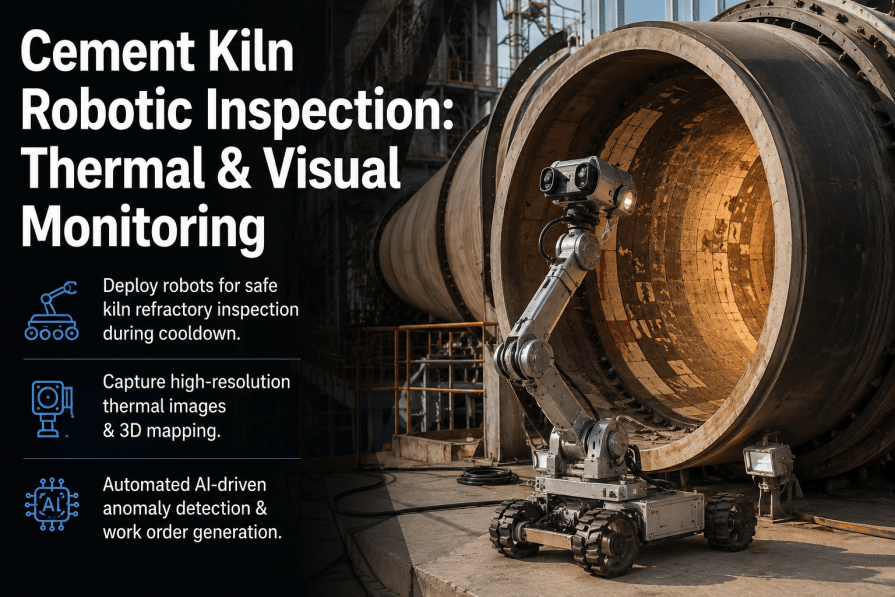
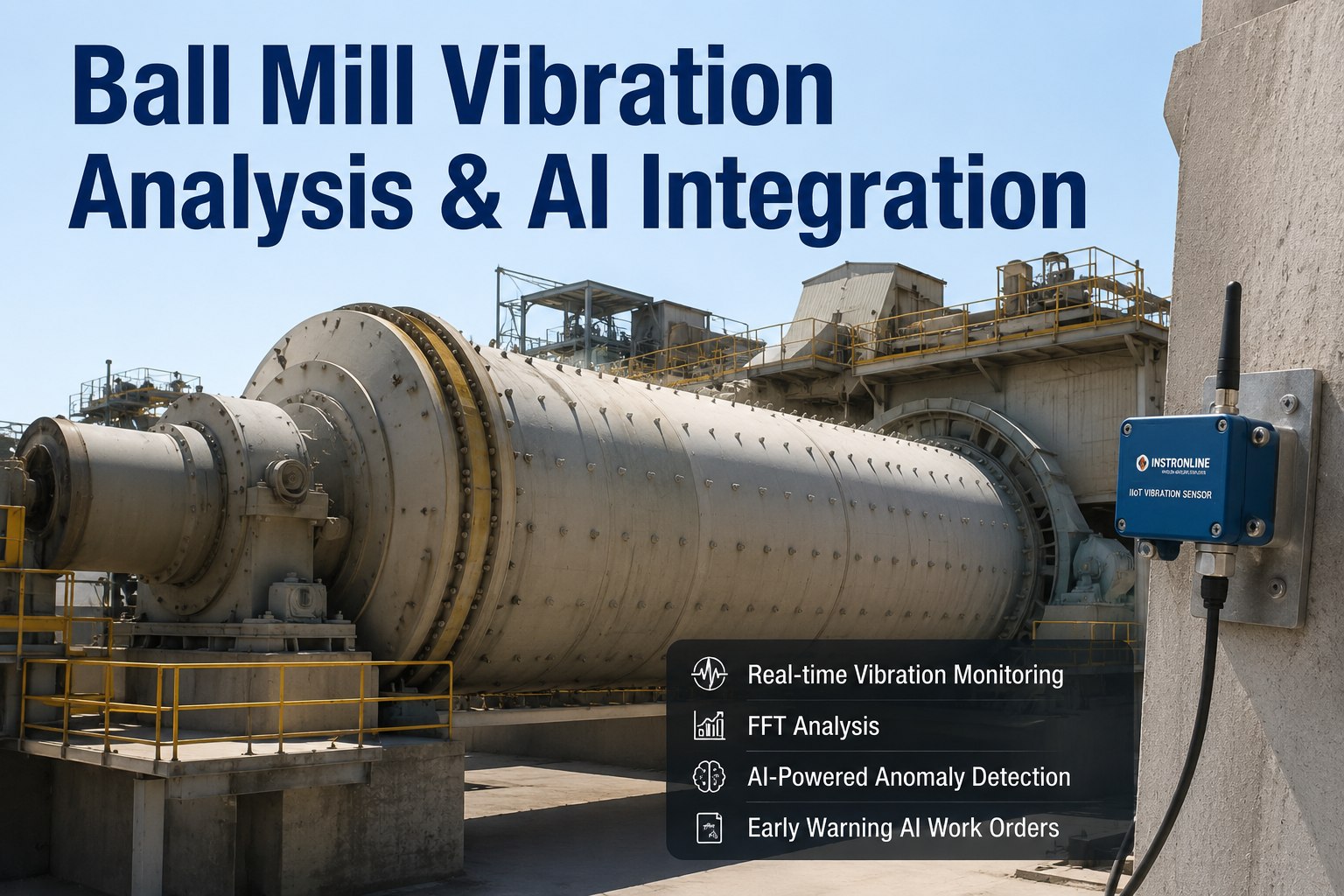
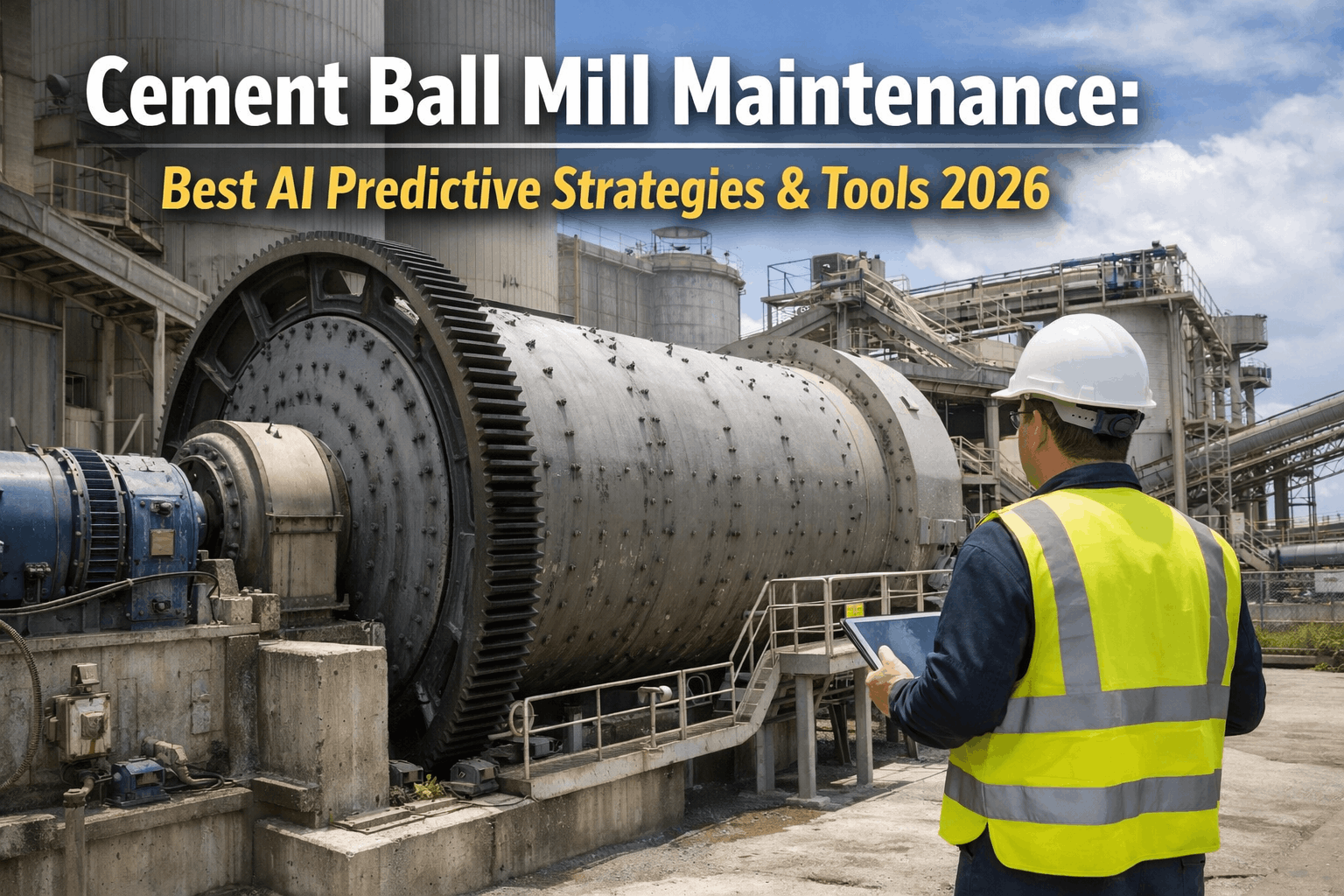
Mill drives are the number one cause of unplanned downtime in cement plants accounting for 35 to 45 percent of all production interruptions across raw mill, coal mill, and cement mill systems. A single vertical roller mill gearbox failure can shut down a finish grinding circuit for 7 to 14 days, with total impact exceeding $2.4 million in lost clinker production, emergency repair premiums, and out-of-spec inventory rework. The root cause is not a lack of maintenance — most cement plants operate rigorous calendar-based preventive maintenance programs on mill drives, gearboxes, separators, classifiers, and reducers. The problem is that calendar-based PM cannot adapt to the actual operating condition of each asset. A bearing that is running hot due to lubrication degradation will fail between scheduled vibration readings regardless of whether those readings are monthly or weekly. Robotic predictive maintenance automation — deploying quadruped and humanoid robots equipped with high-frequency vibration sensors, radiometric thermal cameras, and acoustic emission detectors — fundamentally changes this paradigm by enabling autonomous condition data collection from every mill drive, separator bearing, gear box, classifier rotor, and reducer on every shift, feeding AI models that detect bearing spalling, gear tooth fatigue, and lubricant breakdown 21 to 45 days before functional failure. Reliability engineers evaluating robotic PdM for their mill assets can book a demo to see iFactory's integrated robot patrol platform configured for vertical roller mill, ball mill, and coal mill inspection workflows.
The Mill Drive Reliability Crisis: Why Mill Drives Are the Top Source of Unplanned Cement Plant Downtime
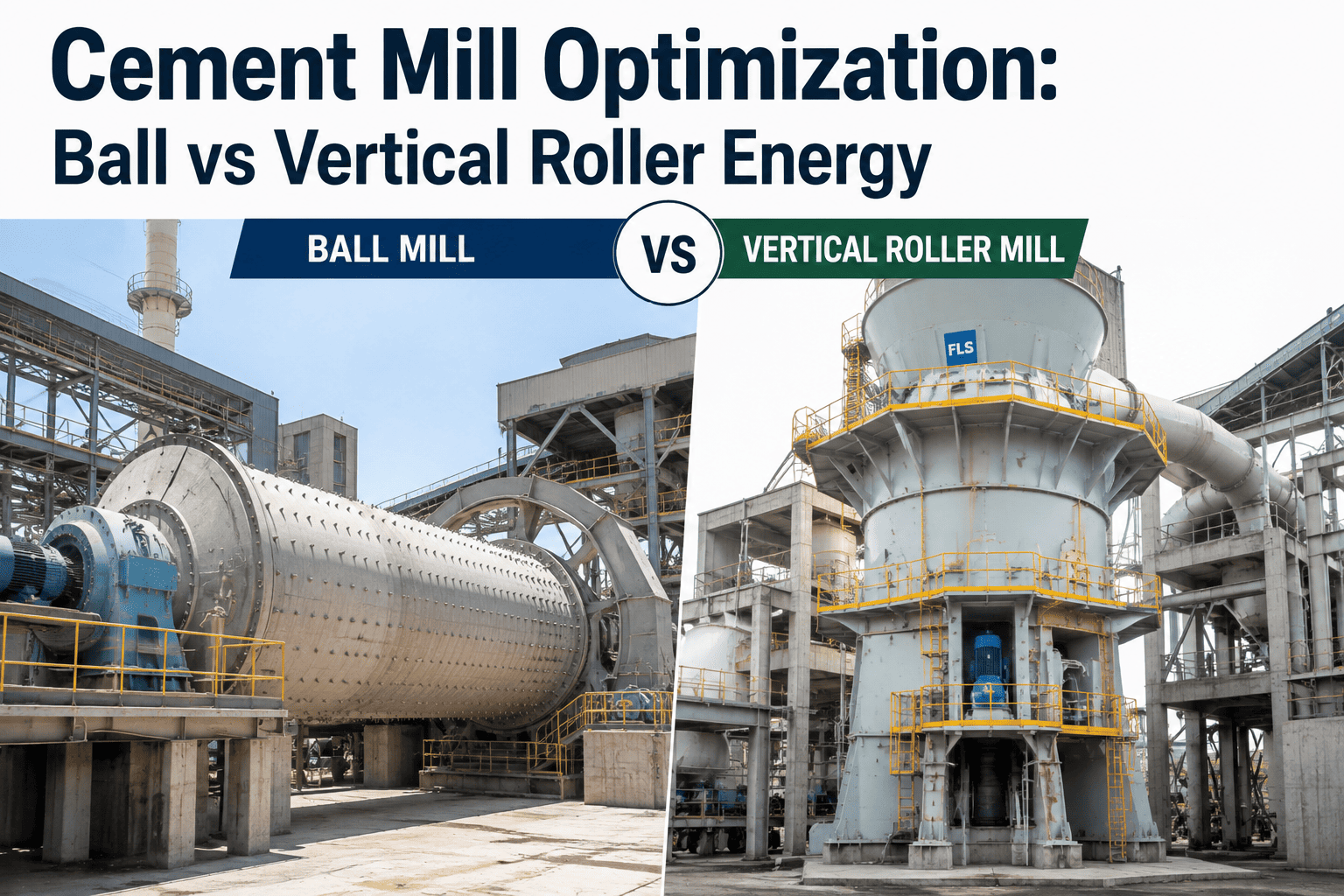
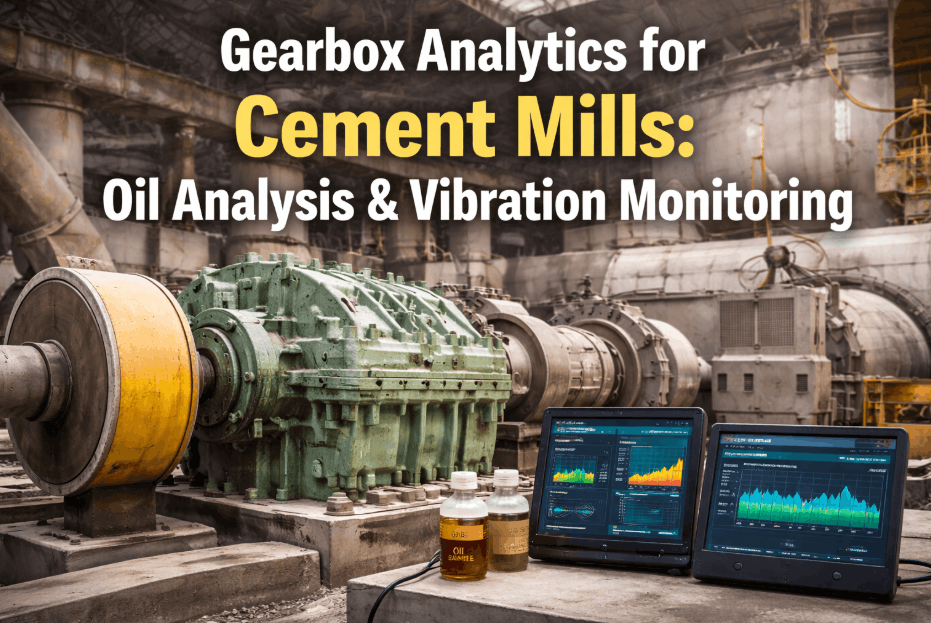
Mill drives — the gearboxes, motors, couplings, and bearing assemblies that transmit power to vertical roller mill grinding tables, ball mill shells, and coal mill grinding rollers — fail more frequently and with greater production impact than any other asset class in cement manufacturing. The operating conditions are uniquely damaging: high dynamic loads from material grinding, continuous shock loading from oversized feed particles, abrasive dust ingress that contaminates lubricating oil, and thermal cycling from mill start-stop sequences that accelerates bearing and gear fatigue. A survey of 40 cement plants conducted in 2025 found that mill drive failures accounted for 38 percent of all unplanned downtime events and 42 percent of total maintenance spend on rotating equipment. The average mill drive failure resulted in 9.3 days of lost production and cost $1.8 million in repair parts, contractor labor, and production losses. These statistics make the business case for robotic predictive maintenance on mill assets the strongest in any cement plant zone. Book an ROI assessment to quantify how robotic PdM can eliminate unplanned mill downtime at your plant.
Robotic PdM Architecture for Cement Mills: Three Patrol Tiers Covering Every Mill Asset
iFactory's robotic predictive maintenance platform deploys purpose-configured robots across three patrol tiers to ensure every mill drive, bearing, separator, classifier, and reducer is monitored on every operating shift. The architecture eliminates coverage gaps that exist in fixed sensor networks and eliminates the labor cost and safety exposure of manual vibration reading routes.
Vertical Roller Mill, Ball Mill and Coal Mill Autonomous Inspection Workflow
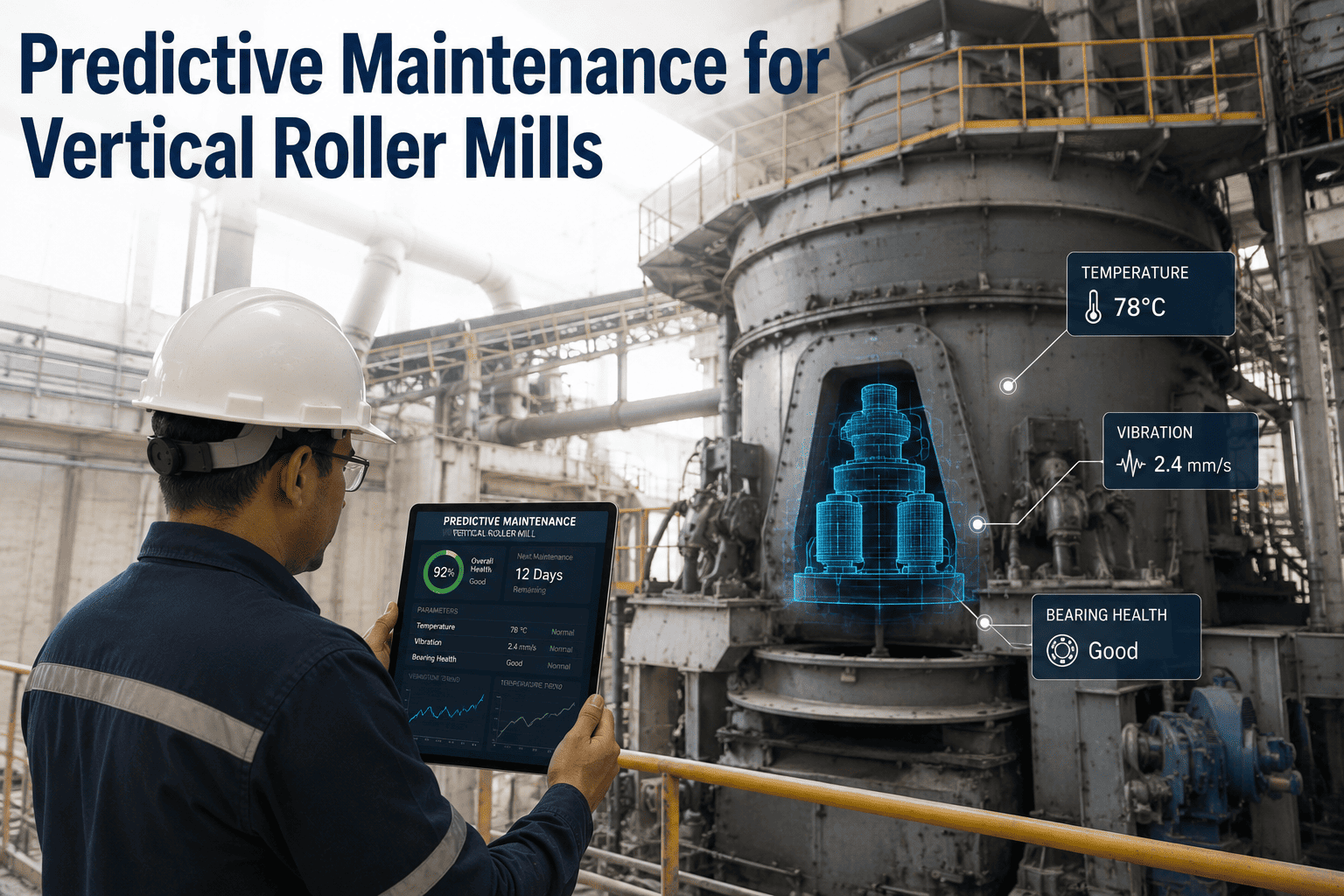
The robotic predictive maintenance workflow for cement mills follows a structured sequence that ensures consistent data collection, rapid anomaly detection, and automated work order generation. Each mill type — VRM, ball mill, or coal mill — has a tailored inspection route and sensor configuration optimized for its specific failure modes.
ROI Benchmarks: Robotic PdM vs Calendar-Based PM for Cement Mill Assets
The financial impact of transitioning from calendar-based preventive maintenance to robotic predictive maintenance is measurable across every mill asset class. The table below presents benchmark data from cement plants that have deployed iFactory's robotic PdM platform on their raw mill, coal mill, and cement mill fleets.
| Mill Asset Class | Calendar PM Cost per Year | Robotic PdM Cost per Year | Unplanned Downtime Reduction | Maintenance Cost Savings |
|---|---|---|---|---|
| Vertical Roller Mill Gearbox | $184,000 | $92,000 | 72% | $92,000 |
| Ball Mill Ring Gear & Pinion | $126,000 | $63,000 | 65% | $63,000 |
| Coal Mill Reducer & Classifier | $98,000 | $44,000 | 78% | $54,000 |
| Mill Separator Drive Assembly | $72,000 | $31,000 | 81% | $41,000 |
| Mill Motor and Coupling | $55,000 | $26,000 | 59% | $29,000 |
Annual savings per mill asset class range from $29,000 to $92,000, with a typical cement plant operating 3 to 5 mill drives realizing $250,000 to $460,000 in annual maintenance cost reduction from robotic PdM deployment. These savings do not include the additional value of avoided production losses from unplanned mill downtime events, which typically adds $500,000 to $1.5 million per year in preserved clinker production revenue.
Industry Expert Perspective: Why Robotic PdM Is the Future of Cement Mill Reliability
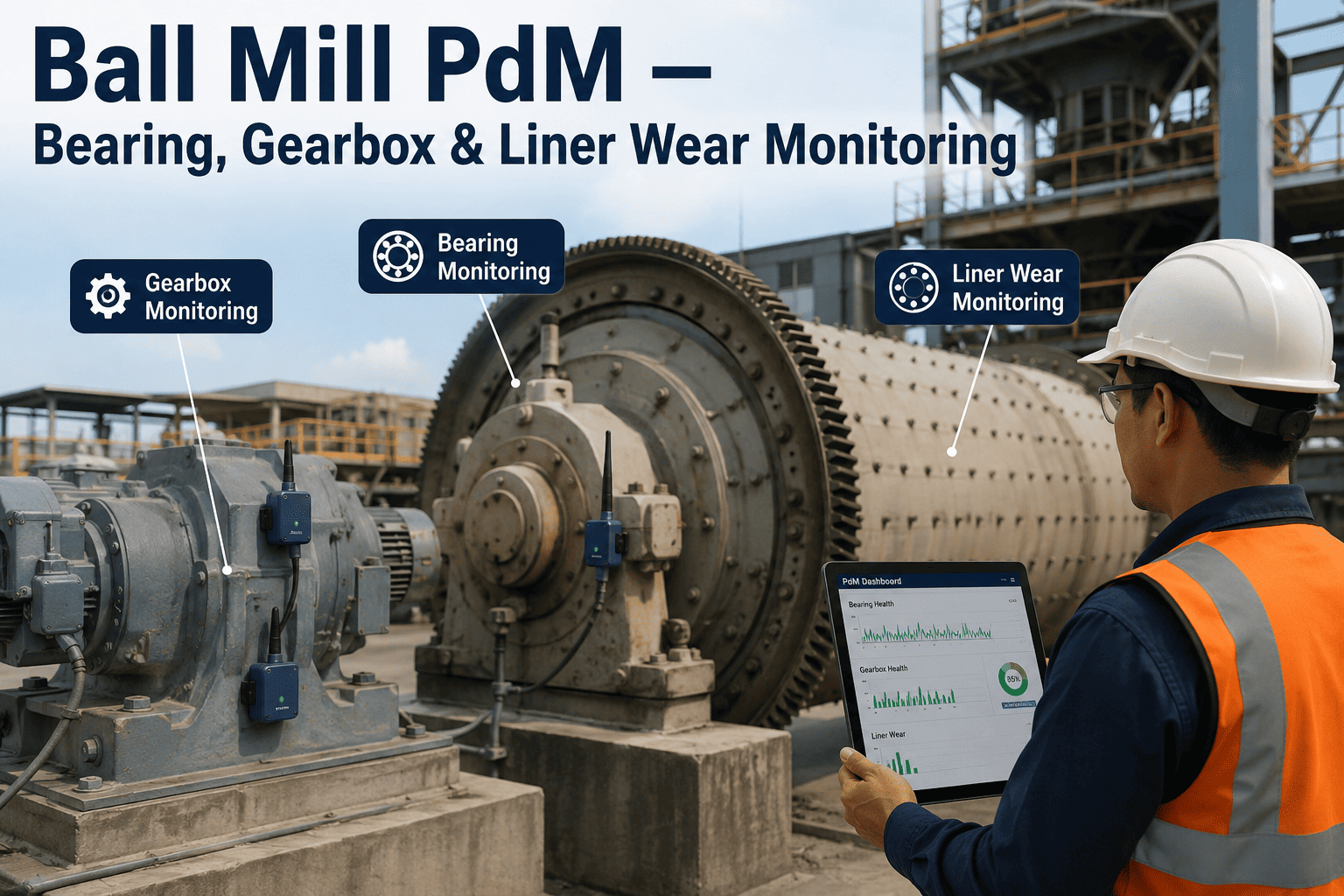
I spent 22 years as a reliability engineer and maintenance manager across three cement plants, and mill drives were always the highest-risk assets on my critical equipment list. We ran vibration analysis programs, we did oil sampling, we followed OEM-recommended PM schedules, and we still had mill gearbox failures that took a week or more to repair. The fundamental issue was data frequency — we collected vibration readings once per month on each mill, and a bearing that started spalling the day after our reading had 30 days to degrade before we would detect it. We deployed iFactory's quadruped robot for mill patrol in early 2026, and within the first 90 days the AI detected two developing bearing faults on our VRM separator that our monthly vibration program had missed entirely. One was a high-speed separator bearing with an incipient raceway spall that the robot's high-frequency acceleration enveloping identified at ultrasonic frequencies our handheld sensors could not capture. The robot's thermal camera also detected an abnormal temperature gradient on the main gearbox input bearing that indicated lubricant starvation. Both faults were corrected during scheduled maintenance windows — we avoided what would have been two separate unplanned mill outages. The robot patrol covered all three of our raw mills and both cement mills in under two hours per shift, collecting more data per patrol than our vibration technician could collect in a full eight-hour shift. We eliminated the monthly vibration contractor contract, reduced our mill PM labor hours by 40 percent, and have not experienced a single unplanned mill drive failure in the 14 months since full deployment.
Cement Raw Mill, Coal Mill and Cement Mill Robotic PdM — Frequently Asked Questions
The Decision That Determines Your Mill Fleet Reliability Trajectory — Calendar-Based PM or Autonomous Robotic Predictive Maintenance
Every month that passes with calendar-based maintenance on mill drives is a month where bearing degradation, gear wear, and lubricant breakdown progress undetected between scheduled inspection intervals. The data is unequivocal — 38 percent of cement plant downtime originates from mill drive failures, and robotic predictive maintenance has demonstrated the ability to reduce unplanned mill downtime by 65 to 81 percent. The choice is not between spending and saving — it is between investing in a robotic PdM platform that eliminates unplanned mill failures within 8 to 14 months, or continuing to accept mill drive failures as an inevitable cost of cement production. Mill drive reliability is the highest-leverage opportunity for improving cement plant overall equipment effectiveness, and autonomous robot patrols with AI-driven analytics are the most effective tool available to address it.