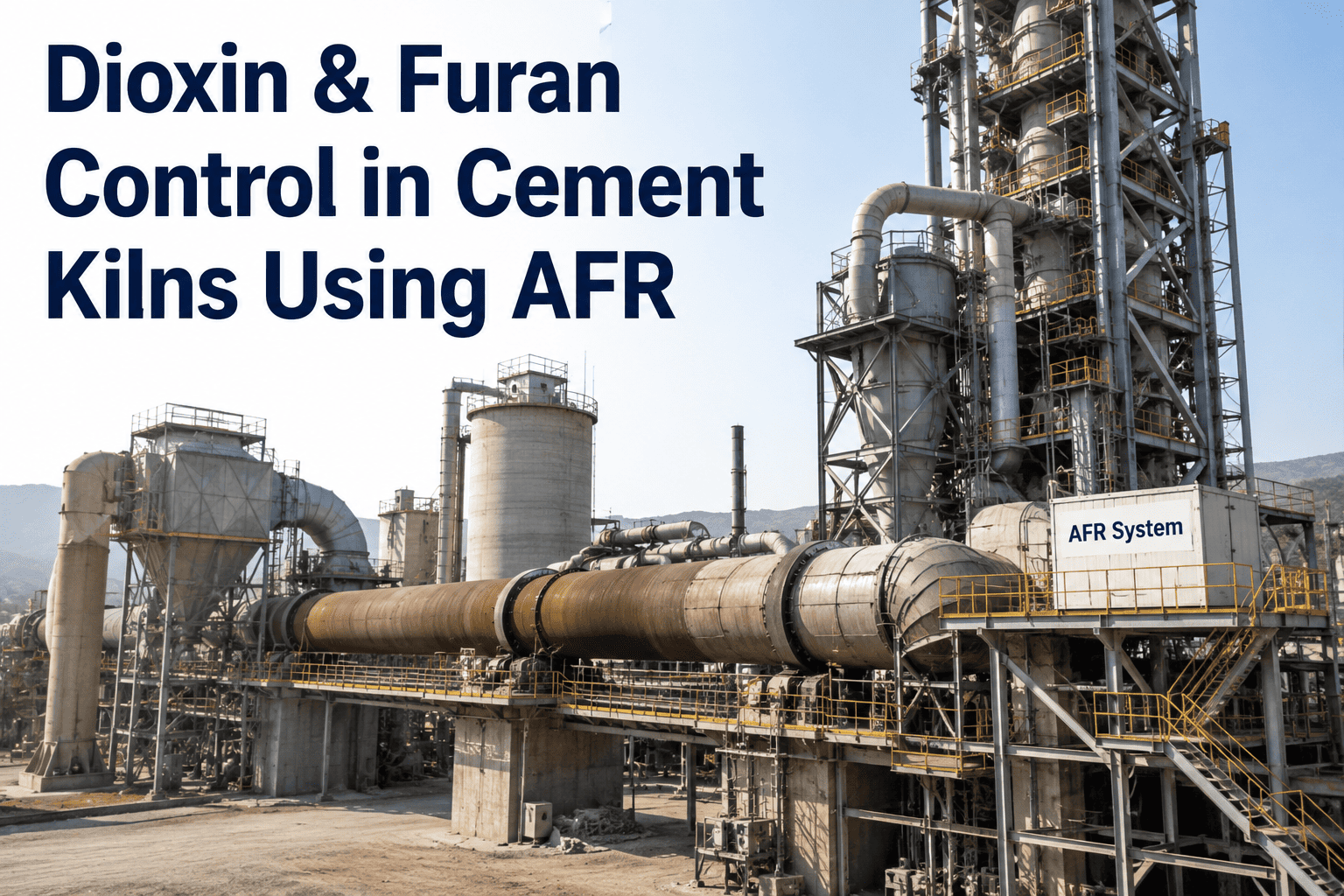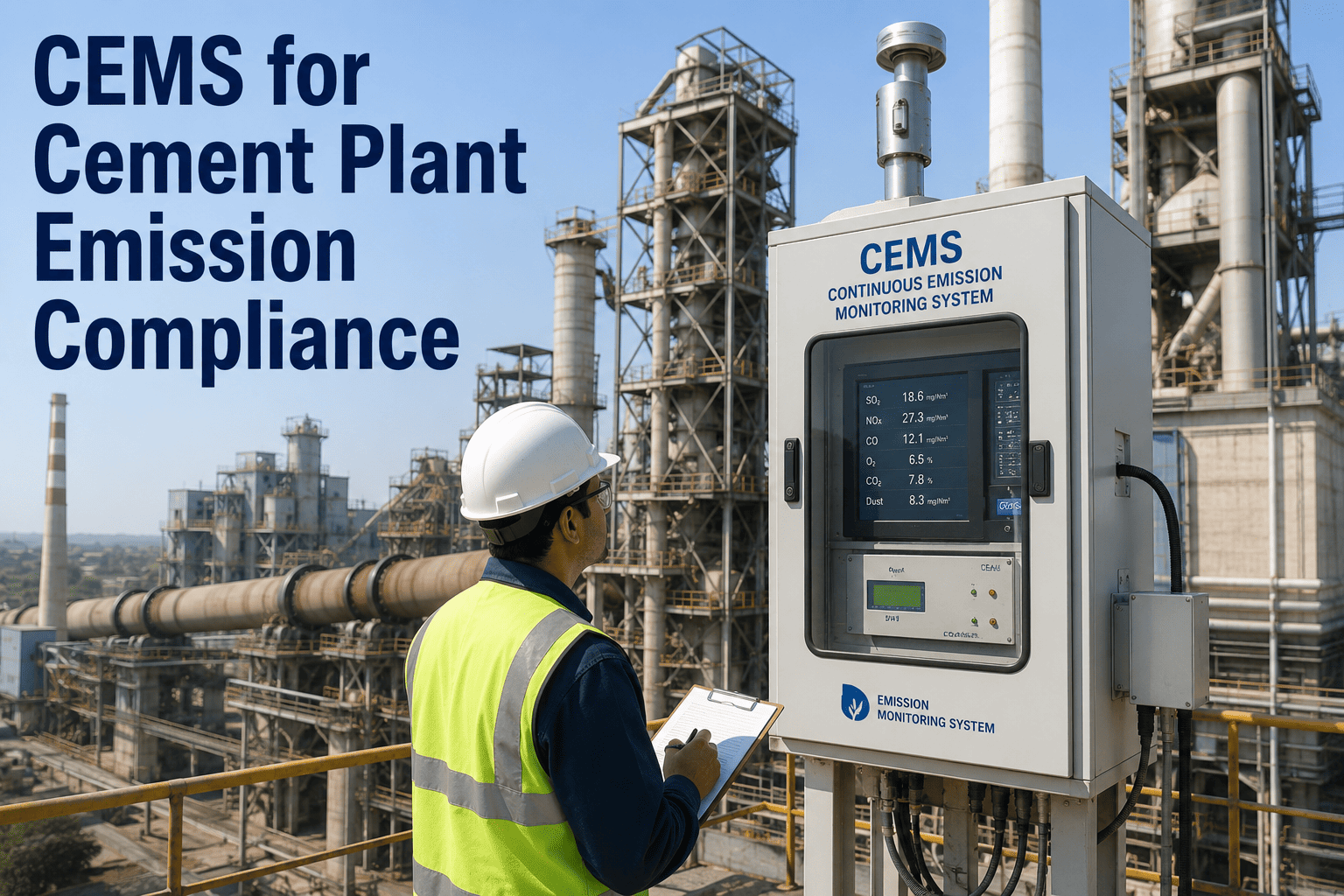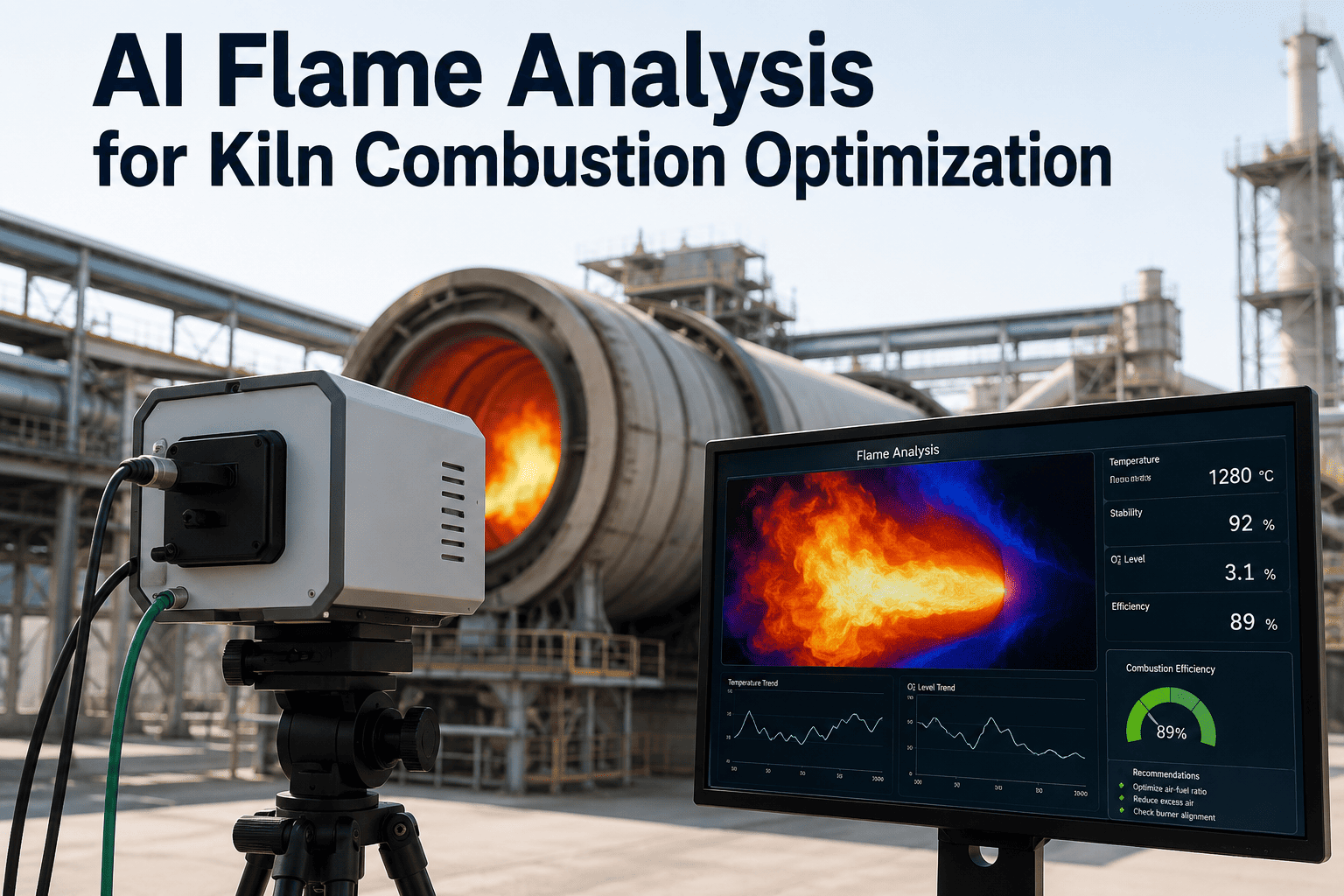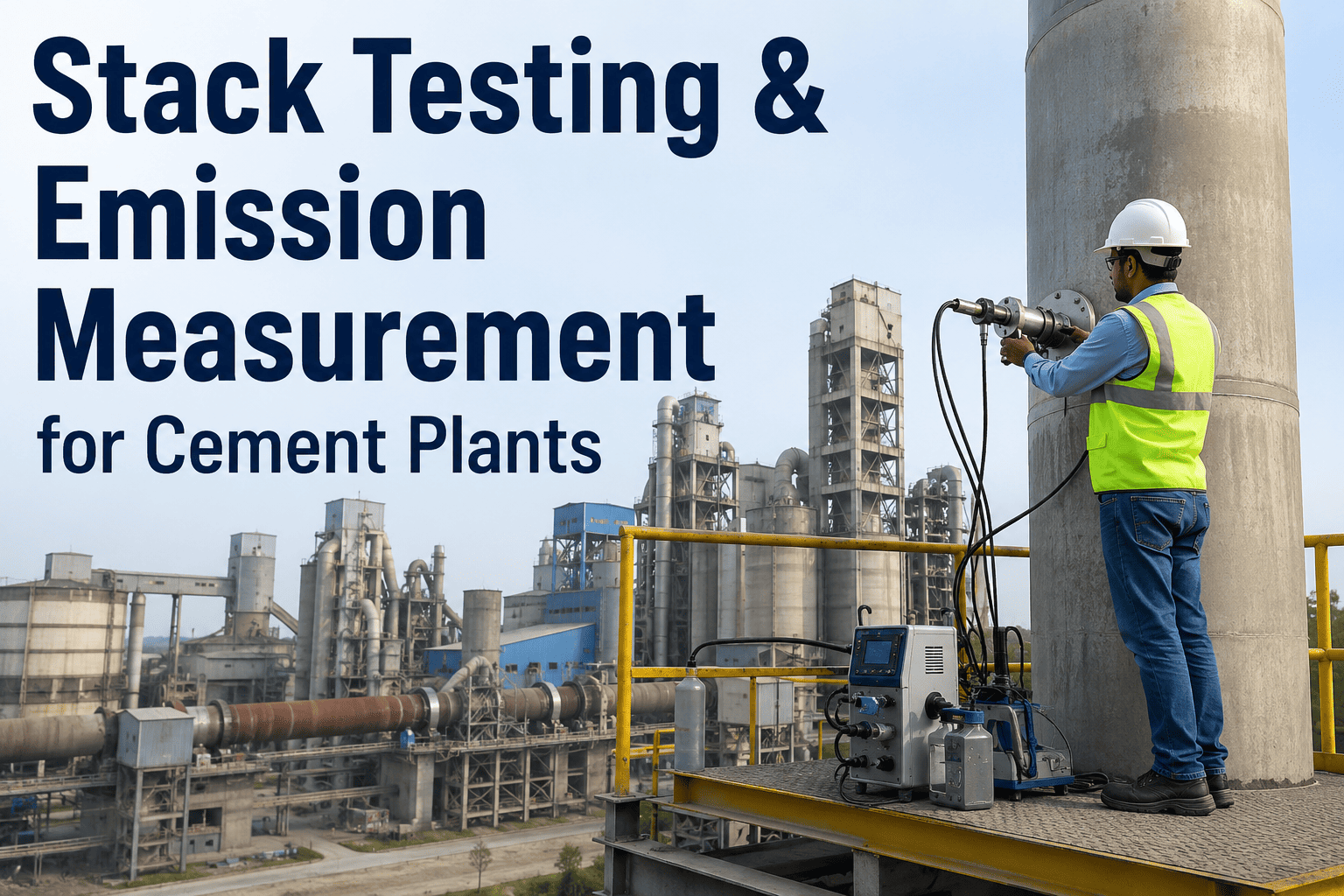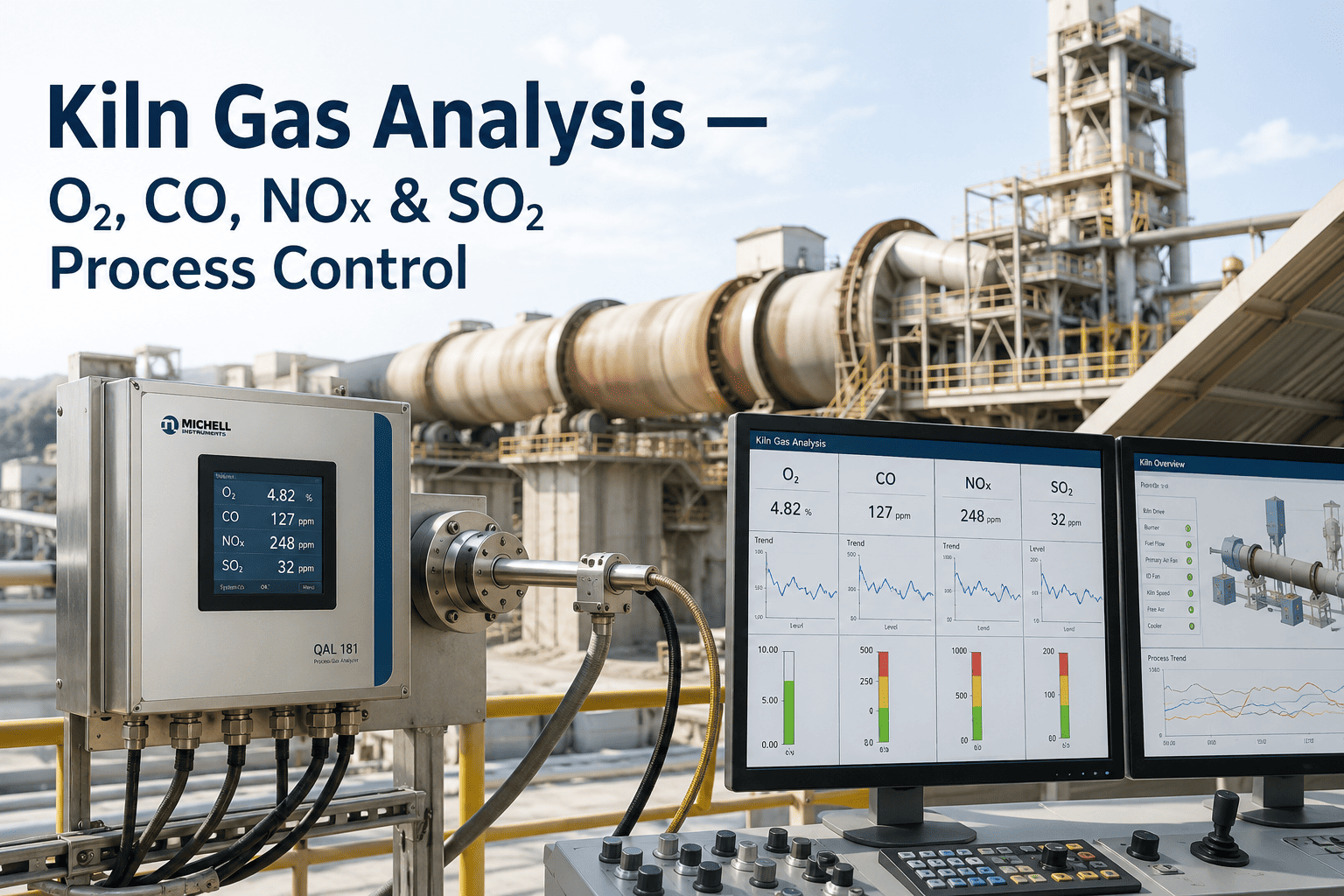
The cement manufacturing process is inherently energy-intensive, with the rotary kiln serving as the central reactor where raw meal transforms into clinker at temperatures exceeding 1450°C. Achieving optimal combustion within this high-temperature environment is critical not only for minimizing fuel consumption and maximizing clinker quality but also for adhering to increasingly stringent environmental regulations. Real-time analysis of kiln exhaust gases—specifically oxygen (O2), carbon monoxide (CO), nitrogen oxides (NOx), and sulfur dioxide (SO2)—provides the essential data needed to precisely control the air-to-fuel ratio, detect incomplete combustion, manage thermal NOx formation, and ensure effective desulfurization. By integrating continuous gas analysis with advanced process control systems, plant operators can achieve a dynamic equilibrium that reduces specific heat consumption by 3–8%, lowers NOx emissions by 15–30%, and prevents costly kiln ring formations caused by reducing atmospheres. For enterprise decision-makers striving for Industry 4.0 leadership, deploying a robust kiln gas analysis framework is not merely a compliance necessity but a strategic lever for operational excellence. Book a Demo to explore how iFactory’s AI-driven analytics transforms raw gas data into actionable combustion intelligence.
Strategic Importance of Kiln Gas Analysis in Modern Cement Plants
In the competitive landscape of cement manufacturing, every percentage point of efficiency gain translates directly into cost savings and reduced carbon footprint. Kiln gas analysis serves as the primary diagnostic tool for combustion health, providing real-time visibility into the chemical reactions occurring inside the kiln. Without accurate gas composition data, operators are essentially flying blind, relying on indirect indicators such as kiln drive power or burning zone temperature, which lag behind actual conditions. By measuring O2, CO, NOx, and SO2 at multiple points along the kiln and preheater system, advanced analytics enable predictive adjustments that prevent process upsets, reduce refractory wear, and minimize emissions. This section explores the foundational role of gas analysis in achieving sustainable, high-performance cement production.
Optimize Your Kiln Combustion Today
Unlock the full potential of your cement plant with precision gas analysis and AI-driven control. Schedule a demonstration with our experts.
Understanding the Four Critical Gases: O2, CO, NOx, and SO2
Each gas component in the kiln exhaust stream provides a unique fingerprint of the combustion and material reactions occurring inside the kiln. Oxygen (O2) levels indicate the excess air supplied to the burner, directly influencing flame temperature and heat transfer efficiency. Carbon monoxide (CO) is a telltale sign of incomplete combustion, often caused by insufficient oxygen or poor fuel-air mixing. Nitrogen oxides (NOx) are primarily formed through thermal fixation of atmospheric nitrogen at high temperatures, with peak formation occurring above 1500°C. Sulfur dioxide (SO2) originates from the oxidation of sulfur compounds in the raw materials and fuel, and its concentration is tightly linked to the kiln's desulfurization chemistry. Understanding the interplay between these gases is essential for designing effective control strategies that balance combustion efficiency, emission compliance, and clinker quality.
O2 Monitoring
Target range: 2-4% by volume at kiln inlet. Below 1.5% risks incomplete combustion and CO spikes; above 5% wastes energy by heating excess air.
CO Monitoring
Keep CO below 200 ppm. Elevated CO indicates poor combustion, leading to fuel waste, reducing atmosphere, and potential kiln ring formation.
NOx Measurement
Typical range: 400-1200 mg/Nm3. Control via staged combustion, selective non-catalytic reduction (SNCR), or selective catalytic reduction (SCR).
SO2 Monitoring
Varies widely with raw material sulfur content. Integrated with CEMS to ensure compliance with regional limits (often < 200 mg/Nm3).
Evolution of Kiln Gas Analysis: From Manual Sampling to AI-Driven Predictive Control
Manual Sampling Era (Pre-1990s)
Operators collected grab samples from the kiln exhaust using stainless steel probes, analyzing them in a laboratory gas chromatograph. Results were hours old, offering no real-time control capability.
Introduction of In-Situ Analyzers (1990s-2000s)
Extractive and in-situ gas analyzers were installed at the kiln inlet and preheater exit, providing continuous O2, CO, and NOx measurements. These systems required frequent calibration and maintenance due to harsh conditions.
Integration with DCS and CEMS (2000s-2010s)
Continuous emission monitoring systems (CEMS) became mandatory in many jurisdictions. Gas analyzers were integrated with distributed control systems (DCS) for closed-loop combustion control, enabling automatic trim adjustments.
AI-Powered Predictive Analytics (2020s and Beyond)
iFactory’s platform leverages machine learning models trained on historical gas data, kiln parameters, and raw material characteristics to predict future gas concentrations and recommend proactive setpoint changes. This reduces variability and optimizes combustion in real-time.
Key Technologies for Kiln Gas Composition Measurement
Extractive Gas Analyzers
Sample gas is extracted through a heated probe, filtered, and conditioned before being analyzed by nondispersive infrared (NDIR) sensors for CO, NOx, SO2, and paramagnetic or zirconia sensors for O2. Suitable for multi-point sampling.
In-Situ Laser Analyzers
Tunable diode laser absorption spectroscopy (TDLAS) measures gas concentration directly across the duct using a laser beam. Offers fast response (sub-second) and minimal maintenance, ideal for O2 and CO.
FTIR Spectrometers
Fourier transform infrared (FTIR) analyzers provide simultaneous measurement of multiple gas components, including water vapor, HCl, and HF, making them ideal for comprehensive CEMS applications.
Paramagnetic O2 Analyzers
Based on the paramagnetic property of oxygen, these analyzers offer high accuracy and stability for O2 measurement in the kiln exhaust, often used as a reference for other sensors.
Comparative Performance of Gas Analysis Technologies in Cement Kilns
| Technology | Gases Measured | Response Time | Accuracy | Maintenance Frequency |
|---|---|---|---|---|
| Extractive NDIR | CO, NOx, SO2 | 10-30 s | ±1% of span | Weekly |
| In-Situ TDLAS | O2, CO | < 1 s | ±0.5% of reading | Monthly |
| FTIR | All major gases | 30-60 s | ±2% of reading | Bi-weekly |
| Paramagnetic O2 | O2 | 5-10 s | ±0.1% O2 | Monthly |
Transform Your Kiln Gas Data into Operational Intelligence
Integrate real-time gas analysis with iFactory’s AI platform to achieve unprecedented control over combustion efficiency and emissions.
Advanced Control Strategies Leveraging Real-Time Gas Data
Modern cement plants employ a hierarchy of control loops that utilize kiln gas composition data to optimize combustion. At the most basic level, a PID controller adjusts the primary fan speed to maintain a target O2 concentration at the kiln inlet. More advanced strategies incorporate feed-forward control based on kiln feed rate and fuel composition, as well as model predictive control (MPC) that considers the dynamic response of the system. iFactory’s platform enhances these traditional controls by adding a predictive layer that anticipates future gas trends based on historical patterns and current operating conditions. For example, if the model predicts a CO spike due to an impending raw meal composition change, it can proactively increase the secondary air flow to maintain complete combustion. This results in smoother operation, reduced emissions, and lower specific fuel consumption.
Feed-Forward O2 Control
Uses kiln feed rate and fuel flow to pre-set the air flow, minimizing O2 variability. Reduces oxygen trim adjustments by 40%.
CO/NOx Cross-Limiting Control
When CO rises, the controller limits NOx reduction efforts to avoid creating a reducing atmosphere. Balances emissions and combustion quality.
Predictive SO2 Management
AI model forecasts SO2 peaks based on raw material sulfur content and kiln temperature profile, enabling proactive lime injection for desulfurization.
Adaptive Combustion Optimization
Machine learning continuously updates the control model based on recent data, adapting to fuel changes, weather conditions, and refractory wear.
Seven Key Benefits of Implementing Continuous Kiln Gas Analysis
- 1Reduced fuel consumption by 3-8% through precise air-to-fuel ratio control.
- 2Lower NOx emissions by 15-30% via staged combustion and SNCR optimization.
- 3Minimized CO spikes that cause kiln ring formation and production losses.
- 4Enhanced clinker quality due to consistent burning zone conditions.
- 5Extended refractory life by avoiding reducing atmospheres and thermal cycling.
- 6Improved compliance with regional emission limits, avoiding fines and shutdowns.
- 7Real-time visibility for operators, enabling faster, data-driven decisions.
Frequently Asked Questions About Kiln Gas Analysis
What is the ideal O2 level in a cement kiln exhaust?
The optimal O2 concentration at the kiln inlet typically ranges between 2% and 4% by volume. Levels below 1.5% indicate a risk of incomplete combustion, leading to elevated CO and potential reducing atmosphere conditions that can damage refractory and form kiln rings. Conversely, O2 above 5% wastes energy by heating excess air, reducing thermal efficiency. The exact target depends on fuel type, burner design, and kiln configuration. iFactory’s platform can help you identify the specific optimal range for your kiln by analyzing historical data and combustion performance. For a personalized assessment, Book a Demo.
How does CO monitoring improve kiln operation?
Carbon monoxide is a direct indicator of incomplete combustion. Even small quantities (above 200 ppm) signal that fuel is being wasted and that a reducing atmosphere exists inside the kiln. This condition can lead to the formation of ferrous sulfide rings, which restrict material flow and cause production stoppages. Continuous CO monitoring allows operators to make immediate adjustments to the air flow or fuel rate, preventing these issues. Advanced analytics can even predict CO spikes before they occur, enabling proactive control. To see how iFactory’s predictive CO management works in practice, contact our support team.
What is the relationship between NOx and O2 in the kiln?
NOx formation in cement kilns is highly dependent on flame temperature and oxygen availability. Thermal NOx increases exponentially with temperature, peaking in the burning zone where temperatures exceed 1500°C. Higher O2 levels generally promote NOx formation because more oxygen is available for nitrogen oxidation. However, reducing O2 too much can cause incomplete combustion and CO spikes. Therefore, the control strategy must balance these factors. Techniques such as staged combustion (using a low-NOx burner) and selective non-catalytic reduction (SNCR) with ammonia injection are commonly employed. iFactory’s AI platform optimizes this trade-off in real-time. For a detailed analysis of your plant’s NOx reduction potential, Book a Demo.
How does SO2 monitoring help with emission compliance?
Sulfur dioxide emissions are primarily determined by the sulfur content of the raw materials and fuel. In the kiln, most sulfur is absorbed by the clinker, but under certain conditions (e.g., high temperature, reducing atmosphere), SO2 can be released into the exhaust gas. Continuous SO2 monitoring is essential for compliance with regional emission limits, which are often set below 200 mg/Nm3. When SO2 levels exceed the threshold, operators can adjust the kiln chemistry by adding lime or other desulfurizing agents. iFactory’s predictive models can forecast SO2 peaks based on raw material variability, allowing for proactive adjustments. For more information on integrated CEMS solutions, contact our support team.
What maintenance is required for kiln gas analyzers?
Gas analyzers in cement kilns operate in extremely harsh conditions, with high temperatures, dust, and corrosive gases. Extractive analyzers require regular cleaning of the sample probe and filter, as well as periodic calibration using span gases. In-situ laser analyzers are more robust but still need occasional alignment checks and window cleaning. iFactory’s platform includes built-in diagnostic tools that monitor analyzer health and alert maintenance teams when calibration drift or component wear is detected. This predictive maintenance approach reduces downtime and ensures data reliability. To learn about our comprehensive analyzer management features, Book a Demo.
Ready to Achieve Combustion Excellence?
Integrate kiln gas analysis with iFactory’s AI-driven platform to reduce fuel costs, lower emissions, and improve clinker quality. Schedule your personalized demo today.