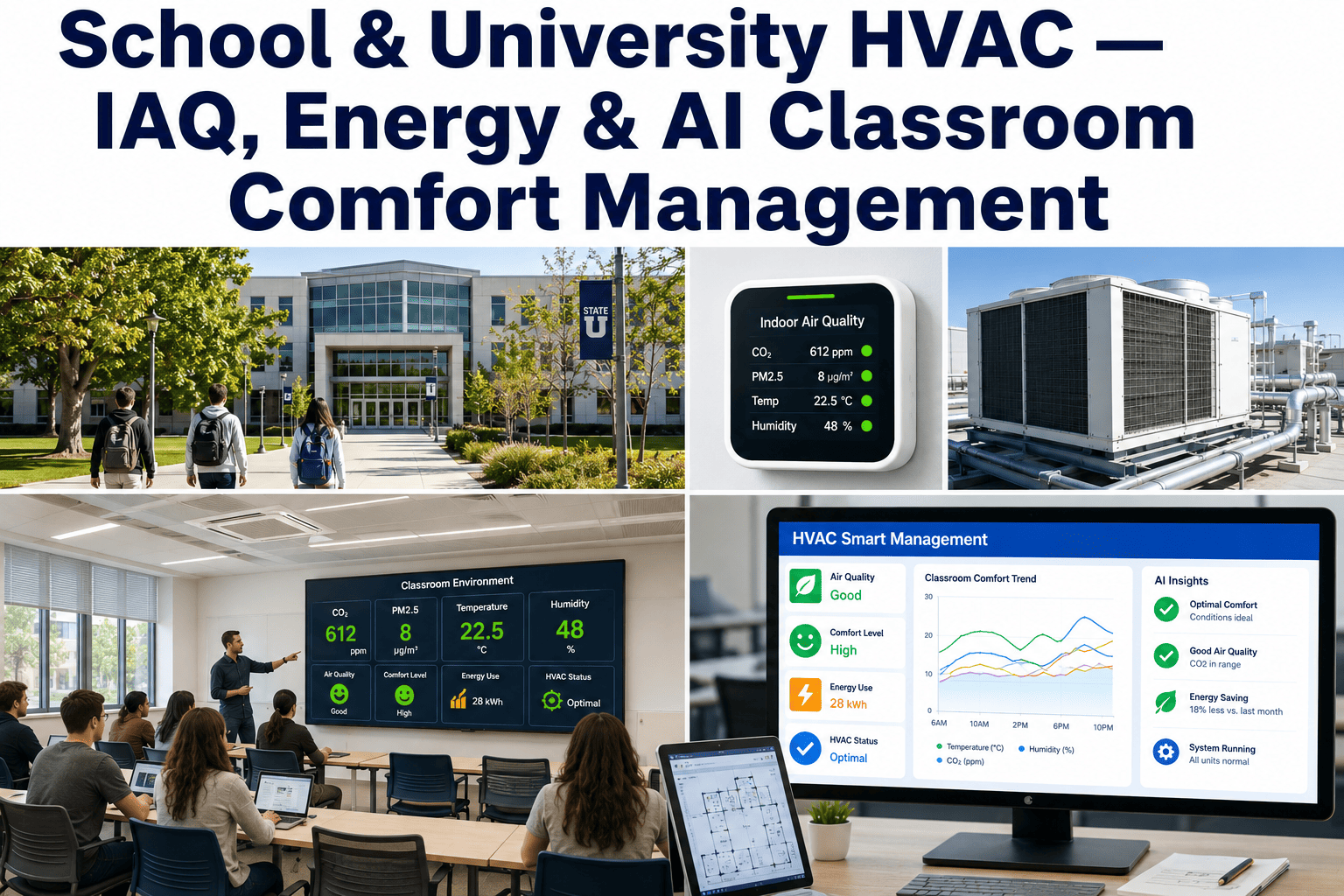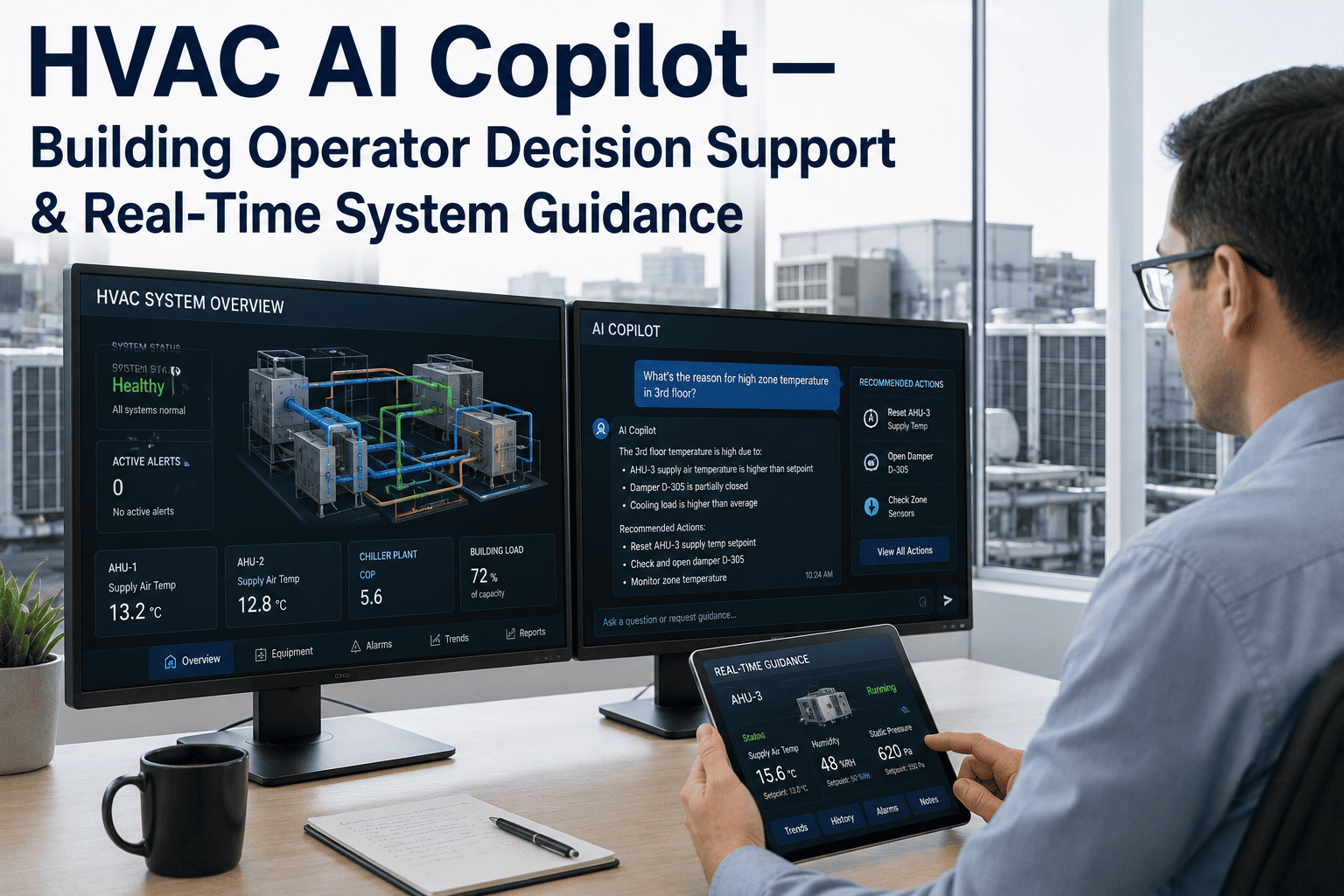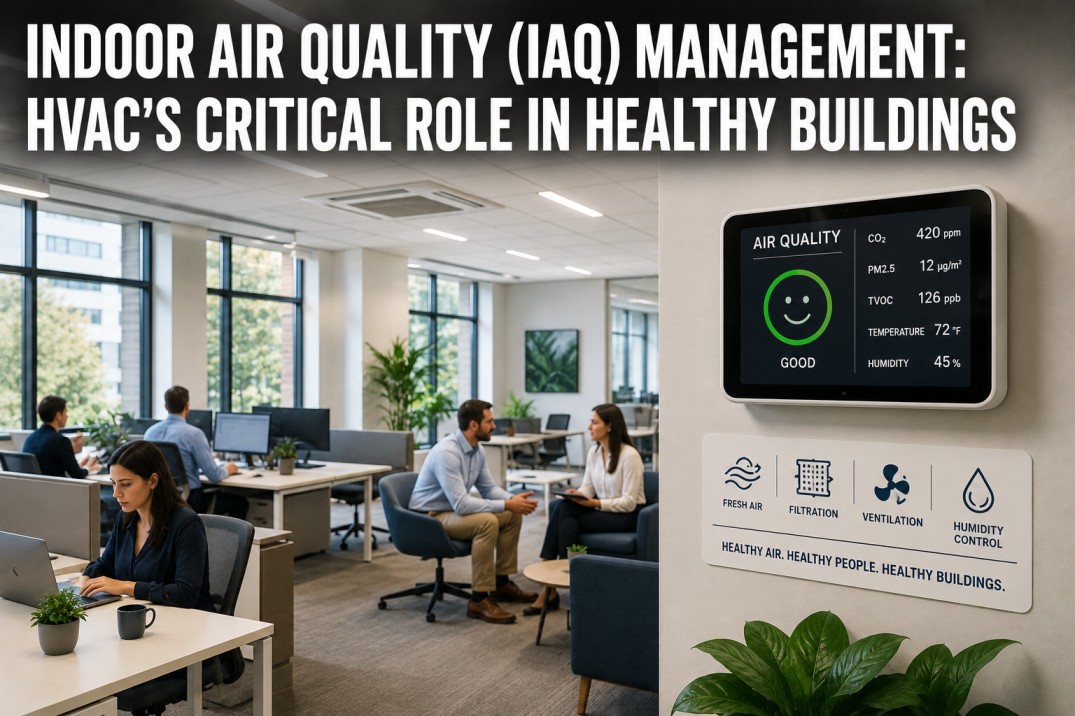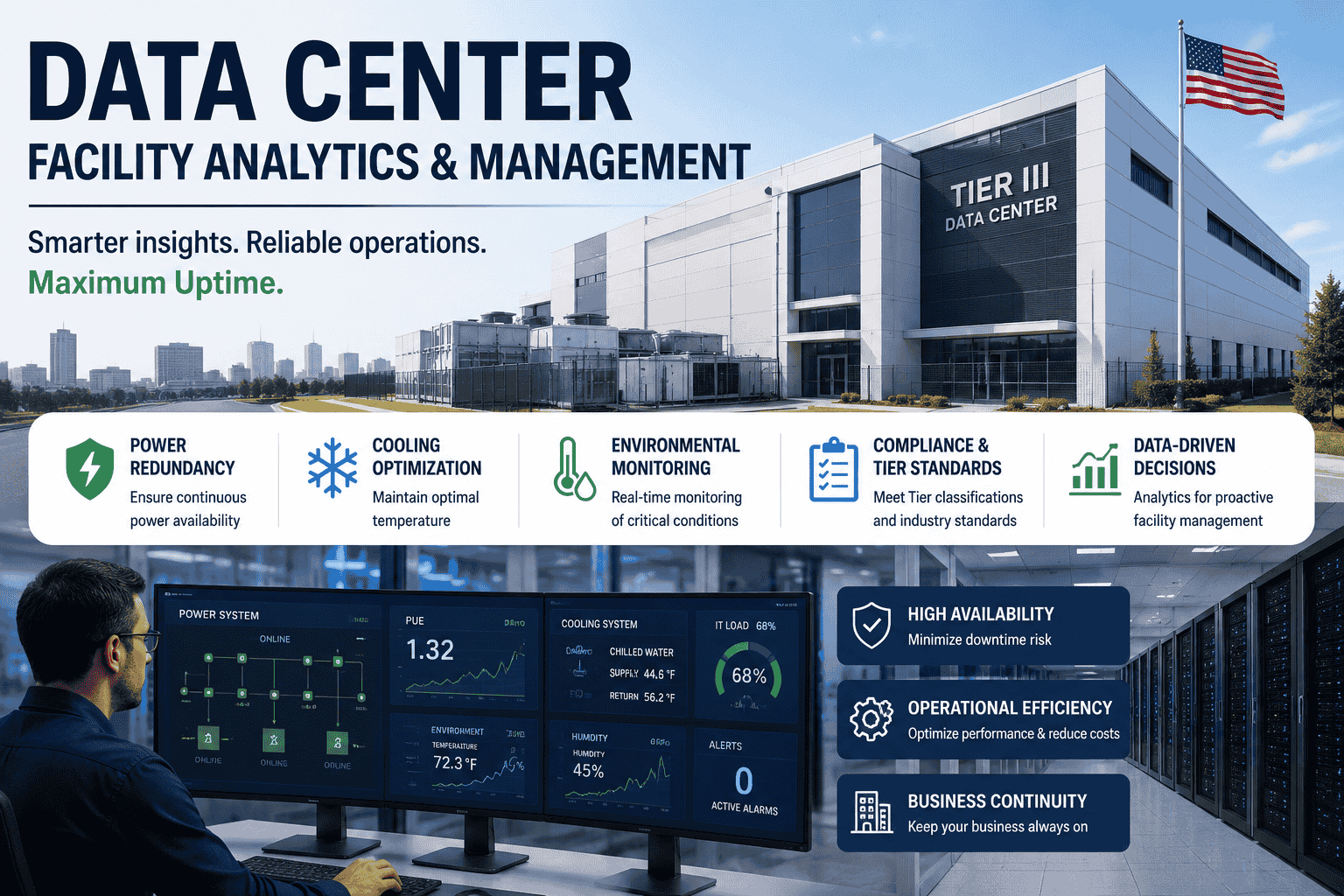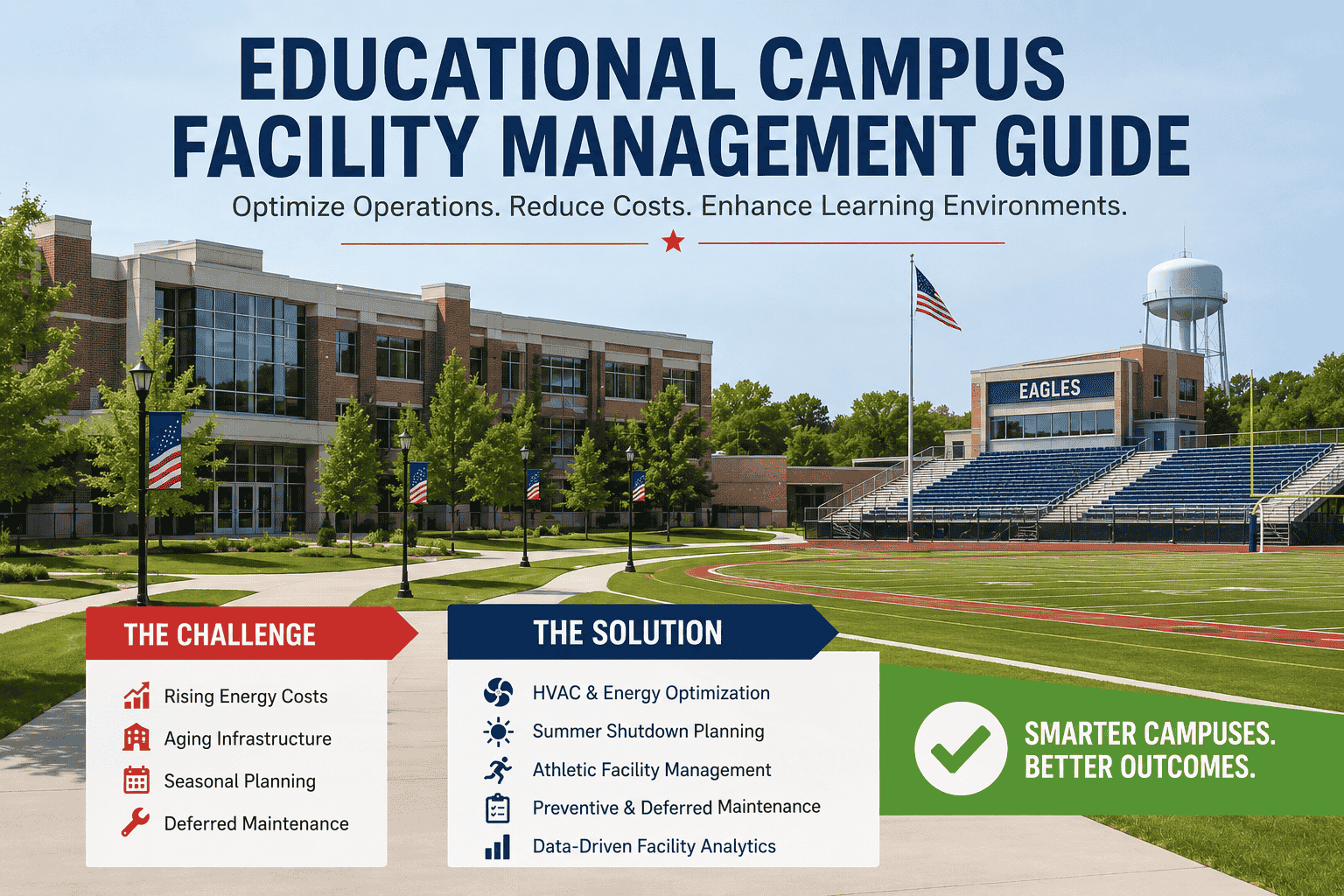
An educational campus runs on a calendar nobody else's facility does — August anxiety, September quiet, December close-down, June explosion. The summer window between June and August holds 60-70% of all annual preventive maintenance work, and the teams that maximize it clear deferred maintenance backlogs while everyone else's slips deeper. With K-12 districts sitting on $85+ billion in deferred maintenance and higher education facing $112+ billion of its own, facility condition has become an institutional survival issue. iFactory Campus Operations Intelligence brings academic-calendar workflows, summer shutdown planning, FCI tracking, and compliance documentation into one platform. Book a demo to walk through a complete campus operations program.
Campus Operations Built Around the Academic Calendar
A practical guide to running educational facility operations — covering the summer shutdown window, building-portfolio management, deferred maintenance prioritization, and the FCI metric that wins capital budgets and bond approvals.
Three Distinct Operating Modes Across One Calendar
Educational facilities operate in three sharply different modes across the year. Each mode demands its own work types, staffing, and constraints. Failing to plan for the transitions is the single biggest source of overrun on campus projects — and getting them right is what separates well-run facilities from constantly-reactive ones.
Academic Year Mode
Classes in session, buildings fully occupied. Maintenance must be invisible — no class disruption, no noise during instruction, no closed bathrooms during lunch.
Summer Shutdown Window
The strategic window. 60-70% of annual PM happens here. Capital projects, HVAC overhauls, deferred work catch-up. The teams that maximize it stay ahead; the teams that don't fall further behind.
Pre-Opening Verification
The final two weeks before classes resume. Walk every building, verify every system, fix anything that won't survive week one. The buffer between summer work and full occupancy.
Different Building Types Demand Different Maintenance Programs
A "campus" looks unified from the outside, but it actually contains six distinct property portfolios — each with its own systems, codes, compliance burden, and rhythm. Treating them as one facility is why so many campus programs feel uneven; running them as six portfolios is how the best operators succeed.
Classroom Buildings
The campus core. HVAC, lighting, acoustics, ADA compliance, IT infrastructure. Continuous occupancy demands invisible maintenance.
Research Laboratories
Higher-ed specific. Fume hoods, biosafety cabinets, gas systems, vibration-sensitive equipment. Most regulated building type.
Residence Halls
24/7 occupancy during the academic year. Plumbing, HVAC, fire safety, accessibility. Summer flip is the most time-pressured project on campus.
Athletic Facilities
Gyms, fields, pools, locker rooms. Court & field surface specifications, pool chemistry, locker room hygiene, game-day readiness cycles.
Dining & Food Service
Commercial kitchens and dining halls. NFPA 96 grease exhaust, health inspections, walk-in coolers, ware-washing equipment maintenance.
Central Utilities
Central boilers, chillers, electrical distribution, water treatment, utility tunnels. The hidden infrastructure every other building depends on.
A Week-by-Week Plan for the 8–10 Week Window
The teams that maximize the summer window plan it as four distinct phases — each with its own work types, staffing, and gating criteria. Mobilization can't start before the campus is empty. Major projects can't run during pre-opening. Each phase enables the next.
Mobilization & Move-Out
Residence halls vacate. Contractors mobilize. Work zones secured with appropriate access control. Final inspections capture damage list.
Heavy Project Execution
The peak work window. HVAC overhauls, roof replacements, floor refinishing, capital improvements, ADA upgrades. Full-throttle project execution.
Annual PM Completion
Every building's annual PM cycle finished. HVAC verification, fire system testing, electrical inspection, plumbing audit. Documentation captured.
Pre-Opening Walk-Through
Building-by-building walks. Punch lists. System test runs. Classroom certification. The campus ready for full occupancy on day one of classes.
Configure Your Campus Operations Around the Calendar That Actually Runs It
Our team maps your building portfolio, summer project pipeline, and deferred maintenance backlog — then configures iFactory with academic-calendar workflows so PM cycles, summer projects, and pre-opening walk-throughs run on a system, not staff memory.
The Number Every Board, Bond Rating Agency, and Accreditation Body Wants
The Facilities Condition Index (FCI) is the metric that converts maintenance into a language executives understand. It's calculated by dividing the cost of identified deficiencies by the building's replacement value. Lower is better. The bands below define what's good, concerning, and critical — and where bond referendums become necessary.
Routine Maintenance Sufficient
No accumulation of deferred work. Capital budget can focus on improvements rather than catch-up. Where every campus aims to be.
Deferred Maintenance Accumulating
Capital plan should target deficiency reduction over 3-5 years before condition deteriorates further. Time to act.
Significant Backlog & Visible Decline
Major capital investment required. Visible system deterioration. Bond referendum or major capital campaign often necessary.
Replacement May Beat Repair
Facility approaching end of useful life. Strategic decisions required at the institutional level — replace, repurpose, or close.
Two Asset Classes That Look Alike From Outside
K-12 districts and higher education campuses appear similar — students, classrooms, summer breaks, athletic fields. Underneath, they're quite different operating models with different scales, compliance burdens, funding sources, and accountability structures.
Frequently Asked Questions
Why is the summer window so important to campus operations?
It's the only time of year when most buildings can be taken offline for invasive work. During the academic year, classrooms are in continuous use, dormitories are full, and any major HVAC, roof, or plumbing project disrupts learning. The 8-10 week summer window holds 60-70% of annual PM volume, all major capital projects, and the deferred maintenance catch-up work that won't fit anywhere else without disruption.
What does the 2026 enrollment cliff mean for campus facilities?
The decline in traditional-age college students projected for 2026 transforms facility quality into a competitive differentiator. With fewer students choosing among institutions, well-maintained campuses retain enrollment at meaningfully higher rates than visibly deteriorating ones. Every student lost to facility condition represents substantial annual tuition revenue — the same revenue that would have funded the maintenance that would have retained them.
How do facility directors win capital approval for deferred maintenance?
By presenting FCI scores, cost-of-deferral projections, and credible 5-year capital plans backed by documented condition data. Boards and voters approve funding when the request is grounded in measurable evidence rather than narrative urgency. CMMS-generated reports showing building-by-building FCI trends, work backlog, and cost escalation projections are far more persuasive than spreadsheet estimates compiled the week before the meeting.
What compliance requirements are unique to educational facilities?
K-12 facilities must comply with AHERA asbestos management plans, EPA lead paint requirements (for buildings built before 1978), ADA accessibility, NFPA life safety codes, and state minor occupancy regulations. Higher education adds research lab biosafety levels, IACUC animal facility standards, and accreditation-specific facility requirements. The compliance burden is meaningfully heavier than typical commercial facilities of similar size.
How does iFactory support campus facility operations?
Academic calendar integration automatically queues deferred projects, summer PM cycles, and capital work into the summer shutdown window. Building-by-building FCI tracking produces the data package for capital planning and bond referendums. Compliance domains (OSHA, AHERA, EPA, ADA, NFPA) auto-tag relevant work orders. Faculty and staff submit work requests without training. Mobile workflows let technicians complete checklists across dispersed campus buildings.
Build a Campus Operation That Wins Capital Budgets
Stop running campus operations on spreadsheets, paper binders, and tribal knowledge. Bring academic calendar workflows, building-portfolio management, FCI tracking, and compliance documentation into one platform built for K-12 districts and higher education.