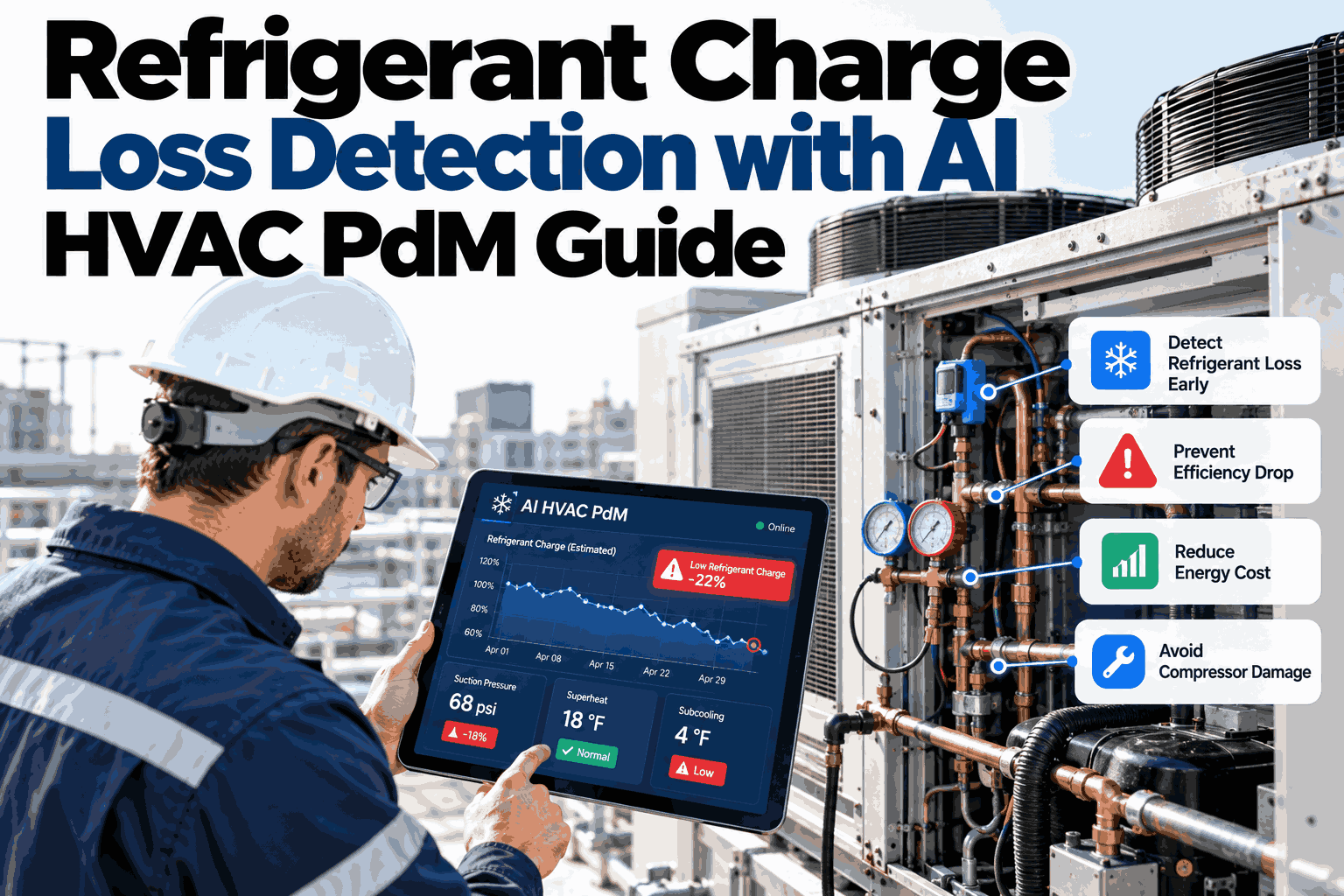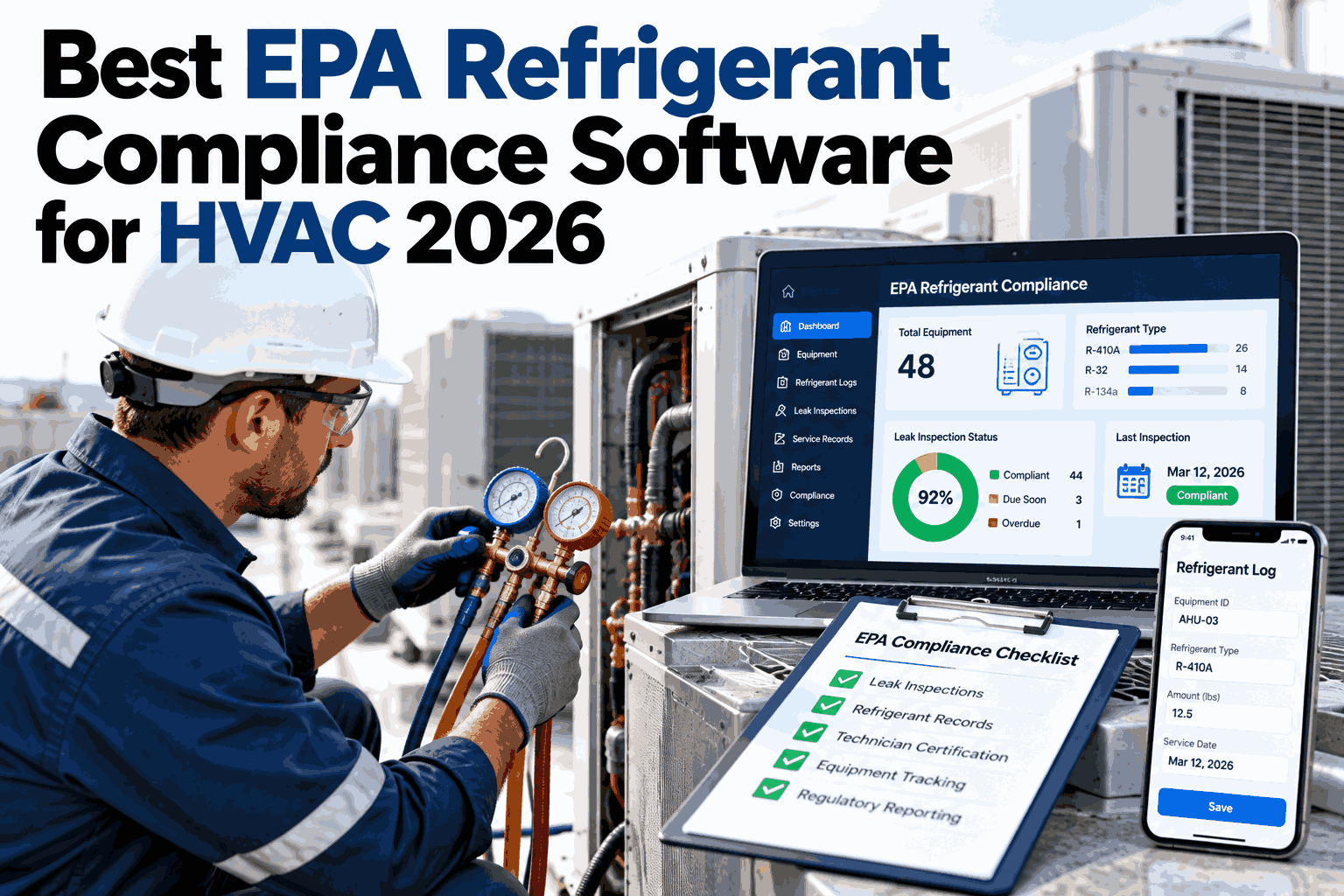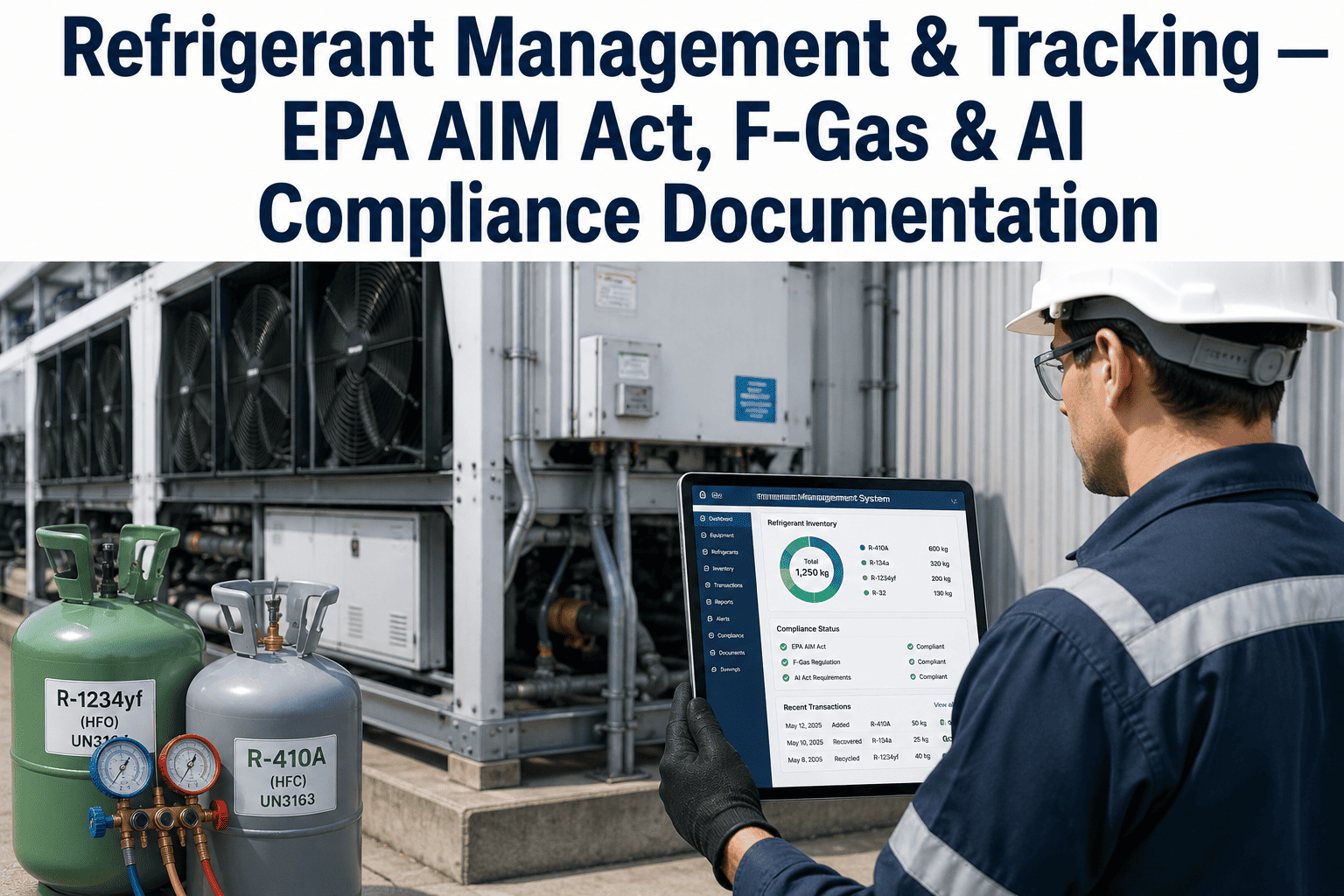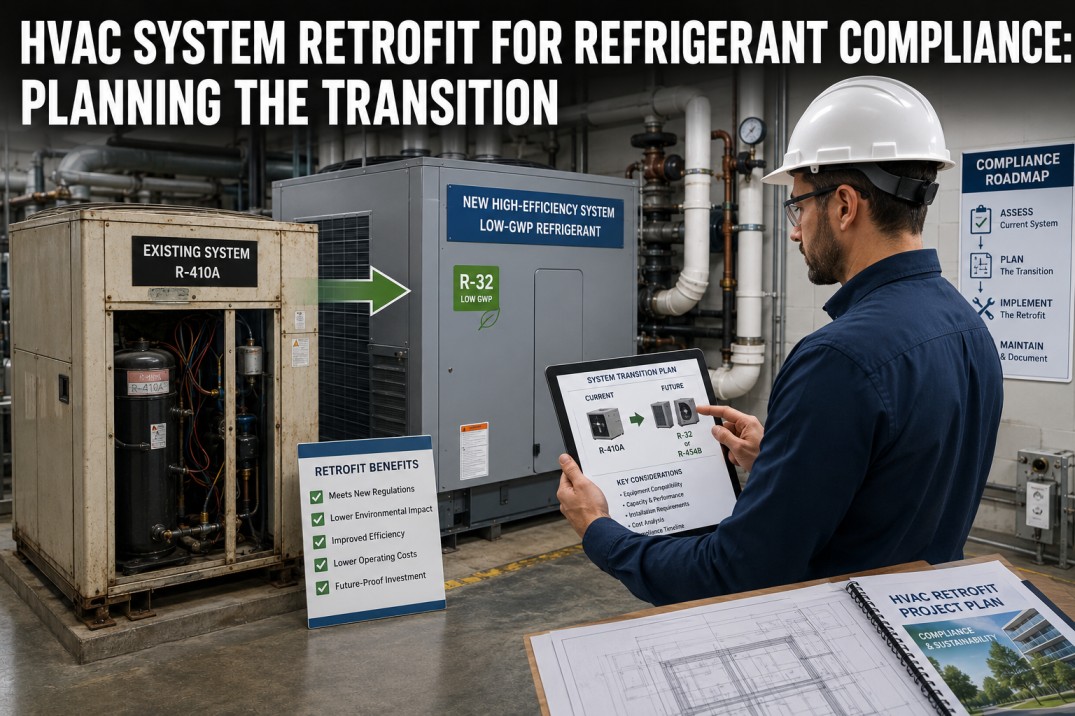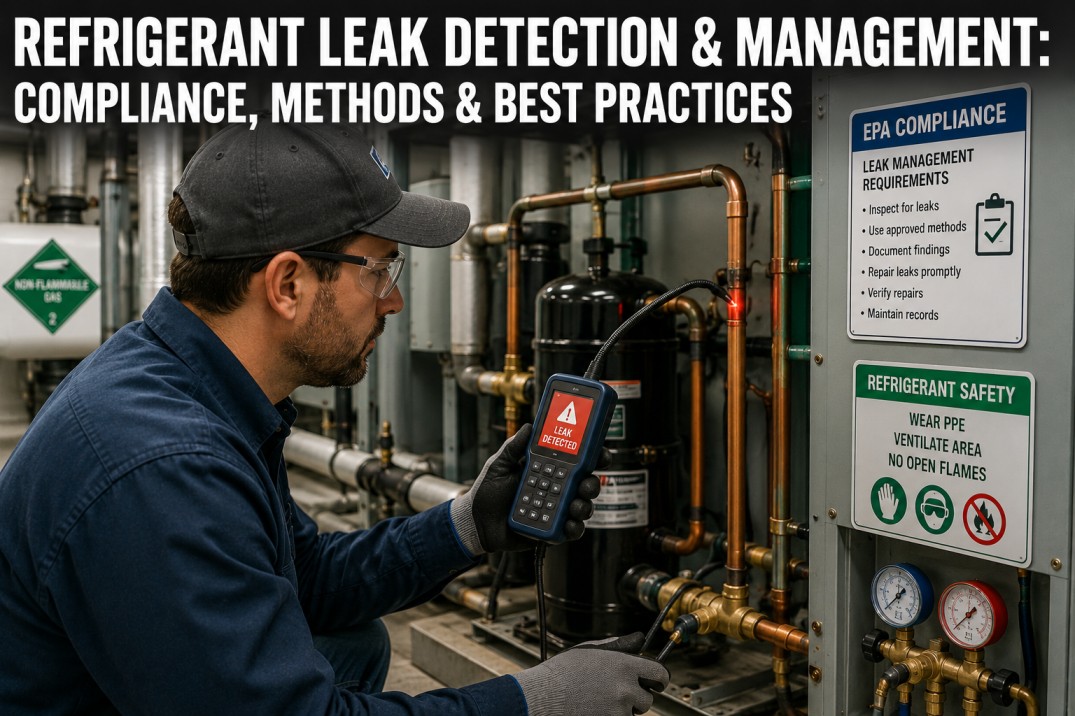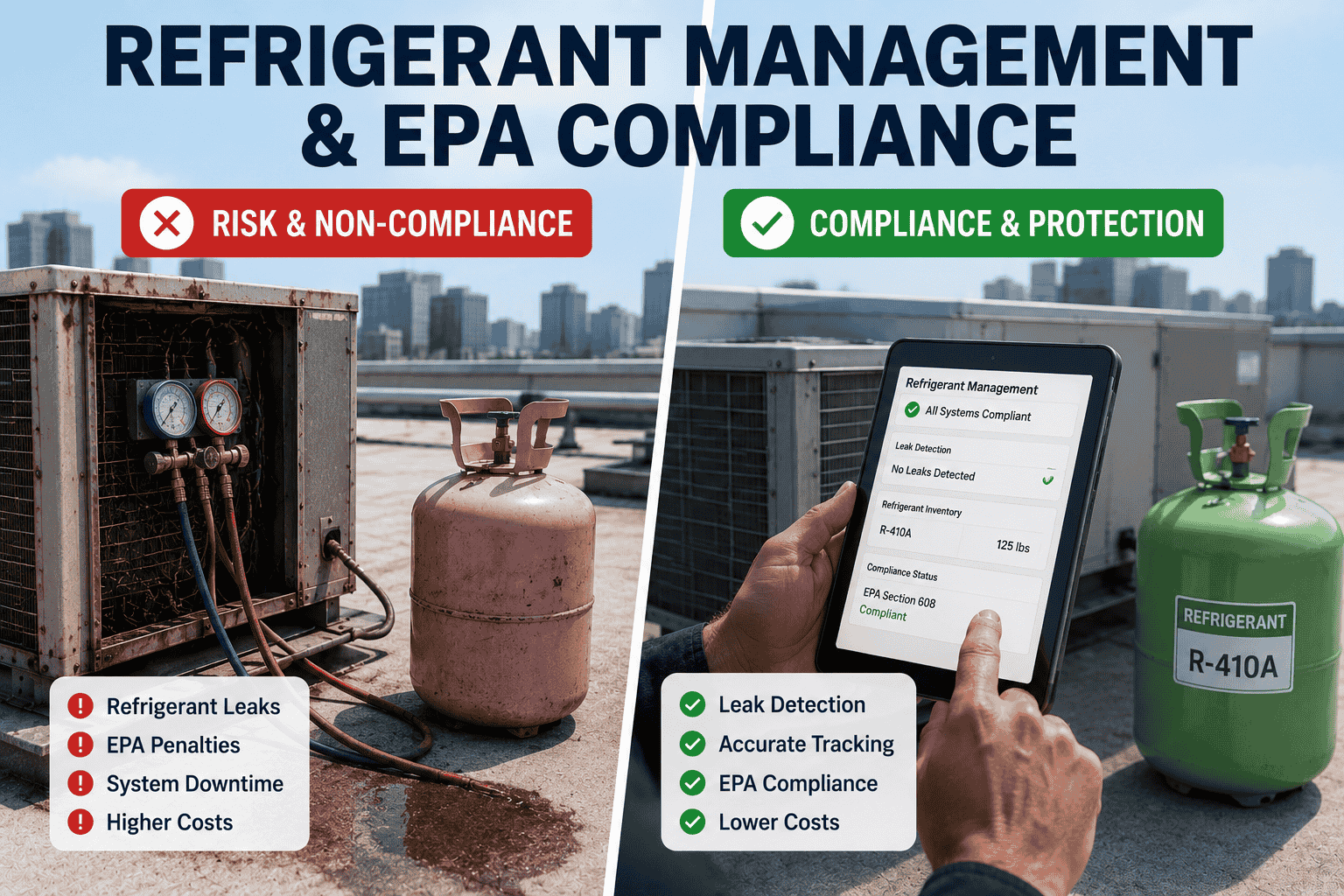
The EPA's HFC Management Rule under the AIM Act took effect January 1, 2026 — and it dramatically expanded refrigerant compliance obligations for commercial buildings. The leak detection threshold dropped from 50 pounds to just 15 pounds, bringing thousands of previously-exempt systems into full federal oversight. iFactory Refrigerant Compliance Operations tracks every charge addition, calculates leak rates automatically, manages the 30-day repair clock, and produces audit-ready documentation per asset. Book a demo to walk through your portfolio's compliance gaps and the workflow that closes them.
Refrigerant Compliance Just Got 70% Bigger
The leak detection threshold dropped from 50 pounds to 15 pounds on January 1, 2026 — bringing thousands of commercial HVAC systems into mandatory EPA oversight. Here's what changed, what's coming, and how to stay audit-ready.
Section 608 vs. AIM Act — What Each One Actually Requires
Two federal regulatory frameworks now govern commercial refrigerant management. Section 608 of the Clean Air Act came first; the AIM Act expanded coverage dramatically in 2026. Most buildings need to comply with both — and the obligations stack rather than replace each other.
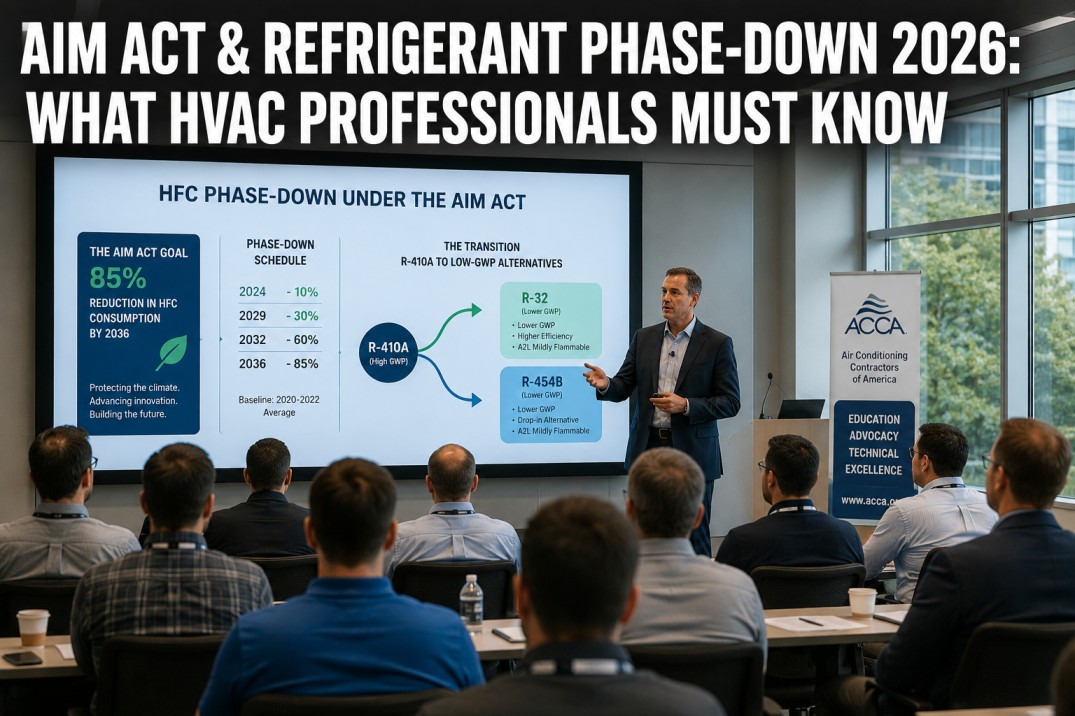
85% HFC Reduction by 2036 — Here's the Schedule
The AIM Act phases down HFC production and import by 85% over 15 years. Each milestone affects refrigerant availability, pricing, and which equipment can be installed. Building operators planning capital projects need this timeline in front of them.
When the 30-Day Repair Clock Starts
Every time refrigerant is added to a covered system, the leak rate must be recalculated. If it exceeds the threshold for that equipment type, a 30-day repair clock starts — and the entire compliance machine engages. These are the thresholds that trigger the process.
| Equipment Type | Leak Rate Trigger | Repair Window | Inspection Required |
|---|---|---|---|
| Commercial Refrigeration | 35% annual | 30 days | Quarterly |
| Industrial Process Refrigeration | 30% annual | 30 days | Quarterly |
| Comfort Cooling (HVAC) | 10% annual | 30 days | Annual |
| Chillers (Comfort) | 10% annual | 30 days | Annual |
| Verification After Repair | Initial verification | 10 days | After repair |
| Follow-Up Verification | Post-repair test | 30 days | After initial verify |
Map Every HFC-Containing Asset in Your Portfolio in 30 Minutes
Our team imports your equipment list, applies the new 15-lb thresholds, and shows you which assets need immediate attention, which are approaching deadlines, and which records have compliance gaps. No spreadsheets afterward.
How an Audit-Ready Refrigerant Program Actually Operates
Compliance isn't a one-time setup — it's a continuous workflow that runs every time a system loses charge, gets serviced, or undergoes inspection. The five steps below define what "doing it right" looks like in daily operations.
Asset Inventory & Classification
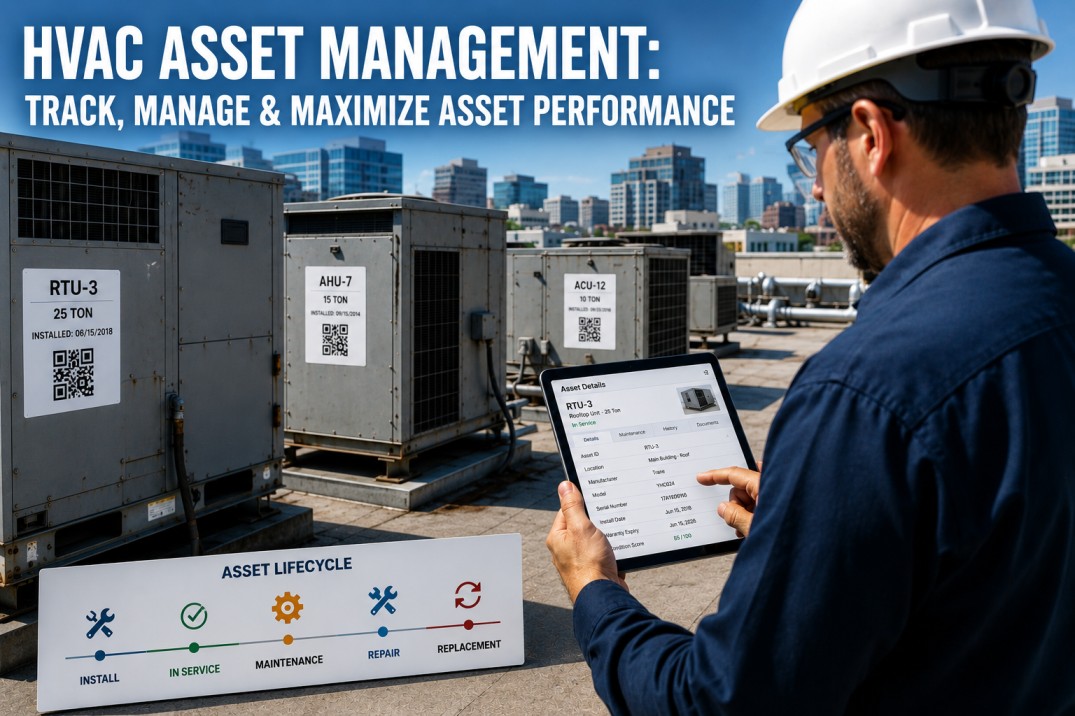
Register every refrigerant-containing system with type, full charge, GWP, and equipment category. Auto-flag assets above the 15-lb HFC threshold.
Charge Addition Logging
Every refrigerant addition triggers a logged event with technician certification verified, quantity recorded, and reason coded. No more paper service tickets.
Leak Rate Calculation
The leak rate formula runs automatically on every charge addition. Compared against the equipment-specific threshold. Triggers the 30-day clock if exceeded.
Repair Tracking & Verification
If threshold exceeded, repair work order auto-generated. Initial verification within 10 days. Follow-up verification within 30 days. Every step timestamped.
Audit Export & Reporting
One-click export of all refrigerant records, repair documentation, and technician certifications for any time period. EPA inspection ready in minutes.
What's Being Phased Out — And What's Replacing It
The refrigerants you have today determine your compliance burden, replacement costs, and equipment lifespan. Knowing where each one sits in the phase-down schedule is essential for both daily compliance and long-term capital planning.
Existing R-22 systems remain covered by Section 608 leak rules. Recovered refrigerant prices now prohibitive — most repairs trigger replacement.
Most widely used HFC in commercial cooling. Production caps tightening. Existing systems fully serviceable; new installations face GWP limits.
Lower-GWP HFCs replacing R-410A in new commercial equipment. Mildly flammable (A2L classification) — installation procedures differ.
Natural refrigerants (CO₂) and ultra-low-GWP HFOs. Specialized applications today, expanding role as phase-down progresses through 2030s.
Frequently Asked Questions
Does the new 15-pound threshold apply to all HFC equipment?
The 15-pound threshold applies to HFC refrigerants and substitutes with a Global Warming Potential greater than 53. Most residential and light commercial AC and heat pumps are excluded. The expansion captures most commercial refrigeration, comfort cooling chillers, industrial process cooling, and many rooftop units that were previously exempt under the 50-pound rule.
What happens if a leak rate exceeds the threshold?
A 30-day repair clock starts from the date the leak was discovered. The owner or operator must locate and repair the leak within 30 days. If the repair is not made within that window, the system may need to be retrofitted or retired. Initial verification testing must occur within 10 days of repair, and follow-up verification within 30 days after the initial test.
Who's qualified to service refrigerant-containing equipment?
Only EPA Section 608-certified technicians (or Section 609 for motor vehicle air conditioning) may handle regulated refrigerants. Certification has four types based on equipment scope: Type I (small appliances), Type II (high-pressure), Type III (low-pressure), and Universal. Facilities must maintain technician certification records and verify validity at the time of service.
What records does the EPA require?
Equipment inventory with refrigerant type and full charge, every refrigerant addition or removal event with date and quantity, leak rate calculations, repair documentation with verification tests, technician certification records, and disposal records when equipment is decommissioned. Records must be maintained for at least three years and produced on request during EPA inspections.
How does iFactory handle the new 2026 requirements?
iFactory's compliance module auto-flags any HFC asset above 15 pounds, runs leak rate calculations on every charge addition, manages the 30-day repair clock with automated alerts, stores technician certification numbers with expiry warnings, and produces audit-ready exports filtered by date range or equipment type. Configuration is per-asset, so equipment-specific thresholds apply correctly across mixed portfolios.
Turn Refrigerant Compliance Into a Background Process
Stop tracking refrigerant charges on paper service tickets and spreadsheets that won't survive an EPA audit. Build leak detection, repair tracking, and reporting into one platform that runs automatically.