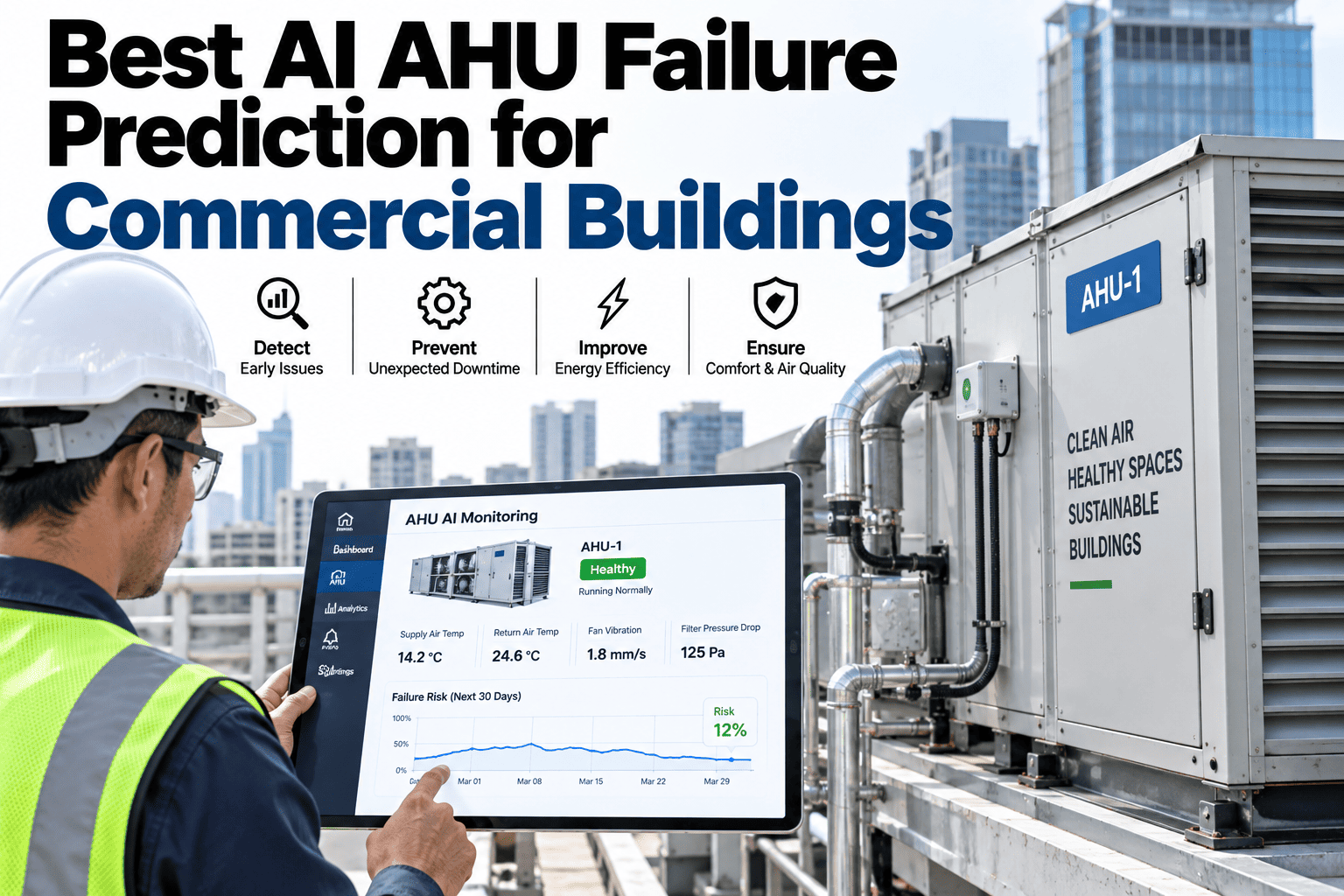
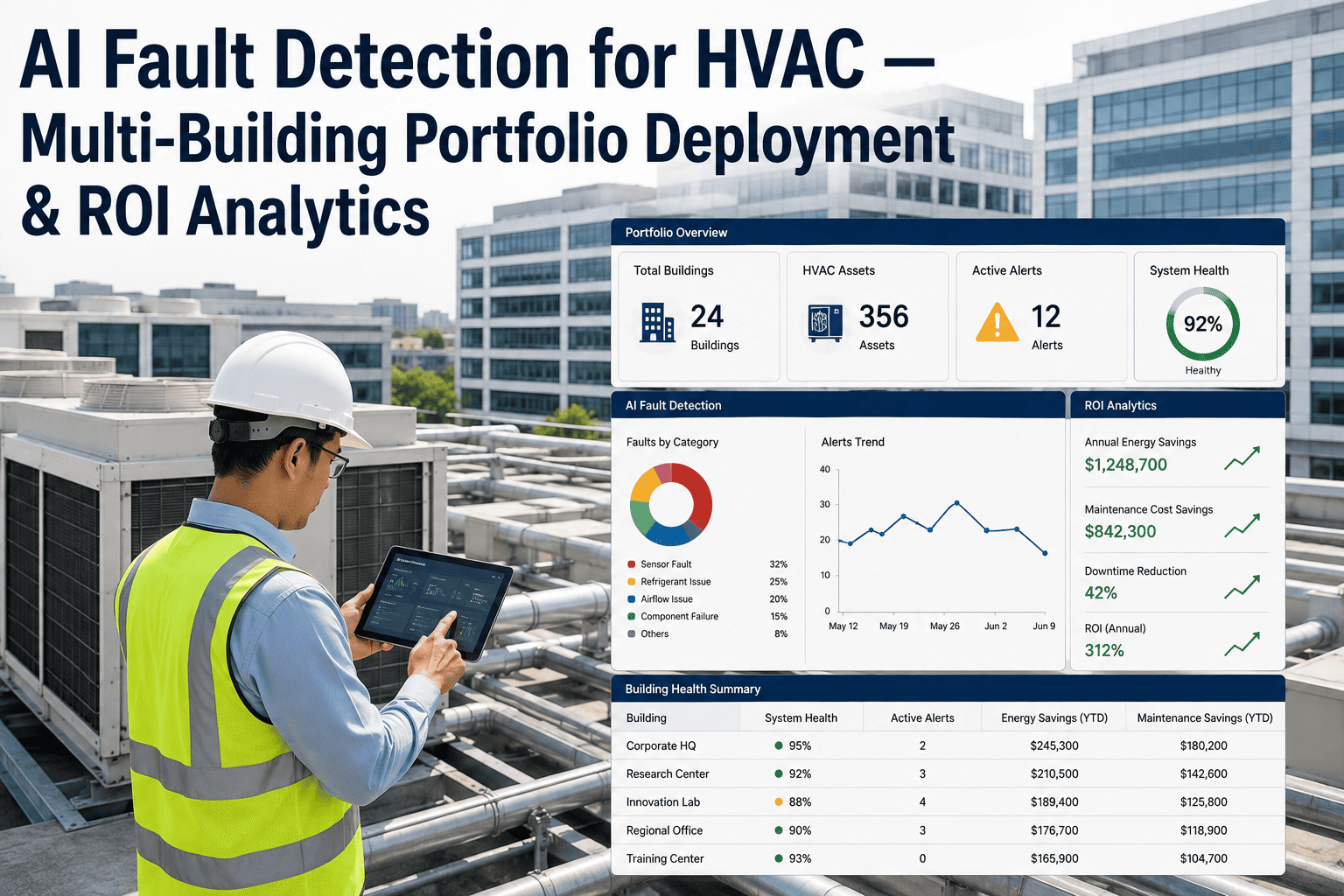
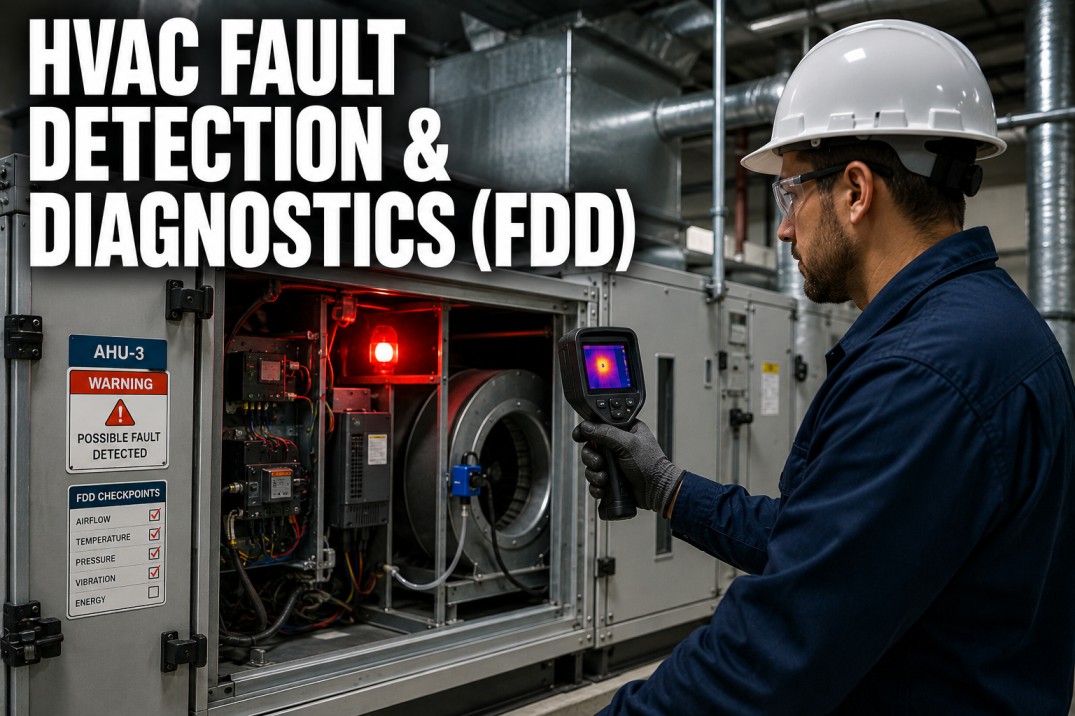
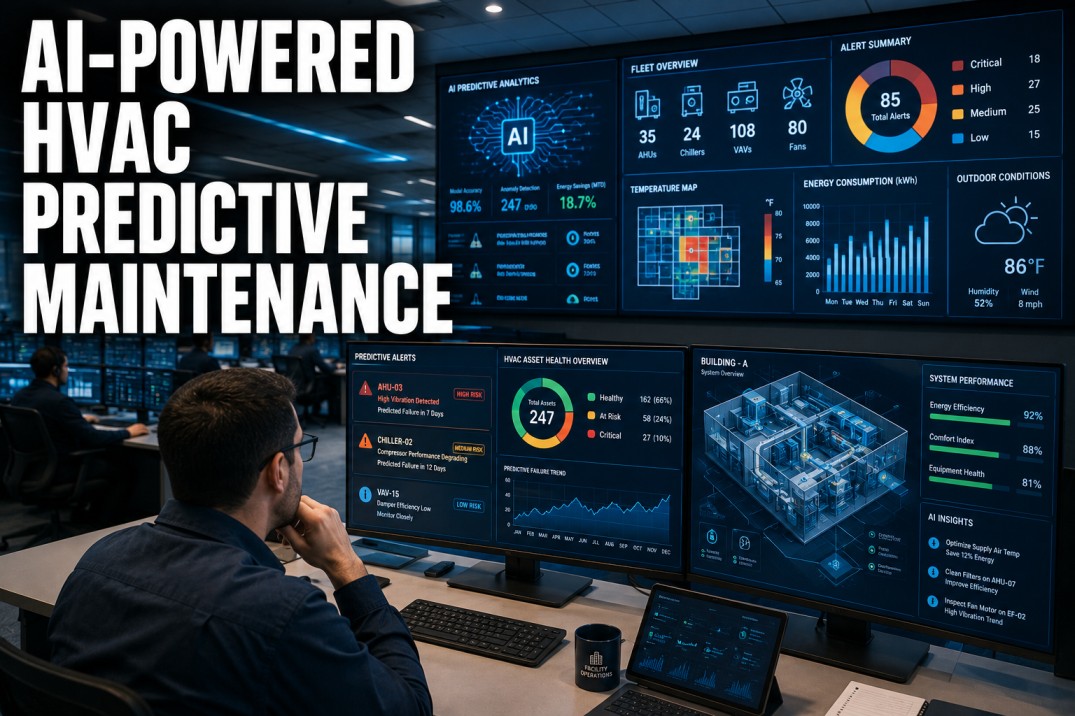
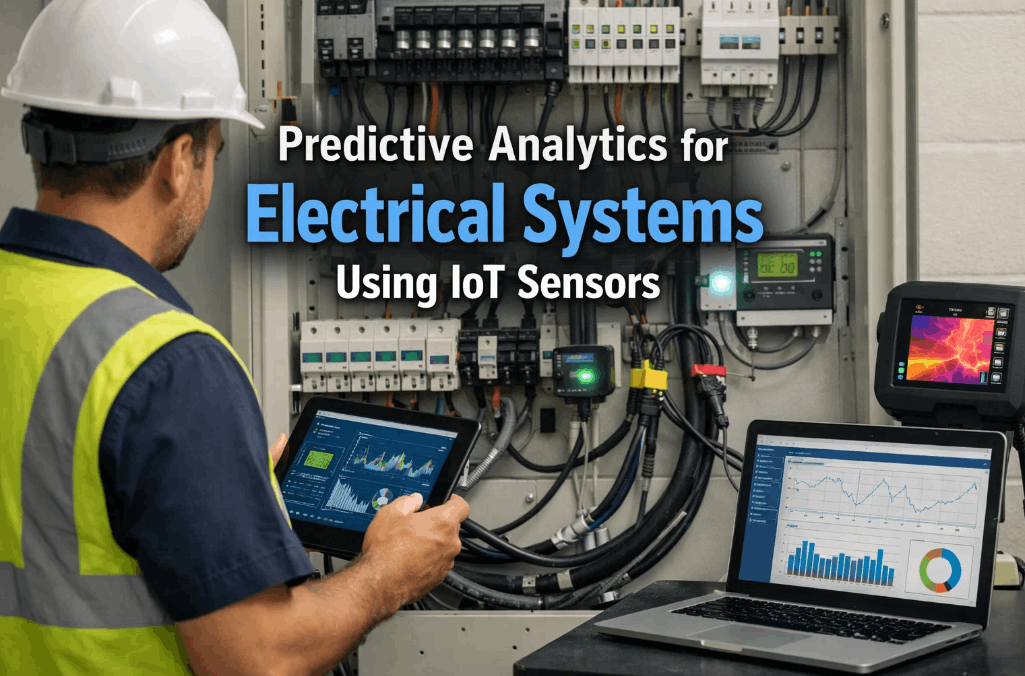
Commercial HVAC systems consume 40–60% of a building's total energy and account for the single largest share of facility maintenance spend. Yet most commercial properties still run on calendar-based PM schedules designed decades ago — inspecting equipment on fixed intervals regardless of actual condition, replacing parts based on manufacturer timelines rather than measured degradation, and discovering failures only after they disrupt tenant comfort or trigger emergency shutdowns. This reactive approach wastes 30–40% of maintenance budgets on unnecessary interventions while missing 67% of developing failures that occur between scheduled inspections. iFactory's Predictive Maintenance platform connects IoT sensors, BAS data, and AI fault detection into a single HVAC health dashboard — detecting equipment degradation 30–90 days before breakdown and converting every emergency callout into a planned repair.
Predictive Analytics for Commercial HVAC Systems
Master HVAC predictive maintenance — sensor monitoring, AI fault detection, condition-based scheduling, and how iFactory cuts HVAC costs by 30% or more.
The 4-Layer Predictive Maintenance Stack for HVAC
A commercial HVAC predictive maintenance programme is built on four integrated technology layers. Each layer can function independently but delivers maximum value when connected. iFactory integrates all four into one platform. See how it works for your building.
IoT Sensor Layer
Vibration, temperature, pressure, current draw, and airflow sensors on every critical HVAC asset — wireless retrofit in hours, no cabling.
Data Pipeline & BAS Integration
BACnet, Modbus, OPC-UA connectivity to existing BMS. Cloud gateway aggregates BAS and IoT streams into unified historian.
AI Fault Detection & Digital Twin
ML models trained on chiller, AHU, and RTU failure signatures. Predicted time-to-failure scores updated continuously — 91%+ accuracy at 12 months.
SAP PM & Work Order Automation
Every AI alert auto-generates a work order with asset record, diagnosis, recommended action, and parts list — routed to the correct technician.
HVAC Equipment iFactory Monitors — Sensors & Detection
| Equipment | Key Sensors | Failure Modes Detected | Warning Lead |
|---|---|---|---|
| Chiller | Vibration, refrigerant pressure, current draw | Compressor failure, refrigerant leak, condenser fouling | 4–8 weeks |
| AHU | Filter DP, belt tension, motor current | Belt failure, bearing wear, economizer fault | 3–6 weeks |
| Cooling Tower | Water quality, fan vibration, approach temp | Fill degradation, fan motor failure, scale buildup | 6–10 weeks |
| RTU / Rooftop | Discharge temp, compressor current, airflow | Compressor lock-rotor, refrigerant undercharge | 2–4 weeks |
| VFD / Pumps | Motor temp, vibration, current harmonic | VFD capacitor aging, pump seal leak, impeller wear | 4–8 weeks |
Where the Savings Come From — 4 ROI Categories
Per year per 50–100 monitored assets. Emergency events drop from 8–14 to 2–4 annually.
AI optimises chiller staging, AHU schedules, and economiser sequences based on actual load.
Condition-based servicing extends chiller, AHU, and pump lifespan beyond OEM timelines.
Eliminate unproductive calendar-based inspections on equipment that does not need servicing.
120-Day Deployment Timeline — From Sensors to AI Alerts
Asset Audit & Sensor Install
HVAC asset register built. IoT sensors deployed on chillers, AHUs, RTUs. BAS data connected via BACnet/Modbus.
Baseline & Rule-Based Alerts
Equipment baselines established from 30 days of data. Rule-based anomaly detection begins generating initial alerts.
AI Model Training & Tuning
ML models train on site-specific failure patterns. Prediction accuracy climbs from 74% baseline to 85%+.
Full Autonomous Monitoring
AI alerts auto-generate SAP PM work orders. Dashboard live with asset health scores across the portfolio.
What a Facility Director Said
iFactory flagged a compressor current anomaly on our main chiller 38 days before failure. We scheduled the repair for a Saturday, replaced the contactor in 4 hours, and avoided a $52,000 emergency compressor replacement plus two days of tenant complaints.
Frequently Asked Questions
How many sensors does a commercial chiller need for predictive maintenance?
Typically 6–10 sensors: vibration on compressor and motor, temperature on casings, pressure on refrigerant circuits, and current on power feed. Get a sensor plan for your plant.
Can iFactory connect to our existing BMS?
Yes — iFactory integrates via BACnet, Modbus, OPC-UA, and MQTT with all major BAS platforms including Tridium, Siemens, and Honeywell.
What ROI should we expect in the first 12 months?
Facilities with 50–100 monitored assets typically save $60K–$140K annually in avoided emergencies alone. Full payback averages 8–14 months.
Does predictive maintenance require replacing our BAS?
No — iFactory retrofits onto existing systems. Wireless IoT sensors install in hours with no cabling or electrical modification needed.
Protect Your HVAC with iFactory AI
Sensors to AI alerts in 120 days. First anomalies found in 30.