National highway departments are currently grappling with a "Maintenance Deficit"—a financial gap between the funding available and the skyrocketing costs of maintaining aging infrastructure through traditional, reactive methods. Traditional maintenance, defined by "find-and-fix" cycles, is inherently inefficient, often costing up to 10x more in emergency repairs than proactive intervention. A comprehensive cost-benefit analysis of AI-managed highway maintenance reveals that shifting to a data-driven, predictive model isn't just an operational upgrade; it's a financial necessity. By leveraging iFactory’s AI-powered asset management platform, infrastructure operators can transition from expensive reactive spending to a lean, predictive OPEX model. iFactory enables real-time health monitoring of critical assets like bridge strain sensors and tunnel ventilation systems, extending their useful life by up to 25% and deferring massive CAPEX requirements. Schedule a financial consultation to see the NPV impact on your portfolio.
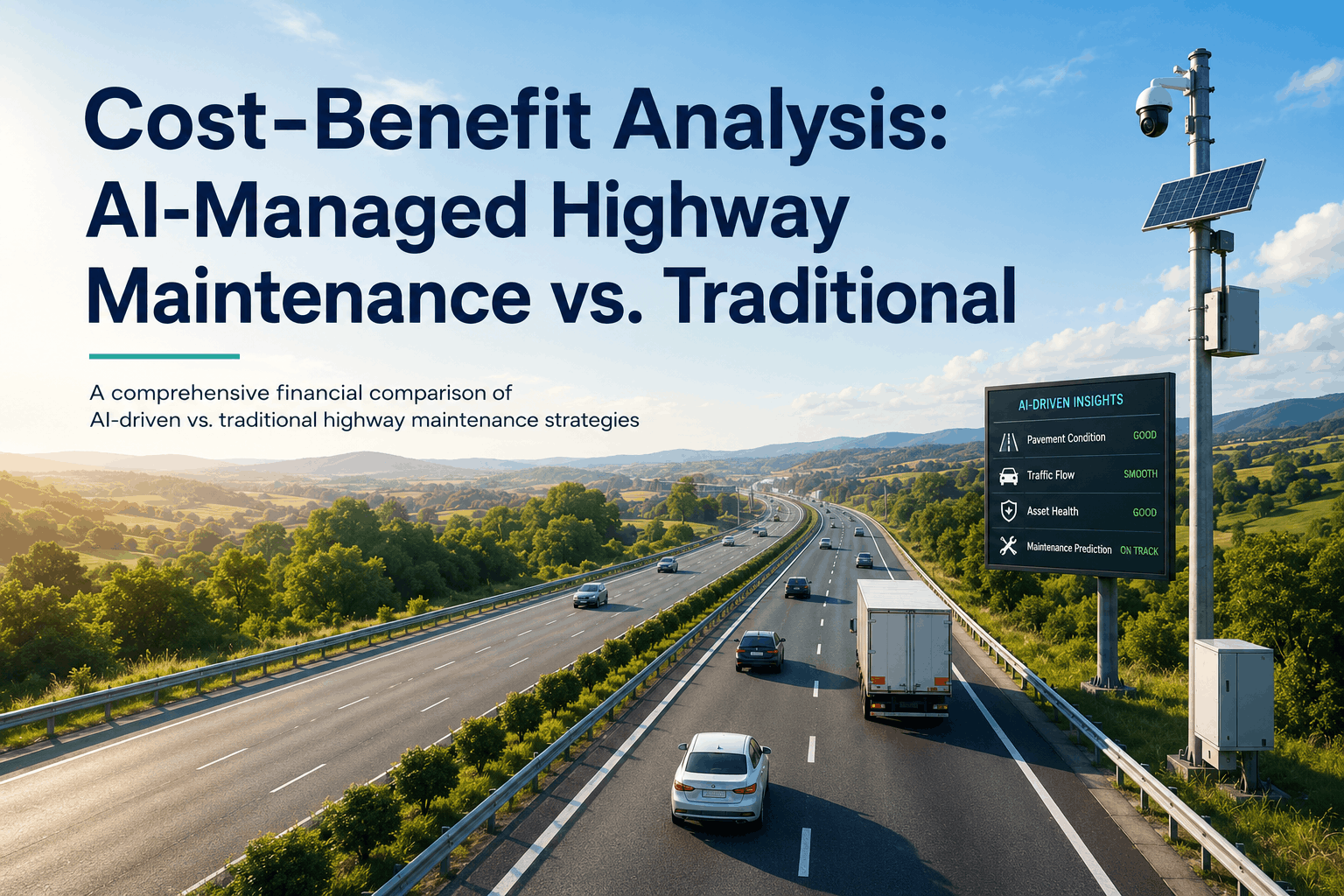
AI vs. Traditional Highway Maintenance: A Cost-Benefit Whitepaper
Reduce your annual maintenance OPEX by 40% and extend asset lifecycle by 15+ years through iFactory's predictive intelligence platform.
The 7-Phase ROI Roadmap — From Reactive to Predictive
The transition to AI-managed maintenance is a structured financial evolution. iFactory ensures that every dollar spent on sensors and software yields a measurable reduction in emergency repair costs and asset depreciation. View the full financial model.
The transition from reactive to predictive maintenance is not just about technology—it’s about financial discipline. Every phase of this roadmap is designed to maximize the "Maintenance Yield," ensuring that your infrastructure budget is spent on value-adding interventions rather than emergency crisis management. iFactory's unified data layer provides the visibility needed to justify these shifts to taxpayers and federal oversight bodies.
The High Cost of Reactive Maintenance
iFactory categorizes maintenance risks not just by physical danger, but by financial impact. A bridge joint failure that costs $10k to fix predictively can escalate to a $2.5M emergency repair if left until failure. We help you prioritize the highest NPV interventions.
Traditional "find-and-fix" maintenance is no longer a viable strategy for high-throughput highways. The risk of a cascading failure at a critical node is too high, and the associated financial penalties—ranging from lost toll revenue to expensive emergency litigation—can destroy a municipal budget. iFactory’s AI-managed approach mitigates these risks by providing a digital twin of your highway’s health, allowing you to intercept failures while they are still low-cost maintenance items.
AI-Managed vs. Traditional Maintenance Expenditure
When analyzed over a 10-year asset lifecycle, the financial benefits of AI-managed maintenance become undeniable. While the initial investment in iFactory and IoT sensors is higher, the cumulative savings from deferred CAPEX and reduced OPEX create a massive NPV advantage. View a custom ROI projection.
Engineering a Lean Infrastructure Budget
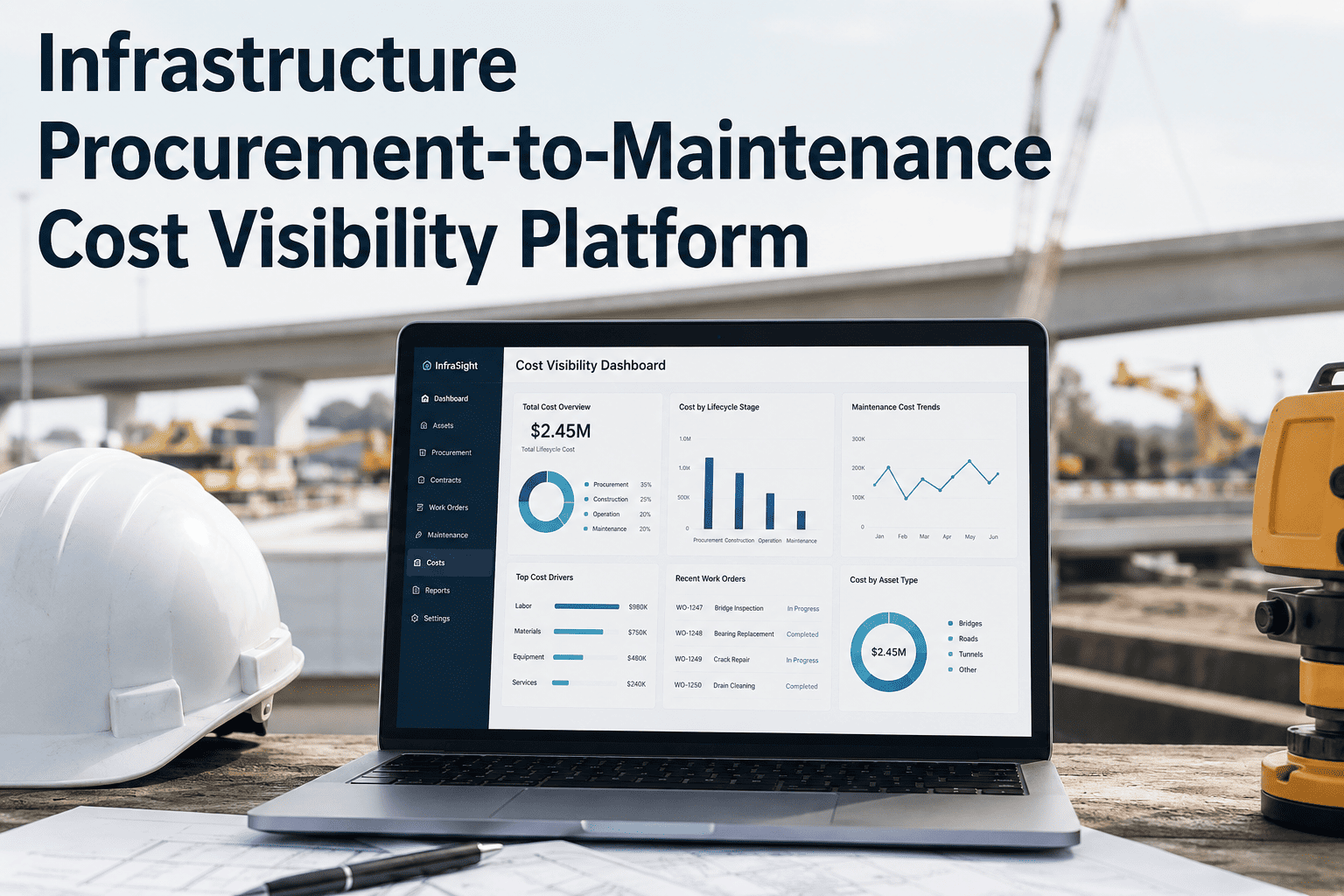
iFactory provides the technical tools needed to bridge the gap between maintenance engineering and financial stewardship, turning technical data into fiscal clarity.
Maintenance ROI Tracker
Track the direct financial yield of every predictive intervention. iFactory calculates the "Cost of Inaction" (COI) vs. the current maintenance spend to prove ROI to stakeholders.
Asset Lifecycle Predictor
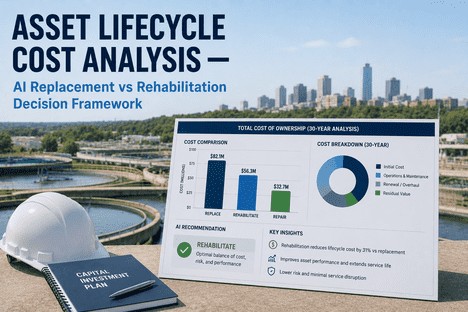
Forecast asset depreciation based on real-world usage and maintenance history. iFactory helps CFOs accurately predict the timing of major CAPEX outlays years in advance.
Automated Vendor Audits
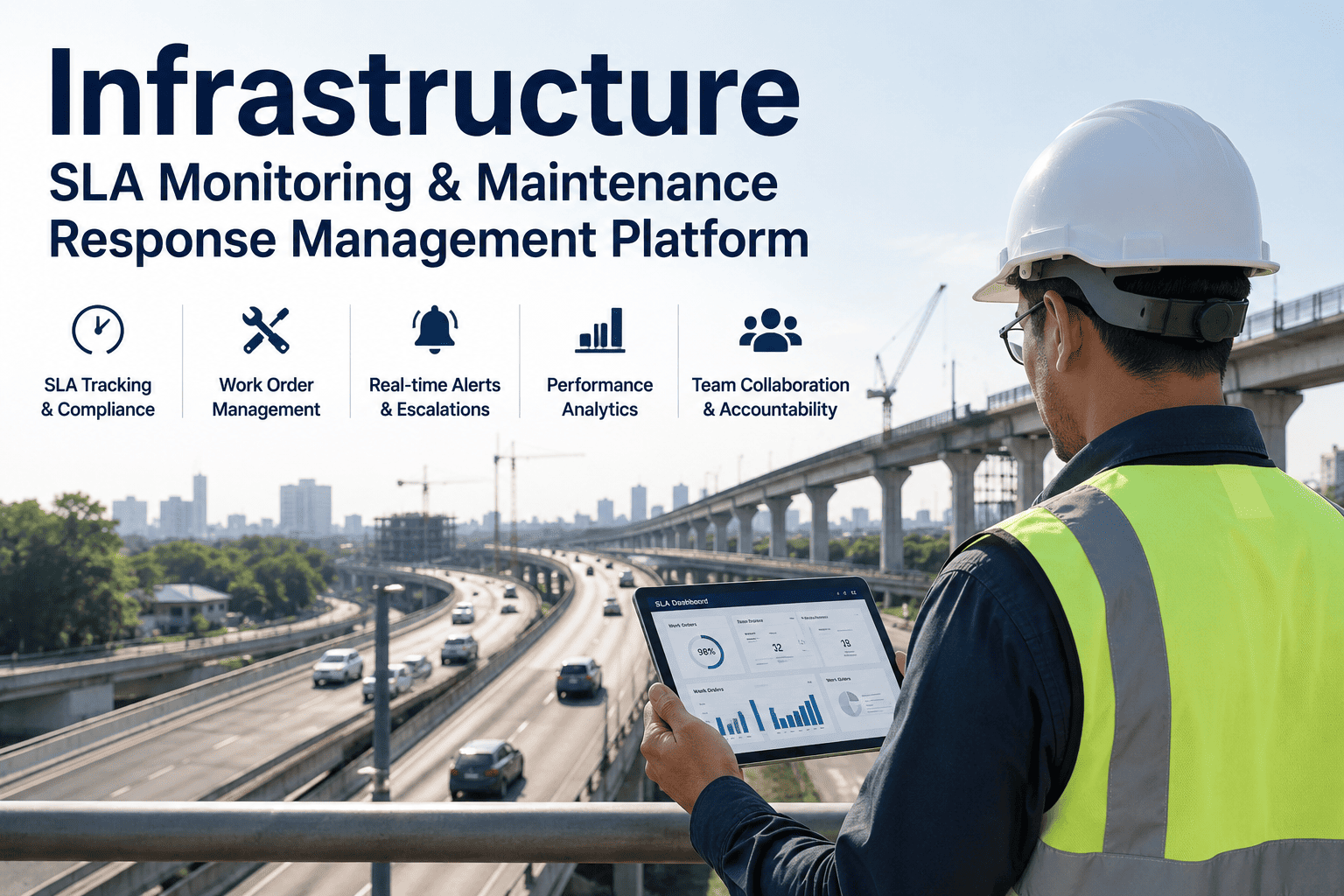
Ensure third-party maintenance contractors are delivering value. iFactory’s independent sensor data verifies that work orders were completed effectively and on schedule.
Compliance Financial Risk
Automate environmental and safety compliance reporting to eliminate fines. iFactory ensures your highway meets all federal audit standards with zero manual paperwork.
What the CFO of an Infrastructure REIT Said
For years, our infrastructure maintenance budget was a black box of emergency repairs and unquantifiable depreciation. We knew we were losing money, but we didn't know where. iFactory changed that. By applying AI-driven predictive maintenance to our highway portfolio, we didn't just reduce our OPEX by 40%—we actually increased the Net Present Value of our entire asset base. We can now accurately forecast our 10-year capital requirements with a precision that was previously impossible. It's the difference between guessing your future and engineering it. iFactory has turned our infrastructure from a liability into a high-yield asset.
Frequently Asked Questions: Infrastructure ROI
What is the typical payback period for an iFactory implementation?
Most municipal and private highway operators realize a full return on investment (ROI) within 12 to 18 months. This is primarily driven by the immediate elimination of high-cost emergency repair "rush" fees and the optimization of labor scheduling.
How does AI-managed maintenance extend asset life?
Asset degradation is rarely linear; it's often an exponential curve that accelerates after a minor, unnoticed failure. By identifying these "micro-failures" (like hairline cracks in bridge bearings or minor corrosion in tunnel fans) and fixing them immediately, iFactory slows the overall degradation rate significantly.
Is it expensive to install the necessary IoT sensors?
While there is an initial CAPEX outlay for sensors, iFactory specializes in a "Low-Cost, High-Impact" deployment strategy. We focus on instrumentation of critical failure nodes first, ensuring that the initial sensor investment is paid back through OPEX savings within the first year.
How does iFactory improve Net Present Value (NPV)?
NPV is improved through two primary levers: the reduction of annual operating expenses (OPEX) and the deferment of major capital expenditures (CAPEX). By extending the useful life of a bridge from 25 to 38 years, the present value of the eventual replacement cost is significantly reduced.
Does this system replace our existing maintenance staff?
No. iFactory is a "force multiplier" for your existing team. It eliminates the time spent on manual, "no-fault-found" inspections, allowing your skilled engineers to focus 100% of their time on high-value repairs that actually prevent failure.
Can iFactory integrate with our legacy municipal ERP?
Yes. iFactory is designed to be the "Intelligence Layer" that sits above your existing ERP and EAM systems. We pull data from your legacy systems, process it through our AI engine, and push actionable work orders back into your existing workflows.
How accurate are the cost projections?
Our projections are based on historical data from your own assets combined with iFactory’s global database of infrastructure failure patterns. This allows us to provide financial forecasts with a 90%+ accuracy rate, far exceeding traditional actuarial models.
Does the system help with federal funding audits?
Yes. iFactory provides an immutable digital audit trail of asset health and maintenance activity. This transparency is often a requirement for securing and maintaining federal infrastructure grants and Green Deal funding.
Engineer a Predictive Financial Future with iFactory AI
Maximize asset yield, reduce OPEX, and eliminate financial surprises with the world's most advanced infrastructure finance platform.