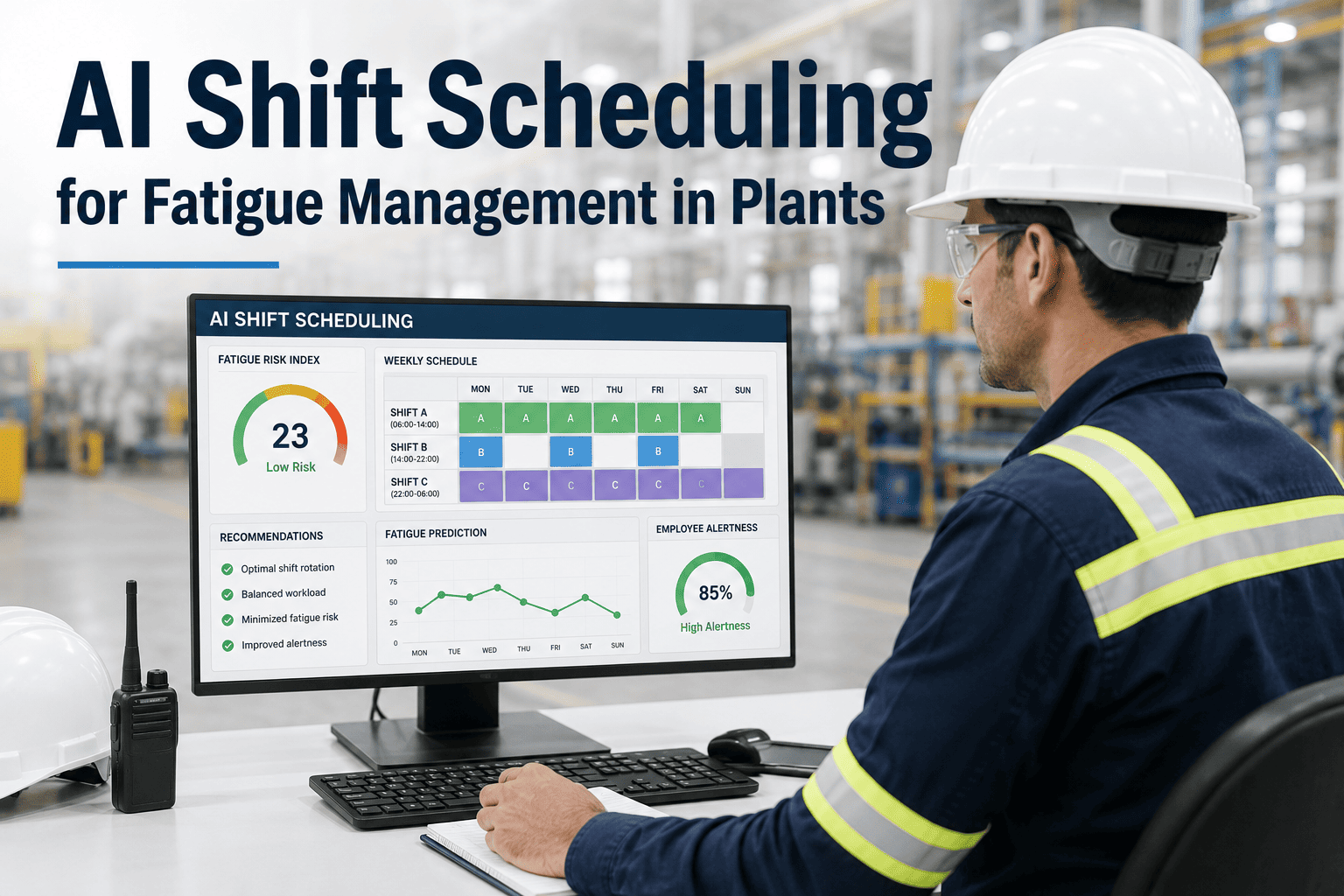
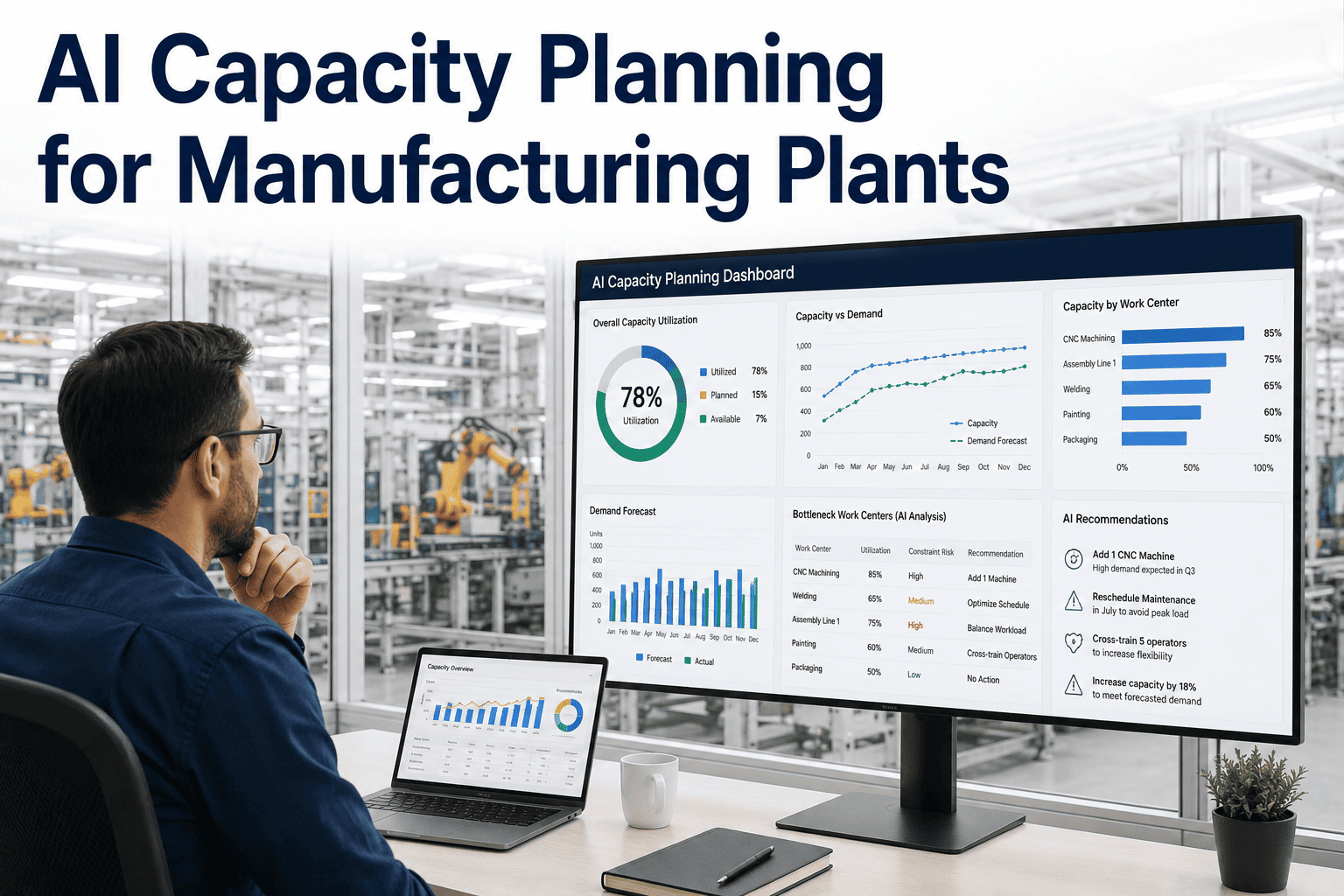
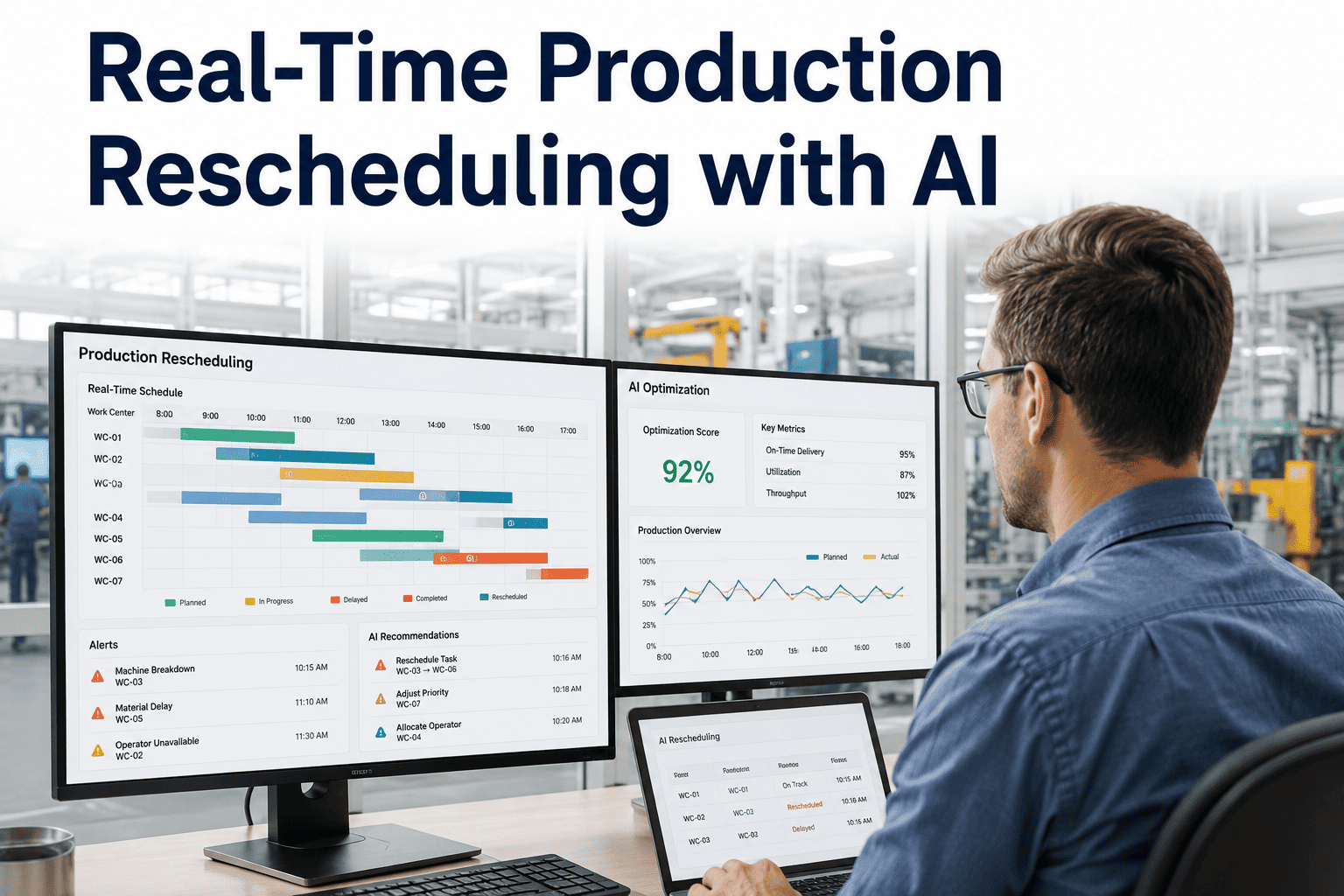
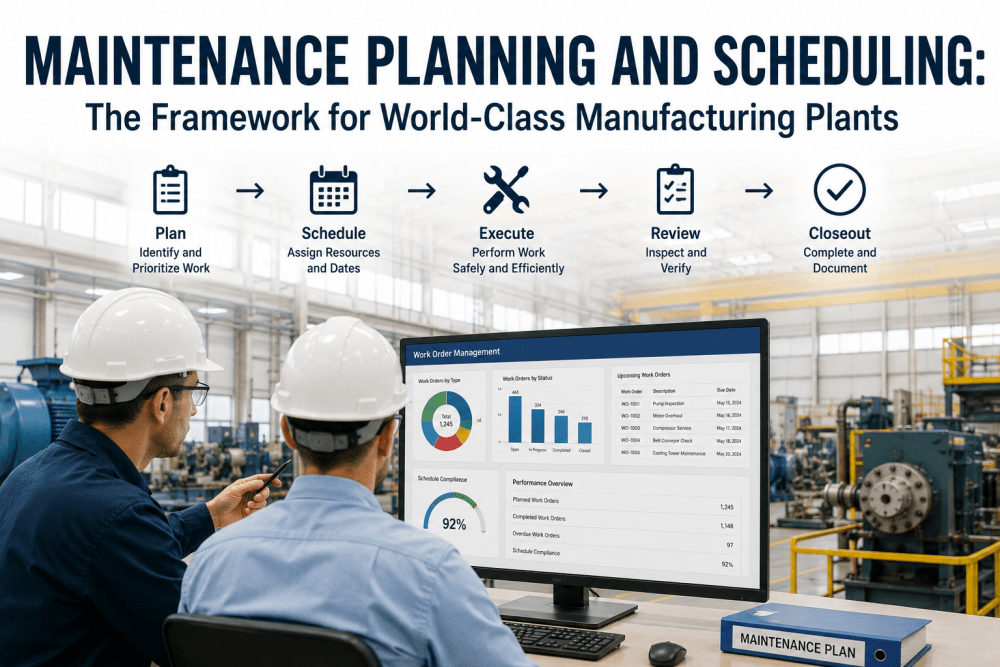
A shift schedule looks like a simple grid of names and time slots, but underneath it is a physiological experiment your operators run every single week. Night shifts carry roughly 30% higher accident and error rates than day shifts, evening shifts run about 18% higher, and a twelve-hour shift adds another 37% of injury risk on top of whatever the time of day already created. None of that shows up as a line on the schedule itself — a rotation can satisfy every rest-break rule in the handbook and still leave operators dangerously fatigued by the third night in a row. AI fatigue-aware scheduling reads shift patterns the way sleep science does, scoring cumulative fatigue risk before a single shift is worked rather than after an incident report is filed. See what your own rotation's fatigue risk score looks like when you book a demo with our team.
WORKFORCE SAFETY · AI FATIGUE-AWARE SCHEDULING · OPERATIONS DIRECTORS
Schedule Shifts Within the Limits of Human Fatigue, Not Just Labor Law
iFactory's AI scores every shift rotation against validated fatigue science, catching the schedules that are fully compliant on paper but still put tired operators on the floor.
RELATIVE ACCIDENT AND ERROR RISK BY SHIFT
Add another +37% injury risk on top of any of these for a twelve-hour shift, regardless of start time.
THE HUMAN COST OF A BAD SCHEDULE
Fatigue Is a Measurable Line Item, Not a Vague Complaint
These figures are drawn from occupational safety research on shift work, and they describe a risk that exists whether or not your current incident reports have connected the dots back to the schedule that created it.
30%
Higher accident and error rates during night shifts compared with regular day shifts, per NIOSH research.
37%
Increased injury risk associated specifically with working twelve-hour shifts instead of shorter ones.
13%
Of all workplace injuries are classified as fatigue-related, according to the National Safety Council.
$136B
Estimated annual cost of fatigue-related lost productivity absorbed by U.S. employers every year.
COMPLIANT ON PAPER, RISKY IN PRACTICE
Two Rotations, Same Labor Law Compliance, Very Different Fatigue Risk
A biomathematical fatigue model can score a shift pattern the way a compliance checklist never does, factoring in circadian timing, rotation direction, and cumulative sleep debt across the full week rather than just checking whether rest breaks were technically long enough.
BEFORE: A Compliant But Fast-Rotating Schedule
Mon
Day
Tue
Day
Wed
Night
Thu
Night
Fri
Night
Sat
Day
Sun
Off
AFTER: The Same Hours, Rebuilt Around Circadian Recovery
Mon
Day
Tue
Day
Wed
Evening
Thu
Evening
Fri
Off
Sat
Night
Sun
Off
Your Current Rotation Already Has a Fatigue Score — You Just Can't See It Yet
iFactory runs your existing shift patterns through a validated fatigue model, showing exactly where cumulative risk builds up before you have to find out from an incident report.
HOW IT WORKS
From Roster Data to a Fatigue-Safe Schedule, in Four Steps
iFactory's fatigue-aware scheduling engine is built to work with the rotation patterns and staffing rules you already run, rather than forcing a complete redesign of your shift structure.
1
Ingest Roster and Rules
Current shift patterns, staffing rules, union agreements, and rest-break policies are loaded once, giving the model a full picture of your existing constraints.
2
Score Fatigue Risk
A validated biomathematical model scores every shift and rotation for circadian timing, sleep opportunity, and cumulative fatigue, flagging patterns that pass compliance checks but carry elevated physiological risk.
3
Simulate Alternatives
The engine tests alternate rotation directions, shift lengths, and rest placements against the same staffing levels, showing which changes lower fatigue risk without adding headcount.
4
Recommend and Monitor
The lowest-risk feasible schedule is recommended to planners, and fatigue scores are tracked continuously as overtime, absences, and last-minute swaps change the rotation in real time.
BEFORE AND AFTER
What Changes Operationally Once Scheduling Accounts for Fatigue
These are the operational metrics an operations director tracks most closely, and where fatigue-aware scheduling consistently shows measurable movement.
WHERE THIS MATTERS MOST
Four Operating Environments Where Fatigue Risk Concentrates
Fatigue risk is not distributed evenly across a plant. These four environments consistently carry the highest exposure and see the clearest benefit from fatigue-aware scheduling.
Continuous 24/7 Process Operations
Plants that never stop running depend on rotating crews covering every hour of the day, making circadian-informed rotation design essential rather than optional for maintaining safe, consistent output.
Night-Shift-Heavy Production Lines
Lines that run a permanent or semi-permanent night crew carry elevated baseline risk that compounds further when rotation speed or shift length is not tuned to circadian recovery needs.
Overtime-Dependent Staffing Models
Facilities that rely on extended shifts and voluntary overtime to hit output targets accumulate fatigue risk quietly, since each individual extension may look reasonable in isolation.
Multi-Site Rotating Crews
Operations that move crews or supervisors between sites on rotating assignments need a fatigue view that follows the individual worker, not just the local site schedule.
FREQUENTLY ASKED QUESTIONS
What Operations Directors Ask Before Adopting Fatigue-Aware Scheduling
How is AI fatigue scoring different from just following labor law rest requirements?
Labor law rest requirements set a minimum floor, such as a specified number of hours between shifts, but they don't account for circadian timing, rotation direction, or the cumulative sleep debt that builds across a full week of shifts. A schedule can satisfy every legal rest requirement and still carry a high fatigue risk score, which is exactly the gap a validated biomathematical model is built to close.
Book a demo to see a fatigue score run against one of your current rotations.
Do we need wearables or sleep-tracking devices on our operators for this to work?
No. The core fatigue model scores risk based on the shift schedule itself, including shift timing, rotation pattern, and rest periods, which is enough to identify high-risk patterns without requiring any device on an individual worker. Facilities that already collect voluntary sleep or wearable data can layer it in for a more personalized view, but it is not a requirement to get started.
Contact our support team to discuss what data your facility already has available.
Will this restrict our scheduling flexibility or add administrative overhead for supervisors?
The platform is designed to reduce administrative work, not add to it, by automatically checking proposed schedules, overtime requests, and shift swaps against fatigue risk in the background rather than requiring a manual review step. Supervisors retain scheduling flexibility, with the system flagging genuinely high-risk changes rather than blocking every deviation from a fixed template.
Book a demo to see how swap approvals work day to day.
Can this be applied to our existing rotating shift pattern, or do we need to redesign our schedule from scratch?
Most facilities start by running their existing rotation through the fatigue model as-is, which immediately shows where risk concentrates without requiring any changes yet. From there, the platform can simulate targeted adjustments, such as a different rotation direction or rest placement, so changes are evidence-based rather than a wholesale redesign imposed on the workforce all at once.
Book a demo to see your current rotation scored before any changes are proposed.
How does this connect to our existing EHS incident tracking system?
iFactory's platform integrates with the incident and near-miss data your EHS team already tracks, cross-referencing incident timing against fatigue risk scores to show whether elevated risk periods correlate with actual events at your facility. This turns fatigue management from a theoretical safety initiative into a data-backed conversation your safety committee can act on directly.
Contact our support team to discuss integration with your current EHS system.
A Fatigued Operator Is a Risk Your Schedule Created Before Their Shift Even Started
iFactory's AI scores every shift rotation against validated fatigue science, so your team can catch physiologically risky schedules before an incident report forces the conversation. Book a demo and see your own rotation's fatigue score.