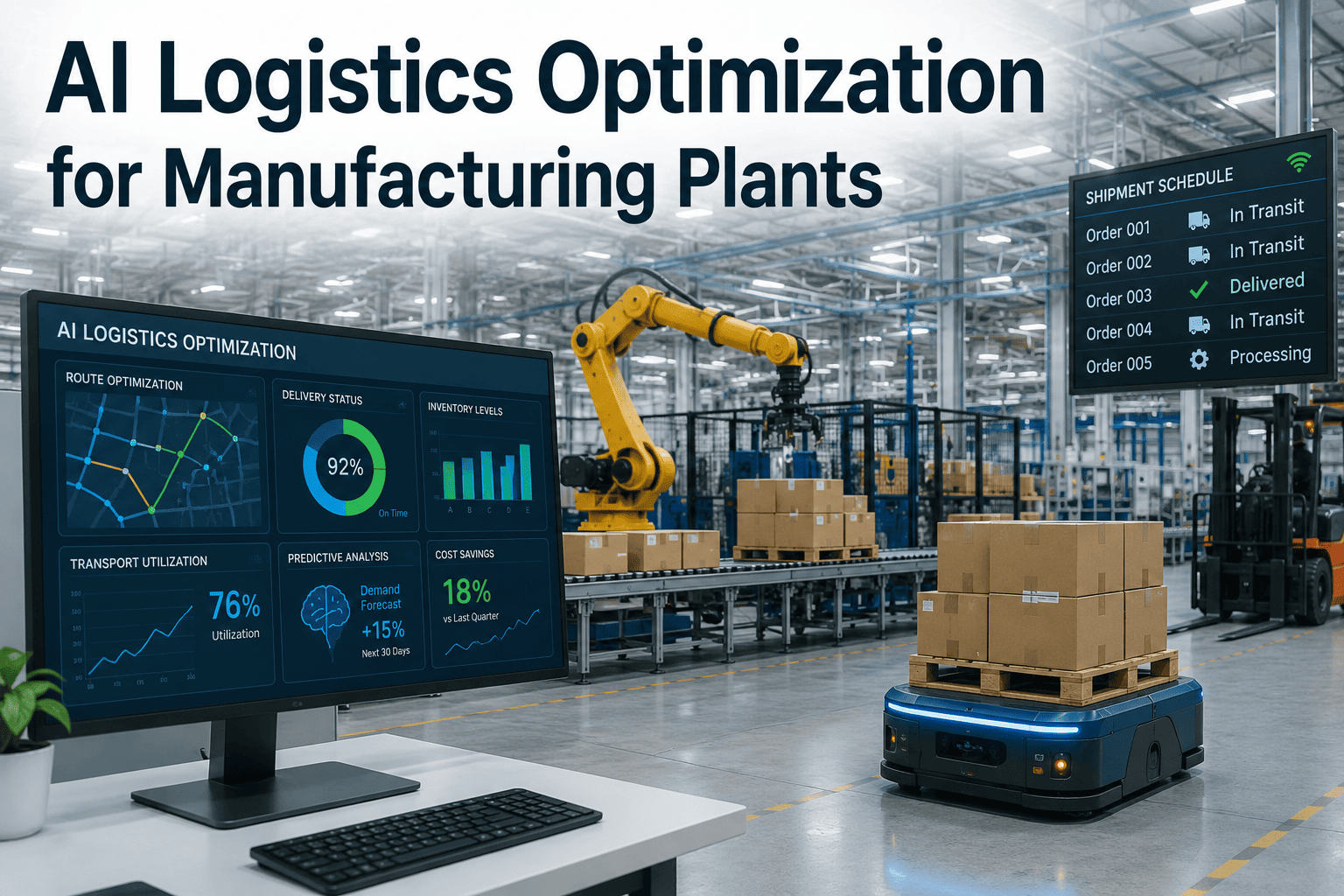
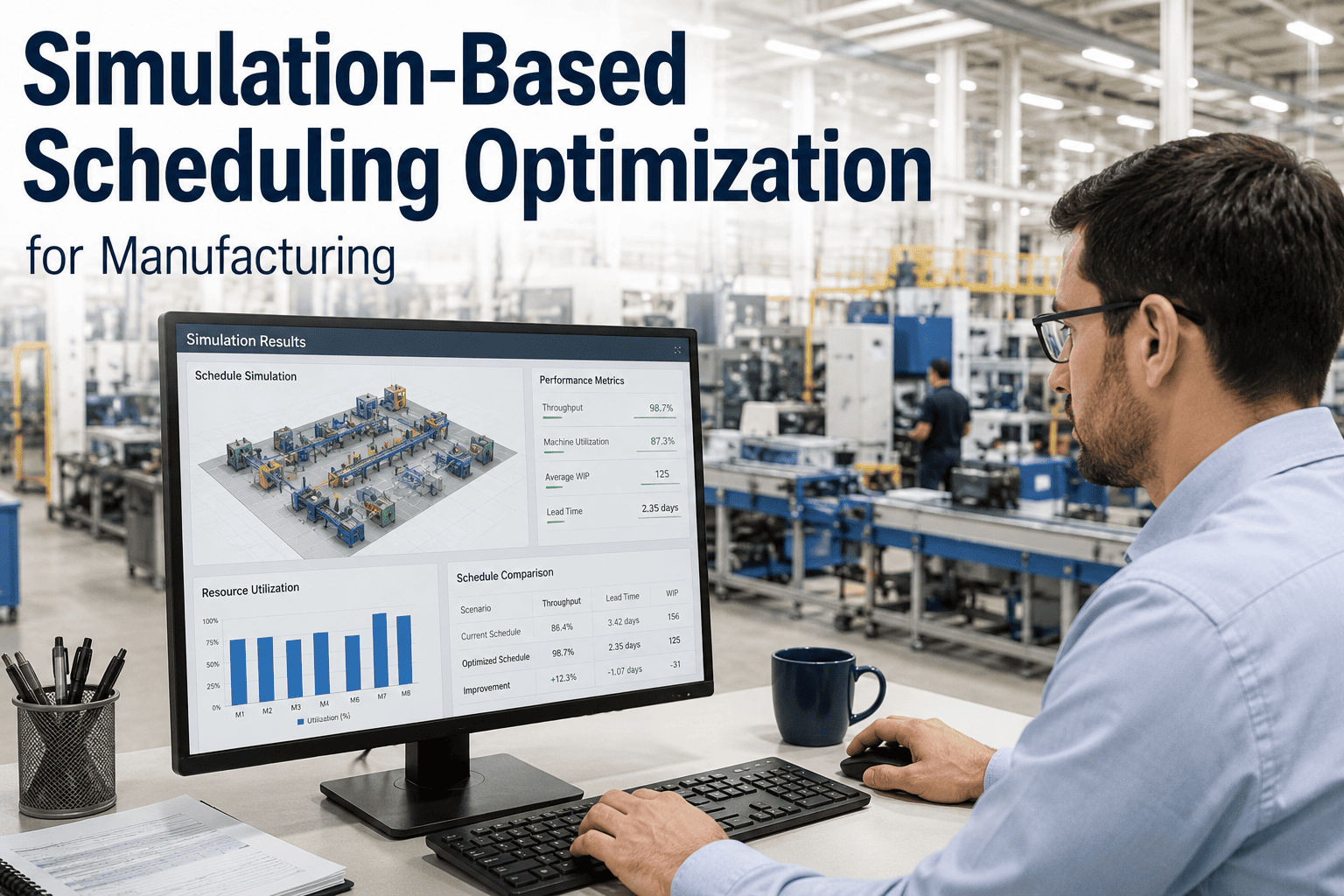
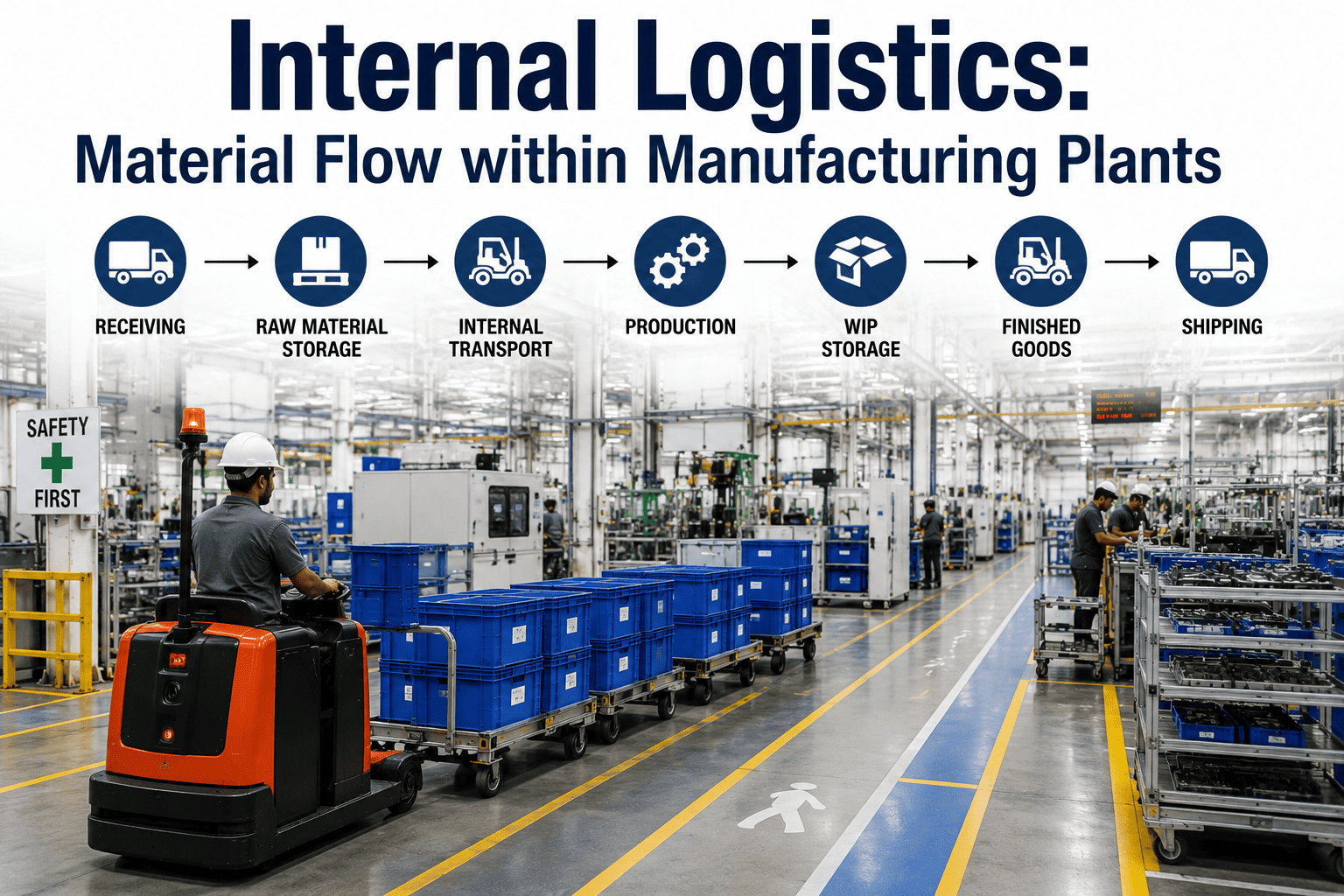
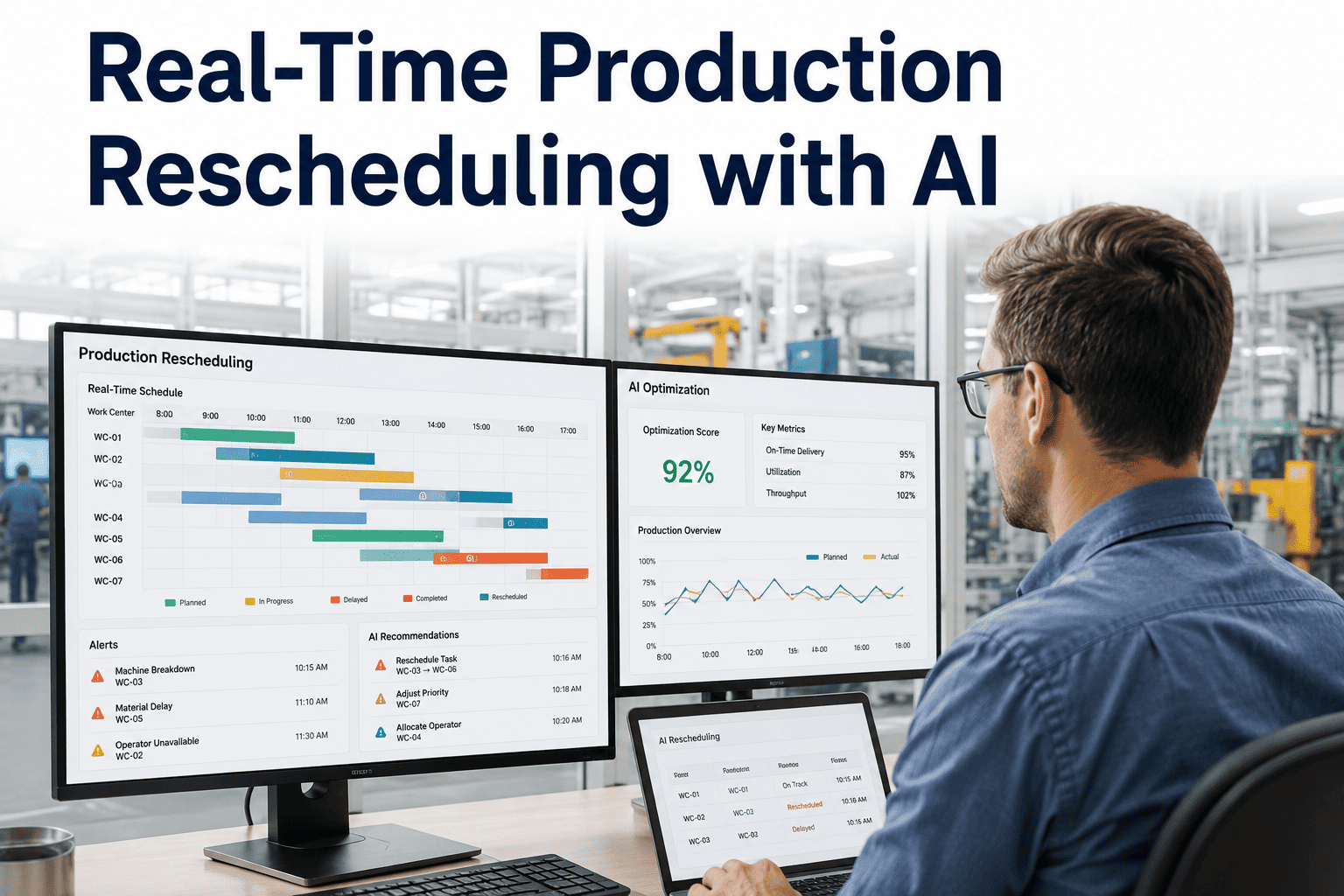
Logistics rarely causes a dramatic failure on its own — no alarm sounds when a truck sits at your dock for an extra ninety minutes or a load ships one mode more expensive than it needed to. Instead, the cost shows up quietly: in detention invoices nobody reconciles line by line, in empty miles nobody tracks, and in a carrier selection made from habit instead of current rates. Multiply that across hundreds of inbound and outbound shipments a month, and a plant can lose six or seven figures a year without a single obvious incident to point to. AI logistics optimization exists for exactly this kind of slow leak, watching every dock appointment, mode choice, and mile in real time instead of waiting for a monthly report to notice it. See what your own logistics leak looks like when you book a demo with our team.
LOGISTICS INTELLIGENCE · AI ROUTING & DOCK OPTIMIZATION · MANUFACTURING PLANTS
Find the Freight Dollars Your Plant Is Losing Without Knowing It
iFactory's AI connects to your TMS, dock schedule, and carrier data to optimize routing, freight mode selection, and yard flow continuously, turning logistics from a fixed cost into a controllable one.
Dock & Yard Delays
Manual Carrier Picks
Inefficient Routing
iFactory AI Optimization Layer
Lower Freight Cost
Faster Dock Turns
Full Shipment Visibility
THE INVISIBLE LEAK
Logistics Costs That Rarely Show Up as a Single Line Item
None of these figures come from a single bad decision. They come from small, repeated inefficiencies across thousands of dock appointments, carrier selections, and routing decisions that nobody has time to check one by one.
39%
Of all truck stops involve some amount of driver detention at the dock, according to industry-wide trucking data.
$3.6B
In direct detention expense is absorbed annually across the for-hire trucking industry in the United States alone.
15-25%
Is the typical freight cost reduction reported by shippers after adopting AI-driven freight optimization tools.
~30%
Average drop in detention charges reported after switching to automated, carrier-led dock scheduling systems.
THREE LEAK POINTS
Where Plant Logistics Margin Actually Disappears
Every manufacturing plant's logistics spend breaks down into the same three functional areas, and each one leaks cost differently when it runs on manual coordination instead of continuous optimization.
Inbound Dock and Yard Flow
First-come, first-served dock scheduling bunches truck arrivals together, creating detention charges, idle drivers, and staging chaos that delays raw material getting to the line exactly when production needs it.
Outbound Freight and Mode Selection
Carrier and mode choices made from habit or a single preferred vendor ignore rate volatility, lane capacity, and consolidation opportunities that shift week to week across a plant's outbound shipping lanes.
Route and Load Planning
Static routes built once and reused for months accumulate empty miles and missed consolidation opportunities as demand patterns, traffic conditions, and delivery windows shift underneath the original plan.
Your Logistics Data Already Contains the Answer
Your TMS, dock schedule, and carrier invoices already hold the patterns behind every leak. iFactory connects to that data and turns it into a continuously optimized logistics operation instead of a monthly spreadsheet review.
HOW IT WORKS
From Raw Shipment Data to an Optimized Move, in Four Stages
iFactory's logistics AI is built to plug into the systems you already run, rather than asking your team to adopt a new transportation management platform from scratch.
1
Connect Your Systems
TMS, dock scheduling, carrier rate feeds, and ERP data are connected once, giving the platform a live view of every inbound and outbound shipment.
2
Model Every Lane
The AI builds a demand and capacity model for each lane, learning normal transit times, dock throughput, and seasonal patterns specific to your network.
3
Optimize in Real Time
Dock appointments, carrier selection, and routing are continuously re-optimized against live rates, capacity, and traffic conditions rather than a static plan set once a quarter.
4
Execute and Learn
Recommended appointments, carriers, and routes are pushed to your existing systems, and every outcome feeds back into the model to sharpen future decisions.
BEFORE AND AFTER
What Changes Operationally Once Logistics Runs on AI
These are the operational metrics logistics managers track most closely, and where automated scheduling and continuous route optimization consistently move the needle.
WHERE THE SAVINGS SHOW UP
Four Functional Areas Where Logistics AI Pays for Itself
Every plant's logistics network is different, but the savings from AI optimization consistently concentrate in these four functional areas across manufacturing operations of every size.
Inbound Raw Material Delivery
Predictive dock scheduling staggers supplier arrivals so raw materials reach the line on time without the detention penalties and staging congestion that come from everyone arriving at once.
Outbound Finished Goods Shipping
Freight mode and carrier selection are re-evaluated per shipment against live rates and transit performance, catching cost savings that a fixed carrier agreement would never surface on its own.
Yard and Trailer Management
Real-time trailer tracking and automated dwell-time alerts give yard teams visibility into every trailer's location and status, cutting the searching and guesswork that drives up detention exposure.
Multi-Plant Network Routing
For operations running several plants, AI consolidates loads and rebalances routes across the entire network, reducing empty miles that a single-site view of logistics would never catch.
FREQUENTLY ASKED QUESTIONS
What Logistics Managers Ask Before Deploying AI Optimization
Do we need to replace our existing TMS or dock scheduling software to use this platform?
No. iFactory's logistics AI connects to the TMS, dock scheduling tool, and carrier systems you already use through standard integrations, reading shipment, appointment, and rate data without requiring a system replacement. The platform layers a continuous optimization engine on top of your current stack, so your team keeps the interfaces they already know while gaining automated recommendations underneath.
Contact our support team for a compatibility check of your current logistics systems.
How quickly can we expect to see a reduction in detention and dwell time costs?
Most facilities see measurable improvement in dock appointment adherence and dwell time within the first few weeks of automated scheduling going live, since the largest gains come from simply spreading arrivals evenly instead of allowing them to bunch together. Detention charge reductions typically follow within the first one to two billing cycles as carriers adapt to the new appointment discipline.
Book a demo to see a timeline estimate for your dock operation.
Can the AI actually select a better carrier or mode than our current preferred vendor?
Yes. The optimization engine evaluates every available carrier and mode against current rates, capacity, and historical transit performance for each specific lane, rather than defaulting to a single preferred vendor relationship. This does not replace your carrier relationships, but it does surface the shipments where an alternate option would save meaningful cost or improve reliability.
Book a demo to see sample lane comparisons for your shipping network.
How does this work across a multi-plant network with different regional carriers?
iFactory's platform models each plant's lanes individually while also maintaining a network-wide view, which allows it to identify load consolidation and backhaul opportunities that a single-facility perspective would miss entirely. Regional carrier relationships and compliance requirements at each site are preserved, with the optimization layer working within those constraints rather than overriding them.
Contact our support team to discuss a multi-plant deployment plan.
What data do we need to have in place before starting a logistics AI deployment?
The platform works with the shipment history, dock appointment records, and carrier rate data most logistics teams already have in their TMS and ERP systems, so no separate data collection project is required before onboarding begins. Facilities with less historical data can still start, since the model improves accuracy over the first several weeks as live shipment outcomes are captured and fed back into it.
Book a demo to review a data readiness checklist for your facility.
Every Week of Manual Scheduling Is a Week of Margin Left on the Table
iFactory's AI connects to your logistics stack, optimizes dock scheduling, carrier selection, and routing continuously, and turns a slow, invisible cost leak into a measurable operational win. Book a demo and see the leak in your own network.