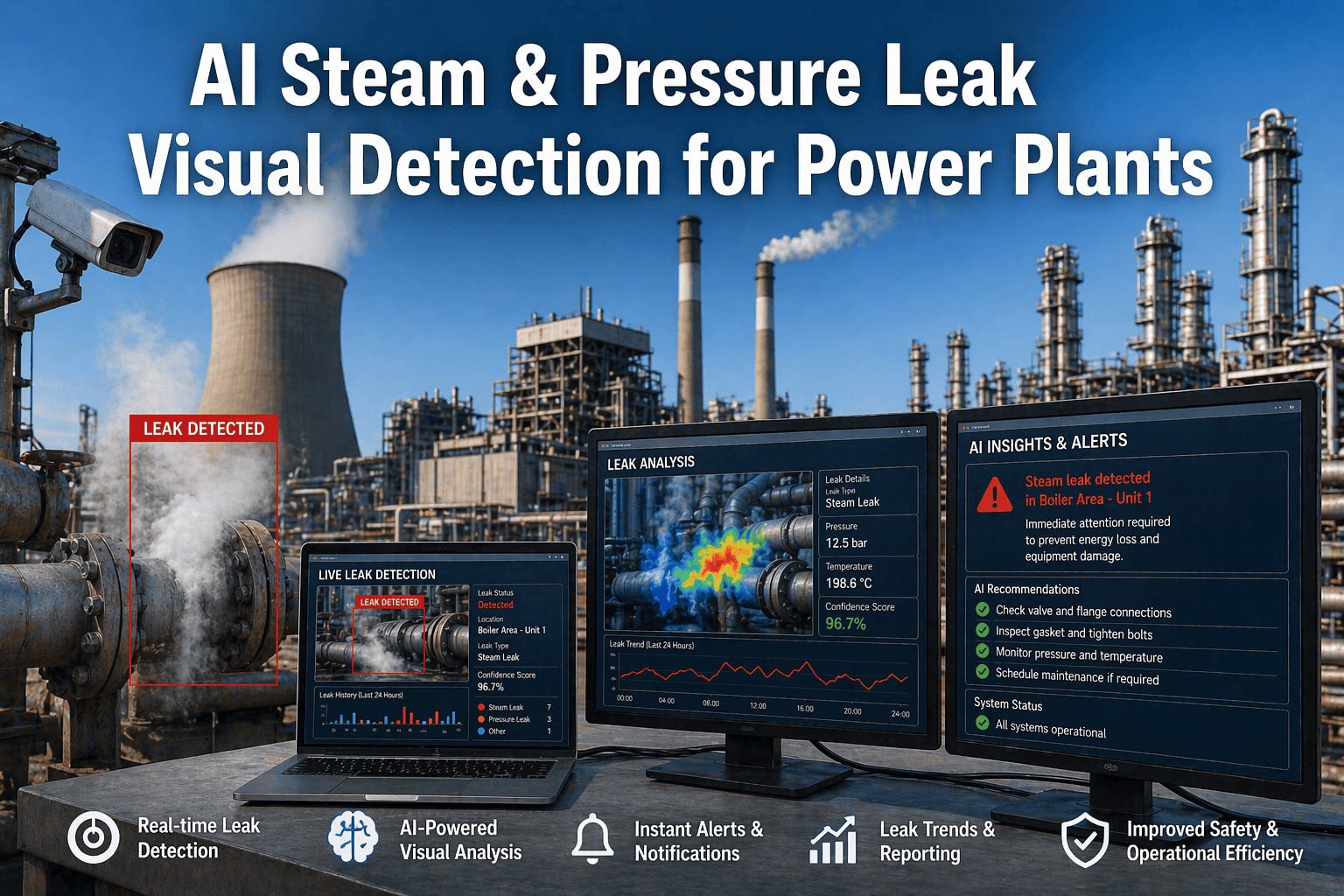
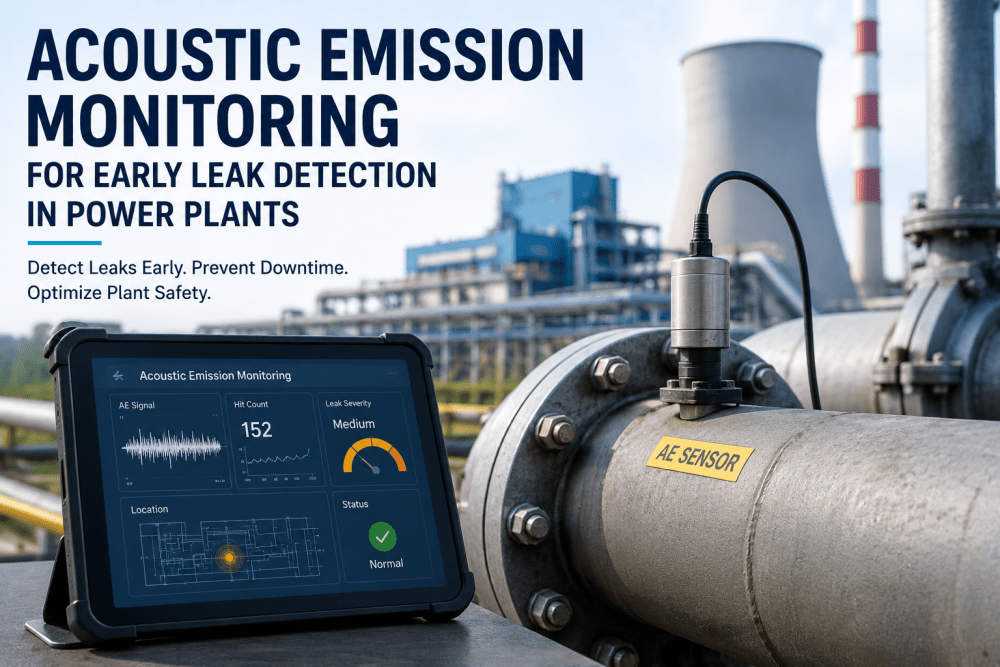
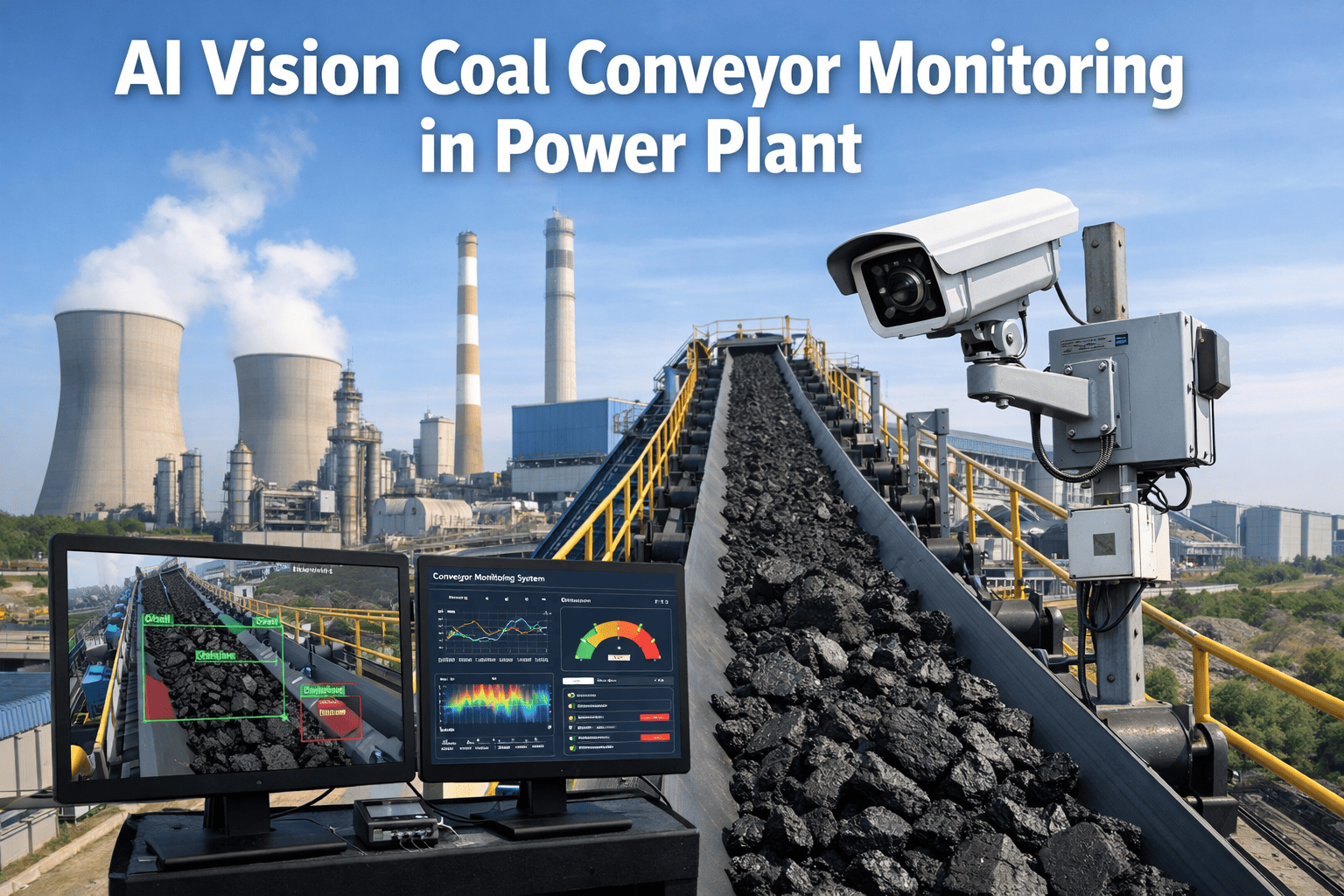
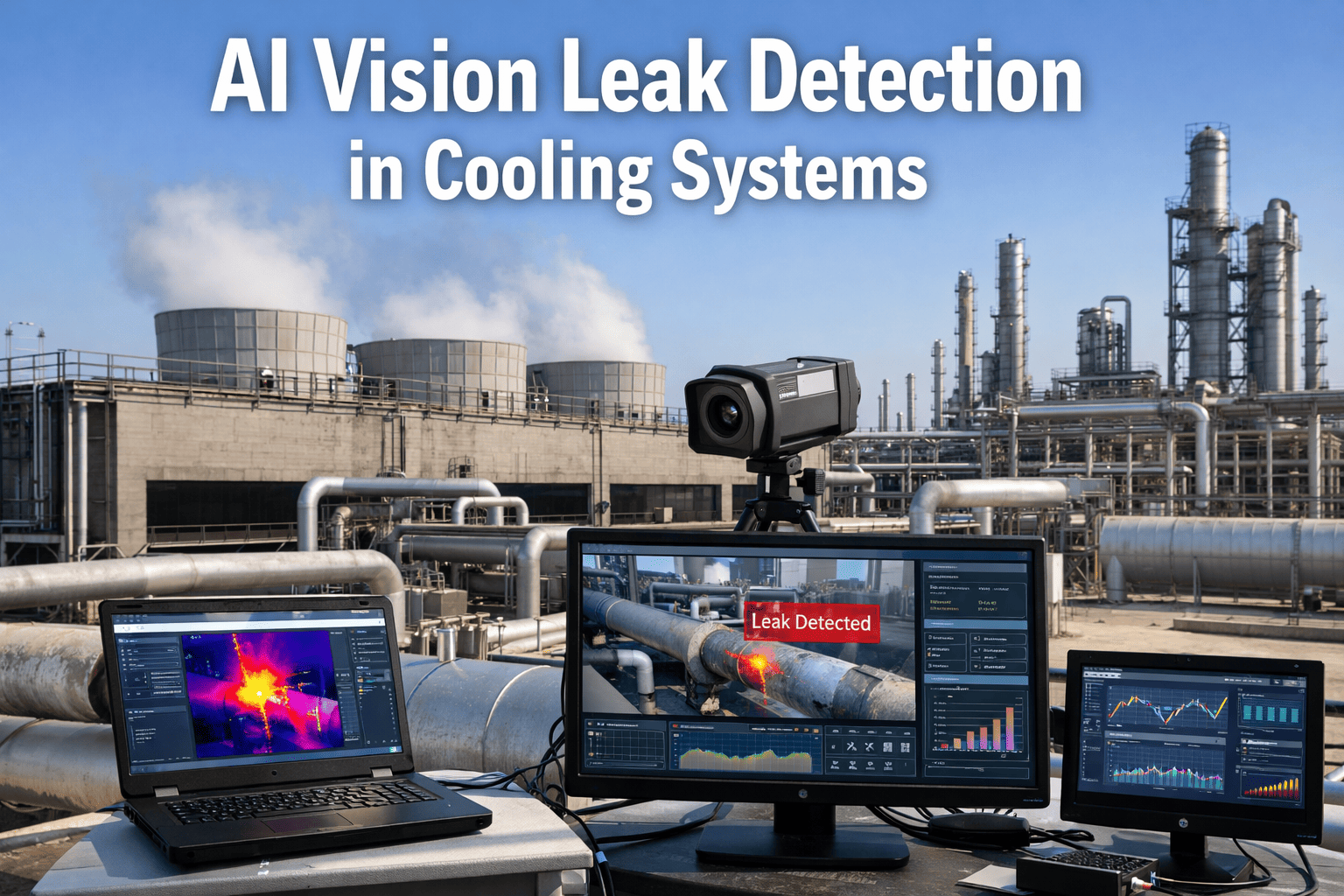
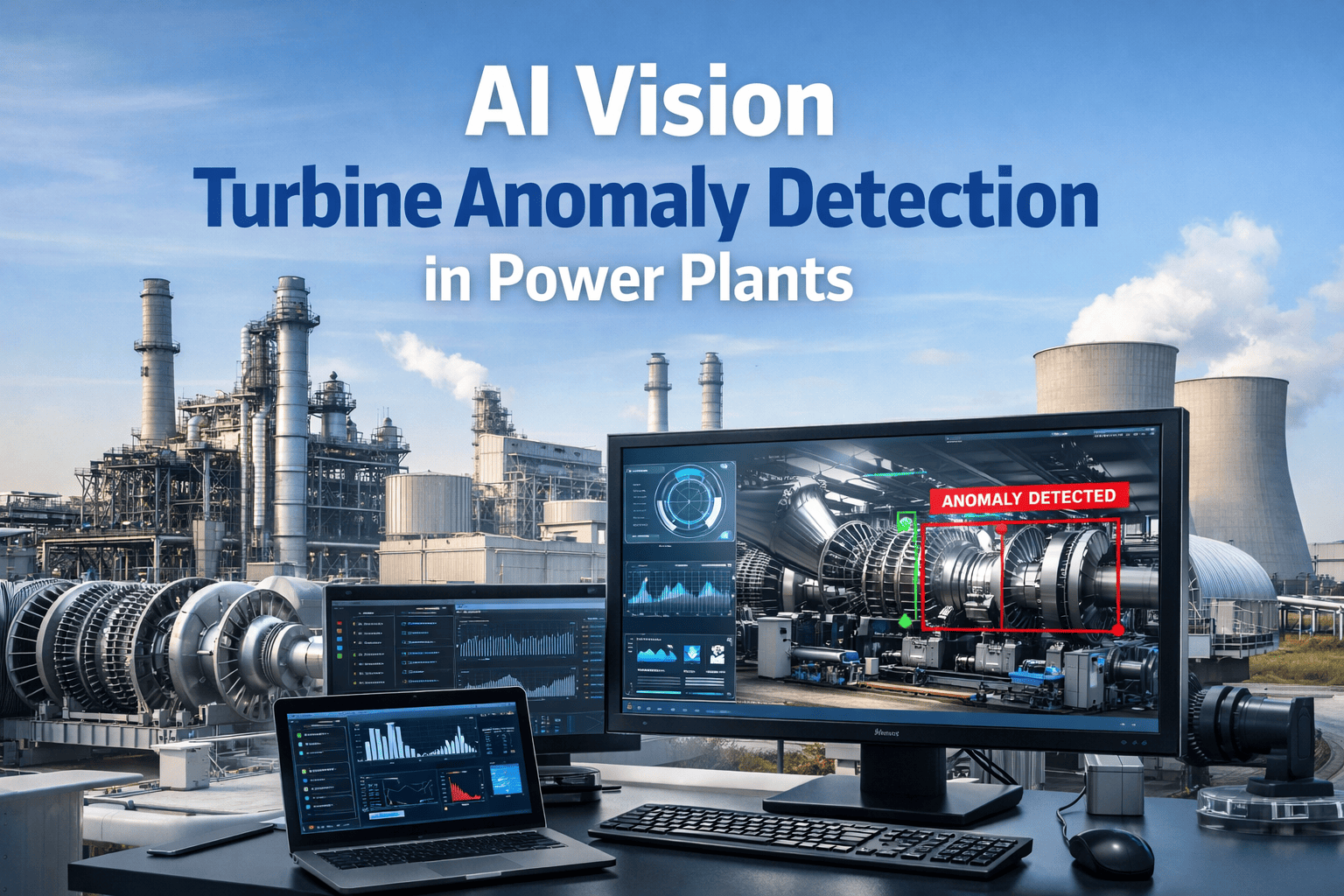
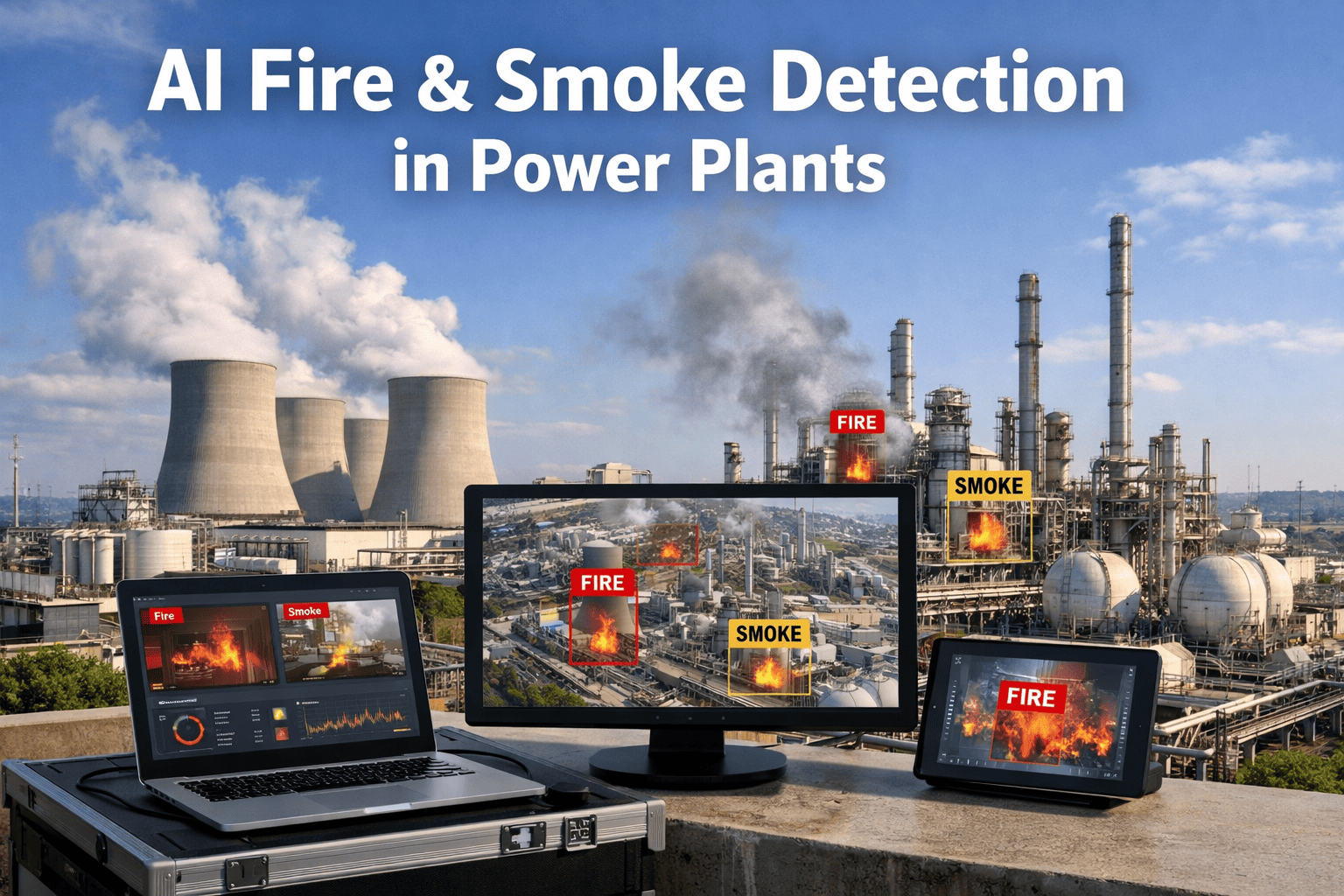
Power plants experience an average of 21–36% of steam system incidents annually due to undetected micro-leaks and pressure anomalies — not from catastrophic pipe failures, but from valve gland seepage, turbine casing micro-fissures, steam plume drift, and heat shimmer signatures that no manual inspections, acoustic sensors, or thermal cameras can reliably catch in time. By the time pipe bursts, turbine damage, or efficiency penalties are confirmed through outage inspections or utility audits, the compounding costs are already realized: unplanned derates, six-figure repair bills, thermal efficiency losses, safety exposures, and extended downtime. iFactory AI Steam Vision Platform changes this entirely — deploying computer vision models trained on steam dynamics and pressure leak signatures to detect micro-leaks in real time, classifying severity before operational impact occurs, and integrating directly into your existing DCS, CMMS, and reliability systems without disrupting critical steam operations. Book a Demo to see how iFactory deploys AI steam leak detection across your power plant within 6 weeks.
97%
Steam plume & micro-leak detection accuracy vs. 49% for manual thermal scans
$820K
Average annual steam loss & repair cost avoidance per mid-size power plant
92%
Reduction in undetected pressure anomalies vs. traditional monitoring protocols
6 wks
Full deployment timeline from steam audit to live AI detection go-live
Every Undetected Steam Plume Is a Pressure Risk and Efficiency Loss. AI Vision Stops It Before Escalation.
iFactory's AI vision platform monitors turbine halls, boiler sections, steam headers, and valve stations with computer vision models trained on heat shimmer patterns, condensation traces, and pressure leak dynamics — 24/7, without operator blind spots, thermal camera limitations, or inspection delays.
The Hidden Cost of Steam Leak Blind Spots: Why Manual Detection Fails Power Plants
Before exploring solutions, understand the root causes of steam system degradation and pressure-related incidents in industrial energy environments. Manual steam leak detection introduces systemic gaps that compound over time — gaps that AI vision directly addresses.
Micro-Leak & Heat Shimmer Blind Spots
Small fissures in turbine casings, valve glands, or steam headers release vapor visible only as subtle heat shimmer or condensation traces. Manual thermal scans miss these transient signatures that AI vision detects in real time.
Valve Gland & Packing Seepage
Gradual steam seepage from valve packing or gland seals causes cumulative efficiency loss and water chemistry degradation. Without continuous visual analytics, plants overcompensate with makeup water and chemical treatment, wasting resources.
Pressure Anomaly & Plume Drift
Steam plumes drifting from expected trajectories indicate pressure imbalances, blockages, or developing leaks. Static pressure sensors cannot visualize plume behavior or correlate it with thermal signatures for early warning.
Catastrophic Failure & Compliance Exposure
ASME, NBIC, and NERC require verifiable steam system integrity documentation. Manual inspection logs lack real-time leak validation, automated failure forecasting, and audit-ready evidence for regulatory defense and insurance claims.
How iFactory AI Vision Solves Steam Leak Detection Challenges in Power Plants
Traditional power plant steam system monitoring relies on periodic thermal imaging, acoustic leak detectors, and pressure trend analysis — all of which introduce coverage gaps, delayed response, and missed micro-leaks. iFactory replaces this with a continuous AI vision platform designed for high-temperature industrial environments that detects steam anomalies at the pixel level, classifies leak severity before operational impact, and creates an immutable visual audit trail for every steam asset. See a live demo of iFactory detecting simulated turbine casing micro-leaks and valve gland seepage in a boiler section scenario.
01
Multi-Spectral Steam Analytics
iFactory ingests data from RGB, thermal, and hyperspectral cameras simultaneously — fusing visual plume tracking, heat shimmer detection, and condensation pattern analysis into a single leak probability score per asset, updated every 12 seconds.
02
AI Leak Classification & Severity Scoring
Proprietary computer vision models classify each anomaly as valve gland seepage, turbine casing micro-fissure, header weld defect, or pressure relief drift — with confidence scores and estimated flow rates. Operators receive graded alerts, not raw video feeds. False positive rate drops to under 5%.
03
Predictive Failure Forecasting
iFactory's temporal vision engine identifies steam assets trending toward critical leak thresholds 6–24 hours before operational impact — giving maintenance teams time to isolate, repair, or adjust loads proactively before catastrophic failure occurs.
04
DCS, CMMS & Reliability System Integration
iFactory connects to Honeywell, Siemens, GE, SAP PM, IBM Maximo, and reliability platforms via OPC-UA, Modbus TCP, and REST APIs. Auto-link leak alerts to work orders, steam balance dashboards, or RBI assessments. Integration completed in under 9 days.
05
Automated Regulatory & Insurance Reporting
Every leak event — detected, classified, and resolved — generates a structured compliance report with visual evidence, repair documentation, and steam loss tracking. Audit-ready for ASME B31.1, NBIC, NERC reliability standards, and insurance carrier documentation.
06
Steam Safety Decision Support
iFactory presents ranked intervention recommendations per alert — isolate steam header section, schedule valve repacking, adjust turbine load, or escalate to engineering — with steam loss estimates and failure risk scores. Teams act on verified visual data, not estimates.
Regulatory & Compliance Framework Support: Built for Power Generation Steam Standards
iFactory's AI vision platform is pre-configured to meet the documentation and reporting requirements of major steam system regulatory frameworks. No custom development needed — compliance reporting is automatic.
ASME B31.1 / B31.3
Power piping & process piping standards: steam system integrity monitoring, leak documentation, pressure boundary verification, and inspection tracking — structured for NBIC inspections and enforcement defense.
NERC Reliability Standards
Critical infrastructure protection: steam system integrity monitoring, incident documentation, and corrective action tracking for turbine hall and boiler operations — auto-generated for NERC compliance submissions.
EPA / State Air Quality
Steam venting and fugitive emission regulations: real-time leak detection logs, plume dispersion documentation, and conservation reporting — auto-generated for state agency and EPA submissions.
ISO 55001 / Insurance Carriers
Asset management & risk mitigation: steam system reliability metrics, leak prevention actions, and continuous improvement tracking — structured for certification audits and premium reduction validation.
How iFactory Is Different from Generic Thermal or Acoustic Monitoring Tools
Most industrial thermal camera or acoustic leak detection vendors offer point-in-time scans and basic threshold alerts wrapped in a portal. iFactory is built differently — from the power plant steam workflow up, specifically for environments where micro-leak detection, pressure integrity, and catastrophic failure prevention determine operational and financial outcomes. Talk to our steam vision AI specialists and compare your current leak detection approach directly.
iFactory AI Steam Vision Implementation Roadmap
iFactory follows a fixed 5-stage deployment methodology designed specifically for power plant steam systems — delivering pilot results in week 3 and full production rollout by week 6. No open-ended implementations. No steam system disruption.
01
Steam Audit
Map critical steam assets & camera placement
02
System Integration
Connect to DCS, CMMS, reliability systems via APIs
03
Pilot Configuration
Deploy AI vision to 3–5 critical steam zones
04
Validation & Training
User acceptance testing & operator/maintenance training
05
Full Production
Plant-wide AI steam leak detection go-live
6-Week Deployment and ROI Plan
Every iFactory engagement follows a structured 6-week program with defined deliverables per week — and measurable ROI indicators beginning from week 3 of deployment. Request the full 6-week deployment scope document tailored to your plant steam systems.
Weeks 1–2
Discovery & Design
Critical steam asset assessment across turbine halls, boiler sections, steam headers, and valve stations
AI vision design aligned with existing camera infrastructure and steam integrity monitoring targets
Integration planning with DCS, CMMS, and reliability management systems
Weeks 3–4
Pilot & Validation
Deploy AI vision monitoring to high-impact steam assets: turbine casings, main steam headers, critical valve banks
Leak detection alerts and severity classification activated; response workflows tested with maintenance teams
First steam loss preventions and efficiency improvements captured — ROI evidence begins here
Weeks 5–6
Scale & Optimize
Expand to full plant coverage: all critical steam assets, all monitoring points, all shifts
Automated compliance & reliability reporting activated for applicable regulatory frameworks
ROI baseline report delivered — steam loss reduction, efficiency gains, and failure prevention value
ROI IN 4 WEEKS: MEASURABLE RESULTS FROM WEEK 3
Plants completing the 6-week program report an average of $156,000 in avoided steam loss costs and repair expenses within the first 4 weeks of full production rollout — with leak detection improvements of 44–71% detected by week 3 pilot validation.
$156K
Avg. savings in first 4 weeks
44–71%
Steam leak detection gain by week 3
87%
Reduction in undetected pressure anomalies
Eliminate Steam Leak Blind Spots. Protect Assets & Efficiency in 6 Weeks. ROI Evidence in Week 3.
iFactory's fixed-scope deployment program means no open timelines, no steam system disruption, and no months of customization before you see a single result.
Use Cases and KPI Results from Live Power Plant Deployments
These outcomes are drawn from iFactory deployments at operating power plants across three steam system categories. Each use case reflects 6-month post-deployment performance data. Request the full case study report for the steam system most relevant to your plant.
A 550MW combined cycle facility was experiencing recurring thermal efficiency losses traced to undetected turbine casing micro-fissures releasing steam as subtle heat shimmer. Manual thermal imaging identified leaks only after 4–7% efficiency drop — well past the point of cost-effective intervention. iFactory deployed multi-spectral AI vision across all turbine sections, with heat shimmer detection and plume trajectory models trained on steam dynamics. Within 3 weeks of go-live, the system detected 19 early-stage casing leaks at the precursor phase — before any measurable efficiency deviation.
19
Critical turbine casing leaks detected in first 3 weeks
$340K
Estimated annual efficiency value preserved
96%
Detection accuracy on micro-leak events
Book a Demo for This Use Case
A coal-fired station operating 127 high-pressure steam valves was losing 14–22% excess steam to undetected gland packing seepage and gradual seal degradation. Manual acoustic leak surveys occurred quarterly and missed transient seepage events between inspections. iFactory replaced periodic surveys with continuous AI vision monitoring, classifying seepage severity and auto-alerting maintenance teams to repacking needs. Steam consumption dropped by 19.8%, and water chemistry stability improved as blowdown volumes stabilized.
19.8%
Steam consumption reduction from seepage prevention
95%
Seepage event detection rate (vs. 41% manual)
$225K
Annual steam & chemical cost savings
Book a Demo for This Use Case
A nuclear support facility managing critical service water steam headers was facing regulatory scrutiny over unexplained pressure drops and water balance discrepancies. Manual ultrasonic testing identified weld defects only after visible steam plumes occurred — typically after environmental reporting deadlines had passed. iFactory's AI vision models detected heat shimmer signatures from micro-fissures in insulated piping, enabling targeted repairs before leaks became reportable events. Zero pressure anomaly discrepancies were recorded in the next two quarterly NERC submissions.
0
Pressure anomaly discrepancies post-deployment
100%
Regulatory submission compliance achieved
$385K
Annual compliance risk value preserved
Book a Demo for This Use Case
What Power Plant Leaders Say About iFactory AI Steam Vision
The following testimonial is from a plant reliability director at a facility currently running iFactory's AI steam leak detection platform.
We eliminated the "where is that steam coming from?" mystery entirely. iFactory's AI vision detects turbine casing micro-leaks and valve gland seepage before they impact efficiency or trigger catastrophic failure — with timestamped visual evidence that makes root cause analysis instantaneous and ASME reporting effortless. In our first quarter live, the system prevented two turbine casing failures that would have forced unplanned outages costing over $1.2M each. The platform paid for itself in avoided lost generation alone. Now our steam balance reconciles perfectly every month, our maintenance planning is predictive instead of reactive, and our insurance carrier reduced our premium by 18% based on the documented risk mitigation. This isn't just monitoring — it's operational intelligence that protects our assets and our license to operate.
Director of Plant Reliability & Asset Management
Combined Cycle Power Facility, Texas
Frequently Asked Questions
Does iFactory require new cameras or sensors to be installed on steam systems?
In most deployments, iFactory connects to existing plant CCTV, thermal cameras, or environmental monitoring systems — no new hardware required. Where vision gaps are identified during the Week 1–2 audit, iFactory recommends targeted additions only (typically 2–4 cameras per critical steam zone), not a full instrumentation overhaul. Integration is complete within 9 days in standard environments.
Which industrial systems does iFactory integrate with for steam monitoring?
iFactory integrates natively with Honeywell Experion, Siemens PCS 7, GE Mark VIe, SAP PM, IBM Maximo, and reliability platforms via OPC-UA, Modbus TCP, and REST APIs. Integration scope is confirmed during the Week 1 steam audit.
How does iFactory handle different steam system types across the same facility?
iFactory trains separate AI models per steam asset type — accounting for turbine casings, valve banks, header welds, and condensate return configurations across high-pressure, reheat, and extraction steam services. Multi-asset facilities are fully supported within a single deployment. Asset-specific detection parameters are configured during the Week 3 model training phase.
Can iFactory detect steam leaks in high-glare, steam-obscured, or low-light conditions?
Yes. iFactory's multi-spectral fusion combines RGB, thermal, and hyperspectral inputs to maintain detection accuracy across all lighting and atmospheric conditions. Heat shimmer signatures and condensation patterns remain detectable even when visible-light cameras are obscured by steam, glare, or low-light environments common in turbine halls and boiler sections. Performance validation is completed during the Week 3–4 pilot phase.
How long does training take for plant personnel?
Role-based training modules are delivered during Weeks 4–5 of deployment. Most operators and maintenance technicians achieve proficiency in under 75 minutes. Reliability engineers and compliance staff receive additional training on analytics, reporting, and system configuration. Ongoing support is included.
What if our plant has unique steam configurations or regulatory requirements?
iFactory's AI vision engine allows configuration of custom detection thresholds, alert workflows, and reporting templates without code. Our implementation team works with your reliability, operations, and compliance teams during Week 1–2 to align the platform with your specific steam assets and regulatory obligations.
Stop Losing Steam to Invisible Leaks. Start Building a Vision-Enabled, Failure-Prevented Future.
iFactory gives power plant teams real-time AI steam leak detection, multi-spectral analytics, automated regulatory reporting, and seamless system integration — fully deployed in 6 weeks, with ROI evidence starting in week 3.
97% steam plume & micro-leak detection with multi-spectral AI vision
DCS, CMMS & reliability system integration in under 9 days
ASME, NBIC & NERC audit trails out-of-the-box
Edge processing for zero-latency alerts in all steam environments