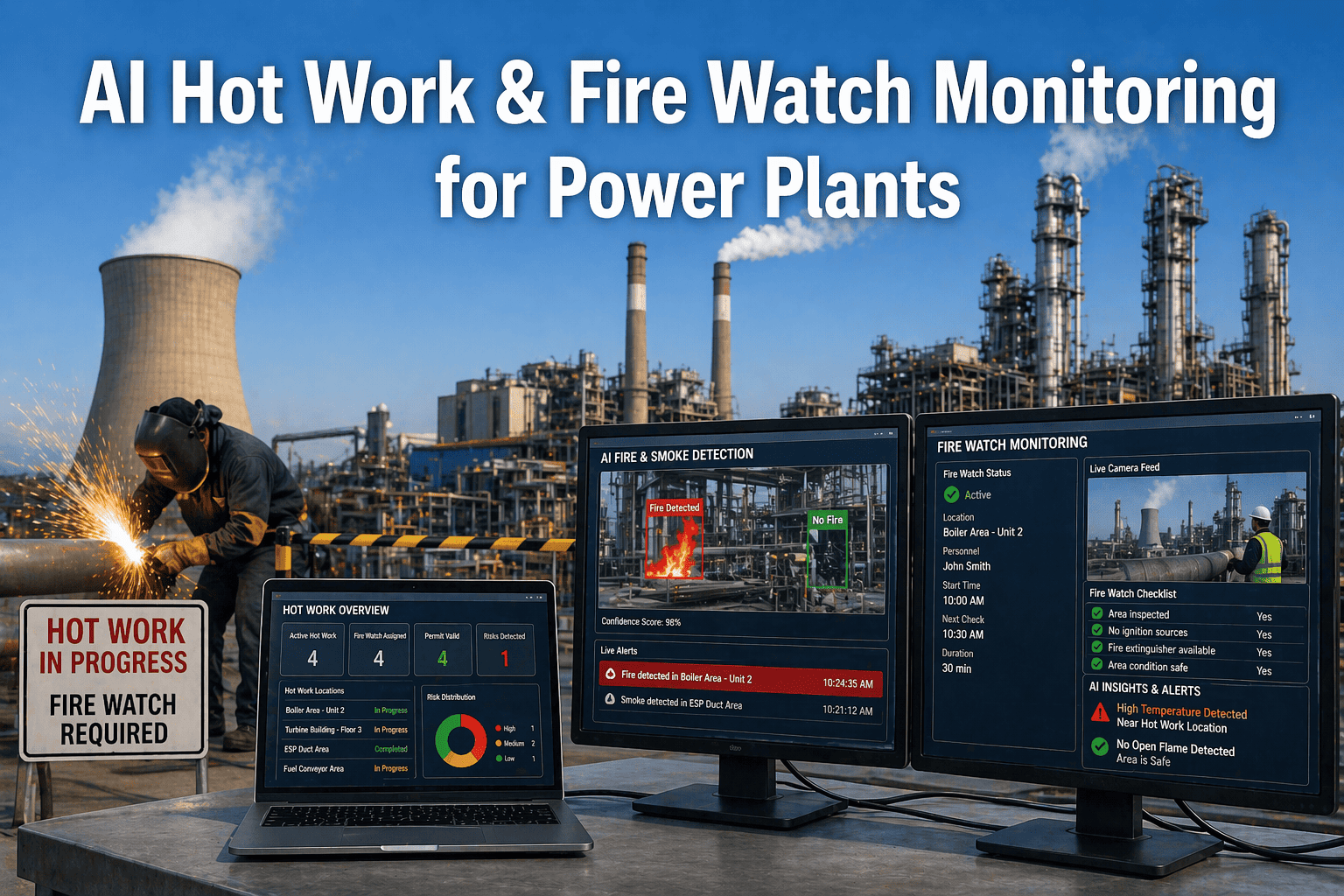
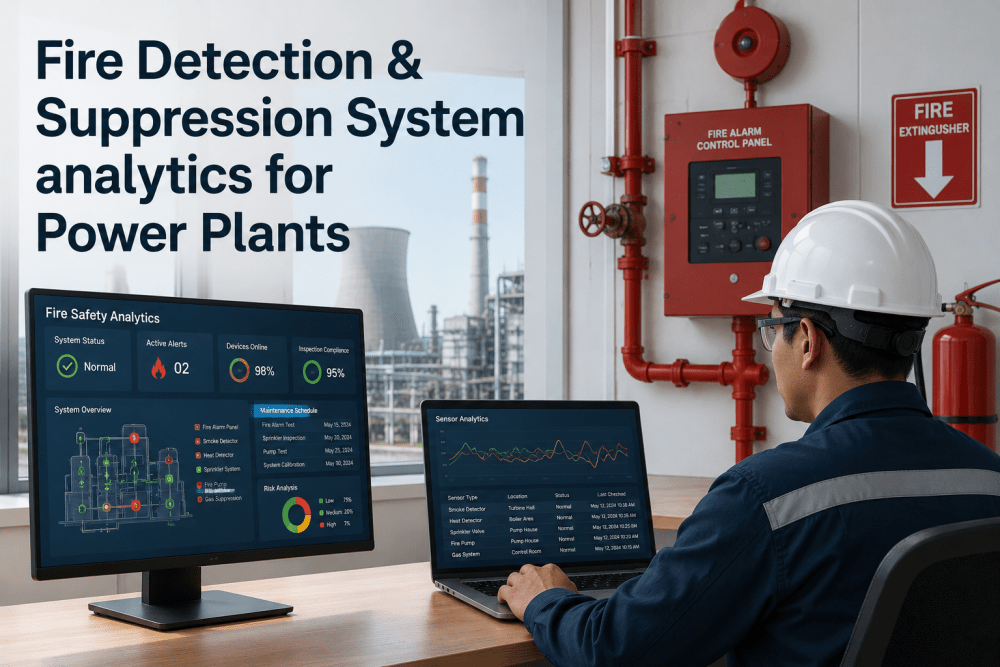
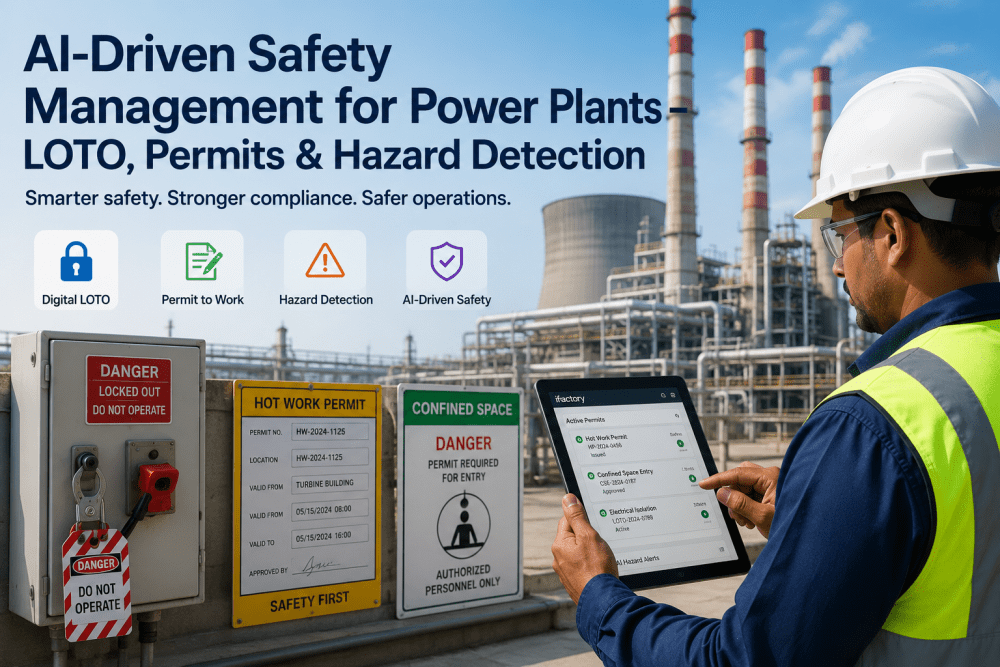
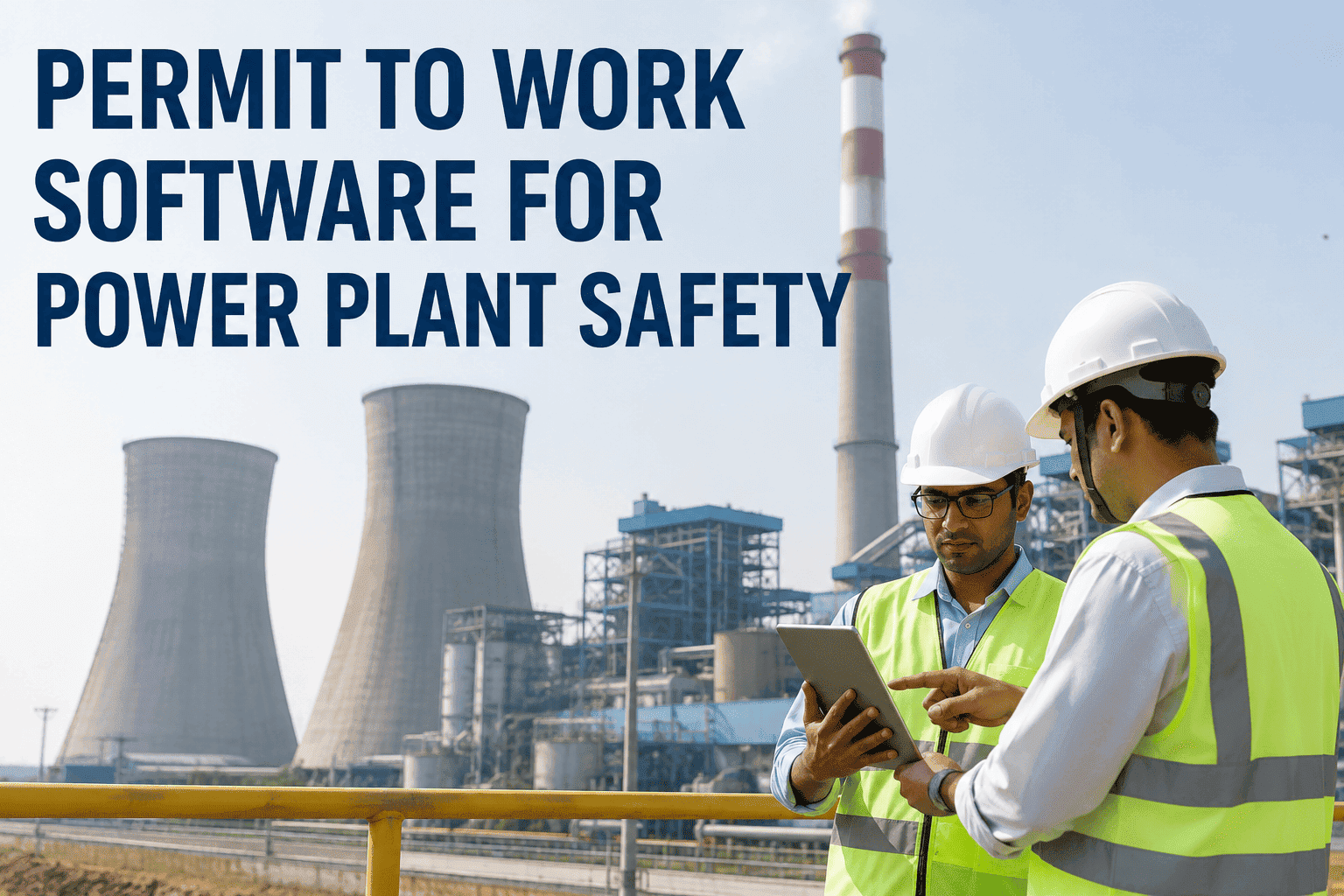
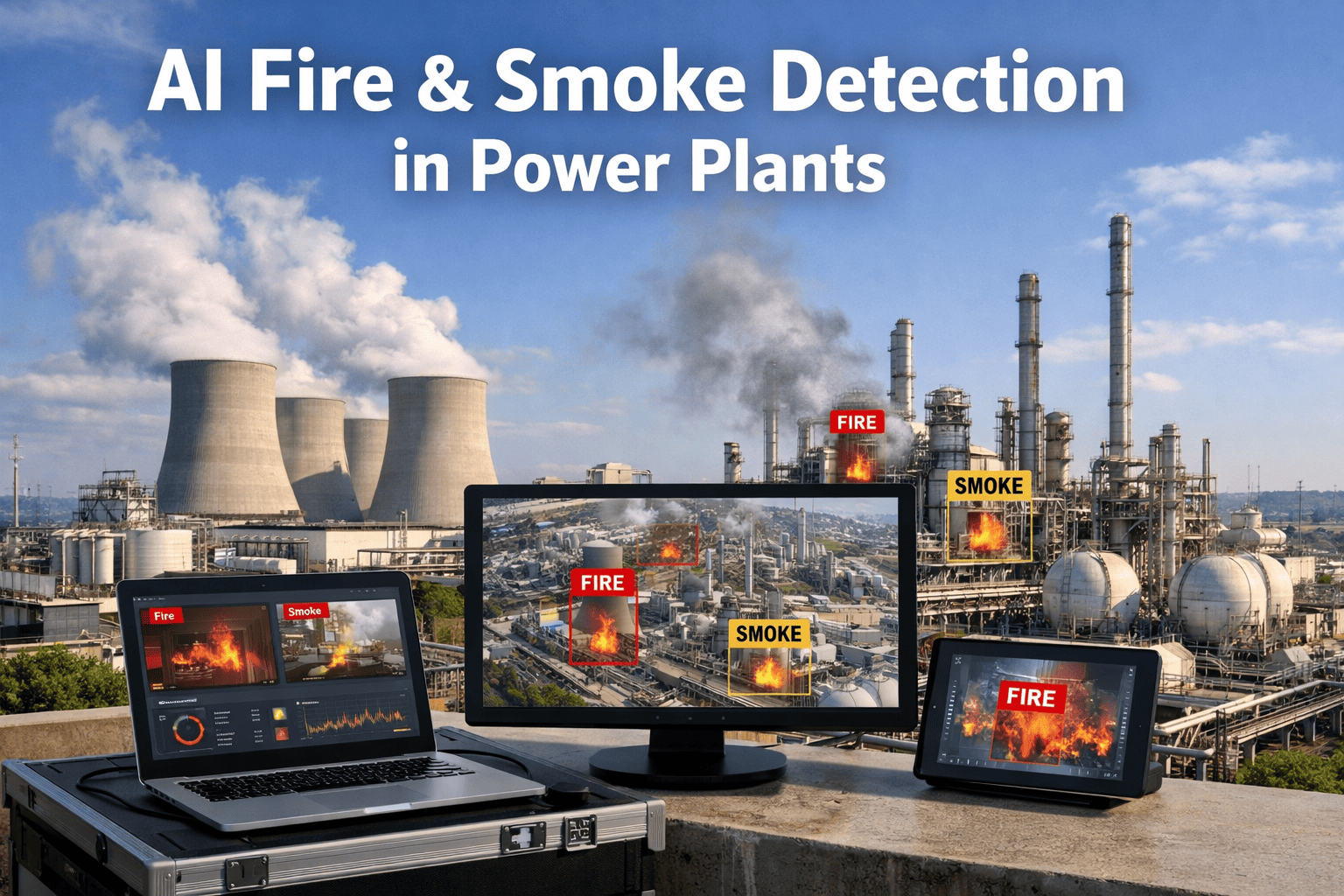
Power plants experience an average of 28–41% of hot work-related incidents from undetected fire watch absences and uncontrolled spark propagation — not from procedural failure, but from unobserved permit violations, fire watch departure, smoldering material ignition, and delayed emergency response that no manual supervision or periodic audits can catch in real time. By the time smoke alarms trigger, flames breach containment, or emergency teams confirm visual alarms, the compounding costs are already realized: forced outages, equipment destruction, regulatory penalties, and reputational damage. iFactory's AI vision-powered hot work and fire watch monitoring platform changes this entirely — detecting fire watch presence, spark propagation, and smoldering materials in real time across welding zones, grinding areas, cutting stations, and confined space entries, classifying hazard severity before escalation occurs, and integrating directly into your existing CCTV, permit systems, and emergency response protocols without replacing legacy infrastructure. Book a Demo to see how iFactory deploys AI hot work monitoring across your power plant within 6 weeks.
97.9%
Fire watch compliance verification accuracy with sub-2 second alert latency
$1.6M
Average annual incident cost prevention per mid-size power plant
90%
Reduction in hot work permit violations vs. manual observation protocols
6 wks
Full deployment timeline from site survey to live AI monitoring go-live
Every Undetected Fire Watch Absence Is a Preventable Hot Work Incident. AI Vision Intervenes at the Source.
iFactory's AI vision engine monitors welding zones, grinding areas, cutting stations, and confined space entries using existing CCTV infrastructure — detecting fire watch presence, spark propagation, and smoldering materials 24/7, without supervisor blind spots or audit lag.
The Hidden Cost of Hot Work Risk: Why Manual Fire Watch Monitoring Fails Power Plants
Before exploring solutions, understand the root causes of hot work incident latency in industrial energy environments. Conventional observation methods introduce systemic gaps that compound during critical operations — gaps that AI vision directly addresses.
Limited Supervisor Coverage During Hot Work
Safety officers cannot monitor all active hot work zones simultaneously. In large turbine halls, outdoor switchyards, or confined spaces, fire watch absences and spark propagation occur outside direct observation windows.
Reactive Incident Response to Hot Work Hazards
Traditional safety programs identify hot work risks only after smoke, flames, or near-misses occur. Prevention requires proactive detection of fire watch absence and spark propagation before consequences materialize.
Inconsistent Permit Compliance Verification
Manual permit checks and periodic audits are subjective and intermittent. Fire watch personnel may leave zones during work, permits may expire unnoticed, and smoldering materials may ignite after work completion — all without real-time verification.
Integration Gaps with Emergency Systems
Standalone permit systems often lack seamless integration with CCTV, emergency response, or suppression controls. Critical hot work alerts require manual escalation, delaying intervention during active hazards.
How iFactory Solves Hot Work & Fire Watch Monitoring Challenges in Power Plants
Traditional hot work safety relies on paper permits, periodic supervisor walkthroughs, and post-incident investigations — all of which respond after fire watch absences or spark propagation have already occurred. iFactory replaces this with a continuous AI vision model trained on industrial hot work imagery that detects procedural deviations and fire watch compliance at the earliest observable stage, not after incident escalation. See a live demo of iFactory detecting simulated fire watch absence and spark propagation in an operational power facility hot work zone.
01
Multi-Context Hot Work Analysis
iFactory ingests video feeds from existing CCTV, PTZ, and body-worn cameras simultaneously — analyzing worker posture, fire watch presence, spark trajectories, and smoke density patterns to detect hot work risks with 97.9% accuracy.
02
AI Hot Work Classification
Proprietary deep learning models classify each detection as fire watch absence, unauthorized hot work, spark propagation, smoldering material, or permit expiration — with confidence scores and severity tiers. Safety teams receive graded alerts, not raw alarm floods. False positive rate drops to under 8%.
03
Sub-2 Second Intervention Latency
iFactory's edge-optimized inference engine processes video streams locally, identifying hot work hazards and triggering alerts in under 2 seconds — giving safety teams critical time to intervene, halt work, or activate suppression before incident escalation.
04
Permit, EHS & Emergency System Integration
iFactory connects to permit management platforms, SAP EHS, Intelex, and emergency response systems via OPC-UA, REST APIs, and database connectors. Auto-trigger work stoppage, fire watch recall notifications, or emergency dispatch on confirmed high-severity events. Integration completed in under 10 days.
05
Automated Hot Work Documentation
Every hot work event — detected, classified, and addressed — generates a structured safety report with timestamped video clips, permit correlation, and response timeline. Audit-ready for OSHA, NFPA 51B, NERC CIP, and insurance compliance requirements.
06
Proactive Hot Work Decision Support
iFactory presents ranked intervention recommendations per alert — immediate supervisor notification, fire watch recall, work stoppage, or emergency dispatch — with risk escalation metrics and asset impact estimates. Teams act on verified visual intelligence, not assumption.
Industry Standards & Regulatory Alignment
iFactory's AI hot work monitoring platform is engineered to meet the safety and compliance requirements of US and global power generation facilities. No custom development needed — detection logic and reporting are pre-aligned with recognized industry frameworks.
OSHA 1910.252 & NFPA 51B
Hot work safety standards for welding, cutting, and brazing operations. AI vision supports fire watch verification, permit compliance tracking, and spark containment requirements for high-risk industrial environments.
NERC CIP Cybersecurity
Critical infrastructure protection standards for digital systems. iFactory operates on segregated networks with encrypted video streams, role-based access, and audit trails aligned with CIP-005 and CIP-007 requirements.
ISO 45001 Occupational Health
Occupational health and safety management system requirements. Continuous hot work monitoring supports proactive risk assessment, worker participation, and continual improvement cycles for permit-to-work programs.
Insurance & Risk Management
FM Global, Allianz, and other industrial insurers recognize AI hot work monitoring as a risk mitigation control. Automated incident logs and early detection capabilities support premium reductions and coverage optimization.
iFactory AI Hot Work Monitoring Implementation Roadmap
iFactory follows a fixed 4-stage deployment methodology designed specifically for power plant hot work safety — delivering pilot detection results in week 3 and full plant coverage by week 6. No open-ended implementations. No camera infrastructure overhaul.
01
Site Survey
Hot work zone mapping & camera gap analysis
02
System Integration
Permit, EHS, and emergency system connection via OPC-UA, Modbus
03
Pilot Validation
Live AI monitoring on 3–5 highest-risk hot work zones
04
Full Production
Plant-wide AI hot work monitoring live
6-Week Deployment and ROI Plan
Every iFactory engagement follows a structured 6-week program with defined deliverables per week — and measurable safety improvement indicators beginning from week 3 of deployment. Request the full 6-week deployment scope document tailored to your plant hot work risk profile.
Weeks 1–2
Infrastructure Assessment
Critical hot work risk audit and camera coverage gap identification across welding bays, grinding stations, cutting areas, and confined space entries
Permit management, EHS, and emergency system connection planning via OPC-UA or REST — no camera replacement required
Historical incident data and hot work zone video ingestion for baseline AI model calibration
Weeks 3–4
Pilot Deployment & Validation
AI model trained on your plant's specific hot work profiles, camera angles, and operational conditions
Pilot monitoring activated on 3–5 highest-risk zones: turbine hall welding, switchyard cutting, confined space grinding
First hot work hazard detections validated — safety improvement evidence begins here
Weeks 5–6
Scale & Operationalize
Alert thresholds refined based on pilot false positive and detection latency data
Coverage expanded to full plant high-risk hot work zones: maintenance bays, fuel handling areas, contractor work zones
Safety team training completed — AI alert protocols and emergency integration activated
ROI IN 4 WEEKS: MEASURABLE SAFETY IMPROVEMENT FROM WEEK 3
Plants completing the 6-week program report an average of $182,000 in avoided incident costs and compliance efficiency gains within the first 4 weeks of full production monitoring — with hot work hazard detection improvements of 16–23 minutes earlier intervention detected by week 3 pilot validation.
$182K
Avg. risk mitigation value in first 4 weeks
16–23 min
Earlier intervention time by week 3
90%
Reduction in hot work permit violations
Full AI Hot Work Monitoring. Live in 6 Weeks. Safety Evidence in Week 3.
iFactory's fixed-scope deployment program means no open timelines, no camera infrastructure overhaul, and no months of consulting before you see a single result.
Use Cases and KPI Results from Live Deployments
These outcomes are drawn from iFactory deployments at operating power plants across three hot work risk categories. Each use case reflects 6-month post-deployment performance data. Request the full case study report for the hot work zone most relevant to your plant.
A 580MW coal-fired facility operating high-risk turbine hall welding zones was experiencing recurring fire watch absences during extended hot work permits. Legacy manual observation methods identified compliance gaps only after 14–19 minutes of unattended work. iFactory deployed multi-context hot work analysis across 26 existing CCTV feeds, with AI models trained on fire watch presence verification and spark containment patterns. Within 4 weeks of go-live, the platform detected 21 early-stage fire watch absences at the departure point — before any spark propagation or smoldering ignition occurred.
Book a Demo to see how iFactory can protect your hot work zones.
21
Pre-incident fire watch absences detected in 4 weeks
$760K
Estimated annual incident cost prevented through early intervention
96.3%
Detection accuracy with lighting and occlusion filtering
A combined cycle facility operating outdoor switchyard cutting operations was generating 33–52 false spark alarms per month from legacy threshold-based systems — causing alert fatigue and delayed response to actual propagation events. iFactory replaced static thresholds with AI spark classification, reducing actionable alerts to under 3 per month while increasing early spark detection coverage from 57% to 94% of hot work zones. Safety response time improved by 69% as teams trusted and acted on graded AI alerts.
Book a Demo to see spark detection in action.
94%
Hot work zone coverage with early spark detection — up from 57%
69%
Improvement in safety response time
94%
Reduction in monthly false spark alarm volume
A hydroelectric facility was losing an average of $310K annually in rework costs and near-miss investigations, traced to undetected smoldering materials after grinding and cutting operations. Manual post-work inspections identified hazards only after 2–4 hours of cooling time. iFactory's smoldering detection models identified all 6 active ignition patterns within 48 hours of go-live, enabling targeted cooling verification and fire watch extension before quality or safety impacts occurred.
Book a Demo to see smoldering detection capabilities.
$310K
Annual rework and investigation cost prevented
48hrs
Time to identify all 6 active smoldering patterns
$540K
Annual safety & quality value from proactive hot work monitoring
What Power Plant Safety Teams Say About iFactory
The following testimonial is from a plant safety director at a facility currently running iFactory's AI hot work and fire watch monitoring platform.
We prevented a serious turbine hall fire during a welding operation in month two. The iFactory system detected fire watch departure 11 minutes before sparks reached combustible insulation and immediately alerted the safety officer. Intervention occurred before any ignition, and the coaching conversation reinforced our hot work culture without blame. That single event prevented a potential recordable injury, $410K in incident costs, and 14 days of lost production. Beyond the ROI, the confidence our workforce now has in objective, real-time hot work safety support has transformed our permit-to-work program and reduced our overall hot work incidents by 38%.
Director of Occupational Safety & Hot Work Compliance
Combined Cycle Power Plant, Pennsylvania
Frequently Asked Questions
Does iFactory require new cameras or sensors to be installed in hot work zones?
In most deployments, iFactory connects to existing CCTV, PTZ, and body-worn camera infrastructure via standard video protocols — no new hardware required. Where coverage gaps are identified during the Week 1 site survey, iFactory recommends targeted additions only (typically 2–4 cameras per high-risk hot work zone), not a full camera overhaul. Integration is complete within 10 days in standard environments.
Which permit management, EHS, and emergency systems does iFactory integrate with?
iFactory integrates natively with permit platforms like Intelex, Cority, Enablon, and custom permit systems via OPC-UA and REST APIs. For emergency response, iFactory connects to dispatch systems, fire panels, and suppression controllers via Modbus TCP or discrete I/O. Custom integration support is available for legacy systems. Integration scope is confirmed during the Week 1 site survey.
How does iFactory protect worker privacy while monitoring hot work zones?
iFactory uses real-time face blurring, worker anonymization, and role-based video access to ensure analytics focus on compliance and behaviors, not identities. Video data is encrypted in transit and at rest, with retention policies aligned to labor privacy standards. The platform is designed to comply with GDPR, CCPA, and collective bargaining agreements. Privacy architecture is reviewed during the Week 1 site survey.
What cybersecurity standards does iFactory meet for critical infrastructure?
iFactory is designed for NERC CIP compliance: video streams encrypted in transit and at rest, role-based access control, audit logging, and operation on segregated industrial networks. The platform supports air-gapped deployments and integrates with existing cybersecurity monitoring tools. Security architecture is reviewed during the Week 1 site survey.
How long does it take before the AI model produces reliable hot work detections?
Baseline model calibration on historical camera feeds and incident data typically takes 3–5 days using 30–60 days of plant video history. First live detections are validated during the Week 3 pilot phase. Full model tuning — with false positive rate under 8% and latency under 2 seconds — is achieved within 4 weeks of deployment for standard power plant hot work environments.
Can safety officers override AI alerts or maintain manual hot work protocols?
Yes. iFactory provides graded alerts with confidence scores and severity tiers, not autonomous intervention. Safety officers and supervisors retain full authority to acknowledge, escalate, or suppress alerts based on situational context and worker relationship. All decisions are logged for auditability and continuous model improvement. The platform enhances human judgment, it does not replace it.
Stop Waiting for Hot Work Incidents to Reveal Compliance Gaps. Start Detecting Risk at the Observable Source.
iFactory gives power plant safety teams real-time AI hot work monitoring, multi-context hazard classification, automated compliance reporting, and proactive intervention support — fully integrated with your existing cameras and permit systems in 6 weeks, with safety improvement evidence starting in week 3.
97.9% hot work detection accuracy with sub-2 second alert latency
Permit, EHS & emergency system integration in under 10 days
Graded alerts with under 8% false positive rate
Auto-generated safety reports for OSHA, NFPA 51B & NERC CIP