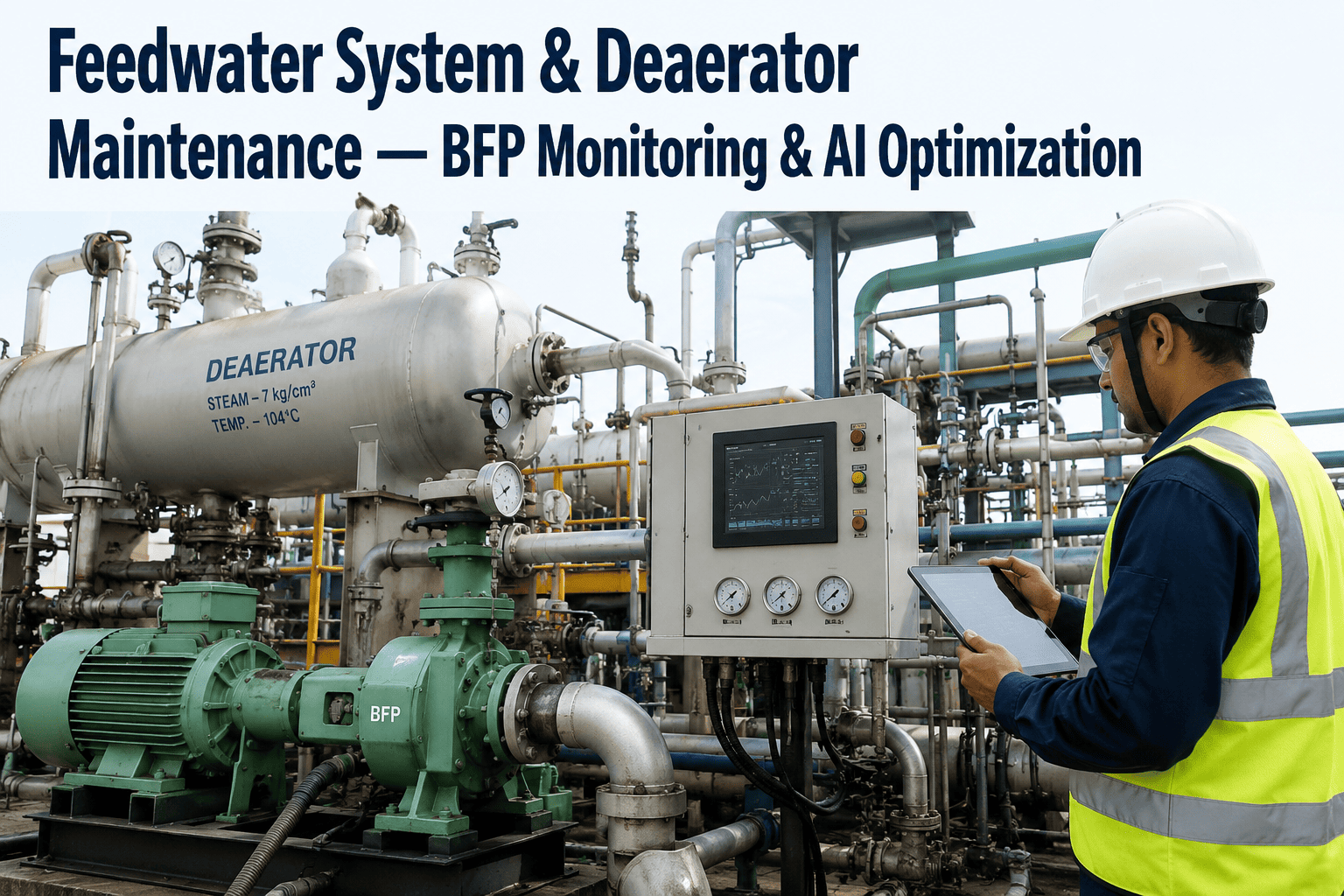
A process engineer tracking a slow heat rate creep already suspects the feedwater train before anyone else on site does, because that is where small, unglamorous losses hide in plain sight. A feedwater heater tube leak that started as a pinhole, a deaerator running a few degrees below its design temperature, a boiler feed pump seal weeping just enough to matter but not enough to trigger an alarm — none of these show up as a single dramatic event, they show up as a heat rate that is a little worse every quarter for reasons nobody can quite point to. By the time the efficiency loss is large enough to investigate directly, months of avoidable fuel cost have already passed. iFactory tracks BFP seal condition, deaerator performance, and heater tube health continuously and connects the small deviations back to the efficiency number they are quietly eroding, and you can book a demo to see it mapped against your own feedwater train.
The Feedwater Train Is Where Small, Untracked Losses Quietly Add Up to a Real Heat Rate Problem
iFactory monitors boiler feed pump seals, deaerator performance, and feedwater heater condition together, connecting each small deviation to the specific efficiency loss it causes before the losses compound into a heat rate problem worth investigating.
Water Moves Through Four Critical Stages Before It Ever Reaches the Boiler
Each stage in the feedwater path has a specific job, and a small performance loss at any single stage propagates forward, forcing downstream equipment to work harder to compensate and often masking exactly where the original loss began.
Condensate Extraction
Condensate pumps move water from the hotwell toward the low-pressure feedwater heaters.
LP Feedwater Heaters
Extraction steam preheats the condensate in stages, recovering energy that would otherwise be wasted in the condenser.
Deaerator
Dissolved oxygen and non-condensable gases are stripped out while feedwater is further heated and stored ahead of the boiler feed pumps.
Boiler Feed Pumps & HP Heaters
BFPs raise feedwater to boiler pressure while HP heaters add the final stage of preheat before entering the economizer.
Three Failure Points Are Responsible for Most Feedwater System Efficiency Loss
BFP Seal Degradation
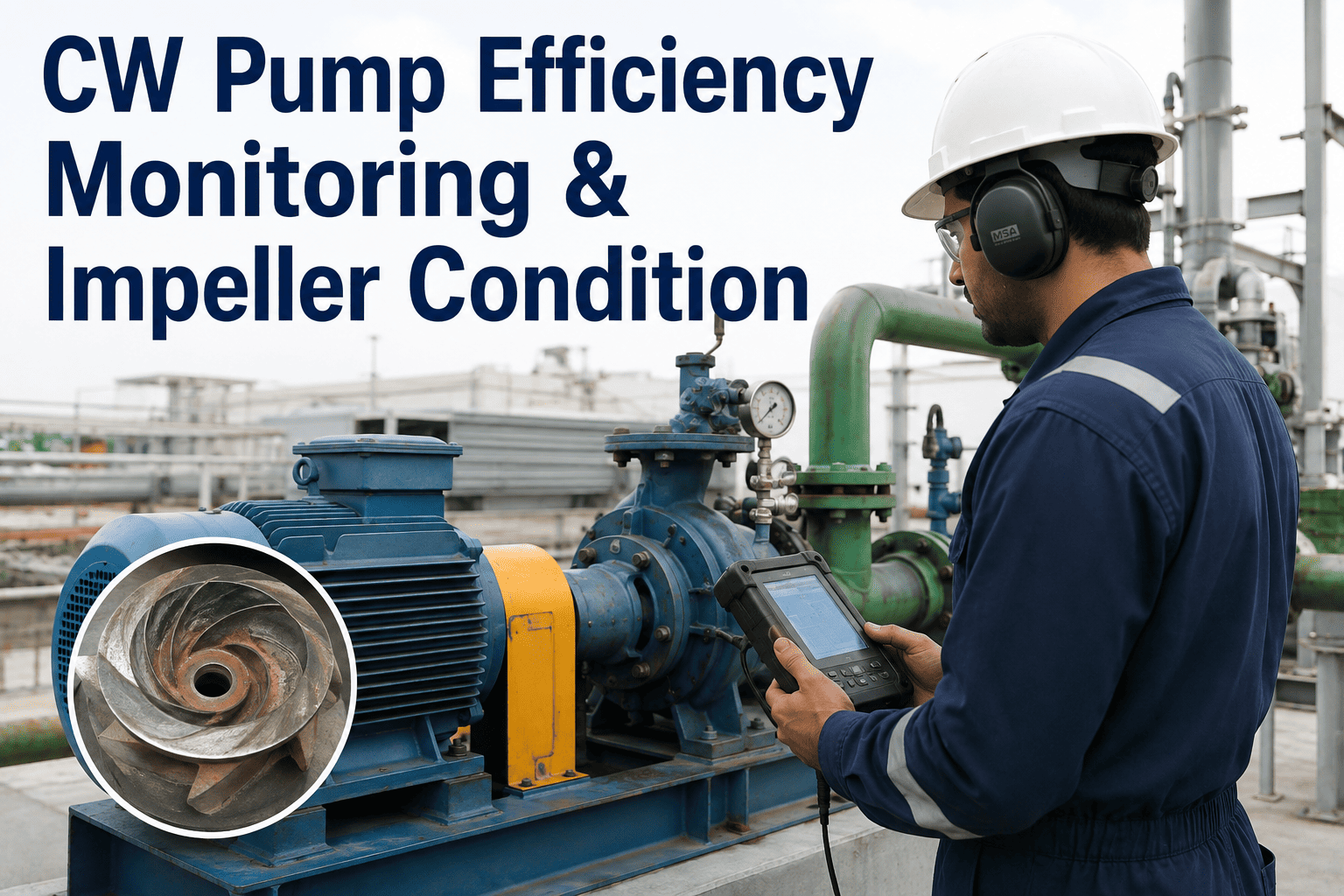
A degrading mechanical seal or bearing on a boiler feed pump increases internal recirculation and auxiliary power draw well before it produces a vibration alarm or visible leak.
Deaerator Corrosion & Underperformance
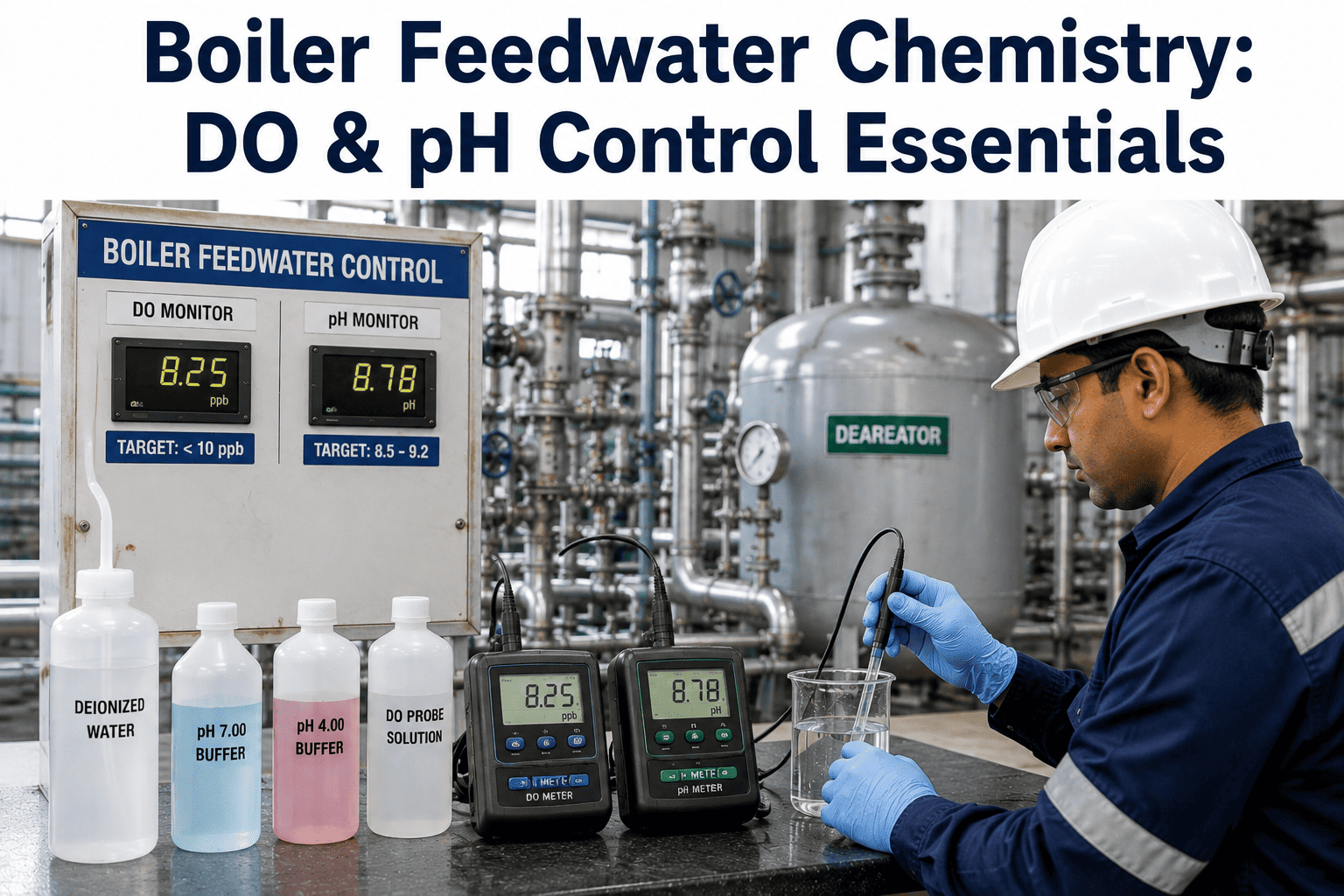
Oxygen pitting and scale buildup reduce deaeration efficiency, which raises dissolved oxygen carryover and accelerates corrosion further downstream in the boiler itself.
Feedwater Heater Tube Leaks
A small tube leak allows condenser cooling water or air in-leakage to contaminate the feedwater path, degrading both heat transfer and water chemistry simultaneously.
A Heat Rate Investigation Should Not Be the First Time Anyone Checks Deaerator Performance
iFactory tracks feedwater heater, deaerator, and BFP condition continuously so small losses are visible before they compound.
A Boiler Feed Pump Failure Rarely Stays Contained to the Pump Itself
Boiler feed pumps operate at some of the highest pressures and temperatures of any rotating equipment on the plant, and a seal or bearing failure on a BFP is one of the few pump failures that can force an immediate unit derate or trip, since most units do not have enough standby feedwater capacity to fully absorb the loss of a single pump without limiting load. This is what makes early detection disproportionately valuable on a BFP compared to almost any other pump on site: the cost of a missed early warning is not just a repair bill, it is lost generation during the repair window, plus the elevated risk of running the remaining pump or pumps outside their normal duty point while the unit compensates.
Tracking seal leak-off flow, bearing temperature trends, and internal recirculation together gives a much earlier picture of degradation than watching vibration alone, since vibration often only becomes abnormal once the mechanical damage is already significant.
What Changes When the Feedwater Train Is Monitored as One Connected System
| Monitoring Practice | Traditional Approach | iFactory Continuous Monitoring |
|---|---|---|
| Heater performance | Terminal temperature difference checked manually during periodic rounds | Continuous tracking with automatic flagging of tube leak or fouling signatures |
| Deaerator efficiency | Dissolved oxygen spot-checked at intervals set by water chemistry program | Continuous correlation between DO trend, temperature, and venting rate |
| BFP condition | Vibration and temperature reviewed against fixed alarm setpoints | Seal leak-off, recirculation, and bearing trend evaluated together for early drift |
| Efficiency attribution | Heat rate deviation investigated only after it becomes significant | Small deviations attributed to a specific component as they emerge |
What Process Engineers Report After Adding Continuous Feedwater Monitoring
A Deviation at One Stage Almost Always Shows Up as a Symptom at Another
One of the reasons feedwater losses are hard to diagnose from a single equipment view is that the train is a chain, and a problem at any link changes the operating point of everything downstream. A fouled low-pressure heater forces the deaerator to make up more of the heating duty than it was designed to carry, which raises steam consumption at the deaerator and can mask the fact that the real root cause sits upstream in the heater itself. Similarly, a boiler feed pump running with degraded internal clearances draws more auxiliary power to deliver the same flow, and that extra power draw is easy to attribute to normal wear rather than a specific, addressable seal or wear-ring condition.
Monitoring each component individually without connecting them back into the full feedwater path tends to produce a list of minor findings that never quite explains the heat rate trend. iFactory's approach is to model the feedwater train as a connected system, so a deviation at the deaerator that is actually caused by an upstream heater gets attributed correctly instead of triggering the wrong corrective action on the wrong piece of equipment.
Questions Process Engineers Ask About Feedwater System Monitoring
Rollout Typically Begins With the Deaerator and Boiler Feed Pumps
Most process engineering teams start by connecting the deaerator level, pressure, temperature, and dissolved oxygen trend data alongside BFP seal leak-off, bearing temperature, and motor current, since these two areas produce the fastest actionable findings and carry the most direct connection to unplanned outage risk. Feedwater heater terminal temperature difference and drain cooler approach data typically follow within the same rollout phase, since the same historized DCS tags that feed those calculations are usually already available.
Once the initial baseline is validated against a few weeks of normal operation, most plants extend the same monitoring approach to condensate pumps, heater drain systems, and any auxiliary equipment feeding the feedwater path, building toward a complete picture of the entire train rather than isolated component checks handled in separate spreadsheets by different people.
Stop Letting Small Feedwater Losses Add Up to a Heat Rate Problem You Have to Investigate
iFactory connects BFP, deaerator, and heater condition to the specific efficiency impact each one is causing, in real time.