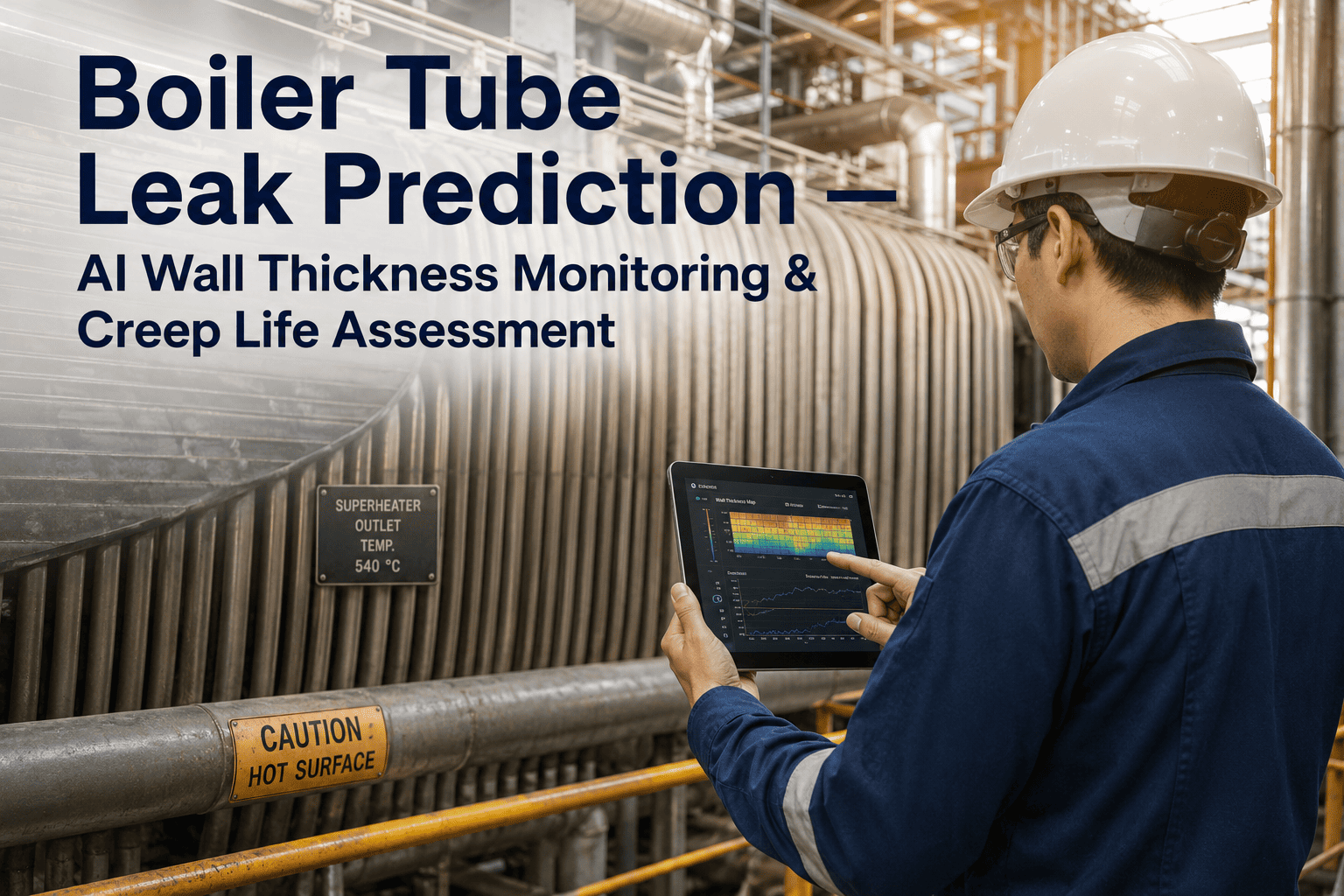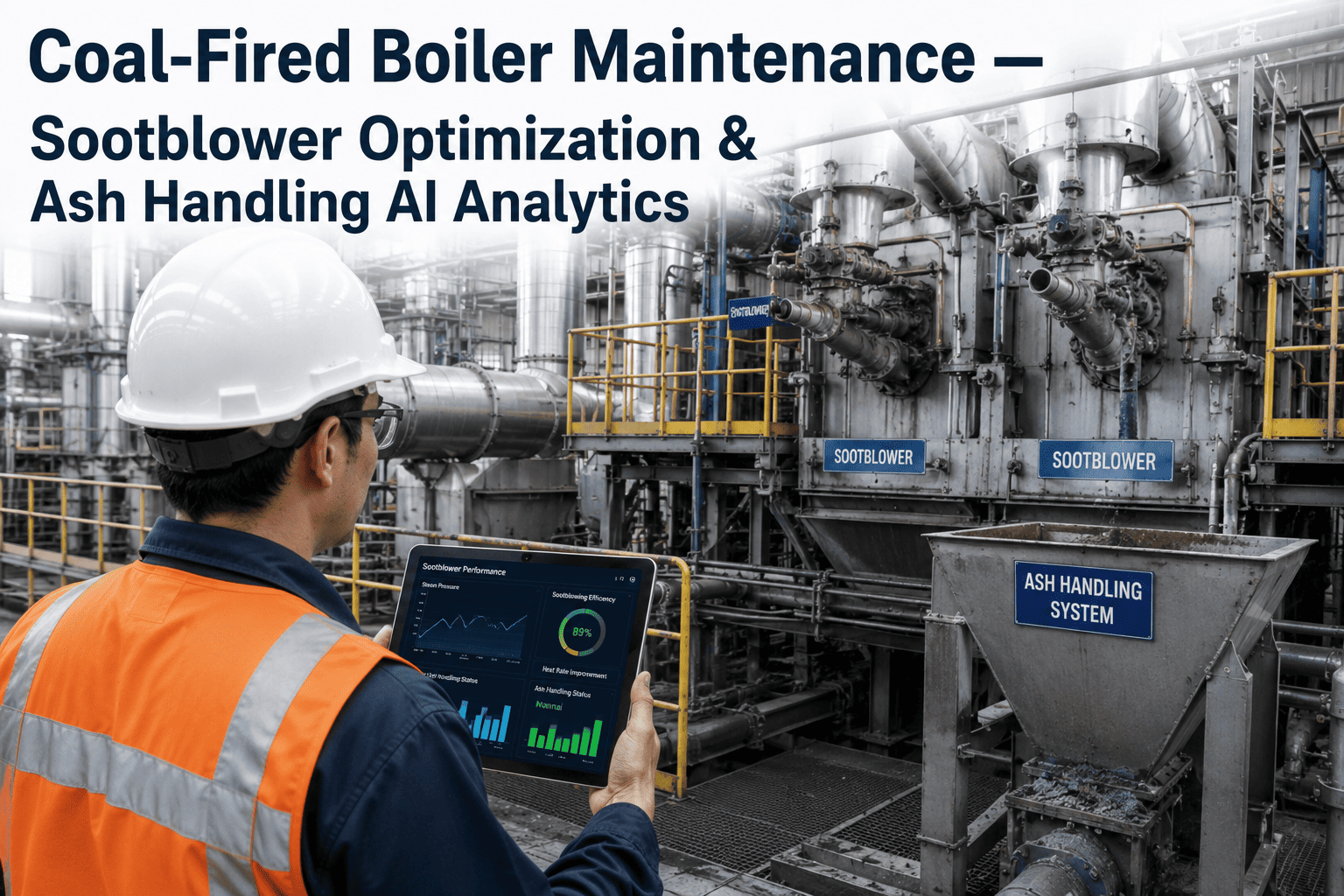
Coal combustion leaves behind soot, ash, and slag that build up on every heat transfer surface a boiler has, and that buildup is quietly working against the plant every hour it goes uncleaned. Fouled tubes transfer less heat, which means the boiler burns more fuel to hold the same steam output, and a failed or misaligned sootblower can degrade heat rate by 1 to 3 percent before anyone notices the drift. Most maintenance teams still run sootblowers on fixed timers set during initial commissioning, cleaning sections that are still clean while leaving others to foul between cycles, because operators are typically given little visibility into the actual fouling status of each heating surface. AI-driven fouling monitoring replaces that guesswork by tracking metal temperature, differential pressure, and heat transfer coefficient at each section in real time, and a quick look at how that maps onto your current sootblower sequence is a good place to start.
Clean the Sections That Actually Need It
iFactory's Boiler AI module tracks fouling rate section by section and sequences sootblowing based on real heat transfer loss instead of a fixed timer, cutting steam consumption and tube erosion together.
Fixed-Timer Sootblowing Wastes Steam on Both Ends
Cleaning too often wastes steam and accelerates tube erosion at every sootblower location. Cleaning too little lets ash fouling drag down heat transfer until the derating shows up in the control room. Fixed schedules cannot get either side right consistently across a boiler with dozens of independent zones.
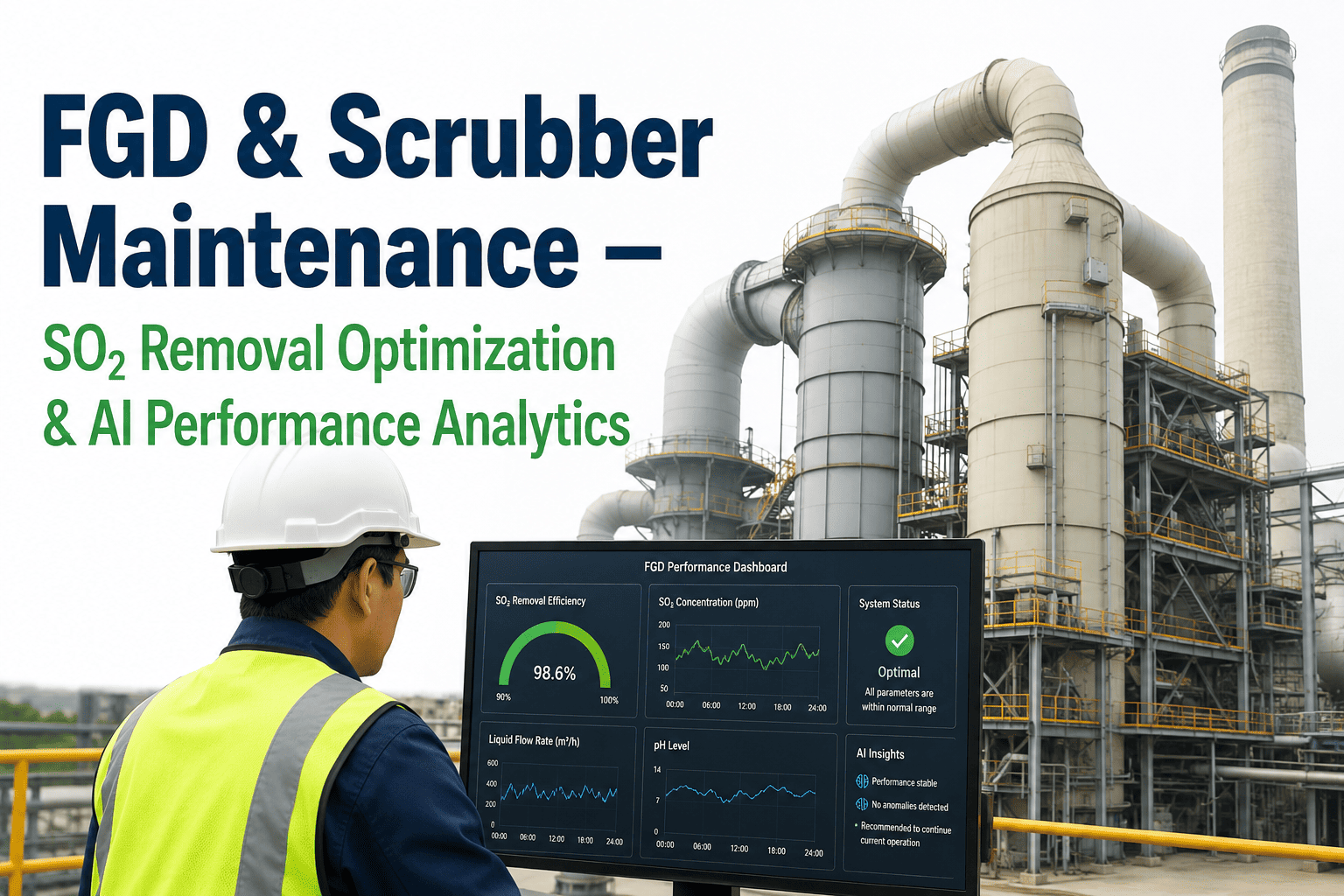
What the Fouling Model Actually Watches
A fouling monitoring system does not need new hardware in most plants. It reads signals your boiler is already generating and correlates them section by section instead of reviewing each one in isolation.
From Fouling Signal to Cleaning Sequence
The shift from fixed timers to condition-based sootblowing follows four steps, each one replacing a manual guess with a measured trigger.
See Your Boiler's Fouling Rate by Zone
Bring your current sootblower schedule and heat rate trend, and our team will show which sections are being over-cleaned and which are being missed.
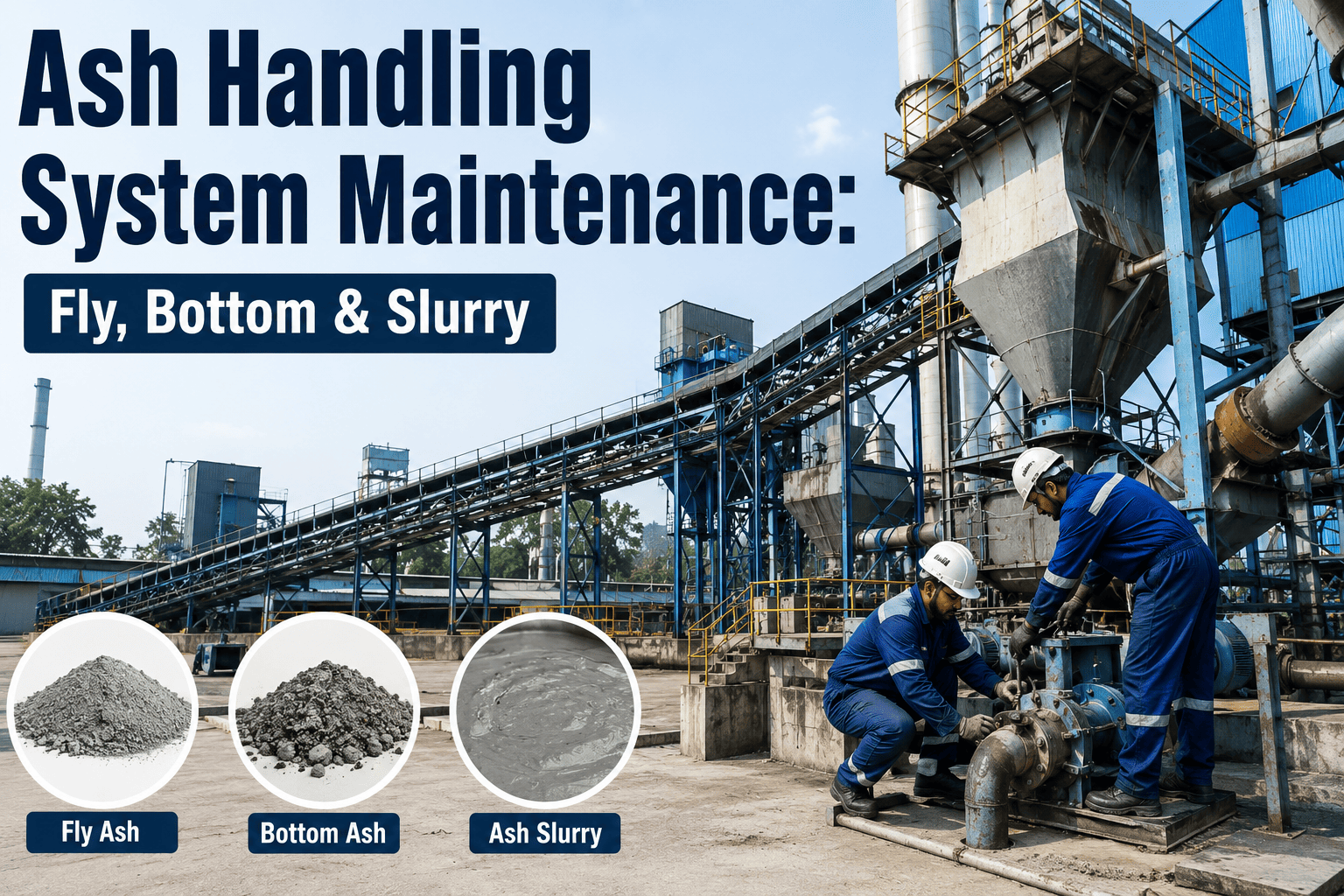
Ash Handling Sits Downstream of Every Cleaning Cycle
More frequent or better-targeted sootblowing changes the volume and timing of ash reaching the handling system. Tracking both together avoids solving a fouling problem by creating a conveyor or silo bottleneck downstream.
Frequently Asked Questions
Do we need to replace our existing sootblower control system?
No. Most plants keep their existing sootblower control hardware and timer sequences in place; what changes is the trigger logic feeding those sequences. Instead of firing on a fixed shift schedule, the cleaning sequence fires when a zone's fouling rate crosses its own calculated threshold. This typically connects to your existing DCS and sootblower control panel rather than requiring new blowing equipment, and the support team can review your current control architecture on a call.
How much heat rate improvement is realistic from better sootblower sequencing?
Failed or misaligned sootblowers left unaddressed typically cost 1 to 3 percent in heat rate, and much of that loss builds gradually enough that it goes unreviewed until a broader efficiency audit catches it. Correcting the sequencing does not eliminate fouling entirely, since it is a normal byproduct of coal combustion, but it keeps each zone closer to its clean-condition heat transfer coefficient continuously rather than only after periodic manual reviews. The actual improvement depends heavily on your current schedule's accuracy and coal ash characteristics.
Does more frequent sootblowing wear out tubes faster?
Yes, every sootblower activation causes some erosion at the tube surface, which is exactly why fixed-timer schedules that over-clean low-fouling zones create unnecessary wear without a matching efficiency benefit. Tracking cycles per sootblower location alongside fouling rate lets the model balance cleaning frequency against erosion risk for each zone individually, targeting cleaning only where the heat transfer loss justifies it rather than applying a uniform schedule across sections with very different fouling behavior.
Can this account for coal quality changes affecting ash and fouling behavior?
Coal quality, ash content, and sulfur levels all affect how fast a given zone fouls, which is part of why a fixed calendar schedule struggles across variable fuel supply. Because the fouling model tracks each zone's clearness factor against live metal temperature and differential pressure rather than a static assumption, a shift to higher-ash or lower-quality coal shows up directly as a faster fouling rate and triggers earlier cleaning automatically, without needing a manual schedule rewrite.
What is the first step to get this running on our boiler?
The first step is connecting existing metal temperature, differential pressure, and sootblower cycle data from your DCS or historian, since most plants already generate all three without additional instrumentation. The model then runs a baseline period across a full operating cycle to learn each zone's clean-condition heat transfer coefficient before generating its first threshold-based cleaning recommendations. A short call is usually enough to confirm what data is already available and scope the connection for your specific boiler.
Stop Cleaning on a Timer, Start Cleaning on Data
iFactory's Boiler AI module gives maintenance managers zone-level fouling visibility so sootblower cycles and ash handling stay ahead of derating instead of reacting to it.