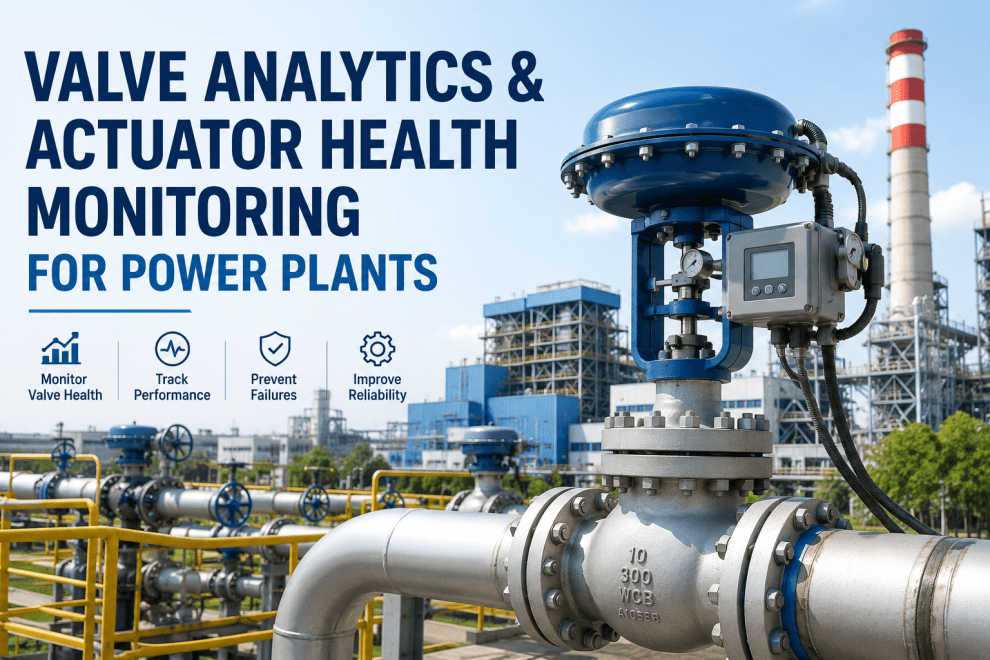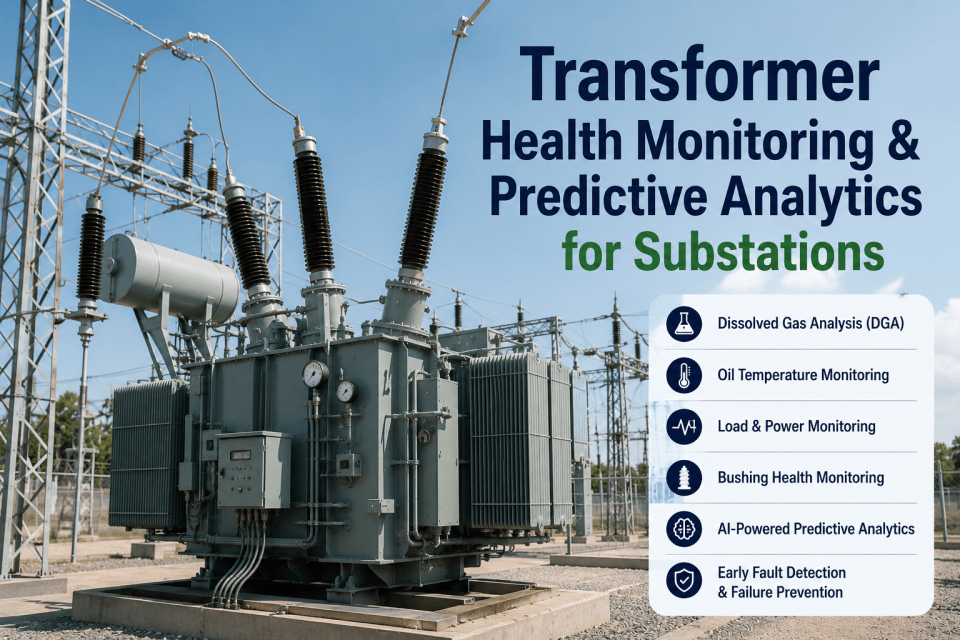
Nuclear power plant operations exist in a category of industrial complexity that has no equivalent. The combination of safety-critical asset dependencies, multi-layered regulatory oversight from the Nuclear Regulatory Commission, radiological consequence exposure, and the sheer capital density of the installed equipment base creates an operating environment where the cost of an undetected anomaly — on a reactor coolant pump, a safety relief valve, a control rod drive mechanism — is measured not in dollars per hour of downtime, but in regulatory shutdowns lasting months and public liability events that define organizational legacies. This article explains where the value is, how the technology functions at nuclear-grade facilities, and what documented outcomes look like across the key performance dimensions that matter to nuclear plant leadership.
Is Your Nuclear Plant Running on Real-Time Predictive Intelligence?
iFactory AI delivers continuous health monitoring for reactor components, coolant systems, and safety-critical equipment — giving nuclear operations leadership full visibility before conditions require regulatory action.
The Reliability and Compliance Stakes Are Unlike Any Other Power Generation Sector
A nuclear power plant operating at 1,000 MW of capacity generates roughly $876,000 in revenue per day at a $0.04/kWh wholesale rate. An unplanned trip — a reactor scram caused by an anomaly the plant's monitoring systems failed to anticipate — does not just cost that day's generation. It triggers a mandated root cause analysis, a 10 CFR 50 Appendix B corrective action program entry, potential NRC inspection activity, and a return-to-service timeline that can extend weeks to months depending on the cause classification. The financial exposure of a single unplanned trip at a large baseload nuclear unit routinely exceeds $10 million when lost generation, labor, regulatory process, and reputational factors are combined.
The gap is analytical intelligence: the ability to correlate signals across systems, detect developing anomalies before they reach alarm threshold, and surface actionable information to engineering and operations teams faster than the current review cycle allows. This is precisely the gap that AI-driven predictive analytics addresses.
Where Predictive Analytics Applies Across the Nuclear Plant Asset Hierarchy
Nuclear plant assets are not homogeneous. Safety-related systems — those whose failure could directly affect the ability to shut down the reactor, maintain shutdown, or prevent uncontrolled release of radioactivity — operate under 10 CFR 50 Appendix B quality assurance requirements that define how they are monitored, tested, and maintained. Non-safety-related balance-of-plant equipment operates under commercial power generation standards. AI predictive analytics applies across both categories, but the specific monitoring strategy, alert threshold logic, and corrective action integration differ meaningfully by classification.
What iFactory's Predictive Analytics Platform Delivers Across the Nuclear Asset Portfolio
The table below maps iFactory's four core analytics capabilities against the specific nuclear plant loss categories they address — with the mechanism of detection and the documented outcome range at deployed facilities. The savings ranges reflect actual variation across deployments rather than single-point estimates, because the magnitude of each driver varies by plant vintage, reactor type, current maintenance program maturity, and operating history.
| Analytics Capability | Primary Asset Category | Detection Mechanism | Loss Category Addressed | Documented Outcome |
|---|---|---|---|---|
| Equipment Health Monitoring | RCP, CRDM, Turbine, Pumps | Vibration signature, current draw, thermal pattern anomaly vs. AI-established equipment baseline | Unplanned trips, forced outages, safety system unavailability | 65–80% reduction in unplanned maintenance events |
| Coolant System Analytics | RCS, ECCS, CCW, SFP Cooling | Flow rate trend deviation, temperature margin narrowing, pressure transient pattern recognition | Coolant boundary integrity events, thermal margin exceedances | 14–28 day advance warning vs. alarm-threshold detection |
| Safety System Surveillance AI | ECCS, Diesel Generators, RPS | Surveillance test result trending, response time drift, redundancy availability scoring | Undetected degradation between surveillance intervals, tech spec LCO entries | 40–55% reduction in LCO entries from predictive surveillance optimization |
| Outage Planning Intelligence | All plant systems | Remaining useful life modeling, maintenance window optimization, critical path risk scoring | Refueling outage duration overrun, post-outage reliability degradation | 8–14% reduction in refueling outage duration at AI-optimized plants |
| Radiation & Environmental Monitoring | Containment, SFP, Effluent systems | Detector efficiency trending, calibration drift detection, source term correlation | Missed radiological releases, NRC reporting threshold exceedances | Continuous compliance surveillance vs. periodic manual review |
Time-Based Surveillance vs. AI Predictive Monitoring — The Performance Gap
The dominant maintenance and surveillance model at most operating U.S. nuclear plants remains time-based: surveillance procedures executed at fixed calendar intervals, preventive maintenance performed on component-hour or cycle-count schedules, and condition monitoring driven by alarm setpoints that flag anomalies only after they have already developed to a measurable threshold. This model was designed for an era before continuous data analytics was feasible. It is systematically blind to developing anomalies that evolve between surveillance intervals — which, for many nuclear safety systems, can be 18 to 24 months.
- Surveillance procedures executed at fixed calendar intervals regardless of actual component condition
- Anomalies developing between surveillance windows go undetected until the next scheduled test or until alarm threshold is reached
- Vibration data reviewed manually on monthly or quarterly schedules — trend development invisible in real time
- Refueling outage scope driven by fixed-interval replacement schedules rather than actual component condition
- Tech spec LCO entries discovered during surveillance rather than anticipated and managed proactively
- Corrective action program entries generated reactively after condition is found — root cause often unclear
- Continuous equipment health scoring from AI models trained on plant-specific operating history and failure data
- Developing anomalies flagged 14–28 days before they reach surveillance-discoverable or alarm-threshold levels
- Vibration, temperature, and flow data analyzed in real time across all monitored assets simultaneously
- Refueling outage scope optimized from actual component condition data — unnecessary work identified and deferred
- LCO entry probability modeled in advance — maintenance windows scheduled before technical spec violations occur
- Corrective action program entries generated with root cause pre-populated from AI anomaly classification
A Structured Path to AI Predictive Analytics at Your Nuclear Facility
Deploying AI predictive analytics at a nuclear plant does not require replacing existing I&C infrastructure, modifying safety-related systems, or interrupting plant operations. iFactory's integration architecture connects to existing plant data acquisition systems, historians, and process computers through read-only data interfaces — no write access to safety-related control systems at any stage. The deployment sequence below reflects the structured approach used at nuclear facilities with regulatory documentation requirements and change management processes appropriate to the nuclear operating environment.
Phase 1 — Data Integration and Baseline Establishment (Weeks 1–8)
iFactory connects to existing plant historian (OSIsoft PI, Aveva, or equivalent) and PDAS through read-only API interfaces — with no modification to safety-related systems or existing I&C infrastructure. All integration activities are documented per 10 CFR 50 Appendix B quality assurance requirements applicable to non-safety-related software systems. Sensor data from initial priority asset categories (typically RCPs, main turbine, and diesel generators) streams to iFactory's AI engine, and 60–90 days of historical data is used to establish individual equipment baselines. Book a Demo to review your plant-specific integration architecture.
Phase 2 — Priority Asset Monitoring and Alert Validation (Weeks 9–20)
AI health monitoring goes live for the initial asset set, with all alerts reviewed by plant engineering before any corrective action program entry. This validation period serves two purposes: it calibrates alert sensitivity to plant-specific operating conditions, and it builds engineering team familiarity with AI anomaly classifications before the system is relied upon for maintenance planning decisions.
Phase 3 — Full Plant Coverage and Corrective Action Integration (Weeks 21–40)
Monitoring scope expands to cover the full asset portfolio including coolant system components, safety system auxiliaries, balance-of-plant turbine island, and radiation monitoring systems. iFactory integrates with the plant's existing corrective action program (CAP) software — generating condition report drafts with anomaly classification, severity scoring, and recommended engineering evaluation.
Phase 4 — Outage Planning Intelligence and KPI Benchmarking (Week 40 onward)
With 9–12 months of plant-specific operational data accumulated, iFactory's remaining useful life models are sufficiently trained to support refueling outage scope optimization. The platform generates a condition-based outage scope recommendation ranked by component health score — identifying work that can be deferred based on actual component condition versus fixed-interval schedule, and flagging components that should be added to outage scope based on developing anomalies. Monthly KPI benchmark reports compare AI-optimized outcomes against pre-deployment baselines, building the audit trail for regulatory and management reporting.
See iFactory's Nuclear Predictive Analytics Platform — Live.
iFactory integrates equipment health monitoring, coolant system analytics, safety system surveillance AI, and outage planning intelligence into a single platform built for the regulatory and operational complexity of nuclear power generation.
How iFactory Supports NRC Compliance and Reporting Requirements
Regulatory compliance in the nuclear industry is not a secondary consideration — it is the operating constraint within which all other decisions are made. AI predictive analytics at a nuclear facility must not only deliver operational value but must also be compatible with the NRC's regulatory framework and the plant's licensing basis. iFactory's platform is architected specifically to operate within these constraints.
10 CFR 50 Appendix B Compatibility
- Read-only data interface — no write access to safety-related systems at any stage of deployment
- Non-safety-related software classification with appropriate QA documentation package
- Full audit trail of AI alerts, engineering dispositions, and CAP entries maintained for regulatory review
- Change management documentation prepared per plant's 10 CFR 50.59 screening process
Tech Spec and LCO Support
- AI health scoring flags components approaching technical specification action levels before surveillance interval
- LCO entry probability modeled from actual component condition — enables proactive maintenance scheduling
- Redundancy availability scoring tracks multiple train health simultaneously for TS 3.0 condition awareness
- Automated CAP draft generation with severity classification reduces administrative burden on engineers
Performance Indicator Reporting
- Automated data extraction for NRC performance indicator submittals — unplanned trips, safety system unavailability
- Scram rate trending with causal factor pre-population reduces post-event reporting preparation time
- MSPI and WRGM indicator data aggregation from monitored systems with audit-ready documentation
- INPO ACAP and Industry Operating Experience integration for leading indicator benchmarking
Expert Perspective: What Changes When AI Monitoring Is Running Continuously
The most significant operational shift that AI predictive analytics brings to a nuclear plant is not the technology itself — it is the change in how engineering and operations teams relate to equipment health information. In a time-based surveillance model, equipment health is known at discrete points in time: when the surveillance was last performed, and when the next one is due. Between those points, the equipment's actual condition is, in a meaningful sense, unknown. AI monitoring collapses that uncertainty window to near zero.
What predictive analytics changes most fundamentally is the posture of the engineering organization. In a time-based program, you are always somewhat reactive — you discover conditions during surveillance, you enter them in the corrective action program, and you manage the downstream consequences. With continuous AI monitoring, you are in a genuinely anticipatory mode. The system flags a developing bearing anomaly on Reactor Coolant Pump 1A fourteen days before it would have shown up as a vibration alarm. Your engineering team evaluates it, characterizes it, schedules corrective maintenance during the next planned outage window. The pump never generates an LCO entry. That event — the one that didn't happen — never shows up in your performance indicators. It never requires an NRC notification. It never triggers a corrective action program entry. The value of the non-event is invisible in the metrics, but it is absolutely real.
The other dimension that surprised plant leadership at the facilities where I have observed these deployments is the outage planning impact. When you go into a refueling outage with a condition-based scope rather than a calendar-based scope, you are replacing components that actually need replacement and deferring the ones that don't. At one facility, AI-driven scope optimization removed fourteen work packages from the refueling outage critical path based on actual component condition data. The outage came in six days shorter than the previous cycle. At $1.2 million per day of lost generation, that is a seven-figure return from the planning intelligence alone — before counting any of the maintenance cost avoidance from predictive maintenance catches during normal operations.
How iFactory Connects to Your Nuclear Plant's Existing Data Infrastructure
iFactory's connection to nuclear plant data infrastructure is architecturally simple: the platform reads from existing data sources without modifying them. No changes to safety-related systems, no new instrumentation required, and no interference with existing control room or I&C functions.
The full integration from historian connection to live AI health monitoring goes live in 6–10 weeks for the initial priority asset set. No plant modification process, no safety review, no impact on existing control room functions. Book a Demo to walk through your plant's specific data architecture with iFactory's nuclear integration team.
The Case for AI Predictive Analytics in Nuclear Power Is Both Operational and Strategic
The operational case for AI predictive analytics at nuclear power plants is straightforward: continuous equipment health monitoring catches developing anomalies 14–28 days before they reach surveillance-discoverable levels, reducing unplanned maintenance events by 65–80% and enabling condition-based outage planning that consistently delivers shorter refueling cycles with better post-outage reliability. The strategic case is equally compelling — in a regulatory environment where performance indicators are public, NRC attention follows pattern, and public confidence in nuclear operations matters for fleet licensing decisions, the ability to demonstrate a proactive, AI-supported safety and reliability posture is a meaningful institutional differentiator.
iFactory AI's nuclear predictive analytics platform is deployable without modifying existing I&C infrastructure, without safety-related system access, and within the NRC regulatory framework applicable to non-safety-related plant software. The path from historian connection to live anomaly detection is 6–10 weeks. The path to full plant coverage and outage planning intelligence is 9–12 months. The documented savings from a single avoided unplanned trip or a six-day shorter refueling outage exceed total platform investment. Book a Demo with iFactory's nuclear team to build a plant-specific deployment plan and begin the path to AI-supported reliability performance at your facility.
Deploy AI Predictive Intelligence Across Your Nuclear Plant's Asset Portfolio
iFactory AI delivers continuous health monitoring for reactor coolant systems, safety-related equipment, and balance-of-plant assets — in one platform built for the regulatory and operational complexity of nuclear power generation.
Nuclear Power Plant Predictive Analytics — Frequently Asked Questions
Does AI predictive analytics require access to safety-related systems or modification of existing I&C infrastructure?
No. iFactory's platform connects exclusively to the plant's existing historian or PDAS through read-only API interfaces — there is no write access to safety-related systems at any stage of deployment, and no modification to existing I&C infrastructure is required. The platform is classified as non-safety-related software and is deployed with a 10 CFR 50.59 screening package documenting that no change to the plant's licensing basis occurs. Book a Demo to review your plant's specific integration architecture with iFactory's nuclear engineering team.
How does AI predictive analytics interact with the plant's existing corrective action program?
iFactory integrates with the plant's CAP software to generate condition report drafts automatically when an AI anomaly alert is validated by engineering. The draft CR includes the anomaly classification, severity scoring, recommended engineering evaluation, and relevant process data history. Engineering retains full authority to modify, accept, or reject the AI-generated characterization before formal CAP entry. This integration eliminates the manual step between AI alert and formal condition documentation without reducing engineering oversight of the corrective action process.
What types of anomalies can AI predictive analytics detect that time-based surveillance misses?
The most significant class of anomalies that time-based surveillance misses are those developing between surveillance intervals — particularly gradual degradation patterns that evolve over weeks or months before reaching alarm-threshold visibility. Examples at nuclear plants include slow bearing wear on reactor coolant pumps (detectable from vibration signature changes 14–21 days before alarm setpoint), developing valve seat leakage on ECCS injection trains (detectable from pressure response time drift across successive surveillance tests), and insulation resistance degradation on safety-related motor-operated valves (detectable from current draw trending before the next scheduled megger test).
How does iFactory's platform support refueling outage scope optimization without replacing existing outage planning processes?
iFactory's outage planning intelligence generates a condition-based scope recommendation as a ranked list of components by AI health score and remaining useful life estimate — it does not replace the plant's existing outage planning process, it provides an additional input to it. The outage planning team retains full authority over final scope decisions; the AI recommendation identifies which fixed-interval work packages are candidates for deferral based on actual component condition, and which components not currently on the outage scope should be considered based on developing anomalies. This advisory function integrates naturally into the existing outage planning workflow without requiring organizational or process changes.
What is the minimum data infrastructure required to deploy iFactory at a nuclear plant?
A functioning plant historian (OSIsoft PI, Aveva System Platform, or equivalent proprietary PDAS) with adequate sensor coverage on the target asset categories is the primary prerequisite. iFactory performs a data quality assessment during the pre-deployment phase to identify which asset categories have sufficient sensor density for AI health modeling and which may benefit from targeted instrumentation additions. Most operating nuclear plants with modern PDAS infrastructure have adequate data coverage for initial priority asset deployment without requiring new field instrumentation. Plants with older or fragmented data systems can be accommodated through iFactory's integration engineering team during the pre-deployment assessment.