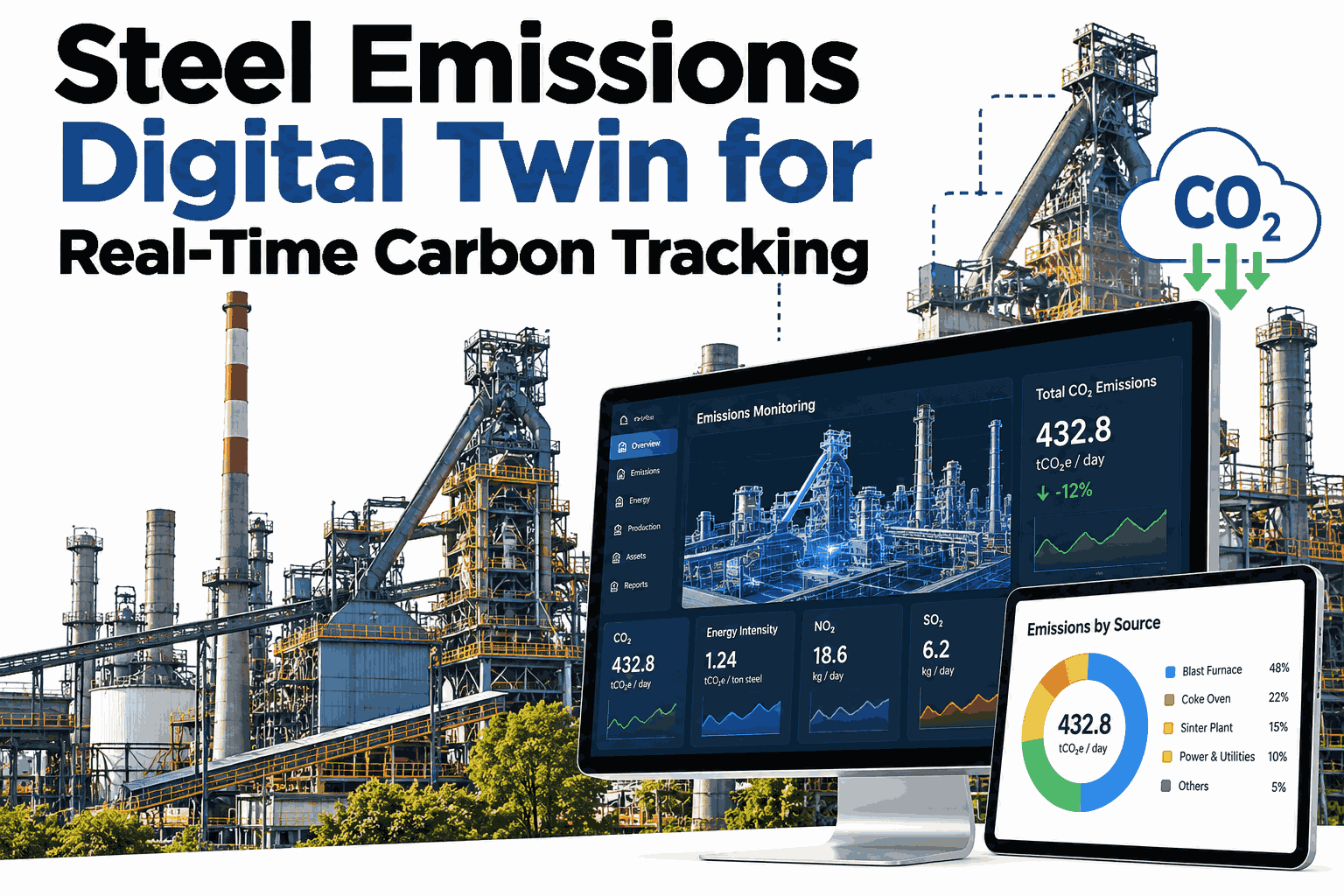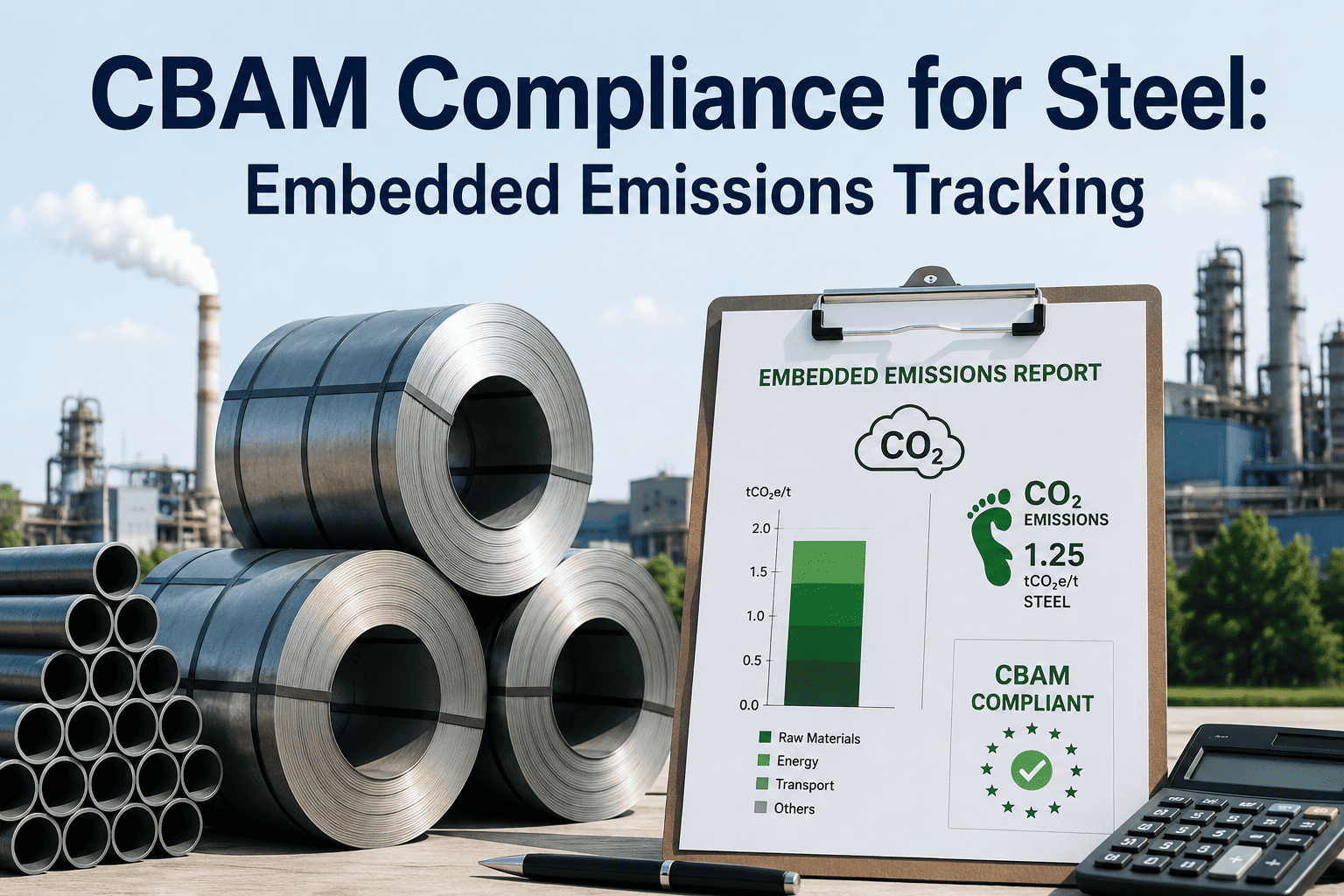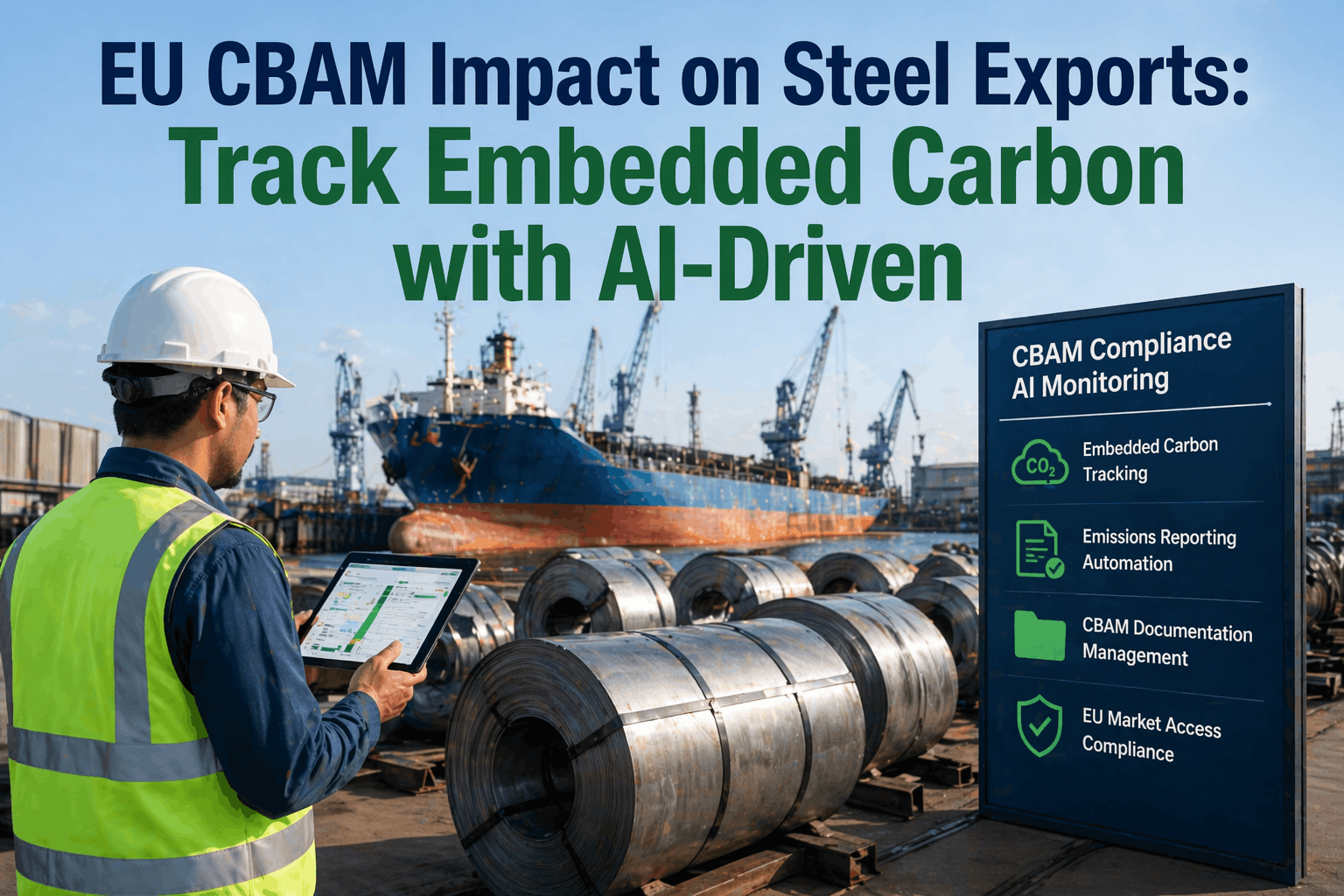
By 2026, the European Union's Carbon Border Adjustment Mechanism (CBAM) will transition from simple reporting to a definitive financial mandate for global steel exporters. Failure to provide granular, sensor-verified data on **embedded carbon** will expose producers to punitive default tariffs and potential exclusion from the world’s most lucrative metallurgical market. iFactory’s 2026 CBAM analytics platform automates the attribution of direct and indirect emissions at the product level, providing exporters with an immutable digital certificate of origin that satisfies EU customs audits. Book a demo to audit your CBAM readiness.
Secure Your European Market Access
iFactory automates embedded carbon tracking (Scope 1 & 2) and generates audit-ready CBAM declarations for steel coils, beams, and structural sections.
Why Manual Emisson Reporting is a Critical Risk for Steel Exporters
The EU CBAM regulation mandates a transition from periodic, facility-level averages to high-frequency, product-level accounting. Manual spreadsheets and third-party annual audits are no longer sufficient to navigate the 2026 reporting cycles. iFactory’s AI-driven system integrates directly with your plant SCADA and energy meters to calculate the exact carbon footprint of every batch of steel. This not only ensures 100% reporting accuracy but also allows exporters to prove actual lower emissions compared to the "Deemed Emission" default values, potentially saving millions in CBAM certificate costs. Request a technical briefing on our CBAM reporting framework.
4 Analytics Pillars for Global CBAM Readiness
iFactory provides the digital governance layer required to maintain trust with European importers and customs authorities.
The Cost of Inaction: Default Tariffs vs. Verified Performance
For exporters to the EU, the financial delta between "Reporting" and "Verified Analytics" defines the sustainable margin of your export business.
| Compliance Metric | Manual Reporting (Averages) | Static Quarterly Audit | iFactory Verified Analytics |
|---|---|---|---|
| Data Granularity | Facility-Level Average | Process-Level Baseline | Batch/Product-Level Detail |
| Carbon Valuation | EU Deemed Value (Penalized) | Historical Average | Actual Sensor-Verified Value |
| Audit Risk | HIGH - Documentation Gaps | MODERATE - Lagging Data | LOW - Immutable Digital Log |
| CBAM Certificate Cost | Maximum (Default Load) | Medium (Buffer Load) | Minimum (Performance Basis) |
| Market Advantage | Vulnerable to Exclusion | Reactive Alignment | Preferred "Green Carrier" Status |
The 4-Phase CBAM Compliance Implementation Plan
Exporters must activate their data-readiness plan 12-18 months ahead of the definitive phase to ensure a stable market transition.
Gap Analysis & Asset Connectivity
Map existing SCADA and energy meters to EU CBAM product codes. Identify data gaps in Scope 2 (grid mix) and indirect heating emissions.
Product-Level Attribution Activation
Launch the AI-driven attribution engine. Start tracking embedded carbon (kg CO2 / tonne) for pilot export batches of structural steel or coil.
Automated Declaration & Reporting Launch
Configure the CBAM automated reporting engine. Generate mock declarations to validate against EU customs portal standards and third-party verification rules.
Full Export Portfolio Scale-Out
Transition all EU-bound shipments to the verified analytics platform. Integrate with ERP systems for automated "Green Premium" and certificate billing.
EU CBAM & Steel Exports: Frequently Asked Questions
Don't Let Carbon Tariffs Erase Your Export Margins.
iFactory's CBAM analytics suite delivers the granular tracking and automated reporting needed to dominate the European steel market.