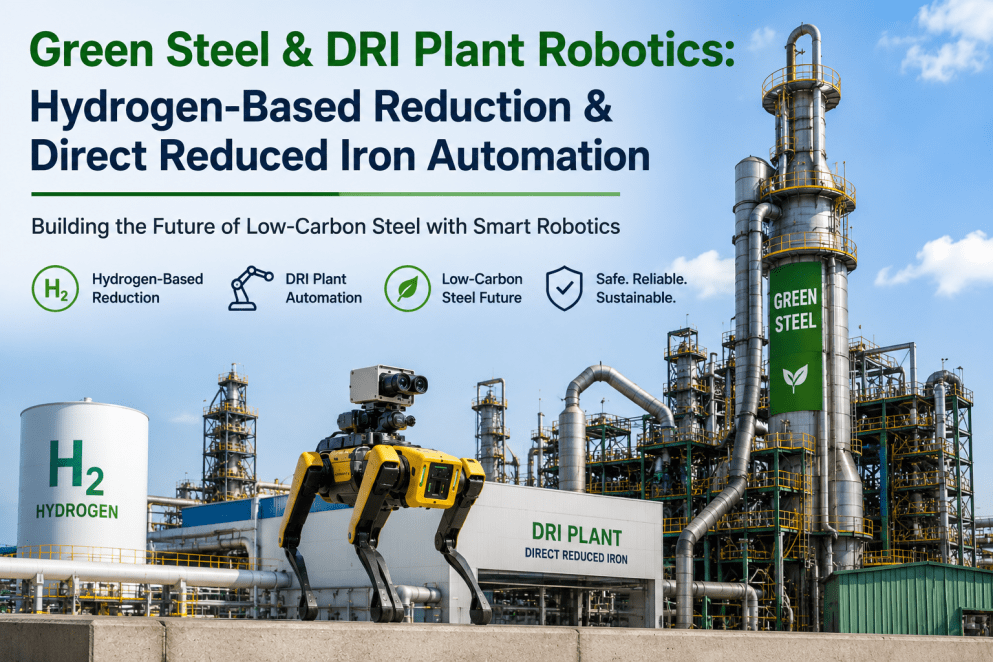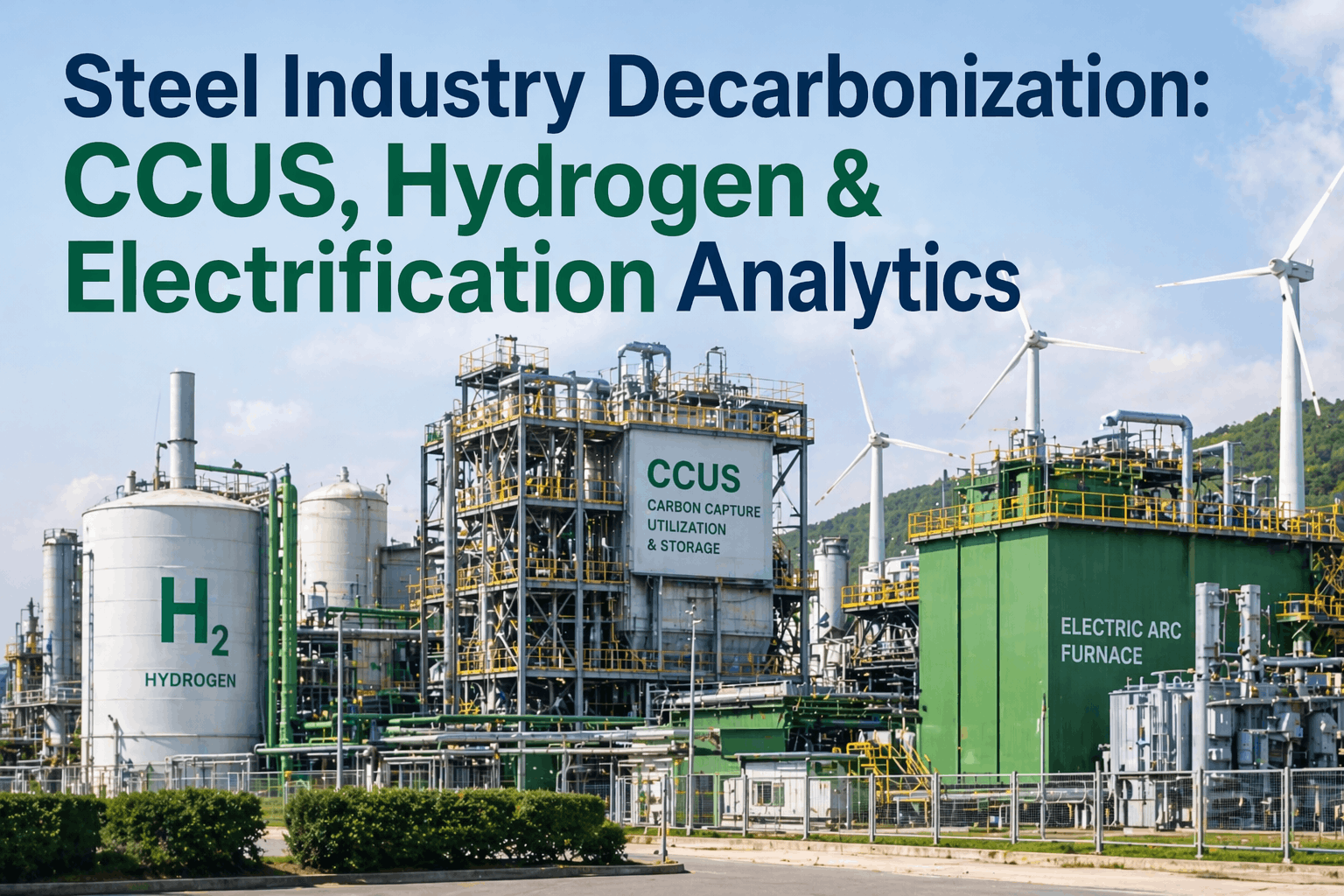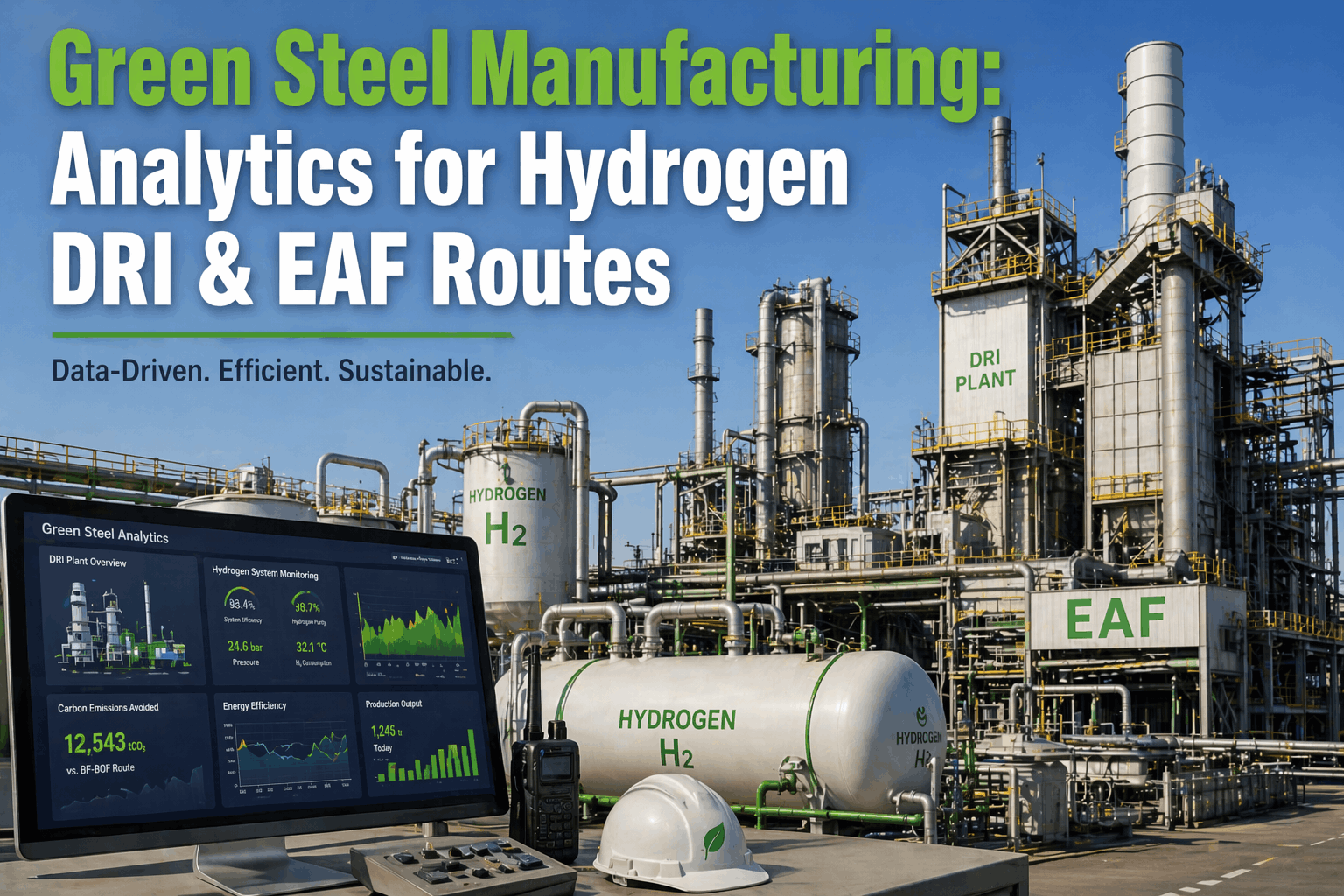
The transition to Green Steel represents the most significant capital reallocation in the history of the metallurgical industry. As blast furnaces reach their end-of-life, the shift toward Hydrogen-based Direct Reduced Iron (H2-DRI) and high-performance Electric Arc Furnaces (EAF) is mandatory for decarbonization. iFactory’s 2026 Green Steel analytics suite provides the digital infrastructure required to manage the complex thermodynamics of hydrogen reduction while ensuring sub-millimeter precision in asset health monitoring for electrolyzers and DRI reactors. Book a green steel consult to audit your transition roadmap.
Master the H2-DRI-EAF Maintenance Frontier
iFactory integrates electrolyzer stack health, hydrogen embrittlement monitoring, and EAF energy intensity analytics into a single high-density operational governance platform.
Why Analytics is the Critical Path to Green Steel Profitability
Unlike traditional coal-based steelmaking, the Hydrogen DRI route is deeply sensitive to energy volatility and gas purity. By 2026, successful green steel operations will be defined by their ability to synchronize renewable energy availability with hydrogen production and DRI reactor thermal profiles. iFactory’s platform serves as the digital skeletal system for this transition — providing real-time carbon abatement ROI tracking and predictive maintenance for asset classes (like PEM electrolyzers) that traditional maintenance teams are just beginning to manage. Request a technical case study on our H2-DRI integration.
5 Analytics Pillars for Sustainable Steel Operations
iFactory's Green Steel Module integrates OT data from electrolyzers, DRI reactors, and EAFs to provide a unified carbon-and-cost visibility layer.
Decarbonization in Practice: Scenarios from the Plant Floor
The true value of Green Steel Analytics is in navigating the transition from trial pilots to autonomous, low-carbon production at scale.
Scenario 1: Electrolyzer Availability Sync
By predicting a PEM stack voltage spike 12 days ahead, the system auto-scheduled a chemical wash during a low-wind period (low renewable input). This optimized H2 inventory and prevented an emergency curtailment of the DRI furnace.
Scenario 2: DRI Reactor Sticking Prevention
Real-time pressure-drop analytics across the DRI furnace bed identified a localized temperature "hot spot." AI prescribed a gas velocity adjustment that prevented ore clustering (sticking), avoiding an 18-hour clearing shutdown.
Scenario 3: EAF Slag Chemistry Optimization
When transitioning from 40% to 70% DRI feed, AI adjusted electrode arc-spray to account for the increased slag volume. This stabilized the arc, preventing refractory hot-spotting and drastically extending electrode lifecycle.
Scenario 4: Green Premium Product Ledger
The system provided a verified, asset-level "Carbon Certificate" for a specific batch of structural steel. This allowed the sales team to capture a full Green Premium from an automotive OEM, backed by real-time sensor evidence.
The Evolution of Steel Decarbonization Routes
For strategic planners, this matrix defines the technical and maintenance delta between traditional coal routes and the future-state Green Hydrogen pathway.
| Metric | Traditional BF-BOF | Transition NG-DRI | Green H2-DRI-EAF |
|---|---|---|---|
| Carbon Intentity | ~2,000 kg / tonne | ~600-800 kg / tonne | < 100 kg / tonne |
| Primary Fuel | Coking Coal / Coke | Natural Gas | Green Hydrogen / RE |
| Critical Maintenance | Furance Relining | Gas Reformer Integrity | Electrolyzer Stack Uptime |
| Primary Data Risk | Manual SOP drift | Reformer Catalyst Health | Hydrogen Embrittlement |
| Target ROI Focus | Throughput Volume | Fuel Substitution Ratio | Carbon Abatement ROI |
The 4-Phase Path to Green Steel Operational Excellence
Transforming a legacy steel mill or launching a greenfield plant requires a phased data-readiness plan that aligns with electrolyzer and DRI commissioning.
Asset Hierarchy & Decarbonization Baseline
Map the new asset hierarchy for the green route (Electrolyzer stacks, H2 compression, DRI Reactors). Establish the real-time "Carbon Ledger" baseline for existing assets.
Predictive H2 Safety & Stack Logic Activation
Install acoustic and thermal sensors for H2 safety. Configure stack-health analytics for electrolyzers to start capturing efficiency-decay patterns during commissioning.
Prescriptive EAF & DRI Yield Optimization
Launch DRI-specific arc stability models in the EAF shop. Enable prescriptive Bed Density guidance for DRI operators to maximize metallization rates.
Autonomous Carbon Governance Scale-Out
Full integration with ERP for Green Premium billing. Autonomous governance expands from single stacks to the full electrolyzer park and downstream finishing lines.
Hydrogen DRI & Green Steel: Frequently Asked Questions
Decarbonize Your Assets. Stabilize Your Margins.
iFactory's Green Steel analytics suite delivers the H2 safety, electrolyzer uptime, and DRI-EAF yield optimization required to lead the sustainable metallurgical era.