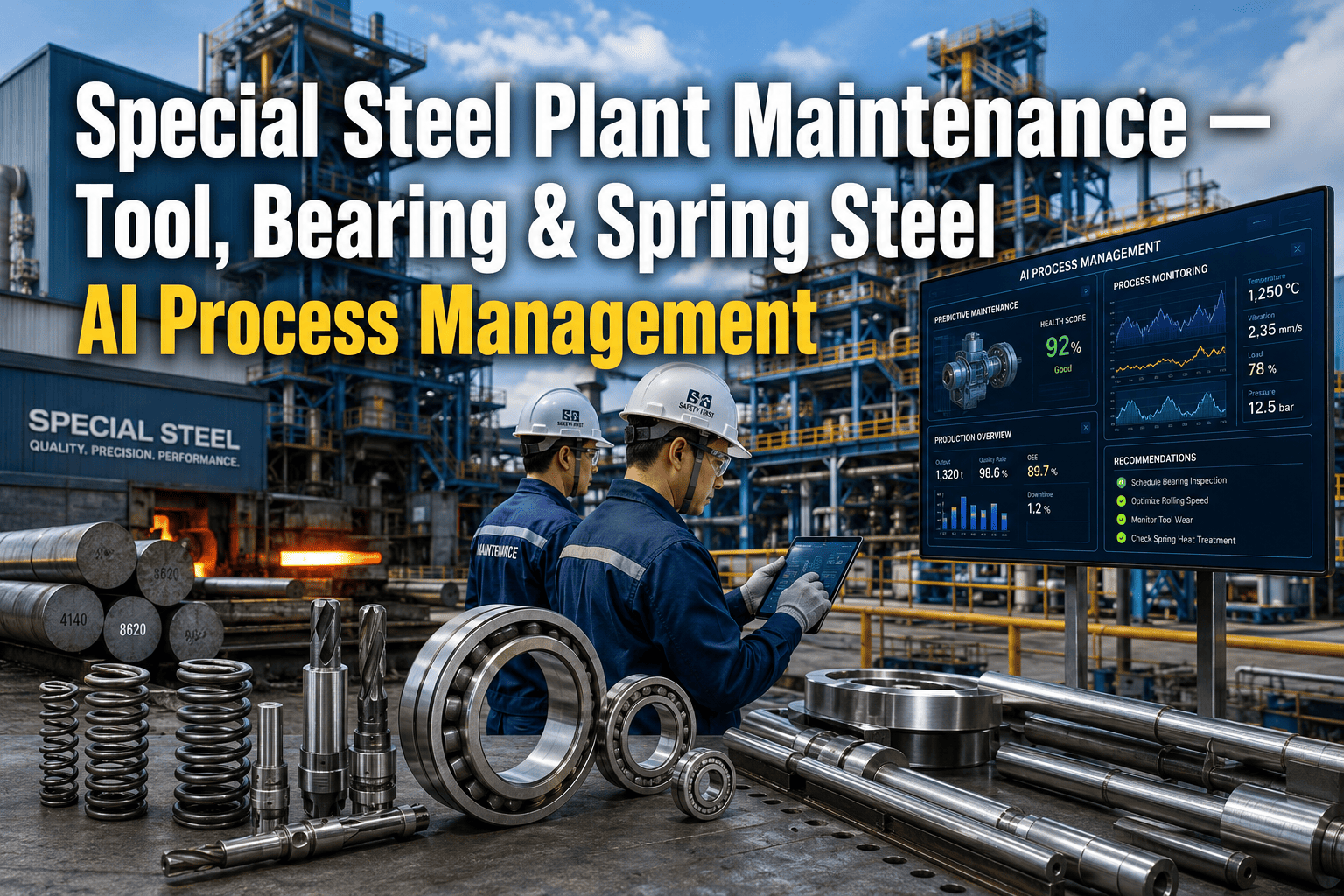
In the demanding world of special steel production, where tool steel, bearing steel, and spring steel are crafted to exacting tolerances, even minor process deviations can lead to catastrophic quality failures and costly rework. Plant managers and maintenance directors face the relentless challenge of balancing high-alloy precision with operational efficiency. Traditional reactive maintenance approaches are no longer viable; they introduce unacceptable variability in critical parameters like hardness, toughness, and fatigue resistance. This comprehensive guide explores how AI-driven predictive maintenance and smart analytics can transform special steel plant operations, ensuring consistent quality, maximizing uptime, and reducing costs. By leveraging real-time data from sensors across the production line, from electric arc furnaces to final finishing mills, manufacturers can anticipate equipment failures before they occur and optimize process conditions for each unique steel grade. Book a Demo to discover how iFactory's Industry 4.0 solutions can elevate your special steel operations.
Transform Your Special Steel Plant Today
AI-driven predictive maintenance for unmatched quality and efficiency in tool, bearing, and spring steel production.
The Unique Challenges of Special Steel Manufacturing
Special steel grades such as tool steel, bearing steel, and spring steel require precise control over chemical composition, thermal cycles, and mechanical processing. Unlike carbon steel, these alloys contain elevated levels of chromium, vanadium, molybdenum, and other elements that demand stringent monitoring. Any deviation in temperature during annealing or quenching can alter the microstructure, leading to reduced hardness or increased brittleness. Bearing steel, for example, must achieve exceptional cleanliness and uniform carbide distribution to withstand high cyclic loads. Spring steel requires consistent elastic limits and fatigue resistance. These exacting standards place immense pressure on plant equipment, from ladle furnaces to continuous casters and rolling mills. Predictive maintenance becomes essential not only for avoiding breakdowns but also for maintaining the process stability required for premium-grade output.
Tool Steel Production
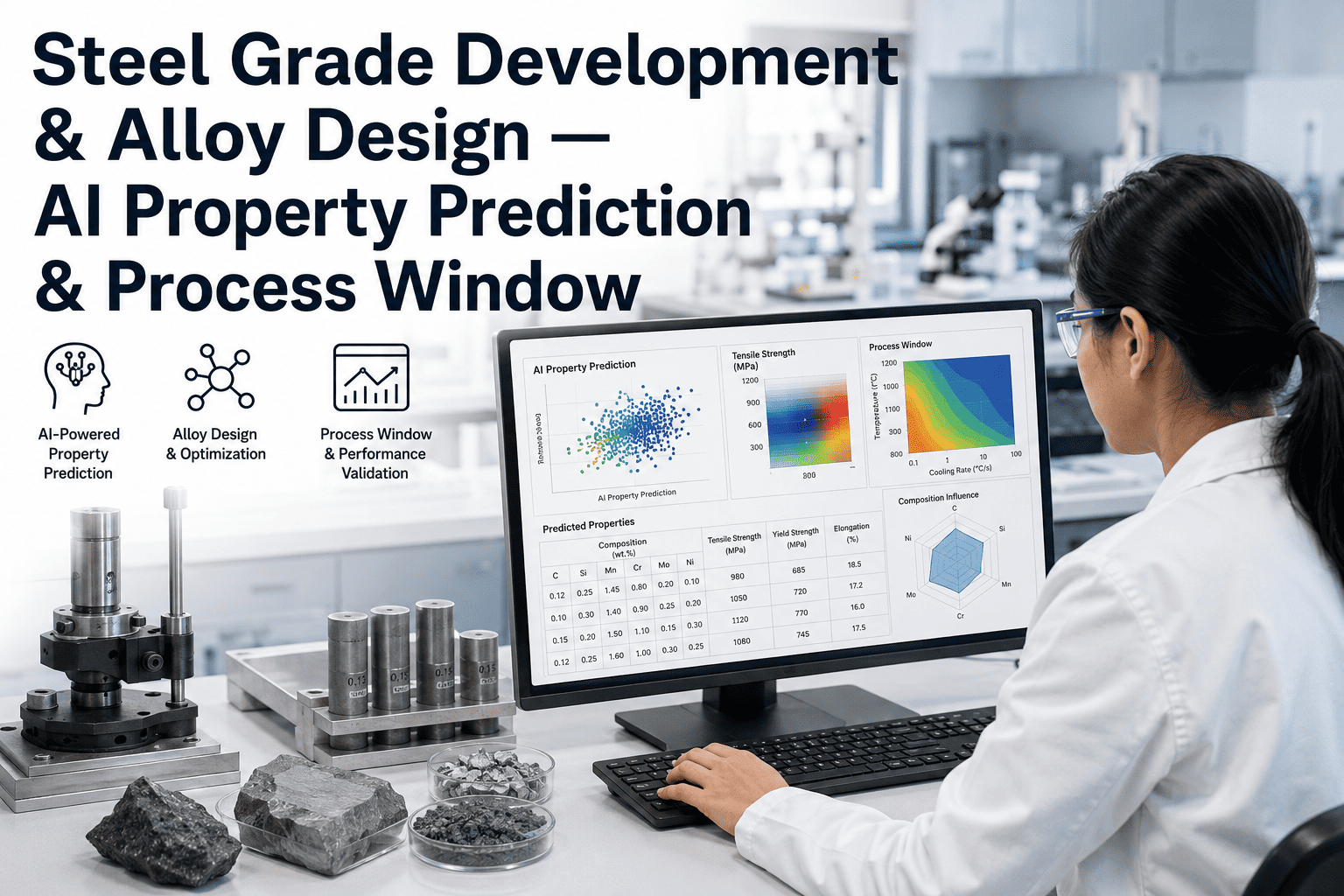
Tool steels are used in cutting, forming, and molding applications where wear resistance and toughness are paramount. AI models analyze heat treatment furnace data to predict optimal soak times and cooling rates, ensuring consistent hardness profiles across batches. Early detection of refractory degradation in furnaces prevents contamination and extends campaign life.
Bearing Steel Quality
Bearing steels require ultra-low inclusion levels and uniform microstructure. Machine learning algorithms process data from ultrasonic inspection and eddy current testing to identify anomalies in real time. Predictive models for rolling mill bearings and spindles reduce vibration-related defects, directly improving bearing raceway finish.
Spring Steel Fatigue Resistance
Spring steels must endure millions of cycles without failure. AI-driven analysis of decarburization depth and surface defects during hot rolling enables proactive adjustments to furnace atmosphere and rolling parameters. This ensures consistent elastic properties and extends service life of finished springs.
AI-Driven Predictive Maintenance Lifecycle for Special Steel
Sensor Data Acquisition
Install IoT sensors on critical assets: electric arc furnace transformers, ladle furnace electrodes, continuous caster molds, and rolling mill stands. Collect vibration, temperature, pressure, and current data at 100 Hz for real-time analysis.
Machine Learning Model Training
Train deep learning models on historical failure data and process parameters. Models learn to correlate subtle sensor signatures with impending failures, such as bearing spalling or refractory erosion, achieving >95% prediction accuracy.
Real-Time Anomaly Detection
Deploy models at the edge for low-latency inference. Alerts are generated when sensor readings deviate from predicted normal operating ranges, enabling maintenance teams to intervene before unplanned downtime occurs.
Prescriptive Maintenance Recommendations
AI system recommends optimal maintenance actions, including part replacement schedules, lubrication intervals, and process adjustments. Integration with CMMS automates work order creation and spare parts ordering.
Key Performance Indicators for Special Steel AI Maintenance
| KPI | Traditional Maintenance | AI-Driven Predictive | Improvement |
|---|---|---|---|
| Unplanned Downtime (hours/month) | 45 | 12 | 73% reduction |
| First-Pass Yield (%) | 82 | 96 | +14% |
| Maintenance Cost per Ton ($) | 18.50 | 11.20 | 39% savings |
| Mean Time Between Failures (hours) | 320 | 890 | 178% increase |
Ready to Optimize Your Special Steel Plant?
Harness AI to achieve precision-grade quality and maximum equipment reliability. Our experts are ready to guide you.
Integrating AI with Existing Plant Systems
Implementing AI-driven maintenance in a special steel plant does not require a complete overhaul of existing infrastructure. iFactory's solutions are designed to integrate seamlessly with common industrial protocols such as OPC UA, Modbus, and MQTT. Data from PLCs, SCADA systems, and historians is ingested and normalized for analysis. The AI platform sits as an overlay, providing insights without disrupting core control loops. For example, temperature profiles from annealing furnaces can be correlated with downstream hardness test results to predictively adjust setpoints. Similarly, vibration data from rolling mill stands is analyzed to forecast bearing wear, allowing maintenance to be scheduled during planned outages rather than causing emergency shutdowns. This layered approach minimizes capital expenditure while maximizing return on investment.
Real-Time Quality Monitoring
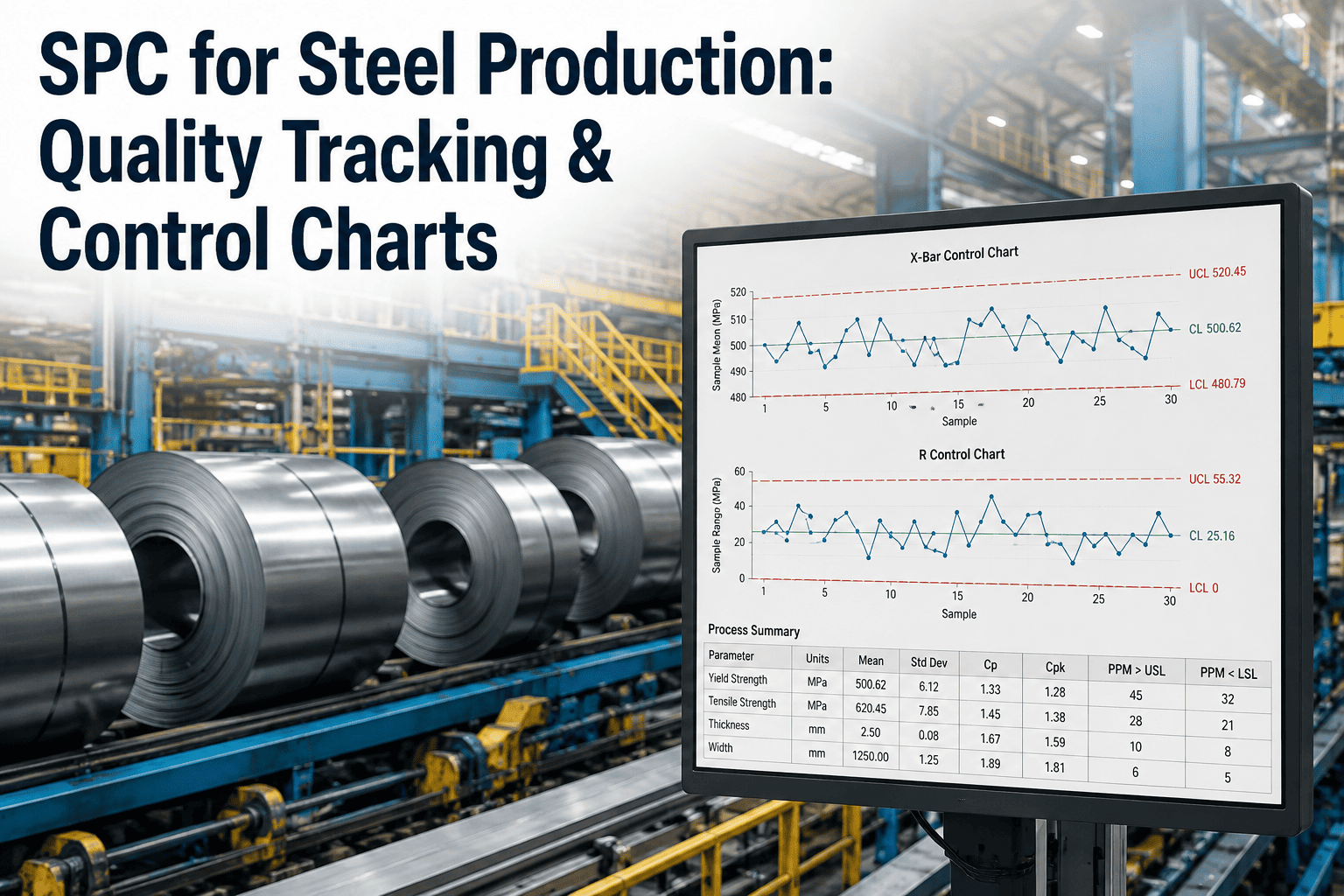
Deploy AI models that analyze chemical composition data from spectrometers and thermal profiles from pyrometers to predict final product properties. Alerts are generated when deviations exceed predefined limits, enabling immediate corrective actions.
Asset Health Dashboard
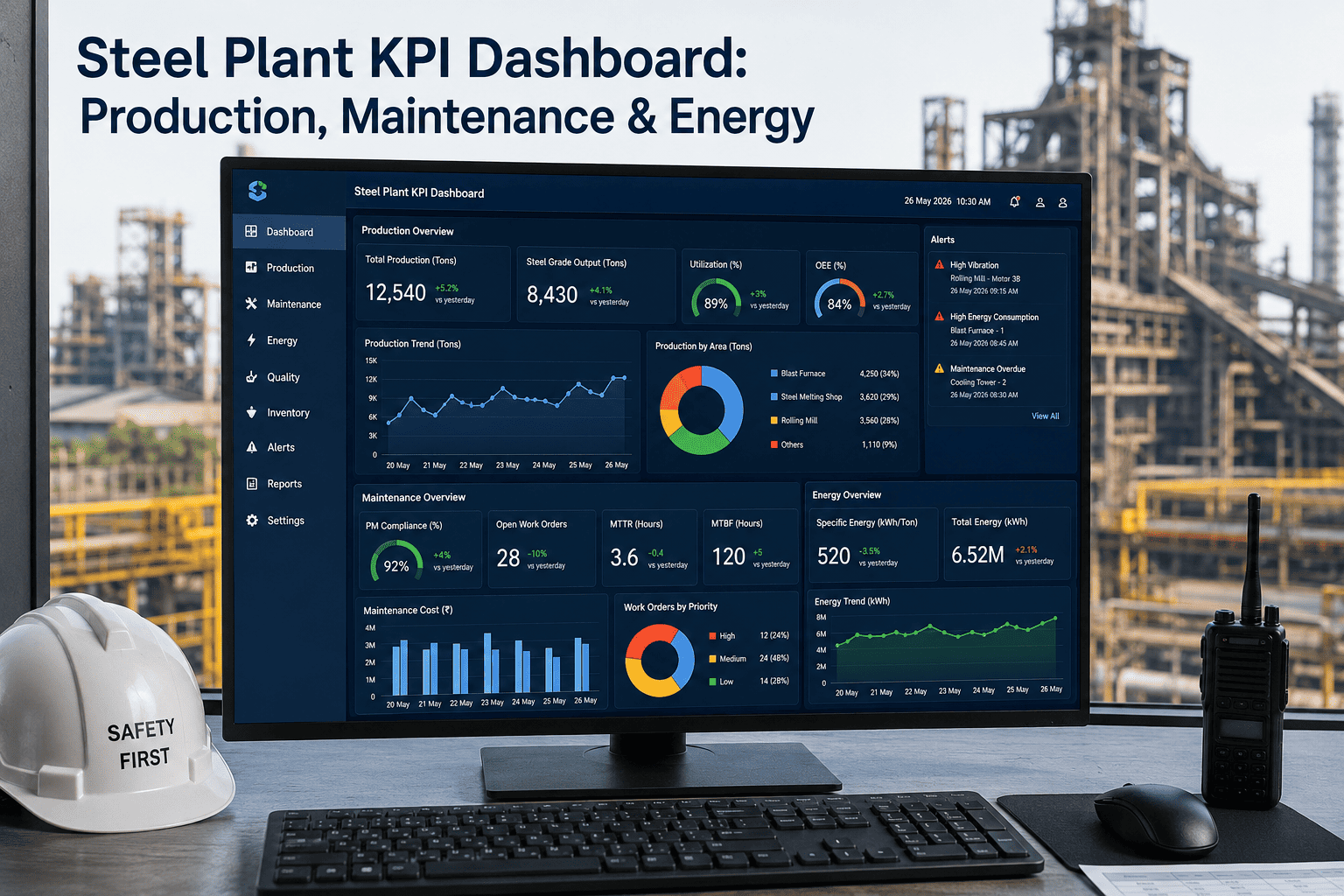
Unified dashboard displays health scores for all critical assets, from EAF transformers to finishing mill drives. Color-coded indicators (green, yellow, red) provide instant visibility into risk levels, prioritizing maintenance actions.
Automated Root Cause Analysis
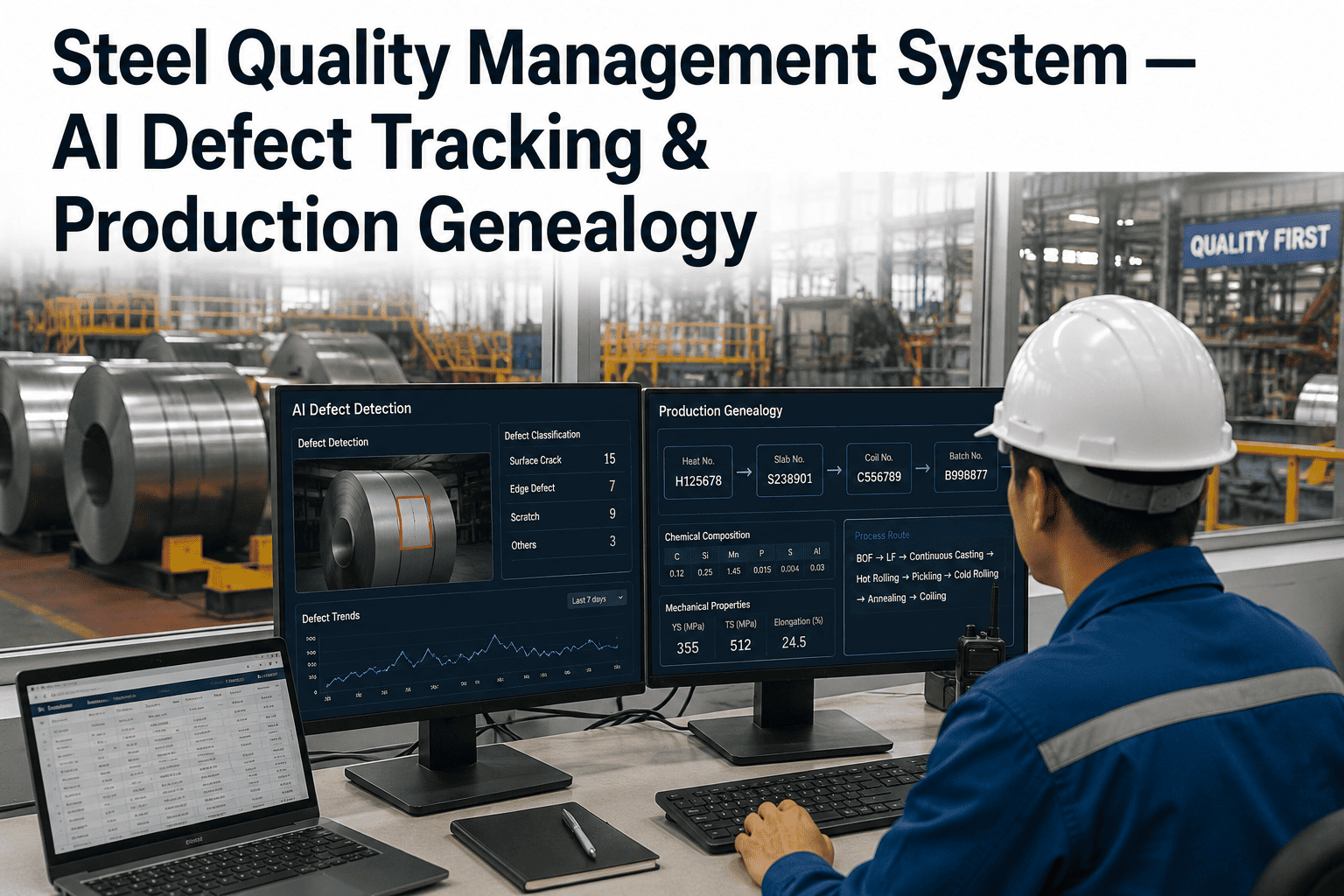
When a defect is detected, AI models trace back through process data to identify the root cause. This reduces troubleshooting time from days to hours and prevents recurrence by suggesting process parameter adjustments.
Case Study: Tool Steel Plant Achieves 30% Uptime Gain
A leading tool steel manufacturer with operations in Europe and Asia implemented iFactory's AI predictive maintenance across its electric arc furnace, ladle furnace, and continuous caster. Within six months, unplanned downtime dropped by 30%, from an average of 48 hours per month to 33 hours. The AI model detected early signs of electrode degradation, allowing replacements to be scheduled during planned maintenance windows. Additionally, real-time monitoring of mold oscillation parameters reduced surface defects in billets by 22%, improving first-pass yield from 85% to 94%. The plant manager reported a 15% reduction in maintenance costs due to optimized spare parts inventory and reduced overtime labor. The success of this deployment has led to expansion plans covering the entire rolling mill and finishing line.
Continuous Improvement Loop
AI models continuously learn from new data, improving prediction accuracy over time. Feedback from maintenance outcomes is fed back into the model, refining its ability to distinguish between normal wear and impending failure.
Scalability Across Plants
Once proven in one production line, the AI solution can be replicated across multiple plants with minimal customization. Standardized data models and pre-trained transfer learning accelerate deployment.
Regulatory Compliance Support
AI-driven documentation of maintenance activities and process parameters simplifies compliance with ISO 9001, IATF 16949, and other quality standards. Audit trails are automatically generated and stored.
Overcoming Implementation Challenges
Adopting AI in special steel plants comes with challenges, including data silos, legacy equipment, and workforce resistance. iFactory addresses these through a phased implementation approach. First, a comprehensive data audit identifies available data sources and gaps. Second, edge devices are installed to collect data from older machines without native connectivity. Third, user-friendly dashboards and mobile alerts are deployed to ensure buy-in from maintenance and operations teams. Training programs are tailored to each role, from technicians to plant managers, emphasizing how AI augments their expertise rather than replacing it. The result is a smooth transition to a data-driven maintenance culture that delivers tangible results from day one.
Frequently Asked Questions
How does AI handle the variability between different special steel grades?
AI models are trained on historical data from multiple grades, learning the distinct sensor signatures associated with each alloy. For example, tool steel and bearing steel have different thermal profiles during heat treatment. The models automatically adjust predictions based on the current grade being produced, ensuring accurate anomaly detection and maintenance recommendations. Contact support for more details.
What is the typical ROI timeline for implementing AI predictive maintenance?
Most special steel plants achieve a positive return on investment within 6 to 12 months. The primary drivers are reduced unplanned downtime, lower maintenance costs, and improved product quality. For a mid-sized plant producing 500,000 tons annually, savings can exceed $2 million per year. Book a Demo to calculate your potential savings.
Can the AI system integrate with our existing CMMS?
Yes, iFactory's platform offers pre-built connectors for major CMMS systems such as SAP PM, IBM Maximo, and Infor EAM. Work orders can be automatically generated based on AI recommendations, and maintenance history is synced back to improve model accuracy. Contact support for integration details.
What kind of data infrastructure is required?
The solution is designed to work with minimal data infrastructure. Edge devices can collect and process data locally, sending only aggregated insights to the cloud. For plants with existing historians, direct API integration is available. A stable network connection is recommended, but offline operation is supported for critical functions. Book a Demo to discuss your setup.
How does the system ensure data security and intellectual property protection?
All data is encrypted in transit and at rest using AES-256. Role-based access control ensures that only authorized personnel can view sensitive process data. The AI models are deployed in a secure environment, and no raw data is shared with third parties. Contact support for our full security whitepaper.
Elevate Your Special Steel Production Today
Partner with iFactory to implement AI-driven predictive maintenance and achieve precision-grade quality, maximum uptime, and reduced costs. Let's discuss your plant's unique needs.