The average automotive plant loses $2.3 million per hour to unplanned downtime a 50% jump since 2019. Yet nearly half of smart factory initiatives are still struggling. The gap is nottechnology and it's infrastructure. The plants that win aren't the ones with the most sensors. They're the ones where every system talks to every other system. See how iFactory connects your plant →
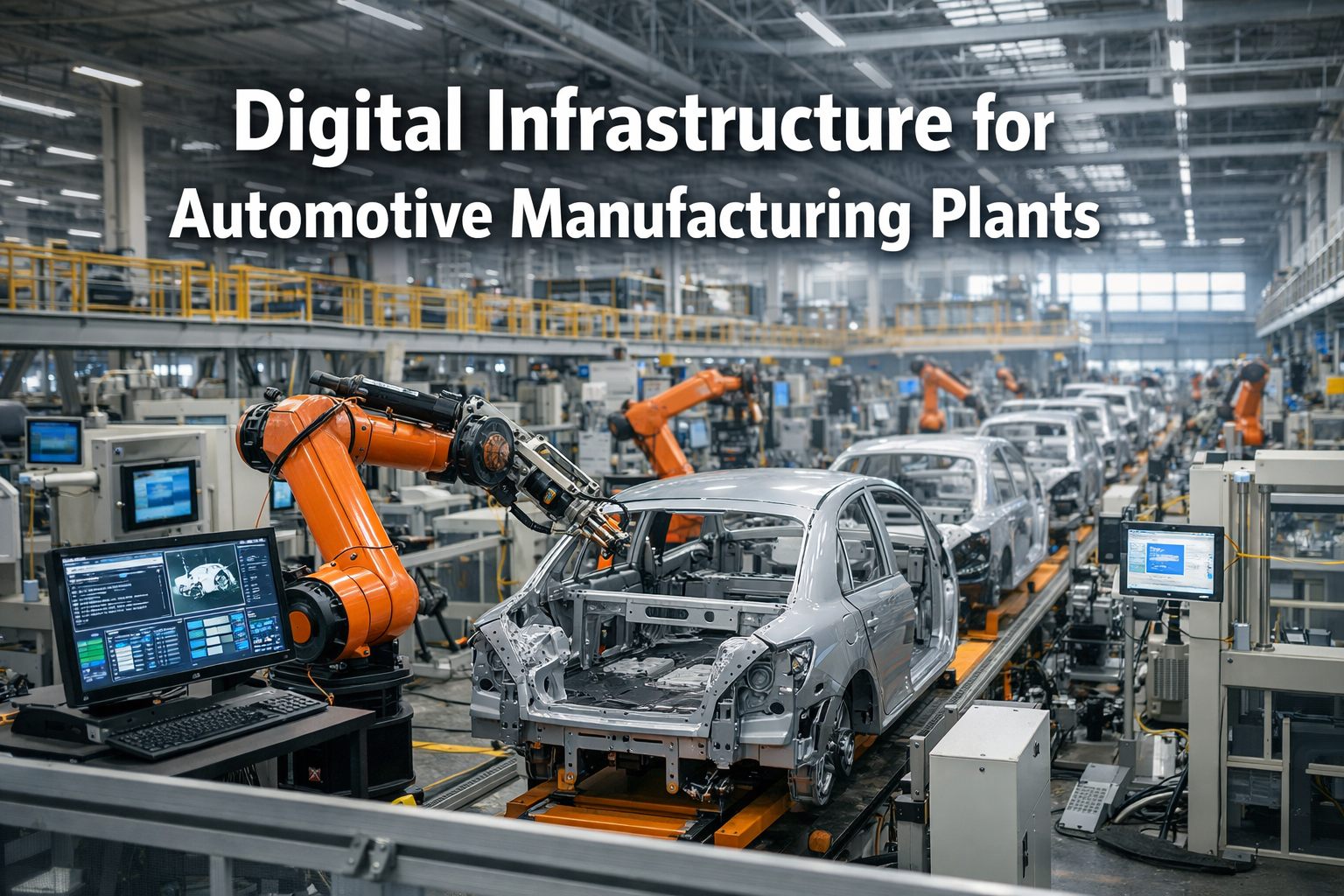
Digital Infrastructure for Automotive Manufacturing Plants
From stamping to final assembly, modern automotive plants need a digital backbone that connects quality, downtime tracking, and traceability across every line. Here's how to build one that actually works.
Why Most Automotive Plants Are Flying Blind
Automotive manufacturing is among the most complex production environments on earth—and the most expensive when things go wrong.
Cost per hour of unplanned downtime in automotive plants
Siemens, 2024Of smart factory initiatives are struggling to deliver value
PwC ReviewAverage annual unplanned downtime per manufacturing facility
Industry AverageAnnual cost of unplanned downtime across U.S. manufacturing
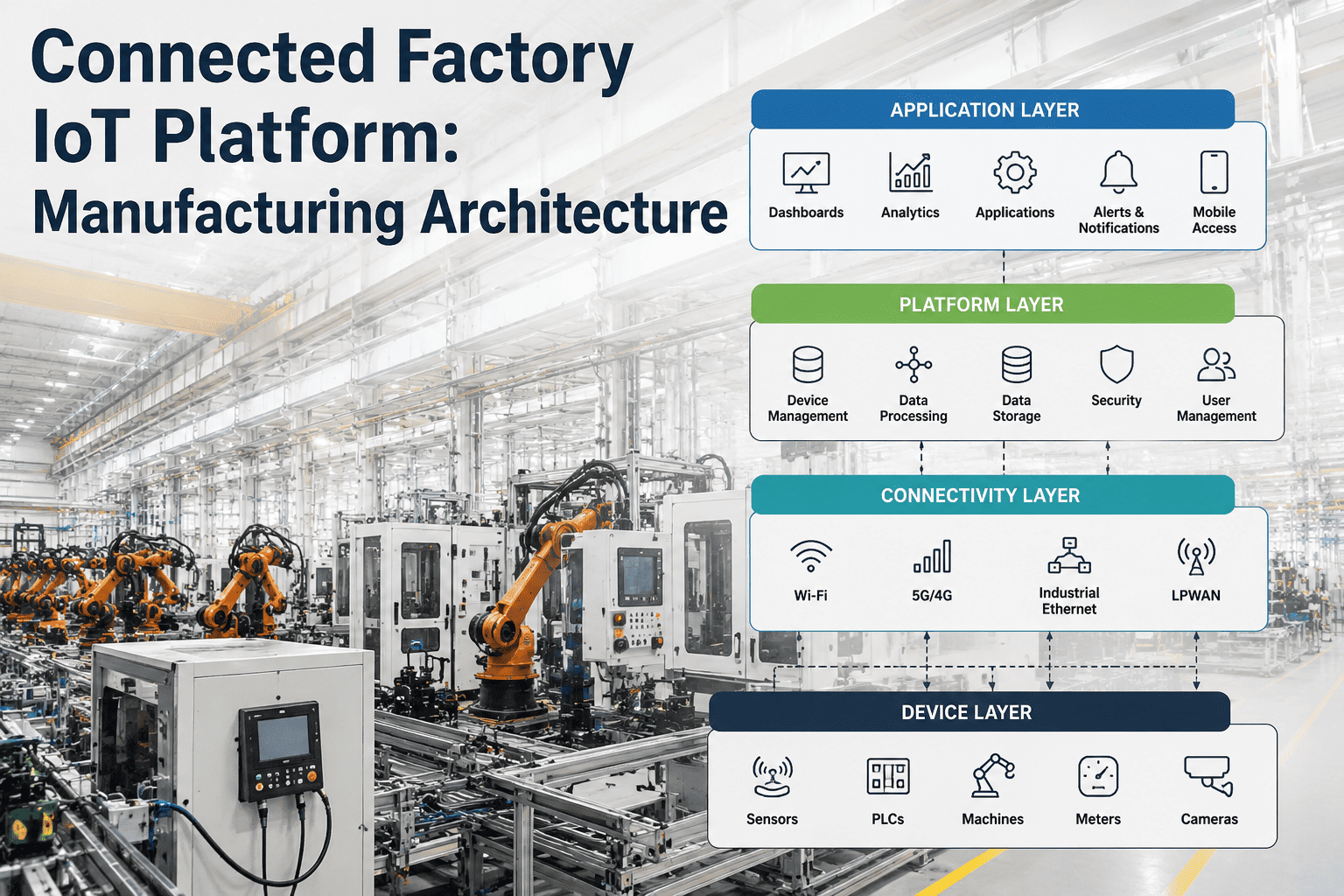
Aberdeen ResearchThe 5 Layers of Automotive Digital Infrastructure
Digital infrastructure isn't one tool—it's a connected stack that turns raw shop floor data into decisions.
Analytics & Intelligence Layer
AI-driven insights, predictive maintenance alerts, OEE dashboards, and digital twin simulations that forecast failures before they happen.
Application Layer
MES for production execution, CMMS for maintenance management, quality management systems, and traceability platforms working in unison.
Integration & Middleware Layer
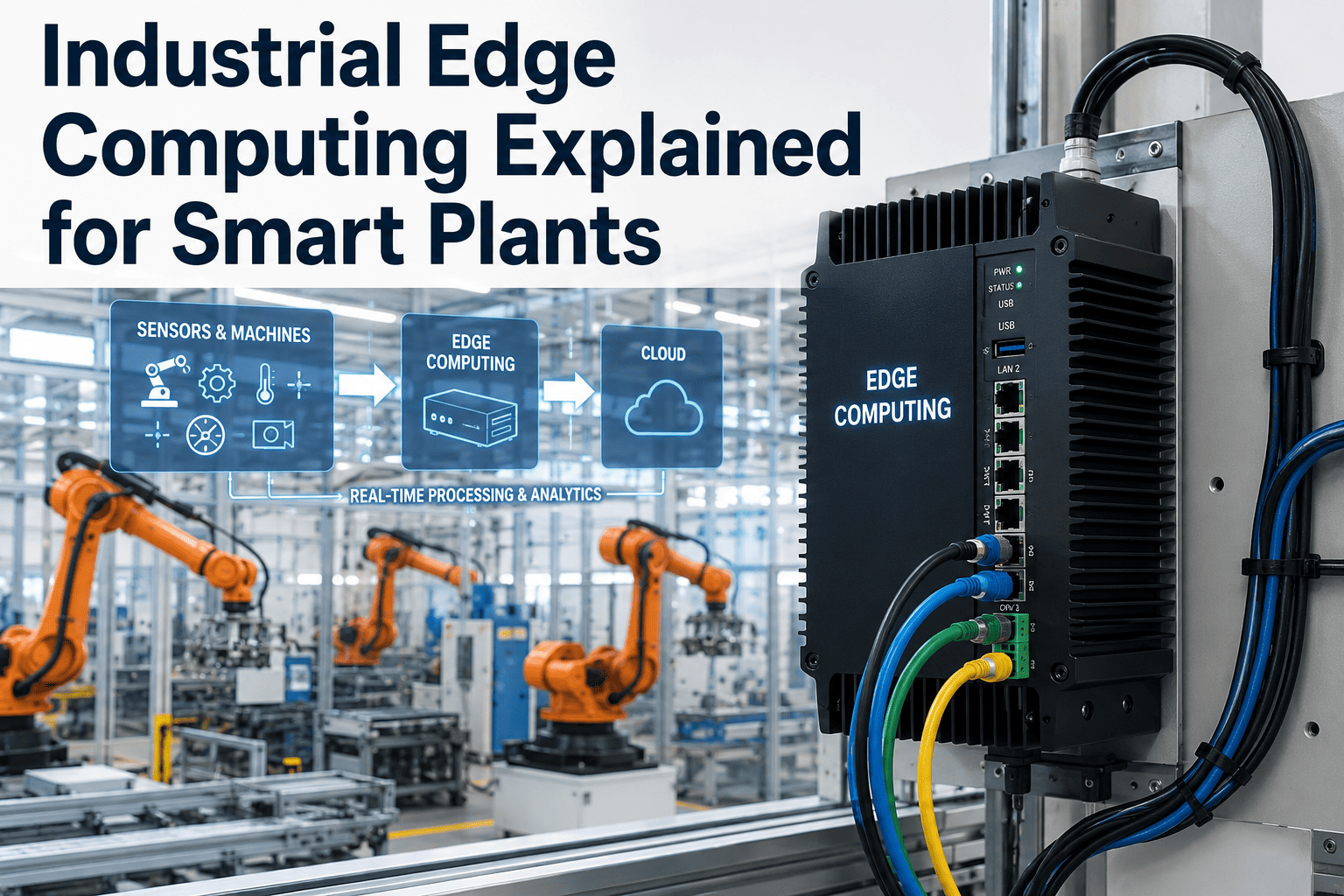
APIs, data buses, and edge computing platforms that ensure every system—from PLC to ERP—shares a common language.
Data Collection Layer
IoT sensors, SCADA systems, HMIs, and barcode/RFID readers capturing real-time data from every machine, line, and station.
Physical Infrastructure Layer
Industrial networks, ethernet switches, secure Wi-Fi, edge servers, and hardened computing hardware on the factory floor.
What to Monitor Across Automotive Production Lines
Each shop in an automotive plant has different monitoring needs—but the data must flow between them.
Stamping Shop
High-tonnage presses shape sheet metal into body panels at speeds of 10–15 strokes per minute.
Body Shop
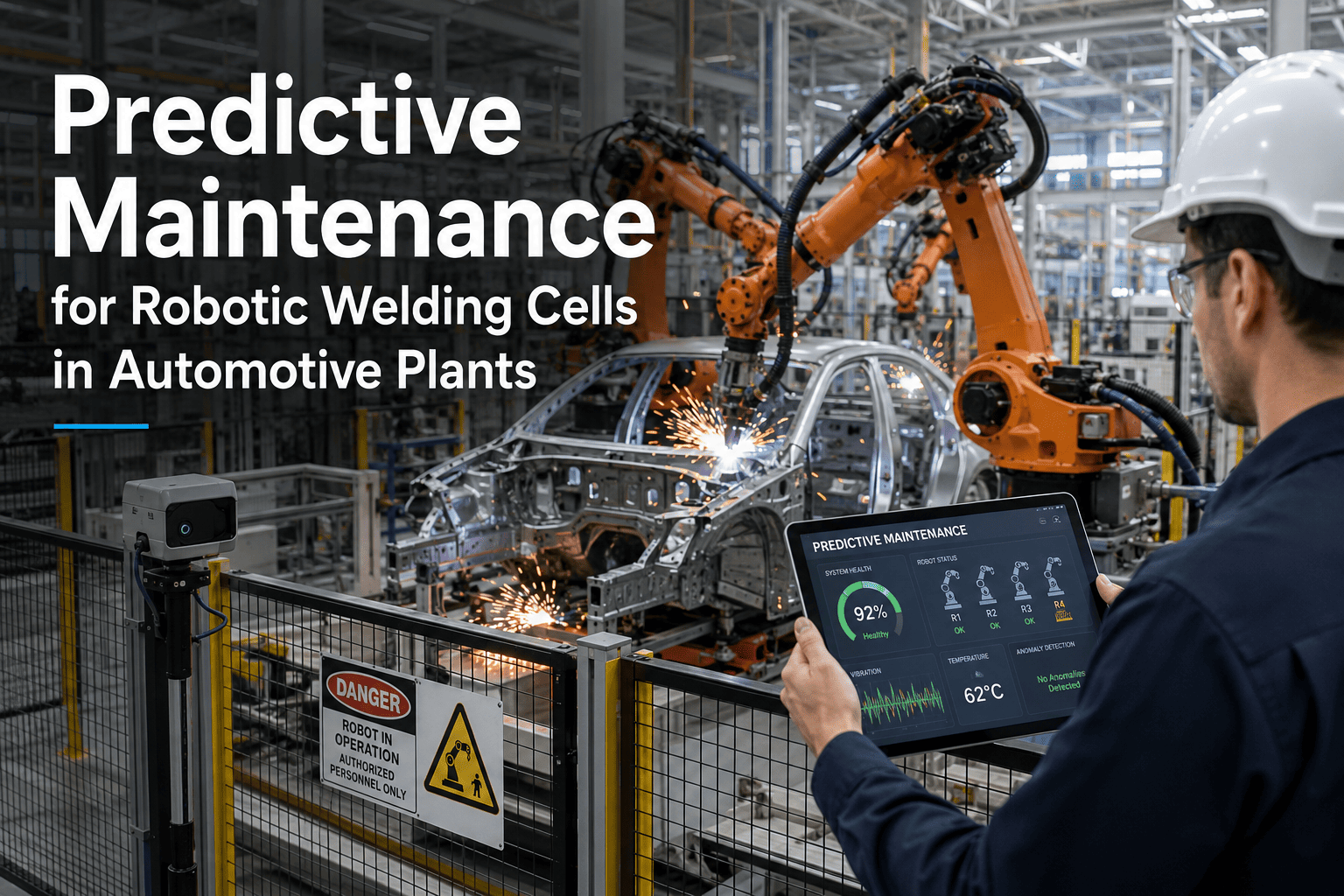
Hundreds of robots weld stamped panels into complete body shells—up to 5,000 welds per vehicle.
Paint Shop
Environment-sensitive process requiring precise temperature, humidity, and air flow control for flawless finishes.
General Assembly
Thousands of components converge in sequence—each vehicle may have unique specifications on a mixed-model line.
Monitor Every Shop from a Single Dashboard
iFactory gives automotive manufacturers plant-wide visibility—connecting quality, maintenance, and production data across every shop, every line, and every shift.
How Data Should Move Through Your Plant
Detect
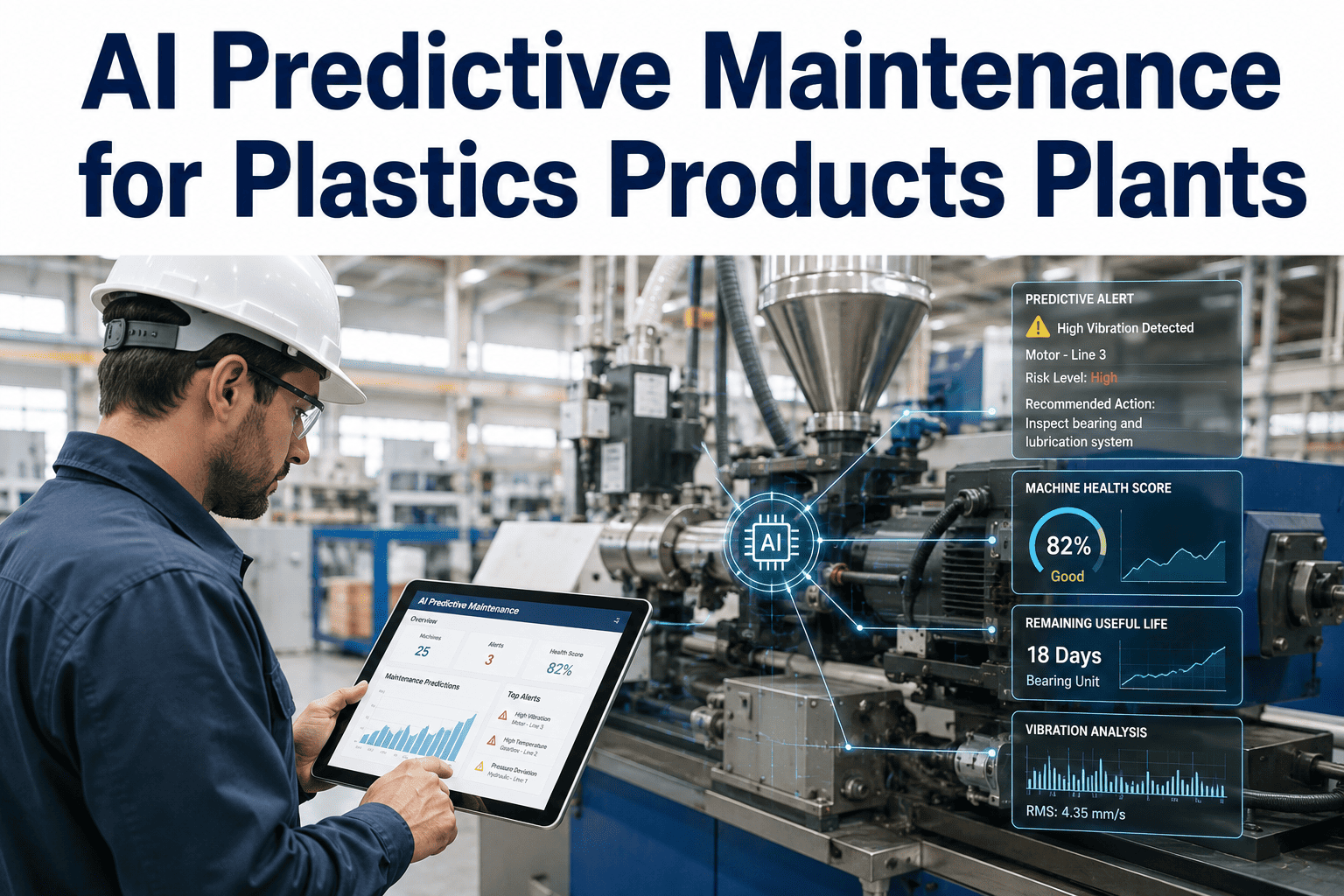
IoT sensor on Press Line 3 detects abnormal vibration pattern—bearing degradation at 62% threshold.
Transmit
Edge device processes signal locally, filters noise, and sends alert to both CMMS and production dashboard in real time.
Act
CMMS auto-generates work order, assigns nearest qualified technician, and pre-stages bearing from spare parts inventory.
Adapt
MES reschedules production to shift volume to Press Line 1 during maintenance window—no lost output.
Learn
Asset management logs repair history, updates reliability model, and refines predictive maintenance interval for all press lines.
Want This Level of Visibility in Your Plant?
iFactory connects your stamping, body, paint, and assembly shops into a single digital backbone—with real-time OEE, automated maintenance, and full traceability.
Book a Free Plant Assessment →What Digitally Connected Plants Actually Achieve
Real results from manufacturers who've built plant-wide digital infrastructure.
Energy Cost Reduction
Volkswagen's Poznań plant cut energy costs by 12% through a single AI application optimizing electricity consumption—scaled across 43 factories globally.
OEE Improvement
BMW implemented digital twins of production systems across 31 plants, achieving an 18% improvement in overall equipment effectiveness.
Less Unplanned Downtime
Manufacturers using digital twin platforms with connected sensors report up to 65% reduction in unplanned downtime events across production lines.
Fewer Replacement Parts
Predictive maintenance—fixing before failure—reduces the need for replacement parts by up to 30–40%, cutting waste and carbon footprint simultaneously.
The Smart Factory Investment Wave
Building Your Plant's Digital Infrastructure: A Phased Approach
You don't digitalize an automotive plant overnight. Here's a proven path from spreadsheets to smart factory.
Foundation: Connect & Capture
Deploy cloud CMMS to digitalize maintenance workflows. Replace paper-based work orders and spreadsheet PM schedules. Connect critical assets with IoT sensors for baseline monitoring.
Visibility: Monitor & Measure
Add real-time OEE tracking across production lines. Integrate quality checkpoints with digital checklists. Build cross-shop dashboards so stamping, body, paint, and assembly share visibility.
Intelligence: Predict & Optimize
Activate predictive maintenance using ML models. Build asset lifecycle views for capital planning. Create digital twin simulations for production optimization and failure forecasting.
Frequently Asked Questions
What is digital infrastructure in automotive manufacturing?
Digital infrastructure refers to the connected technology stack—sensors, networks, software platforms, and analytics tools—that enables plant-wide visibility into production quality, equipment health, and traceability. It's the digital backbone that connects stamping, body, paint, and assembly shops into a unified system where data flows seamlessly between departments.
How much does unplanned downtime actually cost an automotive plant?
According to Siemens' 2024 analysis, unplanned downtime costs automotive plants approximately $2.3 million per hour—roughly $600 per second. This has increased by over 50% since 2019, driven by higher component costs, tighter supply chains, and reduced slack in production schedules. A single major incident can cascade across an entire just-in-time supply chain.
Where should an automotive plant start its digital journey?
Start with a cloud-based CMMS to digitalize maintenance workflows—it offers the fastest ROI (deployable in 2–8 weeks) and immediately addresses the biggest cost driver: unplanned downtime. From there, add OEE monitoring for production visibility, then layer on predictive maintenance and asset lifecycle management as your digital maturity grows.
Can digital twins really reduce downtime in automotive plants?
Yes. BMW achieved an 18% OEE improvement across 31 plants using digital twins. Unilever reported a 65% reduction in unplanned downtime with digital twin technology. The key is connecting twin simulations with real-time sensor data and maintenance systems so predictions trigger automated responses—not just dashboard alerts.
Do I need to replace all existing systems to build digital infrastructure?
No. Modern platforms like iFactory integrate with existing PLCs, SCADA systems, and ERP solutions. The goal is interoperability—creating a data layer that connects your current tools rather than ripping and replacing them. Start by connecting what you have, then fill gaps where they exist.
Ready to Build Your Plant's Digital Backbone?
iFactory gives automotive manufacturers plant-wide visibility—connecting quality, maintenance, and production data across every shop, every line, and every shift.