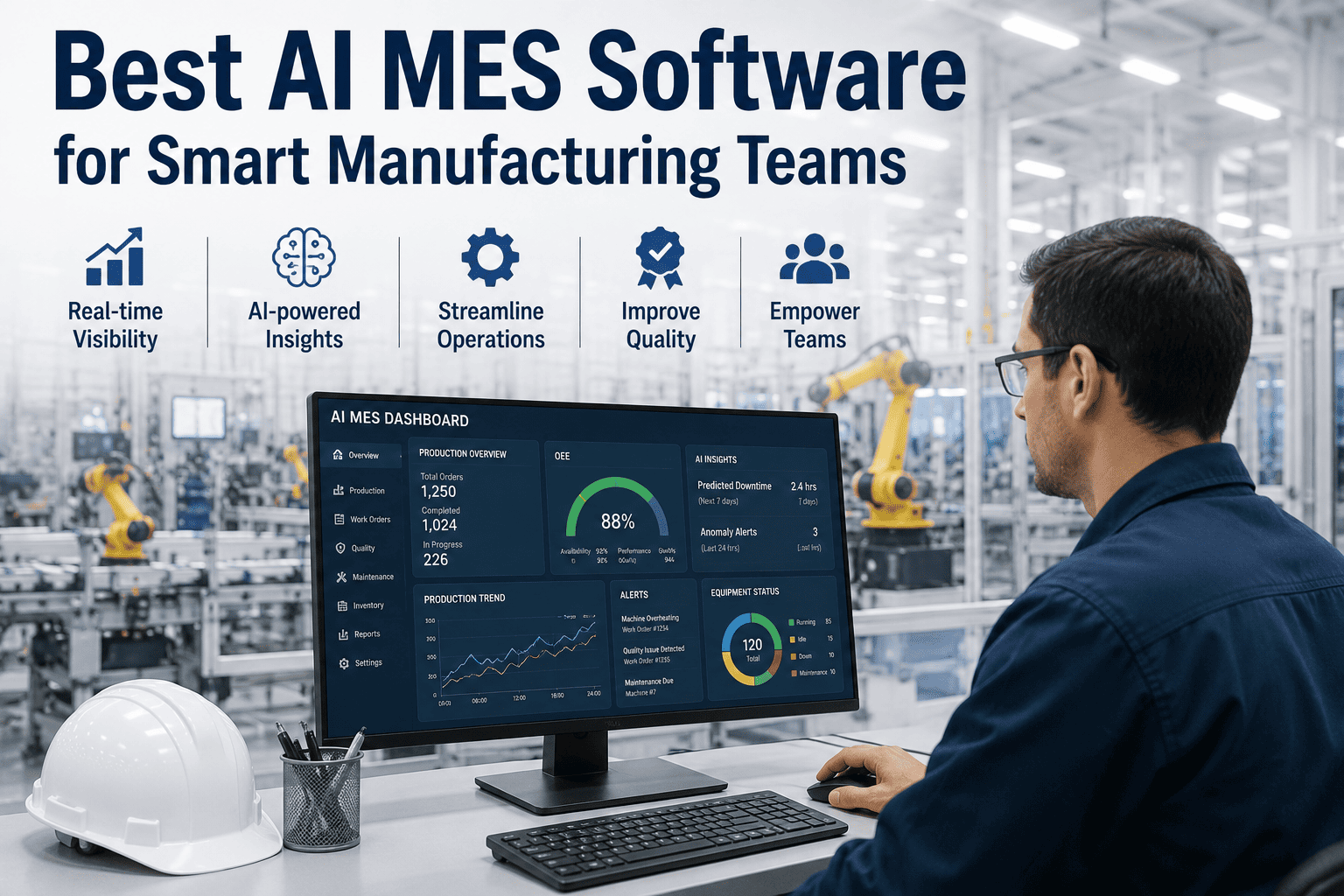
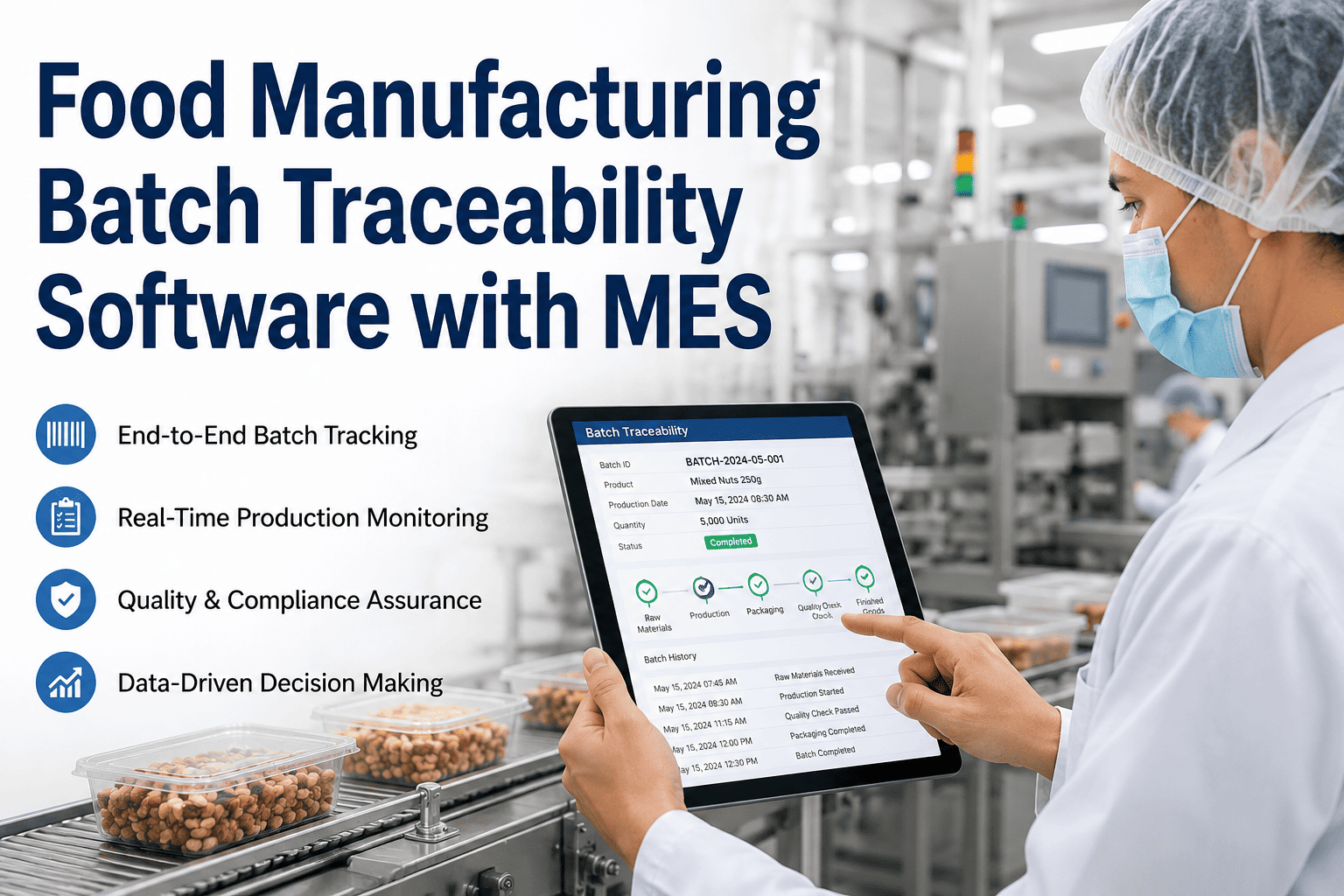
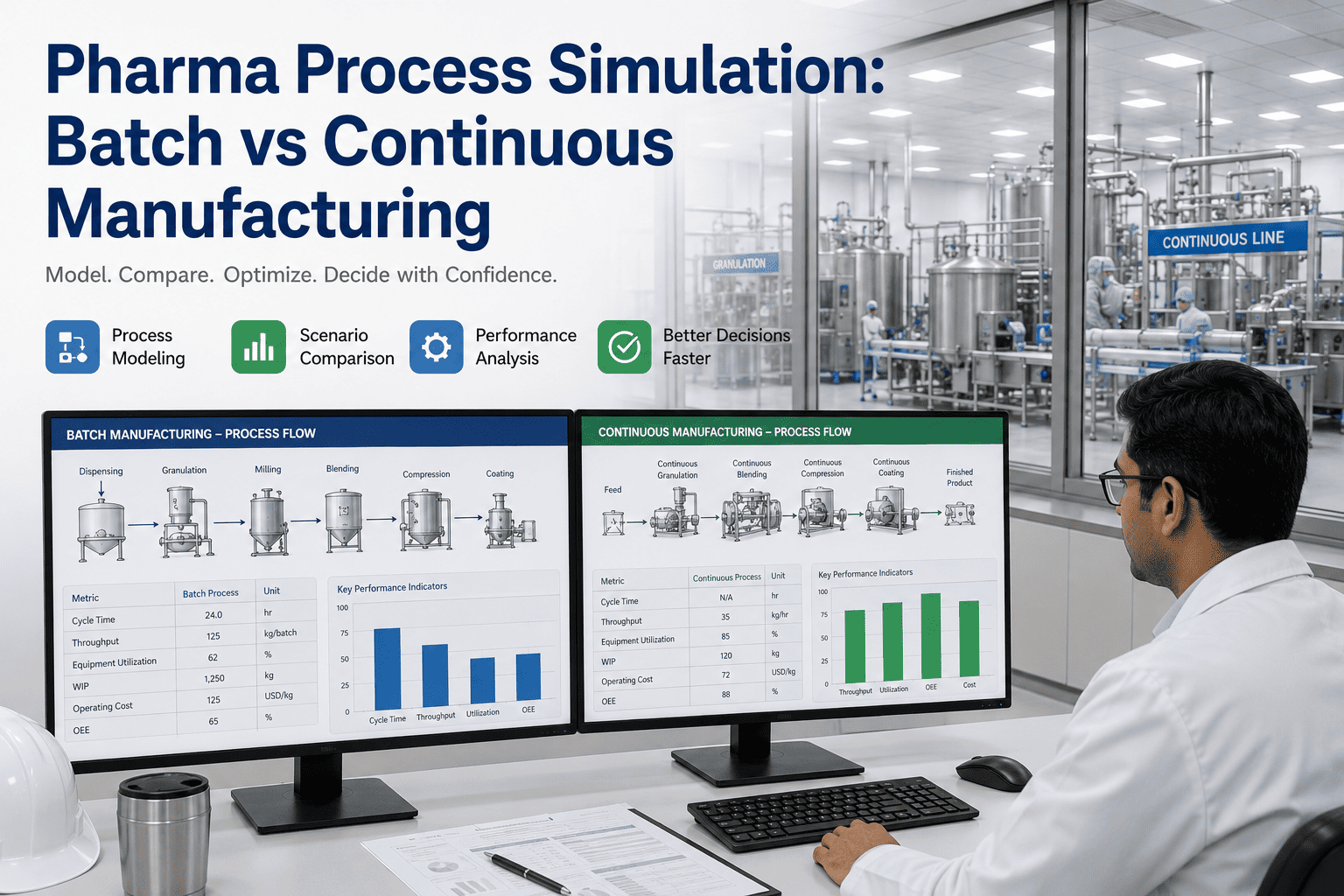
The morning shift operator at a mid-sized chemical plant scrolls through three different screens to reconcile what the lab reported, what the line produced, and what the ERP thinks was made. A batch that finished four hours ago still shows as "in progress" in the system. The shift supervisor is on the phone with planning, trying to explain why the daily output report doesn't match the tank farm readings. Nobody is lying — the data just lives in different worlds: process manufacturing's continuous flows and discrete manufacturing's unit-based counts. This disconnect costs the plant roughly $2.3M annually in rework, expedited shipping, and lost production time. And it's not a technology problem. It's a manufacturing model problem.
Stop Forcing Discrete Logic on Continuous Processes — One Workflow That Understands Both
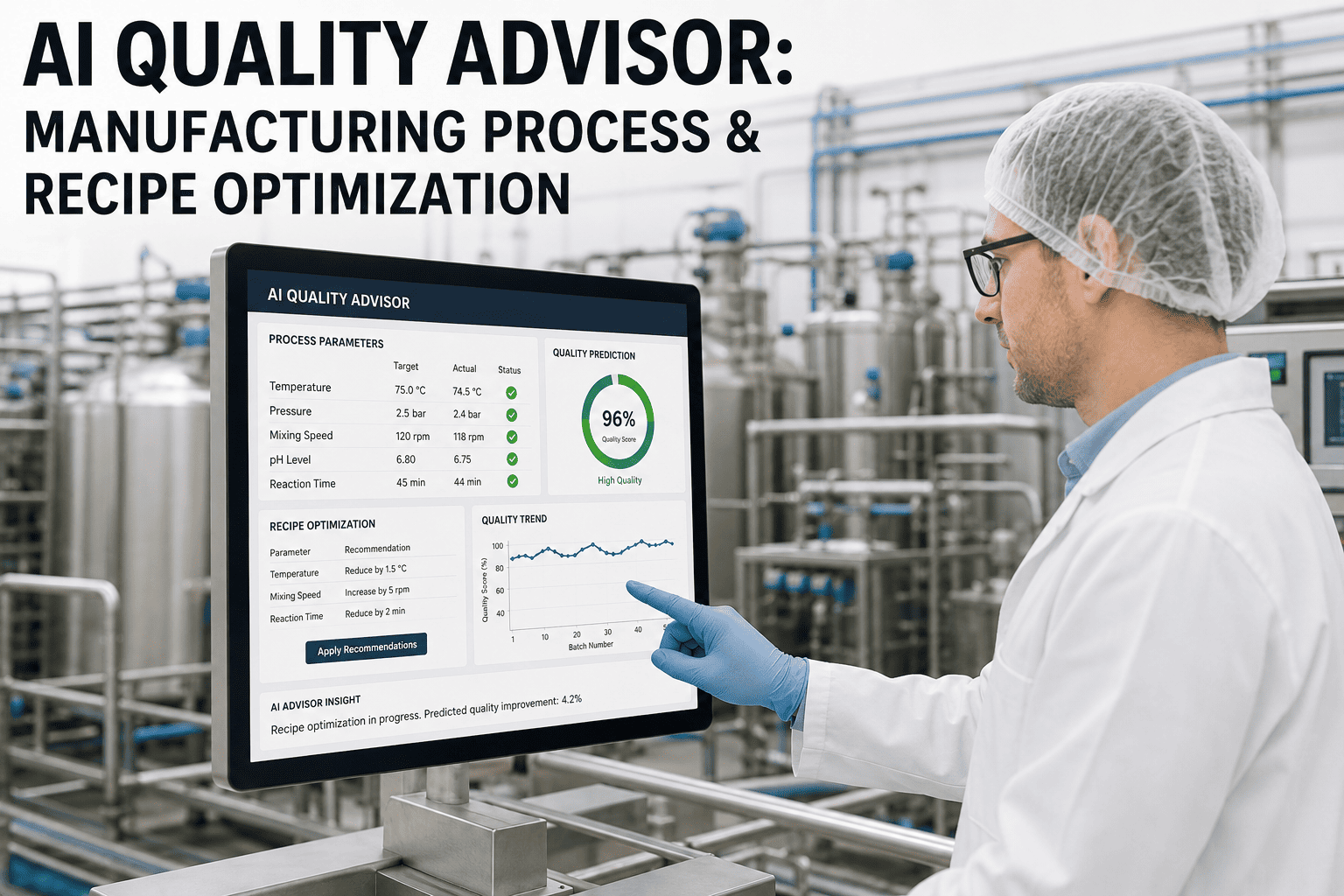
iFactory's MES Workflow unifies batch, continuous, and discrete production models on a single platform — without cloud dependency, data egress, or a six-figure systems integration project.
When Your MES Thinks in Units but Your Process Runs in Gallons
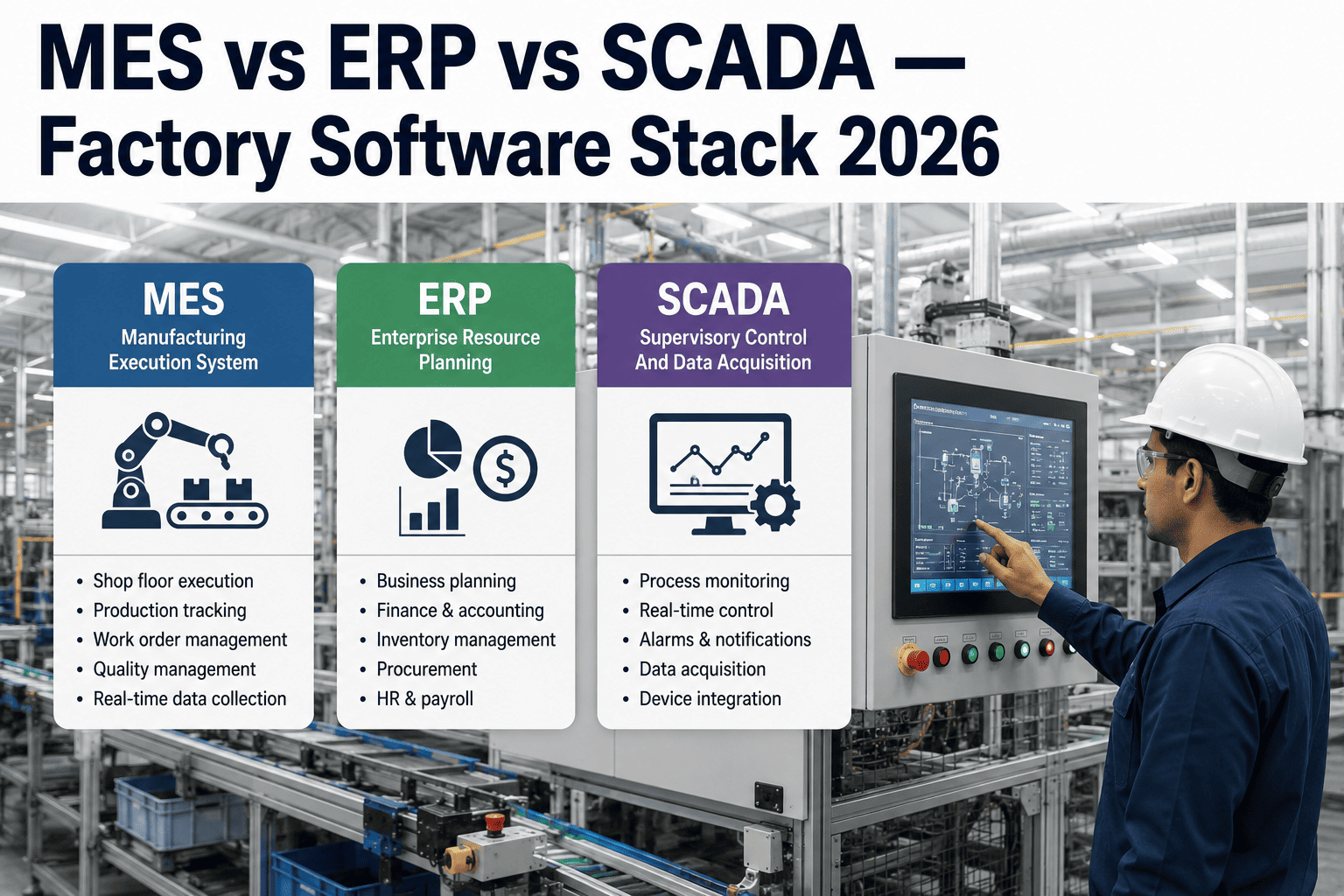
Most manufacturing execution systems were built for one world or the other. Process plants — chemical, food, pharma, metals — deal in continuous flows, tank levels, and batch recipes. Discrete plants — automotive, electronics, assembly — count units, track serials, and manage BOMs. The problem is that modern facilities are hybrids. A specialty chemical plant has packaging lines that act discrete. A food processor has continuous blending and discrete palletizing. Forcing one model on the other creates five specific, measurable pains.
Reconciliation Black Holes
Your continuous reactor produces 48,000 gallons per shift. Your packaging line counts 1,920 drums. The ERP expects 1,900. Nobody can explain the 20-drum gap — and it takes three people two hours to even find the discrepancy. That's $47,000 per year in traceability labor alone.
Batch-to-Unit Translation Errors
A pharmaceutical batch is released at 2,500 kg bulk. The downstream filling line splits it into 500,000 tablets. If the MES treats the batch as a discrete work order, it loses the continuous genealogy — every tablet inherits the batch ID, but the system can't track partial batches through split lots. One misallocation and you're looking at a $340,000 product recall.
Operator Cognitive Load
Your operators manage three different UIs: one for the DCS (continuous), one for the packaging line (discrete), and one for the ERP (financial). Every shift change, they spend 20 minutes reconciling what the systems don't talk about. That's 1,200 hours of lost productivity per plant per year — $84,000 in wasted labor.
Inventory Bloat from Model Blind Spots
When the MES can't track WIP across the continuous-to-discrete boundary, planners pad safety stock by 15%. For a mid-size specialty chemical plant with $50M in raw materials, that's $7.5M in unnecessary inventory carrying costs at 8% — $600,000 per year in dead capital.
Compliance Audit Nightmares
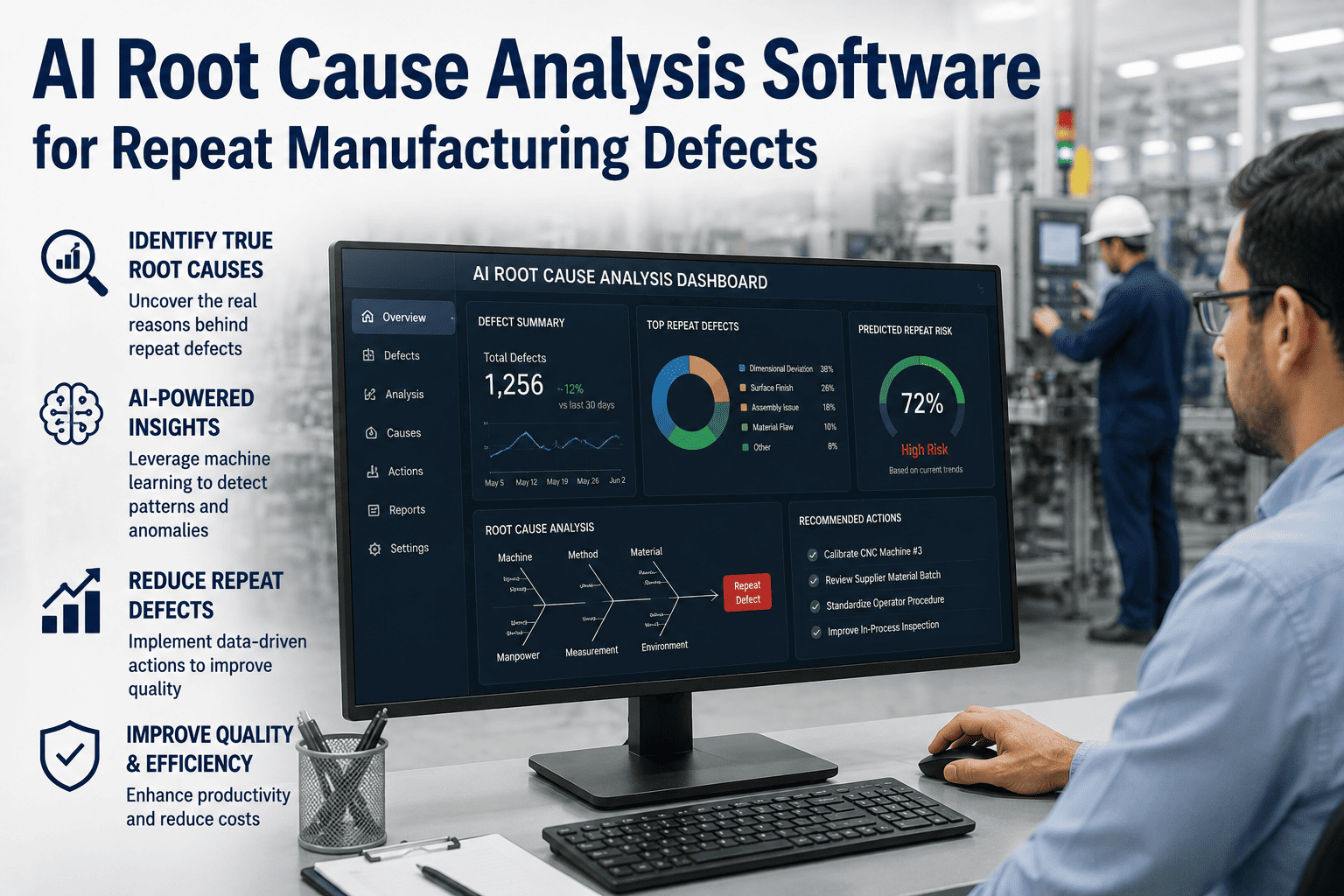
An FDA or ISO auditor asks to trace a specific drum back to its reactor batch, catalyst lot, and operator. Your system can do it — but it takes a data analyst two days to stitch together the continuous process data and the discrete tracking data. Each audit costs $15,000 in data retrieval labor. Three audits a year and you've lost $45,000.
The manufacturing model isn't a philosophical debate — it's a $2.3M annual leak. Book a 30-min walkthrough and we'll show you how one platform closes the gap.
One Model, Two Paradigms — Zero Compromise
iFactory's MES Workflow doesn't force you to choose between process and discrete. It treats every production step as a node in a unified workflow — whether that node measures tank level in inches or counts units on a conveyor. Here's how it works in four steps.
Model Your Actual Process — Not Your ERP's Fantasy
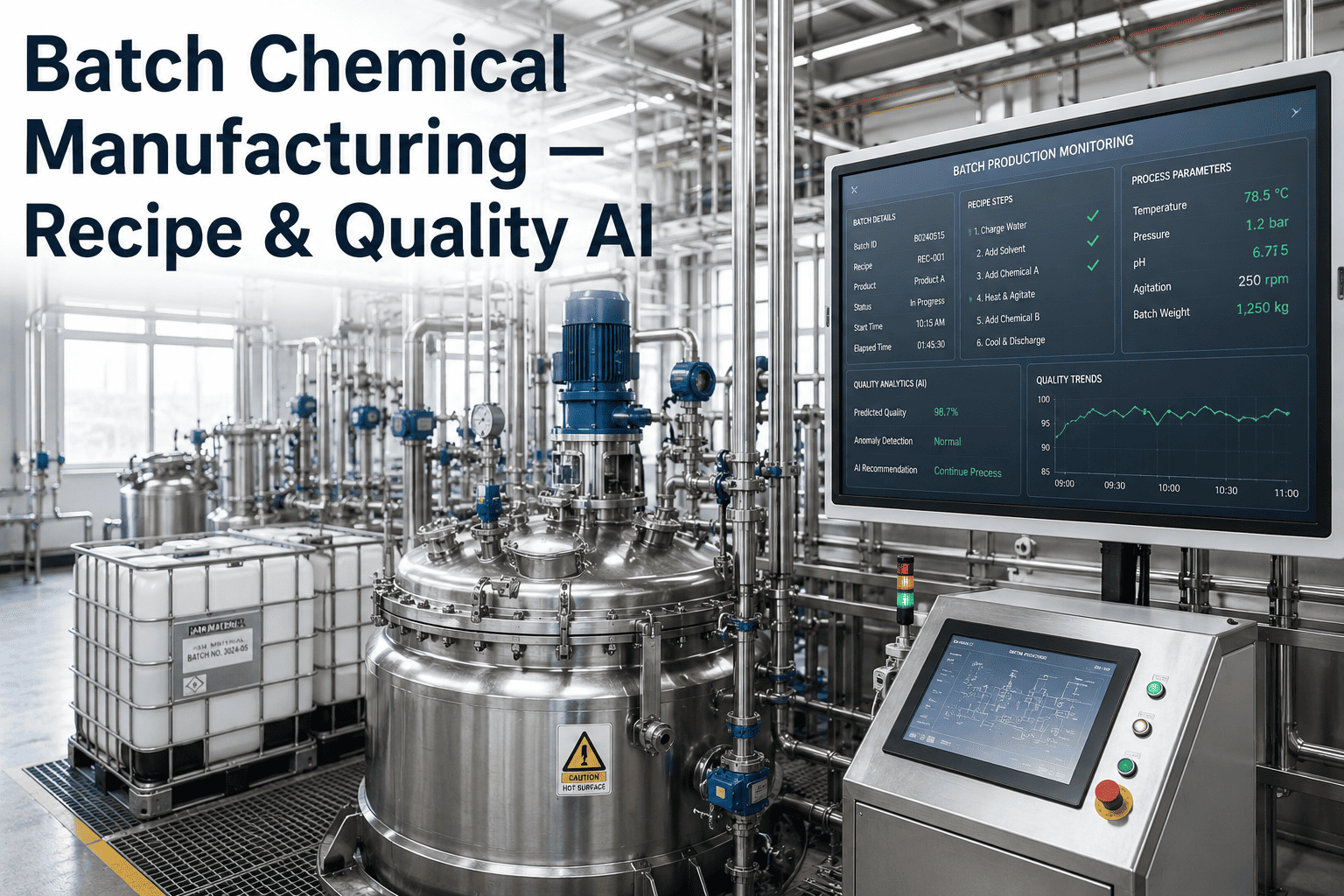
Draw your workflow as it really runs: continuous reactor → intermediate tank → discrete fill line → palletizer. Each node gets its own model — batch, continuous, or unit-based — and the edges define how material moves between them.
Real-Time Data Ingestion Without Cloud Dependence
iFactory runs on an NVIDIA appliance on your plant network. It pulls directly from PLCs, DCS, scales, and lab systems via OPC-UA, Modbus, and MQTT. No data leaves your floor. No cloud latency. Every tank level and every unit count updates in real time.
Automatic Reconciliation at Every Boundary
When material flows from a continuous reactor (gallons) to a discrete fill line (drums), iFactory's reconciliation engine calculates the conversion in real time — accounting for density, temperature, and fill variance. The ERP sees one consistent number. No more 20-drum mysteries.
Unified Work Order Lifecycle
A single work order spans the entire flow — from batch release through continuous processing to discrete packaging. Operators see one interface. Auditors trace one genealogy. Planners get one WIP number. The model mismatch disappears.
Built for Hybrid Facilities — Not Adapted from One Side
These aren't features bolted onto a legacy MES. They're core capabilities designed from day one to handle the complexity of modern manufacturing — where continuous and discrete coexist in the same four walls.
Hybrid Process Graphs
Define any node as batch, continuous, or discrete. The engine handles the transitions automatically — including split lots, merge lots, and partial consumption. No custom code, no middleware.
Continuous-to-Discrete Math Engine
Built-in density curves, temperature compensation, and fill-profile models convert tank volume to unit counts in real time. Accuracy within 0.5% — without manual calculations or spreadsheets.
Unified Genealogy Across Models
Every unit — whether a drum, a pallet, or a batch lot — inherits the full genealogy from continuous upstream nodes. One click gives you the complete chain from raw material to customer shipment.
Single Pane of Glass
One UI for batch release, continuous monitoring, discrete unit tracking, and quality sampling. Operators learn one system. Shift handoffs take five minutes instead of twenty.
ERP-Native Data Model
iFactory speaks SAP, Oracle, and Microsoft Dynamics in their native languages — whether the ERP expects batch lots, serial numbers, or continuous consumption. No custom ETL, no data transformation layer.
Audit-Ready By Design
Every transaction — from a continuous flow rate change to a discrete unit scan — is logged with timestamp, operator ID, and system state. FDA 21 CFR Part 11, ISO 9001, and IATF 16949 compliance built in.
What Happens When Your MES Matches Your Reality
Plants that eliminate the process-vs-discrete mismatch see immediate, measurable improvements. These are real results from iFactory deployments across chemical, food, pharma, and metals facilities.
Turnkey. On-Prem. Pilot in 12 Weeks.
iFactory is not a SaaS platform that requires cloud connectivity, data egress, or a multi-year digital transformation. It's an NVIDIA appliance that sits on your plant network and connects to your existing automation. No data leaves your floor. No IT project becomes a career.
End-to-End Delivery
You hand over data-source access. We deliver a working pilot in 6–12 weeks — including workflow modeling, data integration, and operator training.
On-Premise, Zero Cloud Dependency
Runs on an NVIDIA appliance inside your plant network. No internet required. No data egress. No monthly cloud bill.
Pilot-to-ROI in One Quarter
Most customers see measurable ROI within 90 days of go-live — from labor savings, inventory reduction, and audit efficiency.
24x7 Managed Service
We monitor, maintain, and update the platform. Your team never touches the infrastructure. You focus on operations.
No Rip-and-Replace
iFactory connects to your existing PLCs, DCS, SCADA, and ERP. No need to replace working automation. We layer intelligence on top.
Built for Hybrid Facilities
One platform handles batch, continuous, and discrete production models — no bolt-ons, no custom development, no middleware.
Frequently Asked Questions About Process vs. Discrete Manufacturing
Stop Forcing Your Process Into a Discrete Box
Your manufacturing reality is hybrid. Your MES should be too. iFactory's MES Workflow unifies continuous and discrete production on a single, on-premise platform — without cloud dependency, data egress, or a multi-year integration project. See it live in a 30-minute walkthrough.