The line operator at the SMT facility stares at the pick-and-place machine as the 0402 component feeder starts skipping. The scrap rate climbs from 0.3% to 1.2% over the next 17 minutes before anyone notices. By the time the technician arrives, 43 boards are already in the rework bin, and the line has lost $4,200 in components and labor. This daily scenario repeats across thousands of SMT lines worldwide, where the gap between a defect starting and someone catching it costs manufacturers millions in rework, scrap, and delayed shipments.
Stop Component Defects Before They Hit Rework — AI Vision That Catches Every Feeder Skip, Tombstone & Misalignment in Real Time
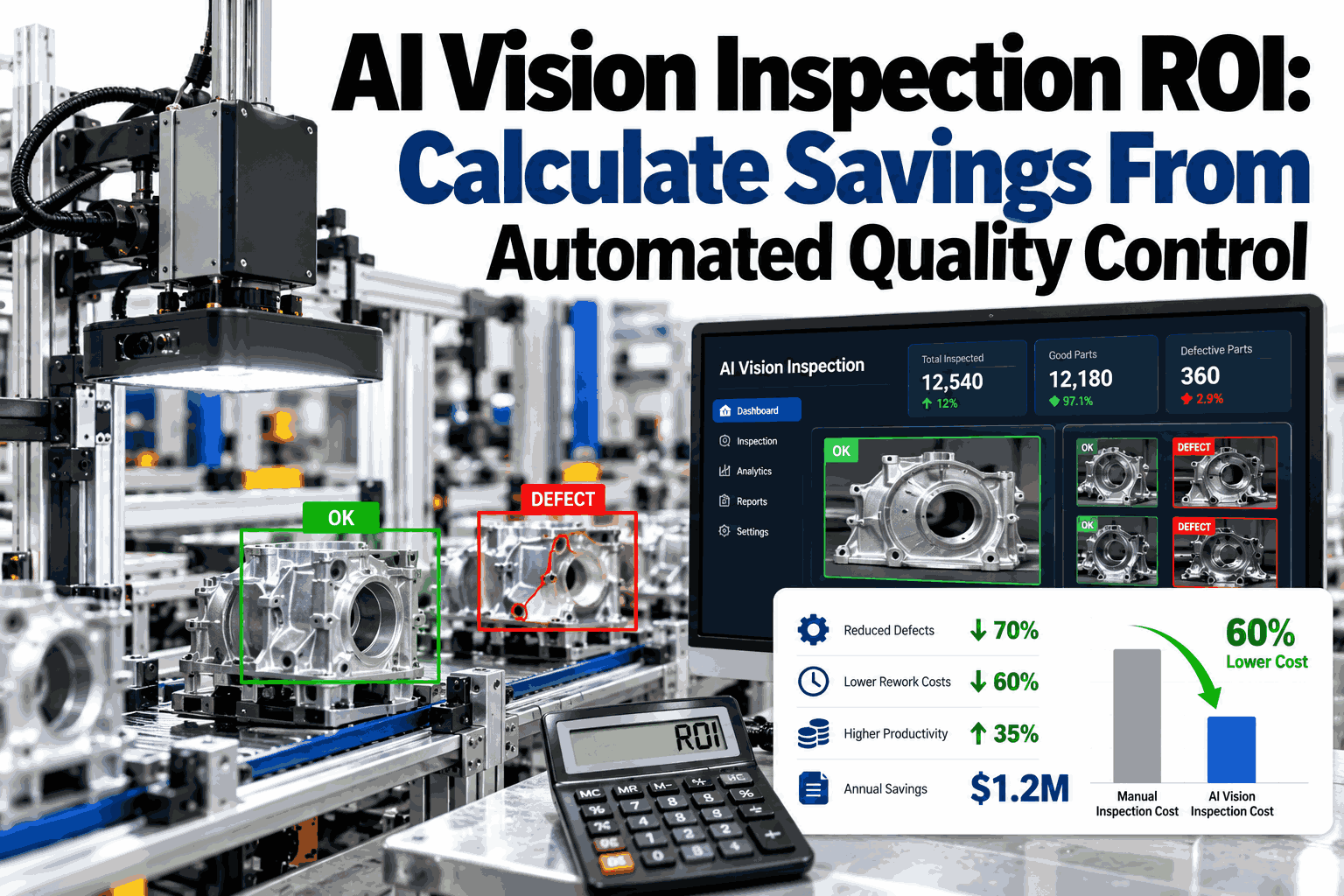
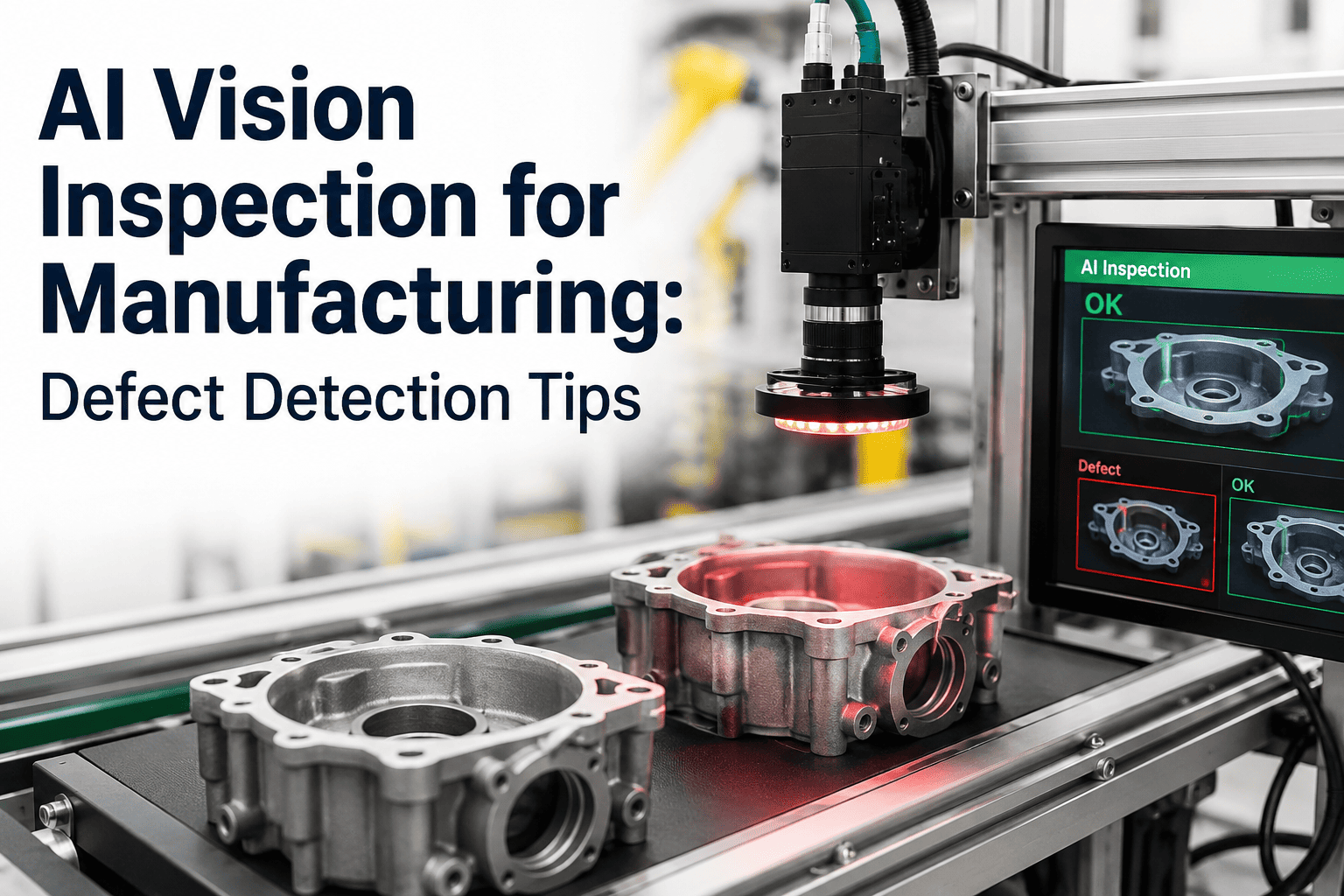
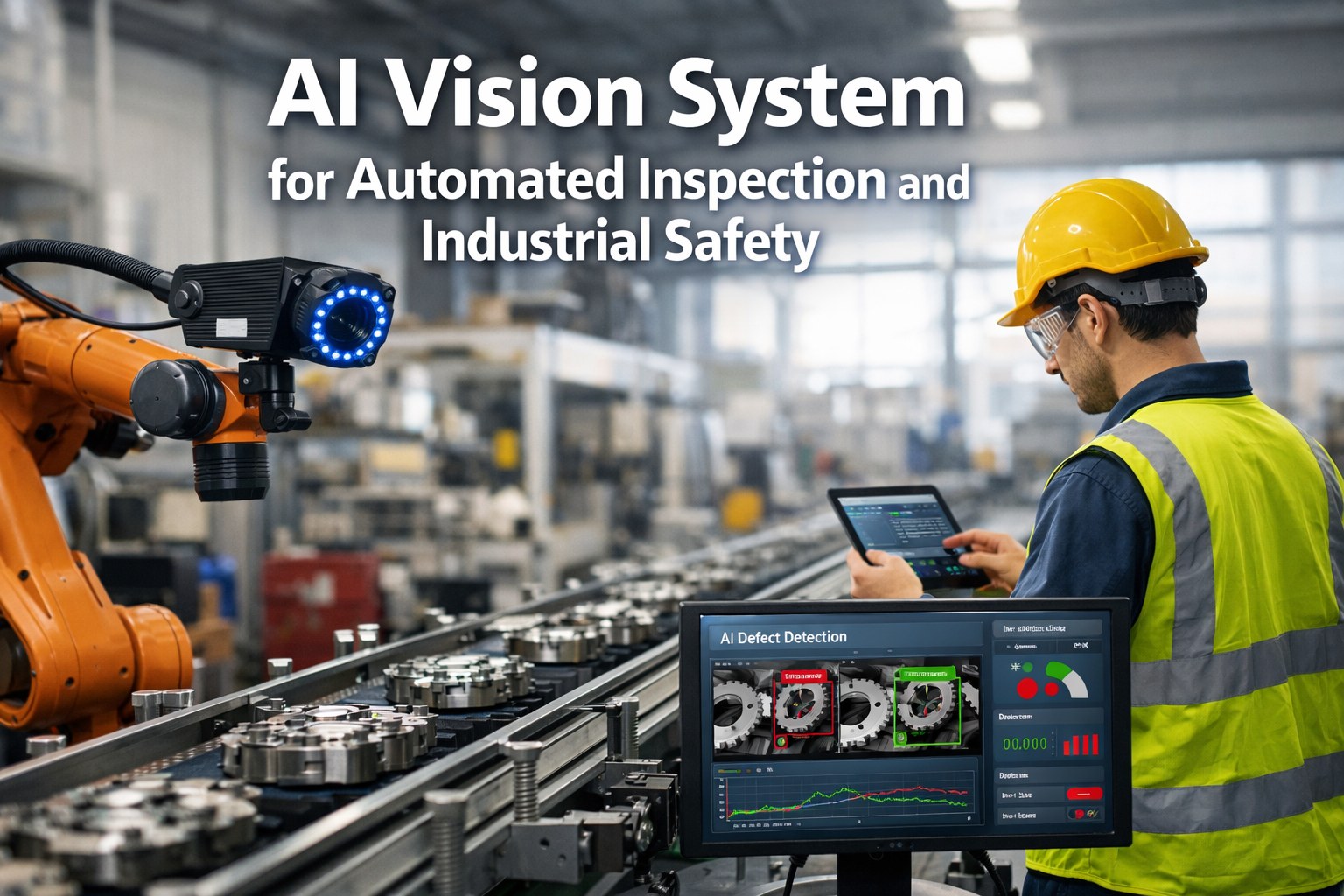
iFactory's on-premise AI vision cameras monitor every board at full line speed, detecting defects within 1.2 seconds and alerting operators before a single bad board reaches the oven. No cloud, no latency, no missed defects.
Every Second of Unmonitored Line Time Costs Thousands
In high-speed SMT production, defects propagate faster than any human inspector can track. A single feeder skip at 45,000 components per hour means 12.5 bad placements every second. Without real-time AI vision, these defects cascade into rework loops, delayed shipments, and CPK failures that ripple through the entire production schedule.
Feeder Skips & Component Missing
A single feeder mis-pick sends 30+ boards through the line before the operator sees the empty tray. Each board costs $8–$15 in rework labor plus the component cost. At 2,000 boards per shift, one undetected skip costs $24,000 in direct rework.
Tombstoning & Misalignment That Goes to Oven
When a component stands up or shifts during placement, it passes AOI inspection 40% of the time if the angle is subtle. Once reflowed, the board is scrap — $45 per board in high-mix production. A 2% tombstone rate on a 500-board run is $450 of unrecoverable scrap.
Solder Paste Deposition Drift
Stencil misalignment or paste clogging creates insufficient or excessive paste on pads. Without real-time monitoring, operators catch this after 20–30 boards. Each board with a cold joint requires full rework at $12 per board plus a 15% failure rate on repair. One drift event costs $360 in direct rework labor.
Nozzle Clogging & Vacuum Loss
A partially clogged nozzle on a pick-and-place head causes intermittent placement failures that are invisible to the machine's own sensors. Operators typically lose 45–90 minutes per shift troubleshooting random defects before finding the nozzle. At $850 per hour of line downtime, that's $1,275 per incident.
Delayed Customer Escalations & CPK Failures
When defects reach the customer, the cost multiplies by 10x. One field failure triggers an 8D report, customer audit, and potential line certification loss. A single CPK failure on a critical customer line can mean a 30-day production hold and $2M in lost revenue. Without real-time vision, you're flying blind until the customer calls.
Stop guessing which boards are good and which are headed for rework. Book a 30-min walkthrough and see how iFactory's AI vision catches defects in under 2 seconds.
From Defect to Alert in 1.2 Seconds — No Cloud, No Latency
iFactory deploys NVIDIA-powered AI vision cameras directly on your SMT line, processing every board image at full production speed. The system learns your specific component geometries and defect patterns, then alerts operators the instant a deviation appears — before the board reaches the oven.
Capture Every Board at Line Speed
AI vision cameras positioned after placement and before reflow capture 60+ images per board at 0.3ms exposure, covering 100% of components on every board passing at 45,000 CPH.
AI Model Detects Anomalies in Real Time
On-premise NVIDIA GPU processes each image against your trained defect models — tombstoning, misalignment, missing components, bridging — and flags deviations within 800ms.
Instant Alert with Defect Location & Image
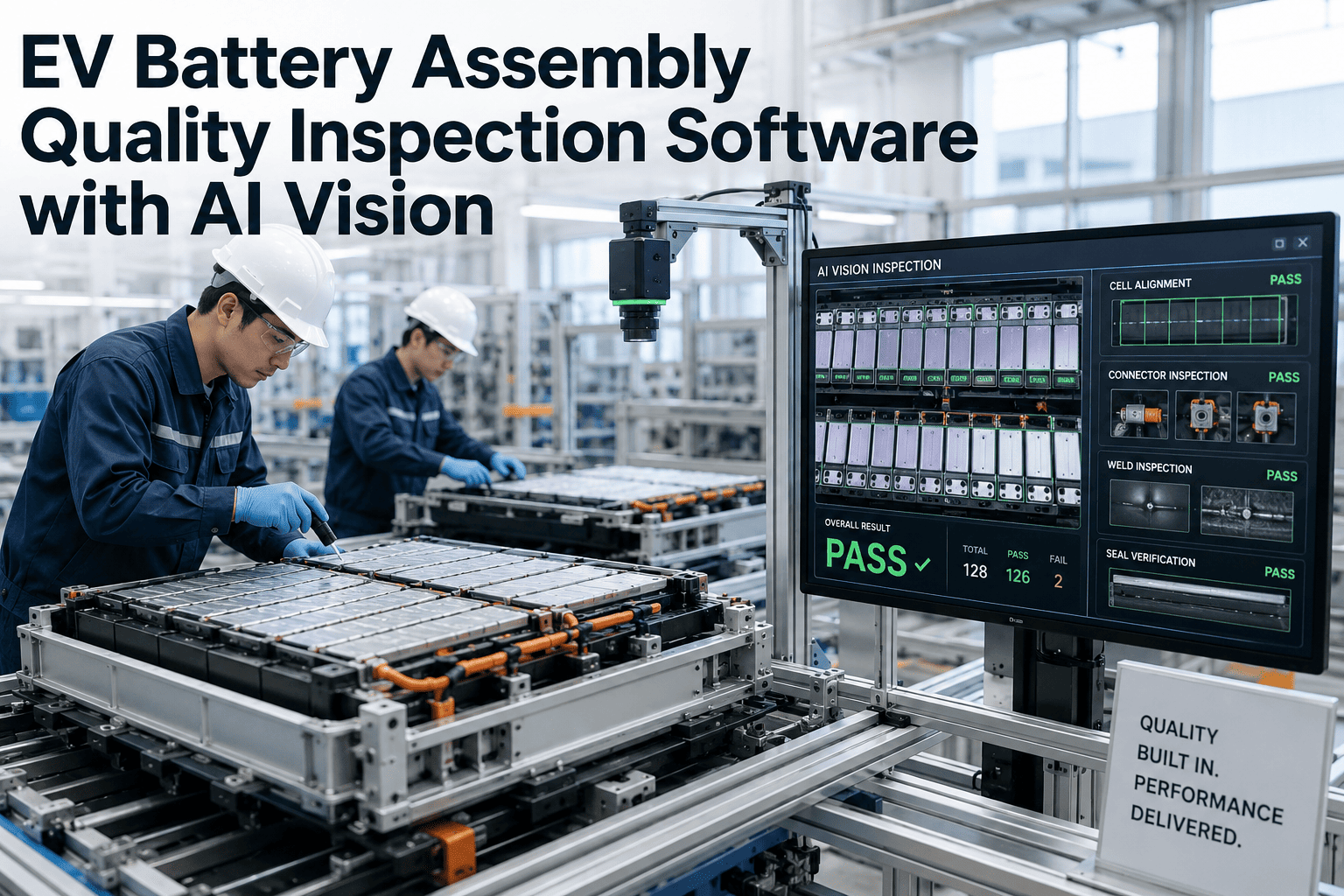
Operator dashboard shows the exact board ID, component location, and defect image within 1.2 seconds. No scrolling through AOI logs, no waiting for reports.
Automatic Line Hold & Root Cause Logging
System can trigger automatic line hold on critical defect patterns, logging the feeder position, nozzle ID, and paste condition for root cause analysis without operator intervention.
What iFactory AI Vision Monitors on Your SMT Line
Every capability is deployed on your plant floor with no cloud dependency. Your data stays on your network, and the AI models train on your specific components and defect patterns.
Component Presence & Orientation
Detects missing components, rotated parts, and tombstoned resistors/capacitors before reflow. Works with 0201 to QFP208 packages at full line speed. Typical detection rate: 99.7% with less than 0.1% false positives.
Solder Paste Volume & Alignment
Monitors paste deposition on every pad for volume, height, and alignment against your stencil design. Flags drift before it creates cold joints or bridging. Alerts on 3 consecutive boards with paste height below 70% of target.
Feeder & Nozzle Health
Tracks feeder skip patterns and nozzle vacuum loss by correlating placement failures with specific feeder positions and nozzle IDs. Identifies failing feeders 4-6 hours before they cause scrap events.
Component Misalignment & Skew
Detects components placed outside tolerance by more than 0.1mm rotation or 0.05mm lateral shift. Alerts within 0.5 seconds of the image capture, enabling real-time adjustment before the next board.
Solder Bridging & Shorts
Flags potential solder bridges between adjacent pins on fine-pitch components (0.4mm pitch and below). Detects bridging probability above 15% before reflow, allowing operator intervention to adjust paste volume.
Defect Trending & Predictive Alerts
AI models analyze defect patterns across shifts and product runs to predict when a feeder, nozzle, or stencil will fail. Alerts operators 30-60 minutes before the defect rate exceeds your threshold.
What 12 SMT Lines Achieved in the First Quarter
These metrics come from iFactory deployments across automotive, medical, and consumer electronics SMT lines. Every number is measured against the customer's baseline before installation.
Turnkey AI Vision — Deployed in 6 Weeks, No Cloud Dependency
iFactory delivers the complete AI vision system as an on-premise appliance. We handle the cameras, NVIDIA GPU, AI model training, and line integration. Your team gets a working system in 6-12 weeks with zero data leaving your plant network.
End-to-End Turnkey Deployment
We install cameras, configure the NVIDIA appliance, train AI models on your components, and integrate with your MES and line control systems. Your team provides data-source access; we deliver a working pilot in 6-12 weeks.
On-Premise NVIDIA Appliance
All AI processing happens on your plant network. No cloud upload, no data egress, no latency. Your defect data, board images, and production metrics stay behind your firewall.
Pilot-to-ROI in One Quarter
We measure defect reduction, scrap savings, and line uptime from week one. Most customers see positive ROI within 90 days of deployment. We provide monthly ROI reports tied to your actual production data.
24x7 Managed Service
Our operations team monitors your AI vision system around the clock. We handle model retraining, camera calibration, and system updates so your team focuses on production, not IT maintenance.
No Data Science Team Required
iFactory's AI models train on your production data automatically. Your operators use a dashboard — no machine learning expertise needed. We handle the model optimization and retraining as your product mix changes.
Scalable Across All Lines
Deploy on one line first, then expand to all SMT lines with the same appliance. Each camera pair covers 2-3 placement stations. A single NVIDIA appliance supports up to 12 camera feeds.
Questions Operations Leaders Ask About AI Vision
Stop Catching Defects After They Cost You Money
iFactory AI vision catches every feeder skip, tombstone, and misalignment before reflow — in under 2 seconds. Deployed on your plant floor in 6-12 weeks with zero cloud dependency. Book a 30-minute walkthrough and we'll show you live detection on an SMT line.