
The gap between intention and execution in preventive maintenance is staggering. Most manufacturers say PM is their primary strategy—88% use some form of preventive maintenance. Yet only 35% actually spend the majority of their time on preventive tasks. The rest? They're caught in the reactive cycle fighting fires instead of preventing them, watching reliability erode one missed task at a time.
The Hidden Math of Missed Maintenance
When you skip a PM task, the cost doesn't appear on today's budget. It compounds silently in the background. Research shows that every $1 deferred in maintenance can translate to $4-$7 in future repair or replacement costs. Some studies put this figure even higher—up to 600% increase in capital expenditures when maintenance is systematically delayed.
What Actually Happens When You Miss PM Tasks
Missed PM schedules don't cause immediate catastrophe. They cause gradual degradation that accelerates over time. Here's the progression that maintenance teams see repeatedly:
Accelerated Wear
Without regular lubrication, inspection, and adjustment, components wear faster than designed. Bearings run hotter. Belts stretch. Alignments drift. Each cycle adds stress the equipment wasn't meant to handle.
Reduced MTBF
Mean Time Between Failures drops as preventive interventions are skipped. Equipment that should run 4,000 hours between failures starts failing at 2,500 hours, then 1,500. The decline is predictable but invisible until tracked.
Cascading Failures
One worn component stresses adjacent systems. A bad bearing causes vibration. Vibration loosens connections. Loose connections cause electrical faults. A $50 bearing replacement becomes a $15,000 motor rebuild.
Shortened Asset Life
Equipment designed for 15-year service life fails at year 8. Capital expenditure cycles accelerate. The replacement you budgeted for 2030 becomes an emergency purchase in 2026.
Emergency Repairs
When neglected equipment finally fails, it fails during production—never conveniently during scheduled downtime. Emergency repairs cost 3-5× more than planned repairs, plus the production loss.
Why PM Schedules Get Missed: The Real Reasons
Nobody plans to skip preventive maintenance. Yet 58% of facilities spend less than half their time on scheduled tasks. Understanding why reveals where the breakdown occurs:
Lack of Time or Manpower
Production pressure wins every time. When the line needs to run, PM gets pushed. Maintenance teams are understaffed, and every emergency pulls resources from scheduled tasks.
Skills Gaps
29% of facility managers say technicians are "very prepared" for current maintenance demands. The rest? Somewhat or not at all prepared. Complex equipment requires training that many teams lack.
Resource Constraints
Parts aren't in stock. Tools aren't available. Budget isn't approved. Even when time exists, the resources to complete PM tasks often don't.
Poor Scheduling
PM tasks scheduled back-to-back at opposite ends of the plant. Technicians assigned work outside their skill set. Schedules that look good on paper but fail in execution.
The root cause behind most missed PM? Production pressure. When leadership asks why the line stopped, "we were doing scheduled maintenance" is rarely an acceptable answer. So maintenance gets postponed until a more convenient time—a time that never comes.
PM Compliance: The Benchmark That Matters
Preventive Maintenance Compliance (PMC) measures how many scheduled tasks get completed on time. It's the single best indicator of whether your PM program is protecting equipment or just creating paperwork.
The Real Cost: What the Numbers Show
Case Study: The Compounding Effect
Manufacturing Plant: From 18% Backlog to 7%
The Situation
A manufacturing firm in the automotive sector faced a deferred maintenance backlog that had grown to 18% of total asset value. Frequent equipment failures led to production delays and spiraling costs. The maintenance team was trapped in reactive mode—every emergency pulled resources from scheduled work, creating more deferred tasks, which led to more emergencies.
The Action
Leadership initiated a comprehensive maintenance overhaul focusing on preventive measures and resource optimization. They implemented a CMMS to streamline scheduling and tracking, invested in staff training for asset management skills, and protected PM time from production pressure.
The Result
The company redirected saved resources into innovation projects, ultimately enhancing its competitive position in the market.
Stop the Silent Killer
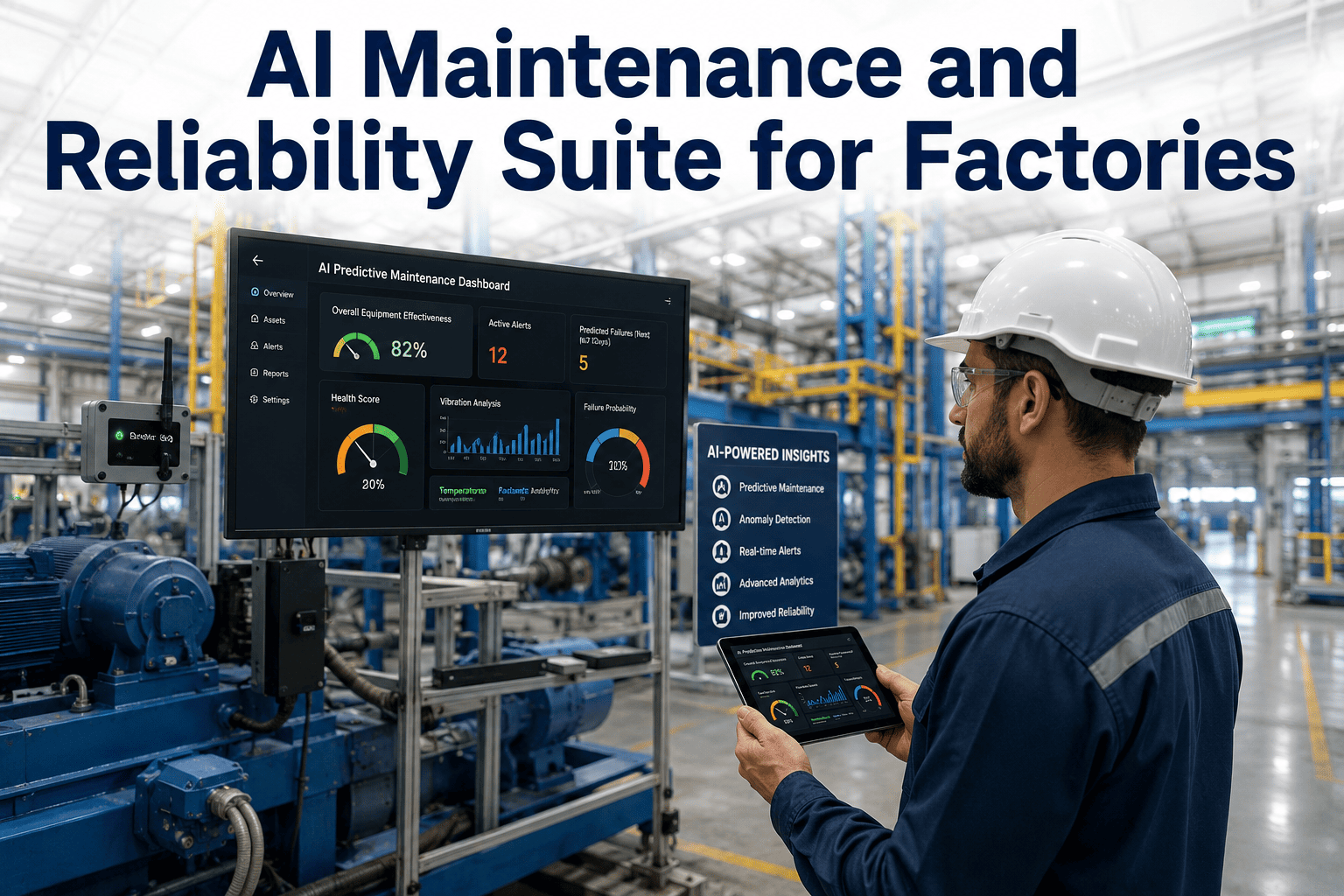
iFactory helps manufacturing teams track PM compliance, identify at-risk equipment, and protect scheduled maintenance from production pressure. See how visibility changes behavior.
Breaking the Cycle: How to Protect PM Schedules
Fixing PM compliance isn't about working harder. It's about changing the systems and culture that allow missed tasks to accumulate. Here's what works:
Make PM Compliance Visible
What gets measured gets managed. Track PM compliance weekly at the leadership level. When executives see compliance dropping from 85% to 72%, they ask questions. Visibility creates accountability.
Protect PM Windows
Schedule PM during planned downtime and defend those windows. Production can't "borrow" PM time without leadership approval. Make the trade-off explicit: skip this PM, accept this risk.
Right-Size Your PM Program
Studies show 30% of PM activities add little or no value. Audit your PM tasks against actual failure modes. Eliminate tasks that don't prevent failures. Focus resources on high-impact maintenance.
Build Maintenance Skills
With only 29% of technicians "very prepared" for current demands, training is essential. Cross-train to reduce single points of failure. Document procedures so institutional knowledge survives turnover.
Fix the Parts Problem
PM tasks fail when parts aren't available. Link PM scheduling to inventory management. Auto-trigger parts orders when PM tasks are scheduled. Never let a missing O-ring stop critical maintenance.
The Reliability Connection
Preventive maintenance exists to deliver one outcome: reliability. When PM schedules slip, reliability follows. The relationship is direct and measurable:
Frequently Asked Questions
The Silent Killer Isn't Silent Anymore
Missed PM schedules compound quietly until they don't. One day, the bearing fails. The motor burns out. The production line stops. And everyone wonders how it happened so suddenly—when in reality, it was happening all along, one skipped task at a time. The solution isn't complicated: measure PM compliance, protect PM windows, and treat scheduled maintenance as non-negotiable. The factories that do this consistently don't just have better reliability—they have lower costs, longer equipment life, and fewer 3 AM emergency calls.
Protect Your Equipment, Protect Your Production
iFactory gives maintenance teams the visibility and tools to track PM compliance, prioritize critical tasks, and demonstrate the ROI of preventive maintenance to leadership.


.png)
