.png)
A single undetected weld defect on a body-in-white panel can cascade into a recall affecting 500,000 vehicles costing the manufacturer $175 million in repairsbrand damage that takes years to rebuild and regulatory scrutiny that never fully goes away. In 2024 aloneover 27.7 million vehicles were recalled in the United States, with electrical systems and structural components leading the defect categories. For automotive manufacturers where quality escapes directly threaten consumer safety and bottom-line profitability, robotic inspection isn't an upgradeit's survival. Modern CMMS platforms like iFactory integrated with AI-powered robotic vision systems are transforming how production lines catch defects before they become recalls to see the difference real-time quality intelligence makes.
Robotic Inspections for Automotive Production Lines
How AI-Powered Vision Systems & Smart CMMS Prevent Quality Escapes, Reduce Recall Risk & Drive Zero-Defect Manufacturing
Why Manual Inspections Can't Keep Up
Modern vehicles contain 30,000+ parts and increasingly complex electronics—human inspectors are overwhelmed.
Vehicle Complexity Has Exploded
Today's vehicles integrate advanced electronics, ADAS sensors, EV battery systems, and precision bodywork. A single model can have hundreds of inspection points that human operators simply cannot verify consistently at line speed.
Human Vision Has Hard Limits
Even experienced inspectors miss microscopic surface flaws, sub-millimeter weld inconsistencies, and paint blemishes invisible to the naked eye. Studies show human visual inspection accuracy drops below 80% after just 30 minutes of repetitive checking.
Recalls Are Getting More Expensive
The average manufacturer pays $350 per vehicle for recall remediation. With recalls regularly affecting hundreds of thousands of units, a single quality escape can cost hundreds of millions—Ford alone spent $1.3 billion on recalls in a single year.
Electrical Defects Are Surging
Electrical systems have become the most frequently recalled component category. As vehicles evolve into complex digital platforms, even minor electrical faults can trigger massive safety recalls affecting millions of units.
The Robotic Inspection Intelligence Pipeline
From sensor capture to CMMS-driven corrective action—how AI closes the quality loop.
Multi-Sensor Robotic Scanning
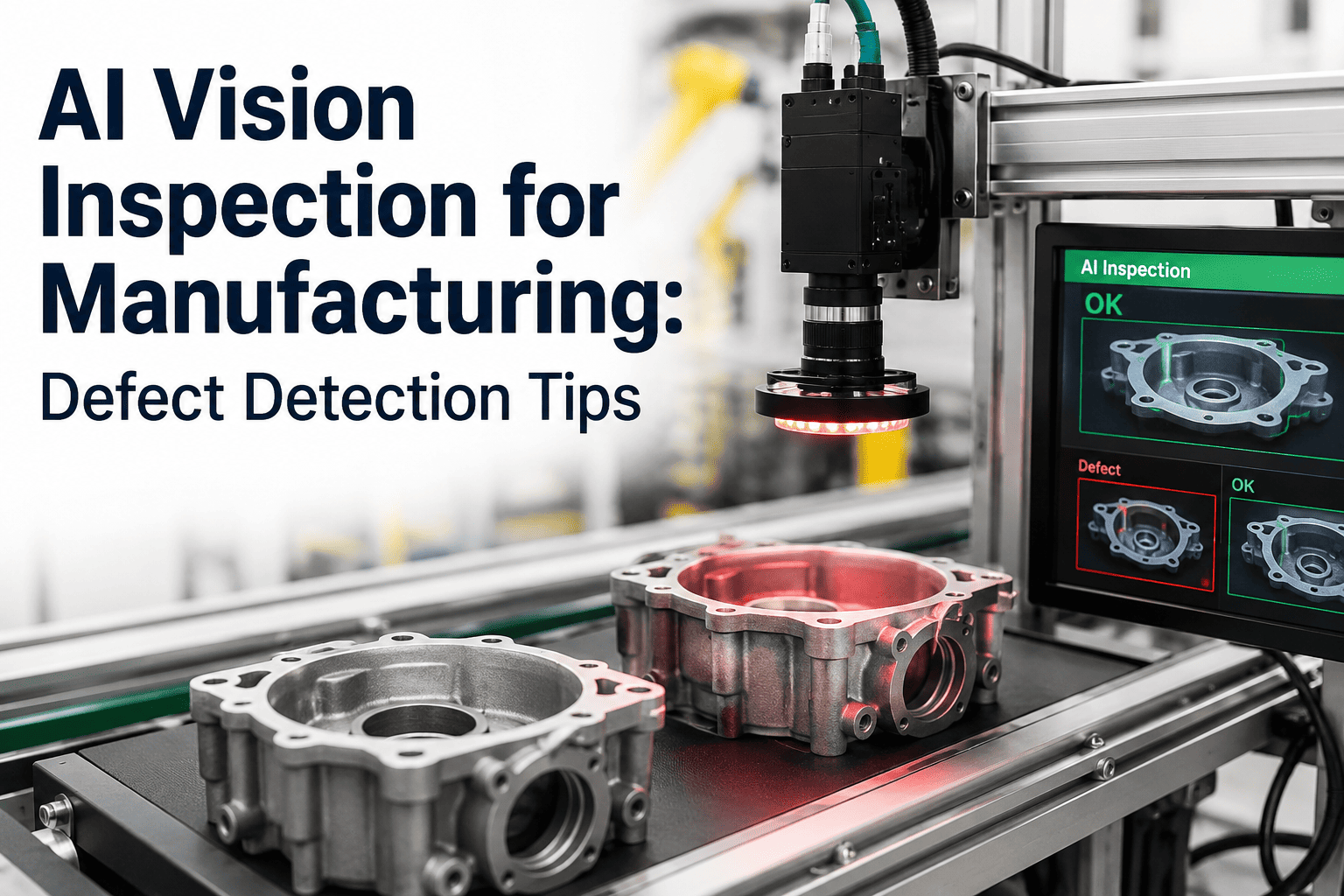
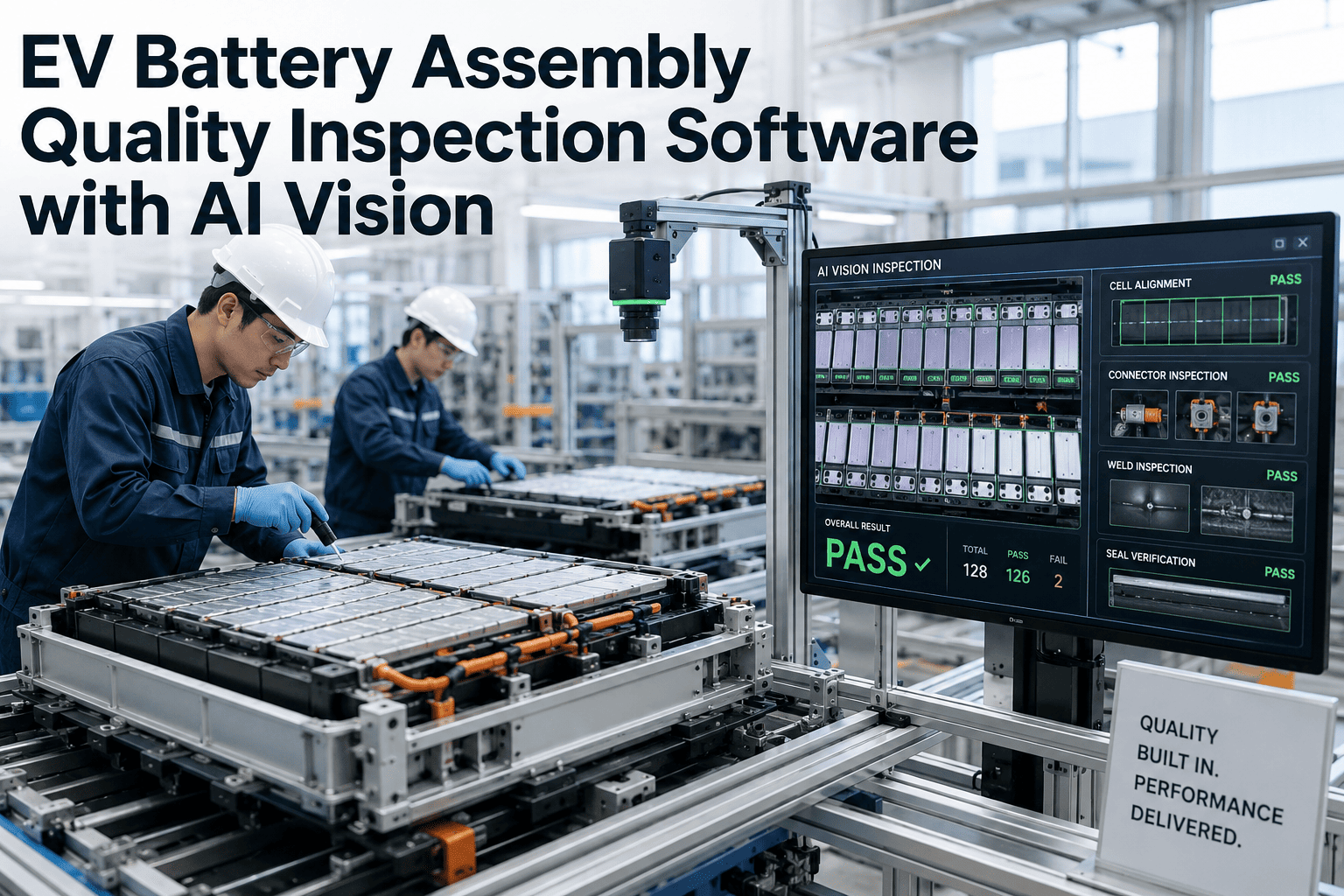
Robot-mounted high-resolution 2D/3D cameras, thermal sensors, and ultrasonics scan every part at production speed. Unlike fixed cameras, robotic arms adjust viewing angles in real time—inspecting weld seams, panel gaps, paint surfaces, and component alignment from every perspective needed.
AI-Powered Defect Detection
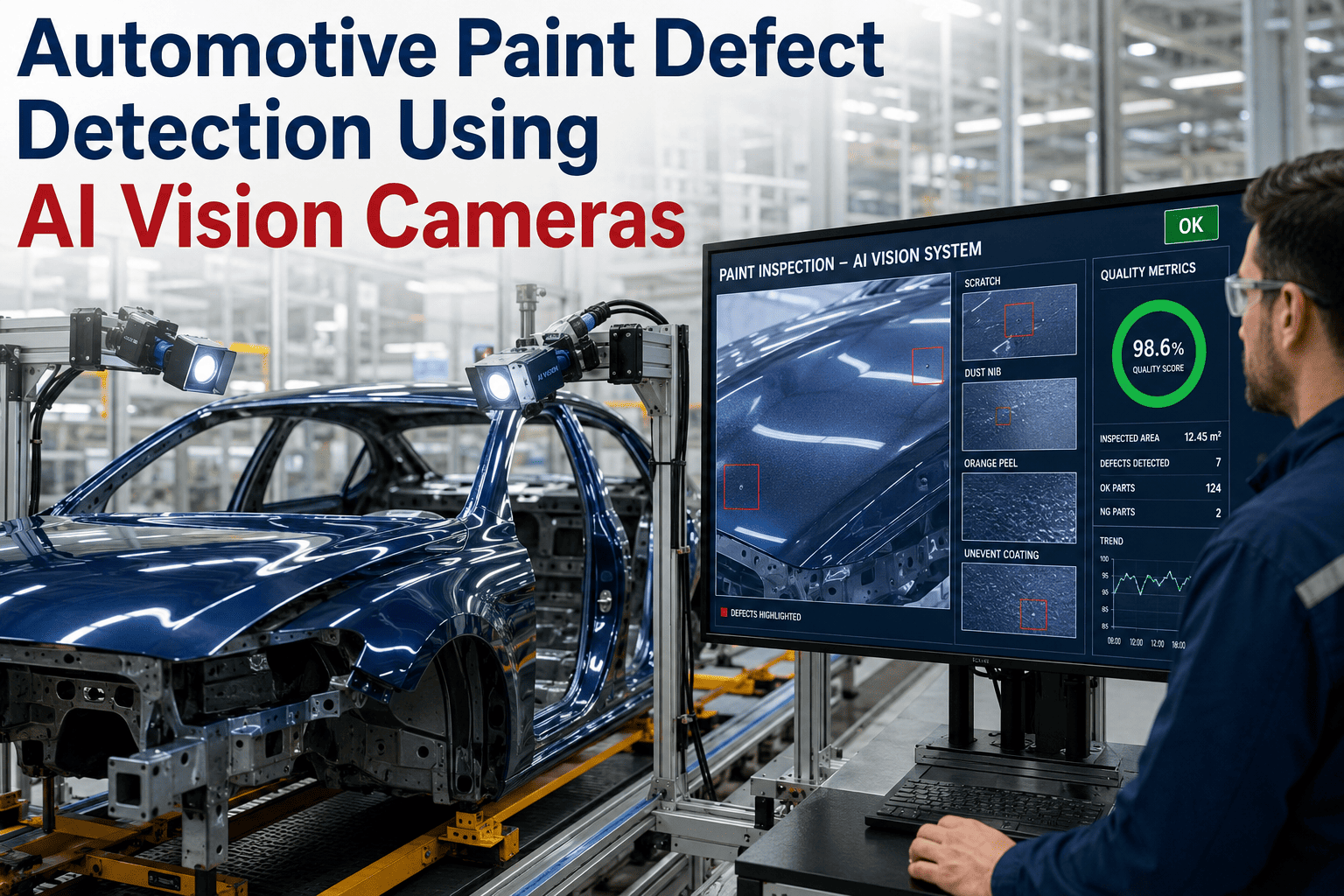
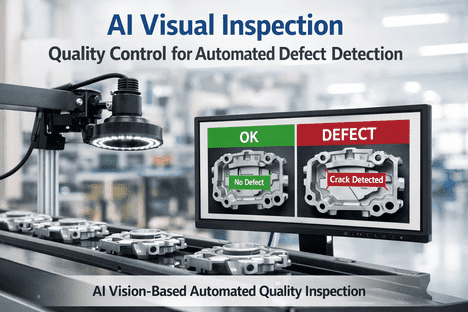
Deep learning algorithms—trained on millions of defect images—analyze captured data in milliseconds. The AI identifies scratches, dents, weld penetration issues, paint inconsistencies, misalignments, and missing components with accuracy exceeding 91%, catching defects invisible to human inspectors.
Severity Scoring & Root Cause Mapping
Each detected defect is classified by type, severity, and production zone—then correlated with upstream process data to pinpoint root causes. Was it a welding parameter drift A supplier material variance The system connects defects to their origins automatically.
CMMS Work Order Automation
iFactory CMMS instantly generates prioritized corrective work orders with defect location, severity classification, photos, and recommended actions—dispatched to maintenance and quality teams on mobile devices. Every action is logged for full traceability and audit compliance.
Continuous Quality Improvement
Completed inspections and corrective actions feed back into the AI model, improving detection accuracy over time. Trend analytics identify recurring defect patterns across shifts, lines, and suppliers—transforming reactive quality control into predictive quality intelligence.
See Every Defect Before It Leaves Your Line
iFactory integrates robotic inspection data with smart CMMS workflows—so every quality escape is caught, tracked, and corrected before it becomes a recall.
What Robotic Systems Inspect Across the Production Line
Six critical inspection zones where AI-powered robots deliver superhuman accuracy.
What Quality Escapes Actually Cost Automakers
Single-Year Recall Cost
Ford spent $1.3 billion in one year on recall remediation—a cost that robotic inspection at the production line could have dramatically reduced.
Open Recalls on U.S. Roads
More than one in four vehicles on American roads carries at least one open recall—a staggering backlog driven by defects that escaped production inspection.
Recalls Pose Crash/Injury Risk
In 2024, 93.3% of all recalled vehicles posed a risk of crash or injury—underscoring why zero-defect manufacturing isn't just a goal, it's a safety imperative.
AI Inspection Market CAGR
The automotive AI inspection market is projected to grow at 19.6% CAGR through 2034—competitors adopting now will have years of detection data advantage.
How iFactory CMMS Powers Robotic Inspection Workflows
A complete digital quality ecosystem from detection to resolution.
Auto-Generated Quality Work Orders
When the robotic system flags a defect, iFactory CMMS automatically creates a prioritized work order with defect type, location, severity, and photo evidence—dispatched instantly to the right team on their mobile device.
Real-Time Quality Dashboards
Live defect rate tracking, trend analysis by station/shift/supplier, and SPC charts give quality managers instant visibility into production health—enabling proactive intervention before defect rates escalate.
Digital Inspection Checklists & Compliance
IATF 16949, FMVSS, and OEM-specific quality checklists are enforced digitally with photo documentation, digital signatures, and timestamped records—creating audit-ready compliance trails without paperwork.
Full Part Traceability & Recall Prevention
Every component is tracked from supplier receipt through final assembly with QR/barcode scanning. If a defect pattern emerges, iFactory identifies every affected unit instantly—enabling targeted containment instead of broad recalls.
12-Week Robotic Inspection Integration Plan
A proven phased approach to deploying AI-powered quality inspection on your production line.
Assessment & Pilot Design
Audit existing inspection workflows, map critical defect escape points, and design the pilot deployment covering 2–3 priority stations. Configure iFactory CMMS asset hierarchy and inspection templates for your specific production line.
Pilot Deployment & AI Training
Install robotic vision systems on pilot stations during maintenance windows. Collect baseline defect data and train AI models on your specific components, tolerances, and known defect types. Validate detection accuracy against manual inspection benchmarks.
CMMS Integration & Team Training
Connect robotic inspection outputs to iFactory CMMS for automated work orders and quality reporting. Train quality engineers and line supervisors on dashboards, mobile alerts, and corrective action workflows.
Full Line Rollout & Continuous Improvement
Expand robotic inspection to all critical stations. Activate predictive quality analytics, supplier traceability integration, and automated compliance reporting. Establish KPI review cadence with quality leadership team.
The ROI of Robotic Inspection Intelligence
What automotive manufacturers achieve with AI-powered quality systems.
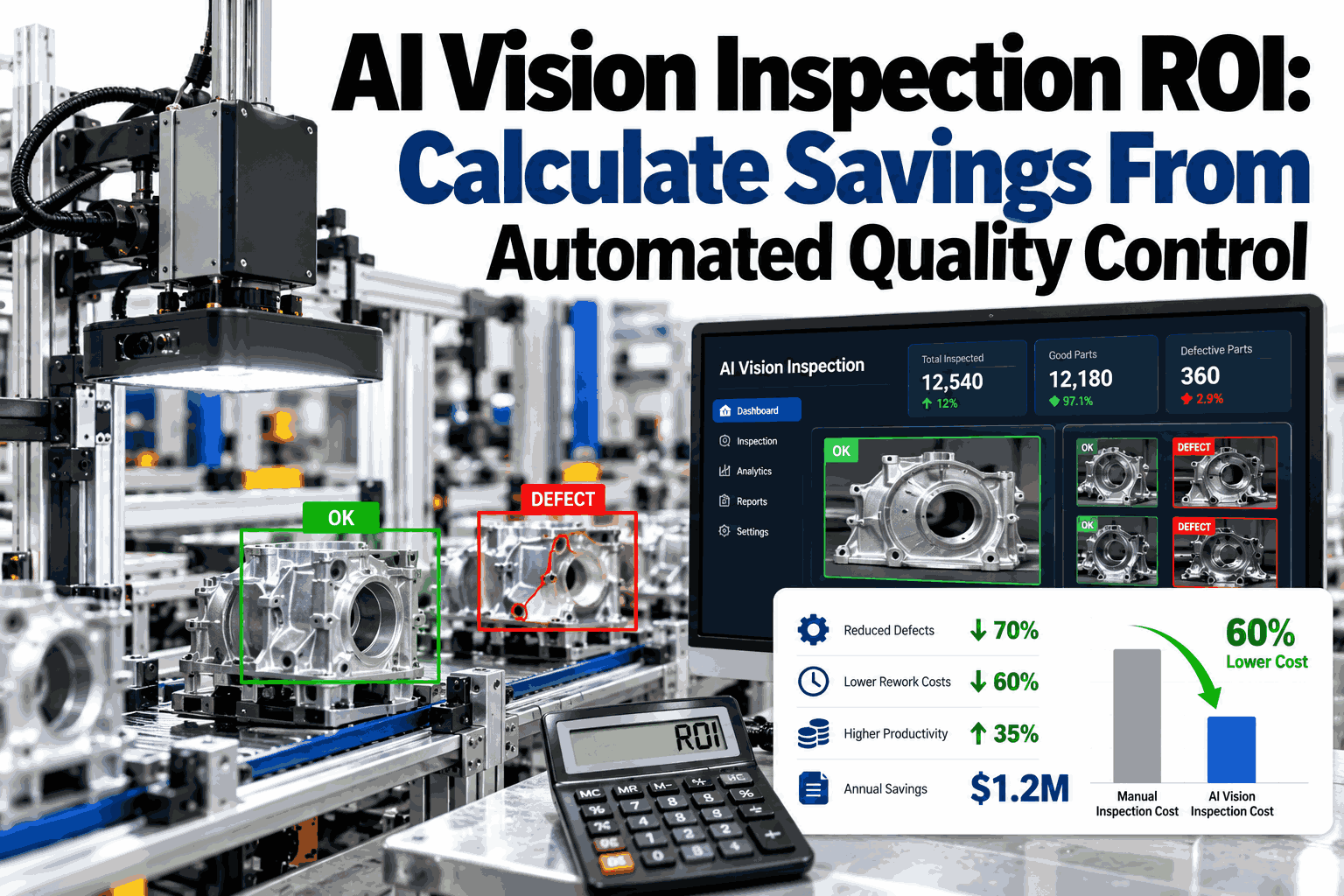
AI vision systems achieve detection rates exceeding 90%, compared to 60–80% for manual inspection on complex assemblies.
Robotic systems inspect at production speed—performing thousands of checks per shift without fatigue, breaks, or accuracy decline.
Catching defects at the point of creation eliminates downstream rework cascades and reduces scrap rates significantly.
ROI is driven by reduced recalls, lower warranty claims, decreased scrap, and improved first-pass yield across production.
The global automotive AI inspection market was valued at $465.3 million in 2024 and is projected to reach $2.64 billion by 2034 at a 19.6% CAGR—driven by the industry's push toward zero-defect production standards and increasingly complex vehicle architectures.
Based on industry market research data, 2025Frequently Asked Questions
Common questions about robotic inspection systems for automotive production lines.
How do robotic inspections differ from fixed camera systems
Unlike fixed cameras that capture single-angle images, robotic inspection systems move around parts using articulated arms—adjusting viewing angles, lighting, and sensor types in real time. This enables them to inspect complex geometries, hidden surfaces, and multiple product variants on the same line without reconfiguration.
What types of defects can AI-powered robots detect
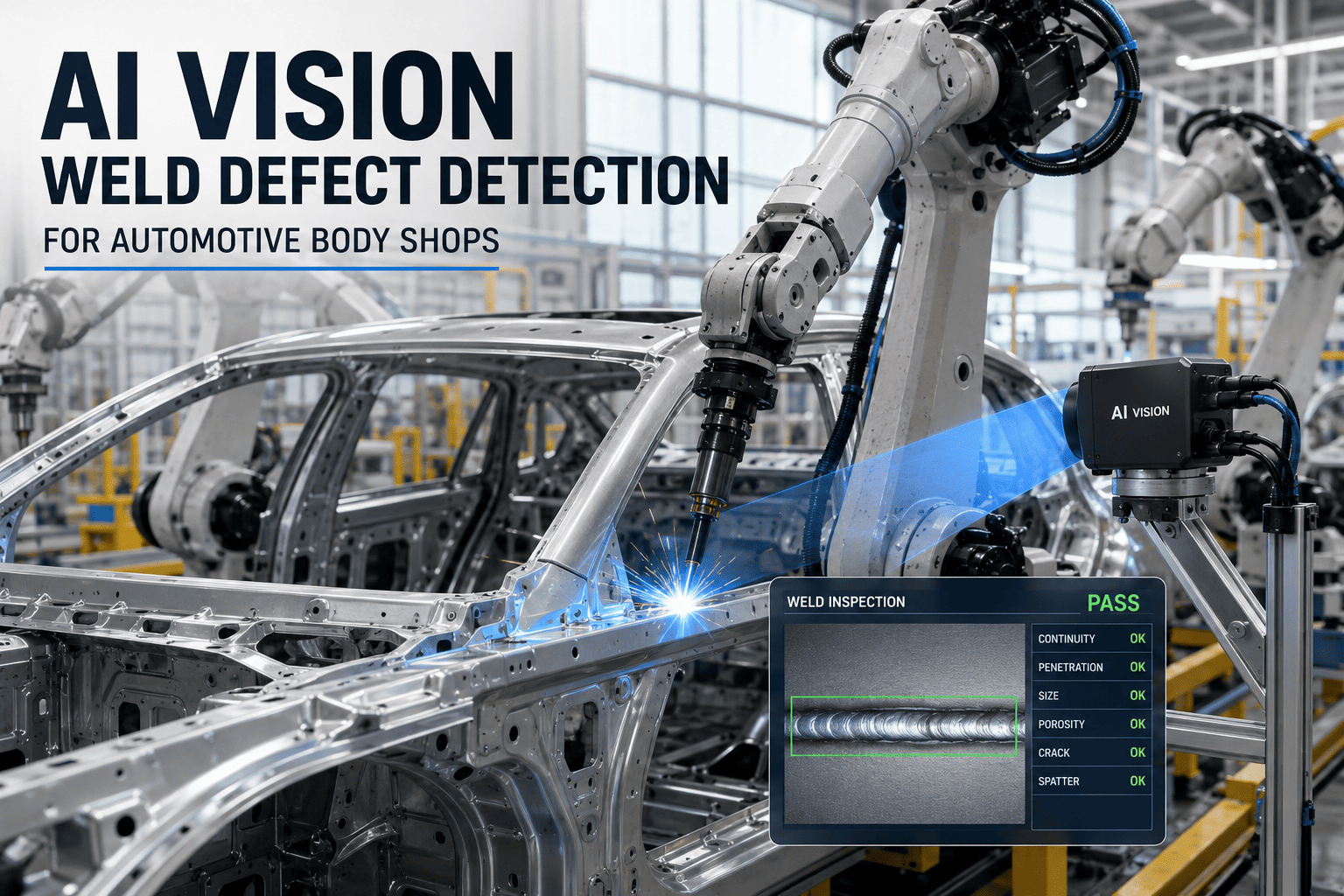
Modern robotic inspection systems detect surface defects (scratches, dents, paint flaws), structural issues (weld penetration, crack initiation), dimensional deviations (panel gaps, misalignment), assembly errors (missing parts, incorrect fasteners), and electrical faults (unseated connectors, wrong routing)—all at production speed.
How does CMMS integration improve quality outcomes
CMMS integration transforms inspection data into actionable workflows. Detected defects automatically generate prioritized work orders with photos and severity scores, trigger root cause investigations, feed trend analytics dashboards, and maintain compliance audit trails—closing the loop between detection and corrective action.
What ROI can automotive plants expect from robotic inspection
The typical payback period is 12–14 months, driven by reduced recall risk, lower warranty costs, decreased scrap rates, and improved first-pass yield. Plants also benefit from reduced labor costs for inspection, faster cycle times, and compliance documentation that eliminates manual administrative effort.
Can robotic inspection handle multiple vehicle variants
Yes. One of the key advantages of robot-based inspection over fixed systems is flexibility. Robots can be reprogrammed to handle new inspection points for different variants without physical reconfiguration—critical for modern mixed-model production lines running multiple variants on the same assembly line.
How does this help with IATF 16949 compliance
iFactory CMMS automatically generates the timestamped inspection records, corrective action documentation, and traceability data that IATF 16949 requires. Digital audit trails replace manual paperwork, and real-time dashboards demonstrate process capability to auditors on demand. Schedule a demo to see compliance automation in action.
Build Your Zero-Defect Production Line Today
From robotic inspection integration to AI-powered quality analytics—iFactory CMMS helps automotive manufacturers catch every defect, prevent costly recalls, and maintain complete digital traceability across their entire production operation.