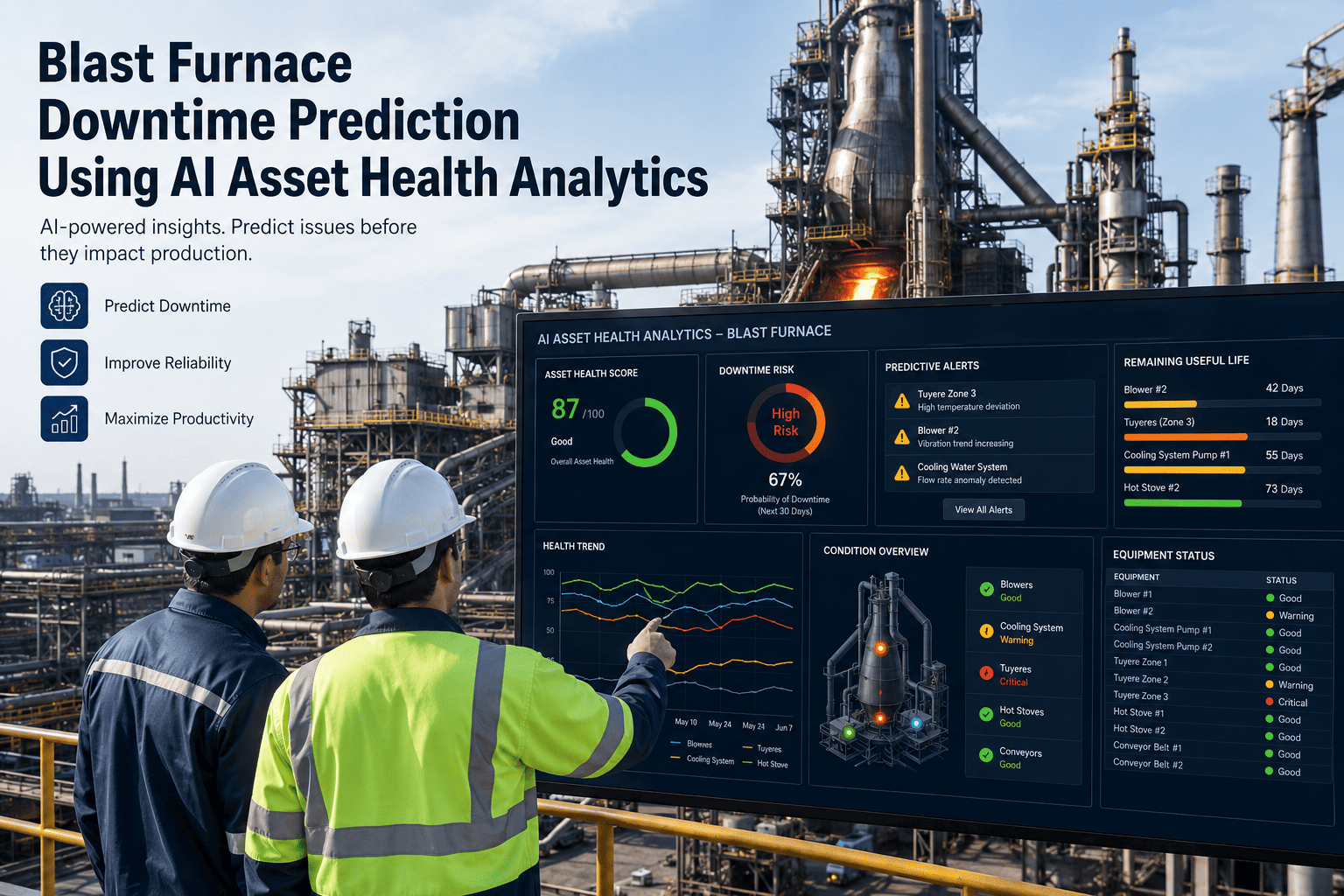
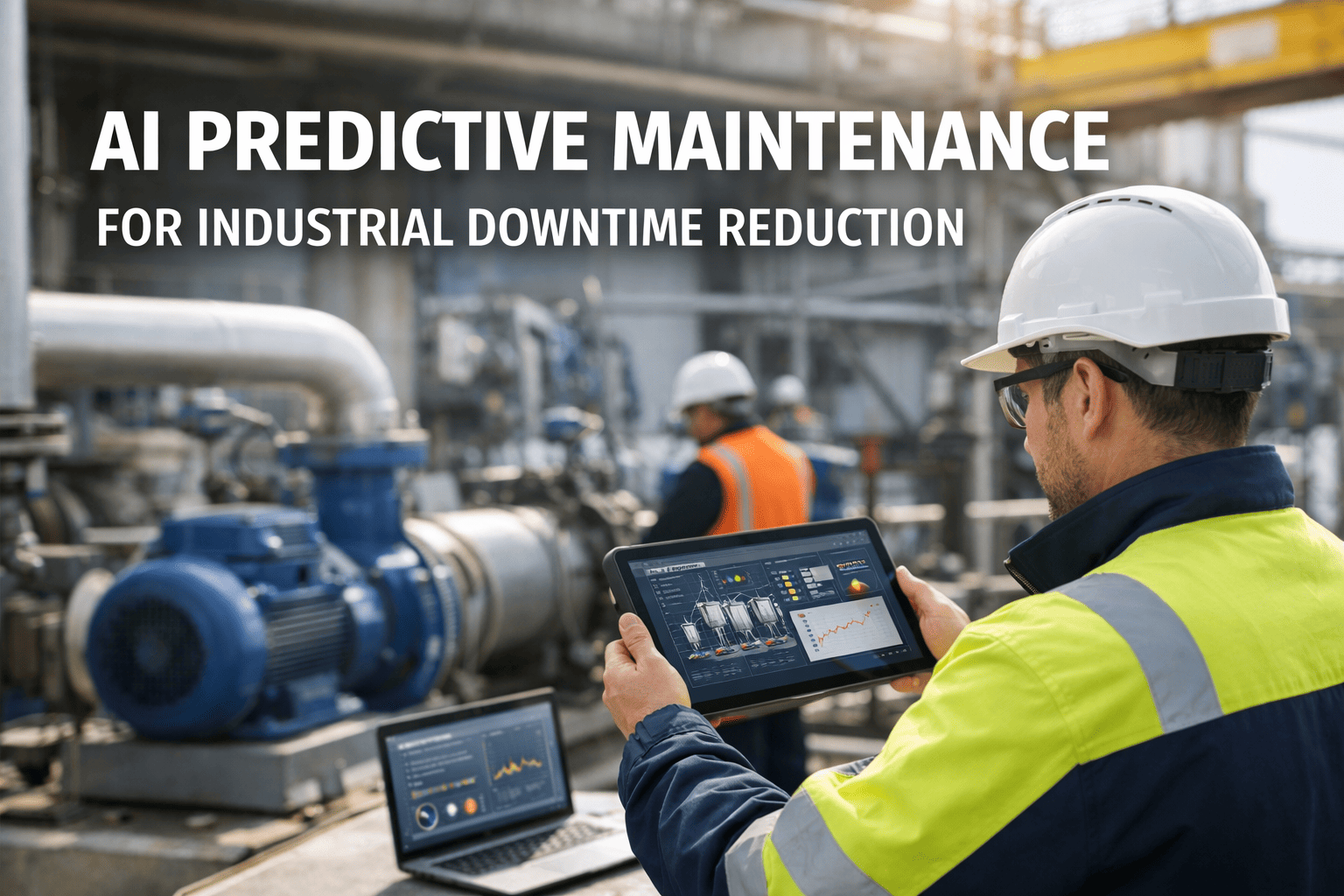
Unplanned downtime in the energy sector runs to roughly $125,000 an hour on average, and a single gas turbine forced outage can cost between half a million and two and a half million dollars once emergency repair premiums, replacement power, and grid penalties are added together. Turbines account for a disproportionate share of all power plant equipment failures, yet most plants still lack real-time visibility into when a critical unit is actually approaching failure. The warning signs exist in the vibration and thermal data turbines already generate — the only question is whether anyone is watching them, so book a demo to see that data turned into advance warning.
Power Plant · Predictive Maintenance
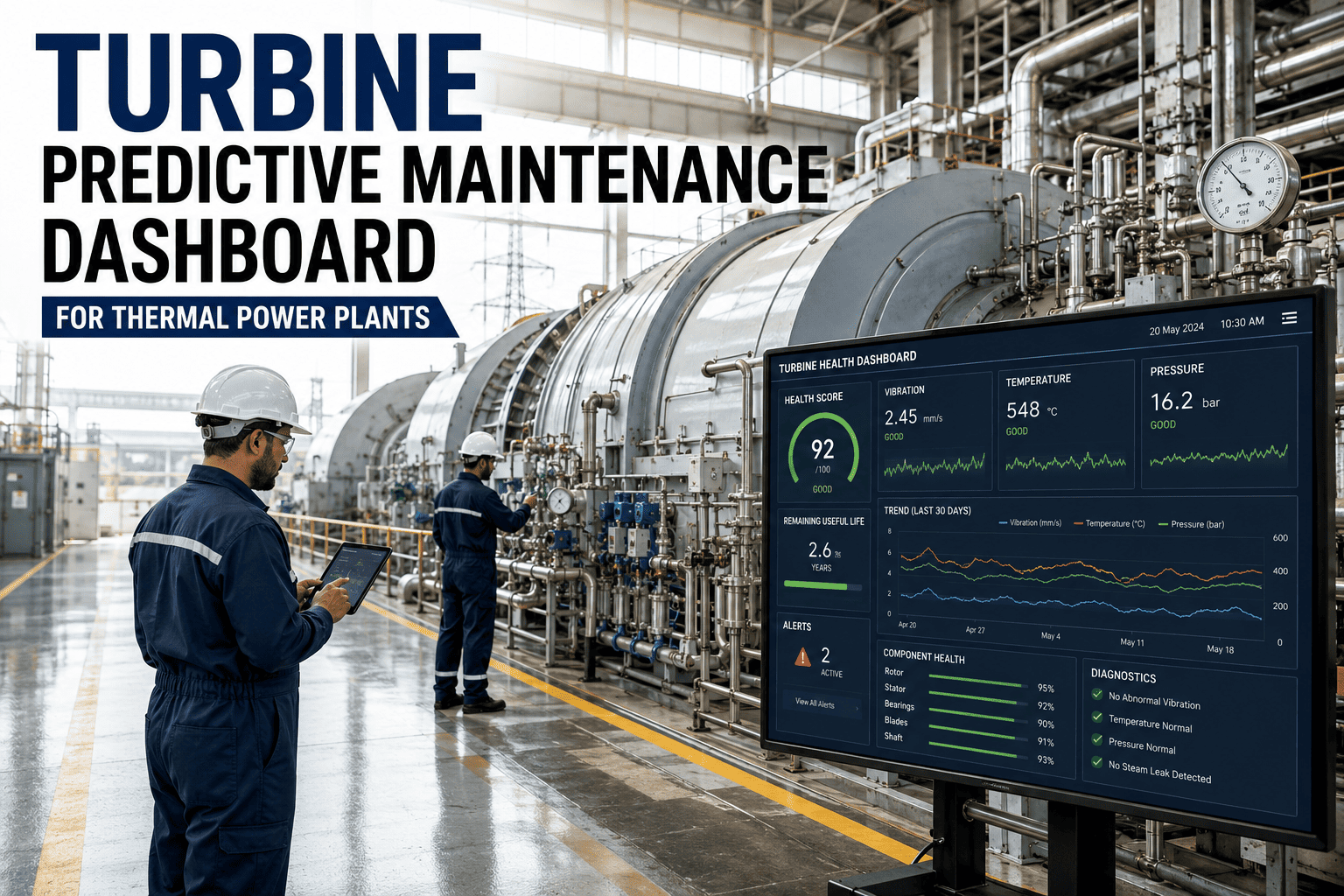
Turbine Predictive Maintenance Dashboard for Thermal Power Plants
Real-time vibration, thermal, and current analytics that catch turbine degradation weeks before it forces an emergency outage.
$125K/hr
Average cost of unplanned downtime in the energy sector
4-8 weeks
Typical early warning window before a bearing failure forces a trip
85-92%
Predictive accuracy once vibration, thermal, and current data are combined
Where Forced Outages Actually Come From
Focusing monitoring on a small number of failure systems covers the large majority of mechanical forced outages, because these are the components that produce detectable warning signals weeks before catastrophic breakdown.
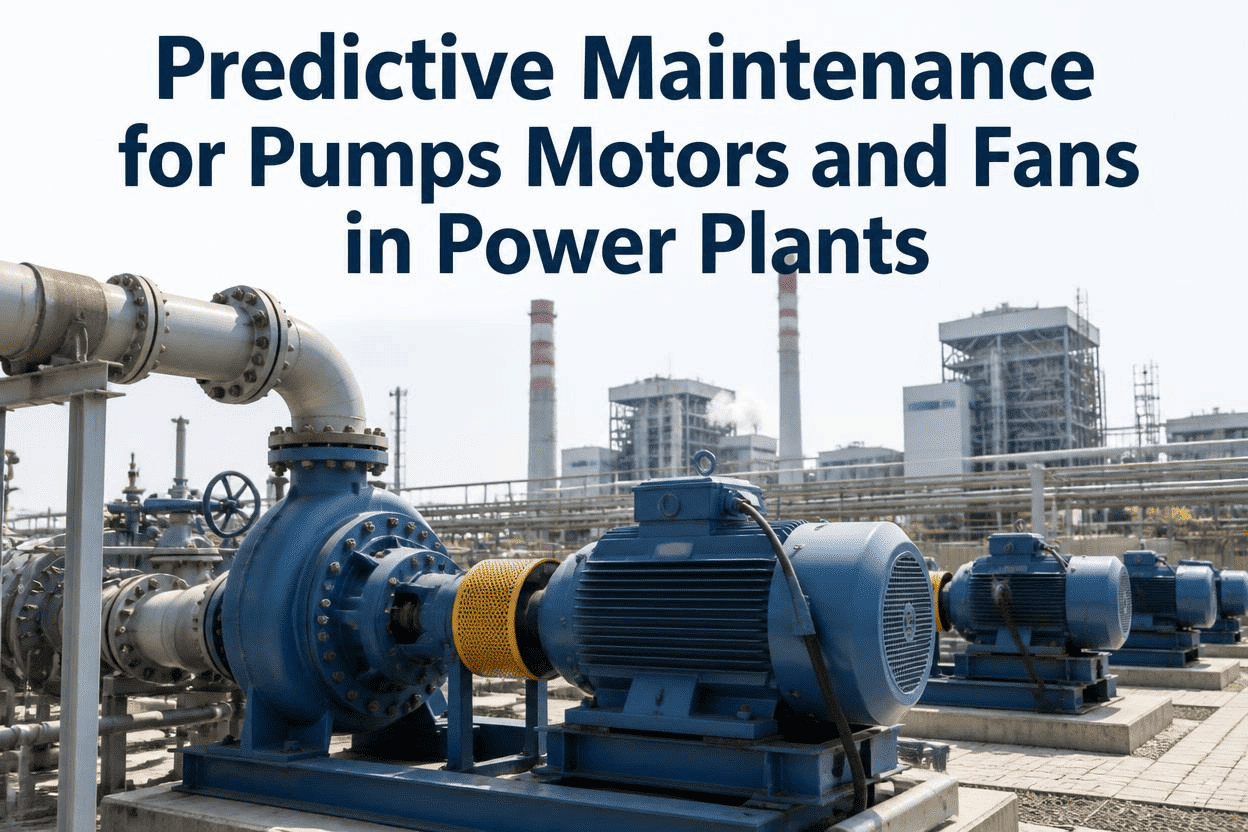
Feedwater & Auxiliary Pumps
How Early Detection Actually Plays Out
Stage 1
Vibration signature begins a subtle upward trend, invisible to a monthly walkaround
Stage 2
AI model flags the deviation against the turbine's learned normal operating envelope
Stage 3
Engineers review the linked sensor data and confirm a genuine bearing degradation pattern
Stage 4
Repair scheduled during a planned outage window, parts sourced at standard pricing
Plants with continuous vibration monitoring report forced outage frequency dropping by roughly two-thirds within the first full year. The cost of monitoring has fallen well below the cost of a single emergency bearing replacement.
The Simple Math Behind the ROI
2-3
Unplanned turbine-related outages a typical plant experiences per year without predictive monitoring
65%
Share of those outages that predictive monitoring programs typically prevent
3-7x
First-year return on investment reported against annual platform cost
Calendar-Based Maintenance vs. Predictive Monitoring
| Factor | Calendar-Based Maintenance | Predictive Monitoring |
|---|
| Trigger for service | Fixed time interval regardless of condition | Actual degradation trend in sensor data |
| Parts cost | Emergency premiums when failures occur early | Standard pricing with planned lead time |
| Outage planning | Reactive, disrupts generation schedule | Scheduled around grid commitments |
| Compliance reporting | Manual documentation burden | Automatically logged and audit-ready |
Frequently Asked Questions
Do we need to install new vibration sensors on our turbines?
Most thermal power plants already have vibration monitors, RTD temperature probes, and pressure transmitters installed as part of standard turbine instrumentation, and the platform connects to that existing data rather than requiring new field wiring. A site review typically identifies whether any coverage gaps exist on older units before a monitoring program goes live.
Book a demo to review your current turbine instrumentation.
How does the AI model learn what normal turbine behavior looks like?
The model trains on sixty to ninety days of historical operating data specific to each turbine, capturing vibration signatures, bearing temperature profiles, motor current draws, and thermal gradients across the unit's actual operating range. Once that baseline is established, the system flags meaningful deviations from it rather than relying on generic thresholds that ignore how each individual unit actually behaves.
Contact support to discuss the baseline training process for your fleet.
How far in advance does the system typically warn of a coming failure?
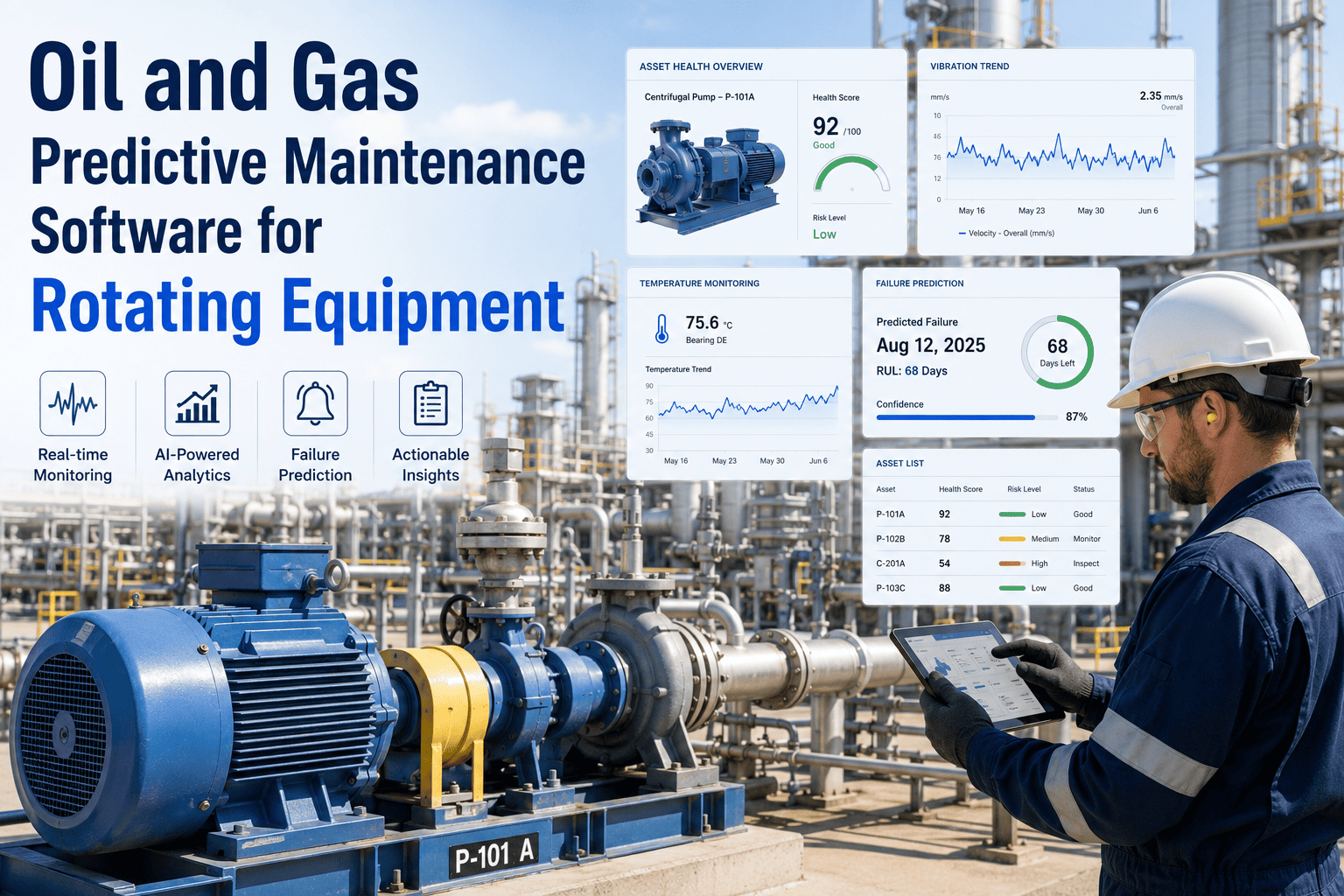
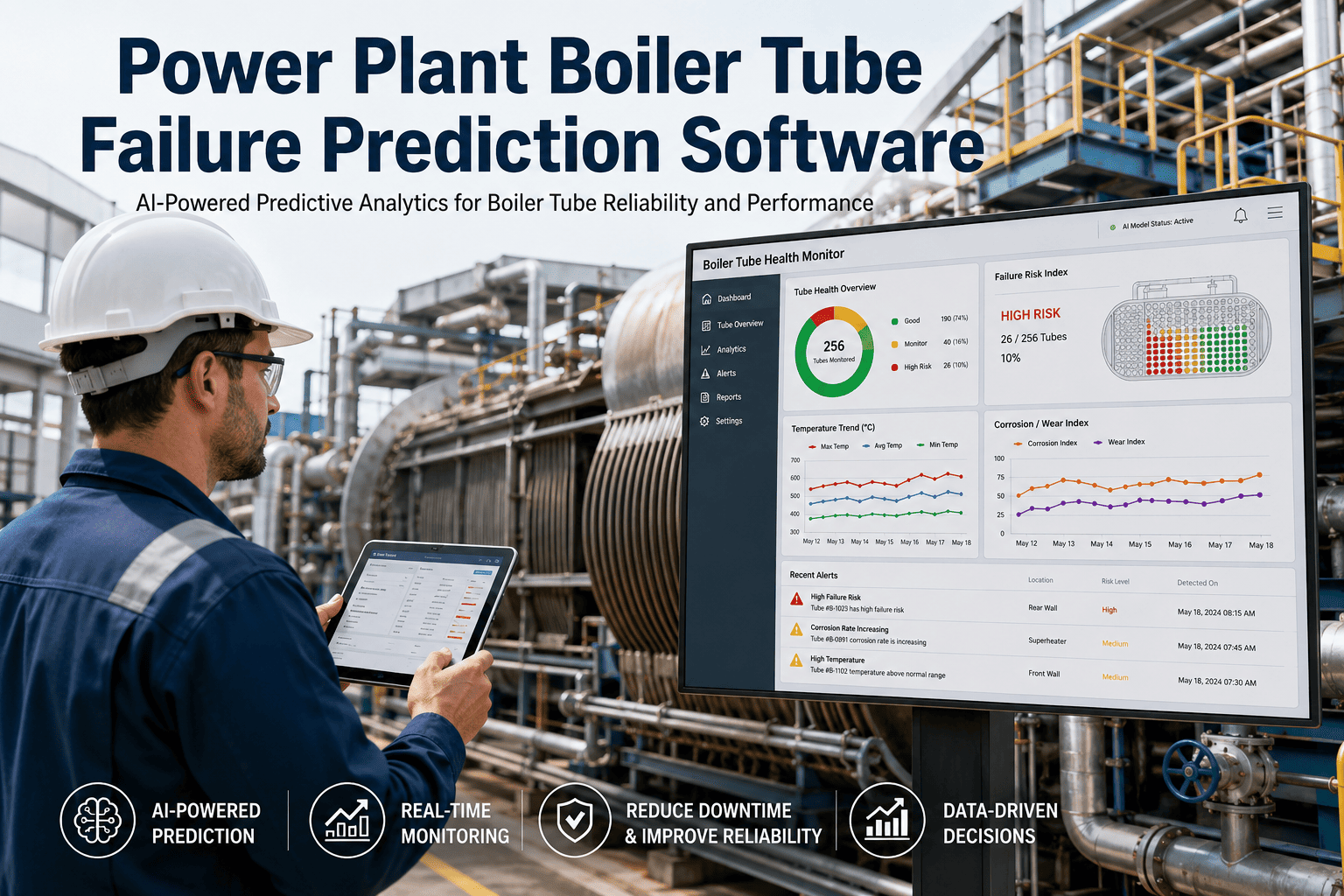
Warning windows vary by failure mode, but bearing degradation commonly shows a detectable vibration trend four to eight weeks before it would otherwise cause a forced trip, while thermal fatigue in boiler tubes can sometimes be flagged thirty to sixty days ahead of a rupture. This lead time is what allows a repair to be scheduled during a planned outage instead of an emergency shutdown.
Book a demo to see typical lead times for your specific turbine models.
Does this integrate with our existing DCS and NERC GADS reporting?
Yes, the platform is designed to pull data from existing DCS historians and sensor networks without requiring new internet connectivity on the plant floor, and every alert is logged with a timestamp for full audit trail purposes. This significantly reduces the manual documentation burden that otherwise consumes a large share of a maintenance manager's time during compliance reporting periods.
Contact support to review DCS and reporting integration options.
What size plant or turbine fleet is this designed for?
The platform scales from a single steam turbine unit up to a multi-unit combined-cycle fleet, since the underlying monitoring approach is applied per turbine regardless of how many units share the same control room. Larger fleets benefit from a consolidated dashboard that ranks every unit's health side by side, making it easy to prioritize which turbine needs attention first.
Book a demo to see the fleet dashboard configured for your plant size.
Catch Turbine Failures Before They Cost You a Forced Outage
Real-time vibration, thermal, and current analytics that give your team weeks of lead time instead of a sudden trip.