Airport Perimeter Security and Fencing Inspection Checklist
By Josh Turley on May 13, 2026
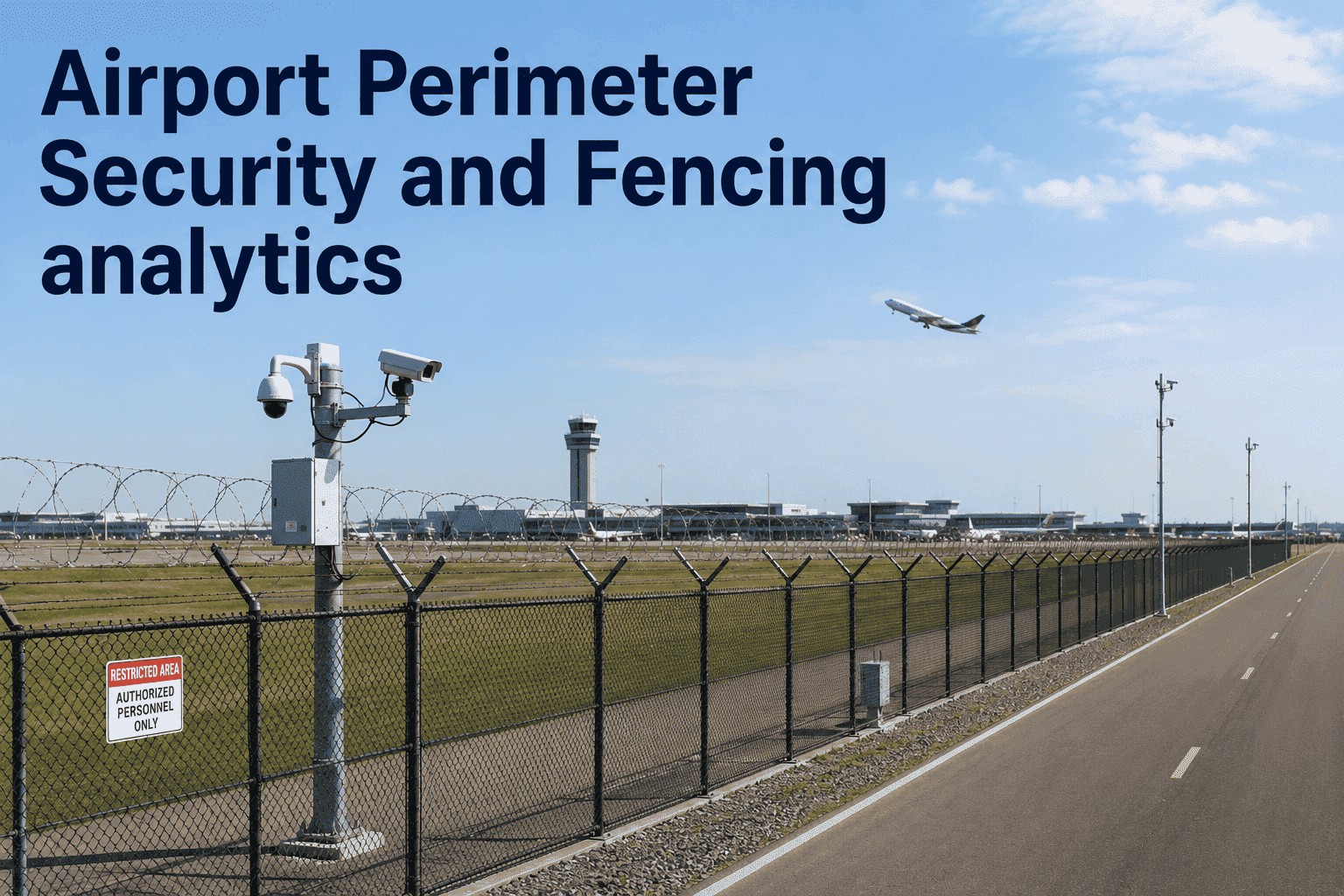
Airport perimeter security systems form the first and most critical physical barrier between the public environment and secured airside operations — where a single fence breach, disabled sensor, or malfunctioning access gate can trigger TSA enforcement actions, flight groundings, and full airport security response protocols. A comprehensive airport perimeter security and fencing inspection checklist covering fence line integrity, gate access control, intrusion detection sensors, CCTV surveillance coverage, lighting adequacy, and TSA 49 CFR Part 1542 compliance verification is the documented foundation of a defensible airport security program. Book a Demo to see how digital compliance tracking platforms replace manual perimeter inspection logs with real-time sensor status monitoring, automated patrol documentation, and instant corrective action workflows that satisfy TSA inspection requirements.
Digitize Airport Perimeter Security Inspections — Automate TSA Part 1542 Compliance Records
Track fence line condition assessments, gate access control tests, intrusion detection sensor validation, CCTV coverage verification, and perimeter lighting checks with audit-ready documentation for every TSA compliance review.
Why Structured Perimeter Inspections Are Critical for TSA Compliance
Perimeter Breaches Trigger TSA Enforcement Actions and Operational Disruptions
TSA 49 CFR Part 1542 requires airport operators to prevent unauthorized access to security identification display areas (SIDA) and Air Operations Areas (AOA). Perimeter breaches — whether through fence damage, gate malfunction, or sensor failure — trigger TSA Security Directives, mandatory reporting, emergency access investigations, and potential civil penalty actions that can reach hundreds of thousands of dollars per incident. Documented, frequent perimeter inspections are the primary evidence of a proactive security program during TSA enforcement proceedings.
Airport Security Programs Require Documented Inspection Frequencies and Corrective Actions
Airport Security Programs (ASPs) approved by TSA specify perimeter inspection frequencies, patrol routes, detection system testing intervals, and corrective action timelines for identified deficiencies. Facilities unable to produce timestamped inspection records demonstrating compliance with their own approved ASP face immediate findings during TSA inspections, follow-on compliance inspections, and potential suspension of security program approval that affects the airport's operating certificate.
1. Perimeter Fence Line Inspection
2. Gate Access Control Inspection
3. Intrusion Detection System Inspection
4. CCTV Surveillance Coverage Inspection
5. Perimeter Lighting Inspection
6. Security Patrol and Documentation Compliance
7. Drainage Culvert and Infrastructure Penetration Security
8. Security Signage and Boundary Demarcation
TSA COMPLIANCE TRACKINGDIGITAL INSPECTION
Ready to Digitize Airport Perimeter Inspections and Automate TSA Compliance Records?
Automate fence line condition surveys, gate access control tests, IDS sensor validation, and CCTV coverage verification with real-time security system dashboards and instant corrective action workflows across all perimeter zones.
1. What TSA regulation governs airport perimeter security inspection requirements?
TSA 49 CFR Part 1542 (Airport Security) establishes the regulatory framework for airport perimeter security, including fence standards, access control requirements, and security program documentation. Each airport's TSA-approved Airport Security Program (ASP) specifies the detailed inspection frequencies, patrol routes, and corrective action timelines applicable to that specific facility, which may be more stringent than the baseline regulatory minimums.
2. How frequently must airport perimeter inspections be conducted under Part 1542?
Part 1542 and individual ASPs typically require continuous automated monitoring via IDS systems where installed, regular manned patrol of the perimeter fence line (frequency varies by airport security category and ASP specifics), and documented corrective action for identified deficiencies within specified timeframes. The exact patrol frequency is defined in each airport's TSA-approved security program and is verified during TSA compliance inspections.
3. What are the most common TSA perimeter security inspection findings?
The most frequently cited TSA perimeter inspection findings include fence height deficiencies at drainage culverts or gate corners, vegetation providing climbing aids adjacent to the fence, access control credential databases not updated to reflect terminated personnel, CCTV cameras producing inadequate video quality during nighttime conditions, and corrective action items from prior inspections not closed within the required timeframe.
4. Can digital perimeter inspection records satisfy TSA audit documentation requirements?
Yes — TSA accepts digital security inspection records provided they include timestamped entries, inspector identification, geographic specificity for identified deficiencies, and tamper-evident audit trail functionality. Digital inspection platforms that enforce mandatory completion of all required inspection points before record submission provide stronger ASP compliance documentation than paper patrol logs, which frequently have incomplete entries and unsigned sections.
GET STARTEDDIGITIZE TODAY
Digitize Your Airport Perimeter Security Inspection Program Today
Join airports that have automated TSA-compliant perimeter inspection documentation, eliminated security program compliance gaps, and improved perimeter readiness with structured digital inspection workflows across every fence segment, gate, and surveillance zone.