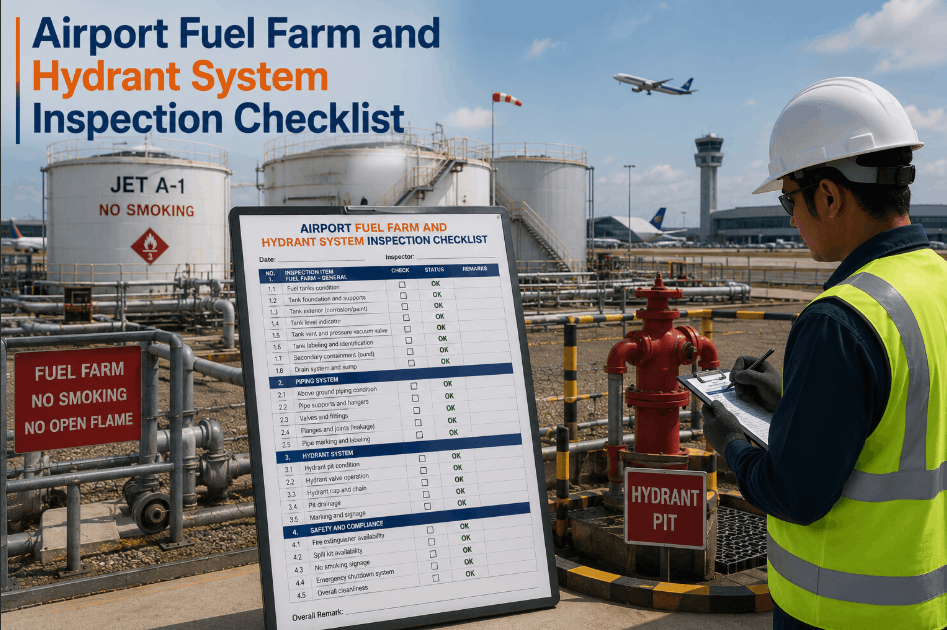
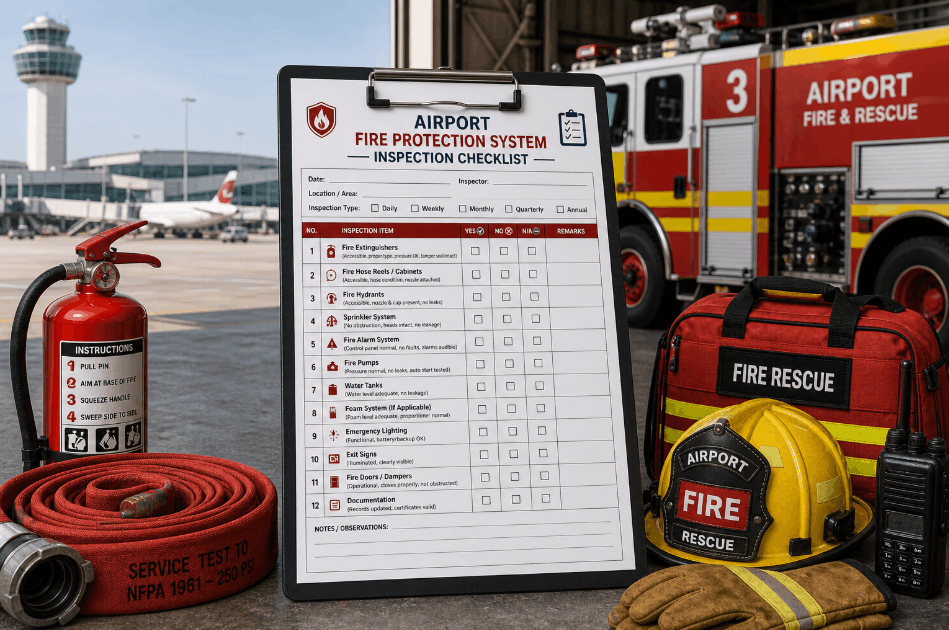
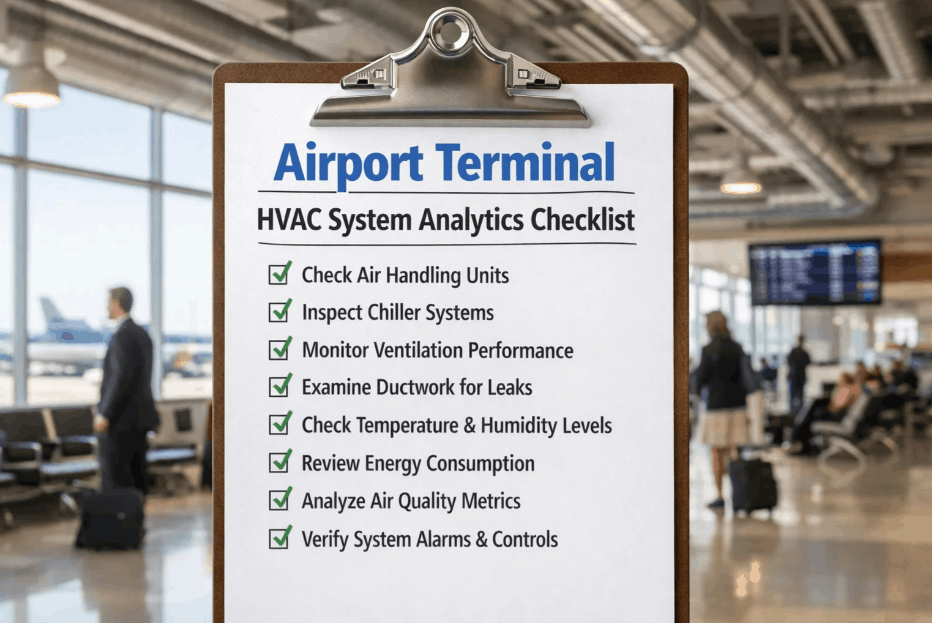
Airport Restroom and Passenger Amenity Inspection Checklist
By Grace on June 1, 2026
Airport restrooms are the most visited facility in any terminal — and the most complained about. Research confirms that restroom cleanliness accounts for over 50% of a terminal's total cleanliness score, and it is the single biggest driver of passenger satisfaction in ACI ASQ surveys globally. Yet most airports still rely on fixed cleaning schedules, paper-based inspection logs, and reactive maintenance that can't keep pace with real passenger demand. This checklist gives airport operations teams a complete, structured framework to inspect restrooms and passenger amenities — from fixture function to ADA compliance — and understand where digital work order management closes the gap between standard and exceptional.
Stop Managing Restroom Inspections on PaperiFactory's Work Order Management platform turns every inspection into a tracked, time-stamped, audit-ready record — dispatched instantly to the right team.
of terminal cleanliness score comes from restrooms
Airports Council International
14.5%
satisfaction increase at ATL after data-driven restroom management
ACI North America
86%
of passengers judge overall airport quality by restroom condition
Bradley Survey 2026
Airport Restroom and Passenger Amenity Inspection Checklist
Six inspection zones. Every checkpoint your team needs. Use this before each shift, after peak arrivals, and as the basis for your digital work order triggers.
Zone A — Fixture Operation
Zone B — Cleanliness Scoring
Zone C — Supply Levels
Zone D — ADA Compliance
Zone E — Water Stations
Zone F — Nursing Rooms
Zone AFixture Operation
Check every fixture, every visit — faults invisible to inspectors are visible to every passenger
A single malfunctioning flush valve, dripping faucet, or broken hand dryer creates a passenger experience failure that spreads through social reviews faster than any maintenance team can respond reactively. Fixture checks are the foundation of restroom compliance.
Zone BCleanliness Scoring
Score each zone 1–5 — anything below 3 triggers an immediate work order
Standardised cleanliness scoring gives airport operations managers measurable data across terminals and shifts — not subjective impressions. Each score below threshold must auto-generate a work order with location, zone, and photographic evidence attached.
5Spotless — zero visible soil, no odour, all surfaces dry
4Clean — minor splash only, odour neutral, no standing water
3Acceptable — light soil on non-contact surfaces, no odour
2Below standard — visible soil on contact surfaces, raise work order
1Unacceptable — close for immediate deep clean and supervisor review
Zone CSupply Levels
Empty dispensers are the single most photographed restroom complaint on social media
Supply runout during peak passenger waves is a predictable, preventable failure. Inspection-based restocking misses demand spikes from large aircraft arrivals. IoT-enabled dispensers connected to a work order system eliminate this entirely — but manual inspection remains the fallback.
Zone DADA and Accessibility Compliance
Title II of the ADA requires accessible features to be kept in working order — not just installed
ADA compliance at airports is not a one-time renovation achievement. It is a continuous operational obligation under Title II for public airports and Title III for private operators. Every accessible feature must be functional, not just present, on every inspection cycle.
Zone EWater Fountain and Hydration Station Operation
Hydration stations are a high-frequency touch point — and a high-visibility cleanliness signal
Passenger expectations around water access have intensified since single-use plastic regulations expanded. Refill stations and drinking fountains are now prominently featured in airport sustainability reporting — and prominently photographed when they fail.
Zone FNursing Room and Family Amenity Verification
Nursing room condition is among the most-reviewed amenity categories on passenger travel forums
Nursing rooms and family restrooms are inspected less frequently than main restrooms — and that gap is visible to passengers. Families with infants and nursing mothers are among the most vocal online reviewers. These rooms require their own inspection protocol, not a subset of main restroom checks.
Where Manual Inspection Falls Short
These are the four failure modes that paper-based and clipboard inspection cannot solve — and that digital work order management closes.
01
Peak Demand Blindness
A fixed inspection every 90 minutes cannot anticipate a 400-passenger international arrival. Supplies run out and floors flood between scheduled visits. IoT-triggered work orders dispatch staff on actual occupancy data, not the clock.
02
No Audit Trail
Paper logs cannot prove when a restroom was last cleaned, by whom, or what was found. When a passenger incident occurs, operations managers need time-stamped, photo-evidenced records — not clipboards that were lost on the shift change.
03
Fault Reporting Delay
A broken hand dryer spotted by a cleaner at 06:00 may not reach the engineering team until 11:00. Digital work order creation at point of inspection — with photo, location, and priority — cuts mean time to repair by hours.
04
Multi-Terminal Visibility Gap
Operations managers in multi-concourse airports have no real-time view across all restroom zones simultaneously. Digital dashboards surface every open work order, overdue inspection, and ADA fault across the entire estate in one screen.
iFactory Work Order Management for Aviation
Every Inspection. Every Work Order. Every Fix. Tracked.
iFactory's platform lets your team run every restroom and amenity inspection from a mobile device — generating instant work orders, photo-evidenced records, and compliance reports your operations director can trust.
Inspection frequency should be demand-responsive, not fixed. The minimum recommended baseline is every 60–90 minutes during operational hours, with immediate post-peak inspections triggered after large aircraft arrivals. Airports using IoT occupancy sensors connect inspection dispatch directly to real passenger flow, eliminating both over-service during quiet periods and under-service during surges.
What ADA checks are legally required versus recommended?
Under Title II and Title III of the ADA, airports are legally obligated to maintain accessible features in working order — not just install them. This means grab bar integrity, emergency call cord function, accessible stall clear space, and compliant door hardware must be verified on a documented schedule. The checklist items in Zone D above are legal obligations, not optional enhancements. Failure to maintain creates direct liability exposure independent of any renovation compliance.
Can iFactory integrate with existing airport CMMS or FM platforms?
Yes. iFactory connects with existing facility management and CMMS platforms via REST API. Inspection records, work orders, and completion data can be pushed to your existing system without replacing current workflows. The integration is configured during onboarding — typically within the first two weeks of deployment.
How does iFactory handle nursing room inspections separately from general restrooms?
Each facility type — main restroom, accessible restroom, nursing room, and water station — is configured as a separate inspection template in iFactory. Nursing rooms carry their own checklist, inspection interval, and escalation path. Records are maintained separately, which is essential for both passenger experience reporting and compliance documentation.