Cement Plant Calibration Management and Traceability
By Hazel Green on June 8, 2026
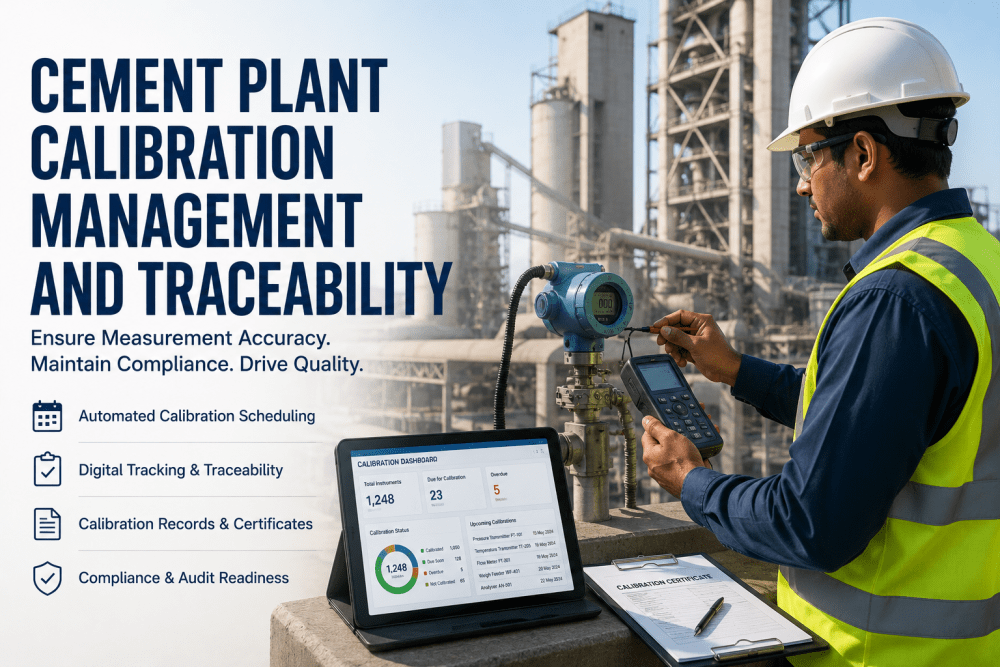
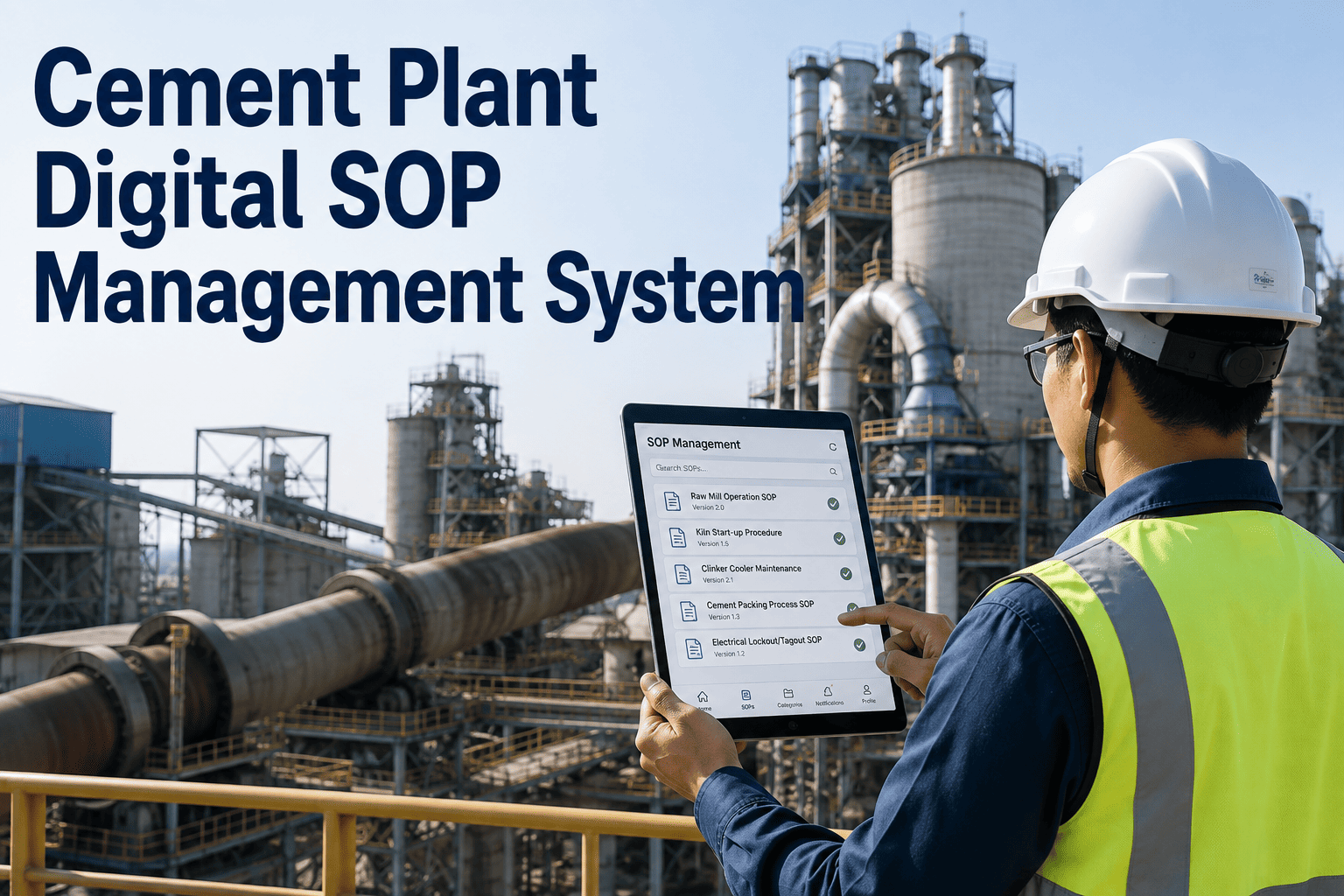
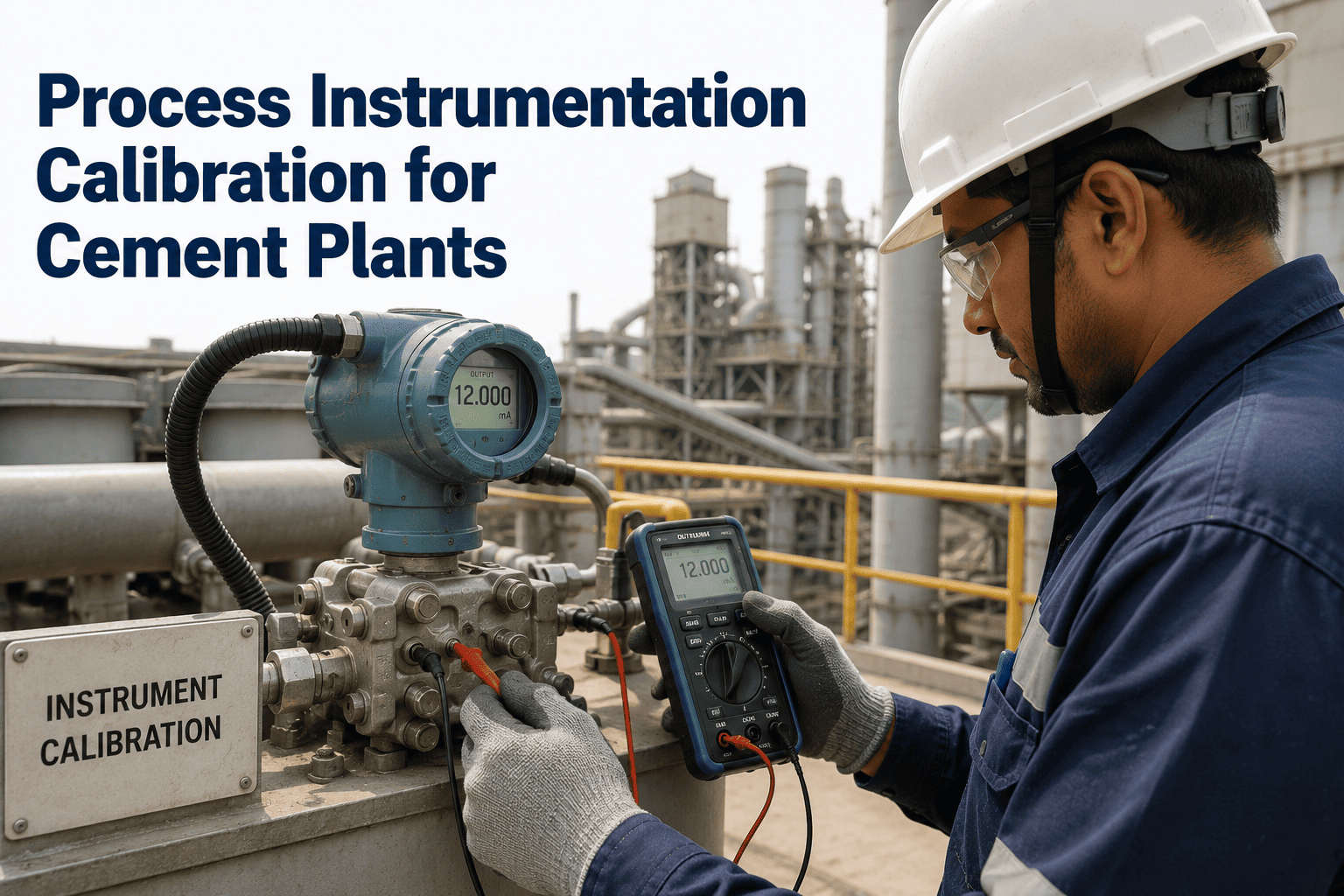
Calibration management in cement plants has evolved from a periodic compliance exercise into a continuous operational discipline that directly impacts product quality, production efficiency, and regulatory standing. Cement manufacturers manage hundreds to thousands of instruments — temperature sensors, pressure transmitters, gas analyzers, weigh feeders, and quality laboratory equipment — each requiring scheduled calibration at defined intervals with full traceability to national standards. Traditional paper-based or spreadsheet-driven calibration tracking introduces data gaps scheduling conflicts, and audit findings that erode compliance confidence and consume engineering resources that could be better deployed on process improvement. iFactory AI's calibration management platform digitizes the entire calibration lifecycle — from instrument registry and scheduling through execution recording, certificate management, and compliance reporting — providing cement plants with a single source of truth for measurement assurance. Book a Demo to see the platform configured for your cement plant's instrument population and compliance requirements.
Technical Analysis · Quality Compliance · 2026
Cement Plant Calibration Management and Traceability
AI-driven digital calibration management that schedules, tracks, documents, and reports every instrument calibration across your cement plant — temperature, pressure, analytical, weighing, and quality instruments — with full traceability to NIST and ISO 17025 standards.
From field sensors to NIST-certified standards with digital audit trail
40%
Fewer calibration deviations
60%
Faster audit readiness
95%
Schedule compliance
<6 mo
Typical payback period
The Calibration Challenge in Cement Plants
Calibration in cement plants spans diverse instrument types — from preheater tower temperature sensors operating above 900 degrees Celsius to laboratory XRF analyzers requiring monthly verification — each governed by distinct accuracy requirements, calibration frequencies, and regulatory standards. The challenge is compounded by instrument proliferation across expansive plant geography, multiple process units, and evolving compliance frameworks from EPA, ASTM, and ISO 17025. Traditional approaches relying on manual spreadsheets, paper calibration certificates, and calendar-based scheduling create four fundamental problems that undermine both quality assurance and regulatory compliance. Book a Demo to see how iFactory AI addresses each challenge with an integrated digital platform.
01
Manual Tracking and Scheduling Complexity
Calibration schedules for 500 to 2,000 plus instruments across a cement plant require coordinating instrument availability, production windows, spare instrument inventory, and technician assignments. Spreadsheet-based tracking misses conflicts, produces overdue calibrations, and consumes 15 to 20 hours per week of supervisory time just to maintain the schedule. Overdue calibrations create compliance findings during audits and risk producing out-of-spec product that must be quarantined or reworked.
02
Traceability Documentation Gaps
Each calibration must demonstrate traceability through an unbroken chain of comparisons to national standards with documented uncertainties at every step. Paper-based systems lose calibration certificates, fail to capture as-found and as-left data consistently, and cannot link instruments to their calibration standards with the rigor that ISO 17025 requires. These gaps become audit findings that require corrective action plans and can delay certification.
03
Instrument Accuracy Drift Without Predictive Insight
Most plants calibrate on fixed calendar intervals regardless of whether the instrument actually needs adjustment. This wastes technician time on stable instruments while leaving drifting instruments undetected until the next scheduled calibration — potentially weeks or months of producing out-of-tolerance measurements that affect quality control and process control decisions across raw grinding, kiln operation, and finish milling.
04
Compliance Reporting and Audit Burden
Preparing for an ISO 9001, ISO 17025, or EPA compliance audit requires compiling calibration records across multiple departments, verifying traceability chains, and demonstrating that all instruments were calibrated within assigned intervals. This manual effort typically requires two to four weeks of preparation time per audit, with the risk of finding gaps that delay certification or create regulatory enforcement actions.
How AI-Driven Calibration Management Transforms Compliance
Artificial intelligence and digital calibration management address each of these challenges through four interconnected capabilities that replace reactive, paper-based compliance with proactive, data-driven quality assurance. iFactory AI's platform integrates all four into a unified operational system spanning instrument registry, scheduling, execution, analytics, and compliance reporting. Book a Demo to see these capabilities configured for your cement plant's calibration program.
Capability 01
AI-Driven Scheduling and Optimization
Machine learning models analyze historical calibration data, instrument drift patterns, process criticality, and regulatory requirements to optimize calibration intervals dynamically. Instruments with stable drift profiles receive extended intervals, reducing unnecessary calibrations by 25 to 35 percent. Critical instruments and those showing drift acceleration receive increased frequency. The AI continuously adjusts schedules based on actual instrument performance data rather than fixed calendar assumptions, ensuring calibration effort is deployed where it delivers the most quality assurance value.
Impact:25-35% reduction in unnecessary calibrations while improving coverage on critical instruments
Capability 02
Digital Traceability Chain
Every instrument calibration is recorded with full traceability: calibration standard used with its certificate and calibration due date, environmental conditions, as-found readings, adjustments made, as-left readings, and measurement uncertainty calculations. The digital record links each calibration to the specific technician, procedure, and standard, creating an unbroken traceability chain that satisfies ISO 17025 requirements. Certificate management automatically tracks standard calibration due dates and prevents using expired standards, eliminating a common audit finding.
Impact:100% traceability chain integrity with zero reliance on paper certificates
Capability 03
Real-Time Instrument Analytics
Continuous monitoring of calibration results across the instrument population identifies systemic issues — instrument models with high drift rates, process areas where environmental conditions affect accuracy, technician variability in calibration results, and standards approaching their calibration due dates. The analytics dashboard provides real-time visibility into calibration status, overdue instruments, upcoming due dates, and compliance metrics across the entire plant. Predictive alerts notify quality managers when instruments begin showing drift acceleration before they go out of tolerance.
Impact:Out-of-tolerance conditions identified 30+ days before they affect product quality
Capability 04
Automated Compliance Reporting
Pre-configured compliance reports for ISO 9001, ISO 17025, EPA, and internal quality standards are generated with a single click, pulling calibration data from the live system. Audit preparation time drops from weeks to hours, with all traceability chains, calibration histories, and compliance evidence available in organized, auditor-ready formats. The system maintains a complete audit trail of every calibration event, standard usage, and procedural change for regulatory review.
Impact:Audit preparation time reduced from 2-4 weeks to under 4 hours
Calibration Optimization Across Instrument Types
Different instrument categories in a cement plant require distinct calibration approaches based on their operating principles, accuracy requirements, and regulatory standards. The tabs below show how iFactory AI adapts digital calibration management to each instrument type's specific requirements.
Temperature Sensors
Thermocouples, RTDs, and infrared pyrometers across preheater tower, kiln inlet and outlet, cooler, and grinding circuits require calibration at intervals ranging from monthly to annually depending on operating temperature range and process criticality. AI-optimized schedules based on drift history and thermal cycling frequency reduce unnecessary calibrations on stable sensors while increasing frequency on sensors in high-stress locations.
Pressure and Flow Transmitters
Pressure transmitters on baghouse differential pressure, kiln ID fan, and compressed air systems require periodic zero and span verification. Digital calibration management tracks each transmitter's drift trend and alerts technicians when deviation rates exceed established thresholds, enabling predictive adjustment before measurements affect process control.
Gas Analyzers
Continuous emissions monitoring analyzers and process gas analyzers for kiln exhaust require calibration with certified gas standards. The platform manages gas cylinder inventories, tracks standard certifications, and automates calibration scheduling to align with EPA compliance reporting deadlines and quality control requirements.
XRF and XRD Analyzers
Laboratory X-ray fluorescence and X-ray diffraction analyzers for raw material and clinker composition analysis require monthly calibration verification using certified reference materials. The platform tracks reference material inventory, certification status, and calibration history, generating traceability chains that directly link each sample analysis to the reference standards used for instrument calibration.
Particle Size Analyzers
Laser diffraction and sieve analysis instruments for cement fineness measurement require calibration verification with certified standards. Digital calibration management records each verification result, tracks long-term drift trends, and alerts quality personnel when instrument performance approaches out-of-tolerance thresholds, preventing undetected measurement errors.
Laboratory Balances
Analytical and precision balances used for quality testing require daily verification with certified weights and annual calibration by accredited providers. The platform manages weight certifications, schedules calibration events, and maintains the traceability chain from each balance through the certified weights to national standards.
Weigh Feeders
Raw meal, coal, petcoke, gypsum, and additive weigh feeders are the most critical instruments for blend composition accuracy. Weekly in-situ calibration verification using test weights is tracked digitally with trend analysis that predicts calibration drift before blend composition deviations affect clinker quality or fuel efficiency.
Belt Scales
Belt scales for raw material receiving, clinker transport, and cement loading require periodic calibration using certified test chains or material tests. Digital calibration management tracks scale performance over time, identifies drift patterns correlated with belt tension changes or idler wear, and schedules calibration events based on actual performance data rather than fixed intervals.
Truck and Rail Scales
Legal-for-trade truck scales and rail scales require state-mandated calibration verification at defined intervals with documented traceability. The platform manages state certification schedules, calibration event records, and certificate storage, ensuring each scale's legal status is maintained and readily demonstrable during regulatory inspections.
Performance Comparison — Conventional vs. AI-Driven Calibration
The table below compares conventional calibration management with AI-driven digital methods across the key functions that determine compliance confidence, operational efficiency, and quality assurance in cement plants. Data reflects deployment results across integrated cement plants and grinding stations operating with iFactory AI's digital calibration management platform.
Calibration Function
Conventional Approach
AI-Driven Approach
Improvement
iFactory Module
Calibration Scheduling
Fixed calendar intervals with manual adjustments
AI-optimized intervals based on drift analysis and criticality
Paper certificates and spreadsheets with manual filing
Digital traceability chain with full audit trail
Traceability gaps eliminated
Smart Document Management
Compliance Reporting
Manual compilation taking 2-4 weeks per audit
Automated one-click report generation
Report preparation time reduced 80%
Safety and Compliance
Accuracy Verification
Periodic manual verification at fixed intervals
Continuous drift monitoring with predictive alerts
Deviations detected 30+ days earlier
Predictive Maintenance
Instrument Inventory
Disparate spreadsheets maintained per department
Unified digital instrument registry with role-based access
100% visibility across all plant areas
Enterprise Asset Management
Audit Preparation
Manual record gathering across multiple departments
Organized digital evidence with full traceability
Audit readiness time reduced 90%
Analytics and Reporting
Standard Management
Separate manual tracking per standard type
Integrated standard database with auto-alerts for due dates
100% standard compliance, zero expired standard usage
Quality Control Management
Deployment Roadmap — From Assessment to Continuous Compliance
Deploying digital calibration management for a cement plant follows a structured five-phase timeline that delivers measurable compliance and operational value at each stage. iFactory's unified platform and pre-built instrument type templates accelerate the deployment to 10-14 weeks for a typical integrated cement plant.
01
Instrument Inventory and Assessment (Weeks 1-3)
Audit all plant instruments to create a digital registry with type, manufacturer, model, location, accuracy requirements, calibration history, and regulatory classification. Assess current calibration processes, documentation methods, and compliance gaps against ISO 9001, ISO 17025, and EPA requirements. iFactory's mobile app enables field data collection with barcode scanning for rapid inventory of 500 to 2,000 plus instruments.
Deliverable: Complete digital instrument registry with compliance gap analysis
02
Digital Calibration Framework Setup (Weeks 3-6)
Configure calibration schedules, procedures, traceability chains, and compliance rules in the platform. Upload existing calibration certificates and instrument histories. Define role-based access for technicians, supervisors, quality managers, and auditors. Integrate with existing CMMS and quality management systems to synchronize instrument data and work order workflows.
Deliverable: Configured calibration management platform with uploaded instrument history
03
AI Model Training and Validation (Weeks 6-10)
Train drift prediction models using historical calibration data from the instrument registry. Validate model accuracy against actual calibration outcomes to ensure reliable drift forecasting. Configure automated scheduling optimization rules based on criticality classifications and regulatory requirements. Set up real-time analytics dashboards with calibration KPIs for plant-wide visibility.
Deliverable: Validated AI models with documented accuracy against historical calibration events
04
Operations Dashboard and Workflow Automation (Weeks 10-13)
Deploy calibration management dashboards for real-time compliance visibility. Configure automated work order generation for due and overdue calibrations. Implement mobile calibration execution with offline capability for field instruments in remote plant areas. Train technicians and supervisors on digital calibration workflows and mobile data collection procedures.
Deliverable: Live dashboards with automated work order generation and mobile calibration execution
05
Continuous Improvement and Fleet Scaling (Week 13+)
Models continuously improve with each calibration event, increasing drift prediction accuracy and optimization effectiveness. The platform scales to additional plant areas, instrument types, and regulatory frameworks as the compliance program matures. Fleet management capabilities provide unified calibration visibility and compliance status across multiple cement plants in the organization.
Deliverable: Self-improving AI calibration platform with multi-plant fleet management
Build Your Digital Calibration Management Foundation
A deployment consultation maps the five-phase roadmap to your cement plant's instrument population, regulatory requirements, and compliance objectives. Output includes a documented deployment plan with timeline, instrument data requirements, and integration specifications tailored to your plant configuration.
Industry Expert Perspective on Digital Calibration Management
"I have spent over 25 years in cement manufacturing quality management — starting as a shift chemist performing manual wet chemistry analysis, then moving into quality systems management, and ultimately leading quality assurance across a portfolio of four integrated cement plants producing over 8 million tons annually. For most of that career, we managed instrument calibration with paper logbooks, spreadsheets, and an annual internal audit cycle that always found the same types of deficiencies — missing certificates, overdue calibrations on critical instruments, broken traceability chains between field instruments and laboratory standards. We knew the gaps existed, but the manual effort required to maintain a truly comprehensive calibration program across thousands of instruments was simply beyond what our quality team could sustain. We deployed a digital calibration management platform across all four plants beginning in 2024. Within six months, we had achieved 100 percent on-time calibration compliance across all plants for the first time in the company's history. The automated traceability chain eliminated the documentation gaps that had been a persistent finding in every ISO 9001 surveillance audit for the previous decade. The instrument analytics capability identified that our kiln shell temperature scanners were drifting at twice the rate of similar instruments at other process locations — a systemic issue that we addressed by modifying the installation environment. The audit preparation time for our last ISO 17025 assessment dropped from three weeks to two days. The system paid for itself in reduced audit preparation labor and avoided corrective actions within the first year."
— Director of Quality Assurance, Major Cement Manufacturer — 26 Years Industry Experience — 4 Integrated Cement Plants — 8M+ Tons Annual Production
100%
On-time calibration compliance achieved
3 wk
Audit prep reduced to 2 days
35%
Fewer unnecessary calibrations
Conclusion
Calibration management in cement plants is undergoing a fundamental transformation from a reactive compliance burden to a continuous quality assurance capability powered by digital technology and artificial intelligence. AI-driven scheduling eliminates the inefficiency of fixed-interval calibration by optimizing each instrument's calibration frequency based on actual drift behavior, process criticality, and regulatory requirements. Digital traceability chains replace paper certificates and spreadsheets with an unbroken, auditor-ready record that links every field instrument through its calibration standards to national metrology institutes. Real-time analytics provide early warning of drift acceleration, enabling corrective action before out-of-tolerance measurements affect product quality or compliance status. Automated compliance reporting collapses audit preparation from weeks to hours, freeing quality professionals to focus on process improvement rather than record compilation. Each calibration event strengthens the AI models, improving drift prediction accuracy and further optimizing the calibration program over time. iFactory AI provides the unified platform — instrument registry, digital calibration management, predictive analytics, document management, CMMS, and automated compliance reporting — that delivers this integrated capability. Book a Demo to discuss your calibration management requirements.
Deploy AI-Driven Calibration for Your Cement Plant
iFactory AI provides the integrated platform that transforms calibration management from a compliance burden to a continuous quality assurance capability. Schedule a 30-minute demo to see the platform configured for your cement plant's instrument population and compliance requirements.
What is calibration management in cement plants and why is it important?
Calibration management in cement plants is the systematic process of scheduling, executing, documenting, and tracking calibration of all measurement instruments to ensure accuracy, reliability, and compliance with quality and regulatory standards. It is important because instrument accuracy directly affects product quality, production efficiency, emissions compliance, and regulatory standing under ISO 9001, ISO 17025, and EPA requirements.
How does digital calibration tracking improve traceability and audit readiness?
Digital calibration tracking creates an unbroken electronic record linking each instrument through its calibration standards to national metrology standards, with documented measurement uncertainty at each step. Audit readiness improves because all calibration records, traceability chains, certificate histories, and compliance evidence are organized, searchable, and available in auditor-ready format with a single click instead of requiring weeks of manual compilation across departments.
What types of instruments in a cement plant benefit from digital calibration management?
All measurement instruments benefit from digital calibration management, including temperature sensors and pyrometers, pressure and flow transmitters, gas analyzers, XRF and XRD analyzers, particle size analyzers, laboratory balances, weigh feeders, belt scales, and legal-for-trade truck and rail scales. Each instrument type has distinct calibration requirements, frequency, and traceability needs that the digital platform manages within a unified system.
How does AI optimize calibration scheduling compared to fixed-interval methods?
AI analyzes historical calibration data, drift patterns, process criticality, and regulatory requirements to assign optimal calibration intervals per instrument rather than applying uniform fixed intervals. Instruments with stable drift profiles receive extended intervals, reducing unnecessary calibrations by 25 to 35 percent, while instruments showing drift acceleration receive increased frequency, preventing out-of-tolerance conditions before they affect product quality.
What is the typical ROI of implementing a digital calibration management system?
Cement plants deploying digital calibration management typically achieve payback within six months, driven by reduced calibration labor through optimized scheduling, eliminated audit preparation costs with automated reporting, decreased rework and quarantine from early drift detection, and avoided regulatory penalties from improved compliance. The unified instrument registry alone eliminates the hidden costs of maintaining disparate spreadsheets and paper systems across departments.