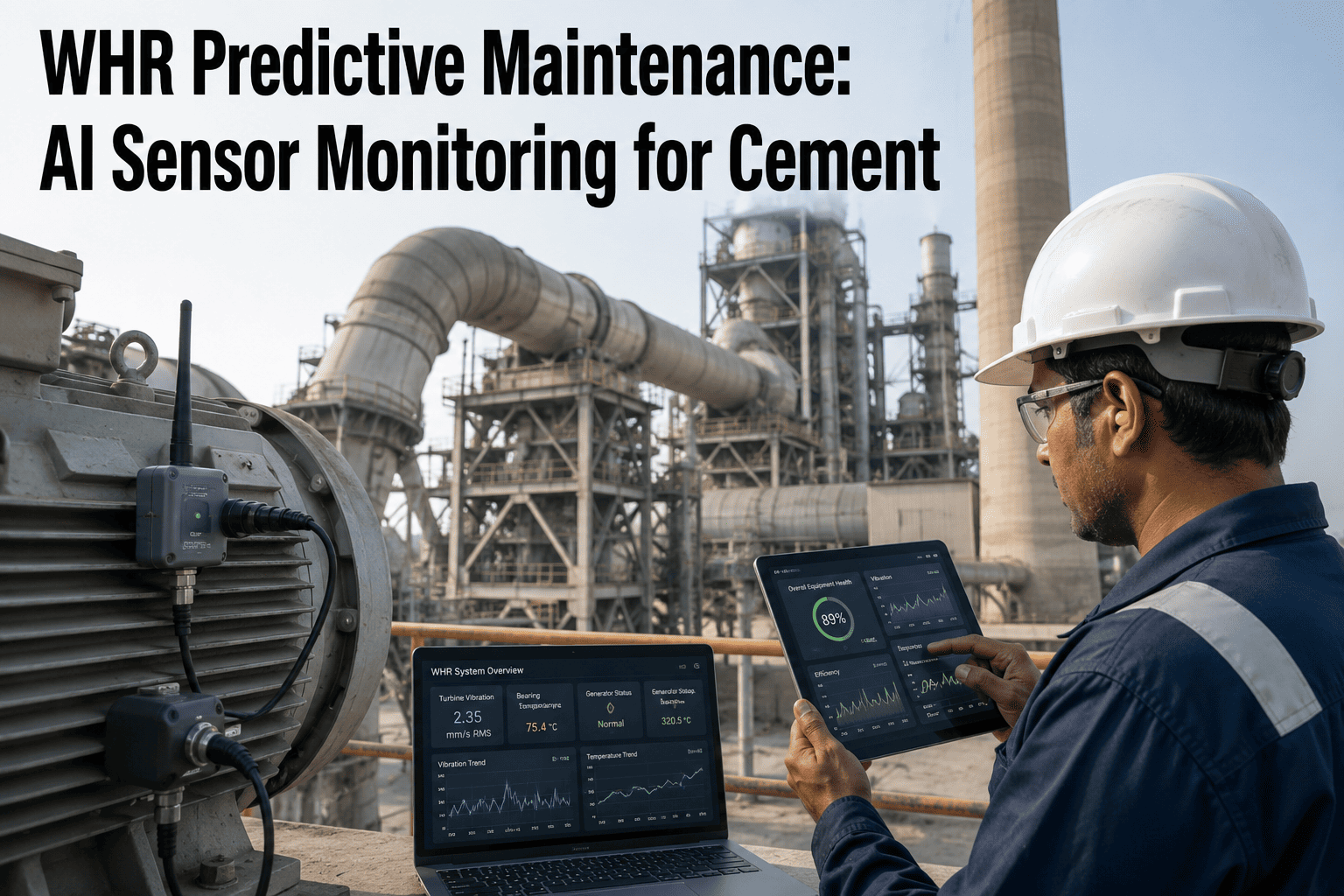
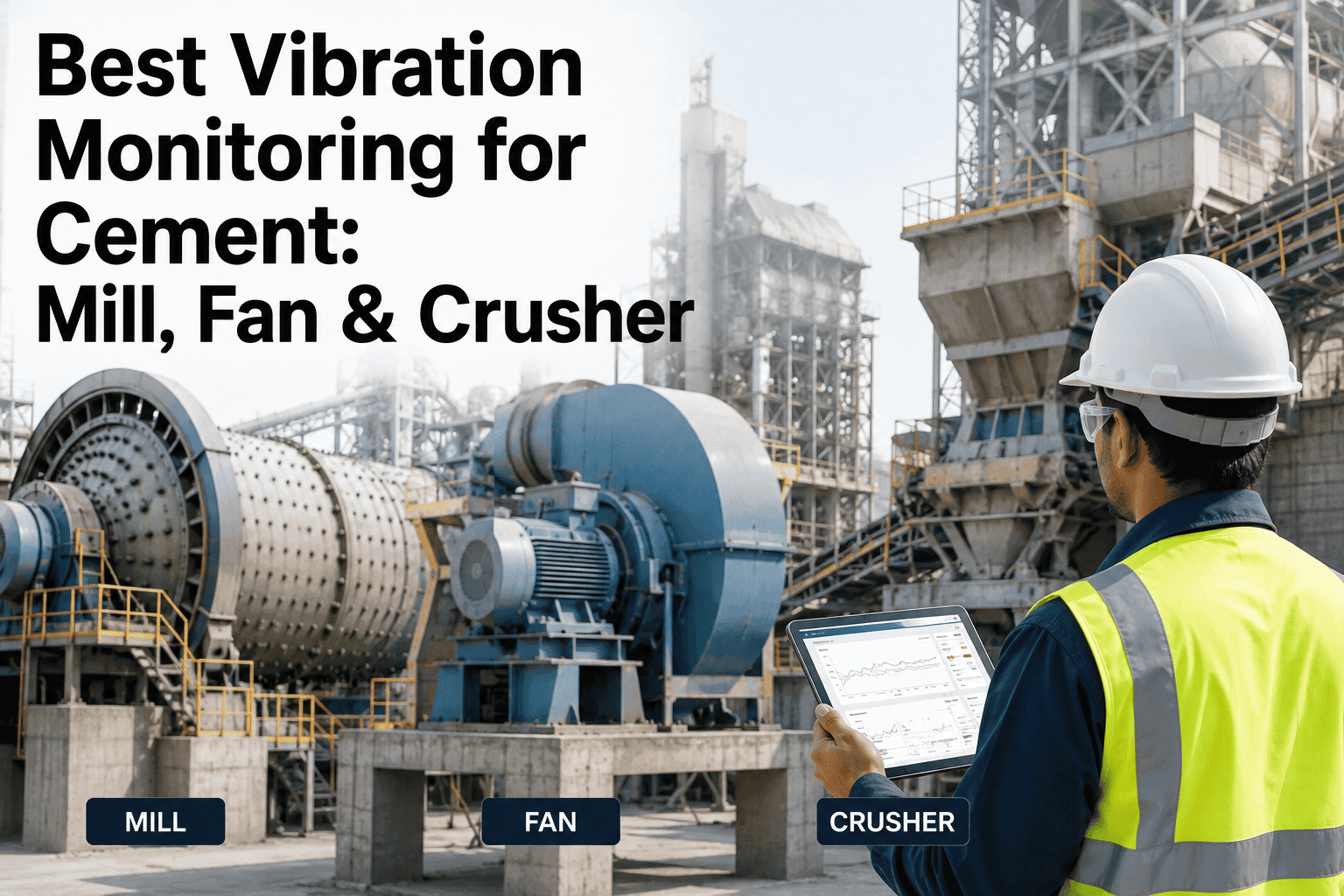
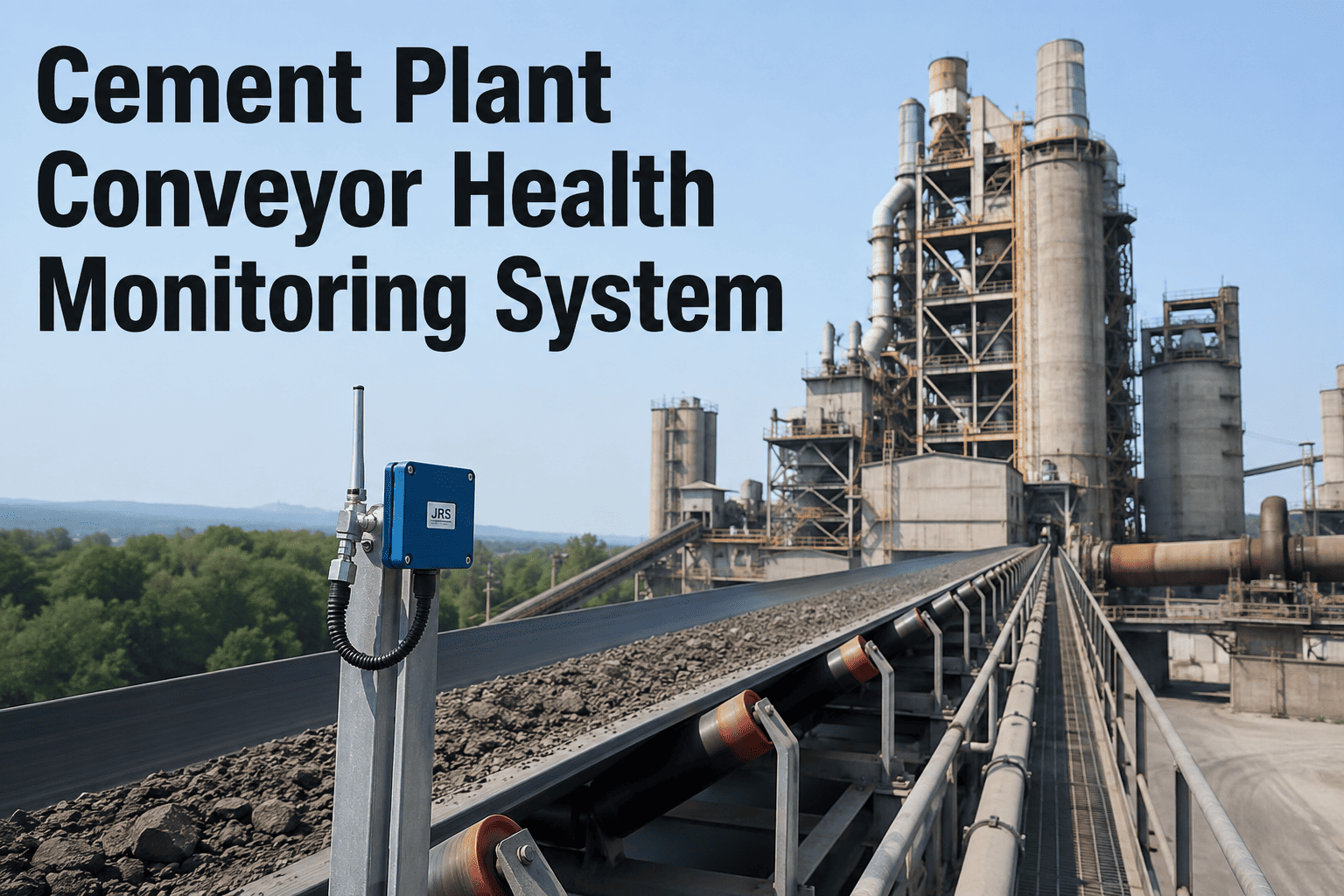
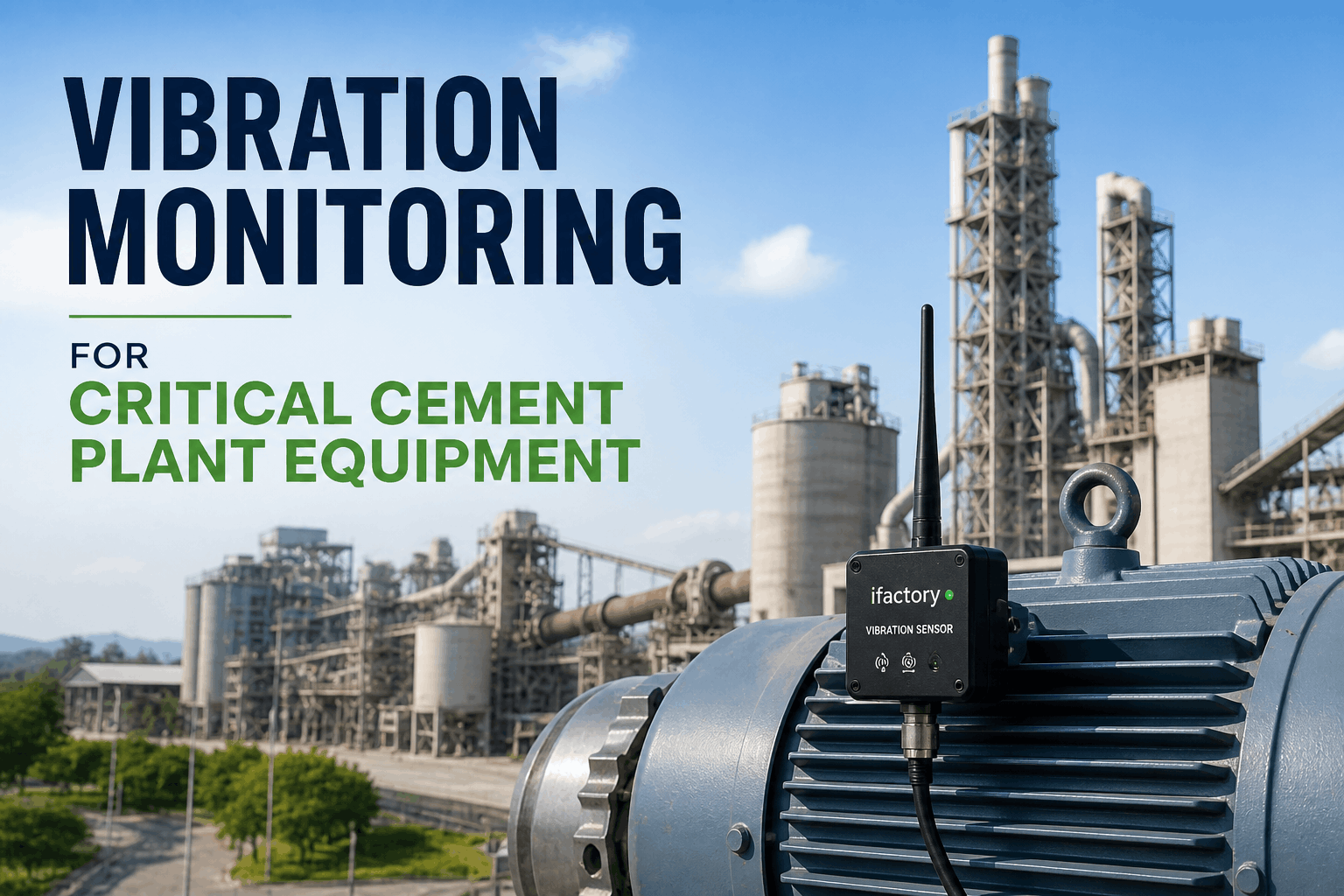
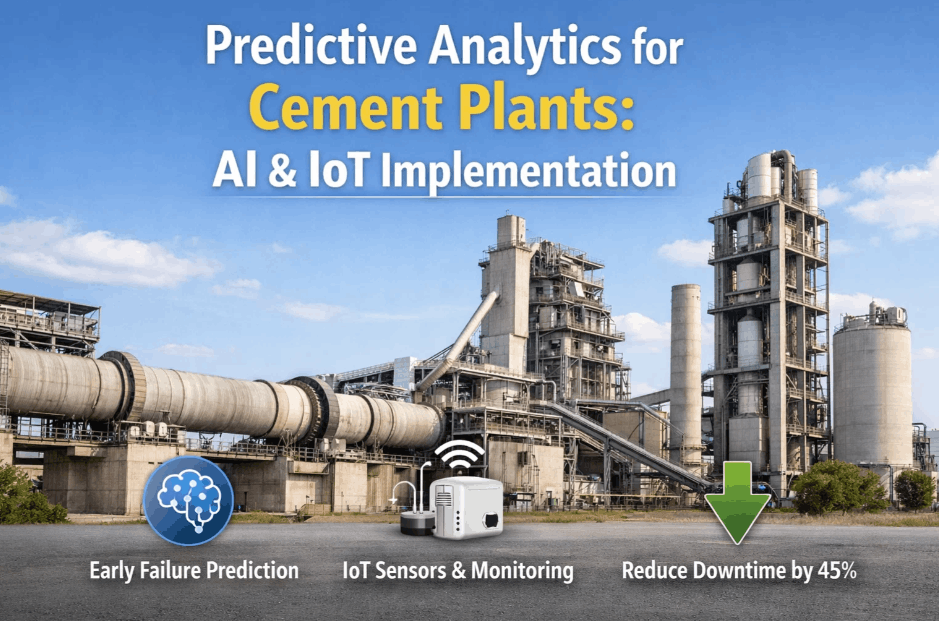
Predictive maintenance in cement plants is no longer a technology aspiration — it is a competitive necessity. The plants that are achieving 94–96% equipment availability, 20–30% lower maintenance costs, and zero unplanned kiln stoppages are doing so because they have replaced time-based maintenance schedules with AI-driven condition monitoring that tells them exactly what is failing, when it will fail, and what to do about it before production is affected. The enabling technologies are now mature, affordable, and proven in cement plant environments: online vibration sensors that monitor bearings continuously for under ₹2 lakh per point, IoT gateways that connect PLC data to cloud analytics platforms in days, AI models trained specifically on cement equipment failure signatures, and mobile work order systems that ensure the maintenance team acts on every AI alert before it becomes a breakdown. What separates the cement plants achieving breakthrough reliability from those still managing breakdown-to-breakdown is not more maintenance personnel or higher maintenance budgets — it is the quality of the information their maintenance teams receive and how quickly they can act on it. iFactory's Predictive Maintenance and IoT Integration platform gives cement plant maintenance teams the equipment health intelligence they need to make the right decisions at the right time — covering every critical asset from the limestone crusher through the raw mill, kiln, clinker cooler, cement mill, and packing plant.
Predictive Maintenance for Cement Plants: AI-Powered Equipment Monitoring Guide
Implement AI-powered predictive maintenance across your entire cement plant — vibration monitoring, IoT integration, condition-based analytics, and real-time equipment health dashboards.
What to Monitor — Sensor Coverage Matrix for Cement Plants
Not all equipment deserves the same monitoring investment. iFactory's coverage matrix prioritises monitoring by failure consequence, failure detectability, and asset replacement cost — ensuring your sensor investment targets the highest-ROI monitoring points first. Get your plant-specific sensor plan — free, delivered in 5 days.
| Equipment | Vibration | Thermal | Oil Analysis | PLC Data | Priority |
|---|---|---|---|---|---|
| Rotary Kiln — Main Drive | Online 24/7 | AI camera | Monthly | Continuous | P1 |
| Kiln Tyre-Roller System | Online 24/7 | — | Monthly | Migration sensor | P1 |
| Raw Mill — Main Bearing | Online 24/7 | IR sensor | Monthly | Power draw | P1 |
| Cement Mill — Pinion Bearing | Online 24/7 | IR sensor | Monthly | Power draw | P1 |
| ID Fan — Kiln | Online 24/7 | — | Quarterly | Speed + current | P2 |
| Crusher — Main Bearing | Route-based | — | Quarterly | Power draw | P2 |
| Clinker Cooler — Grate Drive | Route-based | — | Quarterly | Speed + load | P2 |
| Packer / Despatch Equipment | — | — | — | Count + speed | P3 |
How the ROI Builds — Month by Month in a Predictive Maintenance Programme
The ROI from predictive maintenance is not immediate — it builds as AI models learn your plant's specific failure signatures and as the maintenance team's planned-to-emergency ratio improves. Here is how a typical 3 MTPA cement plant's savings accumulate across 18 months with iFactory.
How iFactory's Predictive Stack Works — Data In, Alerts Out
Four technology layers work in sequence — raw sensor data becomes an actionable work order in minutes. Each layer adds intelligence that the previous one cannot provide alone.
Live Equipment Health Scores — What Your Dashboard Looks Like
iFactory gives every critical asset a health score from 0–100, updated continuously from sensor data. Maintenance planners see the entire plant's equipment health at a glance — knowing exactly where to focus attention without reading individual sensor reports.
What a VP Maintenance Said
We had deployed predictive maintenance software twice before — both times the implementation took 14+ months, the sensors were installed but the AI models never produced reliable alerts, and we abandoned both programmes. iFactory was different: sensors installed in Week 1, first AI alerts in Week 6, first failure prevented in Week 9. The difference was the cement-specific failure libraries. The AI model already knew what a failing raw mill bearing looks like in a cement plant — we didn't have to teach it from scratch.
AI Predictive vs Traditional Time-Based Maintenance — Side by Side
Traditional time-based PM replaces components on a calendar schedule regardless of actual condition — replacing good parts early and missing failures that occur between schedules. Here is what the difference looks like across five key metrics for a 3 MTPA cement plant.
iFactory Implementation Roadmap — From First Sensor to Full AI Coverage
Most predictive maintenance programmes fail because they try to do everything at once. iFactory's phased approach delivers measurable ROI at every stage — so you see results in weeks, not months.
Frequently Asked Questions
How many sensors does a 3 MTPA cement plant need for a complete predictive maintenance programme?
A full P1+P2 coverage programme for a 3 MTPA plant typically requires 60–90 online vibration sensor points across kiln drive, raw mill, cement mill, fans, and crushers — plus thermal camera coverage on the kiln shell. iFactory's sensor plan (delivered free in 5 days) prioritises the highest-ROI monitoring points, typically achieving 80% of the programme value with 40% of the sensor count.
What is the difference between predictive maintenance and preventive maintenance in cement plants?
Preventive maintenance replaces or services equipment on a fixed calendar schedule regardless of actual condition. Predictive maintenance replaces or services equipment when condition data indicates it is approaching failure — typically saving 20–40% of maintenance spend by avoiding premature replacement and eliminating emergency reactive repairs.
How long does it take for AI models to start making accurate predictions in a cement plant?
iFactory's cement-specific models start generating predictions from Week 6 — because they are pre-trained on 50+ cement plant failure datasets, not starting from zero. Plant-specific accuracy improves over 6–12 months as the AI learns your plant's unique operating patterns. Most clients see their first prevented failure within 8–10 weeks of sensor installation.
How does iFactory compare to GE APM, IBM Maximo APM, and other enterprise predictive maintenance platforms?
GE APM and IBM Maximo APM are powerful enterprise platforms with 12–24 month implementation timelines, requiring dedicated implementation teams and significant IT infrastructure. iFactory is cement-specific, SAP PM-native, and live in 4–6 weeks — with cement plant failure libraries already built. For plants that want results in weeks rather than years, iFactory delivers faster ROI at significantly lower implementation cost.
Start Your Cement Plant Predictive Maintenance Programme
Free sensor coverage plan for your plant — delivered in 5 days, no commitment.