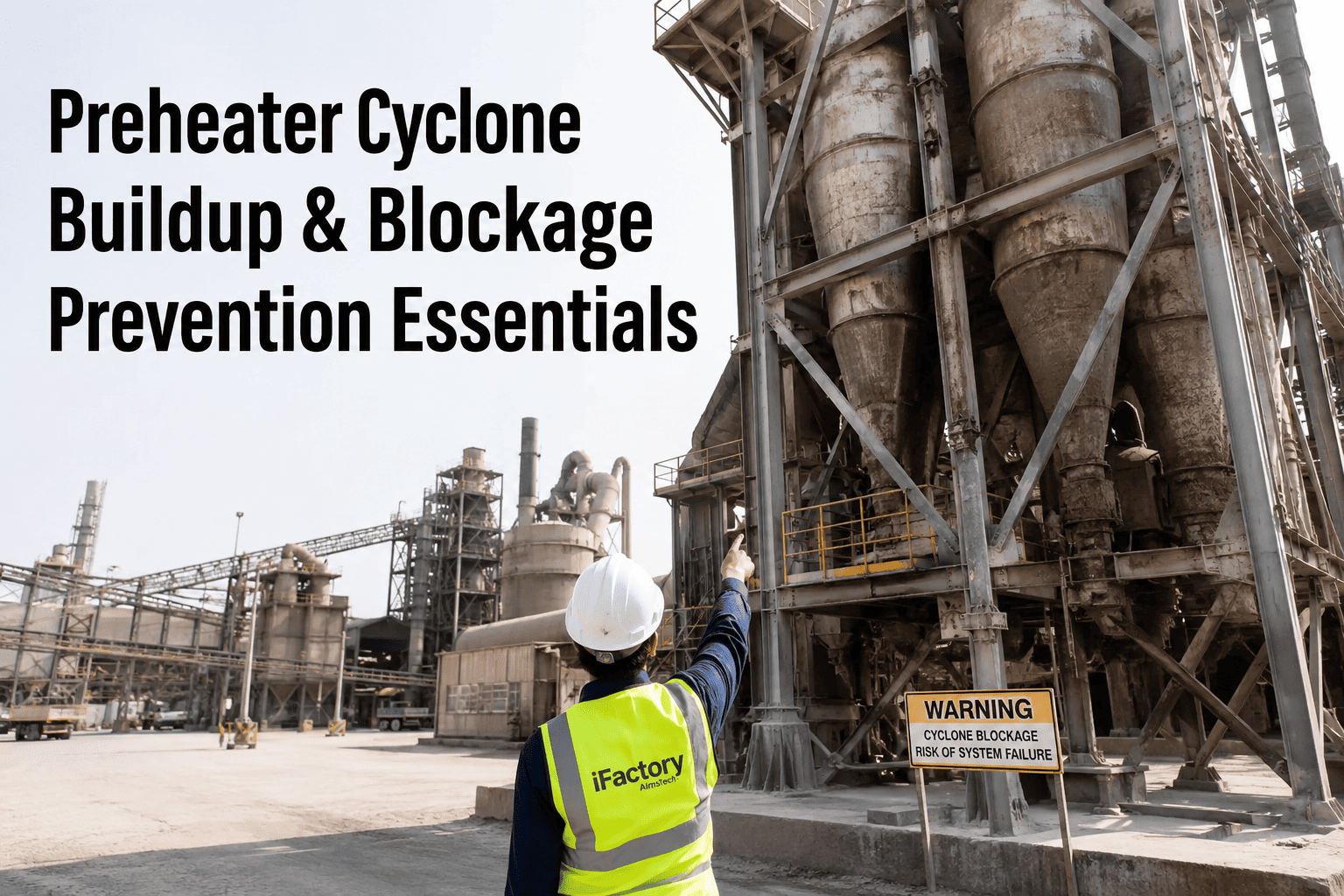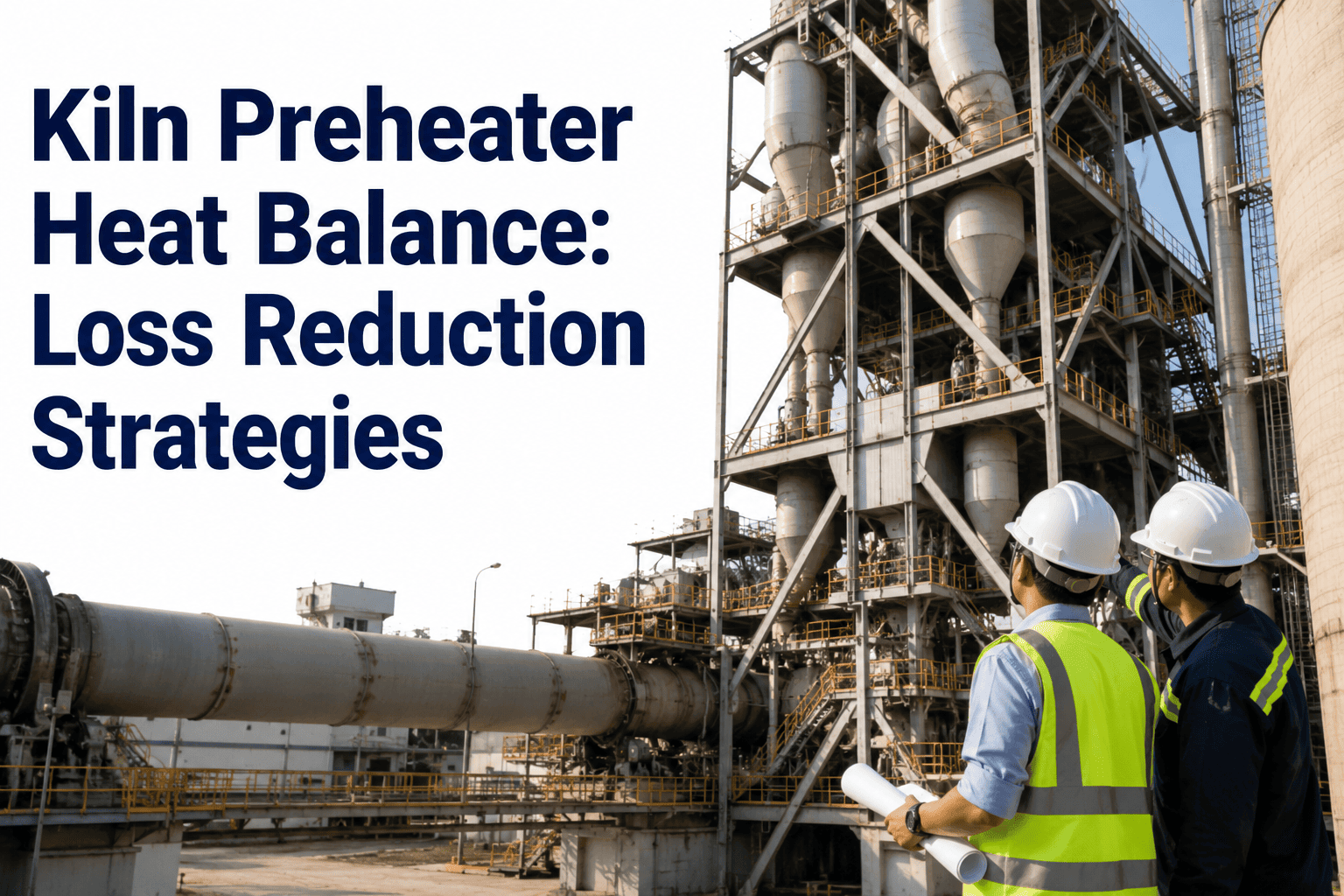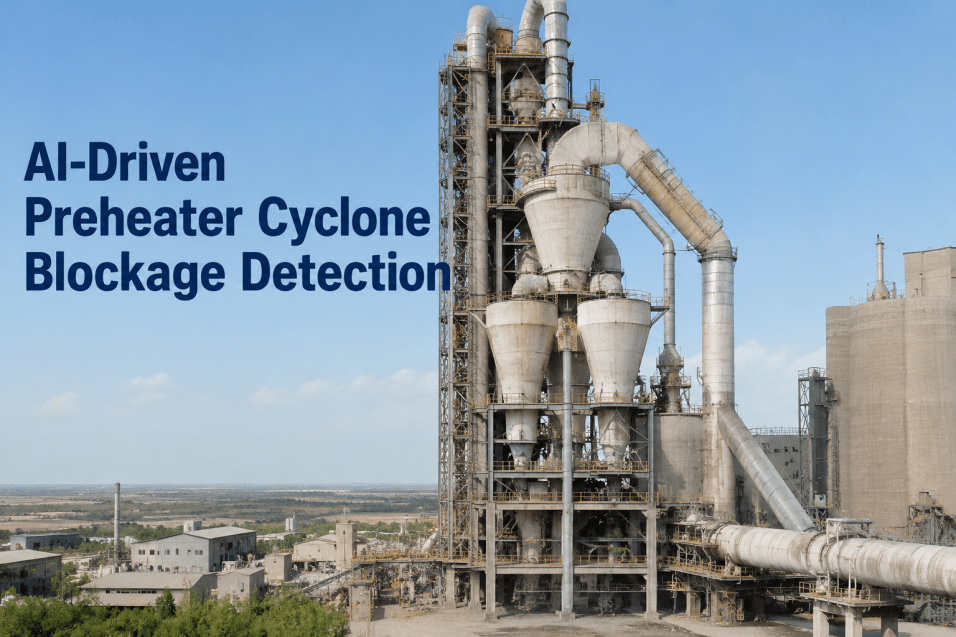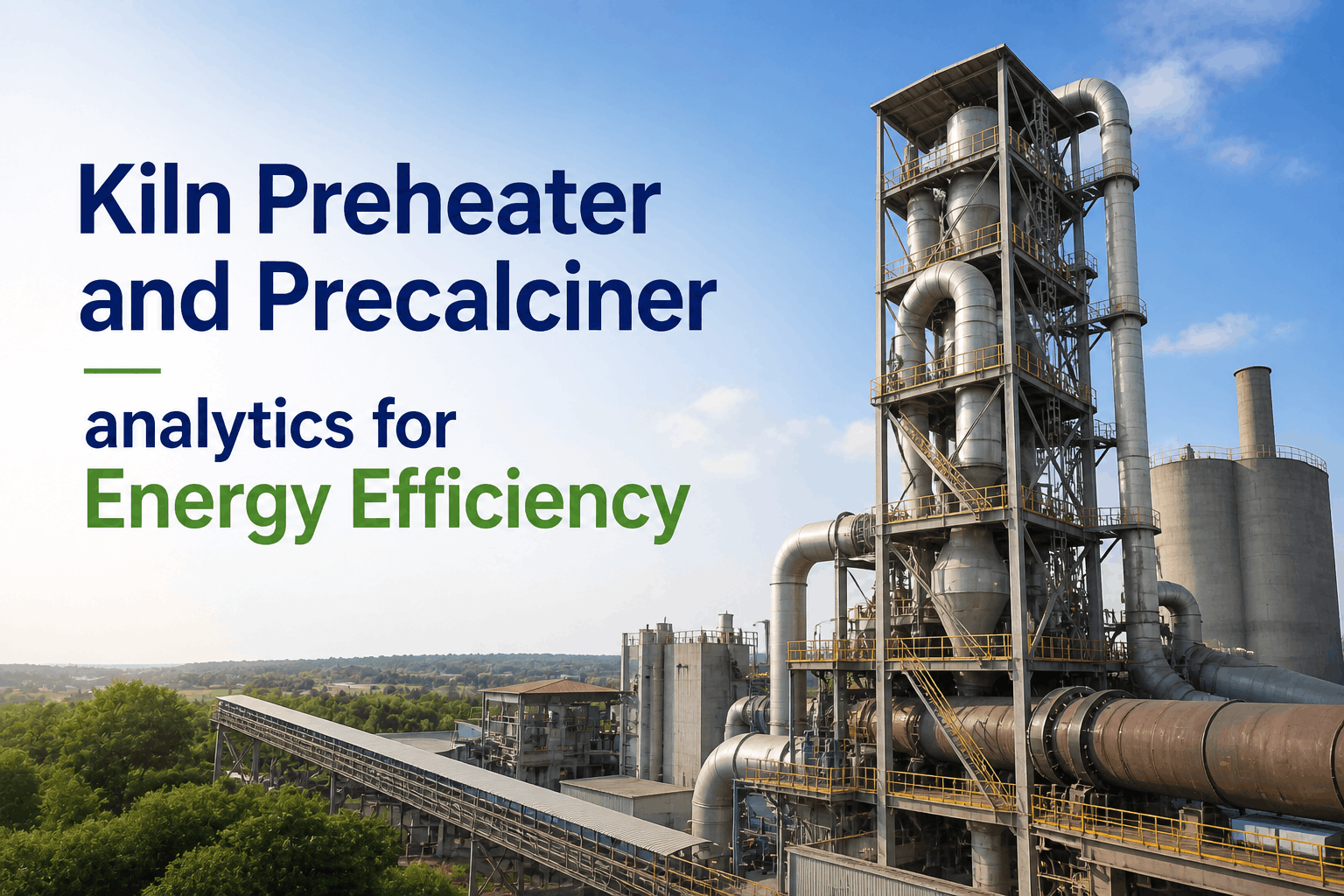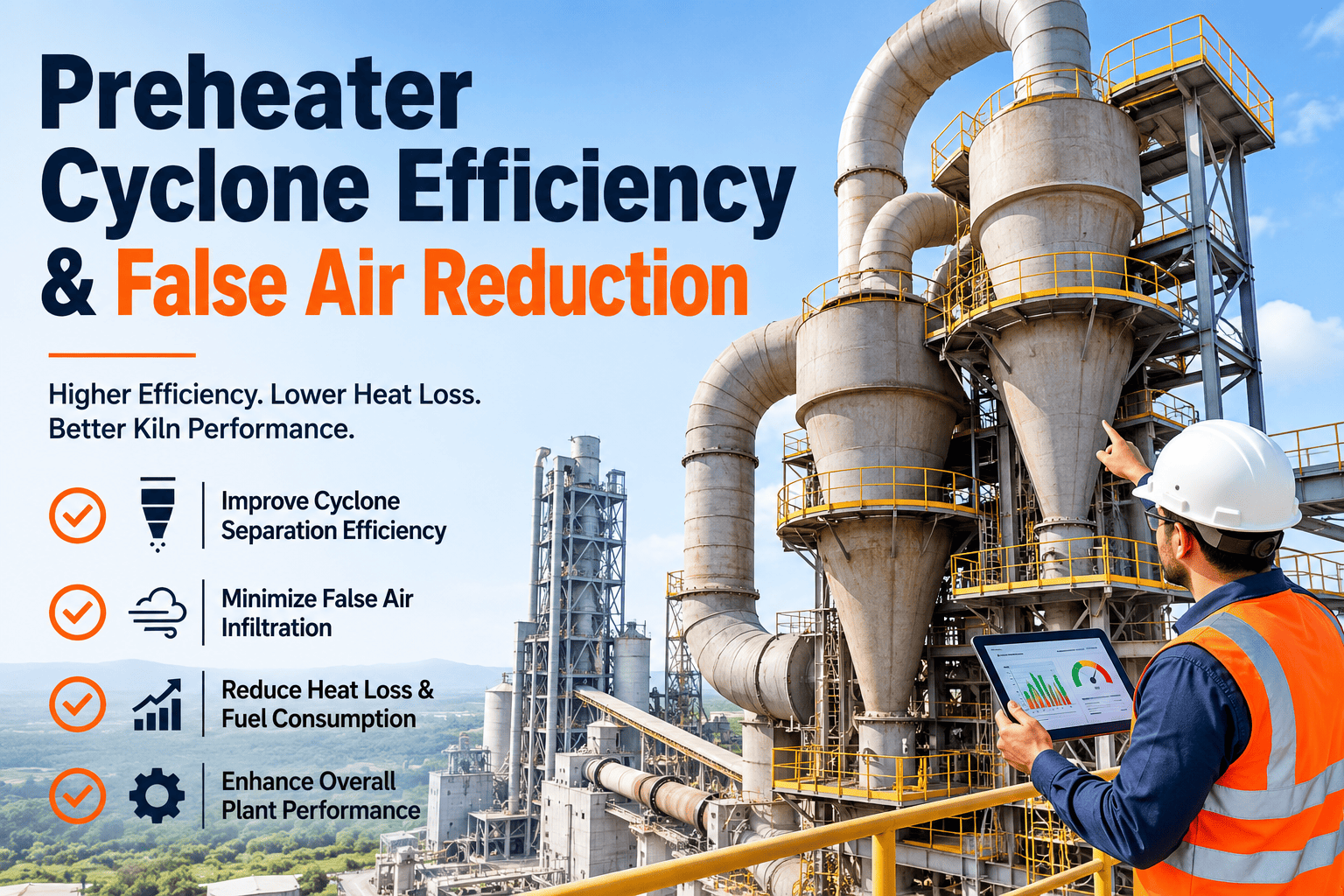
The cement manufacturing process is a symphony of thermal and mechanical precision, where the preheater tower stands as a critical gatekeeper of energy efficiency. Within this towering structure, cyclones perform the vital task of separating hot meal from gas, enabling counter-current heat exchange that drives calcination. Yet, a silent saboteur often undermines this process: false air infiltration. Unwanted air entering the system dilutes hot gases, reduces cyclone collection efficiency, and forces the kiln to burn more fuel to maintain temperature. Industry studies reveal that each 1% increase in false air can elevate specific fuel consumption by 0.5% to 1%, directly impacting operational costs and carbon emissions. For plant managers and process engineers, optimizing cyclone performance and sealing air leaks is not just a maintenance task—it is a strategic imperative. This comprehensive guide delves into the mechanics of cyclone efficiency, the hidden pathways of false air, and actionable strategies to reclaim lost performance. Whether you are commissioning a new line or retrofitting an existing tower, understanding these principles is essential. Book a Demo to explore how digital monitoring can transform your preheater operations.
Optimize Your Preheater Performance
Reduce false air, boost cyclone efficiency, and cut fuel consumption by up to 10% with targeted interventions.
Cyclone Collection Mechanics
Cyclone separators rely on centrifugal force to separate solid particles from gas streams. The efficiency of this separation depends on inlet velocity, cyclone diameter, cone length, and dust loading. For cement preheaters, a collection efficiency above 95% is essential to prevent recirculation of fine particles, which increases heat loss and pressure drop. Modern designs incorporate optimized scroll inlets and vortex finders to enhance separation without excessive energy consumption. Computational fluid dynamics (CFD) modeling has become a standard tool for retrofitting existing cyclones to achieve higher efficiency.
False Air Infiltration Pathways
False air enters the preheater system through multiple points: worn-out expansion joints, leaky inspection doors, damaged refractory, and improperly sealed flanges. Even small gaps can allow significant air ingress due to the negative pressure inside the tower. For example, a 10 mm gap around a door can admit over 100 m3/h of cold air, disrupting thermal balance. Regular thermographic surveys and pressure mapping are effective for locating these leaks. Once identified, sealing with high-temperature gaskets or ceramic coatings can restore integrity.
Impact on Heat Exchange
False air reduces the temperature of the gas stream, weakening the driving force for heat transfer to the raw meal. This forces the calciner to burn more fuel to achieve the same degree of calcination. Additionally, increased gas volume raises the velocity in the riser ducts, which can lead to higher pressure drop and potential entrainment of coarse particles. The net effect is a downward spiral of efficiency: more fuel, higher fan power, and increased CO2 emissions. Addressing false air is one of the most cost-effective measures for reducing the carbon footprint of cement production.
Measurement and Monitoring
Accurate measurement of false air is the first step toward reduction. Traditional methods include oxygen balance calculations and tracer gas tests. However, continuous online monitoring using oxygen analyzers at multiple points in the preheater tower provides real-time data for rapid response. Advanced systems integrate these measurements with process control to automatically adjust damper positions or alert operators to developing leaks. Investing in such instrumentation pays for itself within months through fuel savings.
Step-by-Step Optimization Plan
Baseline Assessment
Conduct a comprehensive audit of the preheater tower, including oxygen profiling at each stage, pressure drop measurements, and visual inspection of all seals and doors. Use a calibrated pitot tube to measure gas velocities and calculate false air percentages.
Leak Sealing
Prioritize sealing of the largest leaks first. Use ceramic-based sealants for expansion joints and high-temperature silicone for door gaskets. For refractory cracks, apply a refractory mortar with low thermal conductivity. Verify seal integrity with a follow-up thermographic scan.
Cyclone Modification
For cyclones with efficiency below 90%, consider retrofitting with optimized inlet vanes or a longer vortex finder. CFD simulation can identify the most effective geometry changes without costly trial and error. In some cases, replacing the cyclone body with a modern high-efficiency design yields the best return.
Continuous Monitoring
Install online oxygen analyzers at key locations and connect them to a central control system. Set alarms for deviations from baseline. Use trend analysis to detect gradual deterioration of seals or cyclone performance. Regularly calibrate instruments to maintain accuracy.
Performance Review
After implementing changes, recalculate the specific fuel consumption and compare with baseline. Document all modifications and their impact. Share findings with the operations team and schedule periodic reviews to sustain gains. This data also supports future capital investment justifications.
Ready to Reduce Your Fuel Bill?
Our experts help cement plants worldwide achieve 5-10% fuel savings through preheater optimization. Start your journey today.
False Air Impact on Key Parameters
| False Air (%) | Fuel Increase (%) | Pressure Drop (mbar) | Exit Gas Temp (C) | Cyclone Efficiency (%) |
|---|---|---|---|---|
| 0 | 0 | 45 | 320 | 96 |
| 2 | 1.0 | 48 | 315 | 94 |
| 4 | 2.5 | 52 | 308 | 91 |
| 6 | 4.0 | 57 | 300 | 88 |
| 8 | 6.0 | 63 | 290 | 84 |
| 10 | 8.0 | 70 | 278 | 80 |
Progress Indicators for Optimization
Frequently Asked Questions
What is the most common source of false air in a preheater tower?
The most common sources are expansion joints between stages, inspection doors that are not properly sealed, and flanges connecting duct sections. Over time, thermal cycling causes these components to warp or degrade, creating gaps. A systematic inspection program using thermal imaging and pressure differential measurements can identify these leaks. Once found, they can be sealed with appropriate high-temperature materials. For a detailed walkthrough, Book a Demo with our process specialists.
How does false air affect cyclone collection efficiency?
False air increases the gas volume flowing through the cyclone, which raises the upward velocity in the cone. This can re-entrain already separated particles back into the gas stream, reducing overall collection efficiency. Additionally, the extra air cools the gas, altering the viscosity and density, which further impairs separation. The result is higher dust recirculation, increased pressure drop, and more fuel consumption. Addressing false air can restore cyclone efficiency by 5-10 percentage points. For a customized analysis, Book a Demo.
What is the acceptable level of false air in a preheater?
Industry best practice aims for total false air below 5% of the kiln exhaust gas volume. However, many older plants operate with 8-12% false air. A target of 3% or less is achievable with modern sealing techniques and continuous monitoring. Each percentage point reduction translates to significant fuel savings. The investment in sealing and monitoring typically has a payback period of less than one year. For a benchmark assessment of your plant, Book a Demo.
Can cyclone design modifications reduce false air impact?
Yes, modifying cyclone geometry can mitigate some effects of false air. For instance, increasing the vortex finder length or optimizing the inlet vane angle can improve separation efficiency even at higher gas volumes. However, design changes should be based on CFD modeling to avoid unintended consequences such as increased pressure drop. Retrofitting with modern high-efficiency cyclones is another option, especially for older towers. Our team can simulate your conditions and recommend the best approach. Book a Demo to learn more.
How often should false air measurements be taken?
For optimal control, continuous online measurement is recommended using oxygen analyzers at multiple stages. Manual measurements with a portable analyzer should be conducted at least quarterly, or whenever a significant change in fuel consumption is observed. After any maintenance or modification, a baseline measurement should be repeated. Trend analysis helps detect gradual degradation before it becomes costly. For assistance setting up a monitoring program, Book a Demo.
Transform Your Preheater Performance
Stop losing fuel to false air. Our proven methodology delivers measurable results. Schedule a consultation with our cement experts today.