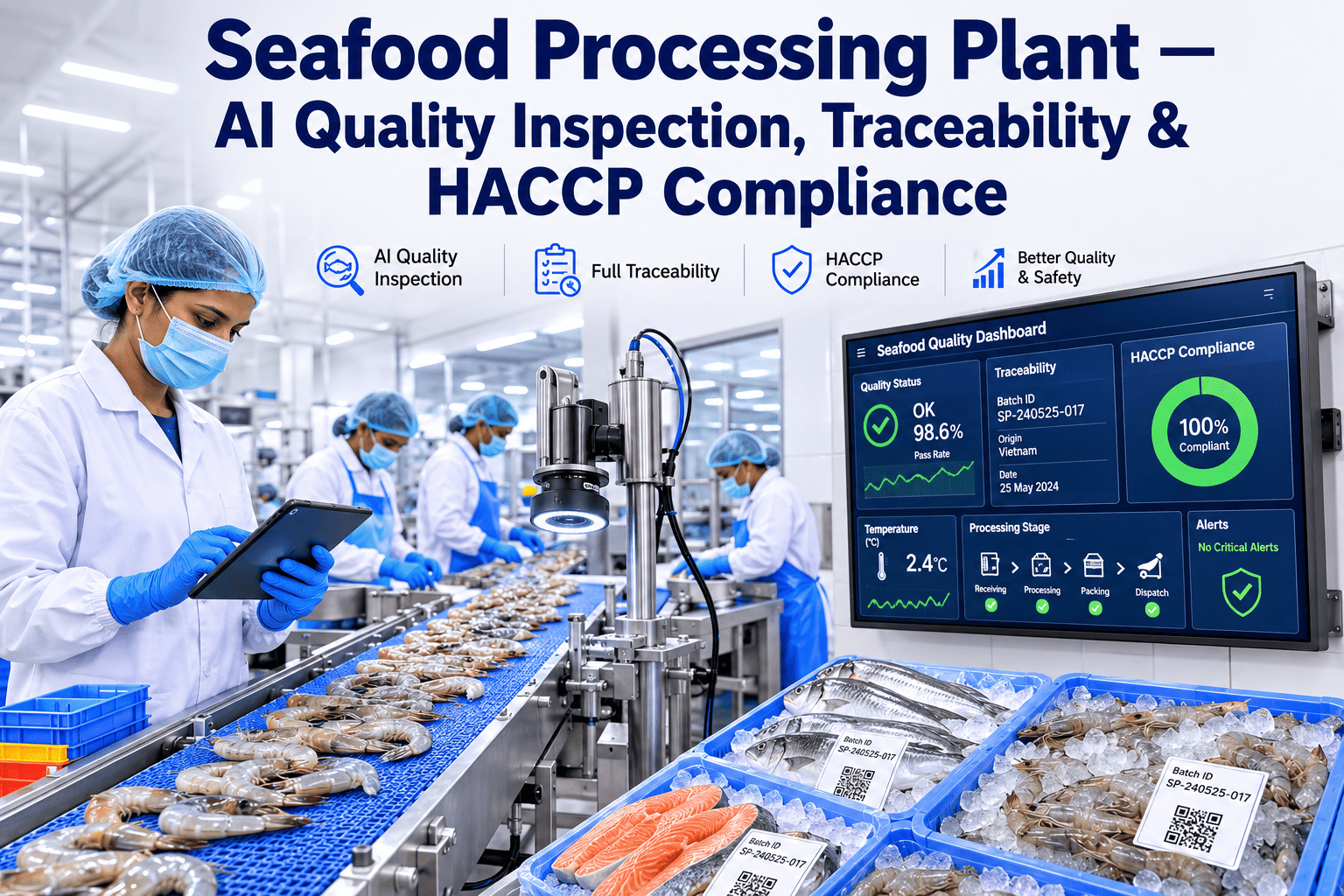
In the high-stakes world of seafood processing, where freshness degrades by the minute and regulatory compliance is non-negotiable, traditional quality control methods are no longer sufficient. Plant managers face relentless pressure to maximize yield, ensure absolute food safety, and maintain rigorous traceability from catch to customer. The integration of artificial intelligence into seafood processing operations is not just an upgrade—it is a fundamental transformation. AI-driven systems now enable real-time freshness grading, automated species authentication to combat fraud, continuous histamine monitoring to prevent scombroid poisoning, and end-to-end HACCP traceability that satisfies the most stringent global standards. This comprehensive guide explores how AI is redefining every critical aspect of seafood processing, from the moment fish are landed to the final packaging and cold chain dispatch. For plant managers seeking a competitive edge in efficiency, compliance, and product quality, the path forward is clear. Book a Demo to see how iFactory's AI solutions can revolutionize your seafood processing plant.
Revolutionize Seafood Processing with AI-Powered Quality & Traceability
Achieve 99.5% grading accuracy, reduce waste by 18%, and ensure full HACCP compliance with real-time AI monitoring.
The AI-Driven Seafood Processing Ecosystem: A Deep Dive
Real-Time Freshness Grading
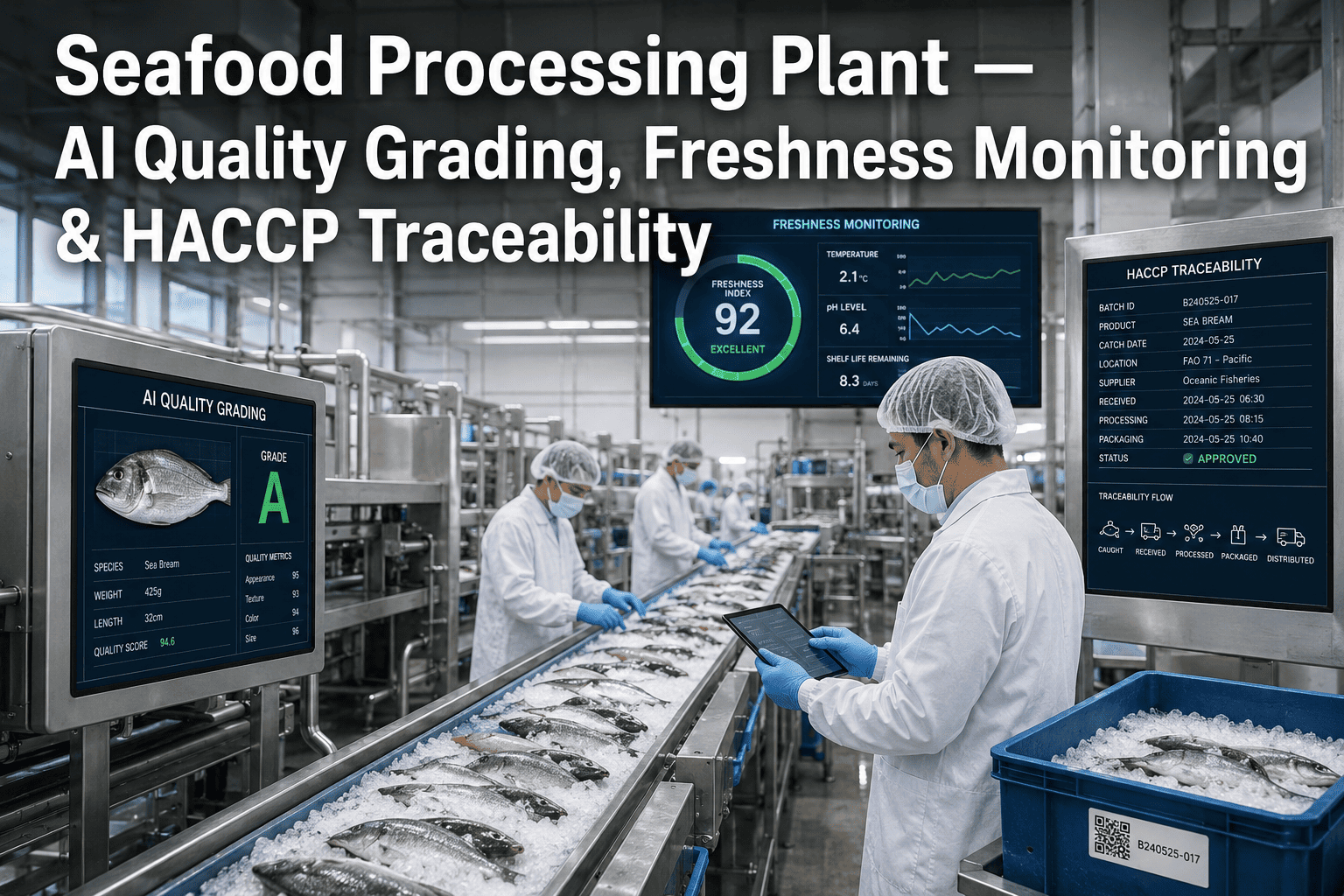
AI vision systems analyze color, texture, and eye clarity to assign a freshness score from 0 to 100. This allows for dynamic sorting, ensuring only the freshest fish reach premium markets while others are routed for secondary processing. The system learns from thousands of images, improving accuracy over time. By automating this process, plants can reduce manual labor costs by up to 40% and eliminate subjectivity in quality assessment. The result is a consistent, data-driven grading process that maximizes revenue per fish.
Automated Species Authentication
Seafood fraud costs the industry billions annually. AI-powered spectral analysis and machine learning models can identify species with over 99% accuracy, even in processed fillets. This technology cross-references DNA barcoding databases and visual characteristics to prevent mislabeling. For plant managers, this means full traceability from catch to plate, satisfying both regulatory requirements and consumer trust. The system can flag suspicious batches in real-time, enabling immediate corrective action.
Continuous Histamine Monitoring
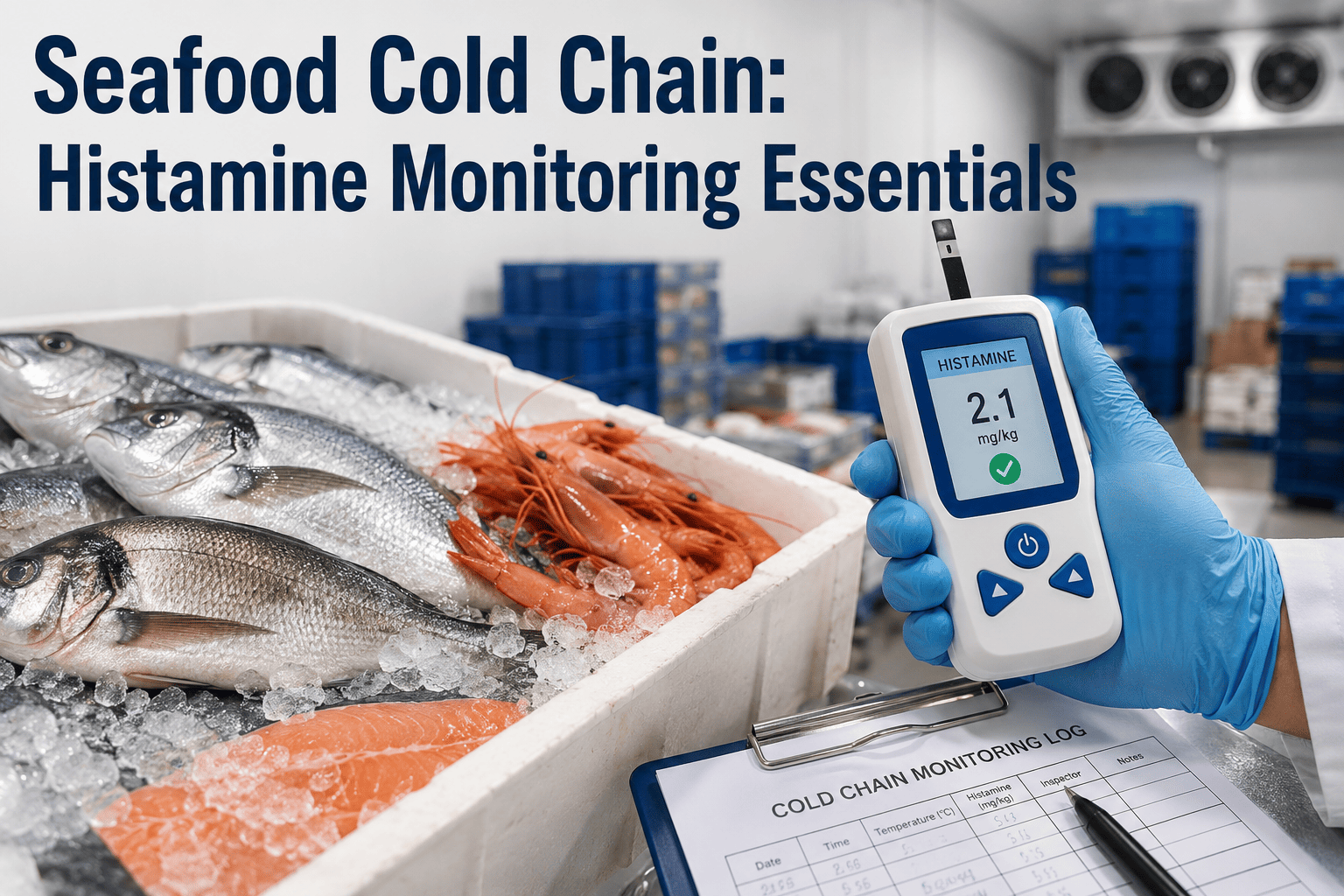
Histamine formation in scombroid fish like tuna and mackerel is a critical food safety hazard. AI-integrated sensors monitor temperature and time throughout the cold chain, predicting histamine levels before they reach dangerous thresholds. The system sends alerts when deviations occur, allowing for preemptive rerouting or reprocessing. This proactive approach reduces the risk of scombroid poisoning outbreaks and the associated liability. Historical data analysis also helps optimize cold chain protocols, reducing energy costs while maintaining safety.
End-to-End HACCP Traceability
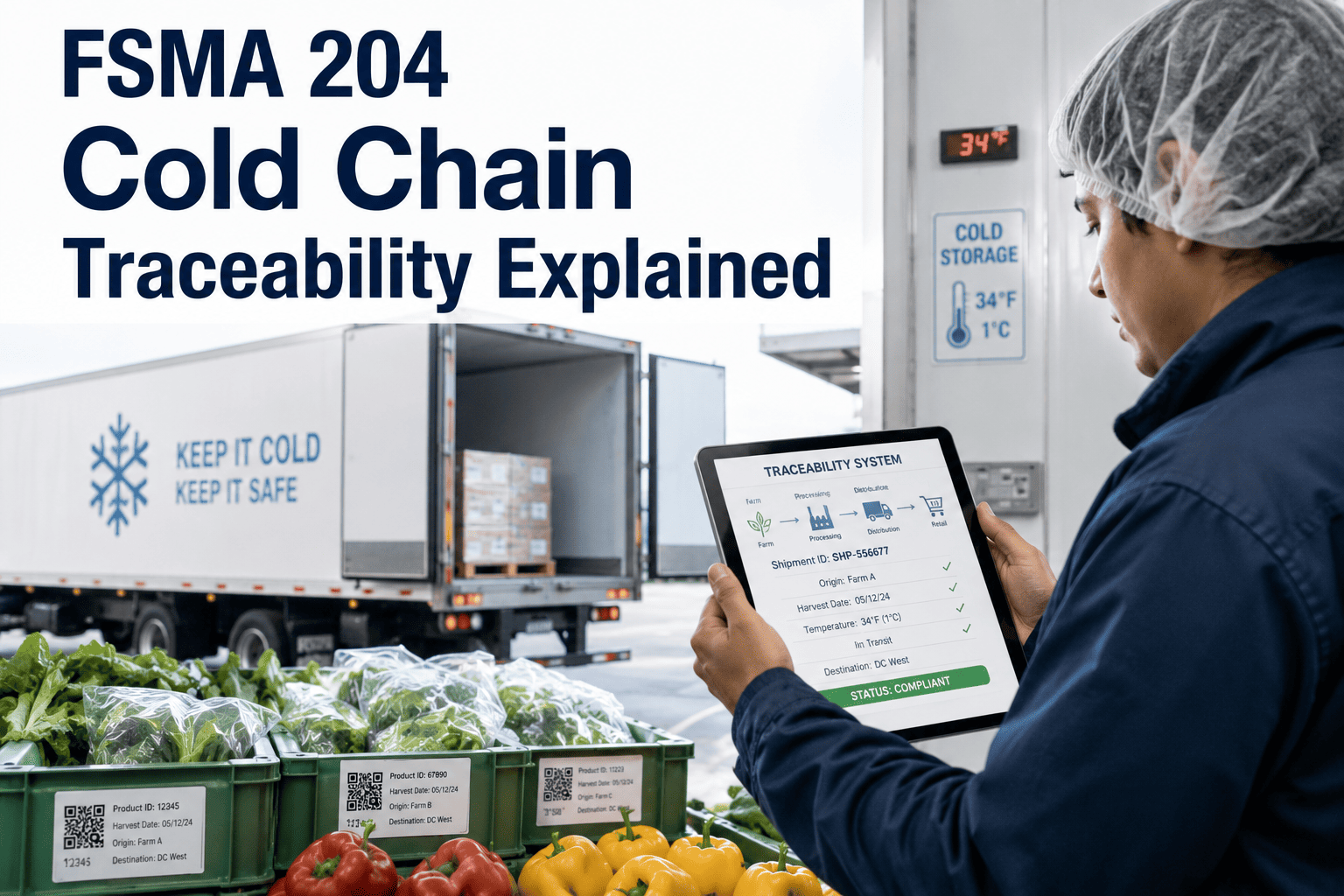
AI platforms digitize every step of the HACCP plan, from receiving to shipping. Sensors log temperature, humidity, and handling times, while computer vision records visual quality at each checkpoint. The system automatically generates compliance reports, eliminating manual paperwork and reducing audit preparation time by 70%. Blockchain integration ensures immutable records, building trust with retailers and regulators. This level of traceability is becoming a prerequisite for major supermarket chains and export markets.
How AI Transforms Key Seafood Processing Workflows
Receiving & Raw Material Inspection
Upon arrival, AI cameras scan each pallet for visual defects, size grading, and species verification. Sensors record core temperature and time since catch. The system assigns a quality score and automatically routes fish to the appropriate processing line. This reduces inspection time from minutes to seconds and ensures only compliant raw materials enter production.
Filleting & Portioning
AI-guided cutting machines use 3D vision to optimize fillet yield, adjusting cuts in real-time based on fish morphology. This increases yield by 5-8% compared to traditional methods. The system also detects bones and defects, triggering automatic removal. Data on yield per batch is fed back to procurement to optimize supplier selection.
Freezing & Cold Storage
AI monitors freezer performance, predicting maintenance needs before breakdowns occur. It optimizes blast freezing cycles to preserve texture and nutritional value. Temperature data is logged continuously for HACCP compliance. The system can also predict remaining shelf life based on temperature history, enabling dynamic pricing and inventory management.
Packaging & Labeling
Computer vision verifies label accuracy, including species, origin, and weight. AI ensures that packaging seals are intact and detects leaks or damage. This reduces customer complaints and returns. The system also generates unique QR codes for each package, linking to full traceability data that consumers can access.
Dispatch & Cold Chain Monitoring
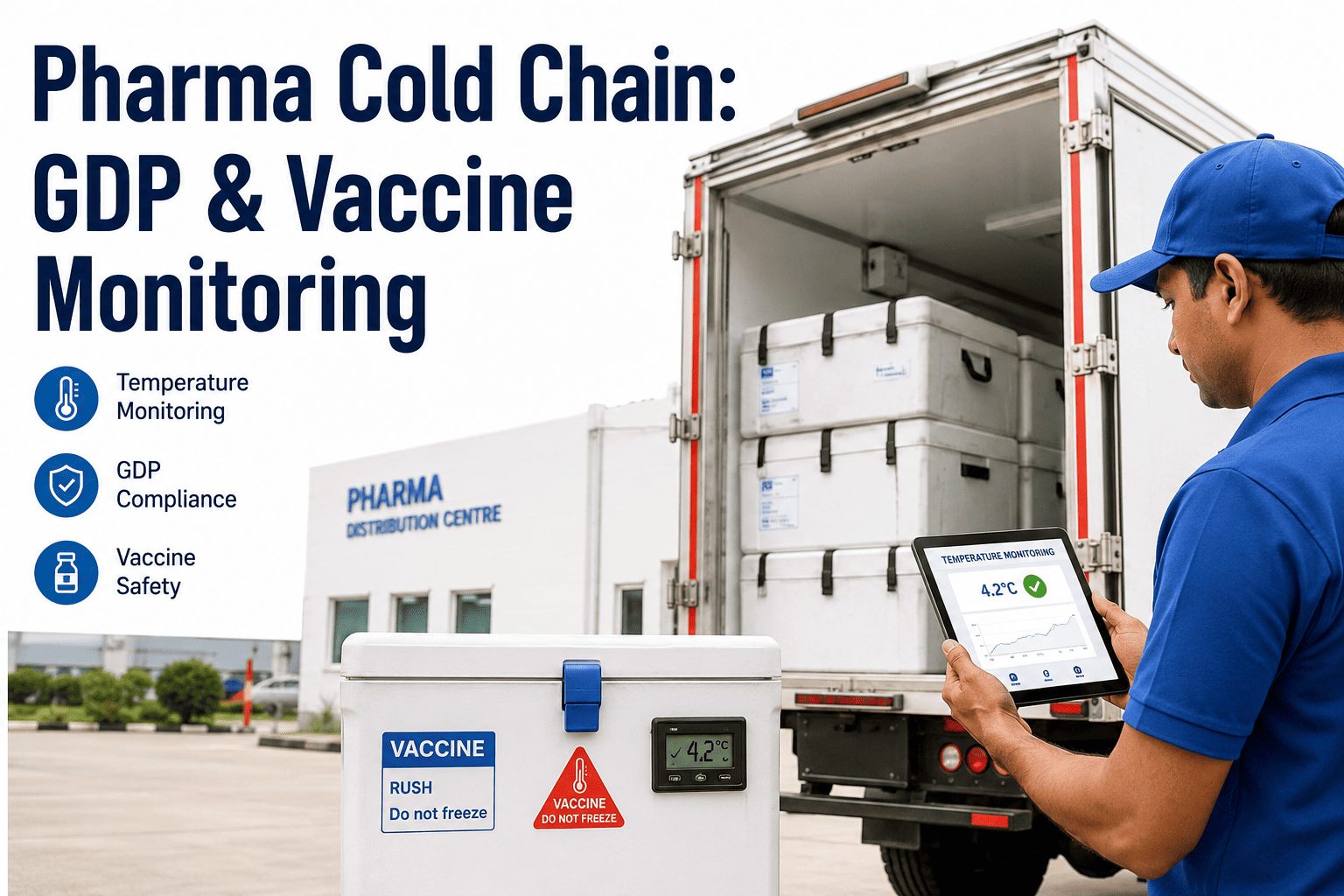
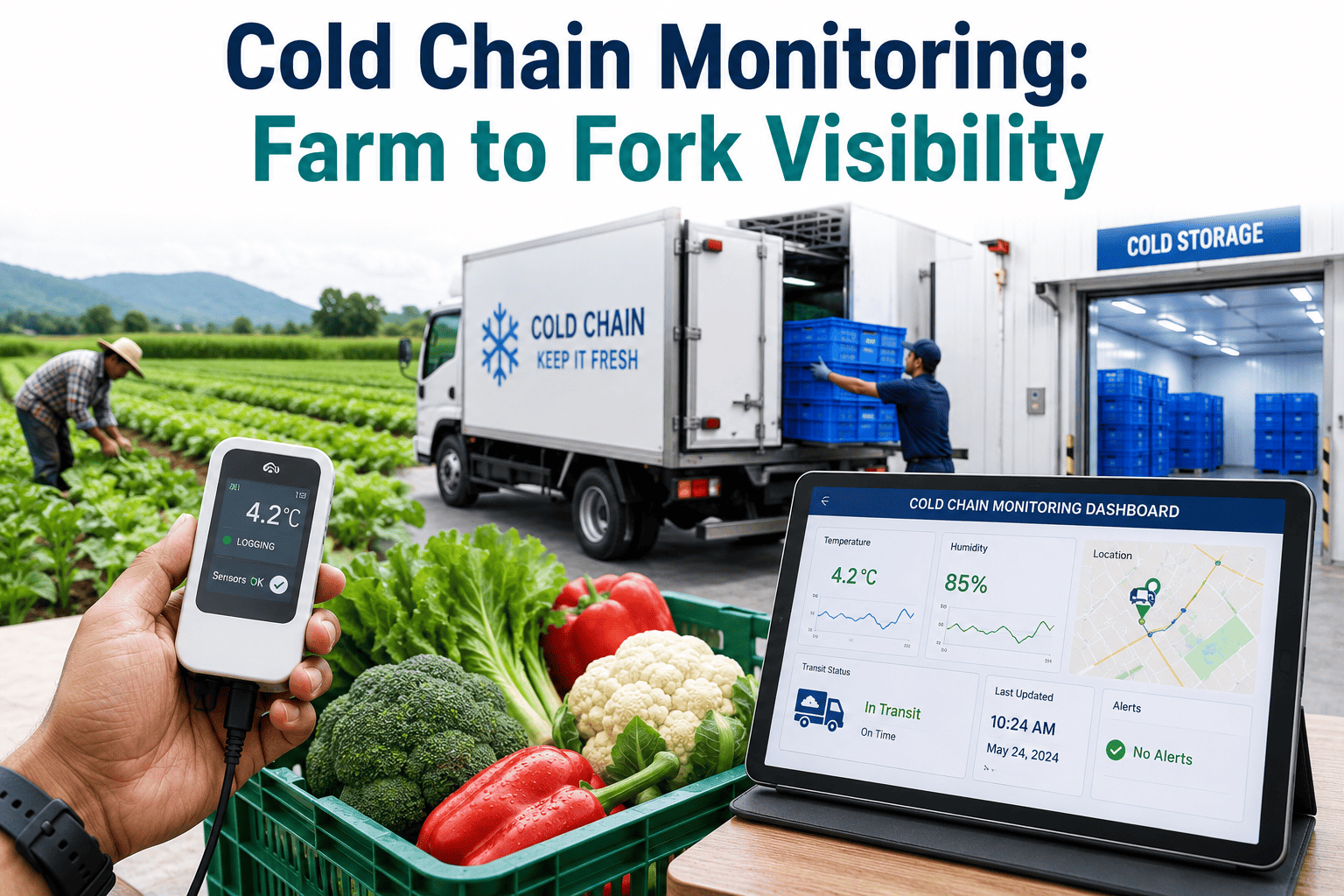
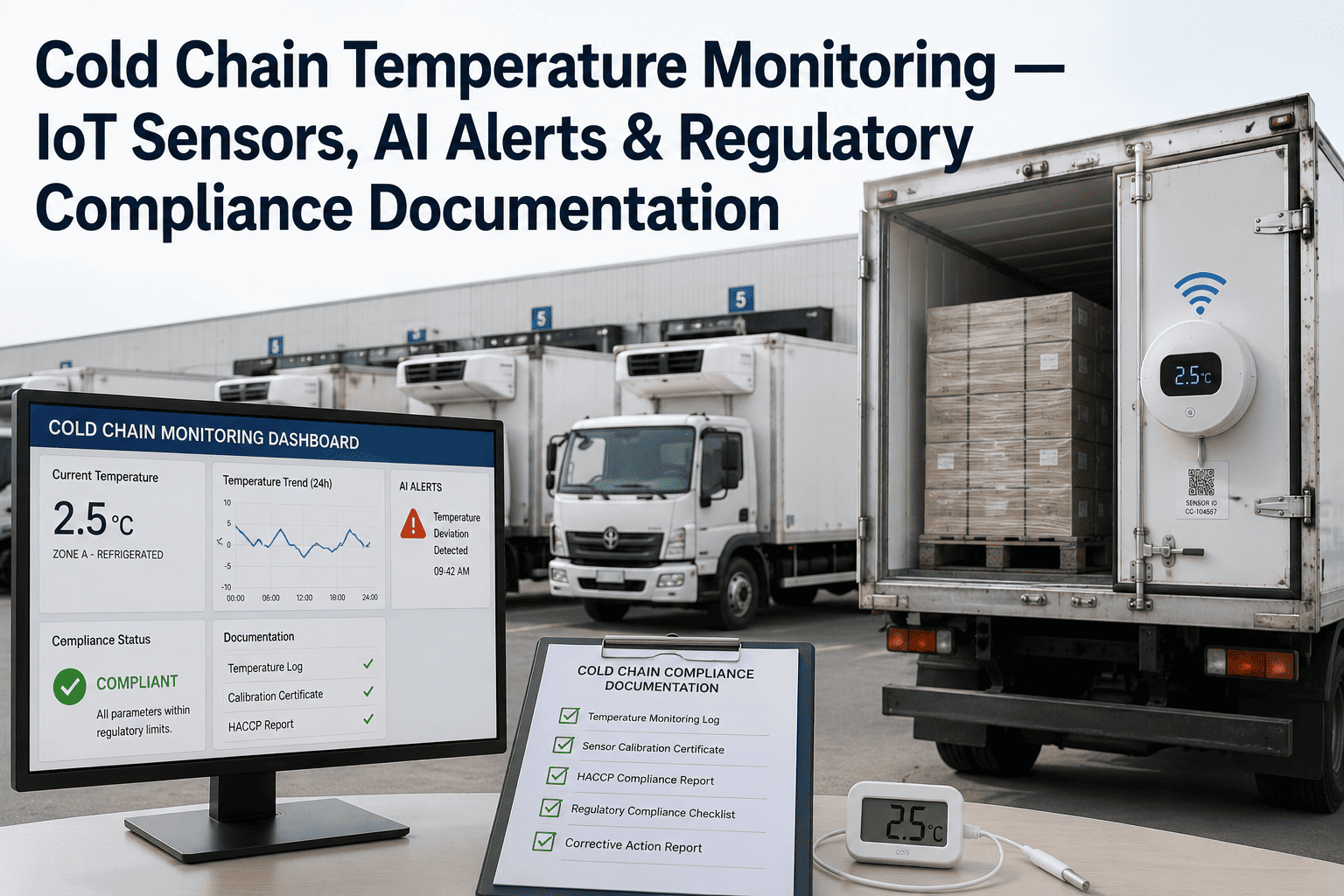
AI-enabled IoT sensors in trucks and containers transmit real-time location, temperature, and humidity data. If a deviation occurs, the system automatically alerts the logistics team and suggests corrective actions. This ensures that the cold chain remains intact from plant to retailer, preserving freshness and extending shelf life by up to 3 days.
Ready to Transform Your Seafood Processing Plant?
Implement AI-driven quality grading, traceability, and cold chain monitoring to boost efficiency and compliance.
Technical Architecture: AI Deployment in Seafood Plants
Sensor Layer
High-resolution cameras, hyperspectral imagers, temperature probes, and gas sensors capture data at every critical control point. These devices are IP69K rated for washdown environments and communicate via industrial IoT protocols like OPC-UA and MQTT.
Edge Computing
On-premise edge servers process data in real-time, with latency under 10 milliseconds. This enables immediate decisions for grading and routing without relying on cloud connectivity. Models are trained on historical data and updated periodically from the cloud.
AI/ML Pipeline
Convolutional neural networks (CNNs) for image analysis, recurrent neural networks (RNNs) for time-series temperature monitoring, and transformer models for anomaly detection. The pipeline is modular, allowing plants to deploy specific models based on their product mix and regulatory requirements.
Data Integration & Reporting
All data flows into a centralized platform that integrates with existing ERP and MES systems. Custom dashboards provide real-time KPIs on yield, throughput, quality, and compliance. Automated reports are generated for HACCP, FDA, and EU regulations, reducing administrative burden.
Quantifiable Benefits: ROI of AI in Seafood Processing
| Metric | Before AI | After AI | Improvement |
|---|---|---|---|
| Quality Grading Accuracy | 85% | 99.5% | +17% |
| Yield from Filleting | 62% | 68% | +6% |
| Manual Inspection Time (per pallet) | 12 minutes | 2 minutes | -83% |
| Cold Chain Breaches (per month) | 15 | 2 | -87% |
| HACCP Audit Preparation (hours) | 40 | 12 | -70% |
| Customer Complaints (per month) | 22 | 4 | -82% |
Implementation Roadmap: From Assessment to Full Deployment
Phase 1: Assessment & Planning
Conduct a thorough audit of current workflows, equipment, and data infrastructure. Identify high-impact areas for AI deployment, such as receiving inspection or cold chain monitoring. Define KPIs and success criteria. This phase typically takes 2-4 weeks.
Phase 2: Pilot Deployment
Install sensors and edge computing on one production line. Train AI models using historical data and fine-tune them with live data. Run parallel operations to validate accuracy and ROI. Duration: 4-6 weeks.
Phase 3: Full Rollout
Scale the solution across all lines and critical control points. Integrate with existing ERP and MES systems. Train staff on new workflows and dashboards. Continuous monitoring and model updates. Duration: 8-12 weeks.
Phase 4: Optimization & Expansion
Analyze data from full deployment to identify further optimization opportunities. Expand AI capabilities to predictive maintenance, energy optimization, and demand forecasting. Ongoing support and model refinement. Duration: ongoing.
Compliance & Regulatory Alignment
FDA Seafood HACCP
AI systems automatically log critical control points (CCPs) and monitor deviations in real-time. The platform generates HACCP records that meet FDA requirements, including corrective action logs. This reduces the risk of non-compliance during inspections and ensures rapid response to any food safety issues.
EU Regulation (EC) No 853/2004
For plants exporting to the European Union, AI ensures compliance with hygiene and traceability requirements. The system tracks each batch from receipt to dispatch, recording all processing parameters. Blockchain integration provides tamper-proof records that satisfy EU import controls.
Global Food Safety Initiative (GFSI)
AI-driven traceability and quality monitoring support certification under GFSI benchmarked standards like BRC, IFS, and SQF. The platform automates many audit requirements, including supplier verification, allergen management, and food defense plans.
Country-Specific Labeling Laws
AI systems can be configured to comply with country-of-origin labeling (COOL) requirements in the US, EU, and other markets. The platform automatically generates labels with correct origin, species, and catch method, reducing the risk of costly mislabeling fines.
Frequently Asked Questions
How does AI determine seafood freshness in real-time?
AI systems use a combination of computer vision and near-infrared spectroscopy to assess freshness indicators. The camera captures high-resolution images of the fish's skin, eyes, and gills, analyzing color, opacity, and texture. Spectroscopic sensors detect biochemical changes such as nucleotide breakdown (K-value) and lipid oxidation. These data points are fed into a machine learning model trained on thousands of samples with known freshness grades. The model outputs a freshness score in seconds, allowing for immediate sorting. This method is far more consistent than human visual inspection and can detect subtle changes that are invisible to the naked eye. For more details on how this integrates with your existing workflow, Book a Demo.
What is the ROI timeline for implementing AI in a seafood processing plant?
The typical ROI timeline is 12 to 18 months, depending on the scale of deployment and the specific use cases. Plants that focus on high-impact areas like yield optimization and cold chain monitoring often see payback within the first year. For example, a medium-sized plant processing 50 tons of fish per day can save over $500,000 annually through a 6% increase in fillet yield and a 30% reduction in waste. Additionally, reduced customer complaints and compliance penalties contribute to the financial benefits. The initial investment includes sensors, edge computing hardware, software licensing, and integration services. Ongoing costs are minimal, primarily for model updates and support. To get a personalized ROI estimate for your plant, Book a Demo.
Can AI systems handle multiple species and product types simultaneously?
Yes, modern AI platforms are designed to handle a diverse product mix. The system uses modular models that can be trained on different species, cuts, and packaging formats. When a new product is introduced, the model can be fine-tuned with as few as 500 images to achieve high accuracy. The platform automatically switches between models based on the product being processed, using barcode or RFID scanning to identify the batch. This flexibility is critical for plants that process multiple species like salmon, tuna, cod, and shrimp on the same line. The system also adapts to seasonal variations in fish quality and appearance. For a demonstration of how this works with your product range, Book a Demo.
How does AI ensure data security and compliance with food safety regulations?
Data security is built into the architecture from the ground up. All data transmitted between sensors and edge servers is encrypted using TLS 1.3. The edge servers process data locally, minimizing exposure to external networks. Only anonymized aggregate data is sent to the cloud for model training, and this is done with explicit consent and compliance with GDPR and other privacy regulations. For HACCP compliance, the system generates immutable audit trails using blockchain technology. Each record is time-stamped and cryptographically signed, ensuring that it cannot be altered retroactively. The platform also supports role-based access control, so only authorized personnel can view or modify records. Regular security audits and penetration testing are conducted to maintain the highest standards. To discuss your specific security requirements, Contact Support.
What kind of training and support is provided for plant staff?
We provide comprehensive training programs tailored to different roles within the plant. Operators receive hands-on training on the user interface, including how to interpret AI scores and respond to alerts. Maintenance staff are trained on sensor calibration and basic troubleshooting. Quality assurance teams learn how to configure HACCP parameters and generate reports. The training is delivered through a combination of on-site workshops, virtual sessions, and e-learning modules. After deployment, we offer 24/7 technical support with a guaranteed response time of under 2 hours for critical issues. Our support team includes food safety experts and AI engineers who can assist with model updates and optimization. For ongoing support needs, Contact Support.
Future-Proof Your Seafood Processing Plant with AI
Achieve unparalleled quality, safety, and efficiency. Schedule a personalized demo today.