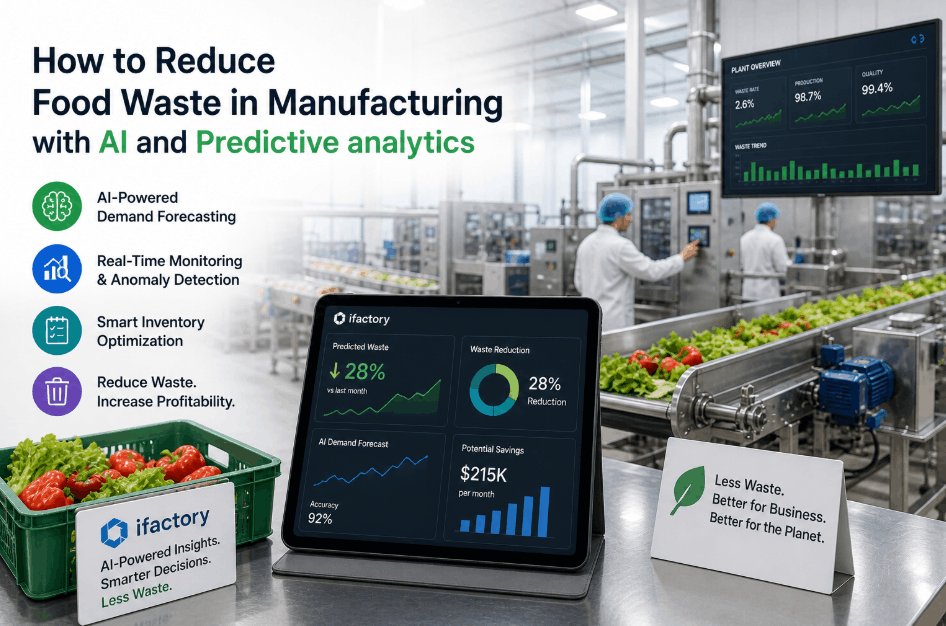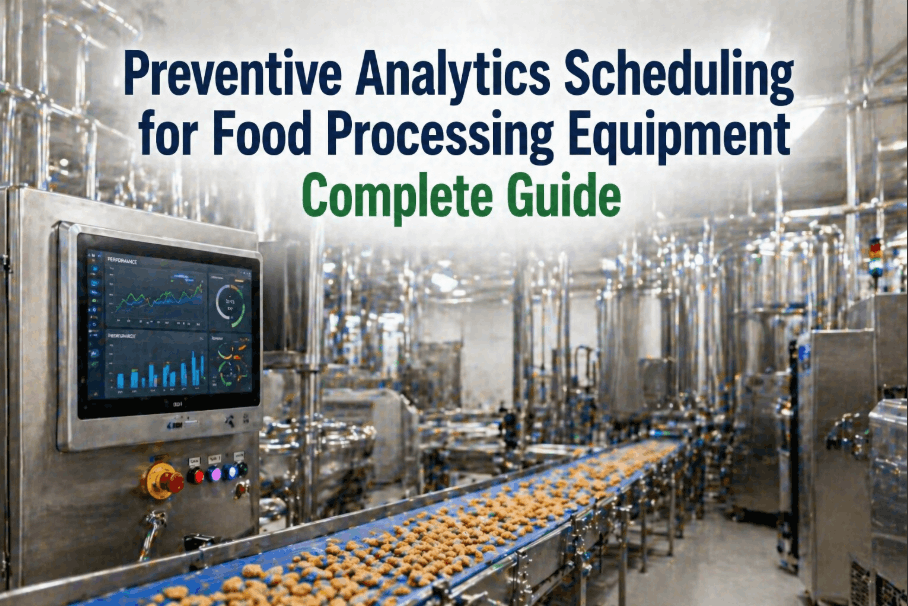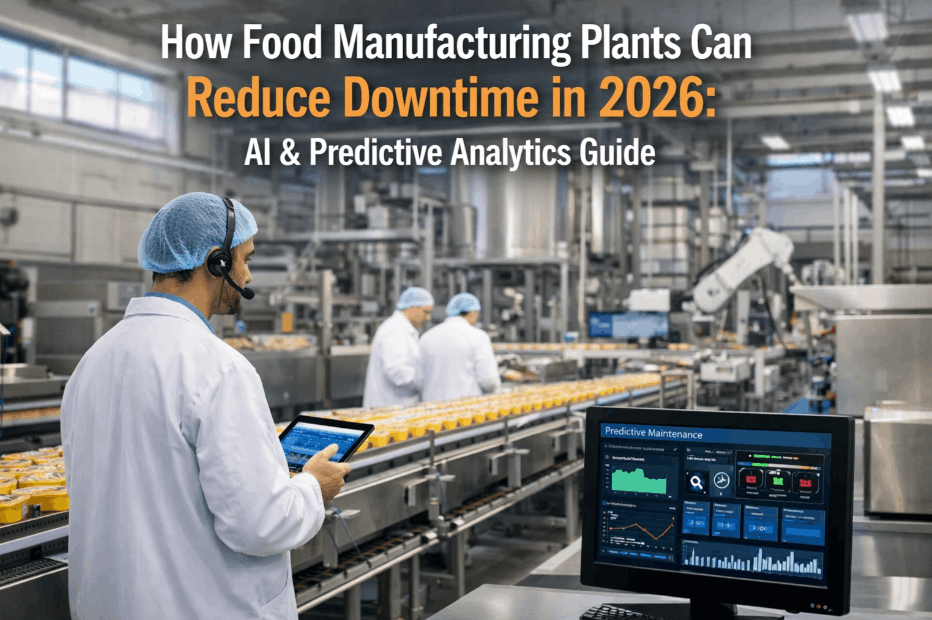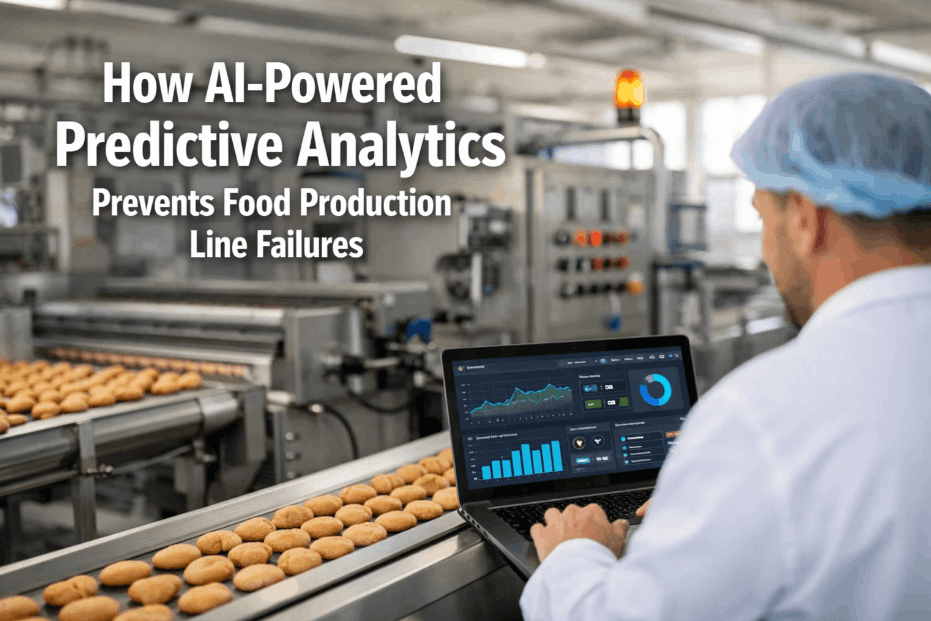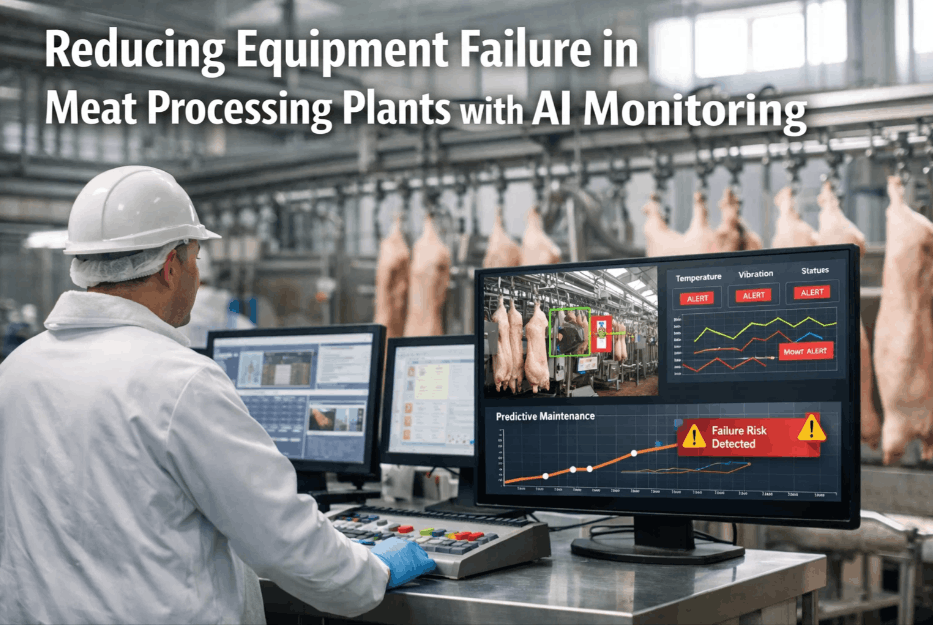
Equipment failure in meat processing plants doesn't just cost downtime — it triggers USDA non-compliance events, cold chain violations, and contamination risks that can result in facility shutdowns and Class I recalls. In 2026, AI-powered equipment monitoring systems are transforming how meat processors predict, prevent, and document mechanical failures before they reach the production floor. With kill floor throughput pressures intensifying and labor shortages reducing manual inspection frequency, book a demo to see how iFactory's predictive analytics platform keeps your meat processing equipment running at peak compliance and operational efficiency.
Prevent Equipment Failures Before They Stop Your Line
iFactory's AI monitoring platform delivers real-time predictive alerts, equipment health scoring, and automated maintenance records — purpose-built for the demands of meat processing operations.
Why Equipment Failure Rates Are Rising in Meat Processing Plants
Meat processing environments are among the most mechanically demanding in food manufacturing. High-speed slaughter lines, deboning equipment, grinding systems, and chilling conveyors operate under extreme thermal cycling, moisture exposure, and continuous mechanical stress — conditions that accelerate wear patterns conventional maintenance schedules cannot track precisely enough. As facilities push throughput targets higher to offset labor cost inflation, equipment run times are increasing while inspection windows are shrinking. The result is a growing gap between the maintenance intervals that asset health requires and the maintenance intervals that production schedules allow.
AI-powered equipment monitoring systems for meat processing plants close this gap by moving beyond scheduled maintenance cycles to condition-based monitoring. Rather than replacing a bearing at 3,000 hours regardless of its actual wear state, AI analytics evaluate real-time vibration signatures, temperature gradients, and current draw patterns to identify the specific point at which intervention is needed — preventing both premature replacement and catastrophic failure. Facilities using book a demo to understand how condition-based monitoring reduces maintenance costs while extending equipment service life simultaneously.
How AI Monitoring Systems Detect Equipment Failures Early
Predictive maintenance in meat processing relies on machine learning models trained on equipment-specific failure signatures — the acoustic, thermal, electrical, and mechanical patterns that precede breakdowns by days or weeks. When an AI analytics platform monitors a band saw or a grinder motor, it isn't just checking whether the equipment is running. It is continuously comparing current operating signatures against baseline performance models and known failure precursors, scoring asset health in real time and flagging deviations that indicate developing faults before they manifest as production stoppages.
Bearing and Gear Fault Detection Weeks in Advance
AI models trained on vibration frequency spectra identify bearing race defects, gear tooth wear, and imbalance signatures that precede catastrophic failure — giving maintenance teams a precise intervention window rather than a surprise breakdown during peak production hours.
Motor and Drive Overheating Before Shutdown Events
Temperature trending algorithms detect abnormal heat buildup in motor windings, gearbox housings, and hydraulic systems weeks before thermal cutout events — allowing corrective action during scheduled maintenance windows instead of mid-shift production emergencies.
Electrical Fault Detection Without Mechanical Sensors
Motor current signature analysis detects rotor bar damage, winding insulation degradation, and load imbalances through existing electrical connections — expanding predictive coverage to equipment where physical sensor installation is impractical in high-sanitation meat processing zones.
Production Rate Deviations as Early Failure Indicators
AI systems correlate throughput rate deviations with equipment health data — identifying cases where declining yield or speed inconsistency reflects developing mechanical issues rather than operator or raw material variation, enabling root cause diagnosis before failure escalates.
Critical Equipment Categories in Meat Processing That Require AI Monitoring
Not all equipment in a meat processing facility carries equal failure consequence. AI monitoring deployment strategies prioritize assets based on failure impact — the equipment categories where a breakdown halts the entire line, creates food safety exposure, or triggers cold chain temperature excursions. Understanding which asset categories demand continuous monitoring is the foundation of an effective meat processing analytics program. Facilities new to predictive monitoring can book a demo to walk through an asset criticality assessment for their specific production environment.
Chiller and Freezer Compressor Health Monitoring
Refrigeration failures in meat processing create immediate HACCP critical control point violations — temperature excursions that trigger hold-and-test protocols, product condemnation, and USDA inspector notification requirements. AI monitoring of compressor vibration, refrigerant pressure cycles, and condenser efficiency detects developing faults before cold chain integrity is compromised.
Grinder Knife Wear and Motor Load Analysis
Grinder performance degradation affects both food safety and product quality simultaneously — dull plates increase fat smearing, temperature rise, and bacterial growth risk while drawing excess motor current. AI current signature monitoring detects knife and plate wear progression in real time, enabling pre-scheduled replacement rather than reactive shutdowns or food safety events.
Drive Belt, Chain, and Roller Failure Prevention
Conveyor failures on kill floor or processing lines create immediate line stoppages that cascade through downstream operations. AI vibration and tension monitoring on conveyor drives detects chain elongation, roller bearing degradation, and belt tracking anomalies — triggering predictive alerts that allow belt and chain replacements during scheduled sanitation windows rather than during production shifts.
Vacuum Sealer and Form-Fill-Seal System Monitoring
Packaging equipment failures produce product that fails seal integrity tests — creating downstream food safety risk and finished goods waste at the highest-value point in the production chain. AI seal quality monitoring and sealing element temperature trending detect equipment degradation before seal failures reach finished product inspection, reducing both waste and consumer complaint exposure.
Predictive Alerts in Meat Processing: From Notification to Action
The value of a predictive alert system depends entirely on what happens after the alert fires. AI monitoring platforms that generate alerts without structured maintenance workflow integration produce alert fatigue — technicians become desensitized to notifications that don't connect clearly to actionable maintenance procedures. Effective meat processing analytics software links predictive alert severity scoring to work order generation, parts inventory checking, and maintenance scheduling systems — so every alert translates directly into a prioritized maintenance action rather than a passive notification.
iFactory's predictive alert architecture classifies equipment health degradation into severity tiers — from early-warning efficiency decline to imminent failure risk — with each tier triggering a defined response workflow. Critical alerts for refrigeration or CCP-adjacent equipment automatically notify both maintenance and quality teams, ensuring food safety implications are evaluated in parallel with mechanical response. Facilities managing high-consequence equipment categories should book a demo to review the alert-to-action workflow in a live production context.
AI Monitoring vs. Traditional Maintenance: A Direct Comparison
The operational and financial case for AI equipment monitoring in meat processing is most clearly demonstrated through direct comparison with the conventional maintenance approaches that most facilities currently operate. The table below outlines the core differences across the dimensions that matter most for production efficiency, food safety compliance, and maintenance cost management.
| Dimension | Reactive / Scheduled Maintenance | AI Predictive Monitoring | Operational Impact |
|---|---|---|---|
| Failure Detection | After breakdown or at fixed schedule | Days to weeks before failure | Eliminates unplanned production stoppages |
| Maintenance Timing | Calendar-based, regardless of asset condition | Condition-triggered, precisely timed | Reduces both over-maintenance and failure risk |
| Cold Chain Risk | Refrigeration failure discovered at temperature excursion | Compressor degradation flagged weeks prior | HACCP CCP violations prevented proactively |
| Documentation | Manual work orders, paper maintenance logs | Automated digital maintenance records | USDA and FSIS audit readiness continuous |
| Parts Inventory | Emergency procurement at premium cost | Planned procurement with lead time | Eliminates emergency parts premium and delays |
| Downtime Cost | Full unplanned shutdown cost | Planned maintenance window intervention | Downtime shifted to off-peak production slots |
| Multi-Site Visibility | Site-by-site, manual reporting | Unified equipment health dashboard | Enterprise-wide asset performance management |
USDA and FSIS Compliance Benefits of AI Equipment Monitoring
Meat processing plants operate under continuous USDA FSIS inspection — a regulatory environment where equipment maintenance documentation is not just an operational best practice but a compliance requirement. FSIS inspection records, sanitation standard operating procedure (SSOP) documentation, and HACCP plan verification all intersect with equipment maintenance status. When a piece of processing equipment fails mid-shift, the compliance exposure extends beyond the mechanical disruption — it creates product hold obligations, corrective action documentation requirements, and potential inspector-generated non-compliance records.
AI monitoring platforms that integrate with compliance documentation systems create automatic links between equipment health events and the corresponding regulatory records. A refrigeration compressor alert that triggers a maintenance intervention generates an automated equipment maintenance record that feeds directly into HACCP verification documentation — eliminating the manual record-keeping gap that creates compliance exposure during FSIS audits. For facilities under intensified FSIS scrutiny or recent warning letter history, book a demo to see how iFactory's integrated compliance documentation architecture addresses both equipment performance and regulatory record requirements simultaneously.
Implementing Meat Processing Analytics Software: What to Expect
The practical barrier to AI equipment monitoring adoption in meat processing plants has historically been integration complexity and production disruption during deployment. Modern meat processing analytics platforms have substantially reduced both barriers through non-invasive sensor architectures and phased deployment models that prioritize highest-consequence equipment first without requiring facility-wide implementation before value is realized.
Critical Asset Sensor Deployment
Non-invasive vibration, temperature, and current sensors installed on highest-consequence equipment — refrigeration compressors, primary grinders, and kill floor conveyors — during scheduled sanitation downtime. No production interruption, no PLC integration required at this stage.
Baseline Modeling and Alert Calibration
AI models establish equipment-specific performance baselines across the full production cycle, including shift transitions, product changeovers, and CIP windows. Alert thresholds are calibrated to each asset's actual operating profile — eliminating false positives that undermine technician trust in the monitoring system.
Continuous Learning and Fleet Expansion
AI models continuously refine failure prediction accuracy as equipment history accumulates. Monitoring coverage expands to secondary asset categories as initial ROI is validated — building toward full facility coverage within 6–12 months of initial deployment.
Building a Predictive Maintenance Culture in Meat Processing Operations
Technology deployment is the starting point, not the end state. The full ROI of AI equipment monitoring in meat processing compounds over time as maintenance teams shift their operating model from reactive response to predictive intervention. When technicians trust the alert system — because baseline calibration has eliminated false positives and the alert-to-action workflow is clear — they begin using equipment health dashboards proactively rather than waiting for notifications. That cultural shift, from reactive to predictive, is where the largest long-term efficiency gains are realized.
Facilities that invest in meat processing analytics software now are building the operational foundation that separates cost-leading processors from those perpetually managing unplanned downtime, emergency parts procurement, and the compliance exposure that follows every unexpected equipment failure. The return compounds: year one delivers immediate downtime reduction and maintenance cost savings; years two and three surface the equipment performance patterns that drive systemic throughput improvements and food safety risk reduction. The facilities winning in 2026 are the ones where the next equipment failure never happens — because AI saw it coming first.
Stop Reacting to Equipment Failures — Start Predicting Them
iFactory's AI monitoring platform gives meat processing plants real-time equipment health scoring, predictive failure alerts, and automated compliance documentation — so your next equipment failure becomes a maintenance event you planned for, not an emergency you're managing.
Frequently Asked Questions: AI Monitoring for Meat Processing Plants
What types of equipment can AI monitoring systems track in a meat processing plant?
AI equipment monitoring platforms can track any asset with measurable operating signatures — refrigeration compressors, grinders, band saws, slicers, conveyors, vacuum sealers, and hydraulic systems. Non-invasive sensor installation makes deployment practical even in high-sanitation zones where traditional wired monitoring is impractical.
How does predictive maintenance reduce food safety risk in meat processing?
Equipment failures in meat processing create food safety exposure through cold chain interruptions, metal-on-metal contamination risk from worn components, and grinder plate degradation that increases bacterial growth potential. Predictive monitoring prevents these failure modes by triggering maintenance intervention before mechanical degradation reaches the point of food safety consequence.
Can AI monitoring systems integrate with existing USDA FSIS compliance documentation?
Yes. Platforms like iFactory generate equipment maintenance records that integrate with HACCP documentation systems — automatically linking equipment health events to corrective action records, sanitation verification, and SSOP compliance documentation required for FSIS inspection readiness.
How long does it take to deploy AI monitoring in a meat processing facility?
Priority equipment monitoring — refrigeration, primary grinders, and kill floor conveyors — typically goes live within 4–6 weeks using non-invasive sensor installation during scheduled sanitation downtime. No production interruption is required, and predictive alerts begin generating from initial baseline calibration completion.
What is the ROI of AI equipment monitoring in meat processing?
ROI comes from unplanned downtime elimination, emergency maintenance cost reduction, extended equipment service life, and avoided food safety recall events. For high-throughput facilities, preventing a single unplanned line stoppage event per month typically covers platform costs within the first year of deployment.