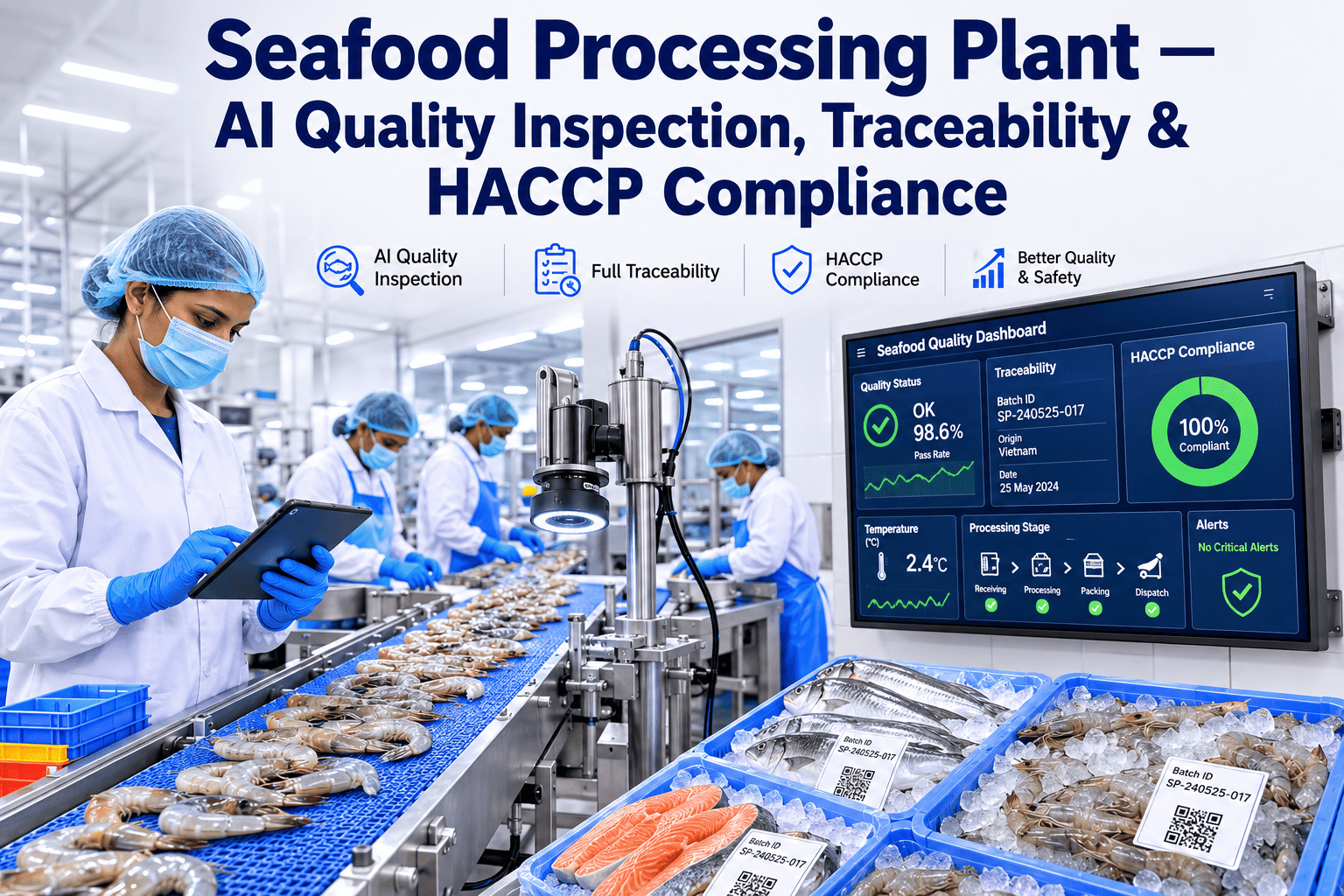
Seafood is one of the most traceability-scrutinized categories in food manufacturing, and the FDA's food traceability rule now sets a hard requirement for finfish, crustaceans, and shellfish covered under the Food Traceability List. Operations Directors running seafood plants are managing catch-to-plate documentation, cold chain integrity, and HACCP compliance at the same time freshness is degrading by the hour on product that cannot wait for a slow inspection process. Book a demo to see how AI-driven inspection and traceability keep pace with product that will not sit still.
Seafood Processing · Operations
Catch-to-Plate Traceability and Freshness Grading That Move as Fast as Your Product
AI-powered freshness grading, cold chain integrity monitoring, and full traceability for finfish, shellfish, and crustacean lines — built to keep HACCP compliance current and rejections down.
July 2028
Current FDA compliance deadline for the Food Traceability Rule covering seafood on the Food Traceability List
24 Hours
Maximum window to produce sortable traceability records to the FDA during a recall or outbreak investigation
40%
Typical reduction in product rejections achievable with continuous freshness grading versus periodic manual checks
7 Events
Critical tracking events defined under FSMA 204, most owned by processors at initial packing and transformation
Catch-to-Plate, Step by Step
Where Traceability Data Has to Be Captured Without Slowing the Line
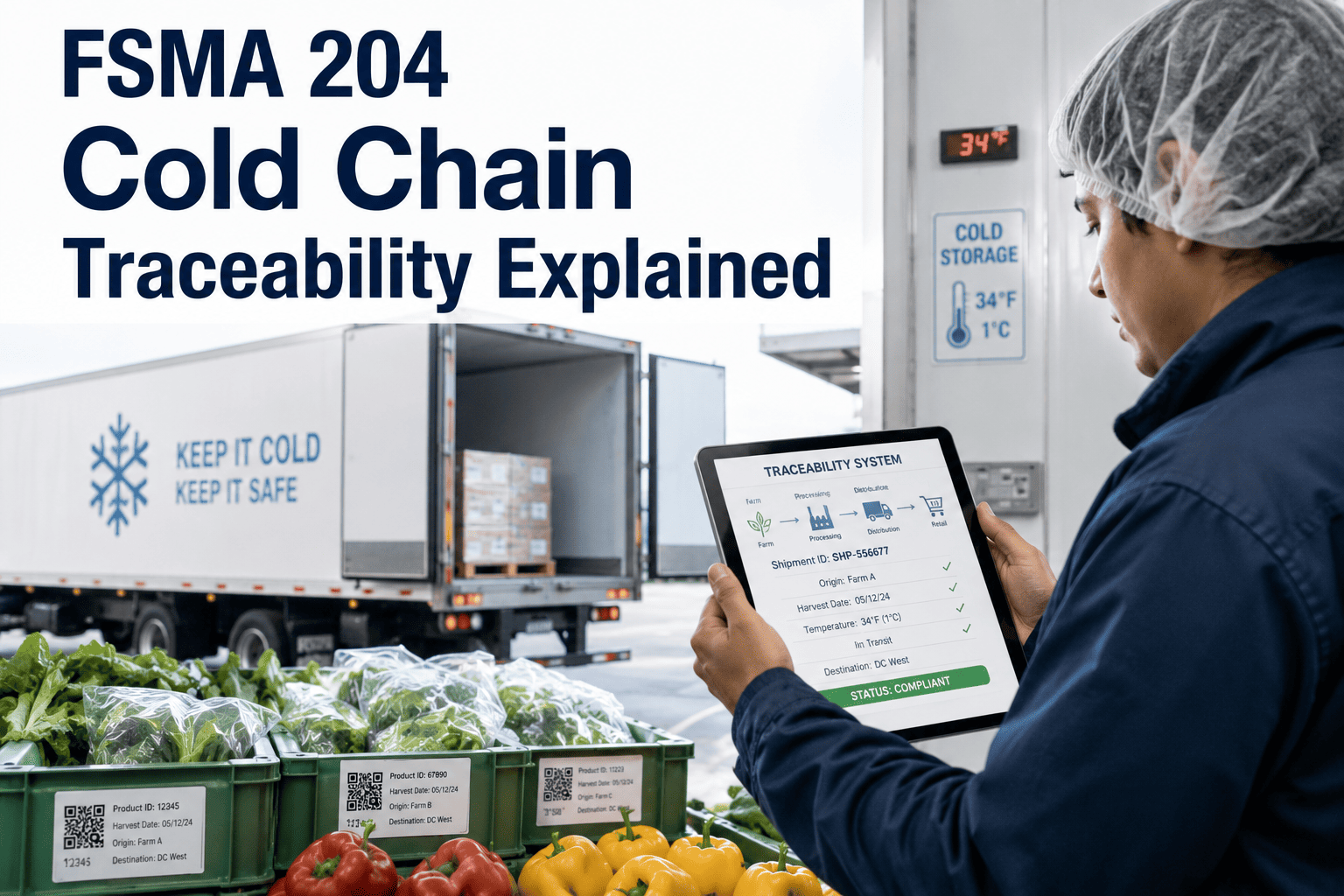
FSMA 204 requires Key Data Elements at each Critical Tracking Event, and for most processors that means initial packing and transformation — the two points where raw catch becomes a traceable, sellable product.
1
Receiving and Cold Chain Verification
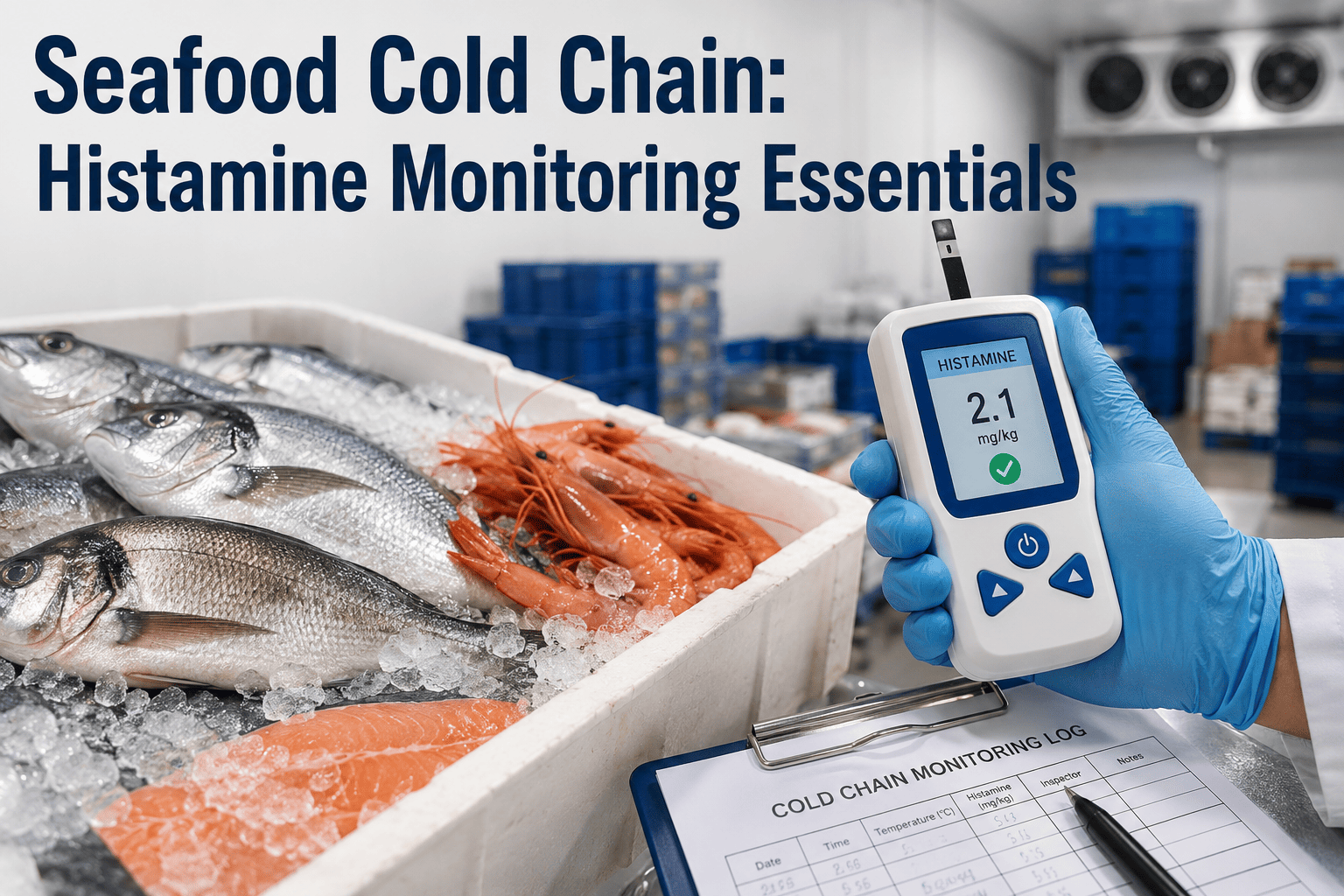
Incoming catch temperature and time-out-of-water are logged at receiving, establishing the freshness baseline the rest of the process is measured against.
2
Freshness Grading
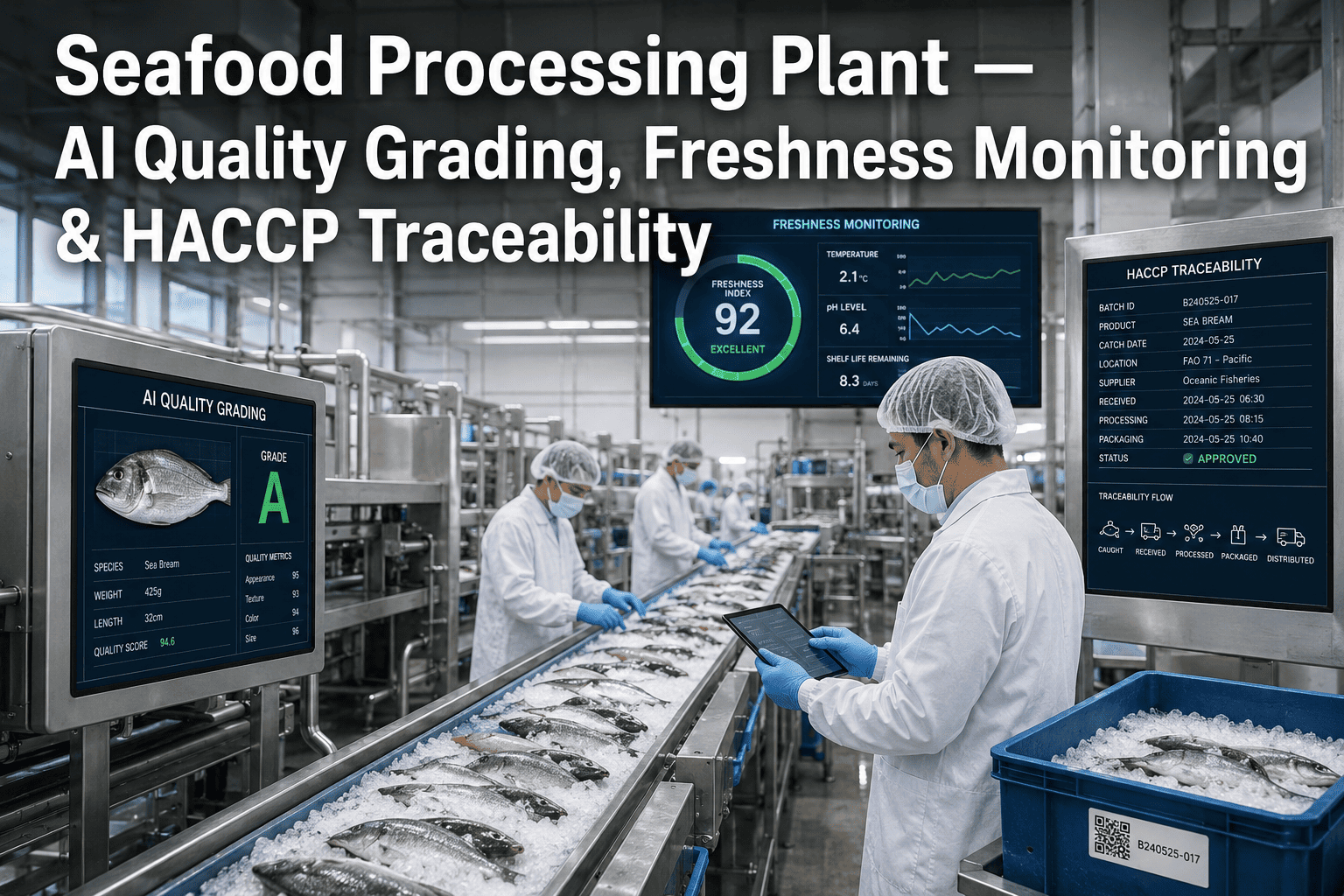
Visual and sensor-based grading assesses each lot against freshness indicators, flagging product that should be routed differently before it moves further down the line.
3
Initial Packing and Lot Coding
A traceability lot code is assigned at the first packing event, linking every downstream record back to the specific catch and receiving data for that lot.
4
Transformation
Filleting, smoking, or other processing that changes the product into a new lot requires a new traceability lot code linked back to its source materials.
5
Cold Chain Through Shipping
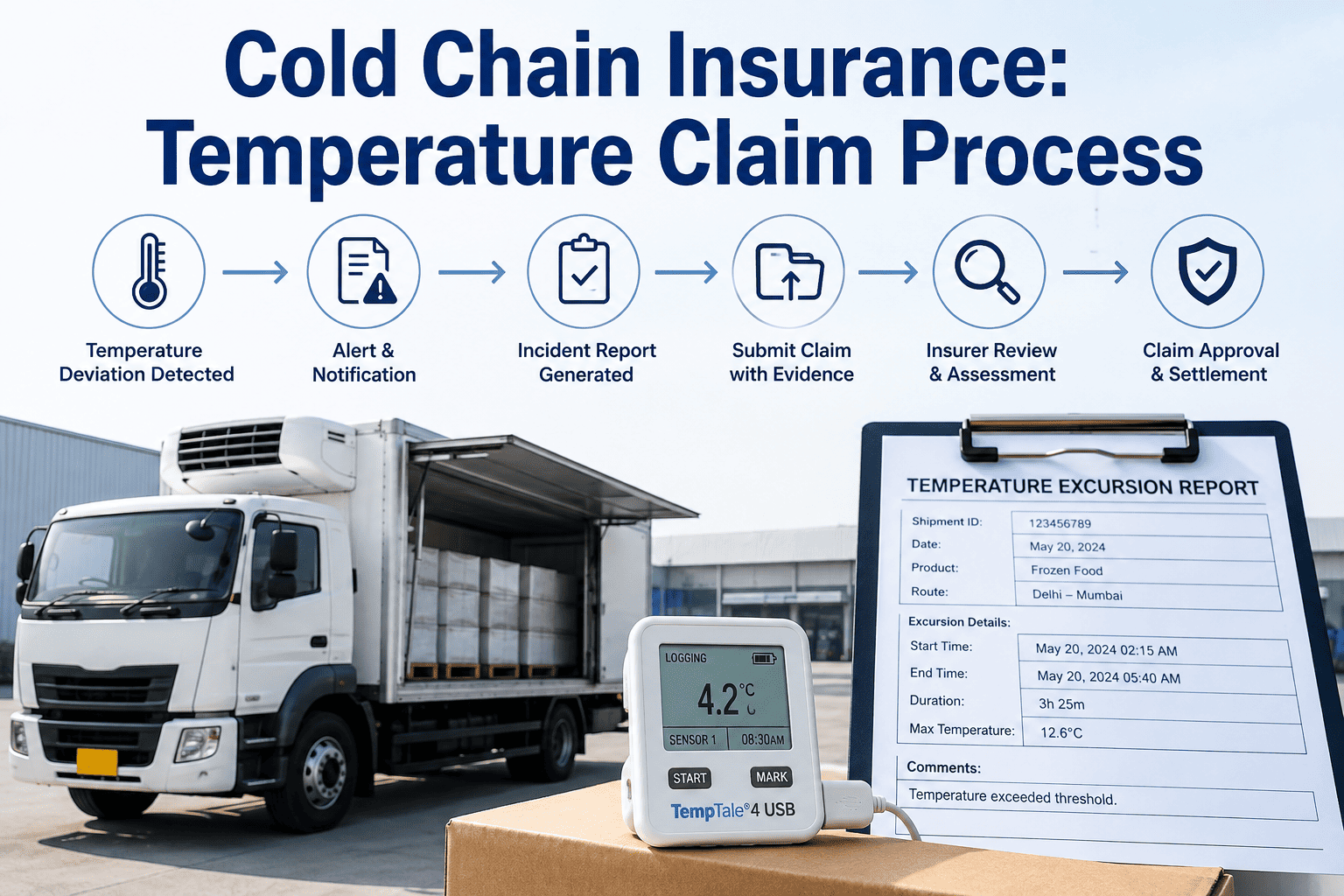
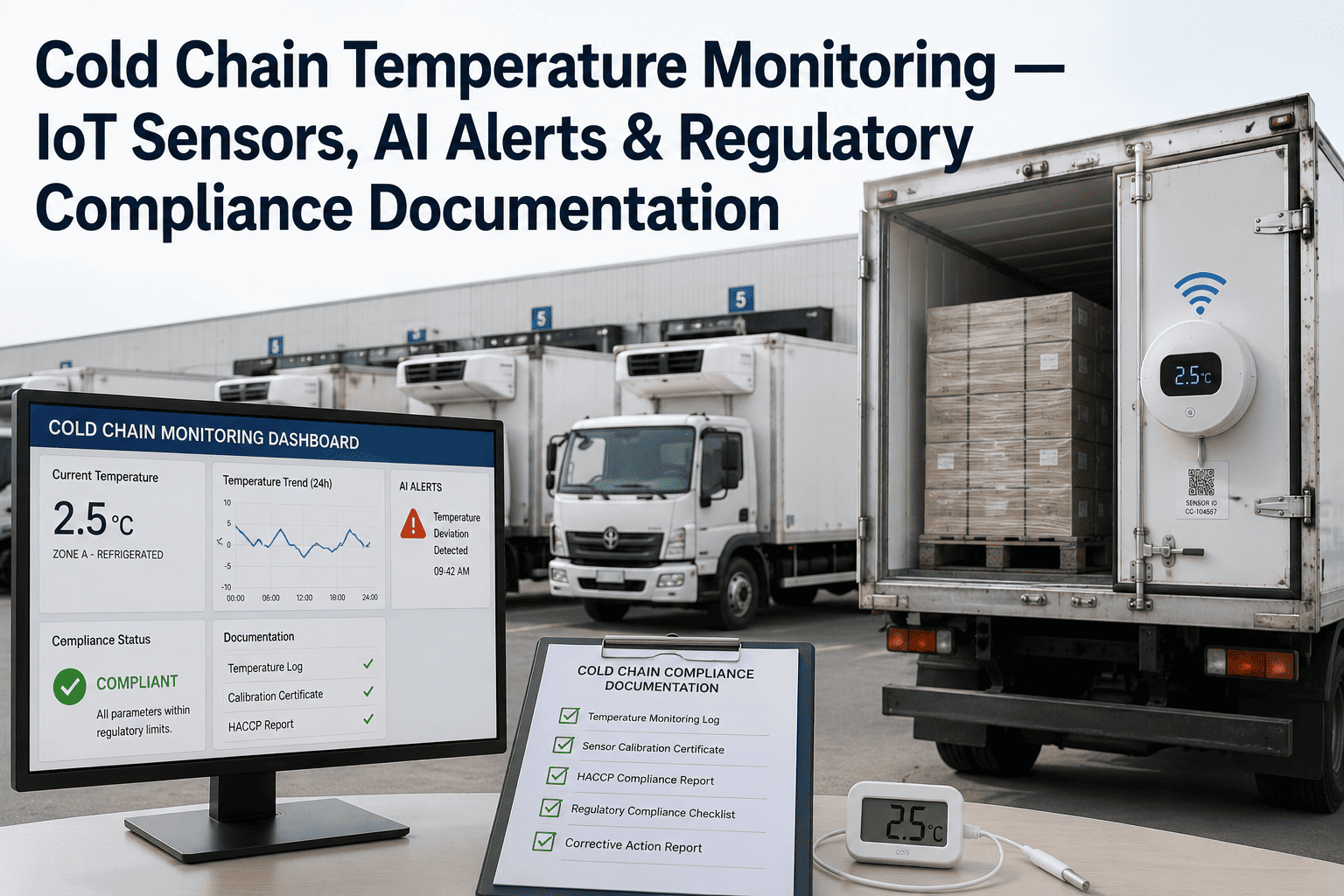
Temperature is tracked continuously through storage and shipping, so a cold chain break can be pinpointed to a specific location and time if product quality is later questioned.
iFactory Assigns Traceability Lot Codes and Tracks Freshness Automatically
Continuous freshness grading, cold chain monitoring, and FSMA 204-aligned lot coding configured for your receiving, packing, and processing lines.
Manual vs. Automated Traceability
What Changes When Cold Chain and Lot Data Are Captured Automatically
Category
Manual Process
Automated Tracking
Freshness Grading
Periodic visual checks by available staff between other duties
Continuous grading against consistent criteria on every lot
Cold Chain Records
Temperature logged at intervals on paper or spreadsheets
Continuous temperature logging tied to each lot code
Record Retrieval
Hours to compile a sortable record across multiple systems
Sortable record produced within the FDA's 24-hour window
Lot Code Assignment
Hand-applied codes with risk of transcription error
Lot codes generated and linked automatically at each event
We processed several species across two shifts with freshness grading done by whichever line lead had a free minute, which meant grading consistency varied depending on who was on shift that day. When a customer pushed back on a shipment quality issue, tracing it back to a specific receiving lot took us the better part of two days going through paper logs from three different stations. Since we automated freshness grading and tied it directly to lot codes at receiving, grading consistency stopped depending on who was working, and the same kind of trace-back now takes under an hour.
— Operations Director, Seafood Processing Facility
Frequently Asked Questions
What Operations Directors Ask About Seafood Traceability Automation
Do we still need to comply with FSMA 204 given the extended deadline?
The substantive requirements of the rule were not changed when the compliance date moved to July 20, 2028 — only the enforcement timeline shifted. The Critical Tracking Events and Key Data Elements a processor must capture remain the same, and building the system now avoids a scramble as the new date approaches.
Book a demo to plan a rollout well ahead of the deadline.
How does AI freshness grading compare to a trained inspector's judgment?
The system is typically calibrated against your own quality team's grading criteria during setup, so it reflects the standards your plant already uses rather than an external benchmark. Its advantage is consistency and continuous coverage across every lot and every shift, rather than replacing a trained inspector's judgment entirely — most plants keep inspectors reviewing flagged or borderline lots.
Can this integrate with our existing cold storage and shipping systems?
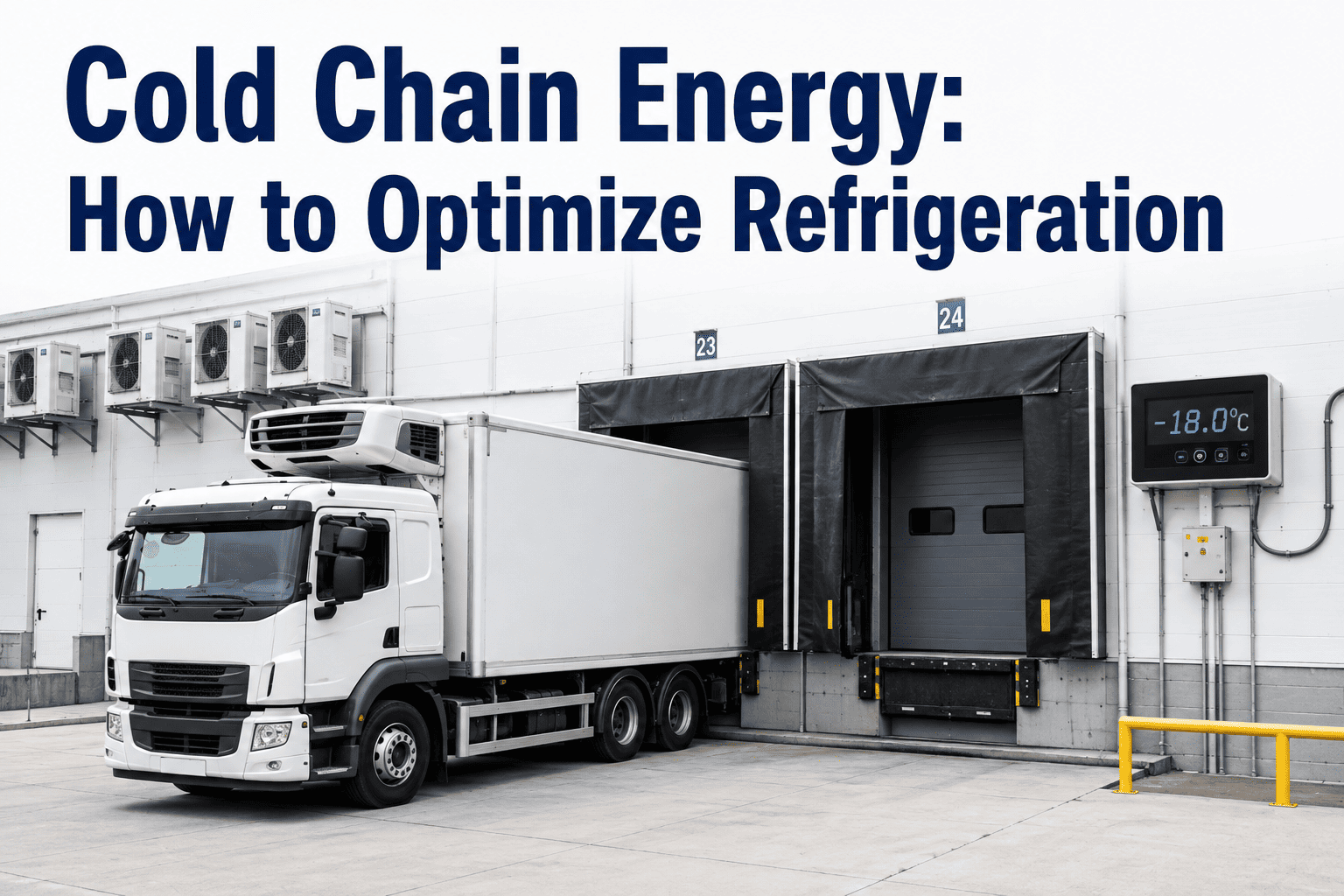
Most cold storage facilities already have temperature sensors and logging in some form, and the traceability system is typically built to pull that existing data in rather than requiring entirely new hardware. Where a gap exists, such as a shipping leg without continuous monitoring, that gap is usually identified during an initial facility assessment.
Contact support to review your current cold chain setup.
Does this help specifically with HACCP compliance, or only with FSMA traceability?
Both. Continuous temperature and freshness data supports your HACCP critical control point monitoring by making deviations visible in real time rather than at the next scheduled check, while the same data feeds the traceability lot coding required under FSMA 204. The two compliance programs draw on much of the same underlying process data, so tracking it once serves both purposes.
What species and product forms does this work with?
Freshness grading criteria and cold chain thresholds are configured per species and product form, since finfish, shellfish, and crustaceans each have different freshness indicators and handling requirements. A multi-species plant typically has each product line configured separately rather than run against one generic standard.
Product That Won't Wait Needs Traceability That Doesn't Either.
Continuous freshness grading, cold chain monitoring, and FSMA 204-aligned traceability — configured for your receiving, packing, and processing lines, reviewed with your quality team before go-live.