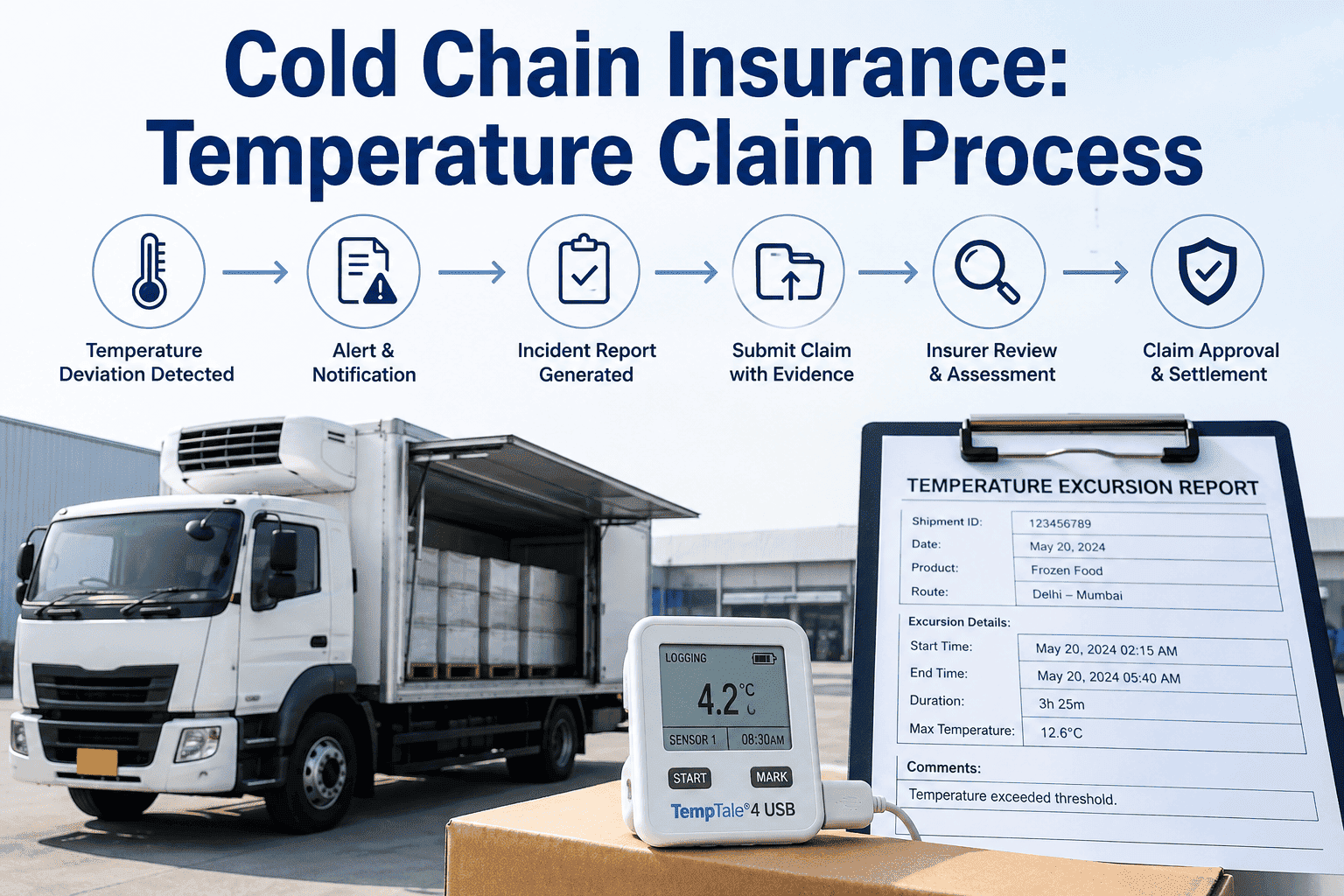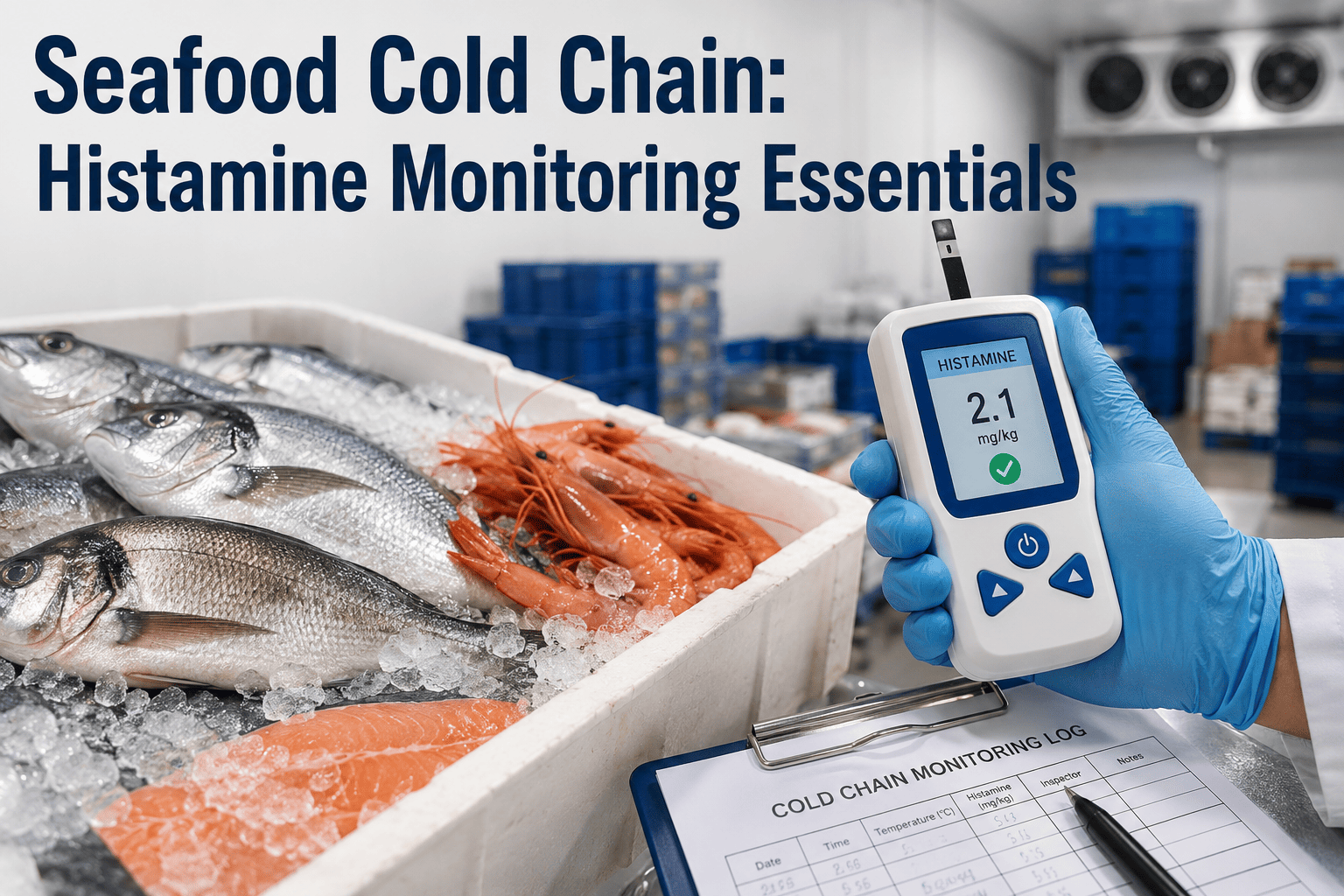
In the frozen food industry, maintaining an unbroken cold chain from production to retail is the single most critical factor for food safety, quality, and regulatory compliance. A single temperature excursion—even a brief one—can compromise product integrity, lead to spoilage, trigger costly recalls, and damage brand reputation. Traditional manual temperature checks and periodic data logging are no longer sufficient in an era of increasing regulatory scrutiny and retailer audit demands. Advanced IoT-based cold chain monitoring systems, powered by continuous temperature logging, artificial intelligence (AI) deviation alerts, and automated compliance documentation, provide a comprehensive, real-time solution. These systems enable Quality Managers to move from reactive crisis management to proactive, data-driven oversight, ensuring every link in the cold chain is transparent, compliant, and optimized. By integrating IoT sensors with AI analytics, enterprises can detect anomalies instantly, predict potential failures, and generate HACCP-compliant reports automatically, reducing manual effort and human error. This guide explores the technical architecture, implementation strategies, and transformative benefits of modern cold chain monitoring, helping you safeguard your products and pass any audit with confidence. Book a Demo to see how iFactory can transform your cold chain operations.
Ready to Safeguard Your Cold Chain?
Implement IoT-driven temperature monitoring with AI alerts and automated compliance documentation. Ensure food safety and pass every audit with confidence.
The Cold Chain Challenge in Frozen Food
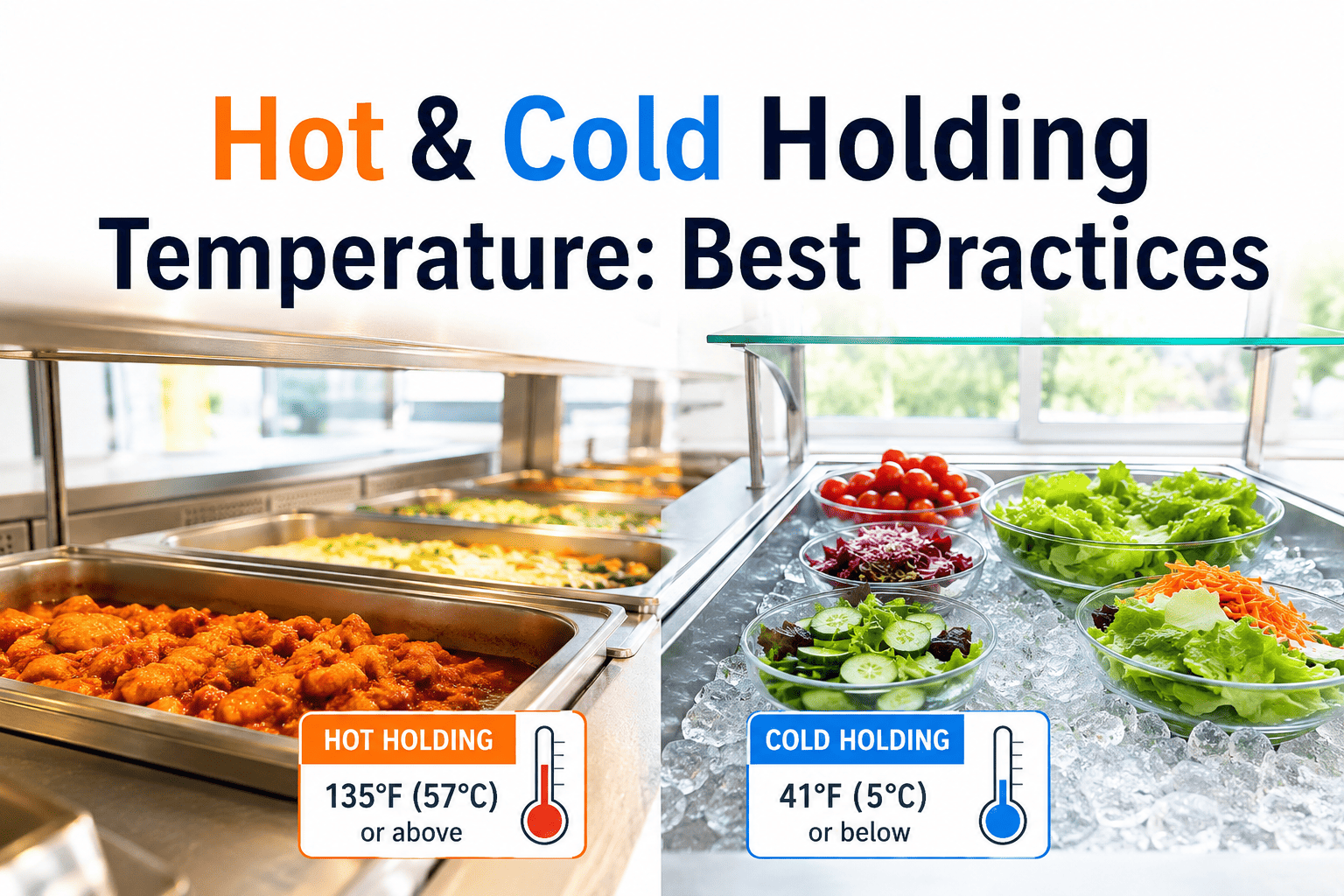
The frozen food cold chain is a complex network of storage, transportation, and distribution points, each vulnerable to temperature deviations. From the moment raw ingredients are processed to the point of sale, products must remain within strict temperature ranges—typically -18°C or colder—to prevent microbial growth, preserve texture, and maintain nutritional value. Any break in this chain, even for a few minutes, can lead to partial thawing and refreezing, causing ice crystal formation that degrades quality. Regulatory bodies like the FDA and international food safety standards mandate rigorous temperature monitoring and documentation, with audits requiring detailed logs of every temperature reading. Traditional methods—manual spot checks, paper logs, or basic data loggers—are prone to gaps, errors, and delays. Quality Managers often discover deviations hours or days after they occur, making root cause analysis difficult and corrective actions reactive. The financial impact is significant: spoilage losses, recall costs, and potential legal liabilities can run into millions. Moreover, retailer audits are becoming increasingly stringent, with major chains demanding digital traceability and real-time alerts. To meet these challenges, enterprises must adopt a smart, connected monitoring infrastructure that provides continuous visibility, instant alerts, and automated record-keeping.
Continuous Temperature Logging
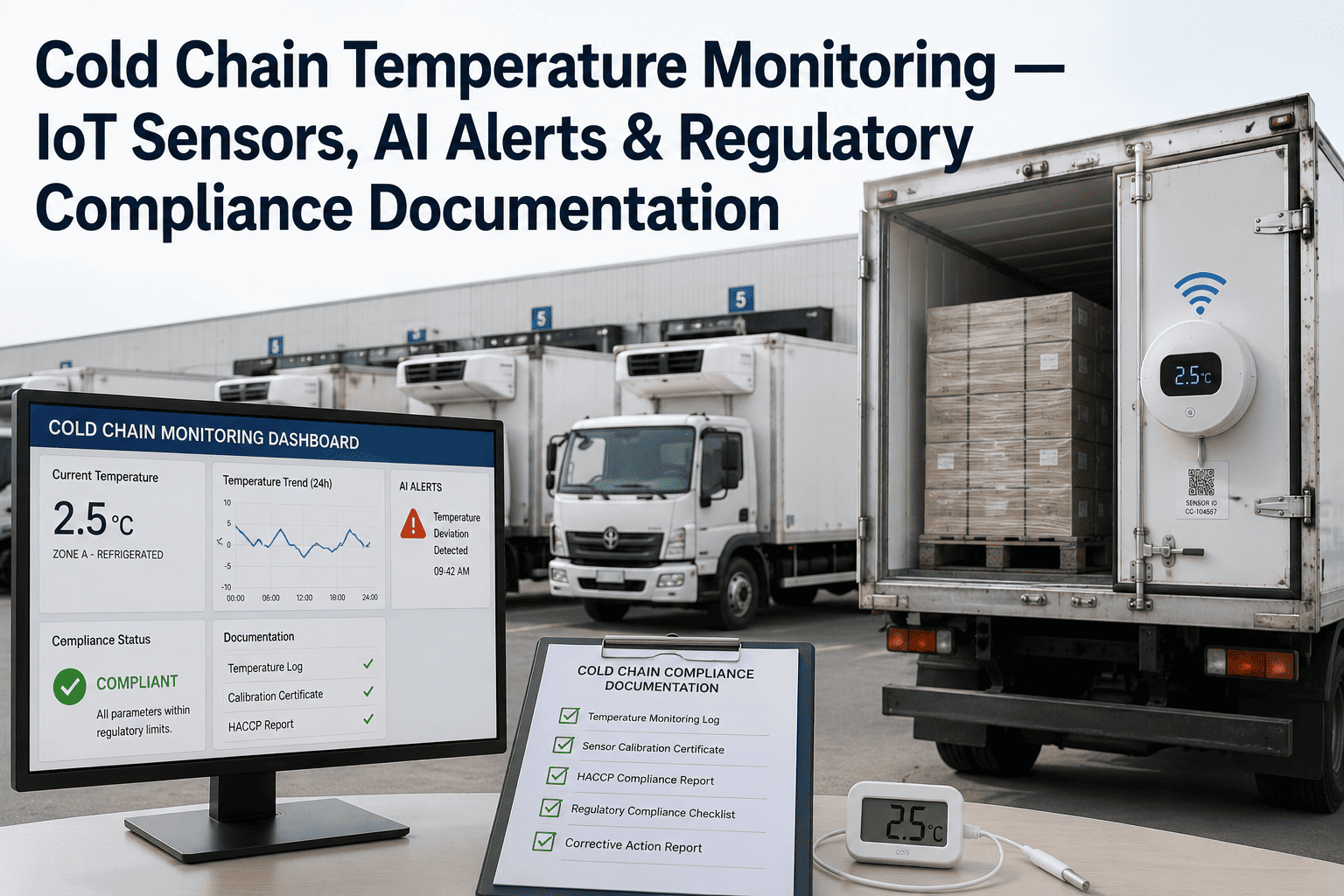
IoT sensors record temperature at intervals as frequent as every 10 seconds, creating a granular, uninterrupted data stream. This eliminates blind spots and provides a complete thermal history for every pallet, container, or storage zone.
AI-Powered Deviation Alerts
Machine learning algorithms analyze real-time sensor data to detect anomalies—not just threshold breaches but also subtle trends indicating impending failure. Alerts are sent via SMS, email, or dashboard notifications within seconds.
Automated Compliance Documentation
The system automatically generates HACCP-compliant reports, including temperature logs, deviation summaries, and corrective action records. These are timestamped, tamper-proof, and ready for FDA or retailer audit submission.
End-to-End Traceability
Each product batch is linked to its temperature data via unique identifiers, enabling full traceability from production to retail. This supports recall management and quality root cause analysis.
Technical Architecture of an IoT Cold Chain Monitoring System
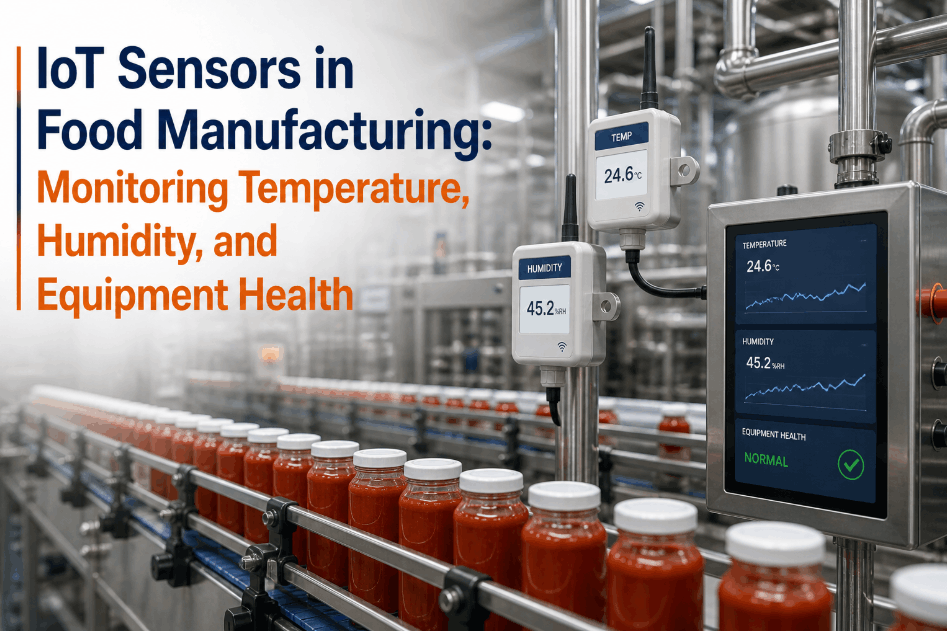
A robust IoT cold chain monitoring system comprises several interconnected layers: the sensor layer, the communication layer, the data processing layer, and the application layer. At the sensor level, wireless temperature sensors—often based on Bluetooth Low Energy (BLE), LoRaWAN, or cellular IoT—are placed inside freezers, cold rooms, refrigerated trucks, and even on individual pallets. These sensors are calibrated for accuracy within ±0.3°C and have battery lives extending to several years. Data from sensors is transmitted to a cloud-based platform via gateways that aggregate signals and handle protocol conversion. The cloud platform ingests the data stream, applying AI algorithms for anomaly detection, predictive analytics, and automated reporting. The application layer provides dashboards for real-time visualization, configurable alert rules, and a reporting engine that formats data for compliance. Security is paramount: all data is encrypted in transit and at rest, with role-based access controls ensuring that only authorized personnel can view or modify records. The system also integrates with existing enterprise resource planning (ERP) and warehouse management systems (WMS) to correlate temperature data with inventory movements, production schedules, and shipping logs. This architecture ensures scalability—from a single cold room to a global network of facilities—and resilience against network failures through local data buffering and redundant communication paths.
Implementation Roadmap
Site Assessment and Sensor Deployment
Quality Managers conduct a thorough audit of all cold chain touchpoints—production, storage, transportation, and retail display. Based on this, a sensor deployment plan is created, specifying sensor types, placement locations, and communication protocols. Sensors are installed in freezers, cold rooms, refrigerated vehicles, and at retail end-caps.
System Integration and Configuration
The IoT platform is integrated with existing ERP and WMS systems to pull product batch data, shipment schedules, and inventory levels. Alert thresholds are configured based on HACCP guidelines and specific product requirements. User roles are defined for Quality, Operations, and Compliance teams.
Pilot Run and Calibration
A pilot phase runs for 2-4 weeks, during which the system is tested for accuracy, alert responsiveness, and data completeness. Sensors are calibrated against reference thermometers, and AI models are trained on historical data to reduce false alerts. Feedback from operators is incorporated to refine dashboard interfaces and notification preferences.
Full Rollout and Training
After successful pilot, the system is scaled across all facilities. Training sessions are conducted for Quality Managers, maintenance teams, and logistics personnel on using the dashboard, responding to alerts, and generating compliance reports. Documentation templates are finalized.
Continuous Improvement and Optimization
Post-implementation, the AI models continuously learn from new data, improving prediction accuracy. Regular system health checks ensure sensor battery replacements and firmware updates. Quarterly reviews analyze spoilage trends and alert patterns to identify further optimization opportunities.
Transform Your Cold Chain Operations Today
Leverage IoT sensors and AI analytics to achieve 100% temperature visibility, instant deviation alerts, and automated compliance. Reduce spoilage and pass every audit.
Comparison of Cold Chain Monitoring Methods
| Method | Data Frequency | Alert Time | Compliance Reporting | Cost |
|---|---|---|---|---|
| Manual Spot Checks | Every 4-8 hours | Hours to days | Paper logs, error-prone | Low |
| Basic Data Loggers | Every 1-60 minutes | Hours (download required) | Manual export, limited | Medium |
| IoT Continuous Monitoring | Every 10-60 seconds | Seconds to minutes | Automated, HACCP-ready | Higher upfront, lower TCO |
AI-Driven Predictive Analytics for Cold Chain
Beyond real-time alerts, AI algorithms can predict temperature deviations before they occur. By analyzing historical sensor data, equipment performance logs, and environmental factors (e.g., ambient temperature, door openings, compressor cycles), the system builds predictive models. For example, a gradual rise in freezer temperature combined with increased compressor runtime may indicate an impending refrigerant leak or mechanical failure. The system can then alert maintenance teams to inspect the equipment proactively, preventing a full-blown temperature excursion. Predictive analytics also optimize energy usage: by forecasting cooling demand, the system can adjust setpoints or schedule defrost cycles at optimal times, reducing energy costs without compromising product safety. In transportation, AI models integrate GPS data and traffic patterns to predict arrival times and potential delays, allowing logistics teams to reroute shipments or prepare receiving facilities. The result is a cold chain that is not only monitored but also intelligently managed, minimizing risks and maximizing efficiency. For Quality Managers, this means fewer emergency situations, lower operational costs, and enhanced confidence in product integrity.
Real-Time Dashboard
A centralized view of all monitored zones, with color-coded status indicators (green for normal, yellow for warning, red for critical). Drill-down capabilities allow inspection of individual sensor data, historical trends, and alert history.
Configurable Alert Rules
Users can set multiple thresholds: absolute temperature limits, rate-of-change alerts, and cumulative time-out-of-specification. Alerts can be escalated based on severity, ensuring the right personnel are notified promptly.
Automated Report Generation
Reports are generated on a schedule (daily, weekly, monthly) or on-demand, formatted for HACCP, FDA, and retailer audit requirements. Includes temperature logs, deviation summaries, corrective action records, and trend analysis.
Mobile Accessibility
Quality Managers can monitor the cold chain from their smartphones, receive push alerts, and approve corrective actions remotely. This ensures 24/7 oversight even when off-site.
Frequently Asked Questions
How does IoT cold chain monitoring ensure HACCP compliance?
IoT monitoring systems automatically capture and store temperature data at intervals compliant with HACCP principles (typically every 10-60 seconds). The system generates reports that include all required elements: continuous temperature logs, deviation identification, corrective action records, and verification activities. These reports are timestamped and tamper-proof, providing auditors with irrefutable evidence of compliance. Additionally, the platform can be configured to enforce critical control point (CCP) monitoring, alerting staff immediately if temperatures fall outside specified limits, ensuring prompt corrective actions are documented. For more details on HACCP compliance, visit our support page.
What types of sensors are used for frozen food cold chain monitoring?
Sensors vary based on application: for freezers and cold rooms, wired or wireless temperature probes with high accuracy (±0.3°C) are installed. For refrigerated trucks, battery-powered loggers with cellular or BLE connectivity are used. For pallet-level monitoring, disposable or reusable data loggers with NFC or Bluetooth can be attached. All sensors are certified for food contact (NSF or equivalent) and operate in extreme cold. The choice depends on factors like required accuracy, data frequency, and budget. For a detailed sensor selection guide, book a demo with our experts.
How does the system handle network failures or power outages?
IoT sensors are designed with local data buffering: they store temperature readings in internal memory (up to 500,000 records) during network interruptions. Once connectivity is restored, the data is automatically synced to the cloud, ensuring no data loss. Additionally, gateways can be configured with backup communication paths (e.g., cellular fallback if Wi-Fi fails). For power outages, sensors have long battery lives (2-5 years) and can continue operating independently. The platform also monitors sensor health and alerts if a sensor goes offline, allowing proactive replacement. Learn more about system resilience on our support page.
Can the system integrate with our existing ERP or WMS?
Yes, the iFactory platform offers robust APIs and pre-built connectors for major ERP and WMS systems, including SAP, Oracle, Microsoft Dynamics, and custom solutions. Integration enables automatic correlation of temperature data with product batches, shipments, and inventory levels. For example, when a batch is shipped, its temperature logs are linked to the shipment record, providing full traceability. This integration streamlines audits and enhances operational visibility. For integration support, contact our support team.
What is the typical return on investment for implementing such a system?
Enterprises typically see a return on investment within 6-12 months. Savings come from multiple sources: reduction in spoilage (up to 60%), lower energy costs through optimized cooling, reduced labor for manual monitoring and report generation, and avoidance of recall costs. Additionally, passing retailer audits more easily can lead to better supplier scores and increased business. Compliance with FDA regulations reduces legal risks. For a customized ROI analysis, book a demo with our team.
Secure Your Cold Chain with iFactory
Implement continuous IoT monitoring, AI alerts, and automated compliance reporting. Protect product quality, reduce waste, and pass every audit with confidence.