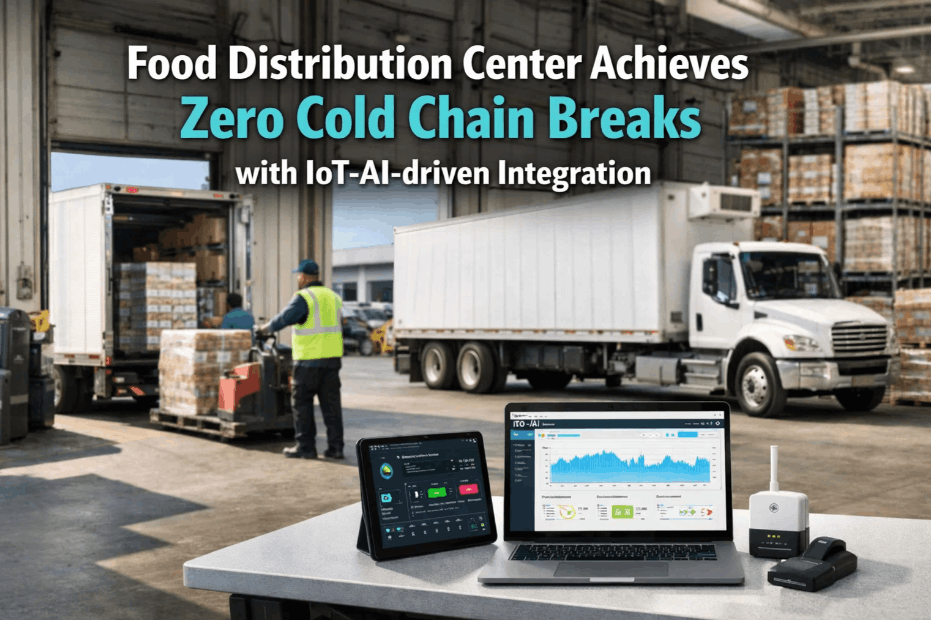
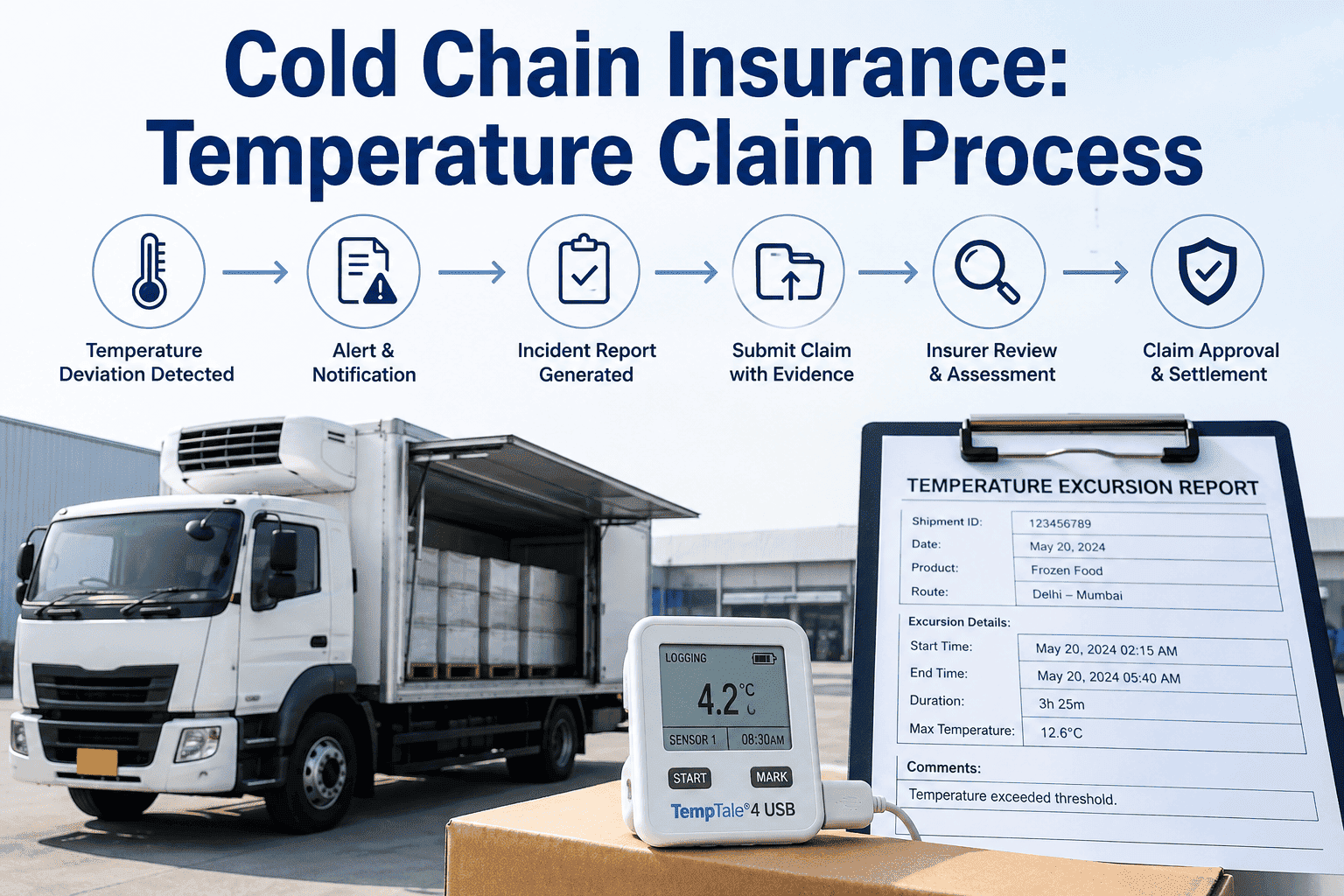
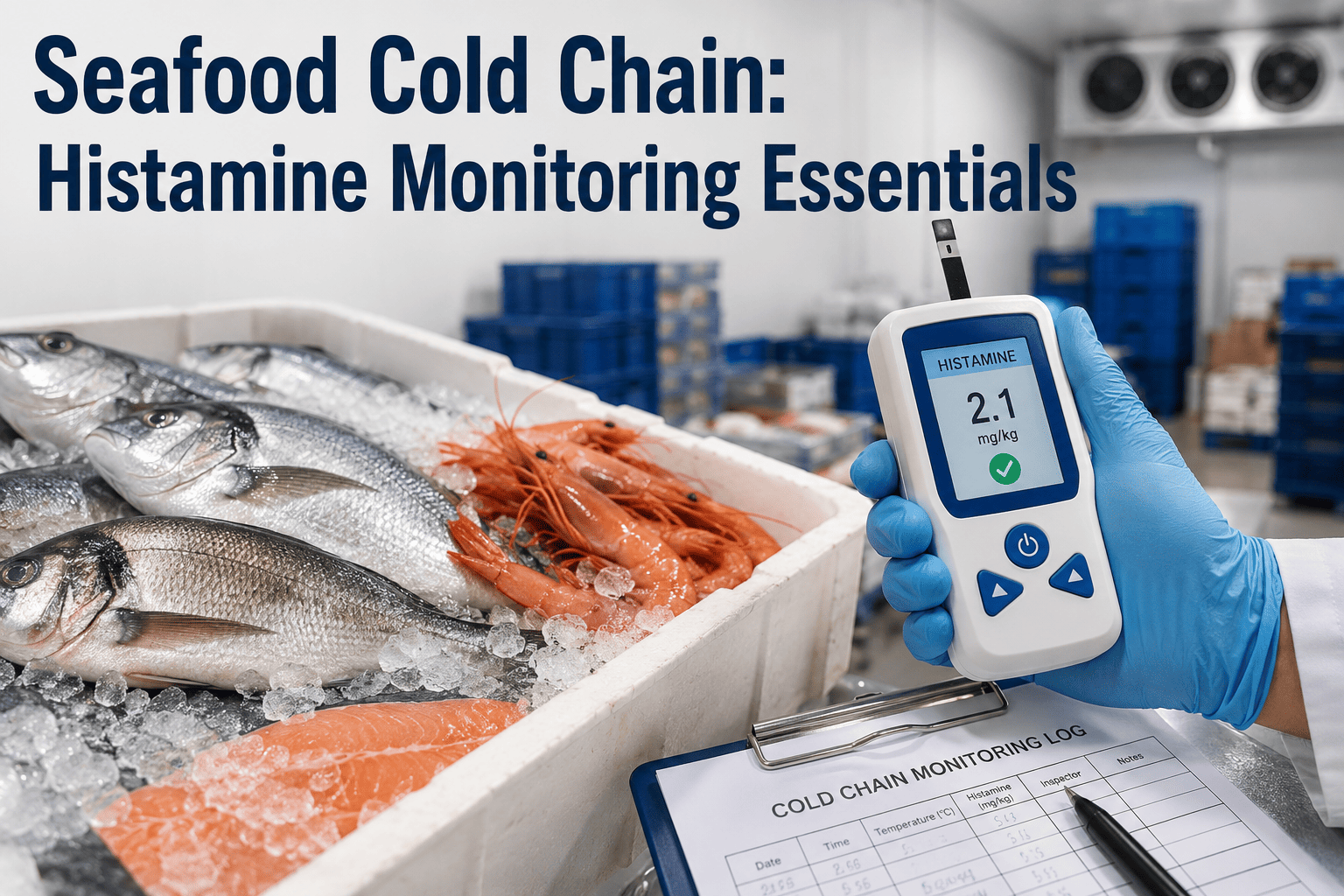
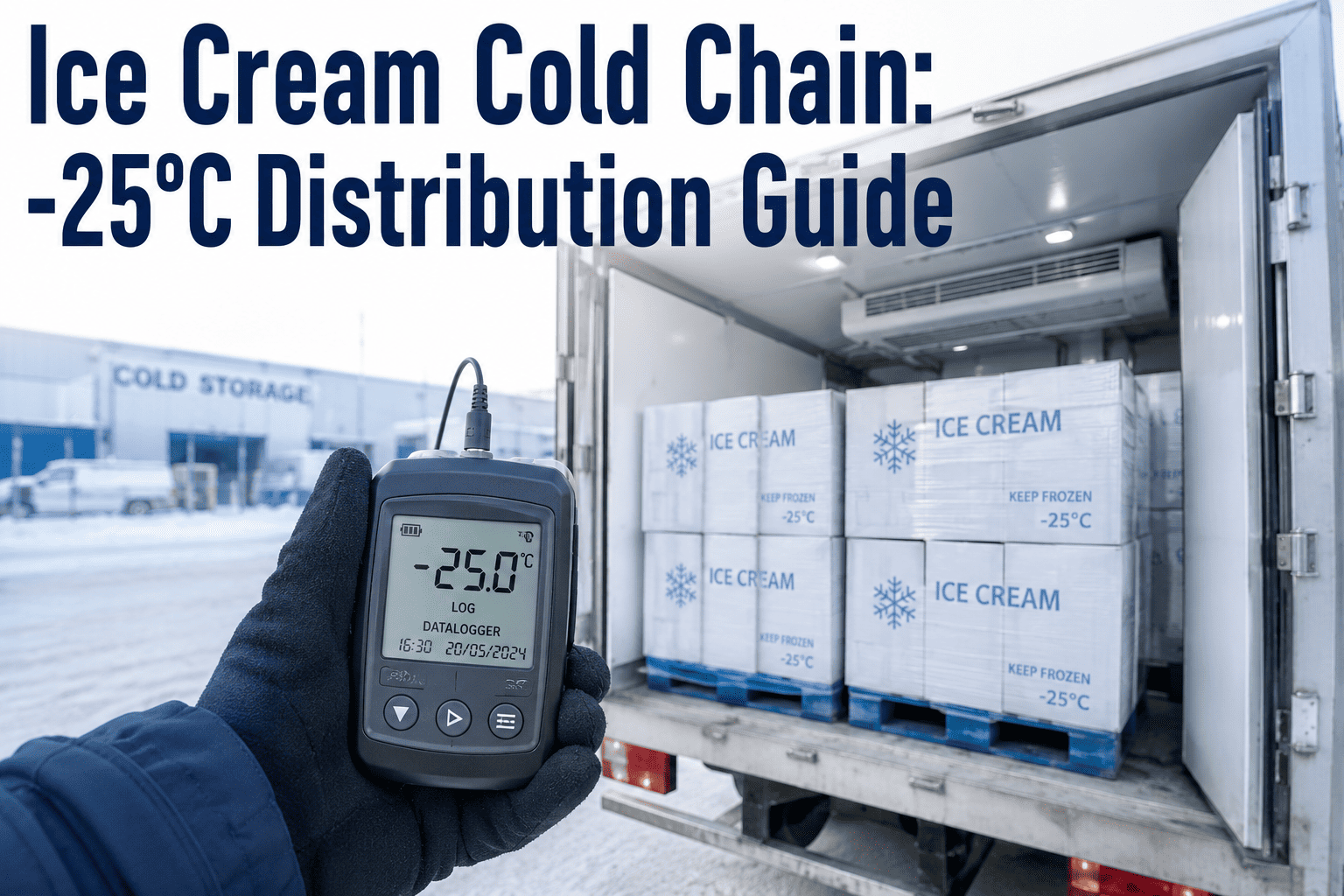
A major regional food distribution center managing over $80 million in perishable inventory annually was experiencing an average of 14 cold chain break incidents per quarter — each representing a window of uncontrolled temperature deviation across refrigerated dock doors, blast freezer zones, and refrigerated trailer staging areas. Despite operating industry-standard refrigeration equipment, the facility's temperature monitoring relied on manual walk-through checks logged every 4 hours by warehouse associates, creating a 4-hour detection window during which high-value perishable goods — fresh produce, dairy, meat, and frozen ready meals — were exposed to temperature excursions with no automated alert and no digital record. By deploying ifactory's IoT Sensor Integration platform across 48 temperature monitoring points, the distribution center achieved zero cold chain breaks in its first full operational quarter, protecting $80M+ in inventory, eliminating $2.1M in annual spoilage losses, and achieving full FDA FSMA 204 traceability compliance for temperature-sensitive food categories.
IoT Sensor Integration
·
Food Distribution
·
Zero Cold Chain Breaks
Food Distribution Center Achieves Zero Cold Chain Breaks with ifactory IoT Sensor Integration — Protecting $80M+ in Perishable Inventory
ifactory's IoT platform delivers real-time temperature monitoring across every cold zone, dock door, and refrigerated trailer — eliminating perishable spoilage and achieving FDA FSMA 204 cold chain traceability compliance.
01 / The Facility
Regional Food Distribution Center. $80M+ Perishable Inventory. Manual Temperature Monitoring.
Facility Type
Large-scale regional food distribution center serving 340+ retail grocery accounts, foodservice operators, and institutional customers across a 5-state territory. Handling temperature-sensitive categories including fresh produce, dairy and eggs, raw and processed meats, frozen ready meals, and refrigerated beverages on a 24/7 receiving and outbound fulfillment schedule.
Scale
480,000 sq ft facility with 12 refrigerated dock doors (35–38°F), 4 blast freezer zones (–10°F to –20°F), 8 produce staging areas (34–40°F), 6 dairy holding rooms (34–36°F), and 22 refrigerated trailer staging bays. Processing 1,400+ inbound and outbound temperature-controlled shipments weekly.
Baseline Performance
14 documented cold chain break incidents per quarter — excursions where zone temperatures exceeded safe thresholds for more than 30 minutes before detection. Annual spoilage losses of $2.1M from temperature-compromised inventory. Three retail customer chargebacks per month for deliveries with suspected cold chain violations.
Monitoring Approach
Temperature checks performed manually by warehouse associates every 4 hours using handheld thermometers logged on paper zone sheets. Walk-in cooler alarms were audible-only with no remote notification capability. Refrigerated trailer temperature records relied entirely on in-cab data loggers retrieved manually at delivery completion — providing no real-time visibility during transit staging.
02 / The Challenge
The $2.1M Annual Cost of a 4-Hour Temperature Monitoring Blind Spot
In food distribution, perishable inventory protection is entirely dependent on the speed of cold chain deviation detection. A refrigeration compressor failure at 2:00 AM in a 38°F produce staging area will cause irreversible spoilage to fresh leafy greens within 90 minutes. A 4-hour manual check interval means that by the time a warehouse associate discovers the deviation during their next scheduled walk-through, the inventory has been in an unsafe temperature zone for potentially 3+ hours — and the decision to quarantine or destroy comes too late to save the product. Book a Demo to see how ifactory's IoT platform delivers real-time cold chain alerts across your entire distribution facility.
14
Cold Chain Breaks / Quarter
14 temperature excursion incidents per quarter where cold zone temperatures exceeded safe thresholds for 30+ minutes before detection — exposing perishable inventory to spoilage risk and FDA FSMA traceability violation liability.
$2.1M
Annual Spoilage Losses
Temperature-compromised fresh produce, dairy, meat, and frozen goods resulted in $2.1M in annual inventory write-offs — with each cold chain break averaging $37,500 in destroyed product value per incident across the affected cold zone.
4 Hrs
Temperature Detection Lag
Manual walk-through checks every 4 hours meant refrigeration failures went undetected for up to 240 minutes. For produce categories with a 90-minute safe temperature exceedance window, this response gap was commercially and legally catastrophic.
Zero
FDA FSMA 204 Compliance
Paper temperature logs provided no continuous electronic traceability record as required under FDA FSMA Section 204 for temperature-sensitive foods — exposing the distribution center to regulatory non-compliance penalties and recall liability for every shipment handled.
03 / The Solution
ifactory IoT Sensor Integration: Real-Time Temperature Intelligence Across 48 Cold Zone Points
The facility's operations director recognized that eliminating cold chain breaks required a fundamental architecture shift — from periodic human observation to continuous automated monitoring. They selected ifactory's IoT Sensor Integration platform because it could deploy wireless temperature sensors across all cold zones, dock doors, and refrigerated staging bays without requiring new refrigeration infrastructure or wired sensor installations that would disrupt operations during construction.
ifactory's IoT mesh network of 48 wireless temperature sensors — installed in under 4 days across the facility — delivered sub-minute temperature readings from every monitored zone directly to a central operations dashboard and mobile alert system. For the first time, the distribution center's operations team had continuous, real-time visibility into every cold zone simultaneously, with automated escalation alerts sent to supervisors' phones within 90 seconds of any temperature excursion. Schedule a Demo to see ifactory's cold chain monitoring dashboard in action.
IoT MESH SENSORS
48-Point Wireless Temperature Monitoring deployed calibrated IoT sensors across all 12 refrigerated dock doors, 4 blast freezer zones, 8 produce staging areas, 6 dairy holding rooms, and 18 additional critical cold points — delivering continuous, sub-minute temperature data with ±0.1°C accuracy across the entire cold chain footprint.
REAL-TIME ALERTS
90-Second Automated Escalation triggered mobile push notifications, SMS alerts, and dashboard warnings to zone supervisors and the operations director within 90 seconds of any temperature exceeding defined safe thresholds — reducing the maximum detection lag from 4 hours to under 2 minutes across every monitored cold zone.
FSMA 204 COMPLIANCE
Continuous Electronic Traceability Records generated immutable, timestamped temperature logs for every cold zone and every inbound/outbound temperature-sensitive shipment — providing full FDA FSMA Section 204 compliance documentation instantly retrievable for regulatory inspections, customer audits, and recall traceability investigations.
04 / Implementation
48 IoT Sensors Deployed Facility-Wide in Under 4 Days
Day 1
Facility Cold Zone Mapping & Sensor Placement Planning
ifactory's deployment team conducted a full cold zone audit of the 480,000 sq ft facility, identifying all 48 critical temperature monitoring points. Wireless sensor placement was optimized for maximum thermal coverage of each zone using HACCP critical control point principles — no hardwired installation, no facility modification required.
Day 2–3
IoT Sensor Installation & Network Commissioning
All 48 wireless temperature sensors were physically installed across all cold zones, dock doors, and freezer areas by the facility's maintenance team under ifactory's remote guidance — completing full installation during active warehouse operations without any production interruption. The IoT mesh network was commissioned and all sensors verified live on the central dashboard.
Day 4
Alert Threshold Configuration & Team Training
Temperature alert thresholds were configured for each zone category against FDA food safety guidelines and the facility's HACCP plan parameters. Escalation routing was set up to deliver zone-specific alerts to the responsible supervisor and operations director. All team leads were trained on the mobile dashboard interface in a single 2-hour session.
Week 2+
Live Monitoring, Pattern Analysis & Predictive Refrigeration Alerts
After 7 days of continuous data collection, ifactory's analytics engine began identifying refrigeration performance trend patterns — flagging three walk-in condensing units showing early compressor wear signatures weeks before they would have caused cold chain breaks. Predictive maintenance work orders were issued, preventing three potential major excursion events in the first month alone.
05 / Results
Zero Cold Chain Breaks. $2.1M Spoilage Eliminated. FSMA 204 Compliant.
The impact of continuous IoT temperature monitoring was immediate and commercially transformative. In the first full quarter post-deployment, the distribution center recorded zero cold chain break incidents — down from 14 in the preceding quarter. The 90-second alert capability meant that every refrigeration deviation was caught and remediated before it crossed the 30-minute excursion threshold that had previously caused inventory destruction. The facility received its first-ever clean FDA FSMA cold chain compliance audit within 90 days of go-live.
| Performance Metric |
Before ifactory |
After ifactory |
Change |
| Cold Chain Break Incidents (Quarterly) |
14 incidents |
0 incidents |
100% elimination — zero excursions |
| Annual Perishable Spoilage Loss |
$2,100,000 |
Under $85,000 |
96% spoilage cost reduction |
| Temperature Deviation Detection Time |
Up to 4 hours (manual) |
Under 90 seconds |
160x faster detection speed |
| FDA FSMA 204 Traceability Compliance |
Non-compliant (paper logs) |
Fully compliant |
Complete regulatory compliance achieved |
| Retail Customer Chargebacks (Monthly) |
3 chargebacks/month |
0 |
Zero cold chain dispute chargebacks |
| Preventive Refrigeration Maintenance |
Reactive (post-failure) |
Predictive (pre-failure) |
3 major failures prevented in Month 1 |
Zero
Cold Chain Breaks Achieved
-96%
Perishable Spoilage Reduction
90 Sec
Max Alert Response Time
4 Days
Full Facility Deployment
Ready to Eliminate Cold Chain Breaks in Your Distribution Center?
ifactory deploys wireless IoT temperature monitoring across your entire cold chain footprint in under a week — achieving real-time refrigeration alerts, perishable inventory protection, and FDA FSMA 204 compliance without facility modification.
06 / Key Analysis
The Strategic Value of Real-Time IoT Monitoring in Cold Chain Food Distribution
The 90-Minute Spoilage Window
Fresh produce, leafy greens, and unpasteurized dairy products have safe temperature exceedance windows as short as 60–90 minutes. A 4-hour manual check cycle guarantees that refrigeration failures will always cause inventory destruction. Only continuous IoT monitoring can close this structural detection gap.
FDA FSMA 204 as a Commercial Imperative
FSMA Section 204 requires electronic temperature traceability records for designated temperature-sensitive food categories at every distribution node. Retailers are now contractually requiring FSMA 204 compliance documentation from distribution partners — making digital cold chain records a commercial survival requirement, not just regulatory compliance.
Predictive Refrigeration: From Reactive to Preventive
Continuous temperature trend analysis identified three condensing unit wear patterns months before they would have caused cold chain breaks. Predictive refrigeration maintenance — catching performance degradation before failure — is only possible with continuous IoT data. Manual checks capture current state, not degradation trajectory.
Chargeback Elimination as Revenue Recovery
Retail customer chargebacks for suspected cold chain violations are legally difficult to dispute without continuous electronic temperature records. ifactory's immutable IoT logs gave the distribution center irrefutable proof of cold chain integrity for every shipment — eliminating all chargeback disputes within the first month of operation.
07 / Business Impact
$80M+ Inventory Protected. Regulatory Compliance Achieved. Customer Trust Restored.
$2M+ Annual Spoilage Recovery
Eliminating 14 quarterly cold chain incidents reduced annual spoilage losses from $2.1M to under $85,000 — delivering a full ifactory deployment ROI within the first 30 days of operation and unlocking $2M+ in recovered inventory value annually.
FSMA 204 Retail Compliance Unlocked
With continuous electronic temperature traceability now in place, the distribution center successfully onboarded two new national grocery chain accounts whose vendor compliance requirements mandated FSMA 204 documentation — directly attributing new contract revenue to the ifactory deployment.
Refrigeration Asset Life Extended
Predictive alerts from ifactory's trend analysis allowed the maintenance team to service condensing units, evaporator coils, and expansion valves before failure — extending asset operating life by an estimated 30% and reducing annual refrigeration repair costs by $180,000.
Insurance Premium Reduction
The distribution center's product liability insurer accepted ifactory's continuous IoT temperature documentation as evidence of a robust cold chain management program — reducing the facility's cargo spoilage insurance premium by 22%, delivering $94,000 in annual insurance cost savings.
14
Cold Chain Breaks/Quarter
$2.1M
Spoilage Eliminated
$80M+
Inventory Now Protected
08 / Conclusion
Cold Chain Integrity is an IoT Problem, Not a People Problem
This food distribution center demonstrated that cold chain breaks are not caused by negligent warehouse staff — they are caused by a monitoring architecture with a 4-hour blind spot built into its DNA. No human workforce can check 48 temperature zones every 90 minutes around the clock across a 480,000 sq ft facility. But 48 wireless IoT sensors can — continuously, automatically, and at a cost that delivers full ROI in under 30 days of operation.
For food distribution operators managing thousands of SKUs of temperature-sensitive inventory, the transition from manual temperature logs to continuous IoT monitoring is not a technology upgrade — it is a risk management imperative. FDA FSMA 204 compliance requirements, retail customer audit demands, and the commercial reality of perishable inventory economics have made real-time cold chain visibility the baseline operational standard for any distribution center serious about protecting its inventory, its customer relationships, and its regulatory standing. Book a Demo to learn how ifactory IoT can eliminate cold chain risk across your distribution facility in under one week.
IoT Sensor Integration
·
Zero Cold Chain Breaks
·
FSMA 204 Compliant
Protect Your Perishable Inventory with Real-Time IoT Cold Chain Monitoring Today.
Deploy ifactory's IoT Sensor Integration to achieve zero cold chain breaks, FDA FSMA 204 compliance, and real-time temperature visibility across every cold zone in your distribution center — in under one week.
09 / FAQs
Food Distribution Cold Chain IoT — Frequently Asked Questions
1. How quickly can ifactory IoT sensors be deployed across a large food distribution center?
This 480,000 sq ft facility deployed 48 wireless sensors across all cold zones in under 4 days without disrupting active warehouse operations. Sensors are battery-powered and wireless — no hardwired installation, no refrigeration system modification, and no facility downtime required.
Book a Demo for a tailored deployment estimate.
2. What temperature accuracy do ifactory's IoT sensors provide for food safety monitoring?
ifactory's food-grade IoT temperature sensors deliver ±0.1°C accuracy with sub-minute reading intervals — exceeding FDA food safety monitoring accuracy requirements. Each sensor is factory-calibrated and includes a calibration certificate retrievable through the compliance dashboard for regulatory audit purposes.
3. Does ifactory's cold chain monitoring provide FDA FSMA Section 204 compliance documentation?
Yes. ifactory generates continuous, immutable, timestamped electronic temperature records for every monitored zone and every temperature-sensitive shipment — fully satisfying FDA FSMA Section 204 traceability record requirements. Records are exportable as PDF or CSV for regulatory inspections and retail customer audits.
Schedule a Demo to see the compliance documentation module.
4. How fast does ifactory send alerts when a cold zone temperature excursion occurs?
ifactory delivers automated push notifications, SMS alerts, and dashboard warnings to zone supervisors and the operations director within 90 seconds of any temperature exceeding a defined threshold — reducing maximum detection lag from 4 hours (manual) to under 2 minutes, enabling remediation before perishable inventory is compromised.
5. Can ifactory predict refrigeration equipment failures before they cause cold chain breaks?
Yes. Continuous temperature trend analysis identifies performance degradation patterns in condensing units, evaporator coils, and compressor systems weeks before they cause a cold zone temperature excursion. This facility prevented three major refrigeration failures in the first month using ifactory's predictive maintenance alerts — avoiding three potential cold chain break incidents entirely.
6. What ROI can a food distribution center expect from ifactory IoT cold chain monitoring?
This facility recovered $2M+ in annual spoilage losses, eliminated retail customer chargebacks, reduced refrigeration repair costs by $180,000, and achieved a 22% insurance premium reduction — delivering full ifactory deployment ROI within the first 30 days.
Book a Demo for an ROI model tailored to your facility's cold zone count and perishable inventory value.