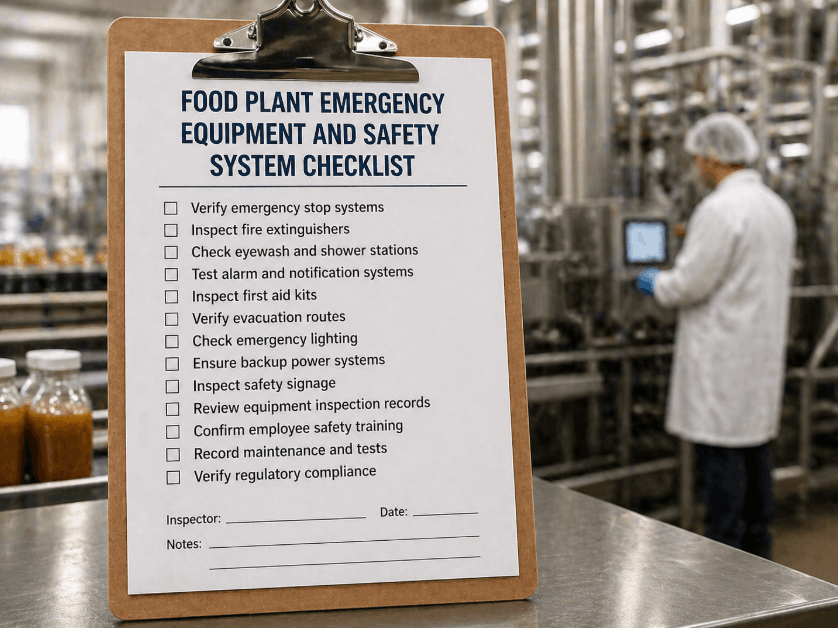
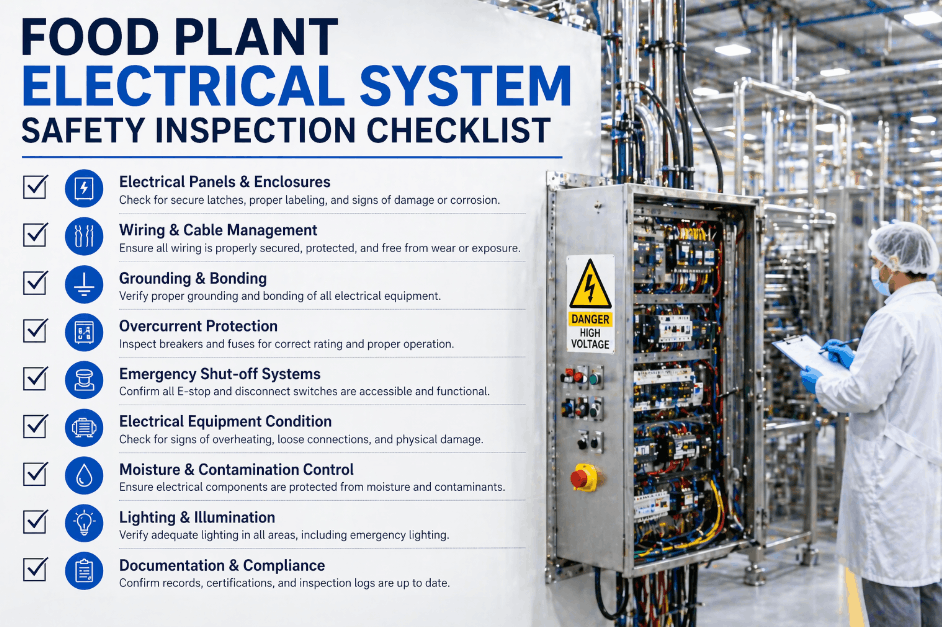
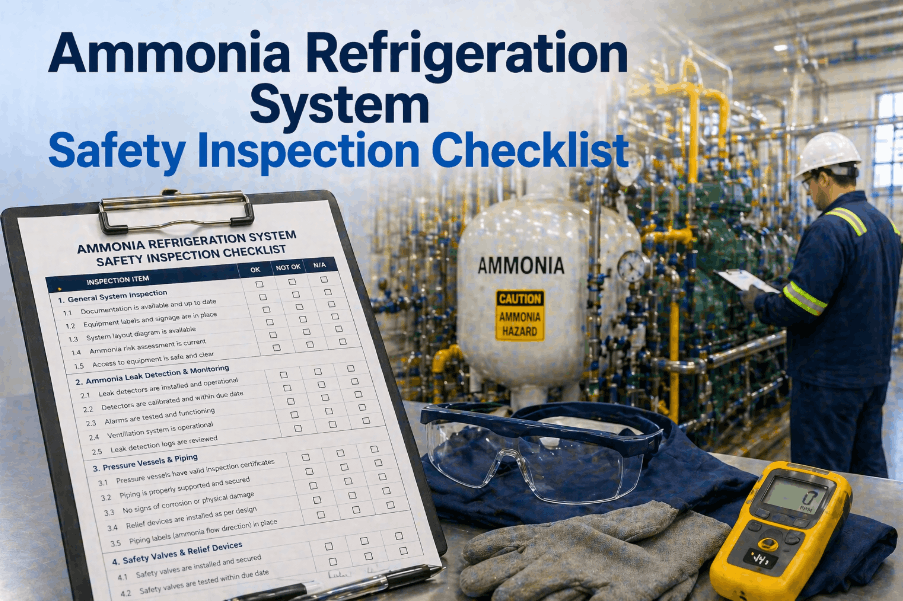
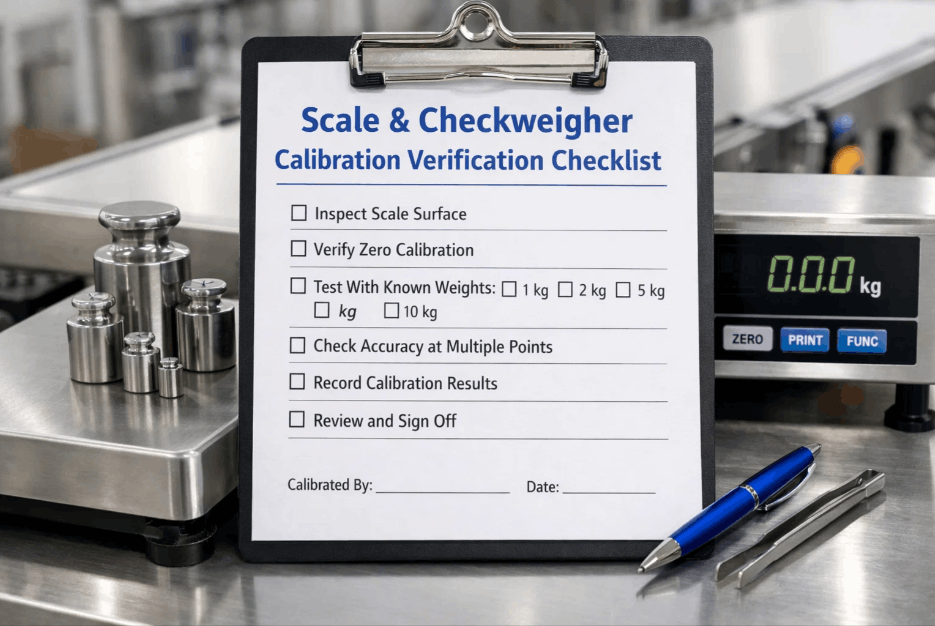
Fire incidents in food manufacturing plants are catastrophic, often exacerbated by combustible dusts, industrial oils, and high-temperature processing. A single malfunctioning sprinkler or obstructed fire door can turn a localized event into a facility-wide disaster. Implementing a rigorous, documented fire protection and suppression system checklist is not just an insurance requirement — it is a life-safety mandate. From verifying kitchen hood suppression to monitoring combustible dust accumulations, every layer of defense must be audit-ready. Book a Demo and digitize your NFPA compliance logs to prevent unplanned downtime and ensure maximum asset protection.
Why Fire Suppression Verification is Critical for Food Plants
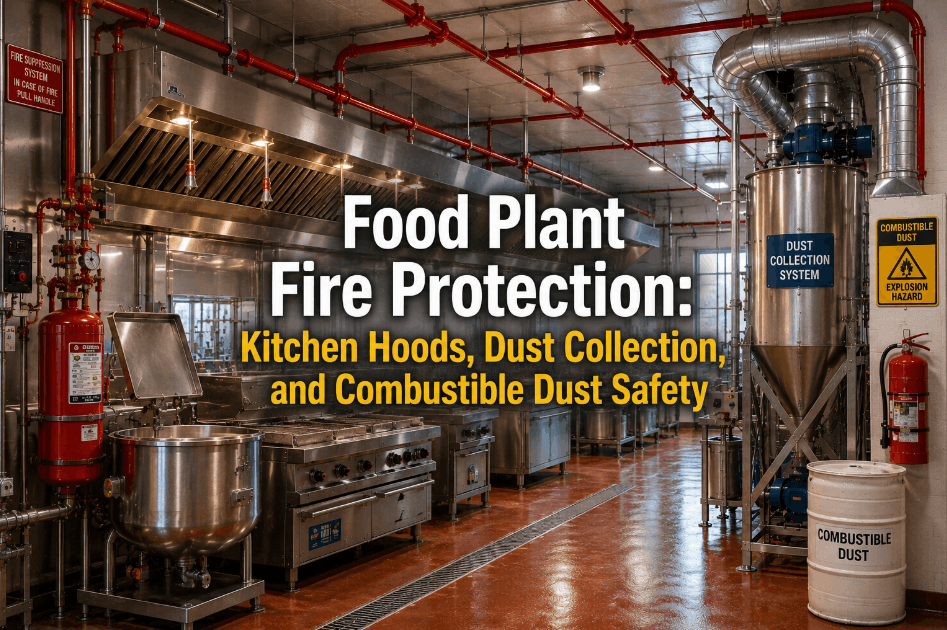
Combustible Dust & Explosion Isolation
Flour, sugar, and spice dusts are highly explosive. Without functioning spark detection and explosion suppression systems, a small ignition in a dust collector can trigger a primary and secondary explosion sequence. Book a Demo to see how we track explosion vent integrity across your facility.
High-Heat Processing & Grease Fires
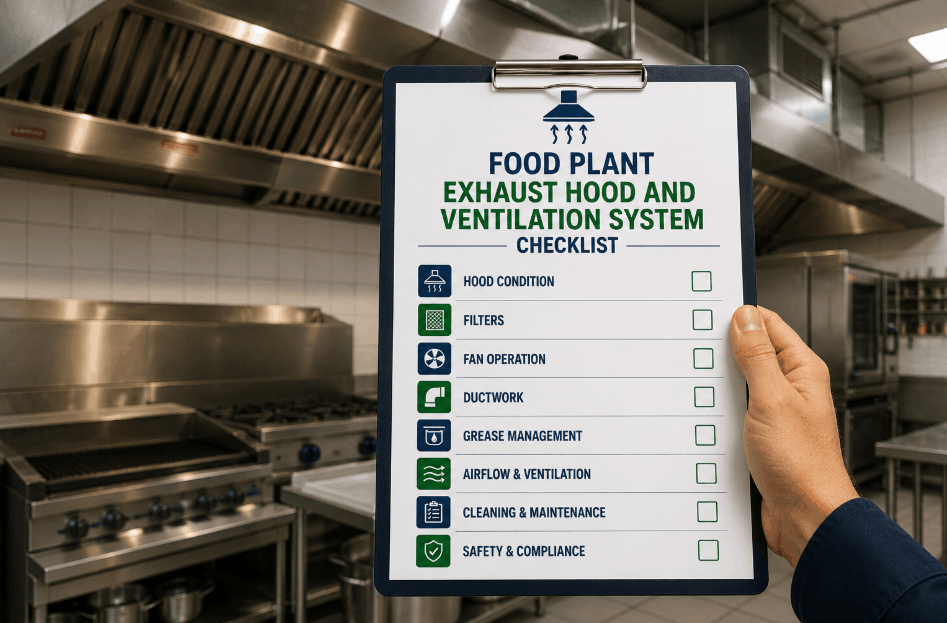
Industrial fryers and ovens operate at extreme temperatures. Automatic kitchen hood suppression systems (NFPA 96) must be verified per shift to ensure nozzles are aimed correctly and detection links are clean. One delayed activation means a total loss of the production line.
Benefits of Digital Fire System Management
Insurance Premium Optimization
FM Global and other carriers reward facilities with verified, timestamped fire safety documentation with significantly lower premiums.
Automated Deficiency Tracking
Failed items during a patrol automatically trigger high-priority maintenance work orders and notify safety officers instantly.
Asset History for Audits
Maintain a permanent service record for every sprinkler head, detector, and extinguisher, satisfying OSHA and local fire marshals.
Mobile-First Inspection
Technicians log readings and take photos of fire hazards directly from their smartphones, eliminating paper logs and transcription errors.
Multi-Site Dashboards
Monitor fire protection compliance scores across your global manufacturing footprint from a single, centralized command center.
Reduced Emergency Downtime
Proactive PM cycles ensure that suppression systems are functional, preventing catastrophic losses that could permanently close a plant.
Fire Protection FAQs
This standard protects facility assets from catastrophic secondary explosions by mandating rigorous housekeeping and spark detection verification.
Book a Demo to see how iFactory helps you maintain zero-dust compliance on every shift.
Documentation must include the date of inspection, exact location, and the inspector's initials to satisfy OSHA and insurance audits.
iFactory automates these inspections with GPS-tagged mobile entries and instant deficiency alerts for extinguished maintenance crews.
Systems must utilize wet chemical agents that create a saponification layer to suppress the fire and prevent volatile re-ignition.
Verifying nozzle alignment and manual pull station accessibility is a core safety requirement for high-heat food processing lines.
Unsealed pipe penetrations or wedged-open fire doors defeat these passive protections, allowing smoke and flame to bypass structural barriers.
Documented wall-leak inspections ensure that intumescent seals are intact and capable of providing their rated hours of protection.
Unauthorized covers or heavy grease build-up can insulate the sensors, significantly delaying the system's emergency activation response time.
Book a Demo to automate your detector maintenance schedules and receive real-time alerts if a device becomes unresponsive.
Digital logs eliminate "pencil-whipping" and provide a searchable history of corrective actions, making audits faster and significantly more successful.
iFactory's cloud-based storage ensures your fire safety records are accessible even if the physical facility is compromised during an event.