Food Plant Exhaust Hood and Ventilation System Checklist

By Josh Turley on May 11, 2026

food-plant-exhaust-hood-and-ventilation-system-checklist

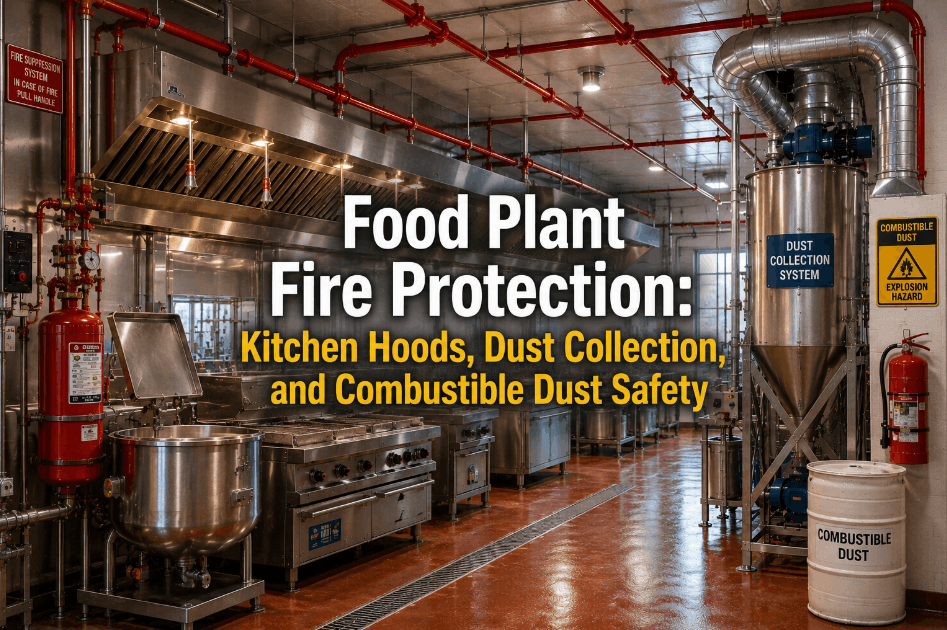
Food plant exhaust hood and ventilation analytics is the technological cornerstone of fire safety, air quality, and operational efficiency in high-heat production environments. In industrial kitchens and snack processing lines, the accumulation of grease in ductwork or a failure in make-up air synchronization can lead to catastrophic flash fires and dangerous negative pressure imbalances. Book a Demo to see how ifactory's preventive analytics platform digitizes hood inspections, automates grease accumulation tracking, and provides real-time alerts for ventilation fan failures across your entire production floor.

VENTILATION ANALYTICS FIRE SAFETY COMPLIANCE AIR QUALITY CONTROL

Automate Exhaust Hood Health and Ventilation Efficiency Across Your Facility

Monitor grease accumulation, fan vibration, makeup air balance, and fire suppression readiness in real time — with audit-ready documentation for NFPA 96 and OSHA standards.

Why Ventilation Analytics are Critical in Food Processing

Grease Accumulation is the Leading Cause of Catastrophic Kitchen Fires

In high-volume frying or roasting operations, vaporized grease migrates deep into ductwork where it acts as a highly flammable fuel source. Without real-time analytics on filter efficiency and duct temperatures, facilities rely on periodic manual cleanings that often occur too late. Implementing ifactory's preventive analytics detects grease saturation levels and temperature spikes, triggering automated cleaning alerts before a flash-fire threshold is reached.

Improper Air Balance Compromises Worker Safety and HVAC Efficiency

Exhaust systems that aren't synchronized with Make-Up Air (MUA) units create negative pressure zones, making doors hard to open and drawing sewer odors or unfiltered air into the kitchen. Furthermore, unbalanced ventilation forces the facility's primary HVAC system to work 30% harder to maintain ambient temperatures. Digital airflow monitoring ensures that every hood is perfectly balanced, protecting both worker comfort and the facility's energy budget.

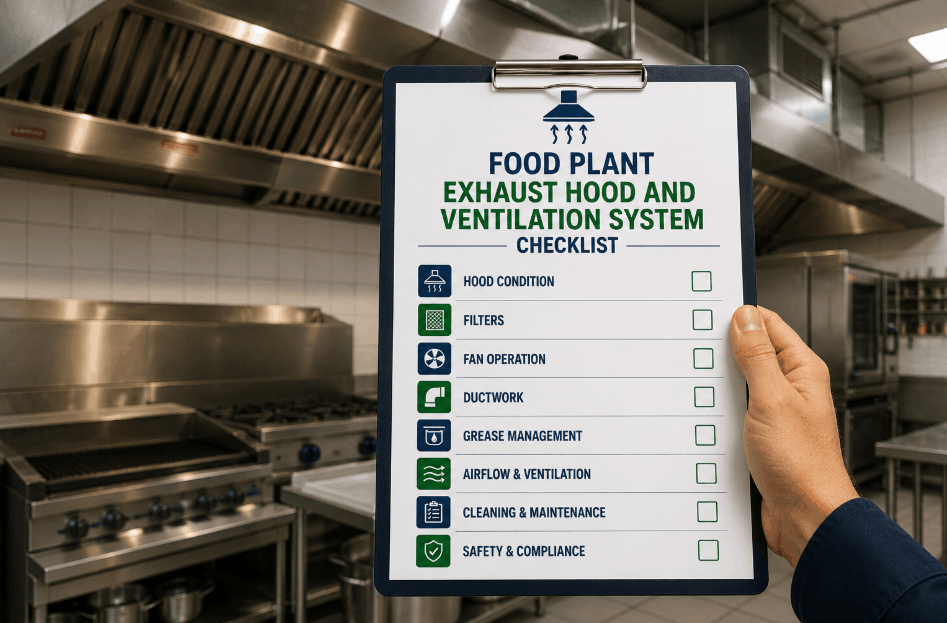
1. Exhaust Hood Surface and Filter Analytics
2. Ductwork Integrity and Grease Accumulation
3. Exhaust Fan and Rooftop Unit (RTU) Reliability
4. Make-Up Air (MUA) Balance and Pressurization
5. Fire Suppression (Ansul) System Verification
6. Ventilation Airflow and Static Pressure Monitoring
7. Grease Extraction and Collection Analytics
8. Regulatory (NFPA 96) and Digital Compliance Logs
UPTIME PROTECTION DIGITAL HOOD LOGS

Ready to Digitize Equipment Analytics Across Your Ventilation System?

Automate grease accumulation tracking, fan health monitoring, fire safety compliance logs, and makeup air balance — and eliminate fire risks with real-time predictive alerts.

Benefits of Digital Exhaust Hood and Ventilation Analytics

90% Reduction in Flash Fire Risk

Real-time monitoring of grease accumulation and duct temperatures ensures that cleaning occurs before flammable thresholds are reached — providing a data-driven fire prevention strategy that protects both personnel and assets.

100% NFPA 96 & Fire Marshal Compliance

Automated archival of professional cleaning certificates, Ansul pressure logs, and fuse-link replacement data provides an immutable, timestamped record for auditors — satisfying regulatory requirements with zero manual labor.

30% Recovery in HVAC Energy Efficiency

By optimizing Make-Up Air (MUA) balance and fan VFD response, ifactory's analytics engine reduces the "conditioned air" loss that spikes heating and cooling costs, ensuring the facility's main HVAC system isn't overworking.

Zero Production Downtime due to Fan Failure

Predictive vibration and motor load monitoring on rooftop exhaust fans identify early-stage bearing wear — allowing for planned Saturday maintenance instead of emergency Monday shutdowns during peak production.

Elimination of Kitchen Negative Pressure Issues

Active monitoring of airflow synchronization prevent the "vacuum effect" that makes doors hard to open and draws sewer odors or particulates into the kitchen — improving both worker safety and environmental hygiene.

Audit-Ready Insurance and Liability Protection

Digital records of fire safety readiness and duct sanitation provide the final proof of "Due Diligence" for insurance providers — often leading to reduced premiums and faster claims processing in the event of an incident.

Food Plant Exhaust Hood and Ventilation Analytics FAQs

1. How does ifactory detect grease accumulation inside closed ductwork?
ifactory uses a combination of localized temperature sensors and static pressure monitoring. By identifying "thermal retention" patterns and increased airflow resistance, the AI engine can predict grease buildup levels to within 0.5mm accuracy, triggering a cleaning alert at the NFPA threshold.
2. Why is negative pressure so dangerous in a food processing facility?
Negative pressure occurs when exhaust exceeds makeup air. This creates a "vacuum" that draws unfiltered air (and pathogens) from floor drains, sewer lines, or outside vents into the production zone. it also makes egress doors hard to open, creating a major life-safety hazard.
3. Can digital hood logs replace the physical cleaning stickers from vendors?
While the physical sticker is still required for visual inspection, auditors and fire marshals now prefer the digital archive as the primary source of truth. iFactory's digital record includes the full service report and photographic proof of the clean duct, which a sticker alone cannot provide.
4. How often should hood baffle filters be cleaned in a high-volume plant?
In high-grease environments (e.g., snack frying), filters should be cleaned daily. ifactory's analytics can detect a drop in hood face velocity, signaling that filters are saturated and requiring immediate sanitation to maintain proper fire safety and airflow.
5. Does the ifactory platform integrate with existing Ansul fire systems?
Yes. We can integrate with the system's micro-switch to track discharge events or use standalone pressure sensors to monitor tank readiness. This ensures that your fire suppression system status is visible in your facility's master dashboard.
6. What is the typical ROI for ventilation system analytics?
ROI is typically achieved within 12-15 months, driven by the reduction in fire-risk insurance premiums, a 20-30% saving in HVAC energy waste, and the elimination of emergency production shutdowns due to exhaust fan motor failures.
GET STARTED DIGITIZE TODAY

Digitize Your Exhaust Hood and Ventilation Analytics Today

Join food processors that have eliminated grease fire risks, automated NFPA compliance, and recovered HVAC capacity with structured digital analytics workflows across the entire facility.


Share This Story, Choose Your Platform!