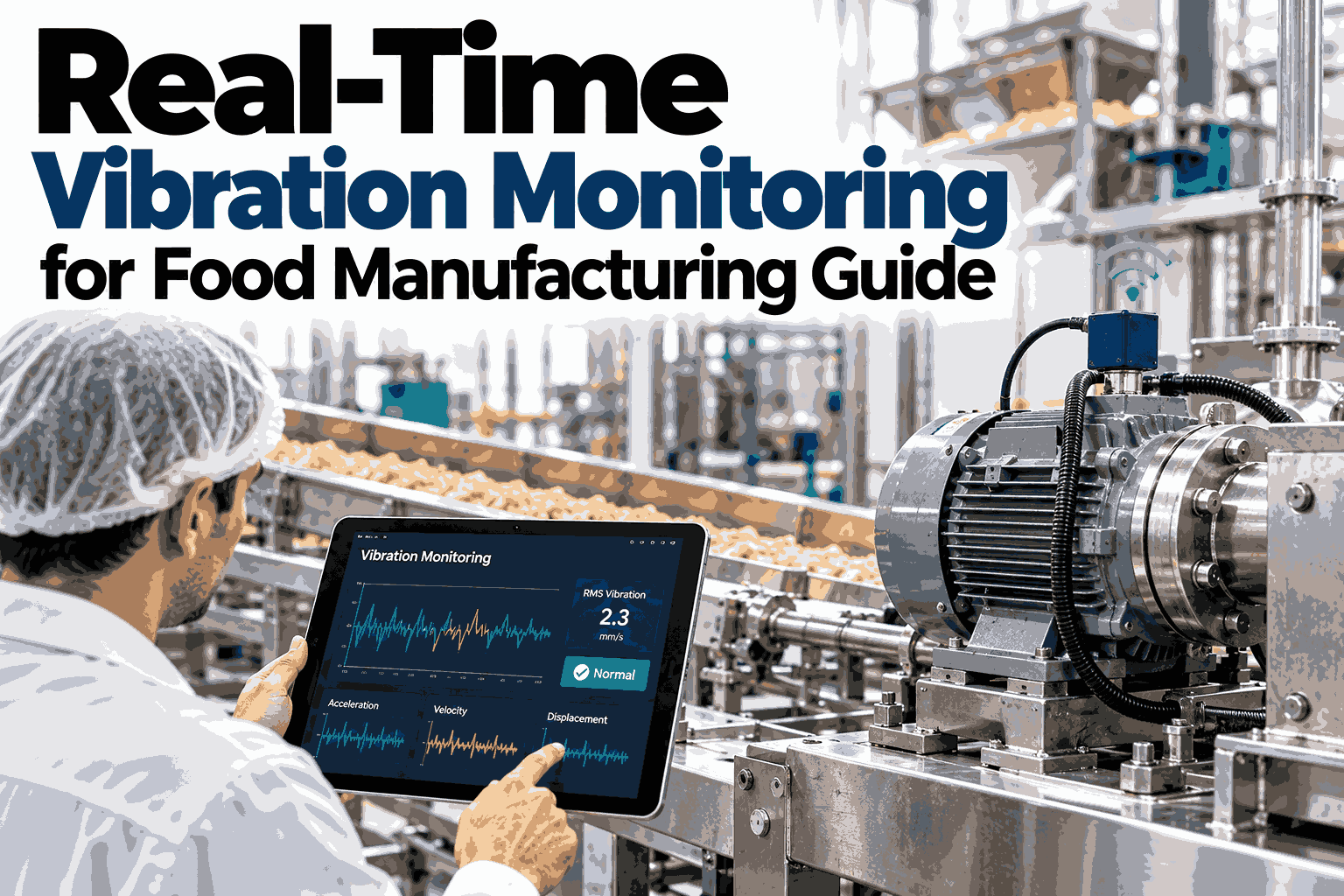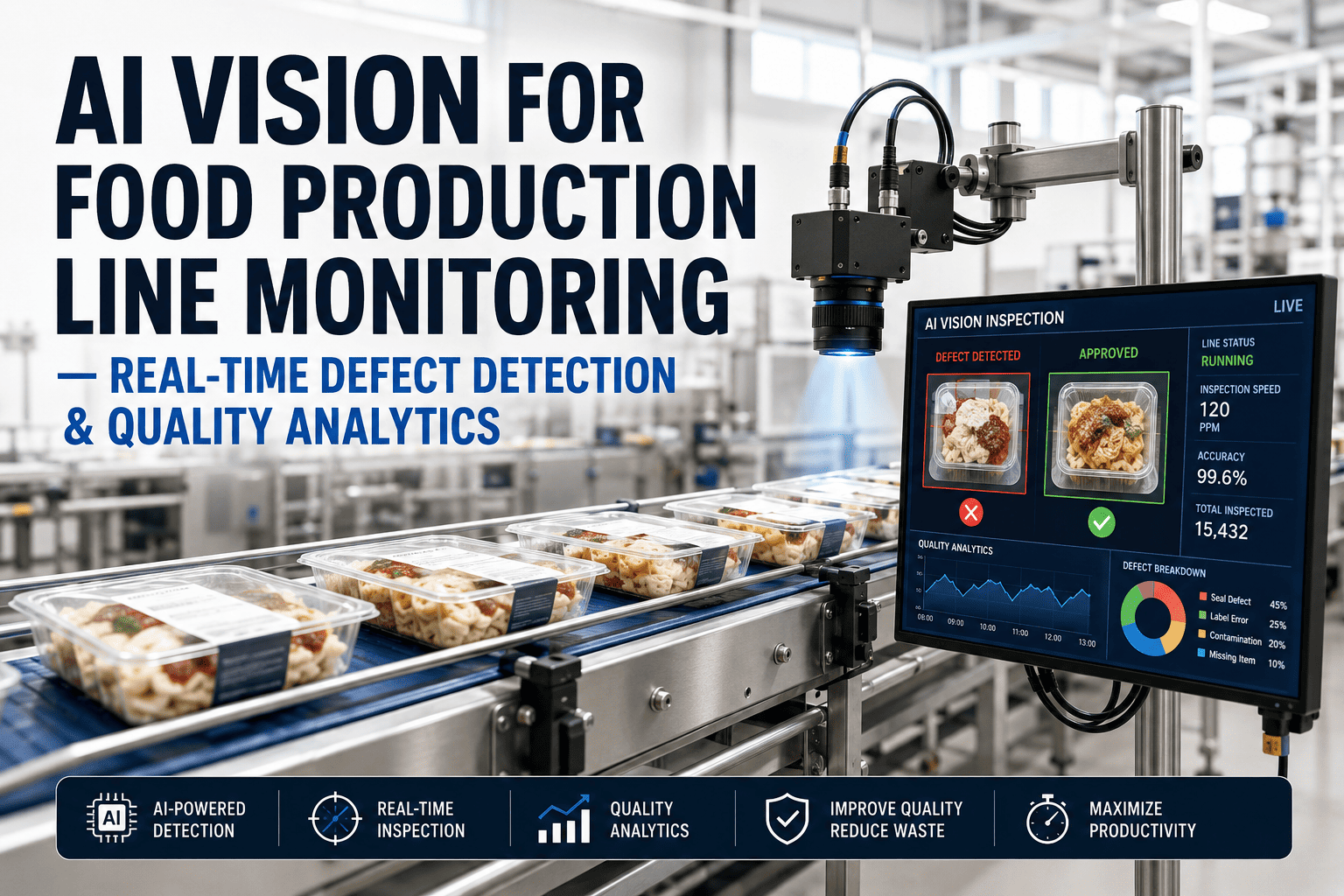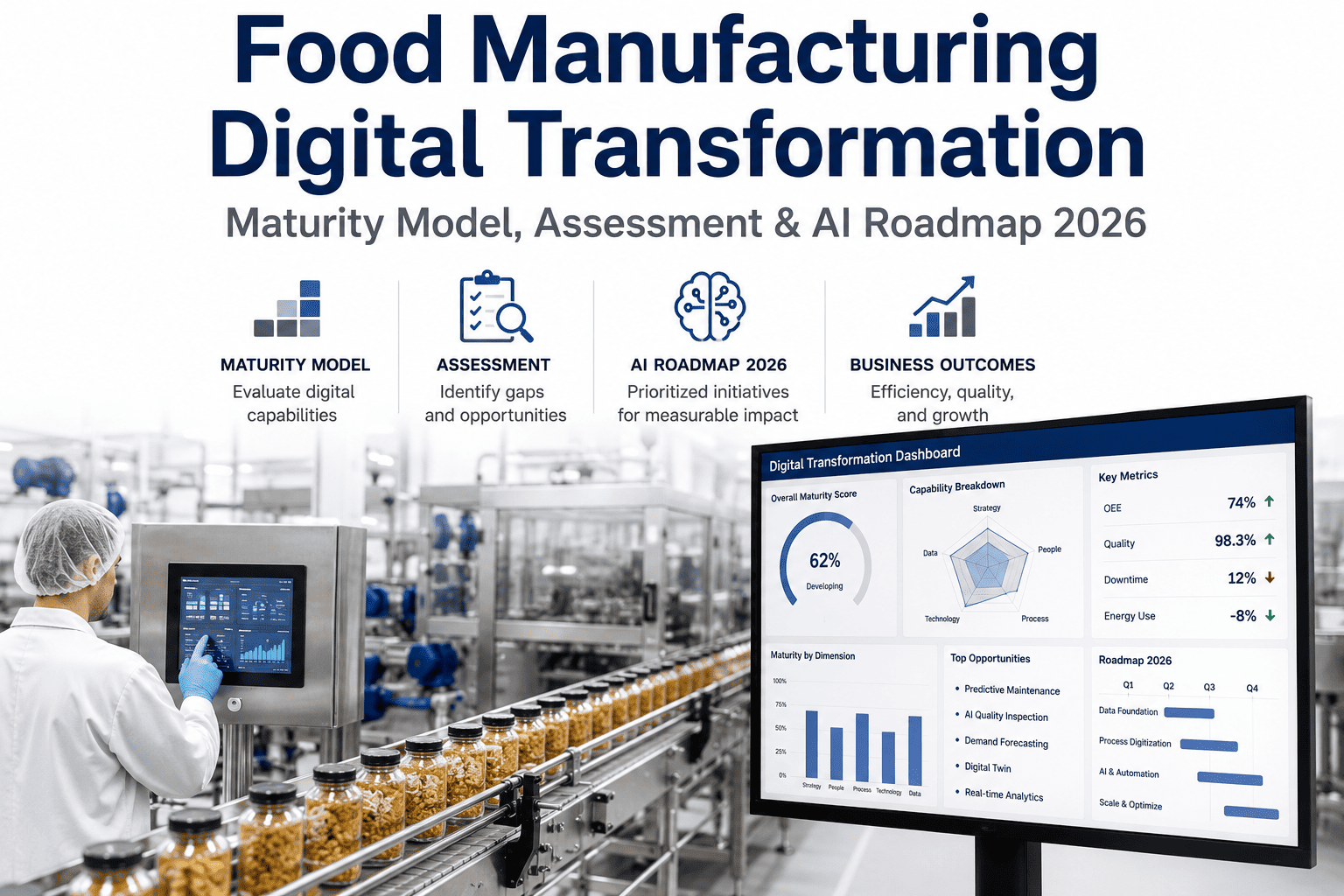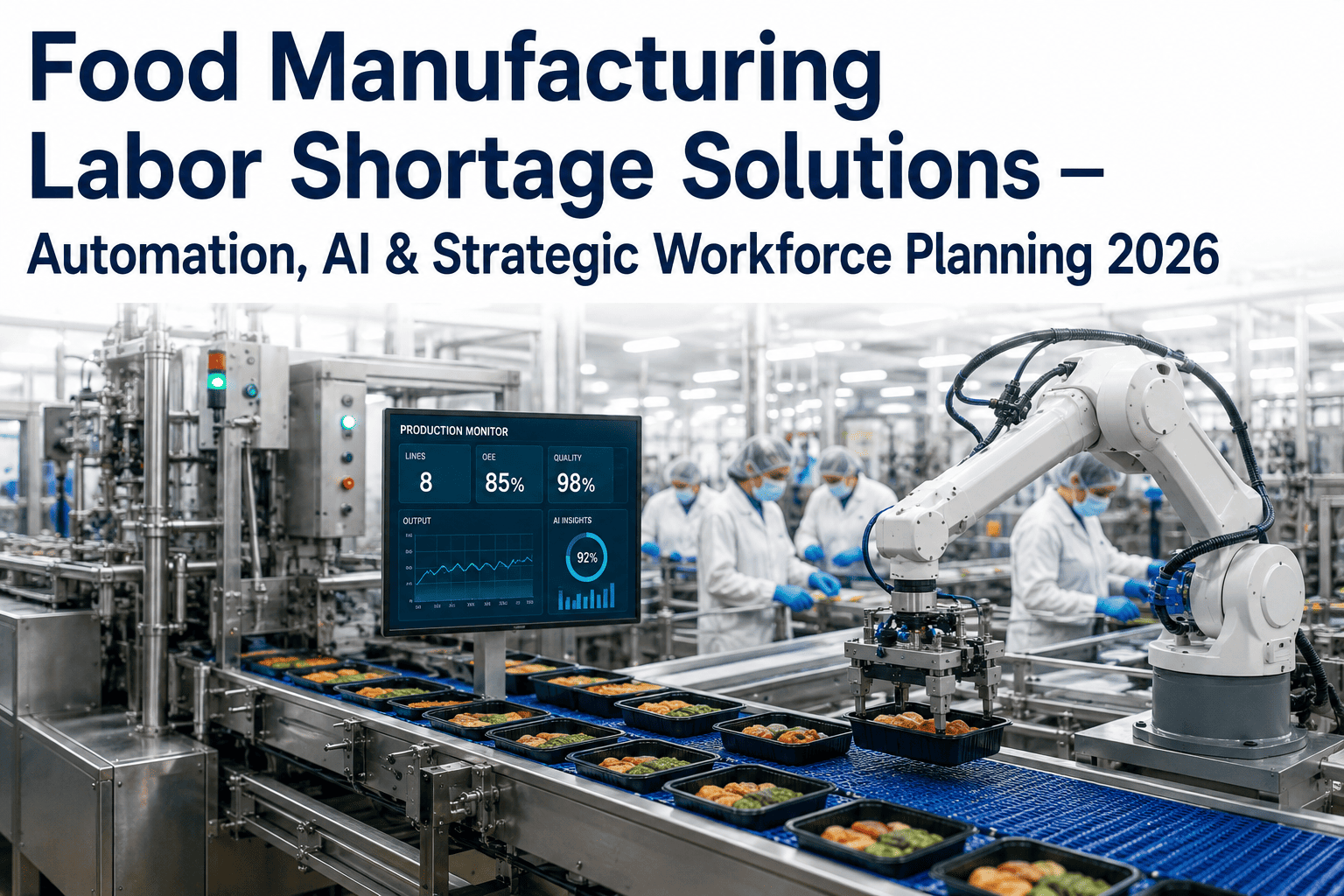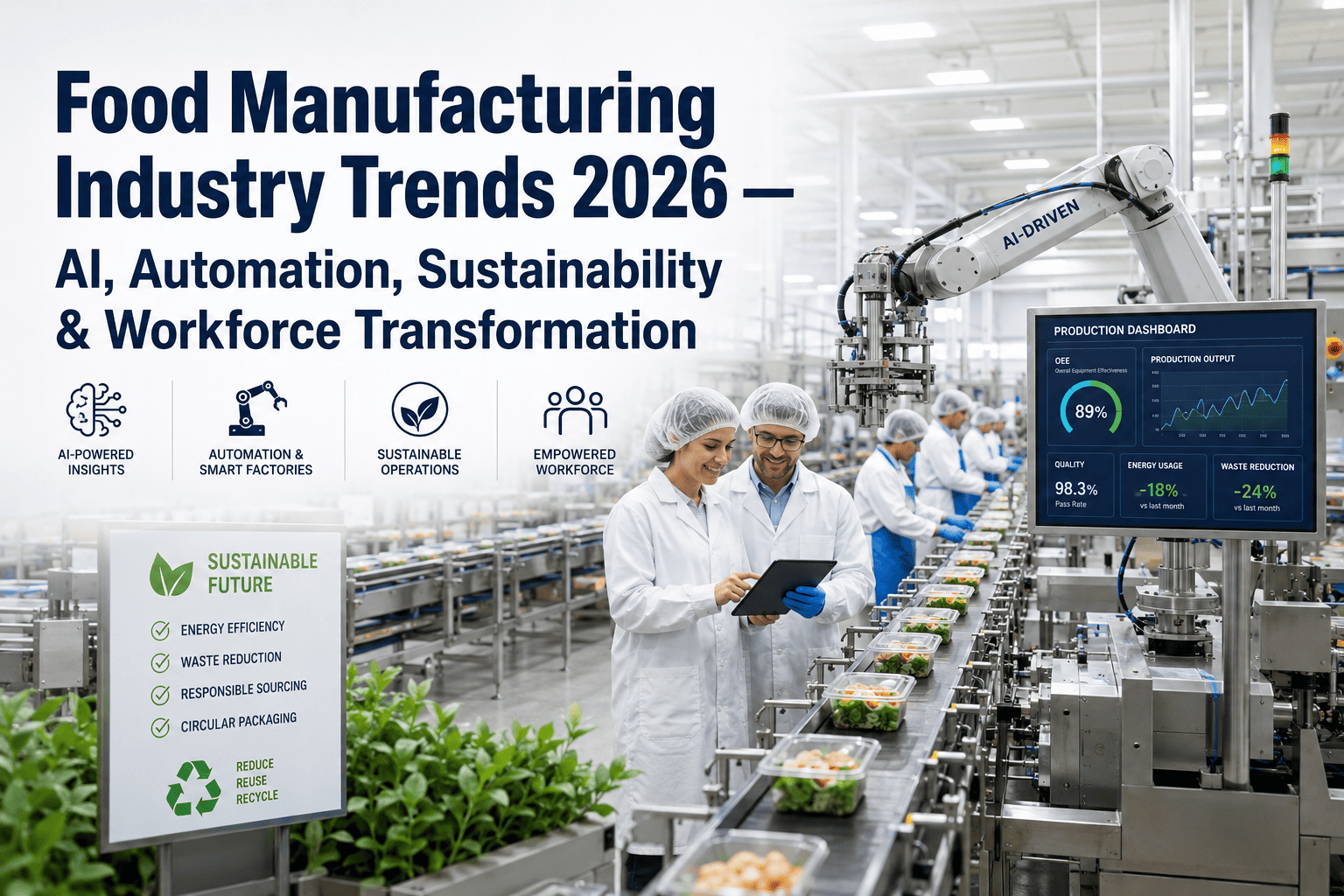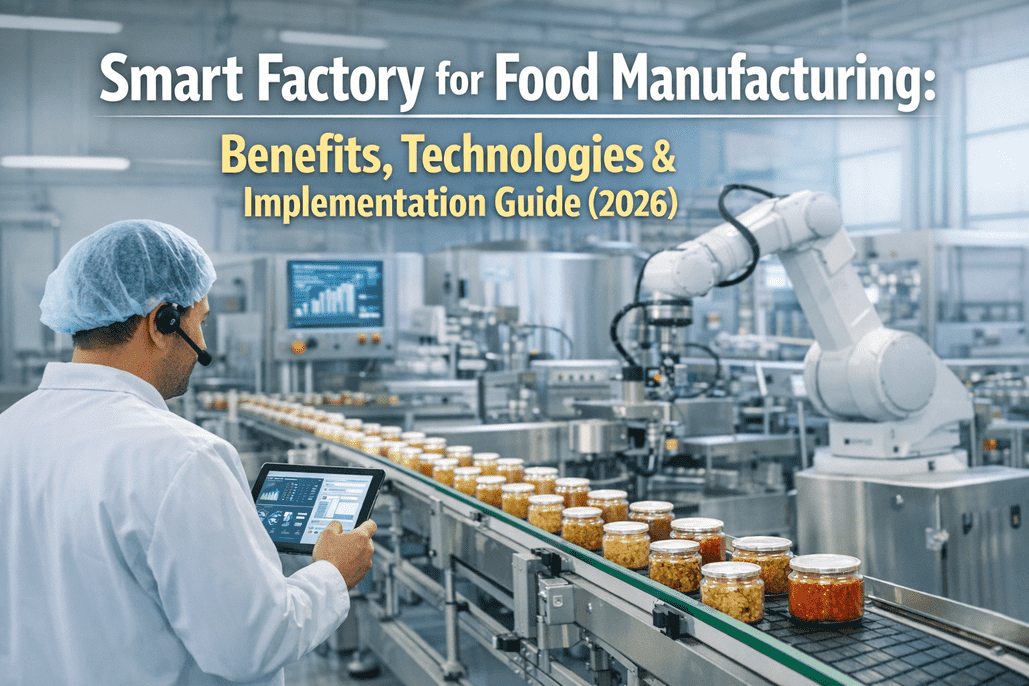
The food manufacturing industry is at an inflection point. With the global smart factory market projected to reach $272 billion by 2032 and 92% of manufacturers now calling smart manufacturing their top competitive driver, the question is no longer whether to modernize — it's how fast. For food producers specifically, smart factory technologies solve the triple challenge of tightening regulations (FSMA 204, HACCP), rising consumer expectations for transparency, and relentless margin pressure from labor shortages and supply chain volatility. This guide breaks down the technologies, benefits, and a practical implementation roadmap to help food manufacturers move from pilot to production in 2026. Book a free demo and see how iFactory powers the connected food plant.
The 6 Challenges Driving Smart Factory Adoption in Food Manufacturing
Every food manufacturer faces these mounting pressures. Smart factory technology addresses each one with measurable results:
Chronic Labor Shortages
Difficulty hiring skilled workers and rising wages are eroding margins across the food industry. Automation of repetitive tasks, cobots augmenting human workers, and digital work instructions reduce training time and dependency on manual labor.
Regulatory Pressure (FSMA 204)
FDA demands electronic traceability records within 24 hours. Automated data capture at every CTE generates audit-ready compliance reports instantly.
Supply Chain Volatility
Ingredient shortages, logistics disruption, and price spikes require real-time inventory visibility, AI-powered demand forecasting, and supplier risk scoring.
Quality & Safety Risks
Average food recall costs $10M+. IoT-based real-time monitoring, predictive quality analytics, and automated HACCP compliance catch issues before they escalate.
Margin Compression
Rising input costs meet consumer price sensitivity. OEE optimization, waste reduction through data analytics, and energy management systems protect margins.
Consumer Transparency Demands
57% of consumers want to know their food's origin. End-to-end digital traceability and QR-enabled product provenance build trust and brand loyalty.
Facing these challenges? Book a free smart factory assessment to identify your highest-ROI starting point.
6 Core Technologies Powering the Smart Food Factory
Each technology layer builds on the previous one — creating a connected, intelligent, and self-optimizing production environment.
IIoT Sensors
Temperature, humidity, vibration, pressure, and flow sensors deployed across every line and cold chain touchpoint — the foundation layer.
MES Platform
Manufacturing Execution System orchestrates scheduling, batch tracking, quality management, and resource allocation in real time.
AI & Analytics
Predictive maintenance, quality analytics, and demand forecasting — turning raw data into proactive decisions.
Real-Time Production Monitoring
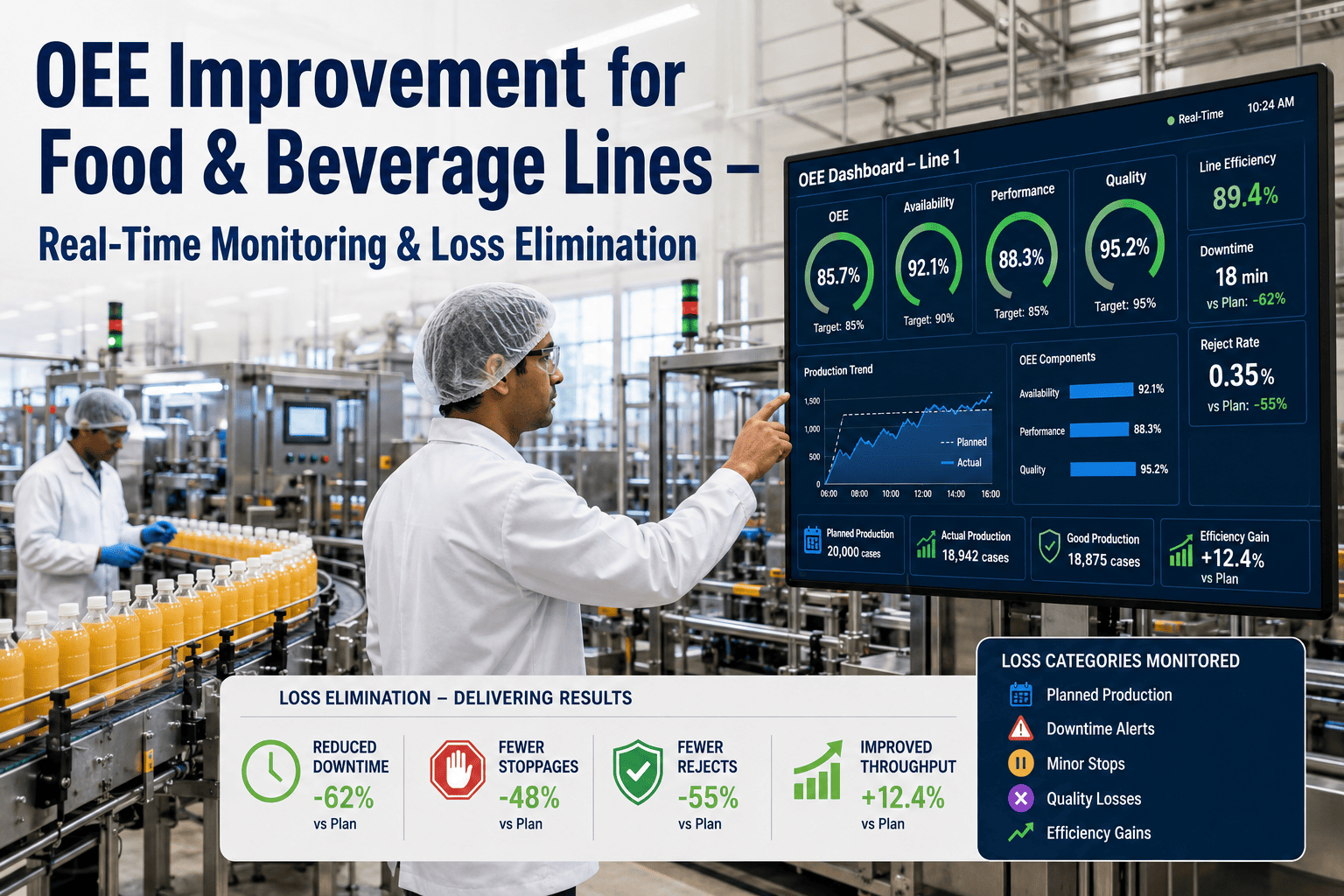
Live dashboards showing OEE, throughput, downtime, and quality metrics. Anomalies trigger instant alerts — operators respond in seconds, not shifts.
Predictive Maintenance (AI/ML)
ML models analyze vibration, temperature, and performance patterns to predict equipment failure before it happens — reducing unplanned downtime by up to 50%.
Robotics & Cobots
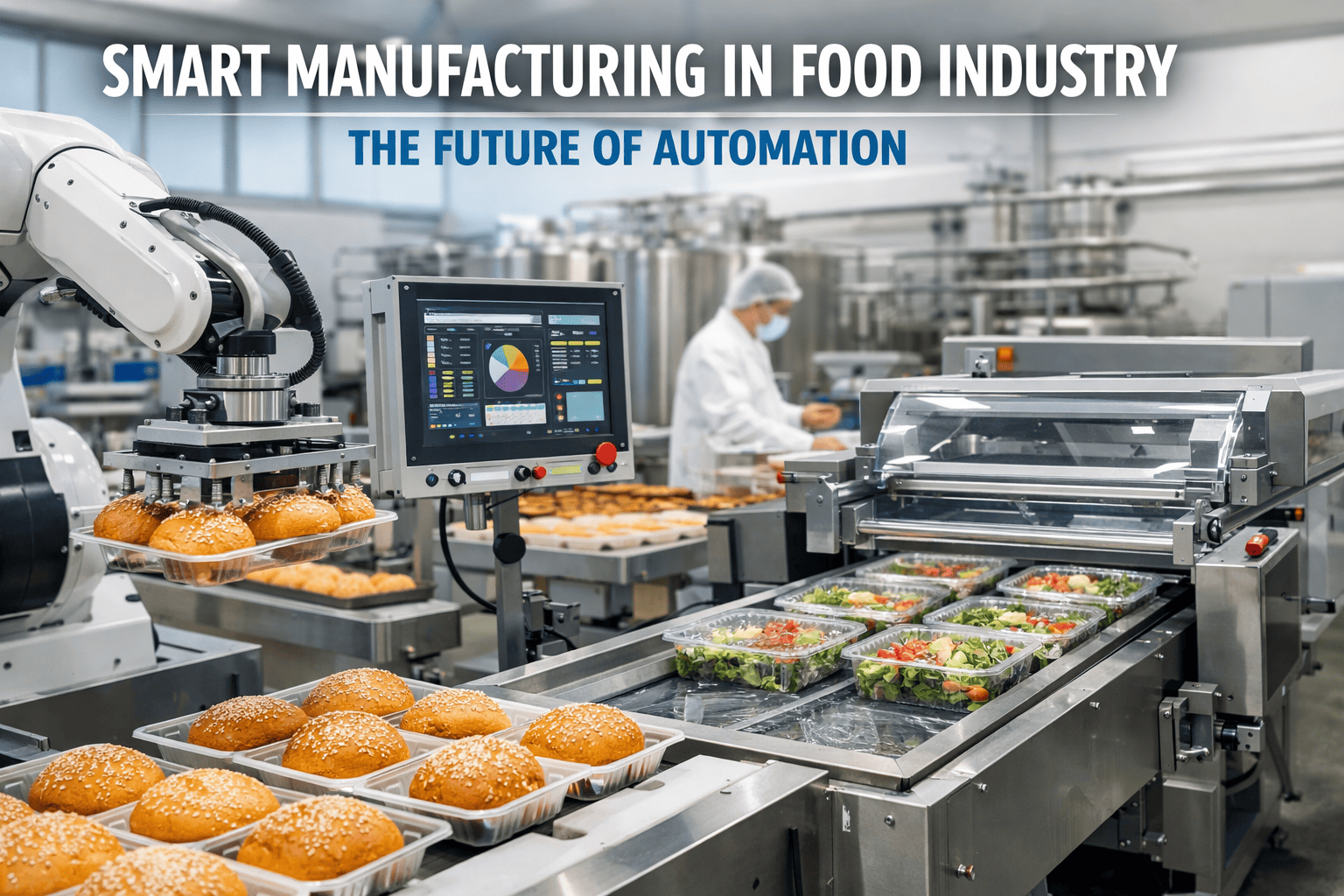
Collaborative robots handle palletizing, pick-and-place, packaging, and inspection — working safely alongside human operators with modular reconfiguration.
Cloud Analytics & Digital Twins
Cloud platforms aggregate data for enterprise-wide analytics. Digital twins simulate production scenarios before physical changes — reducing risk and accelerating optimization.
See All 6 Technology Layers in Action
iFactory integrates IIoT sensors, MES, real-time monitoring, predictive maintenance, and cloud analytics into a single connected platform built for food manufacturers.
The ROI of Smart Factory Investment
Real-world results from manufacturers who have invested in smart factory initiatives — backed by Deloitte, Advantech, and Google Cloud research.
Traditional vs. Smart Food Factory: The Gap
Ready to bridge the gap? Request a custom smart factory assessment for your food plant.
5-Phase Implementation Roadmap
A practical, phased approach that delivers ROI at every stage — not a risky "big bang" transformation.
Assess & Baseline (Weeks 1–3)
Map current production workflows, identify bottlenecks, audit existing systems (ERP, SCADA, QMS). Establish OEE baselines and define priority use cases based on ROI potential.
Connect & Sense (Weeks 4–8)
Deploy IIoT sensors on critical equipment. Establish network connectivity. Begin real-time data capture for temperature, vibration, OEE, and throughput.
Visualize & Monitor (Weeks 9–14)
Deploy MES and real-time dashboards. Configure automated alerts for quality deviations, downtime events, and compliance thresholds. Digitize HACCP and batch tracking.
Analyze & Predict (Weeks 15–22)
Activate predictive maintenance models, quality analytics, and demand forecasting. Train AI on historical data to identify failure patterns and optimization opportunities.
Scale & Optimize (Week 23+)
Roll out proven solutions across additional lines and facilities. Integrate robotics/cobots where validated. Deploy digital twins for continuous simulation and improvement.
Smart Food Manufacturing Trends Shaping 2026
What forward-thinking food manufacturers are investing in right now.
Agentic AI
AI that autonomously reasons, plans, and acts — moving from pilot to production. Gartner projects 33% of enterprise software will include agentic AI by 2028, up from 1% in 2024.
Human-Centric Industry 5.0
The focus is shifting from "lights-out" automation to augmenting human workers with cobots, AR-guided workflows, and digital upskilling tools.
5G-Connected Factories
5G is enabling fully connected manufacturing ecosystems where machinery, sensors, and workers communicate with ultra-low latency and massive device density.
Sustainability-Led Efficiency
Smart energy management, waste reduction analytics, and water optimization are delivering both environmental and financial returns simultaneously.
Expert Perspective
"Industry 4.0 has been making ambitious promises for years, but the moment of value realization is finally arriving. Companies embracing the trend are more agile, more attractive to talent, and more productive. 92% of manufacturers believe smart manufacturing will be the main driver for competitiveness over the next three years."
Want to join the 90%+ who are investing now? Talk to our smart factory specialists today.
Smart Factory Market at a Glance
The Smart Food Factory Isn't Coming. It's Here.
88% of manufacturers expect to be "smart" by 2028. The ones who start now will lead. Let iFactory be the bridge between your current operations and your connected future.